
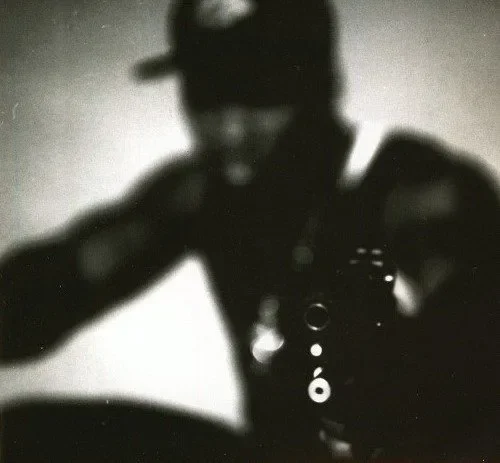

Ranking
#67

Ranking
#67
Followers
100.8 M
Digital presence
Official profiles, streaming and discovery.
What a good fan recites by heart (or pretends to).
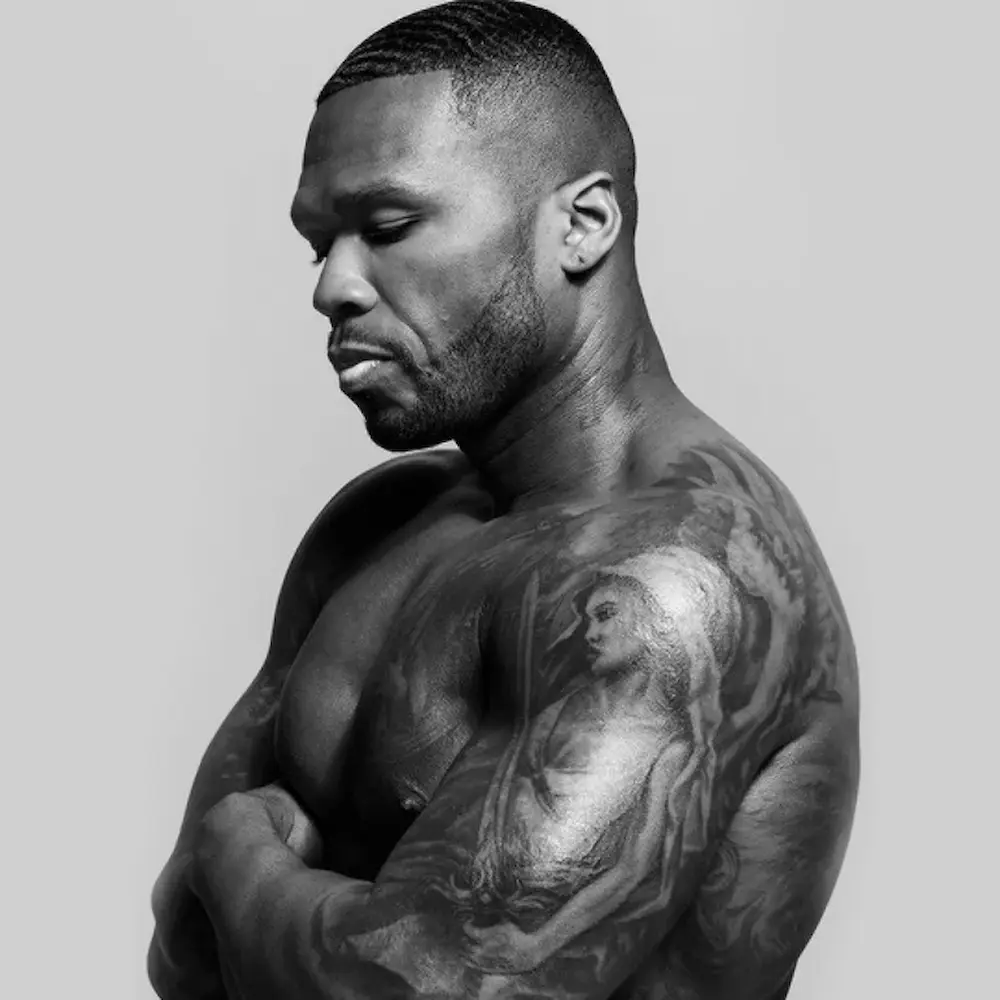
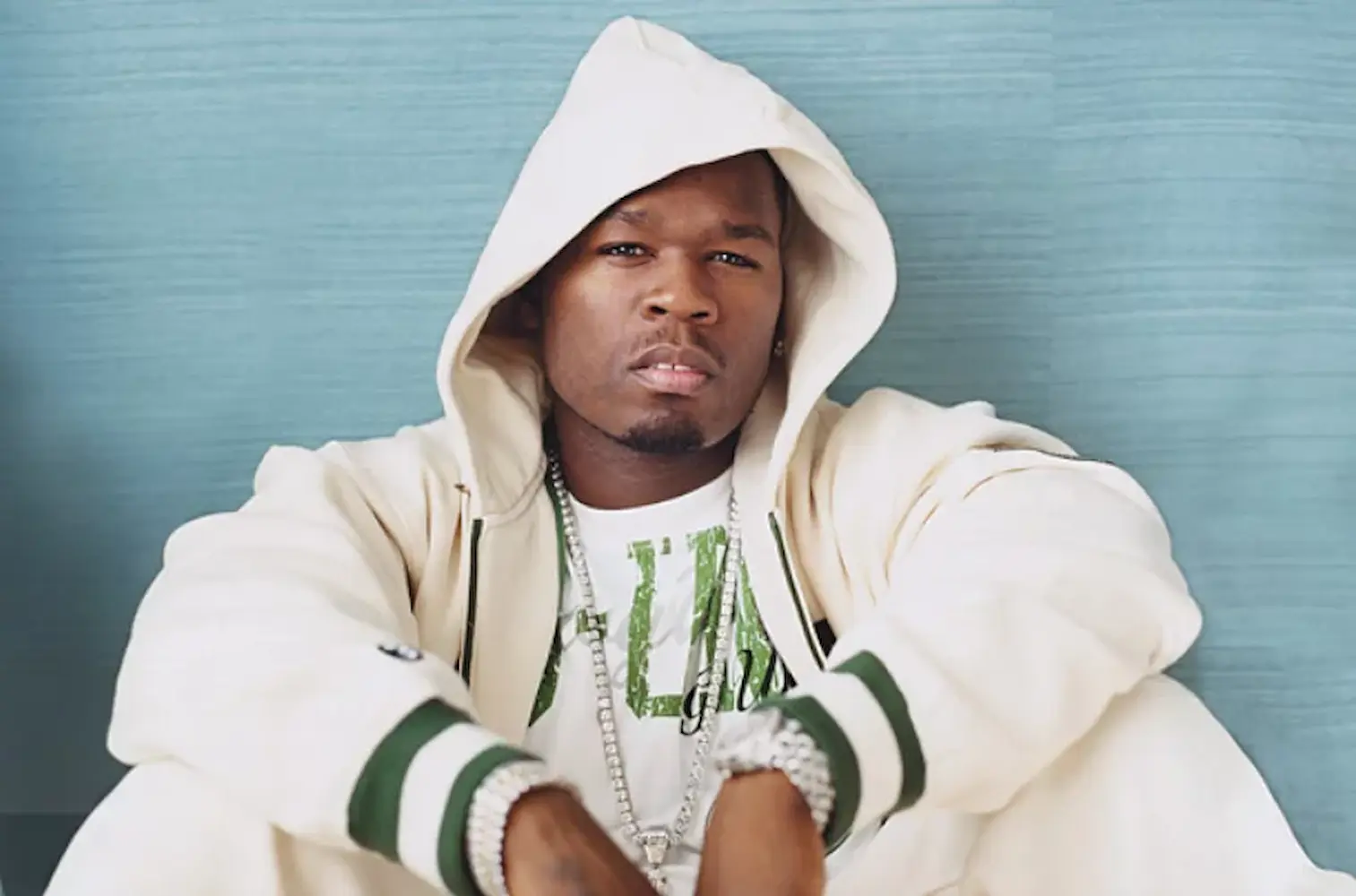
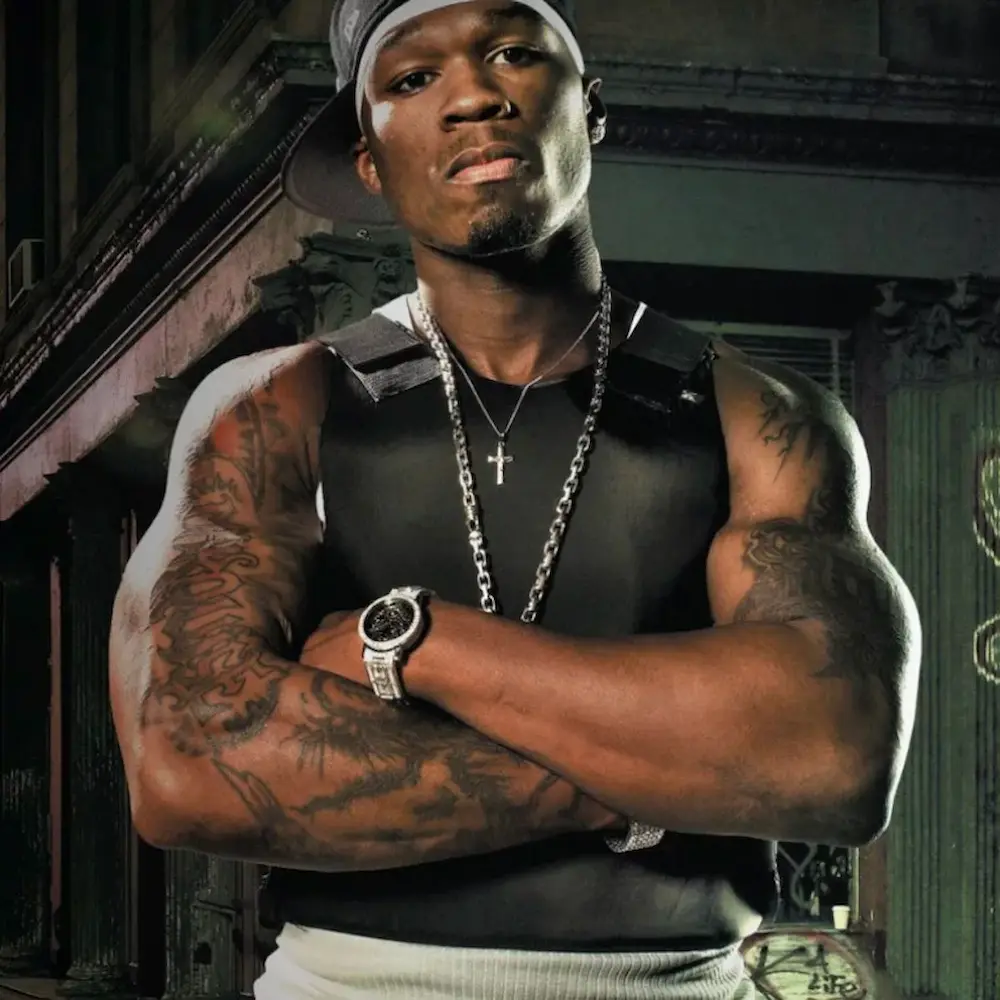
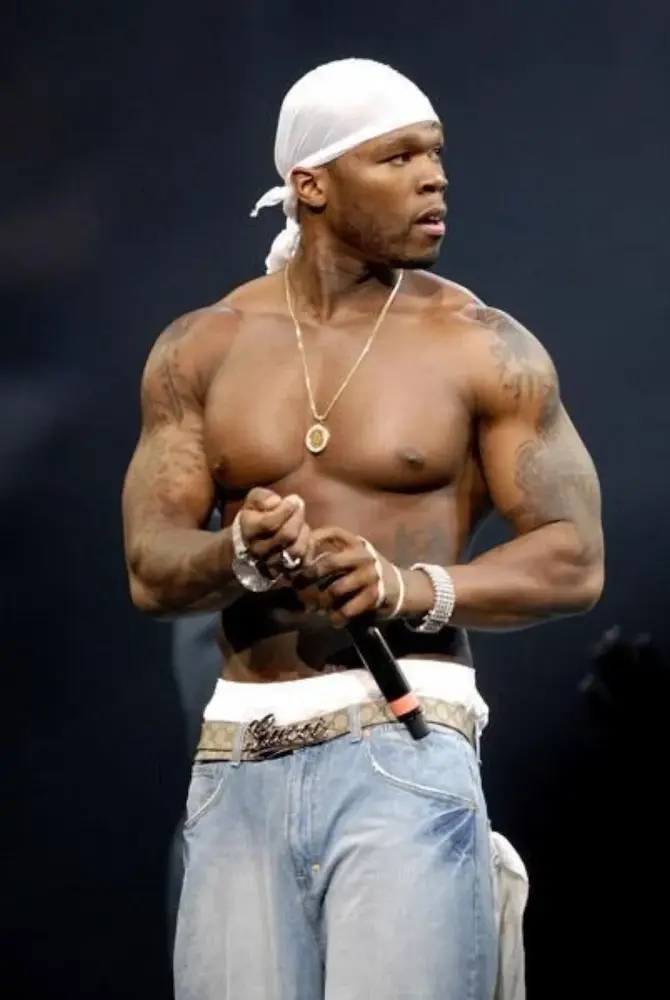
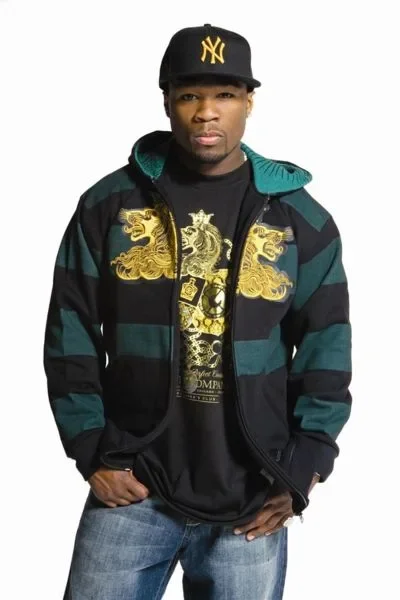
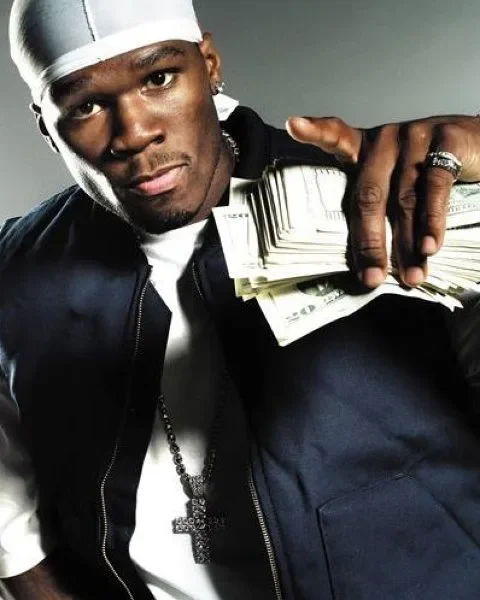
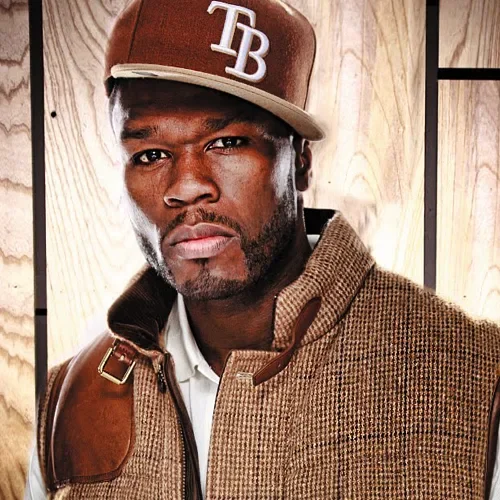
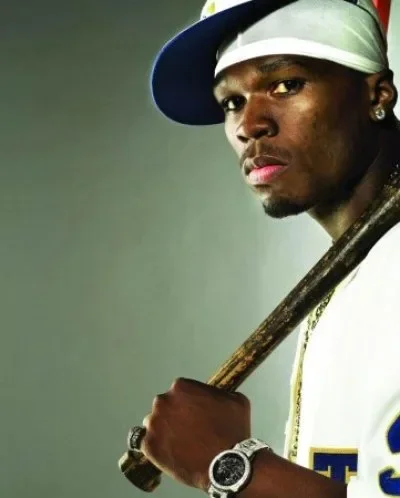
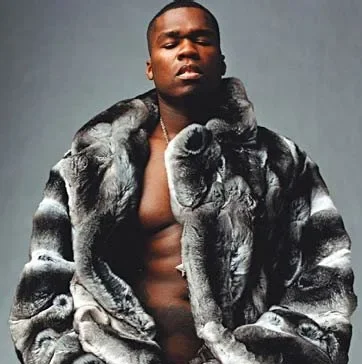
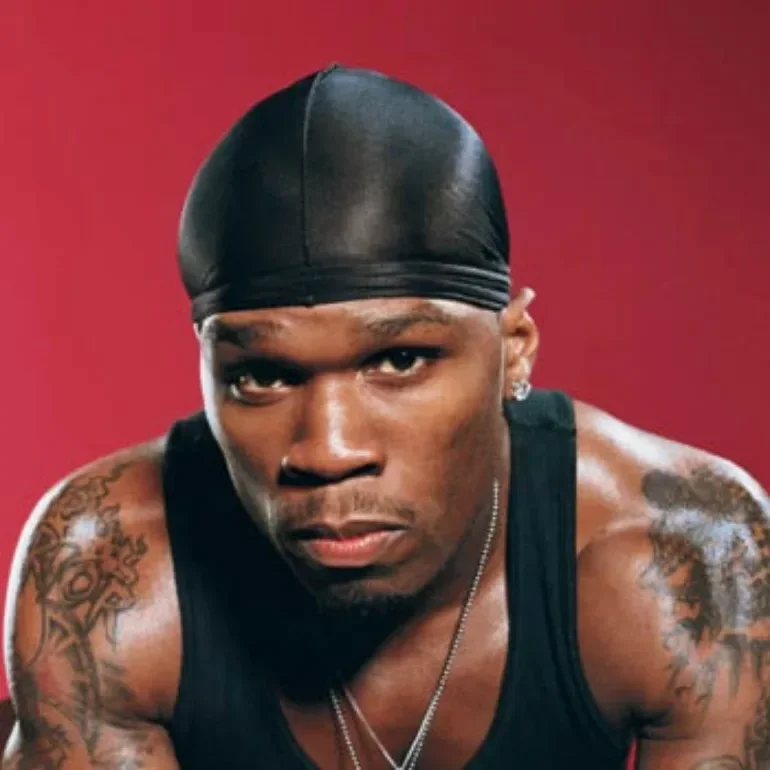
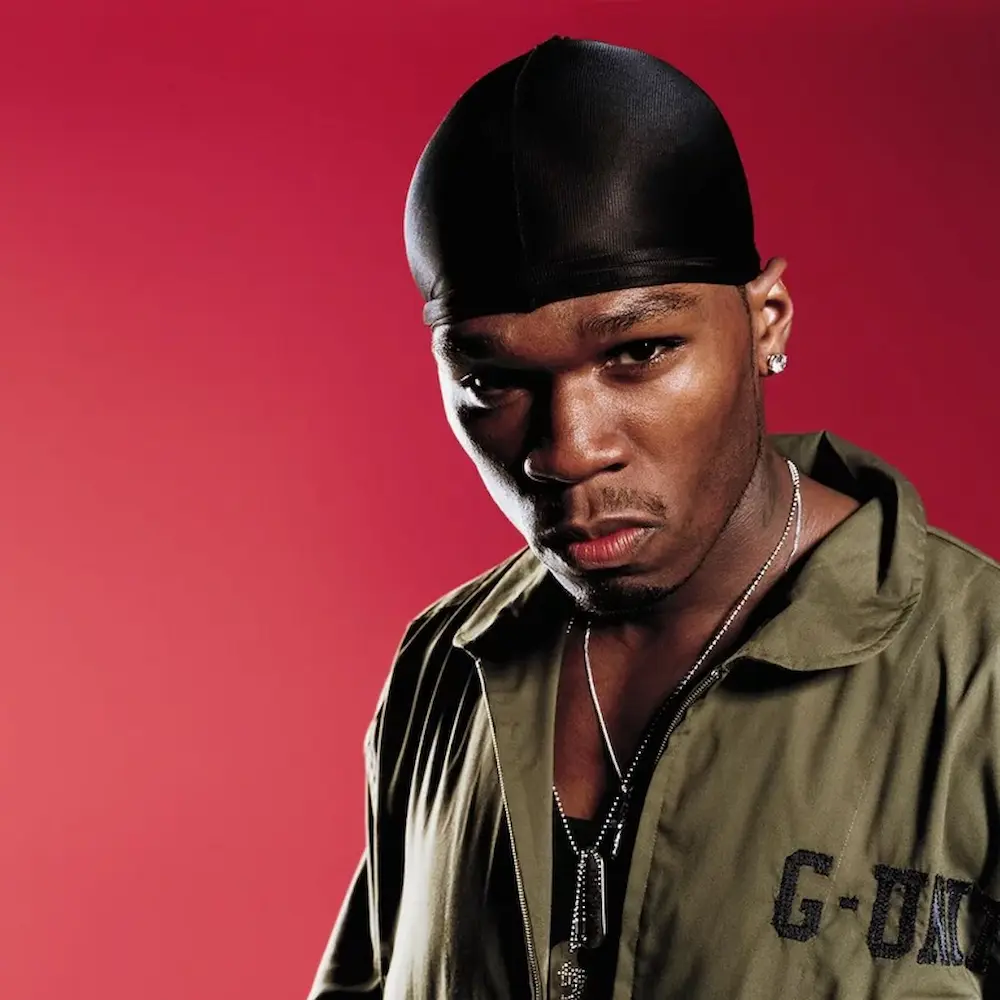
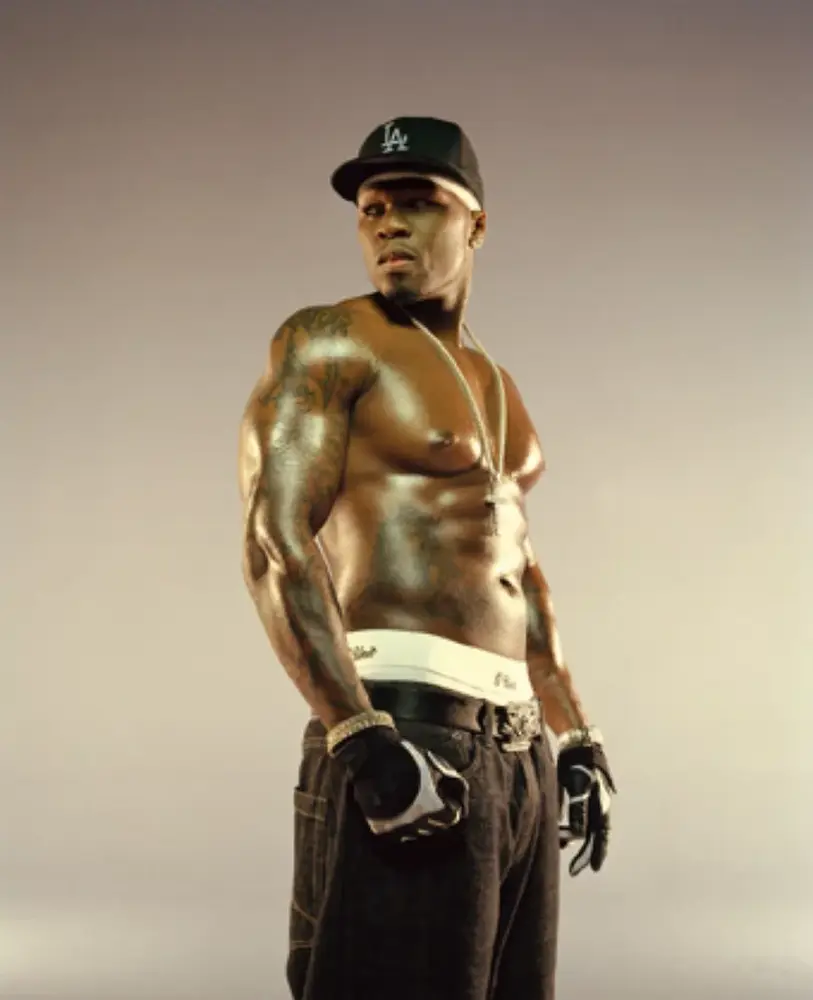
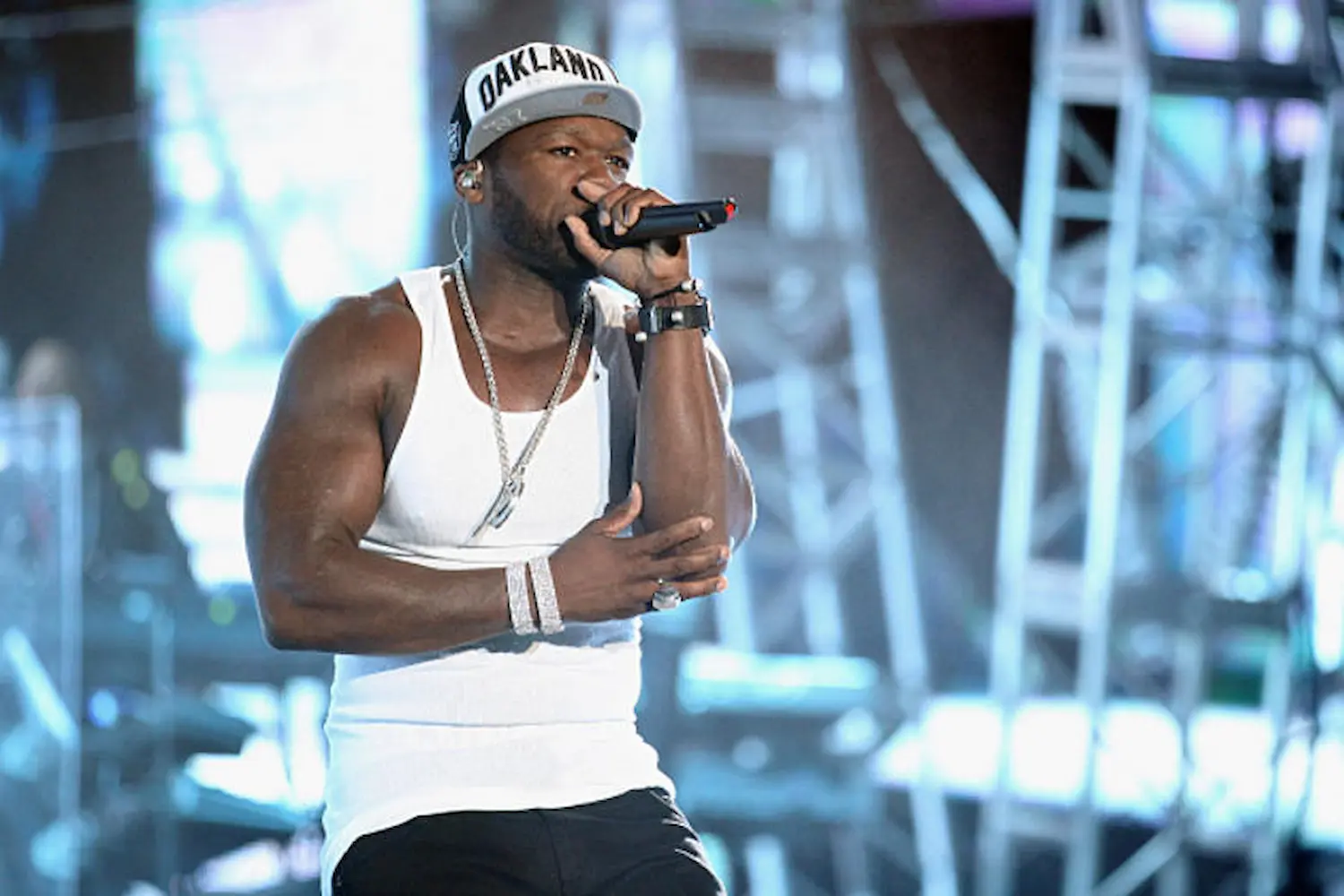
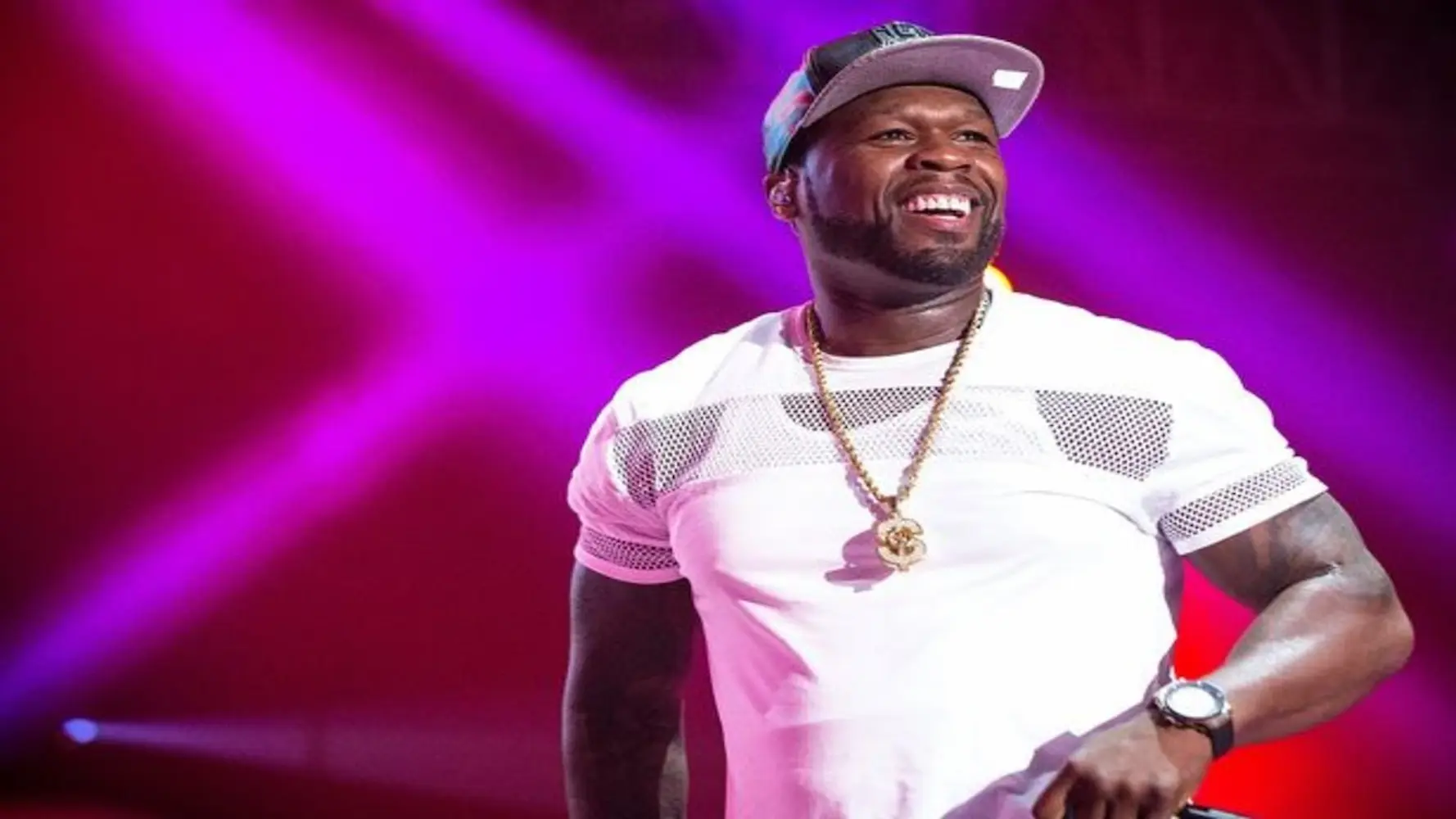
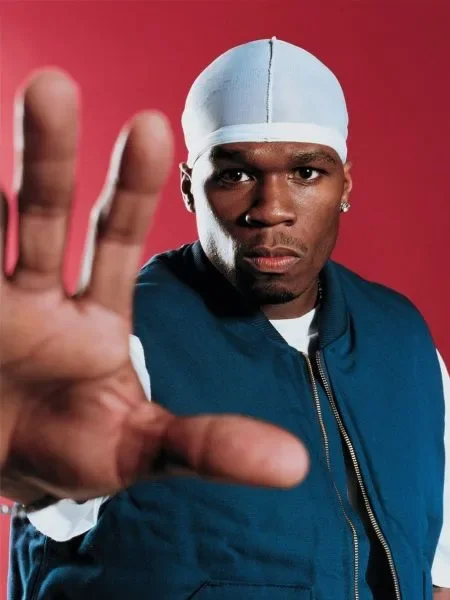
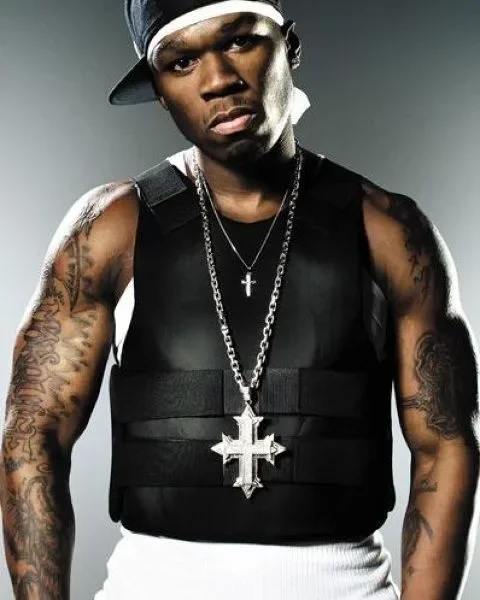
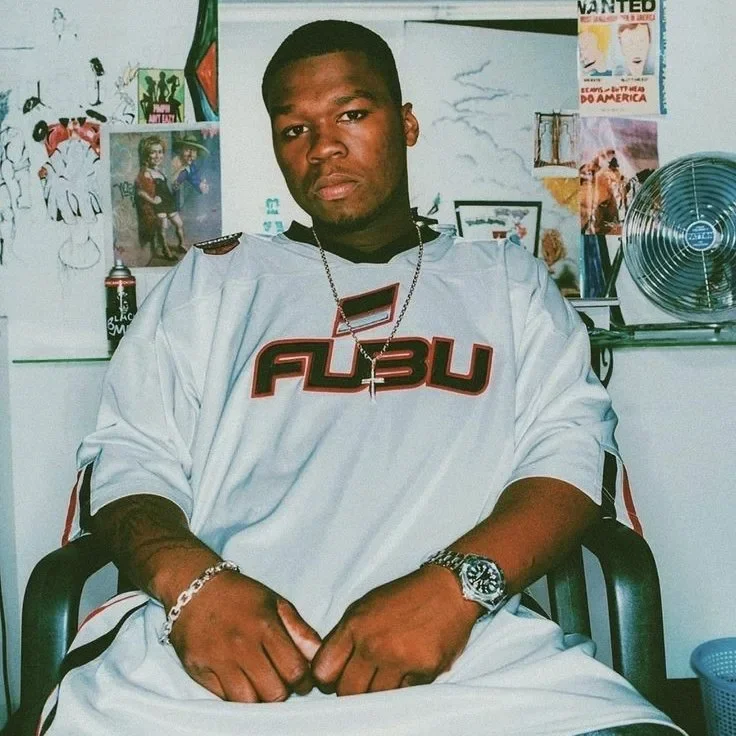
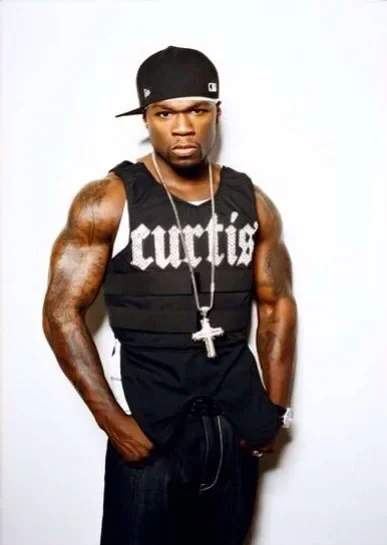
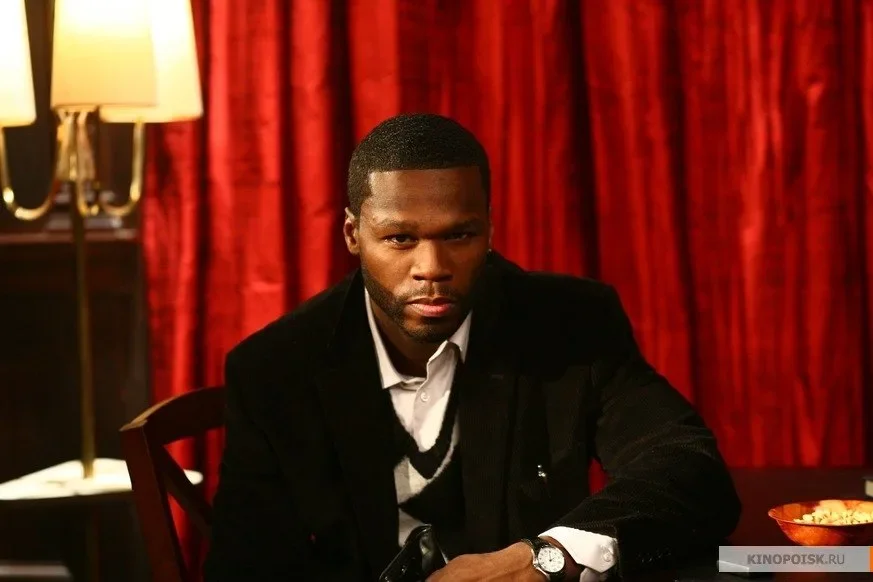
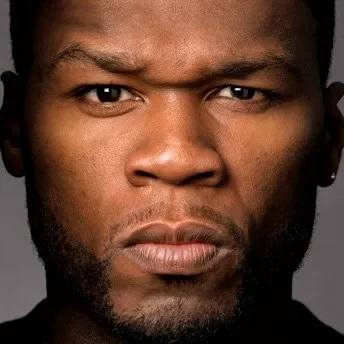
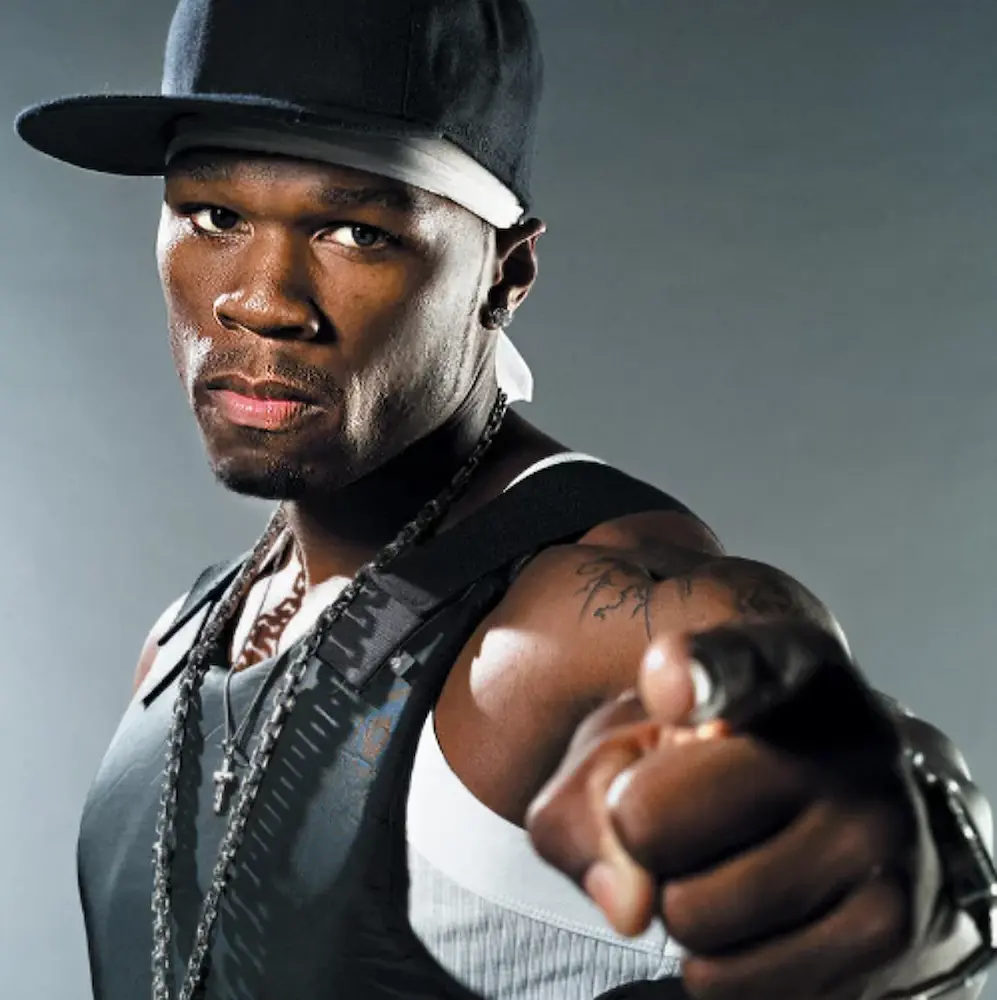
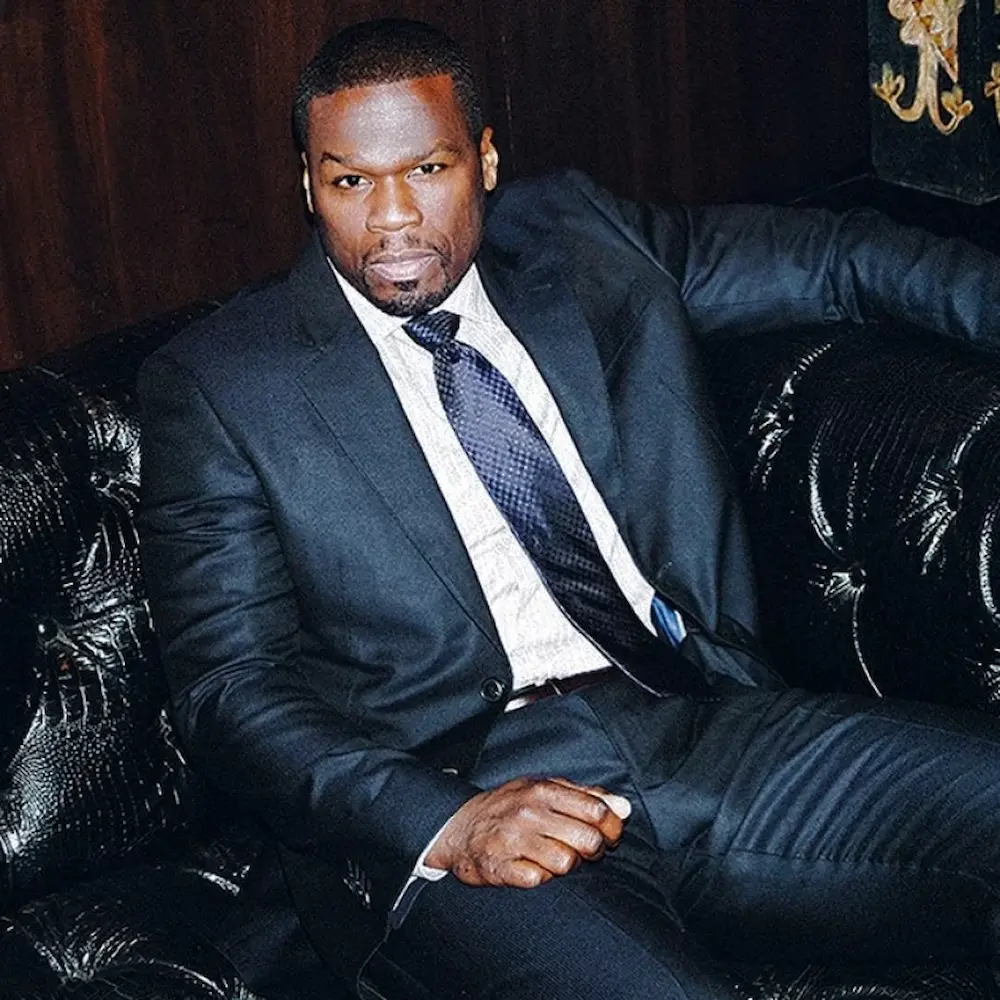
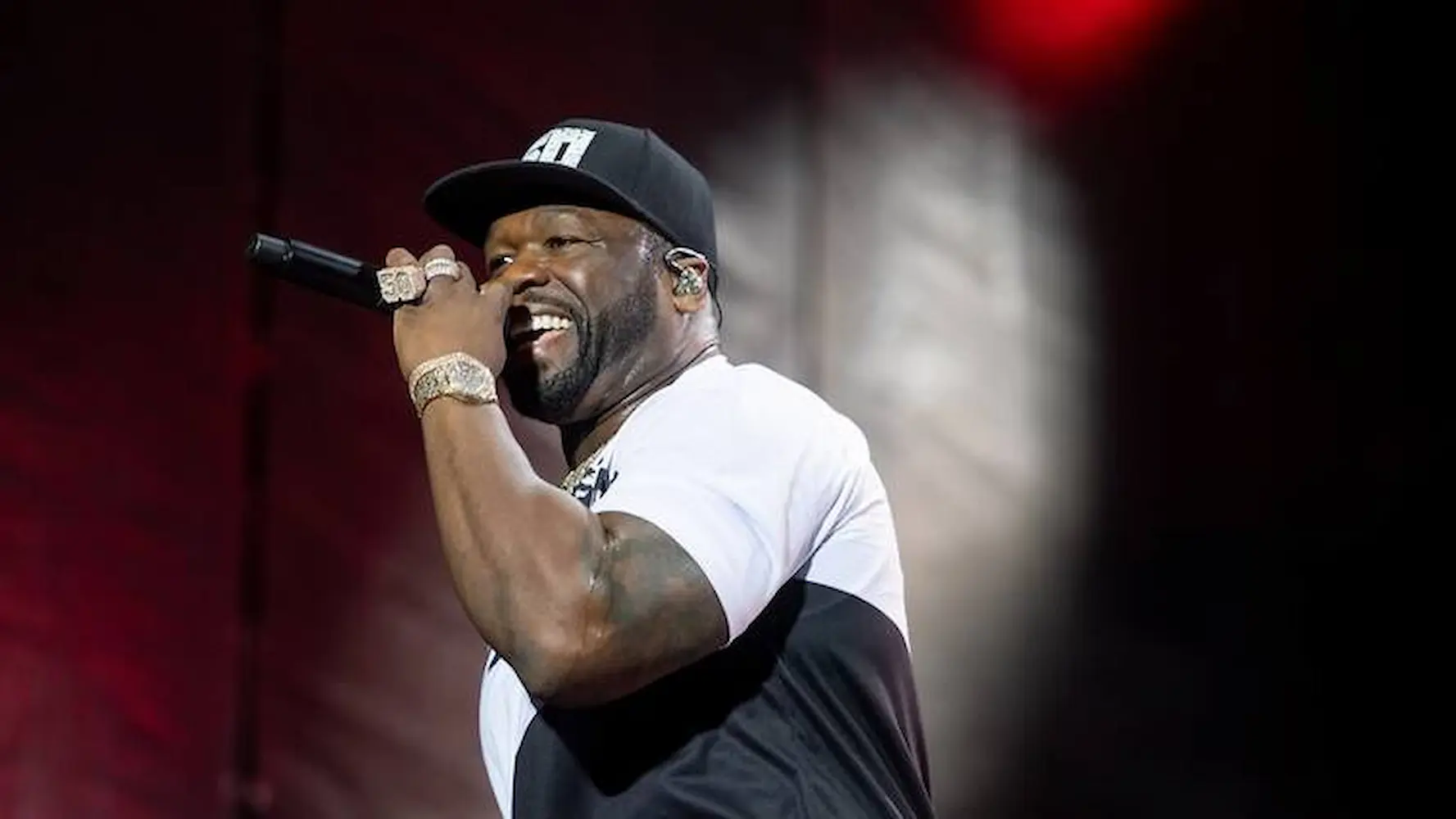
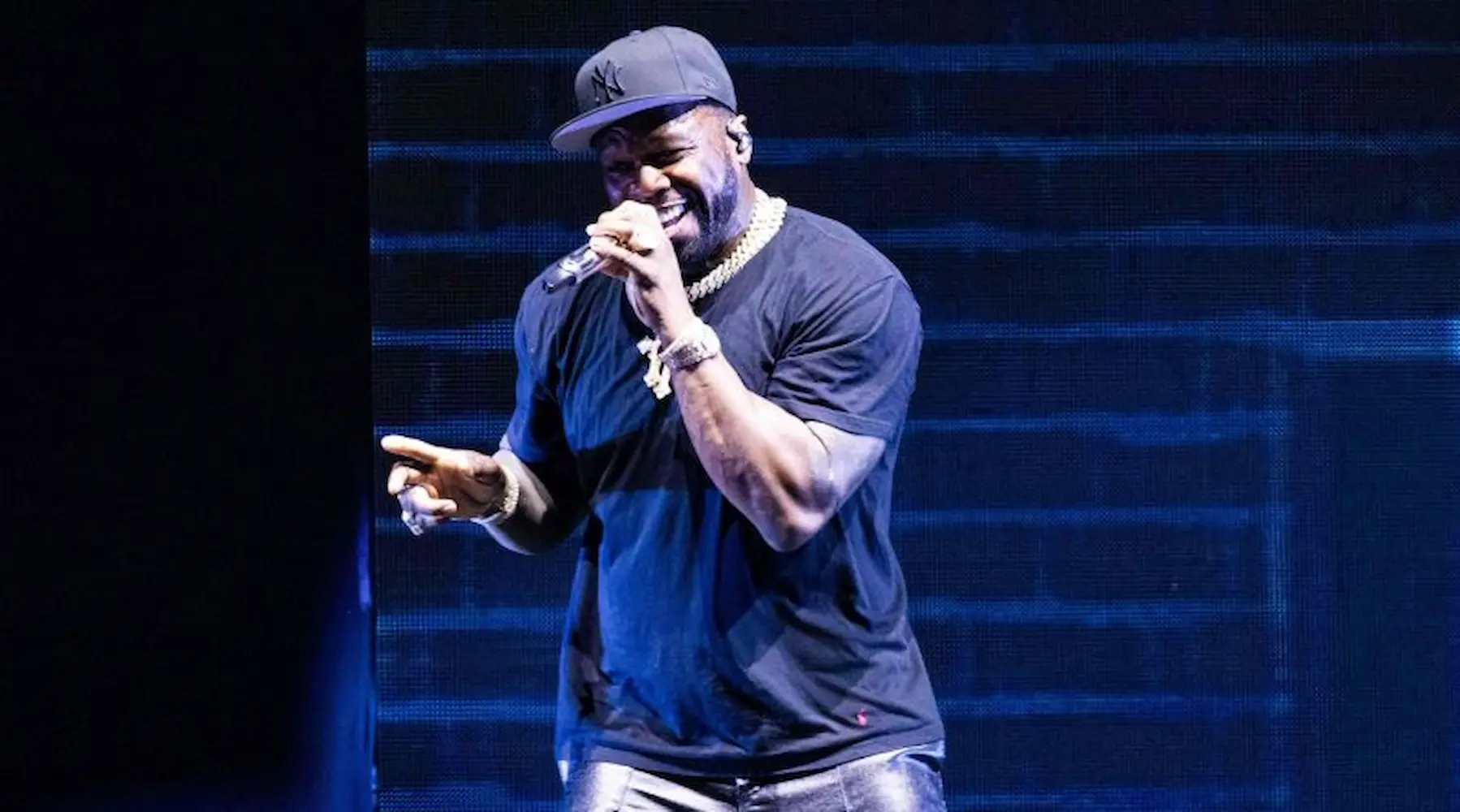
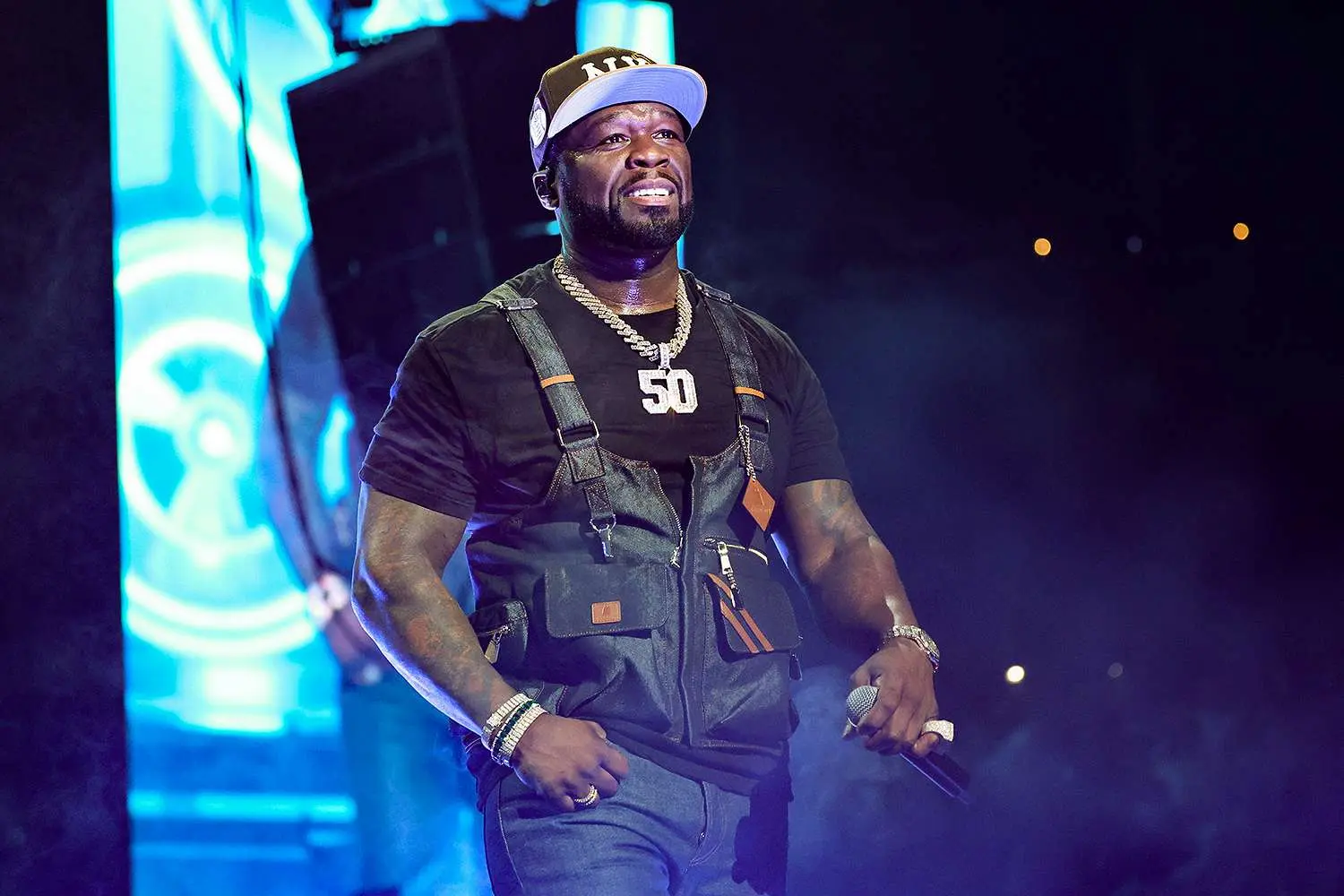
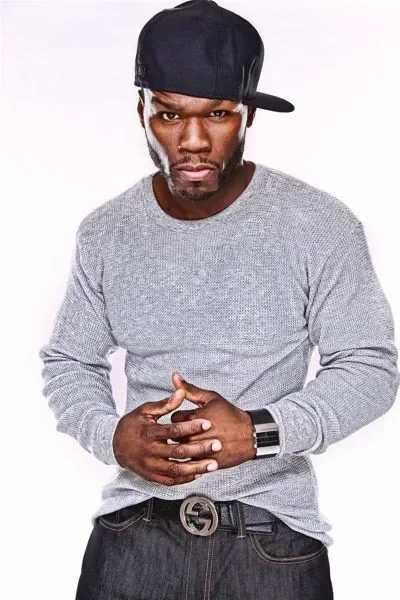
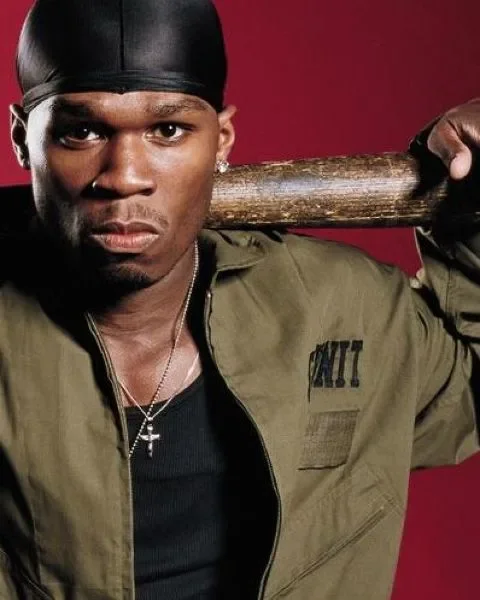
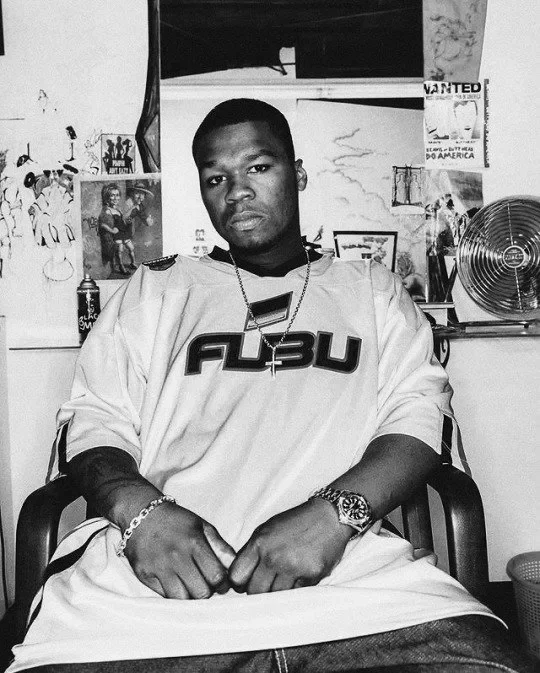
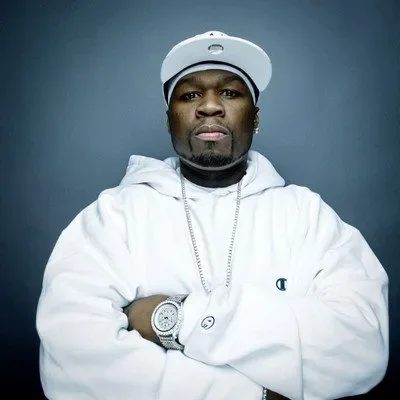
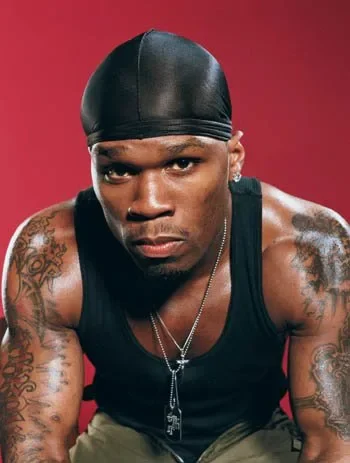
50 Cent entered rap as a figure almost impossible to separate from his own legend: the low voice, the cold stare, the sharp humor, and a survival story that sounded cinematic before cinema ever tried to frame it. In the early 2000s, he shifted the temperature of mainstream hip hop. He was not just another New York rapper trying to get radio play; he arrived as a fully formed character, armed with memorable lines, undeniable hooks, and a way of turning street hardness into songs that could live in clubs, stadiums, cars, and headphones around the world.
Born Curtis James Jackson III in Queens, New York, 50 Cent grew up in South Jamaica, a neighborhood that shaped the emotional and narrative core of his music. His professional entry into rap is tied to Jam Master Jay of Run-D.M.C., who heard him, guided him, and signed him to JMJ Records. That early period mattered because it gave structure to a voice that already had instinct but needed craft: how to count bars, shape songs, deliver hooks, and understand the business around the music. Before becoming a global star, 50 Cent came up in one of the most competitive rap environments in New York, where a strong line could open doors and the wrong reputation could close them just as quickly.
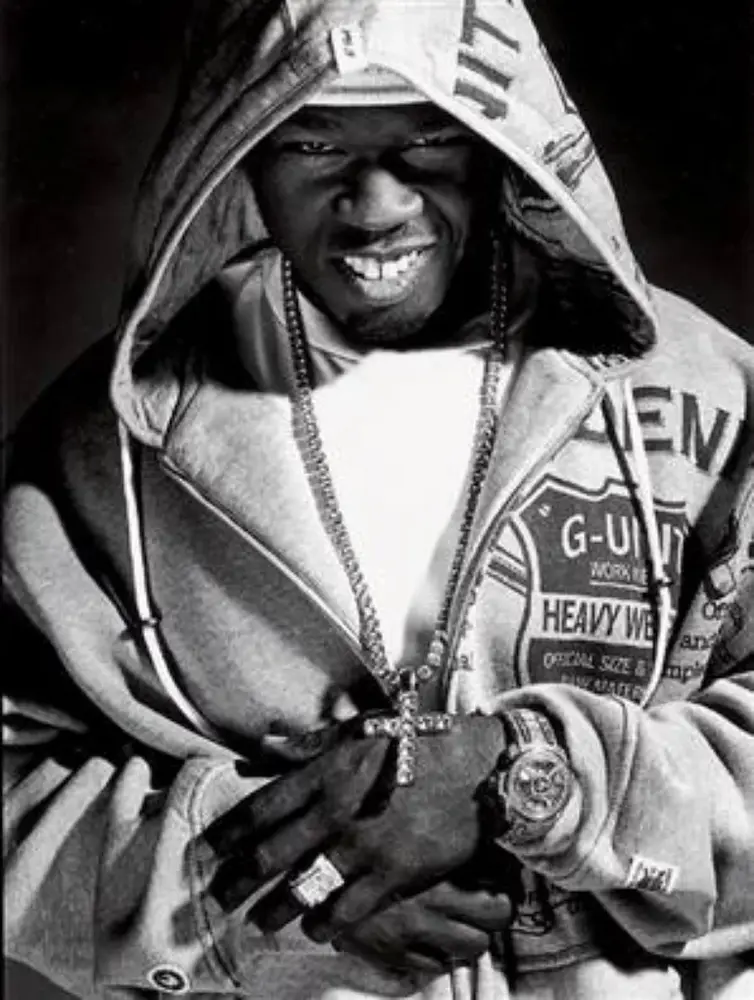
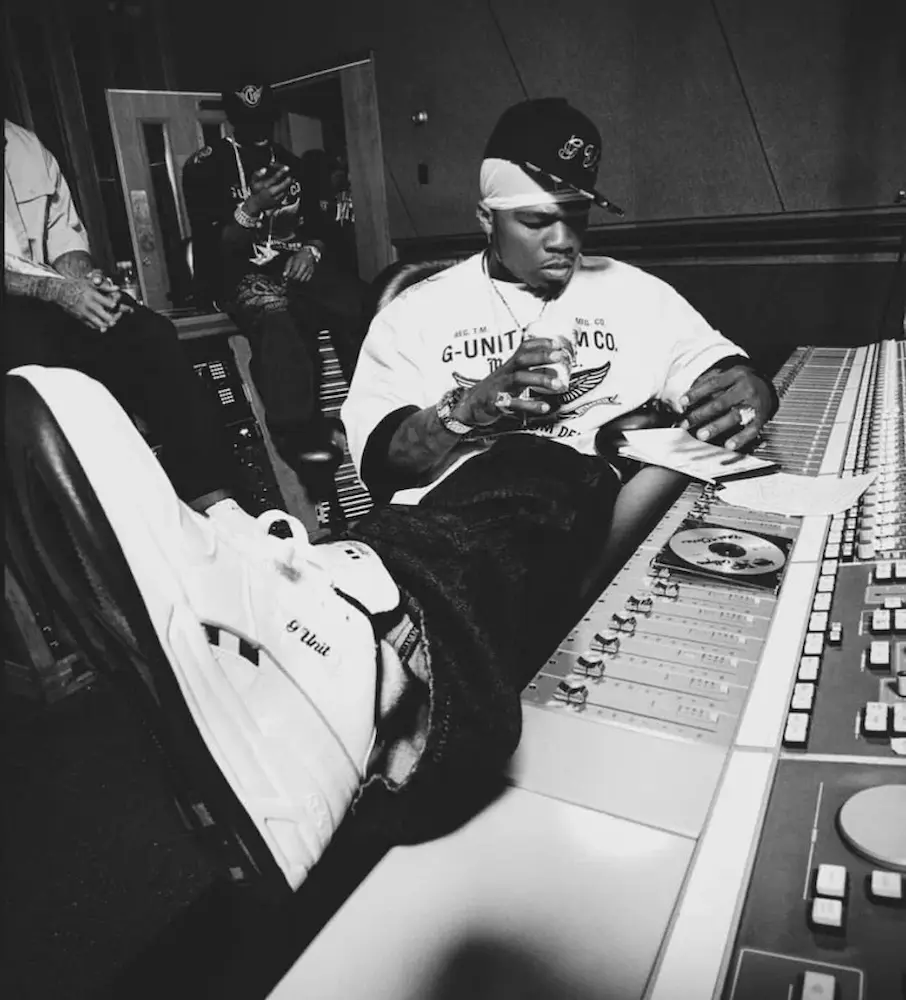
His first major creative breakthrough was understanding that mixtapes could be more than promotion. For 50 Cent, they became a battleground, a calling card, and a survival strategy. After the unreleased Power of the Dollar and his split from Columbia, he returned to the underground with a sharper, more confrontational identity. His recordings with G-Unit, alongside Lloyd Banks and Tony Yayo, made him impossible to ignore. He rapped about enemies, money, violence, desire, paranoia, and ambition with a mix of menace and charisma that felt different from the rest of the field. He did not sound like he was asking for a chance; he sounded like he was taking one.
The turning point came when Eminem and Dr. Dre brought him into the Shady/Aftermath orbit. In that setting, 50 Cent found the perfect frame for turning his personal mythology into pop machinery. Get Rich or Die Tryin’ was not just a massive debut; it was the arrival of a rapper who dominated conversation, radio, music television, and urban culture all at once. “In da Club” became an instant anthem, but the album’s reach went beyond one single. “21 Questions” revealed his melodic and romantic side, “P.I.M.P.” strengthened his club appeal, and “Many Men” gave his story a darker, almost mythic weight.
His style was never built on speed or decorative technique. The power of 50 Cent came from cadence, restraint, tone, and timing. He could make a simple phrase sound like a threat, a joke, a confession, or a slogan. He also had a rare ear for hooks, which separated him from many rappers with similar street credentials. He could sound intimidating without losing pop appeal, and that combination was central to his impact. His music lived between two worlds: the rawness of street rap and the global industry’s need for choruses that everyone could remember.
With The Massacre, G-Unit Records, video games, film, and a steadily expanding business presence, 50 Cent made it clear that his ambition reached far beyond music. He became an entrepreneur, actor, television producer, and media figure, extending his persona into new cultural spaces. That expansion did not erase his musical identity; it reinforced the idea that one of his greatest skills has always been managing a story and turning it into leverage.
His legacy in hip hop belongs to a moment when rap became a global business without fully losing its street tension. 50 Cent was brutal, catchy, strategic, charismatic, and brutally effective. His defining work captures the moment when a rapper could rise from the mixtape circuit, survive industry rejection, and become a cultural brand. At his best, he made danger sound celebratory and made celebration carry a shadow.
Main genre
RAP
Main subgenres
Like a superfan's list — except verified, with sources and links.
07–Jul 09, 2023
London · United Kingdom
Past
28–Jun 30, 2023
Portimão, Algarve · Portugal
PastWhat we managed to link to the concert archive. If a date is missing, tell us — happens to us too.
No linked concerts
Every concert and festival of the year, traced on the globe. Hit play and follow the route stop by stop.
Photos from the public archive.
Recent coverage linked to the artist.


Close by genre and social signal.
No related artists
When there is enough genre signal, they will appear here.