Ranking
#22

Ranking
#22
Followers
217.7 M
Digital presence
Official profiles, streaming and discovery.
What a good fan recites by heart (or pretends to).
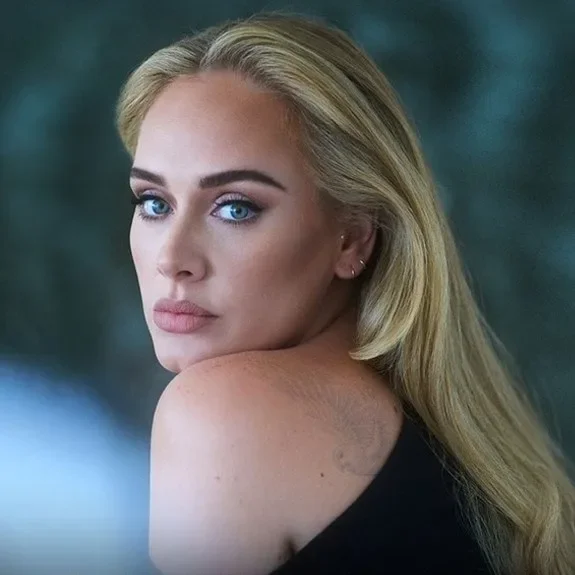
Adele built a gigantic career without seeming interested in looking gigantic all the time. In an era dominated by visual excess, internet speed and the pressure to reinvent every few months, she trusted something almost old-fashioned: a voice, a song, a clear emotion and enough silence to make everything hurt more. Her public image has never depended on impossible choreography or overly complicated conceptual worlds. Adele appears, sings, speaks as if she were in the kitchen with friends, laughs at herself, and then delivers a ballad capable of making millions remember someone they have not fully gotten over. That mixture of vocal grandeur and human closeness is the center of her magnetism.
Adele Laurie Blue Adkins was born in Tottenham, London, and grew up in a city that helped shape her speech, her singing and the way she stands before the world. Her early story does not have the polished glow of a star manufactured from childhood. It has more of a neighborhood feel: performing arts school, demos posted on Myspace, soul sensitivity, British humor and a voice that sounded older than she was. When she arrived with 19, Adele did not present herself as a distant diva. She appeared as a young woman who could write from heartbreak with unusual clarity, as if every song came from a conversation that still burned.
19 was the beginning of that identity. “Chasing Pavements” showed an artist who could turn romantic uncertainty into elegant drama. “Hometown Glory” carried an urban and nostalgic root that spoke of London without turning it into a postcard. “Make You Feel My Love” revealed her ability to take someone else’s song and make it feel almost confessional. That first album already contained much of Adele’s DNA: restrained arrangements, soul influence, careful phrasing, emotional intensity and a way of singing that did not confuse power with shouting. Her voice could grow, but it also knew how to stay still.
Then came 21, and with it one of those rare transformations in popular music: a respected artist became a global phenomenon without changing her essence too much. “Rolling in the Deep” was a blast of elegant rage, with dry percussion, gospel roots, blues and a phrase that sounded like a verdict. “Someone Like You” did the opposite: piano, goodbye, acceptance and a sadness so exposed it almost felt uncomfortable to hear in public. “Set Fire to the Rain” pushed melodrama toward a more cinematic scale. 21 was not only a breakup album; it reminded the industry that a blockbuster could still be built on voice, songwriting and adult pain.
Adele’s impact was enormous because she never seemed made for only one generation. Her songs could belong to young people living through their first serious heartbreak, adults with divorces behind them, listeners who did not follow trendy pop, parents, couples, lonely people, family radio and award ceremonies. Adele turned heartbreak into a wide language, but not a generic one. Her best songs are universal because they keep deeply human details: pride breaking, the message not sent, the foolish hope that someone might return, the hard dignity of trying to stand upright while still hurting.
25 arrived with the weight of almost impossible expectation. “Hello” was a perfect entrance: a call from a distance, a return that felt intimate and monumental at the same time. The song carried apology, ghostliness and theater all at once. “When We Were Young” looked back with a more adult nostalgia, while “Send My Love (To Your New Lover)” opened a lighter, more rhythmic pop space without losing her emotional stamp. With 25, Adele proved she could disappear for years and return as if the world had left a chair waiting for her.
There is also something important in her resistance to overexposure. Adele has not treated her career like a constant content factory. Her pauses are part of her identity. Each album arrives as a chapter, not an update. That can seem strange in a system that rewards permanent presence, but it works for her: her silence increases the weight of her return. Adele does not need to be in the conversation every day to remain central. When she comes back, the conversation rearranges itself around her voice.
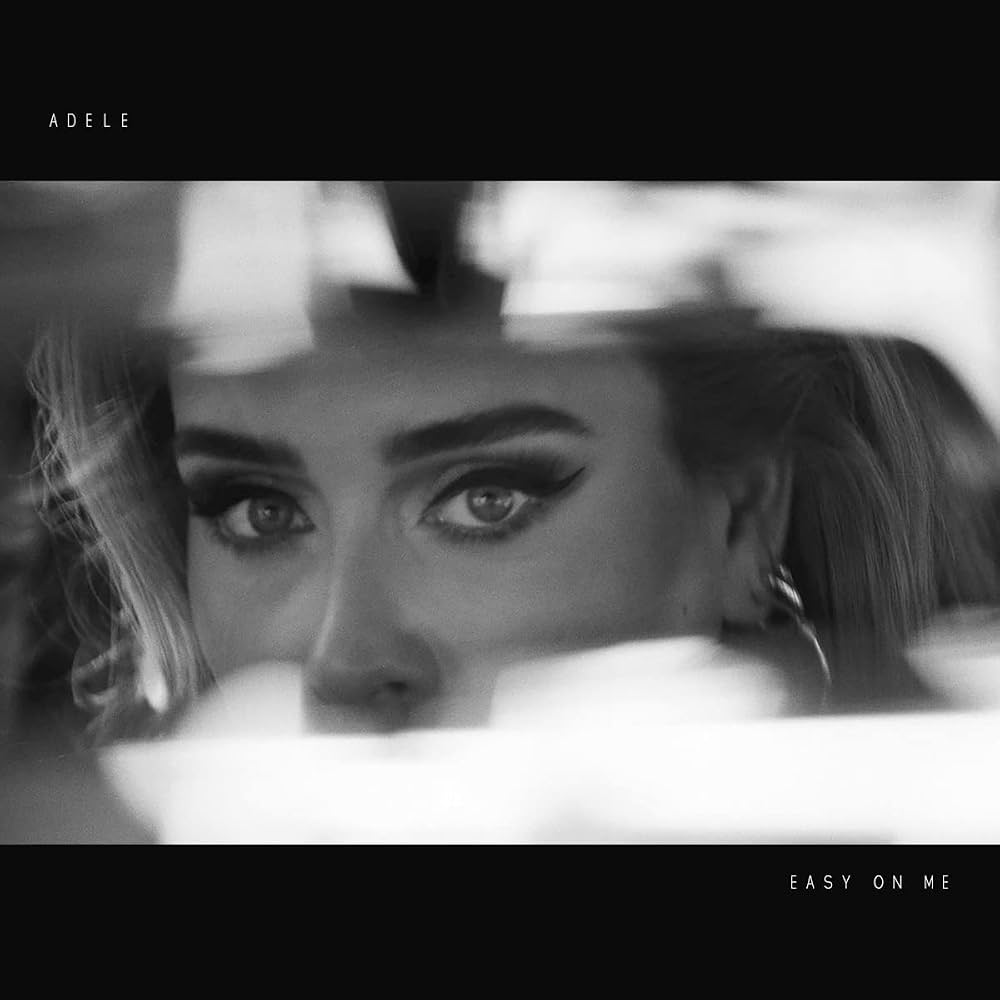
30 was her most adult record in the literal and emotional sense. She was no longer speaking only about romantic breakup from the perspective of someone who lost or longed. She was speaking about divorce, motherhood, guilt, anxiety, emotional therapy, reconstruction and explanation. “Easy on Me” worked because it did not pretend to solve everything; it asked for patience. “My Little Love” brought intimacy to an almost documentary level, with spoken fragments and a vulnerability that could feel uncomfortable because of how real it was. “I Drink Wine” and “To Be Loved” showed a more reflective Adele, less interested in sounding flawless than in sounding true.
Her Las Vegas and Munich residencies reinforced another part of her figure: Adele is a singer of large stages who often behaves as if she were inside an intimate theater. She can fill a room with one long note, but also with a story, a joke, a pause, a look. Her decision to step away after that period does not feel like disappearance, but like consistency. Adele has always protected the idea that life should not be entirely sacrificed to the pop machine.
Adele matters because she defended the traditional emotional song in the twenty-first century and made it massive without flattening it. She is not only a great voice; she is an interpreter who knows when to breathe, when to hold back, when to break, when to let a simple phrase do all the work. Her career proves there is still space for vulnerability without excessive artifice, for adult drama, for a ballad sung with the whole body. At her best, Adele does not sing to impress. She sings as if she is trying to tell the truth before the feeling escapes her.
Main genre
POP
Main subgenres
Like a superfan's list — except verified, with sources and links.
No linked festivals
No festival appearances documented yet.
What we managed to link to the concert archive. If a date is missing, tell us — happens to us too.
No linked concerts
Every concert and festival of the year, traced on the globe. Hit play and follow the route stop by stop.
Photos from the public archive.
Recent coverage linked to the artist.



Close by genre and social signal.
No related artists
When there is enough genre signal, they will appear here.