








Ranking
#76

Ranking
#76
Followers
94 M
Digital presence
Official profiles, streaming and discovery.
What a good fan recites by heart (or pretends to).
Alan Walker is one of the clearest examples of how electronic music found a new doorway in the 21st century. His story does not begin in a legendary DJ booth or inside a traditional club scene, but in front of a computer, shaped by tutorials, gaming, graphic design, online communities, and the instinct that a simple melody could travel farther than any industry plan. His sound grew out of that intersection: emotional electronic music, digital aesthetics, cinematic atmosphere, and a visual identity as recognizable as his melodic progressions.
Born in Northampton, England, and raised from a very young age in Bergen, Norway, Walker represents a generation of producers who learned outside the classic route. He did not come from a conservatory background or a closed local scene; he developed through software, tutorials, and references moving freely across the internet. That self-taught education is essential to understanding his music. Instead of starting from instrumental virtuosity, he started from world-building: sounds that feel like landscapes, drops designed as moments of revelation, and an aesthetic connected to video games, light science fiction, and digital communities built around shared symbols.
Before Alan Walker became a global name, he used aliases such as DJ Walkzz and slowly built his language from the bedroom-producer space. “Fade,” released through NoCopyrightSounds, became the first major expansion point. On the surface, the track had a simple formula: a clear melody, a clean electronic pulse, bright melancholy, and a structure that worked not only for listening but also for videos, montages, gaming clips, edits, and online content. That circulation mattered. Walker did not reach audiences only through radio or television; he moved through an internet culture that took songs, shared them, reused them, and made them part of the visual experience of millions of users.
“Faded” turned that instinct into an international phenomenon. With Iselin Solheim’s voice, the track stopped being only a recognizable instrumental and became a full emotional electronic-pop song. Its power lies in the way it combines nostalgia, loneliness, and lift without overcomplicating the message. The melody feels designed to stay in the memory immediately, but it does not come across as aggressive or overly bright. It has a blue, nocturnal tone, almost like a digital map opening in the middle of the dark. That blend of accessible sadness and festival-ready energy became one of Walker’s signatures.
After “Faded,” Alan Walker developed a coherent universe through songs such as “Sing Me to Sleep,” “Alone,” “The Spectre,” “All Falls Down,” “Darkside,” “On My Way,” and “Alone, Pt. II.” Many of them share a recognizable sensitivity: airy voices, wide melodies, clean drops, emotional tension, and a feeling of movement. They are not club tracks in the rawest sense, and they are not traditional pop songs with an electronic layer added on top. They function more like pieces of emotional adventure, designed for audiences who experience music, video, gaming, and social media as parts of the same cultural environment.
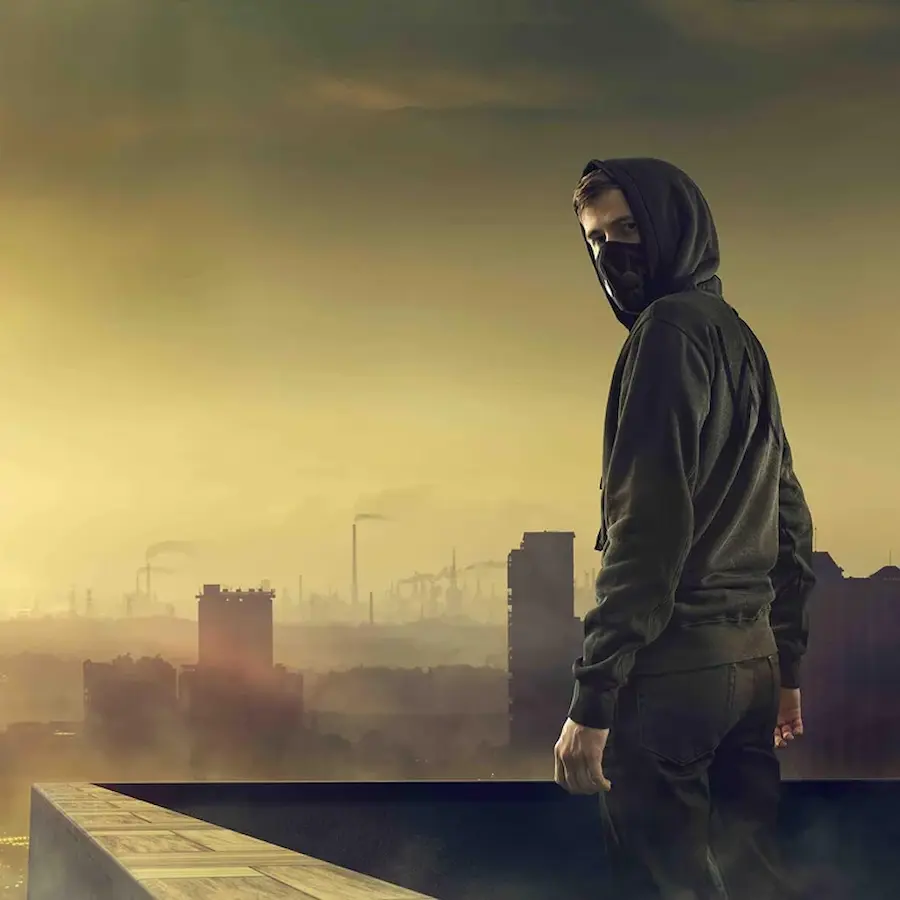
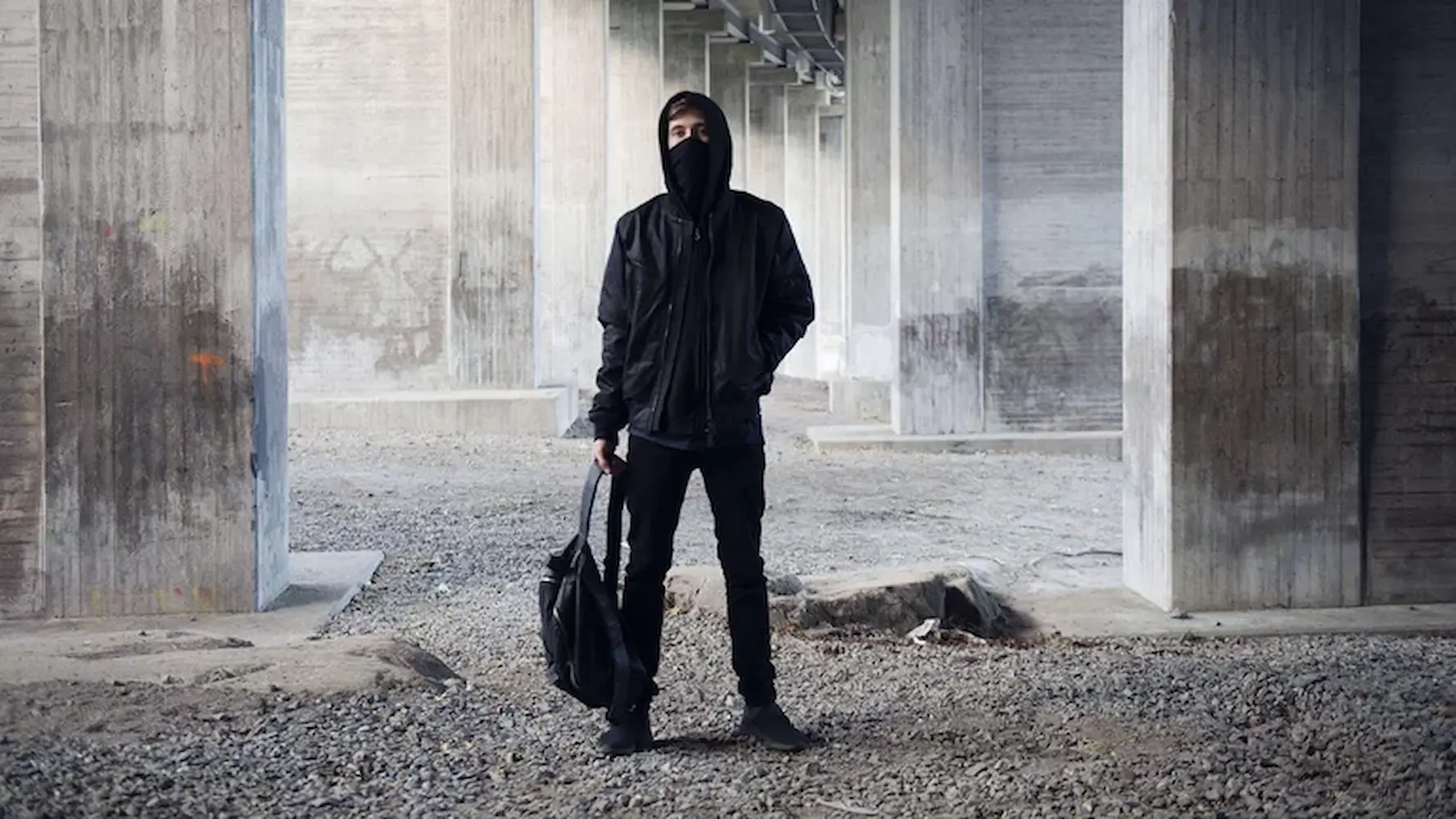
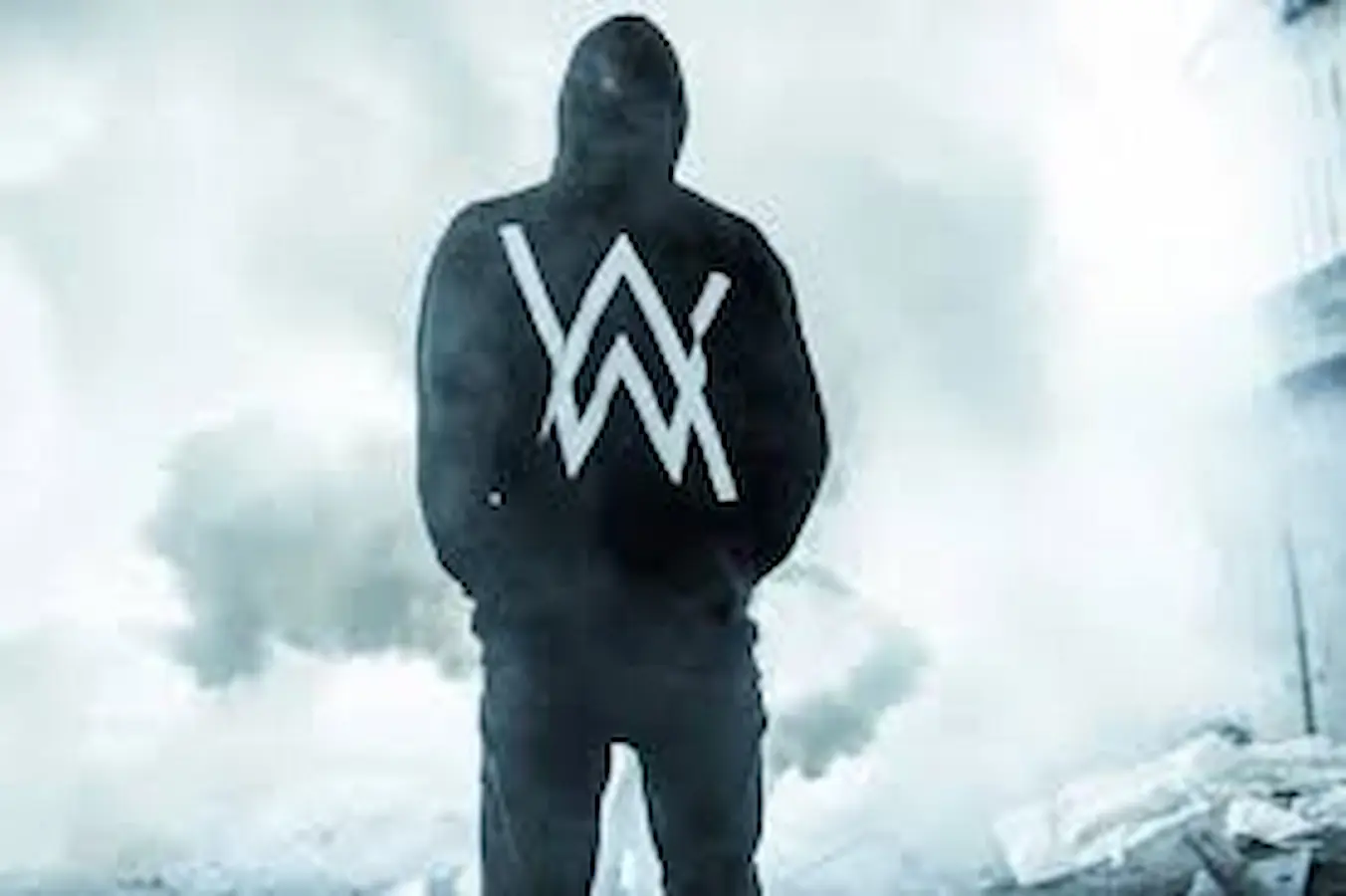
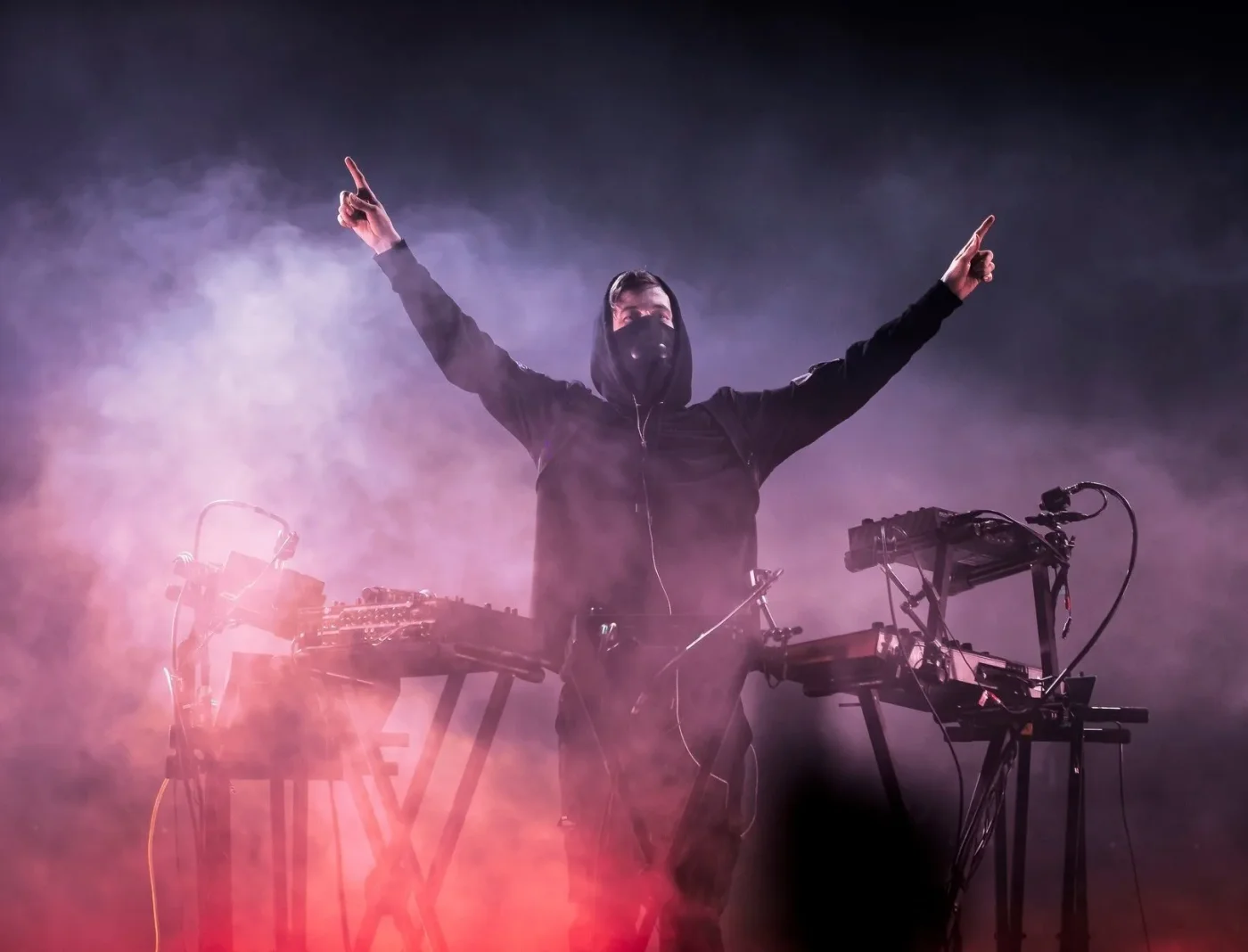
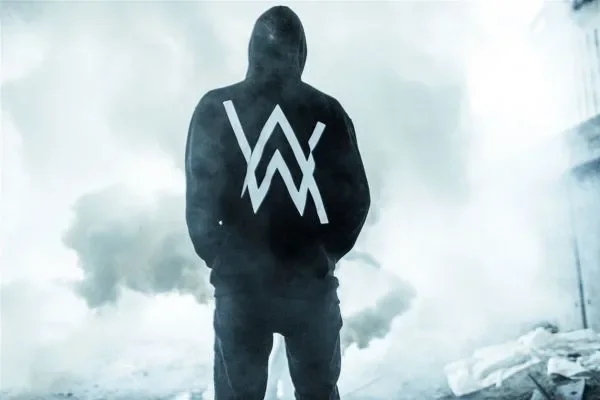
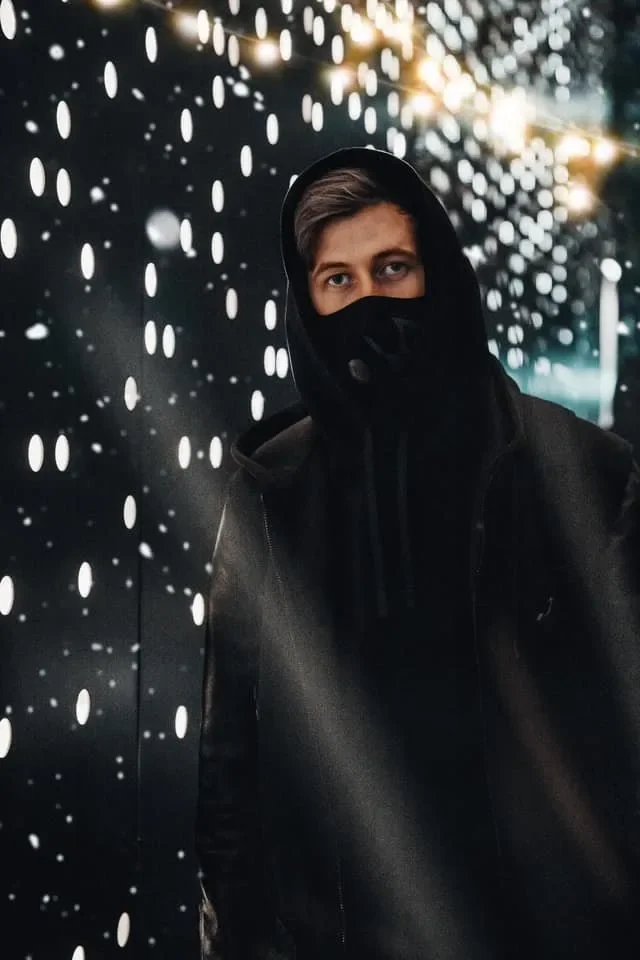
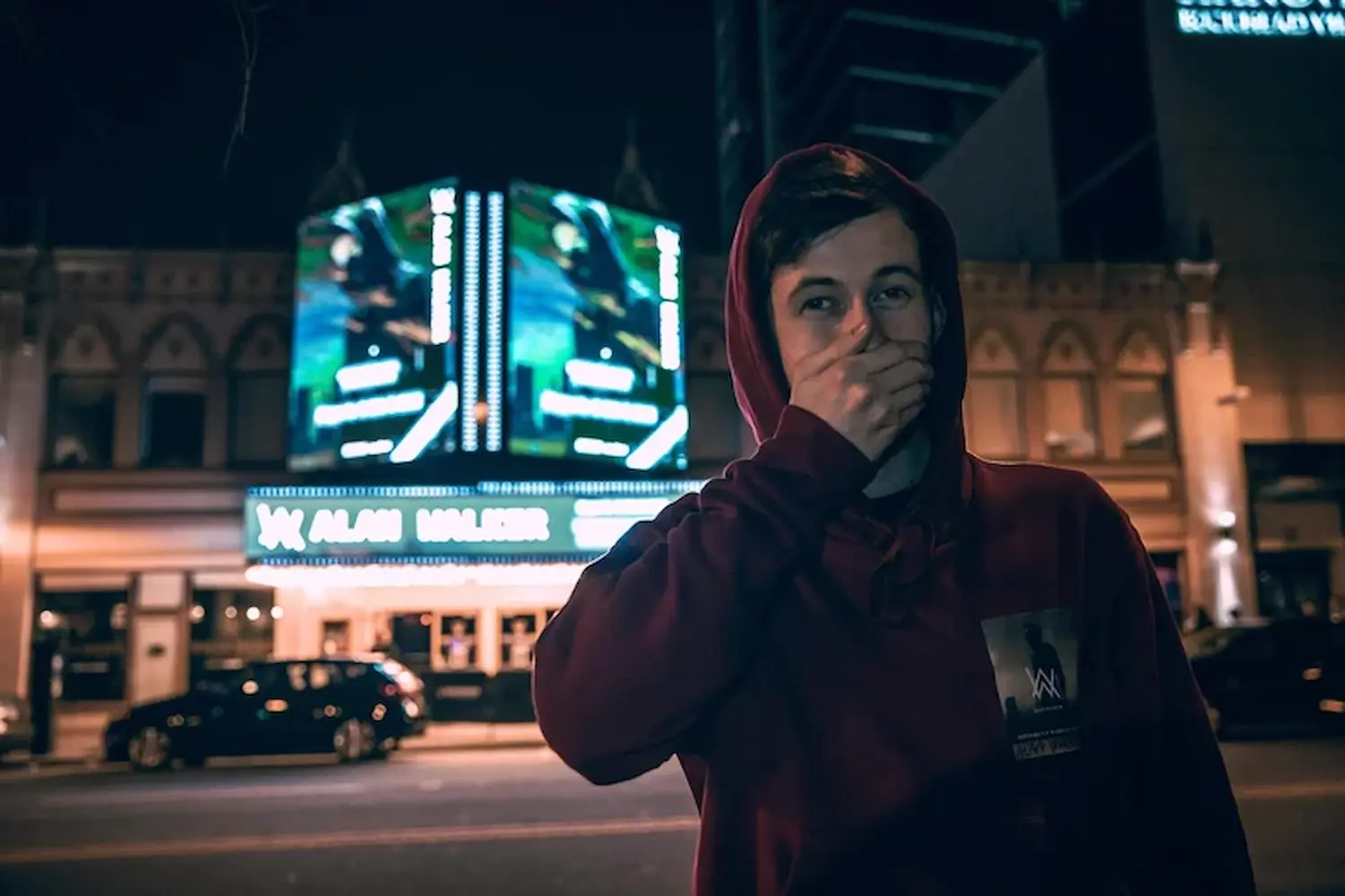
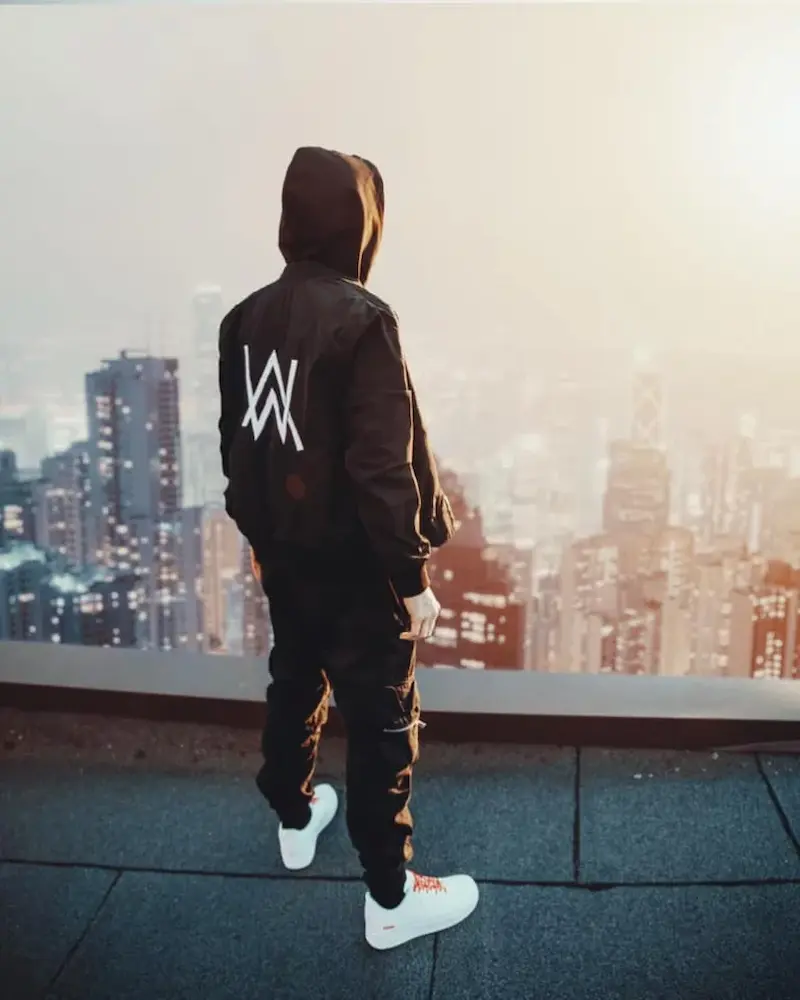
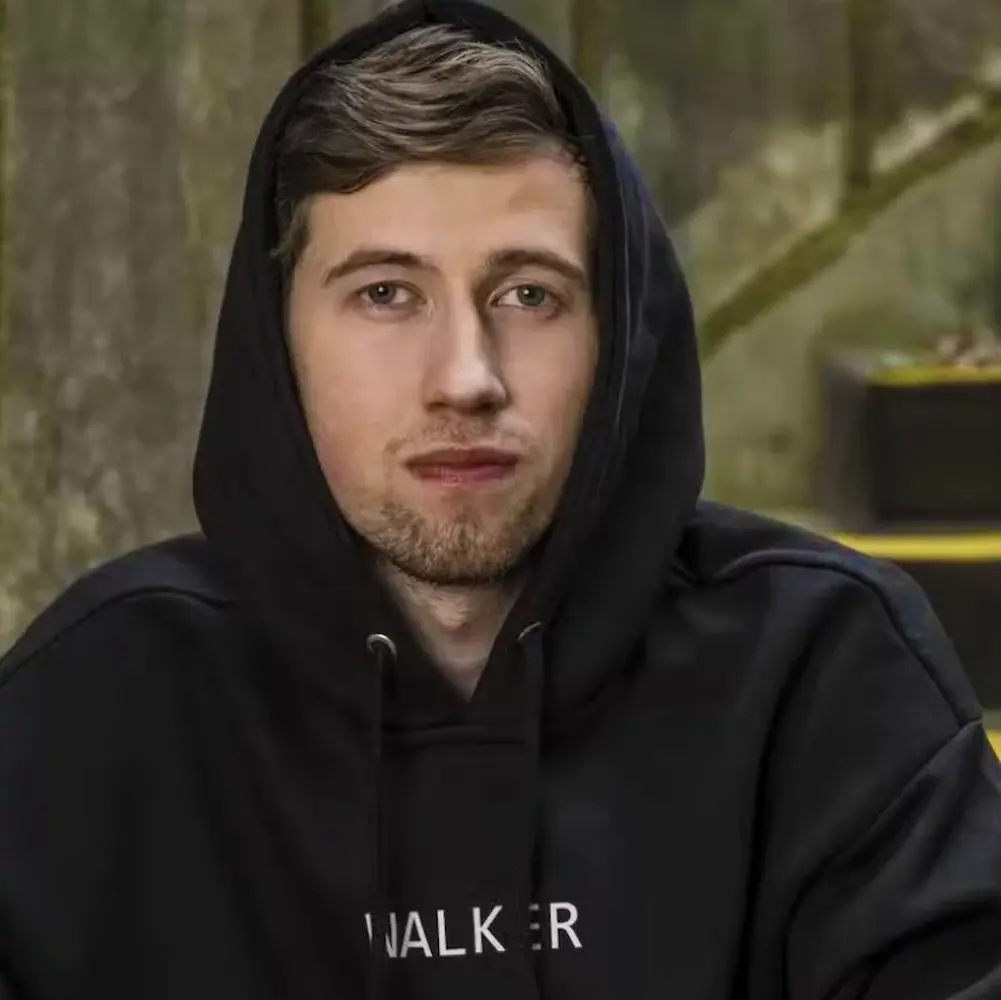
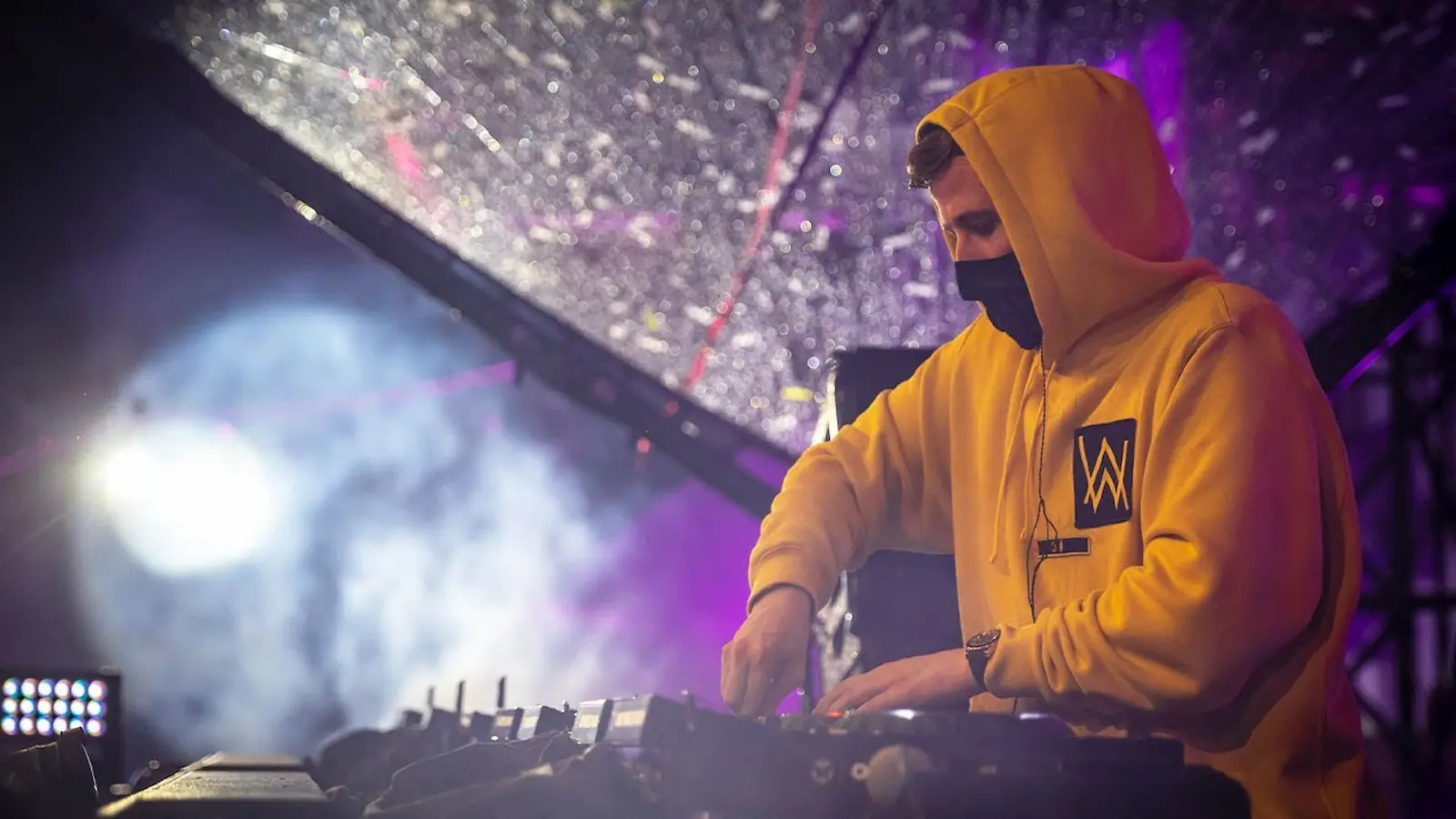
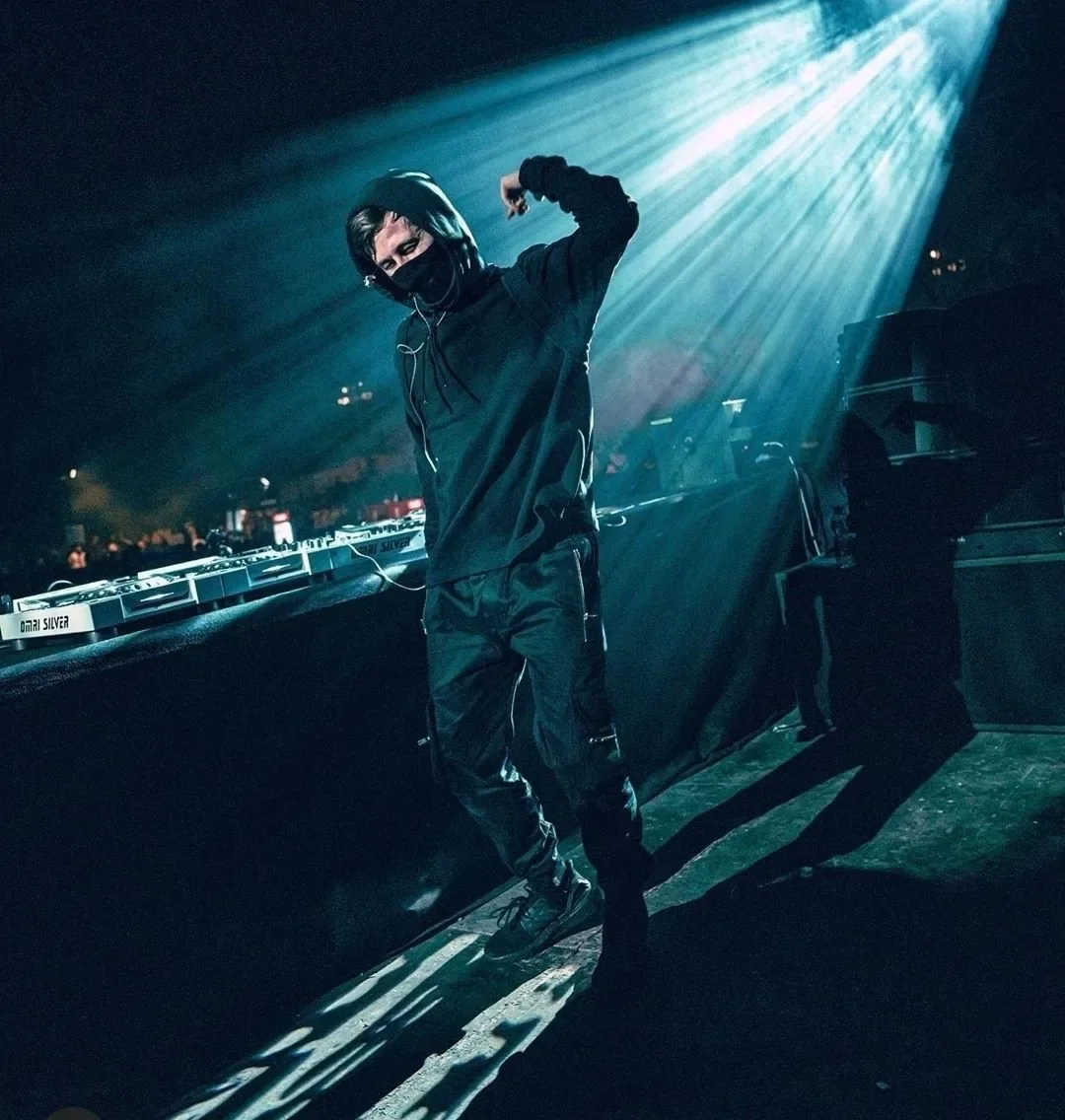
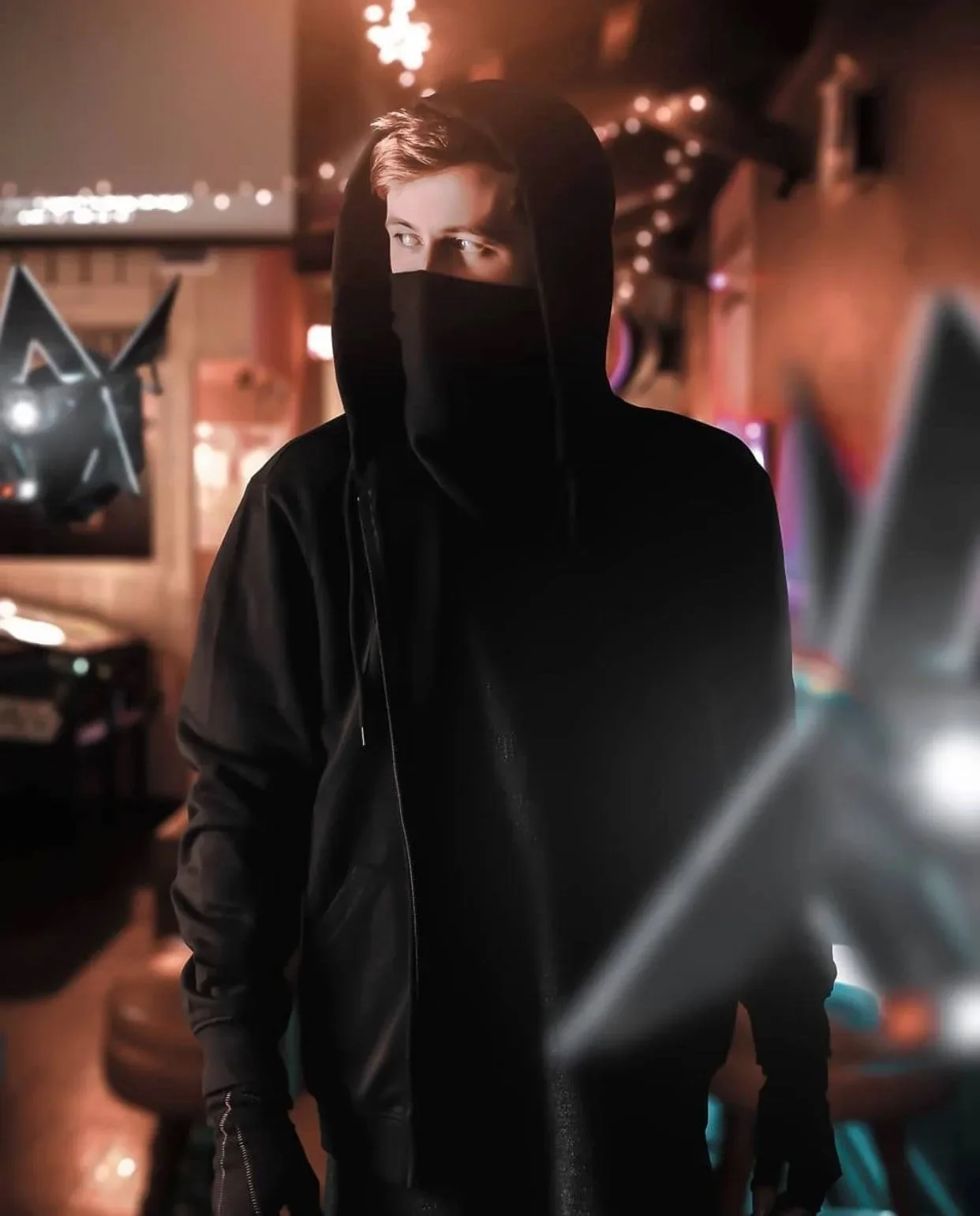
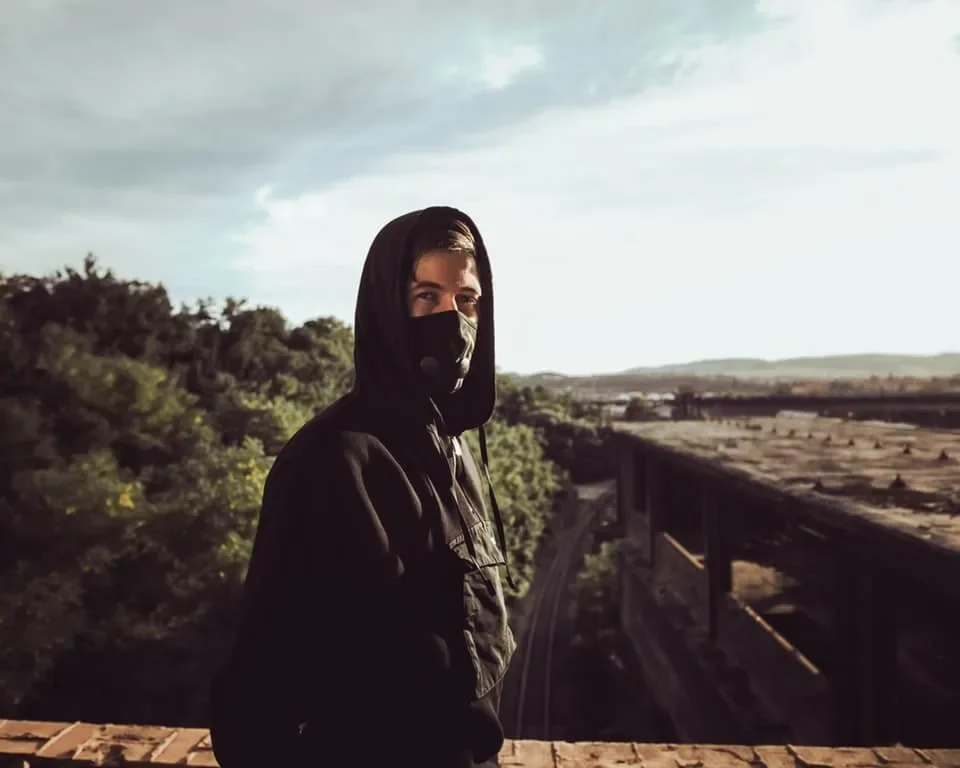
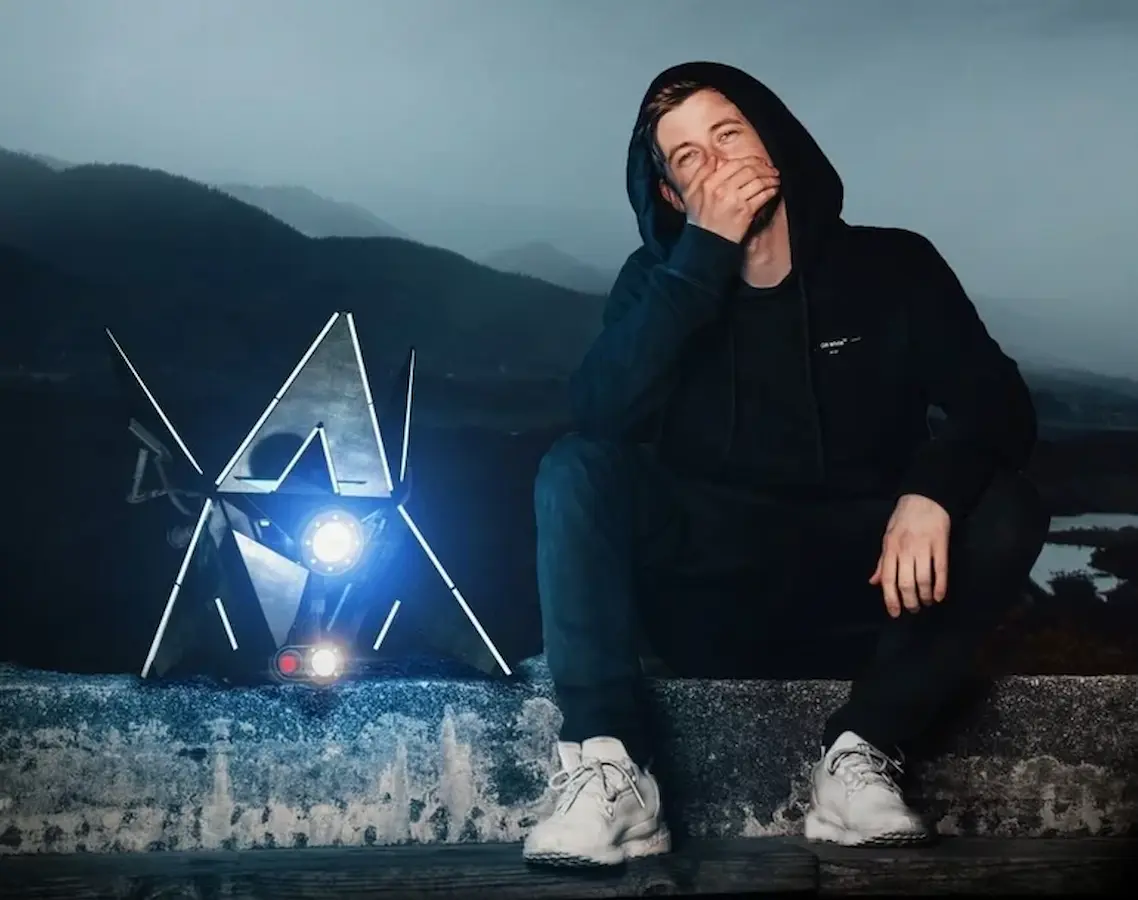
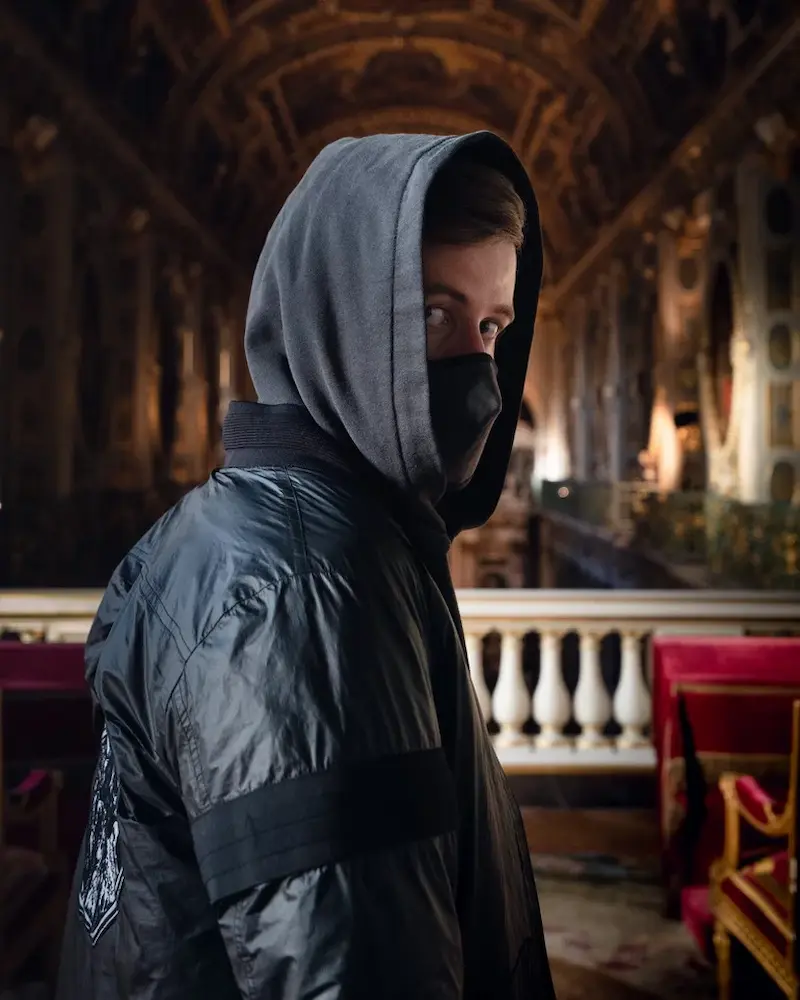
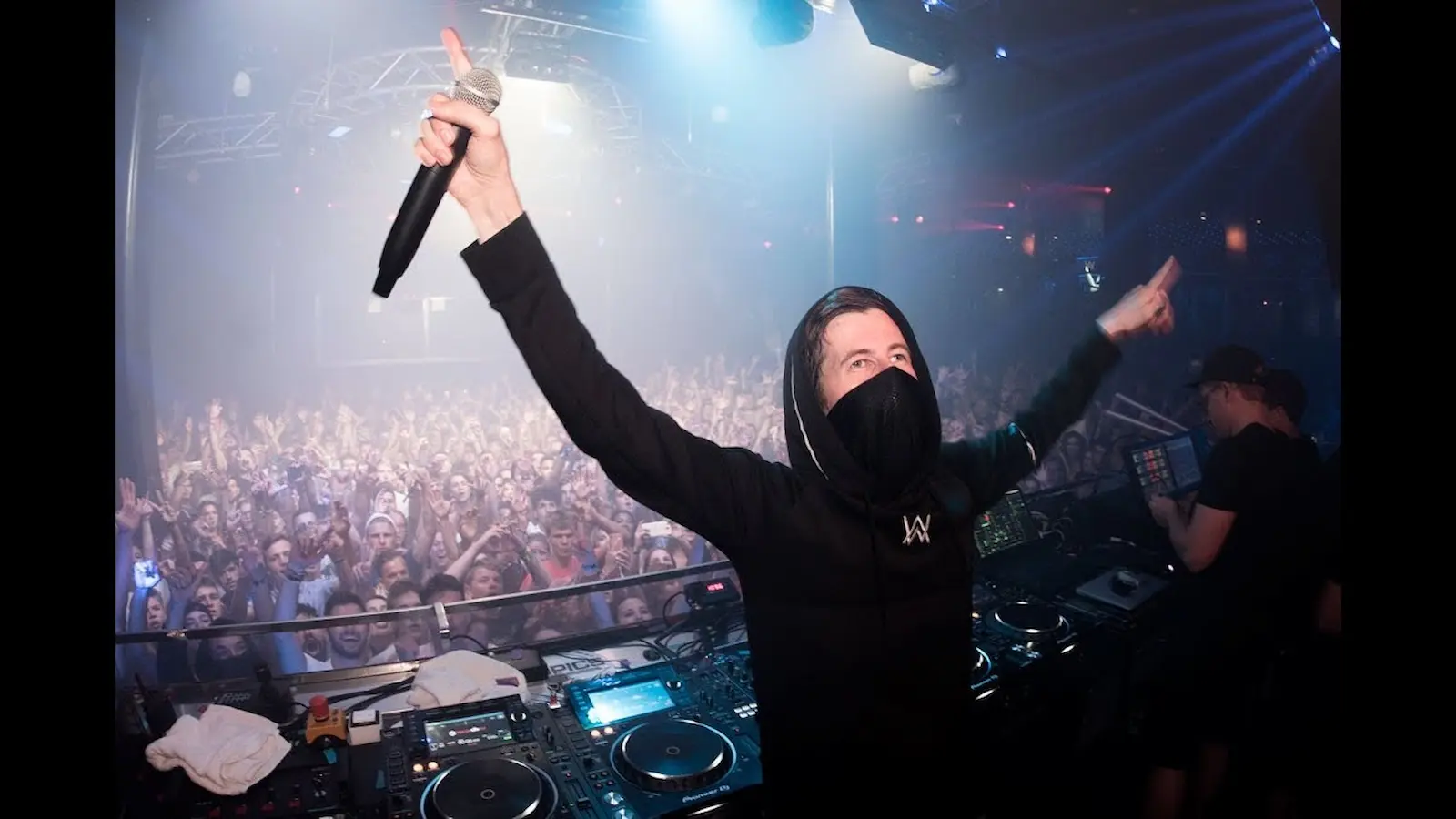
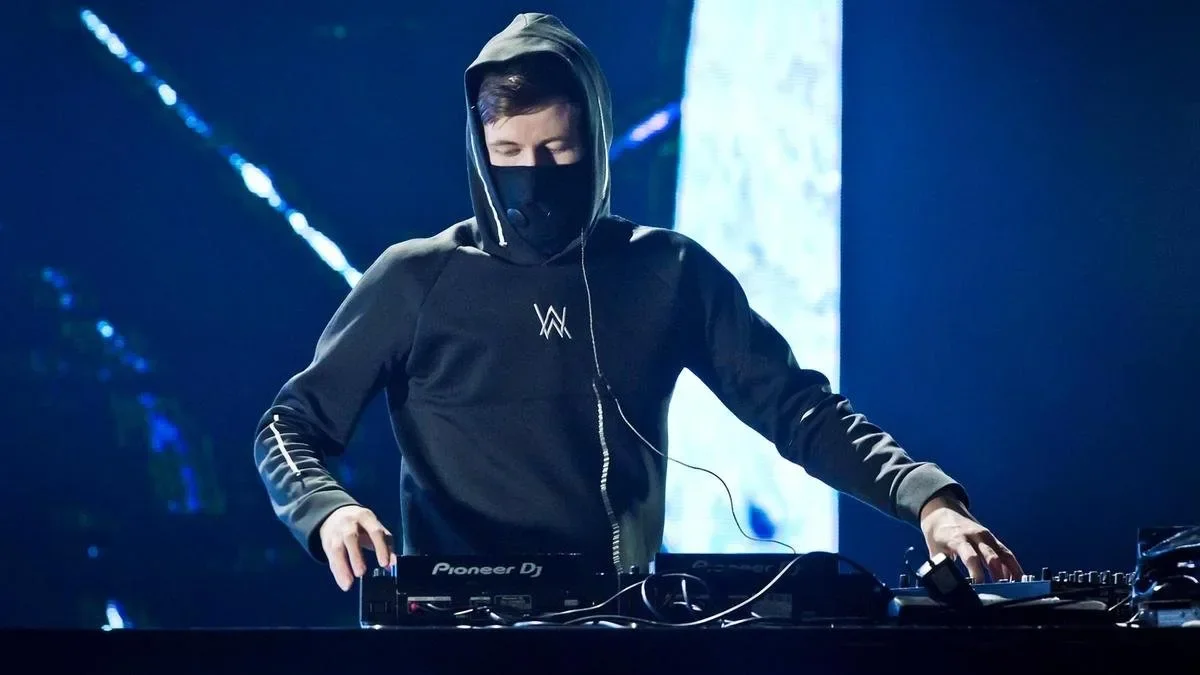
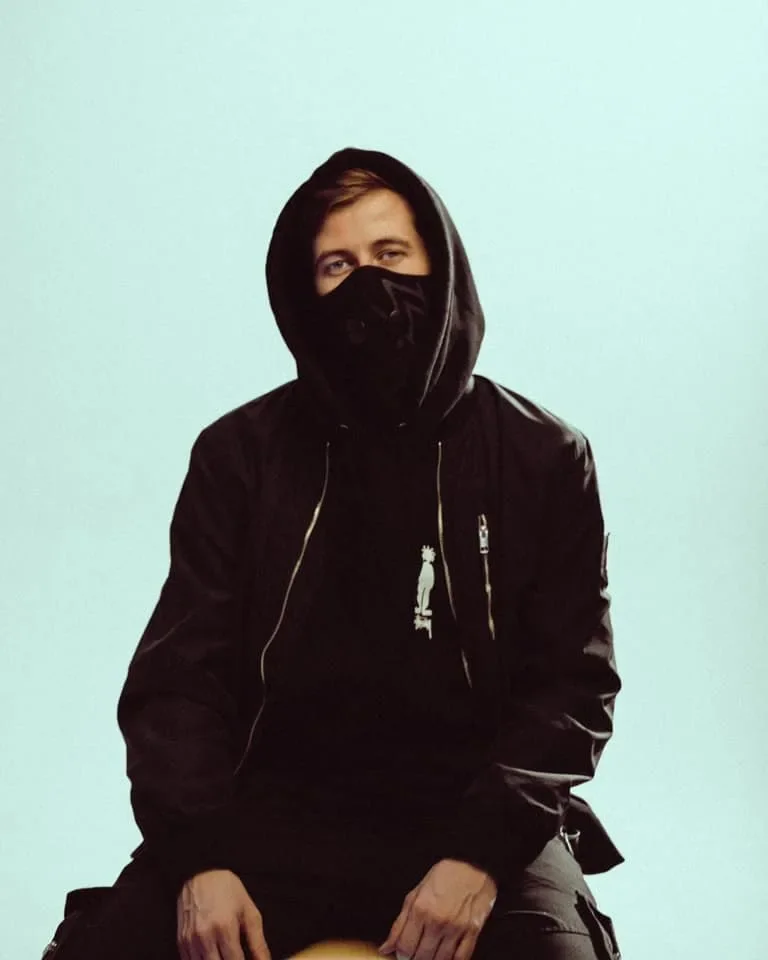
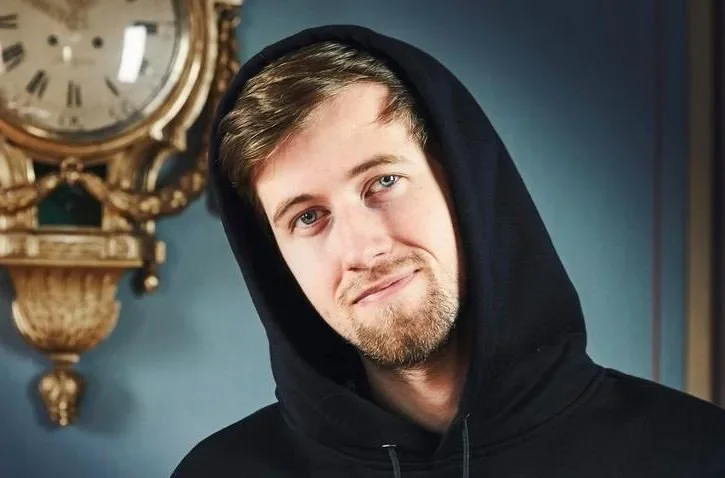
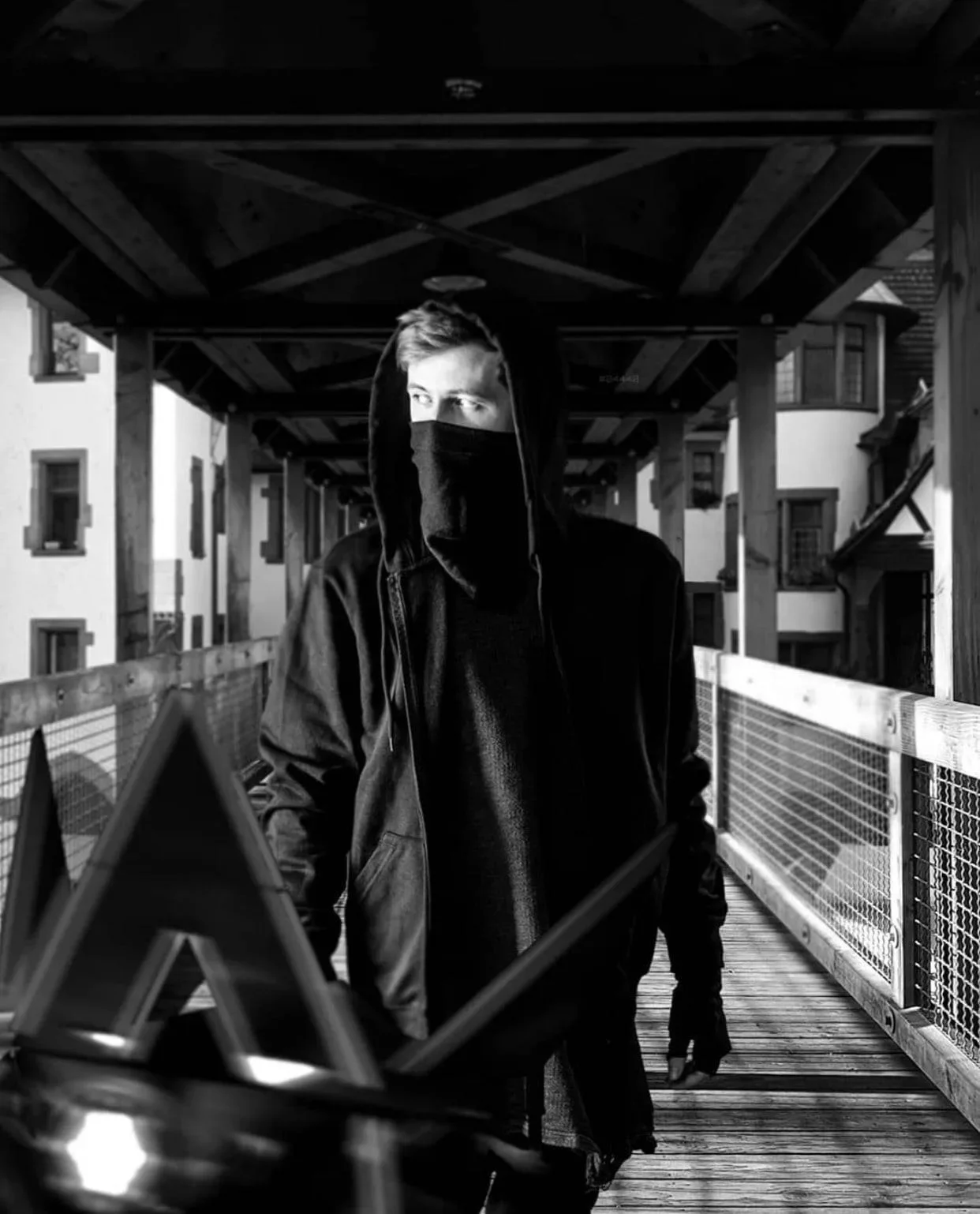
His image is just as central. The hoodie, the mask, the logo, and the idea of the “Walkers” turned Alan Walker into something closer to a collective identity than a conventional pop star. In a world where many DJs compete through face, luxury, and visible excess, Walker chose an aesthetic of partial anonymity, almost like an avatar. That decision connected strongly with younger audiences used to thinking in terms of characters, skins, communities, and narrative worlds. His brand is not limited to an artist photo; it works like a code that fans can adopt.
As a producer, his greatest strength is clarity. Walker rarely builds songs from harmonic complexity or radical experimentation. He builds them from direct melodic ideas, clean atmospheres, and structures that let the listener enter the emotion quickly. That clarity explains both his massive reach and the criticism he sometimes receives for repeating certain patterns. Yet within his own language, repetition also operates as a signature. Those bright leads, distant moods, polished drops, and accessible melancholy can be recognized in seconds.
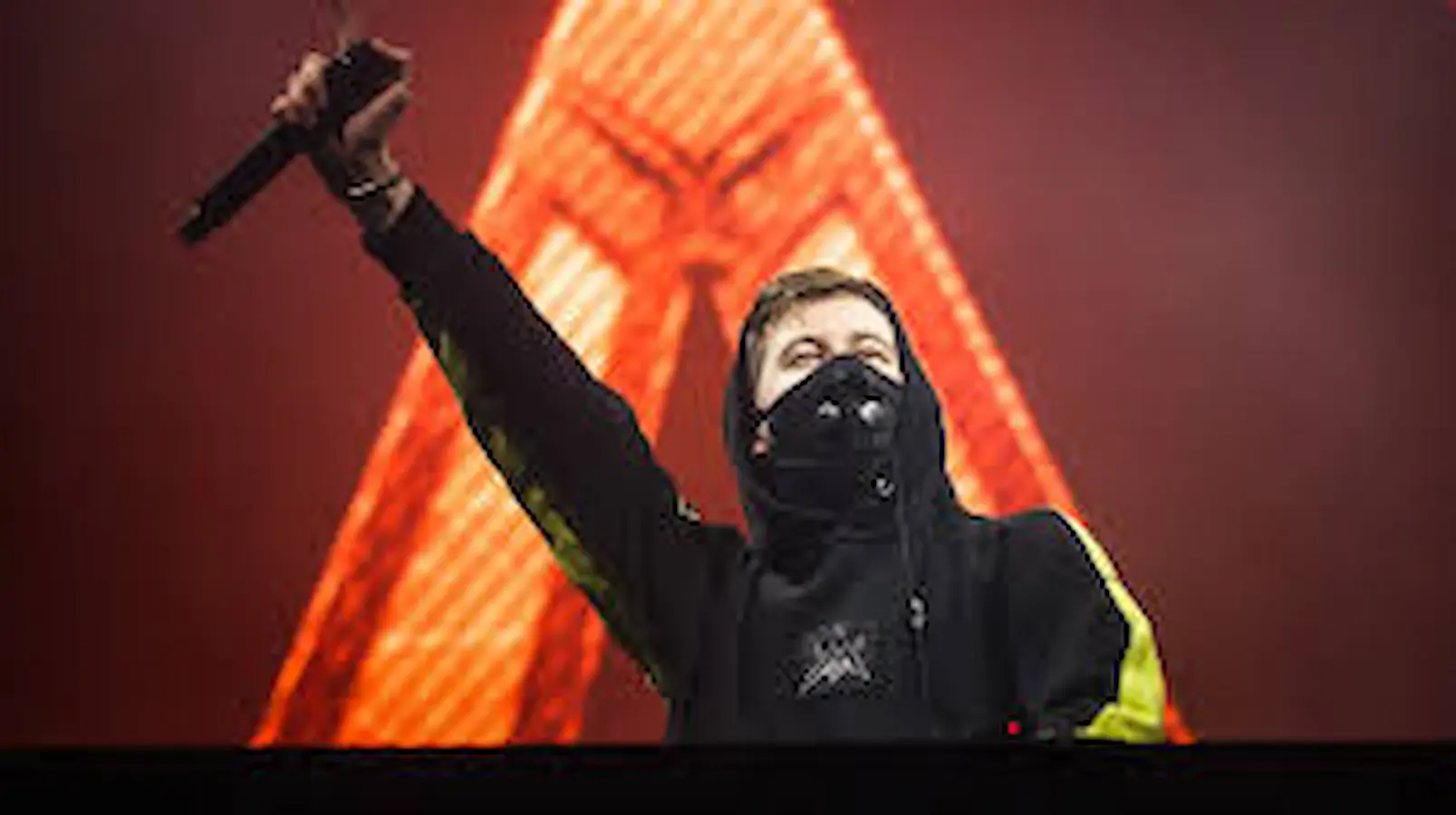
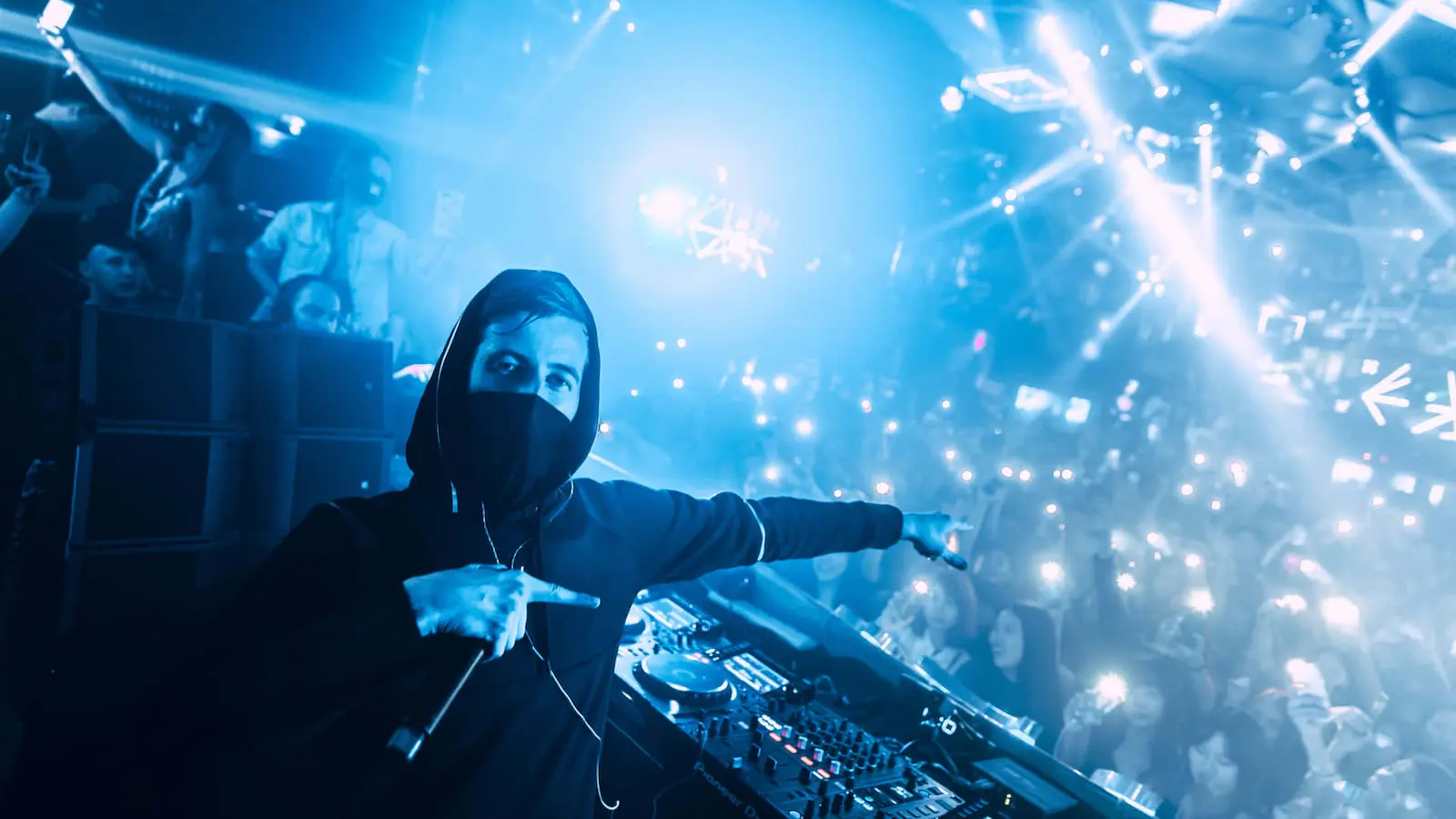
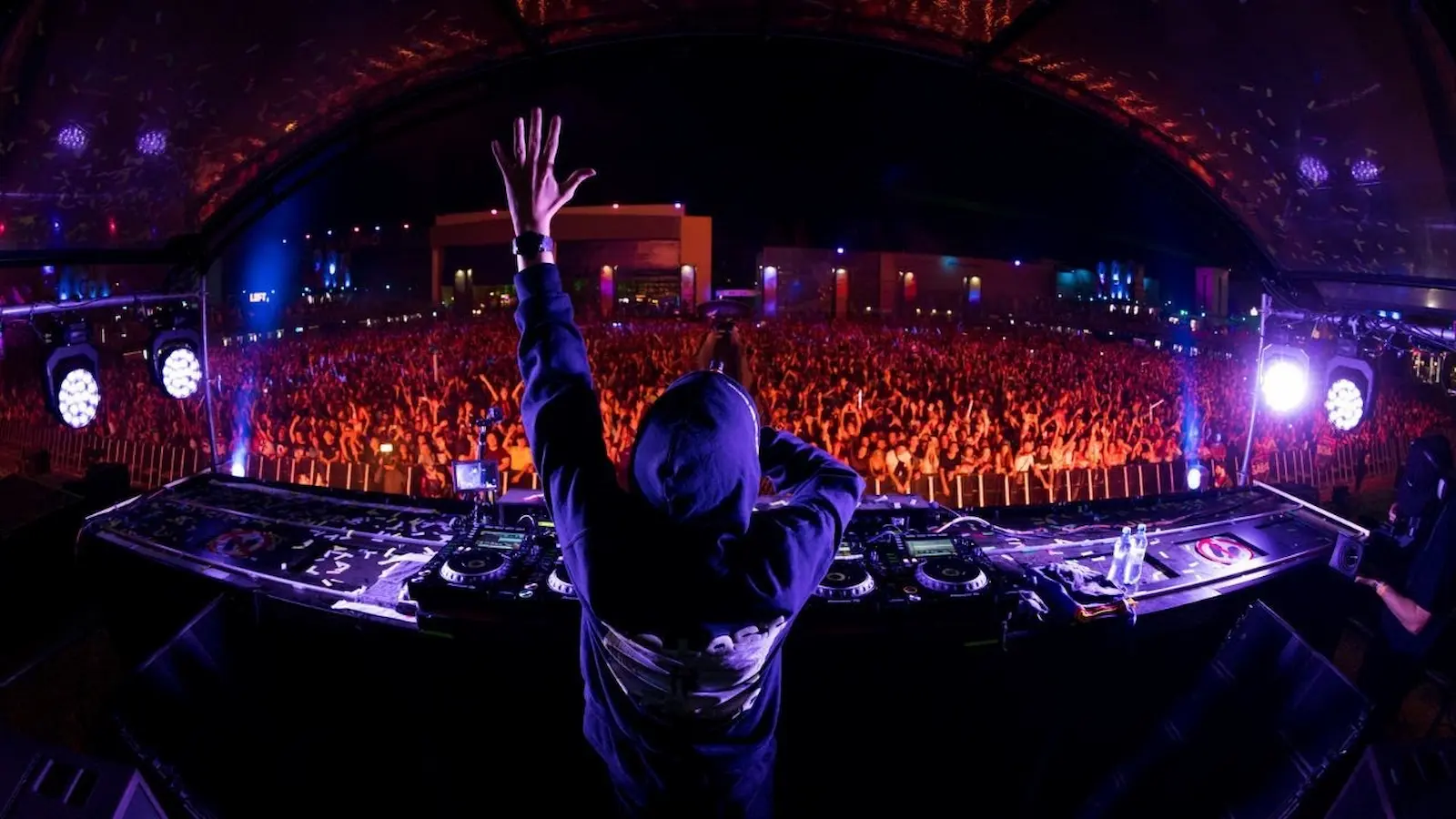
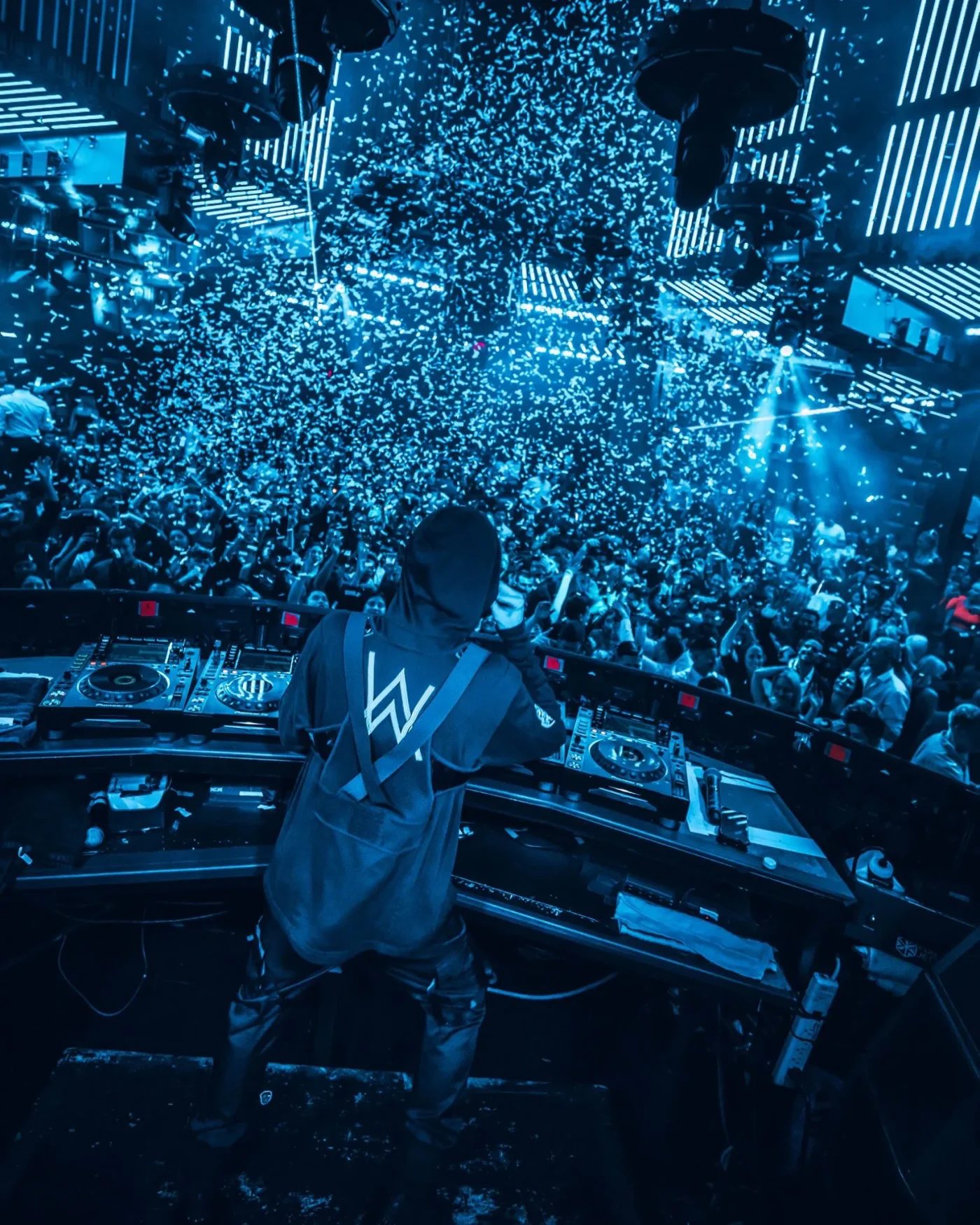
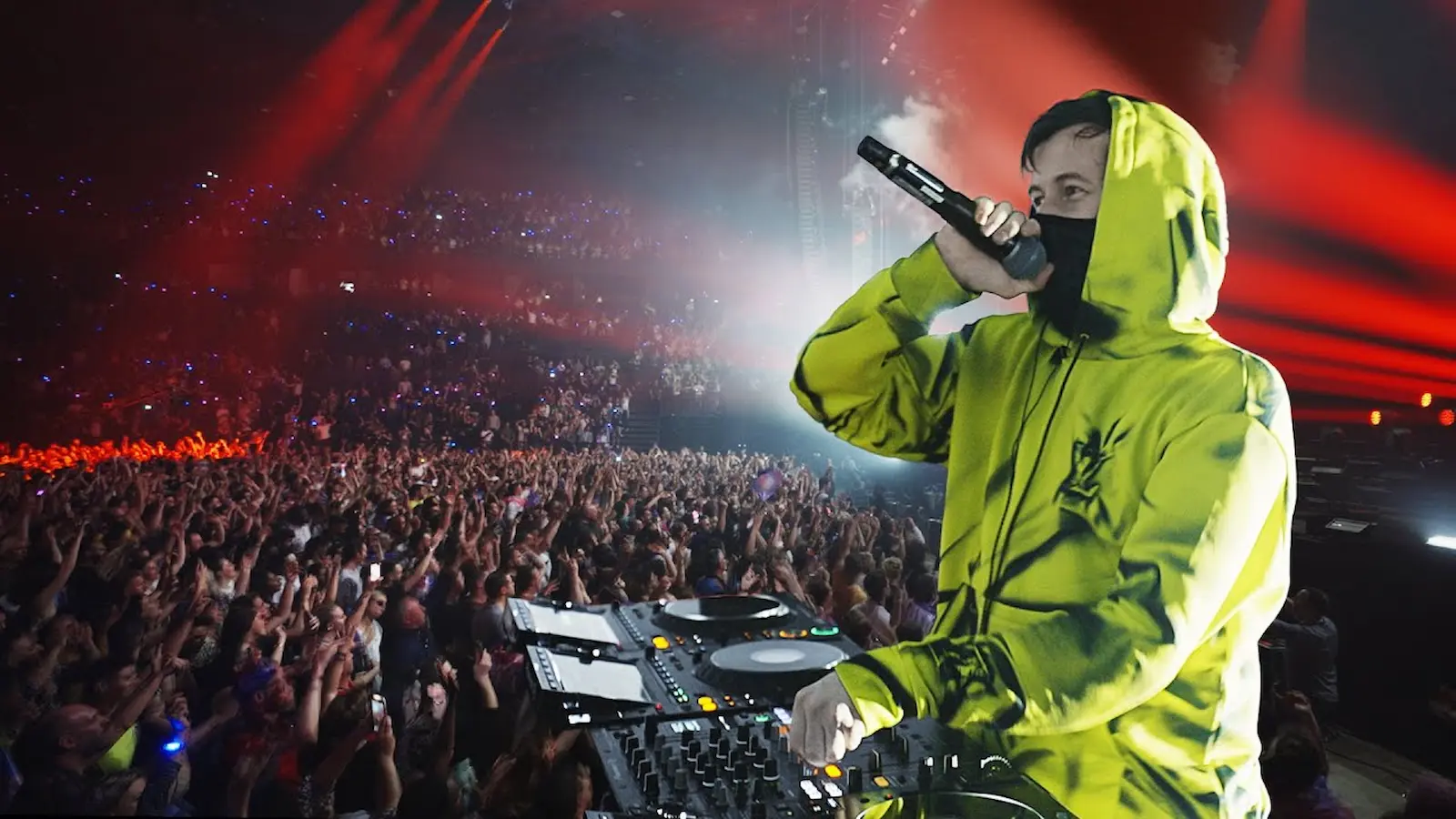
As a DJ and live artist, Alan Walker brought that universe to festivals, arenas, and stages where electronic music works as a visual spectacle. His performances are not only about mixing tracks; they build a branded experience with visuals, symbols, lights, narrative, and moments designed to make the crowd feel part of a community. His music is especially compatible with large spaces: emotional without becoming heavy, expansive without turning chaotic, and clear enough for thousands of people to enter the same melody at the same time.
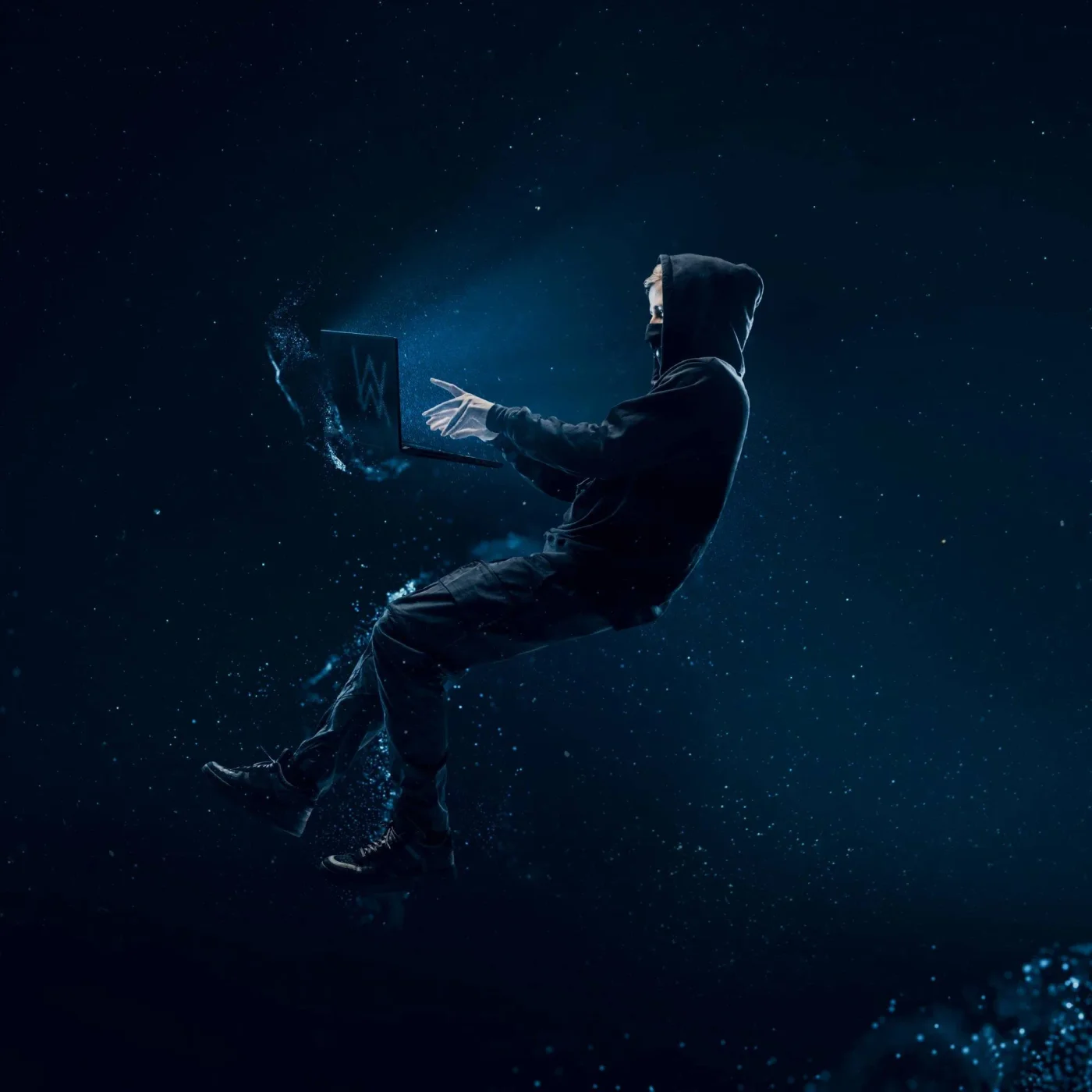
His importance within popular electronic music lies in the fact that he understood early how naturally a modern producer could be born from the internet and speak its language. Alan Walker does not represent only the success of a viral song; he represents a way of making music for a generation that discovered artists through YouTube, SoundCloud, gaming videos, edits, and playlists. At his best, his work sounds like a screen glowing at night: cold and emotional, digital and human, simple on the surface but enormous in its ability to gather millions of people around the same melody.
Main genre
HOUSE
Main subgenres
Like a superfan's list — except verified, with sources and links.
24–Jul 26, 2026
Boom, Antwerpen · Belgium
Past17–Jul 19, 2026
Boom, Antwerpen · Belgium
Past
Jul 10 – Aug 30, 2026
Romano d'Ezzelino · Italy
Past
06–Jun 07, 2026
Chicago · United States
Past
27–Mar 29, 2026
Miami, Florida · United States
Past22–Mar 24, 2024
Miami, Florida · United States
Past04–Aug 05, 2023
Espoo, Uusimaa · Finland
Past
03–Aug 06, 2023
Chicago, Illinois · United States
Past
Apr 22, 2023
Lima · Peru
Past
21–Apr 22, 2023
São Paulo, São Paulo · Brazil
PastWhat we managed to link to the concert archive. If a date is missing, tell us — happens to us too.
Los Angeles · United States
No saleEvery concert and festival of the year, traced on the globe. Hit play and follow the route stop by stop.
Photos from the public archive.
Recent coverage linked to the artist.
Close by genre and social signal.
No related artists
When there is enough genre signal, they will appear here.