












Ranking
#50

Ranking
#50
Followers
127.5 M
Digital presence
Official profiles, streaming and discovery.
What a good fan recites by heart (or pretends to).
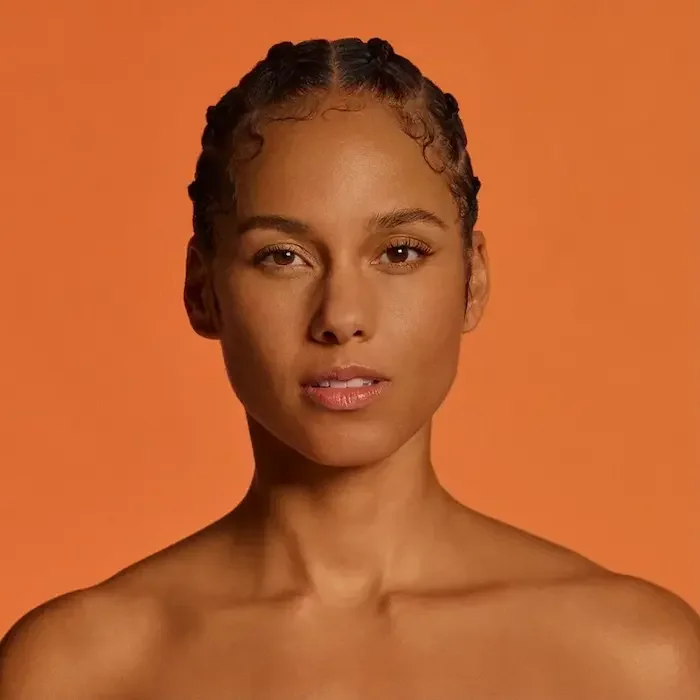
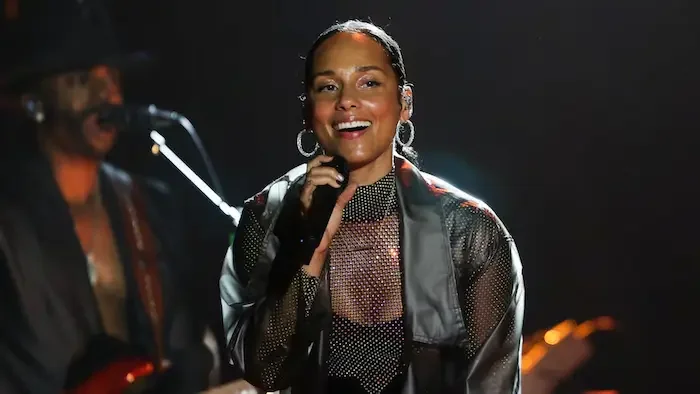
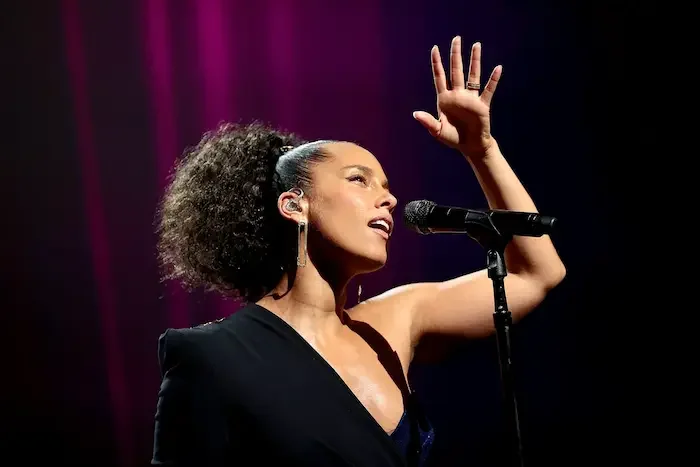
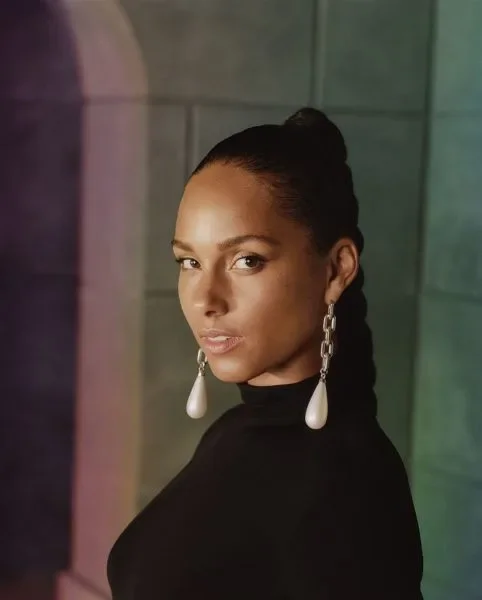
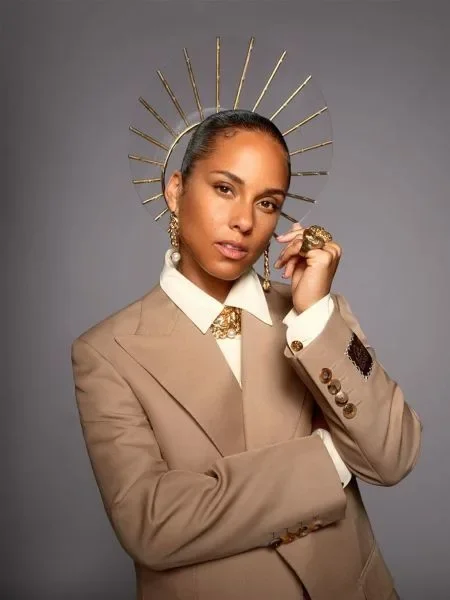
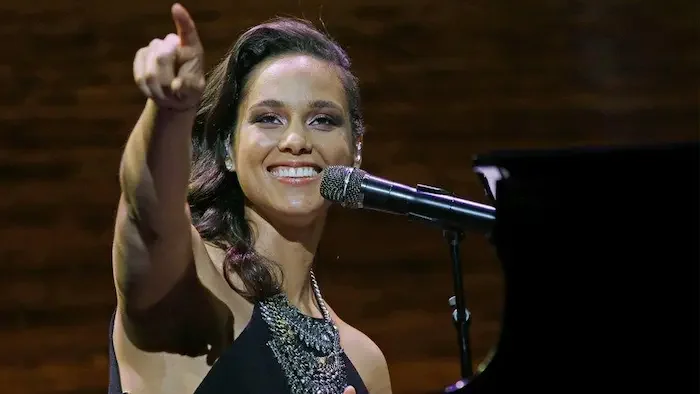
Alicia Keys arrived in early-2000s pop as an elegant anomaly: a young artist seated at the piano, classically trained, carrying a soul voice, an R&B pulse and a quiet confidence that did not need to shout in order to command attention. At a time dominated by glossy choreography, teen pop, high-budget hip-hop and vocally dramatic divas, Alicia brought a different energy: more intimate, more musical, more like a New York room with an upright piano, notebooks full of chords and a voice that seemed to have grown up listening to Chopin and Stevie Wonder, Nina Simone and street-level hip-hop all at once.
Born in Hell’s Kitchen, Manhattan, Alicia grew up inside a New York that was tough, diverse and deeply musical. Her story does not feel like that of a star built from a distant fantasy, but like that of an artist who absorbed the city from childhood: noise, trains, cultural mixture, ambition, contradictions, hardness and beauty. The piano was her first serious territory. Classical discipline gave her structure from an early age; soul gave her emotion; R&B gave her sensuality; and the city gave her character. That is why even when her songs are romantic, there is a firm spine inside them, a kind of street elegance that keeps everything from becoming too sweet.
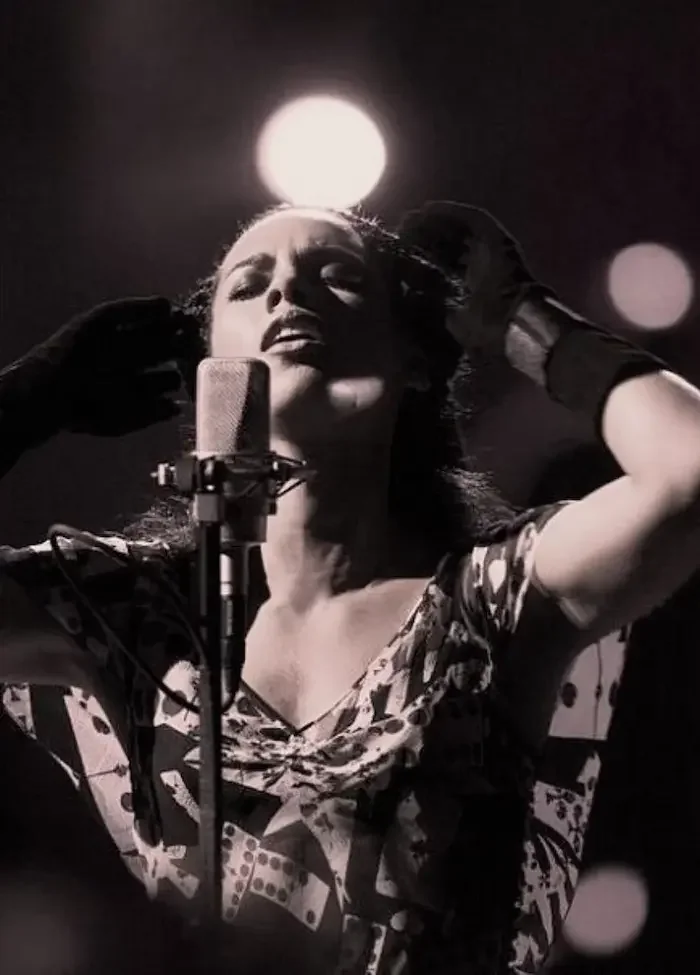
*Songs in A Minor* was one of those debuts that does not only introduce an artist, but seems to correct the mood of an era. “Fallin’” was the first strike: a song that seemed simple on the surface, built on piano, emotional repetition and a voice capable of sounding strong and vulnerable at the same time. It was not only a ballad about complicated love; it was a statement of identity. Alicia did not need to be overproduced to sound big. “A Woman’s Worth,” “Girlfriend,” “How Come You Don’t Call Me” and “Butterflyz” reinforced the feeling of a complete artist: someone who could sing, play, write and direct her own emotional center.
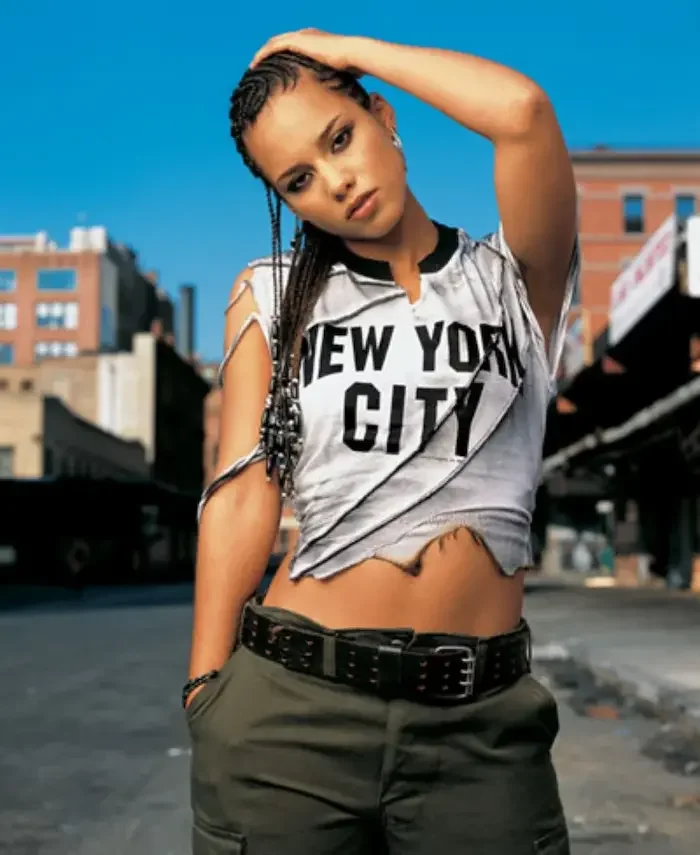
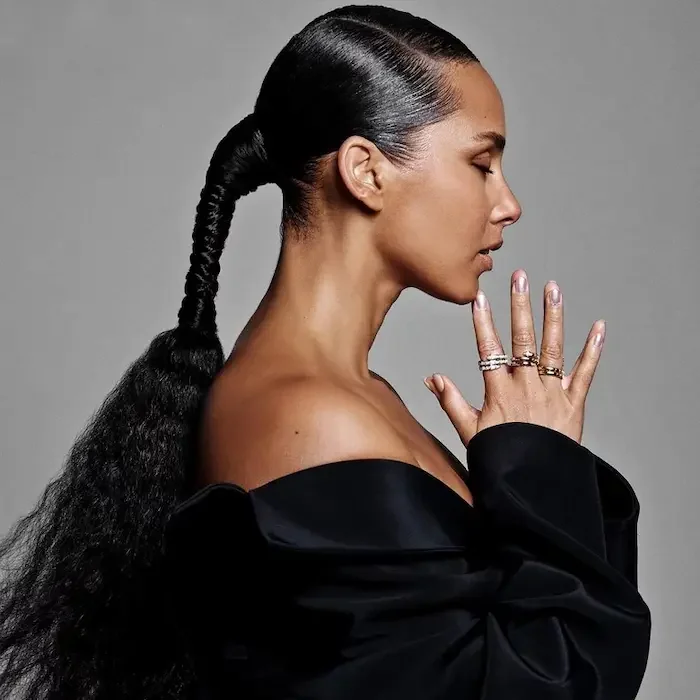
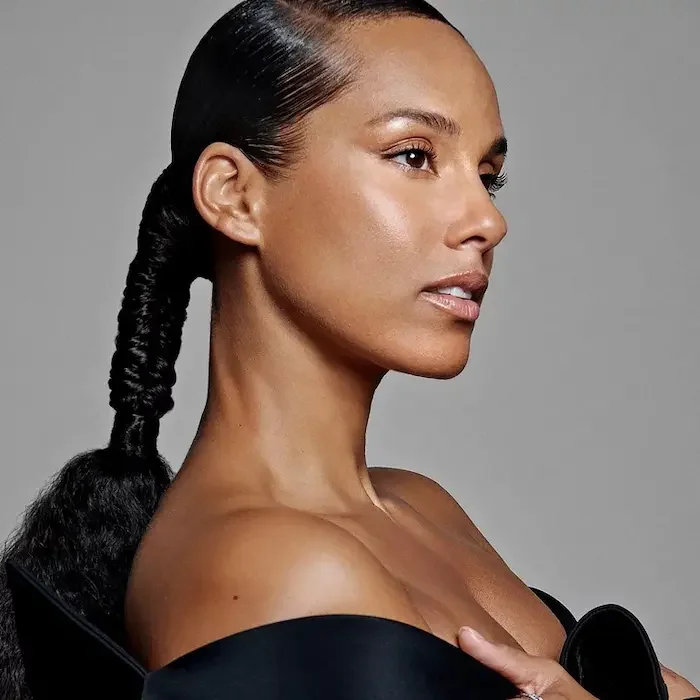
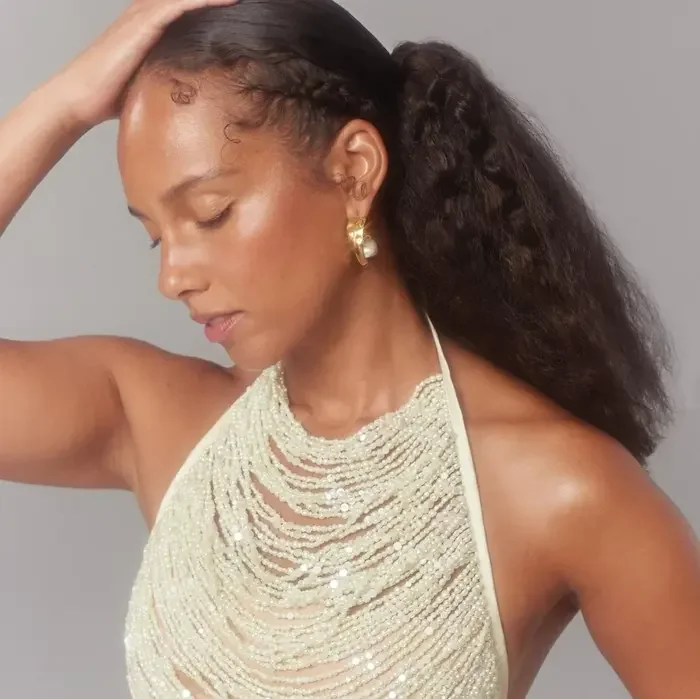
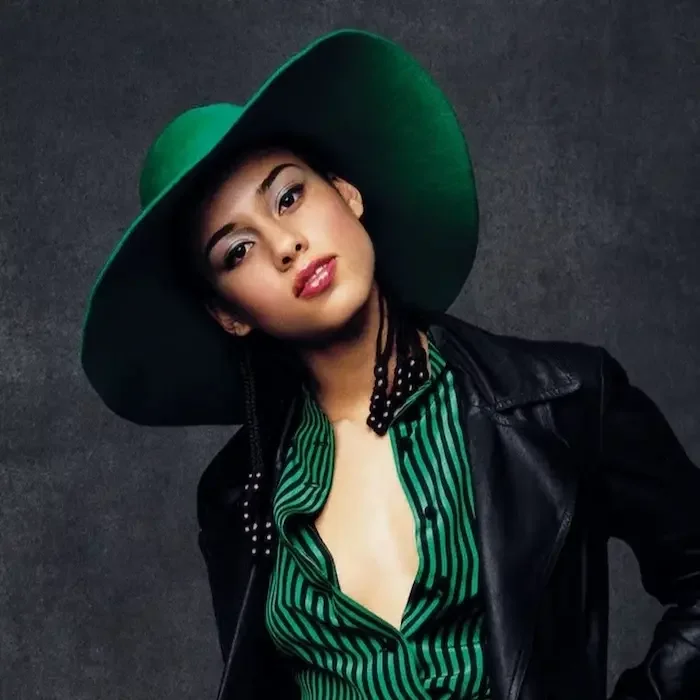
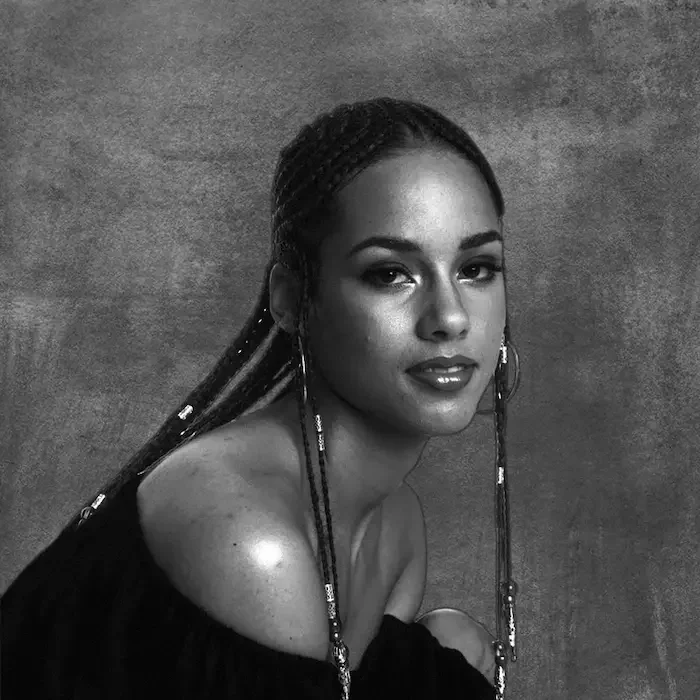
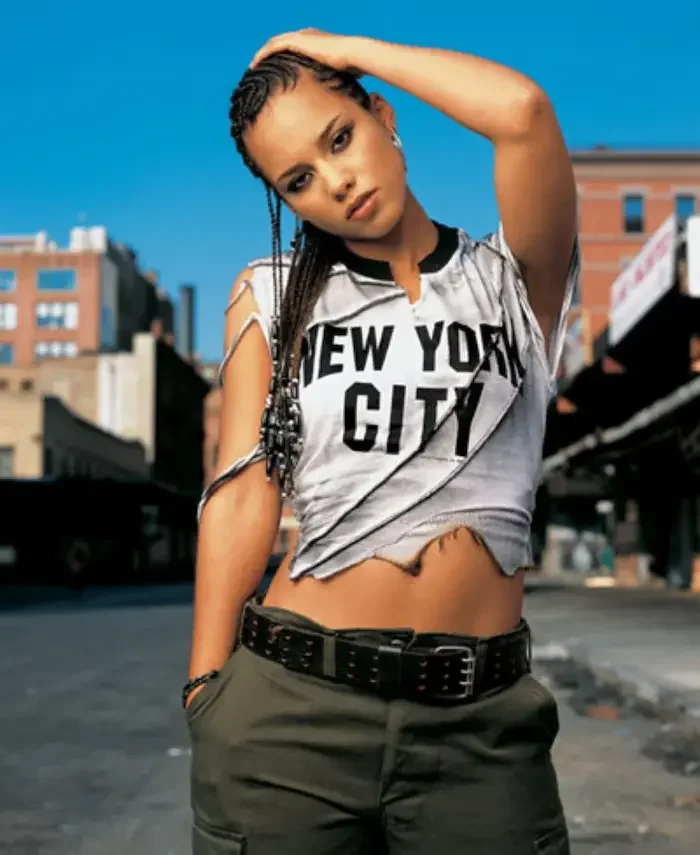
From the beginning, her image mattered because it did not feel like a traditional pop-star costume. Braids, piano, denim, leather, a serious gaze, controlled gestures: Alicia projected a different kind of confidence, less manufactured and more organic. For many listeners, especially young people who wanted to see pop as a combination of real talent and personal identity, she represented an alternative. She was sophisticated without being cold, popular without sounding hollow, emotional without falling into excess. Her Grammy success confirmed what the public had already understood: Alicia Keys was not a passing promise, but an artist with foundation.
*The Diary of Alicia Keys* deepened that force. “You Don’t Know My Name” turned an everyday fantasy into a cinematic scene. “If I Ain’t Got You” became one of the great modern ballads because it reduced love to a simple truth: nothing matters if the right person is missing. “Diary” and “Karma” expanded her world through soul, R&B, intimate drama and elegant production. In that era, Alicia achieved something difficult: maintaining musical credibility and massive success without losing her language. Her songs sounded adult, but not distant; classic, but not old; accessible, but not empty.
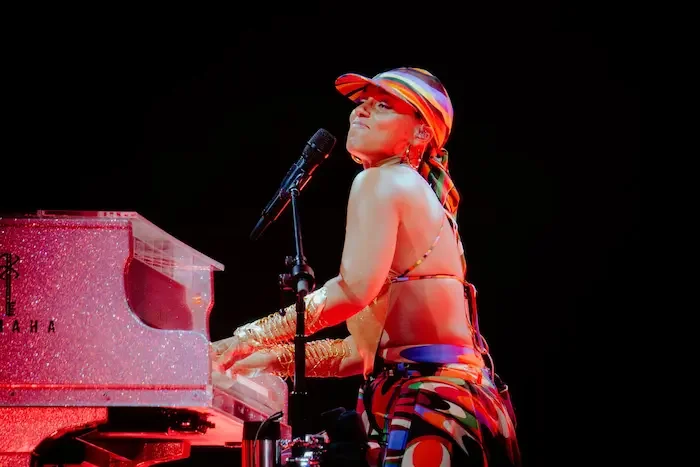
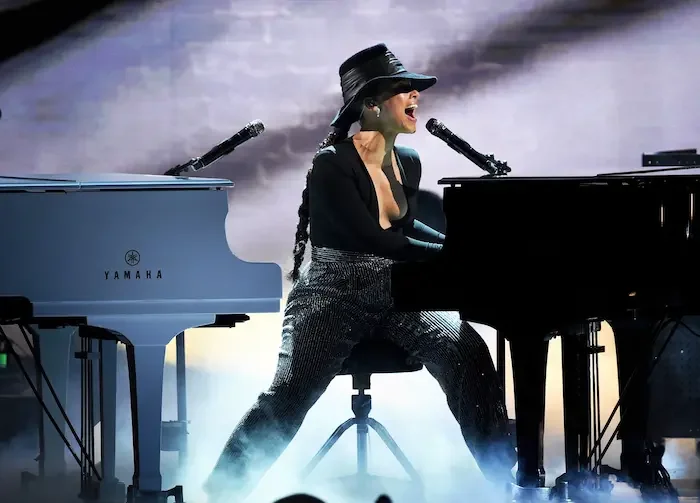
With *As I Am*, her universe grew toward a more direct and luminous expression. “No One” was a huge emotional explosion, almost gospel in spirit, made to be sung with an open chest. “Like You’ll Never See Me Again” returned to the ballad as a place of urgency, while “Teenage Love Affair” showed her more nostalgic and playful side. Alicia could sound monumental, but she always returned to the piano as home. That instrument was not a stage prop; it was her root, her center, the place from which she seemed to organize emotional chaos.
Her collaboration with Jay-Z on “Empire State of Mind” also turned her into a symbolic voice of New York. Alicia’s chorus elevated the song from rap anthem to collective postcard: city, dream, survival, lights, pride and promise. Few voices could carry that image without turning it into cliché. She could because her relationship with New York was not tourist-like; it was biographical. When she sings about the city, she sounds like someone who knows both the shine and the exhaustion of walking through it.
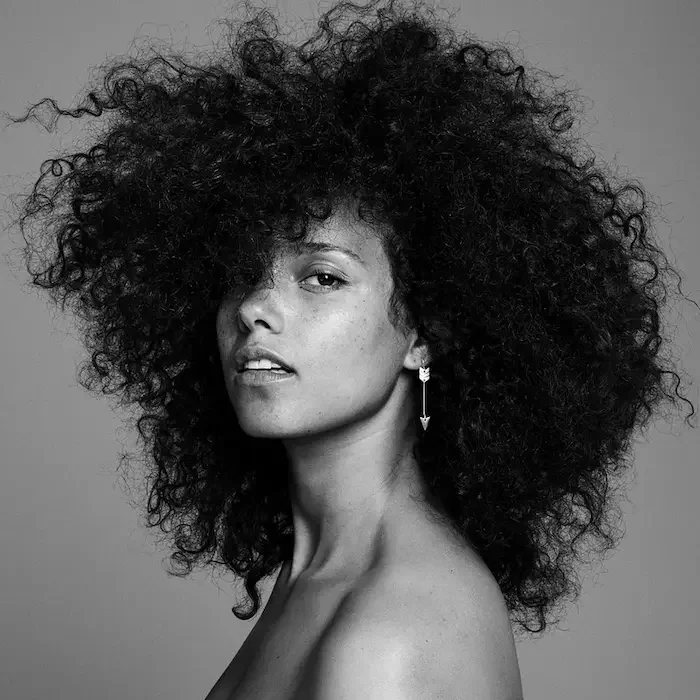
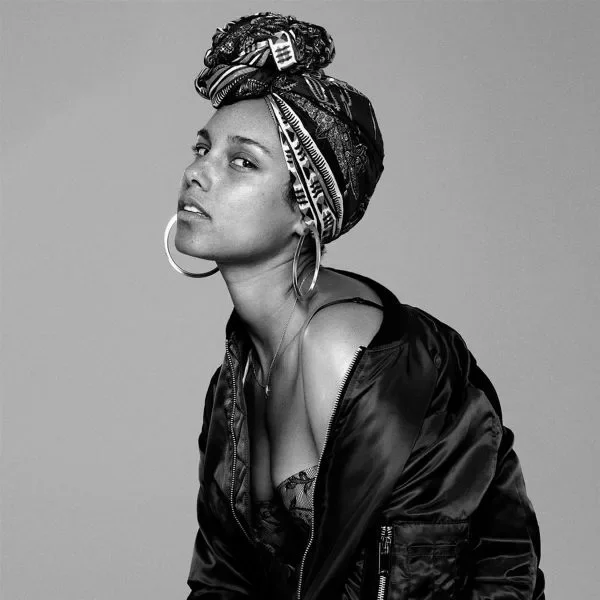
Alicia Keys has also evolved as a public voice. Her activism, humanitarian work, advocacy for women in the music industry, reflections on makeup-free beauty and interest in wellness and care expanded her figure beyond the musical catalog. It is not always about perfect speeches or positions without nuance, but about an artist who has tried to build a public presence consistent with her values: authenticity, dignity, care, community and female power. In a pop world often obsessed with eternal youth and flawless image, Alicia has tried to inhabit maturity with calm.
Albums such as *The Element of Freedom*, *Girl on Fire*, *Here*, *Alicia* and *Keys* show different stages of that search. Sometimes she approaches global pop; sometimes she returns to a more stripped-down soul; sometimes she explores motherhood, identity, the city, spirituality or resistance. “Girl on Fire” became a slogan of strength. “Un-Thinkable” showed restrained sensuality. “Brand New Me” spoke of personal transformation. “Underdog” recovered her taste for stories about ordinary people. Her music does not always chase aggressive novelty; often it seeks to reaffirm an emotional truth with craft and elegance.
Her move into theater with *Hell’s Kitchen* closed a beautiful circle: Alicia returned to the city, adolescence, the piano, the neighborhood, training and origin, but through the gaze of an adult artist able to turn personal memory into stage language. That dimension confirms that her career is not limited to isolated hits. Alicia Keys has built a universe where song, autobiography, piano, city and community intersect.
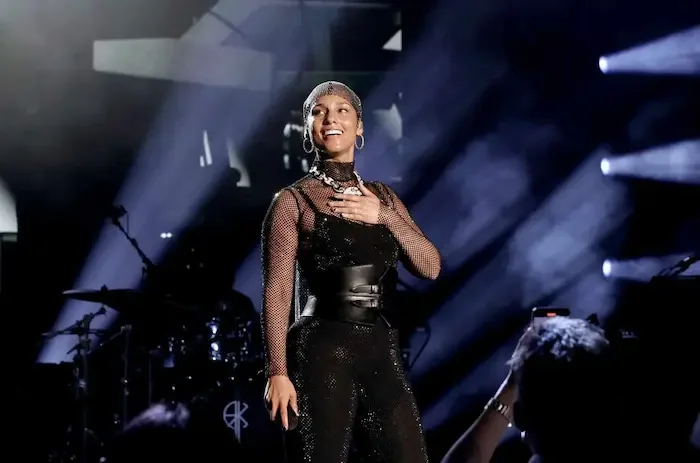
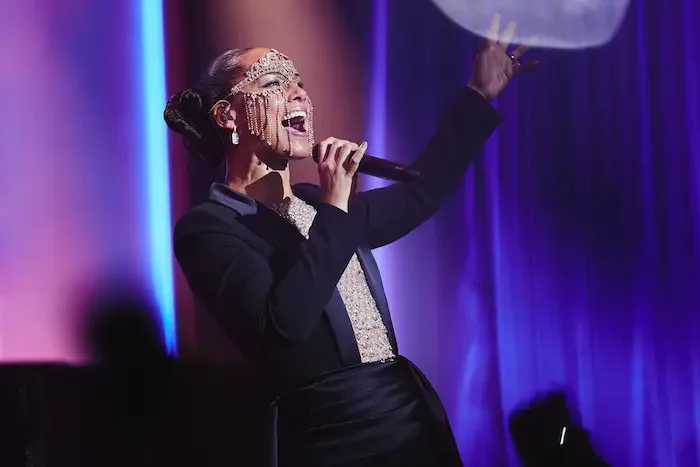
Alicia Keys matters because she made visible musical skill a form of pop identity. In an era of accelerated production, she reminded listeners that a song could begin with two hands on a piano and still conquer the world. Her legacy lives in ballads that feel like confessions, anthems that lift cities, a voice that combines strength and tenderness, and a simple but powerful idea: elegance does not have to be distant from emotion. At her best, Alicia does not sing to impress; she sings to open a door, sit at the piano and let everything important come out directly.
Main genre
R&B
Main subgenres
Like a superfan's list — except verified, with sources and links.

15–Sep 24, 2017
Rio de Janeiro, Rio de Janeiro · Brazil
Past13–Sep 22, 2013
Rio de Janeiro, Rio de Janeiro · Brazil
Past
01–Jul 04, 2010
New Orleans, Louisiana · United States
PastJun 30 – Jul 03, 2005
New Orleans, Louisiana · United States
Past04–Jul 07, 2002
New Orleans, Louisiana · United States
PastWhat we managed to link to the concert archive. If a date is missing, tell us — happens to us too.
No linked concerts
Every concert and festival of the year, traced on the globe. Hit play and follow the route stop by stop.
Photos from the public archive.
Recent coverage linked to the artist.



Close by genre and social signal.
No related artists
When there is enough genre signal, they will appear here.