




















Ranking
#95

Ranking
#95
Followers
76.4 M
Digital presence
Official profiles, streaming and discovery.
What a good fan recites by heart (or pretends to).
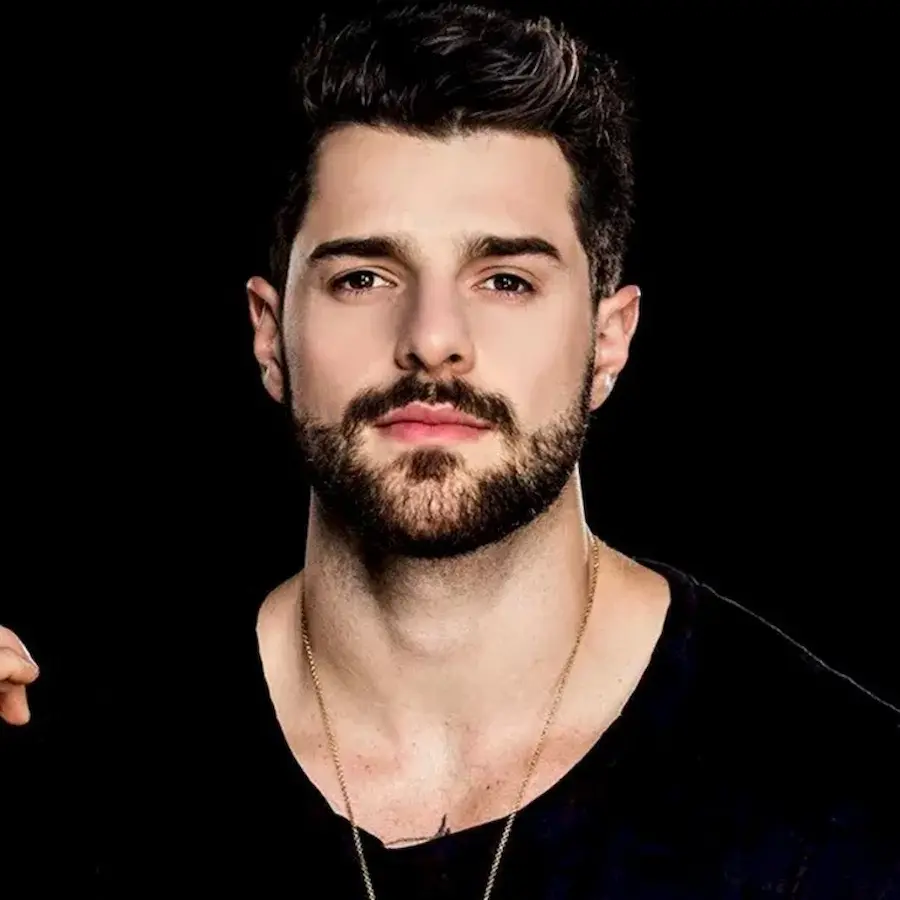
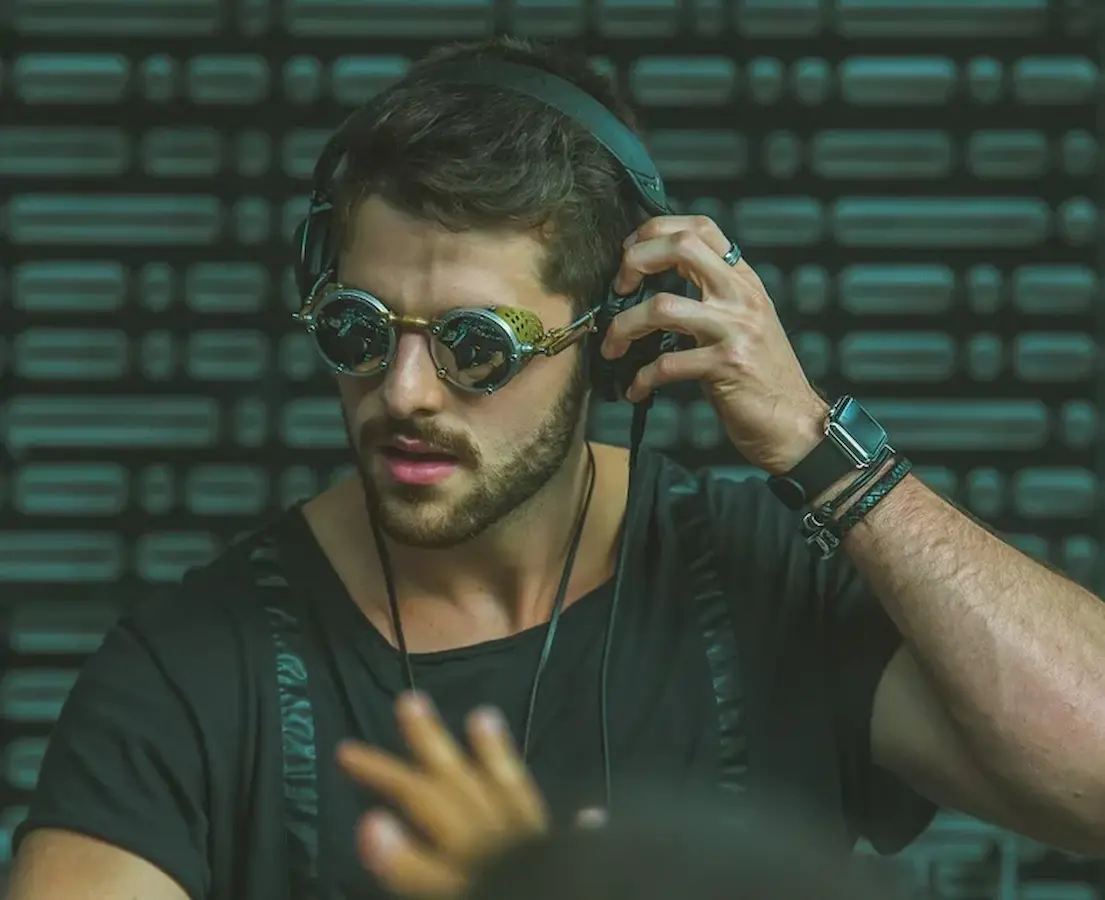
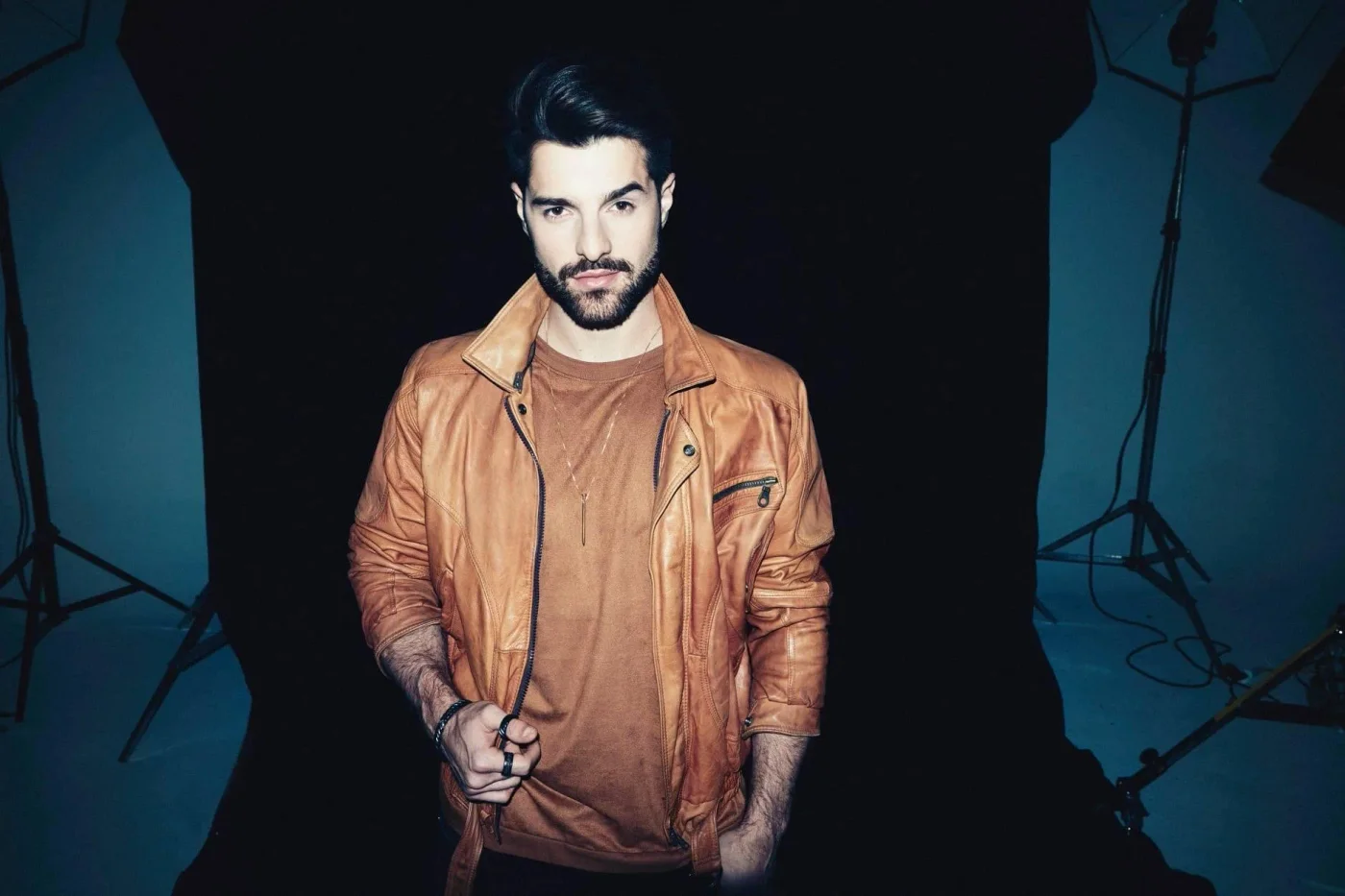
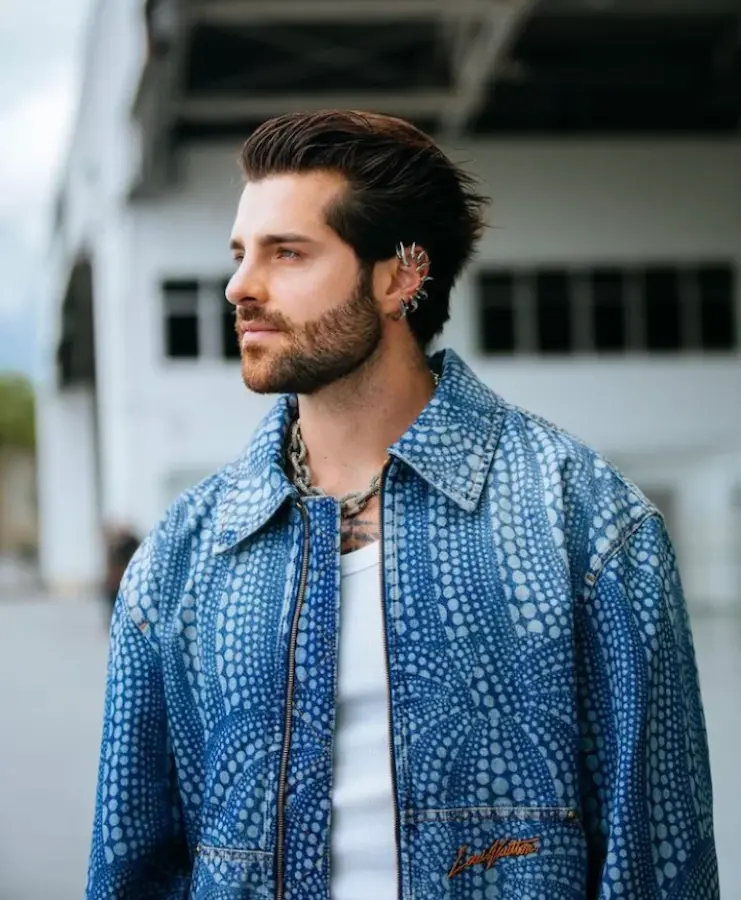
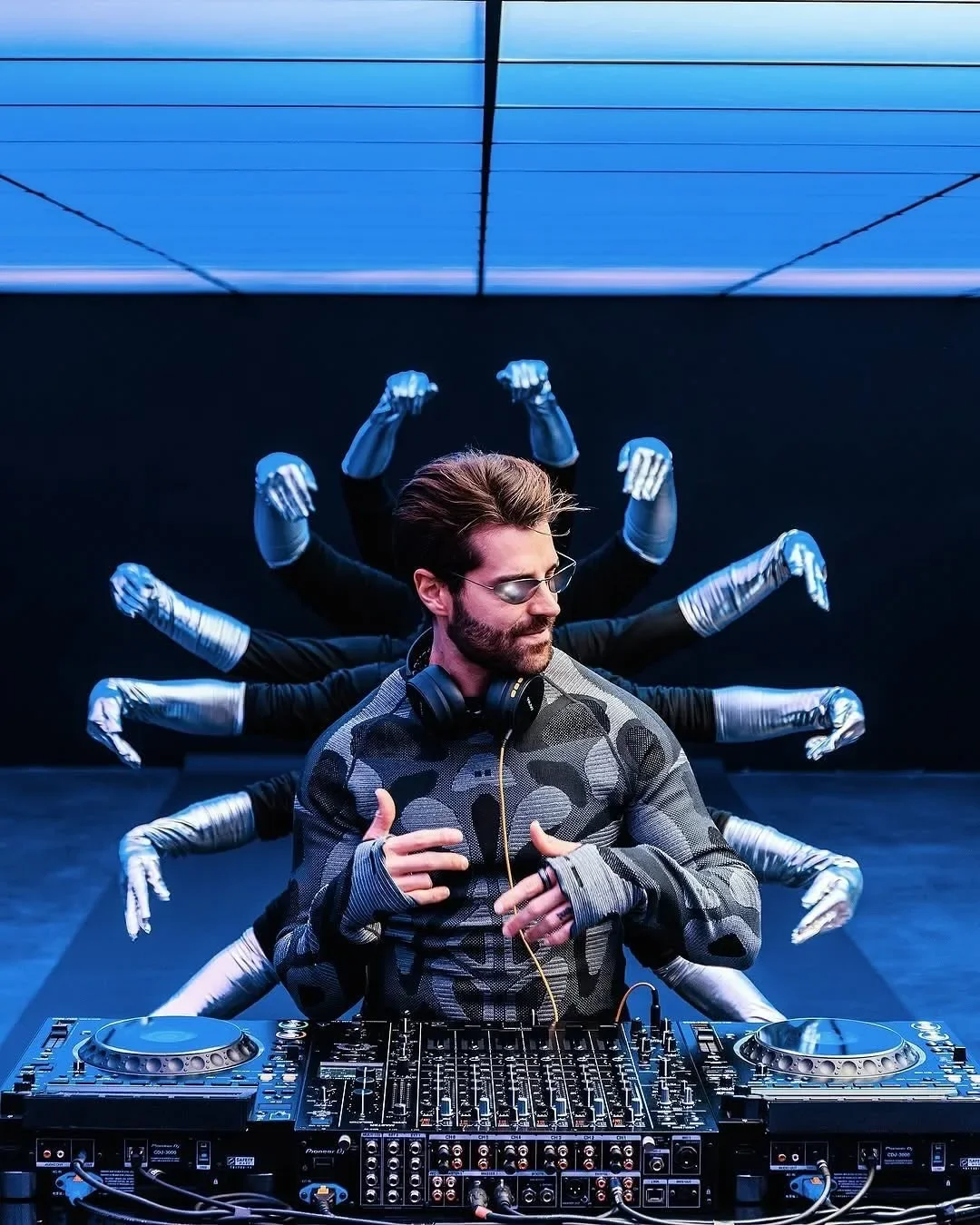
Alok is one of the names that best explains the global expansion of Brazilian electronic music. His career begins from a very specific root — psytrance culture, open-air festivals, a musical family, and Brazil’s alternative electronic scene — but it ended up connecting with a massive audience through a melodic, direct, recognizable sound. In his work, the dance floor does not appear only as a place of escape. It becomes a meeting point between emotion, identity, technology, pop culture, and a broader idea of Brazil than the usual tropical stereotype.
Born in Goiânia, Goiás, Alok grew up in a home where electronic music was part of everyday life. His parents, Ekanta and Swarup, were important figures in Brazilian psytrance, and that environment brought him very early into contact with DJ booths, studios, festivals, equipment, mixing, and a way of understanding music as collective experience. He did not come to electronic music from the outside or as a trend. He grew inside a culture that treated the DJ set as journey, ritual, community, and shared energy.
His early period with his brother Bhaskar in the project Logica / Lógica connected him directly with psytrance. That early formation matters because it explains part of his musical architecture: even when he moved toward house and Brazilian Bass, he kept a sense of progression, tension, build-up, and emotional trance. Alok does not build tracks only as isolated drops. He often looks for a line of movement, a growing atmosphere, and a sense of journey that comes from that psychedelic school.
As a solo artist, he found his own language by moving toward house, deep house, and the sound that became associated with Brazilian Bass. That style allowed him to stand apart in a global scene crowded with maximalist EDM. Instead of relying only on explosive drops, his music often works through deep basslines, melodic vocals, dark grooves, clean structures, and a sense of nocturnal elegance. There is energy, but also control. There is pop, but not always superficial brightness. There is club function, but with a clear search for identity.
“Hear Me Now” was the point that carried that language to an international scale. The song worked because it joined melancholy, warm vocals, electronic pulse, and a memorable melody without becoming overblown. It was not only a festival track or only a radio song. It could live in both spaces. That double life — the emotional track that also works in a crowd — became one of Alok’s keys. His music often searches for that balance between feeling and function, between song and DJ tool.
A major part of his impact lies in helping place Brazil inside the global map of large-scale electronic music. For years, the international conversation around DJs was dominated by Europe and the United States. Alok opened a different door by showing that a Brazilian artist could compete in rankings, festivals, streaming, and global collaborations without hiding where he came from. His rise was not only individual. It also helped give visibility to a scene, an accent, and a Latin American way of entering the global dance-music circuit.
Alok has also built an identity through collaboration. His discography is full of crossings with vocalists, producers, and artists from different territories, allowing him to move between pop, house, Latin sounds, radio-friendly dance, and festival electronics. That flexibility is part of his commercial strength, but also part of his artistic personality. He does not seem interested in remaining locked inside one subgenre. His music works as a platform, a connection point between worlds that can be melodic, danceable, emotional, or cultural.
With The Future Is Ancestral, Alok expanded his role beyond the conventional figure of the global DJ. The project, built around Indigenous Brazilian voices and cultures, showed an interest in taking electronic music into a deeper conversation about memory, territory, spirituality, and representation. That move matters because it shifts the focus: the beat stops being only entertainment and becomes a vehicle for amplifying voices that usually do not occupy the center of the international music industry.
His philanthropic and environmental dimension is also part of his public narrative. Through the Alok Institute and initiatives linked to Indigenous rights, education, inclusion, and sustainability, he has tried to connect global visibility with social causes. In a world where the festival DJ can easily become a symbol of luxury, consumption, and excess, Alok has worked to build an image connected to responsibility, community, and environmental awareness. That tension between mass spectacle and social purpose is one of the most interesting parts of his figure.
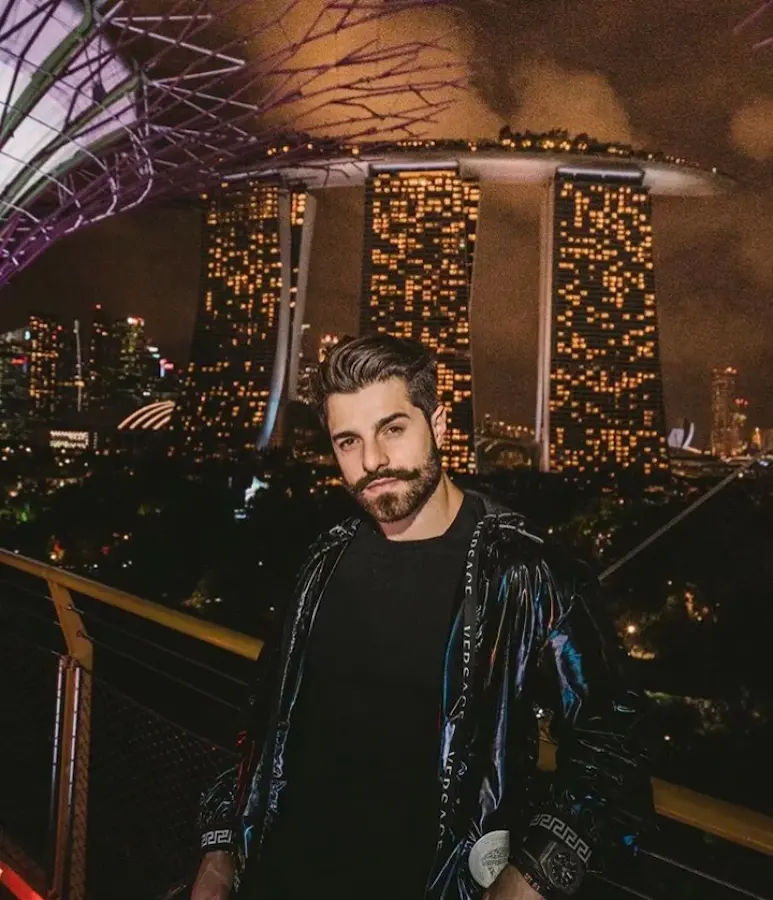
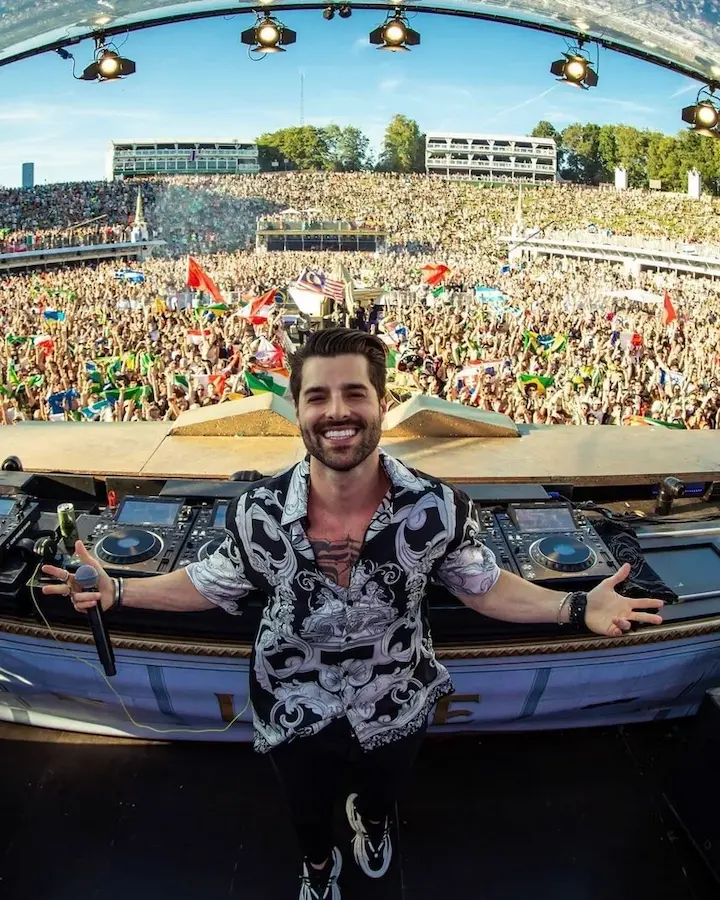
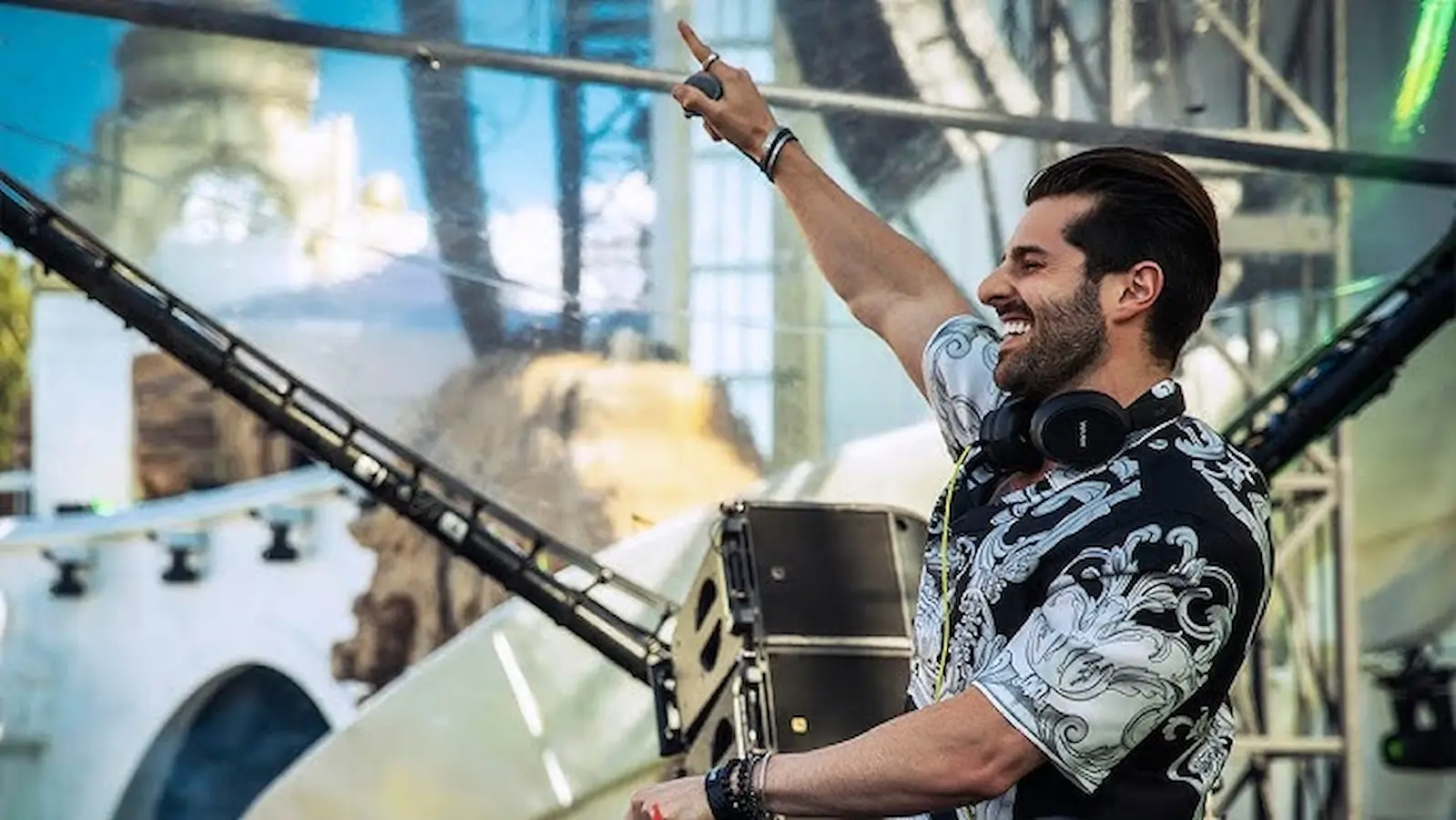
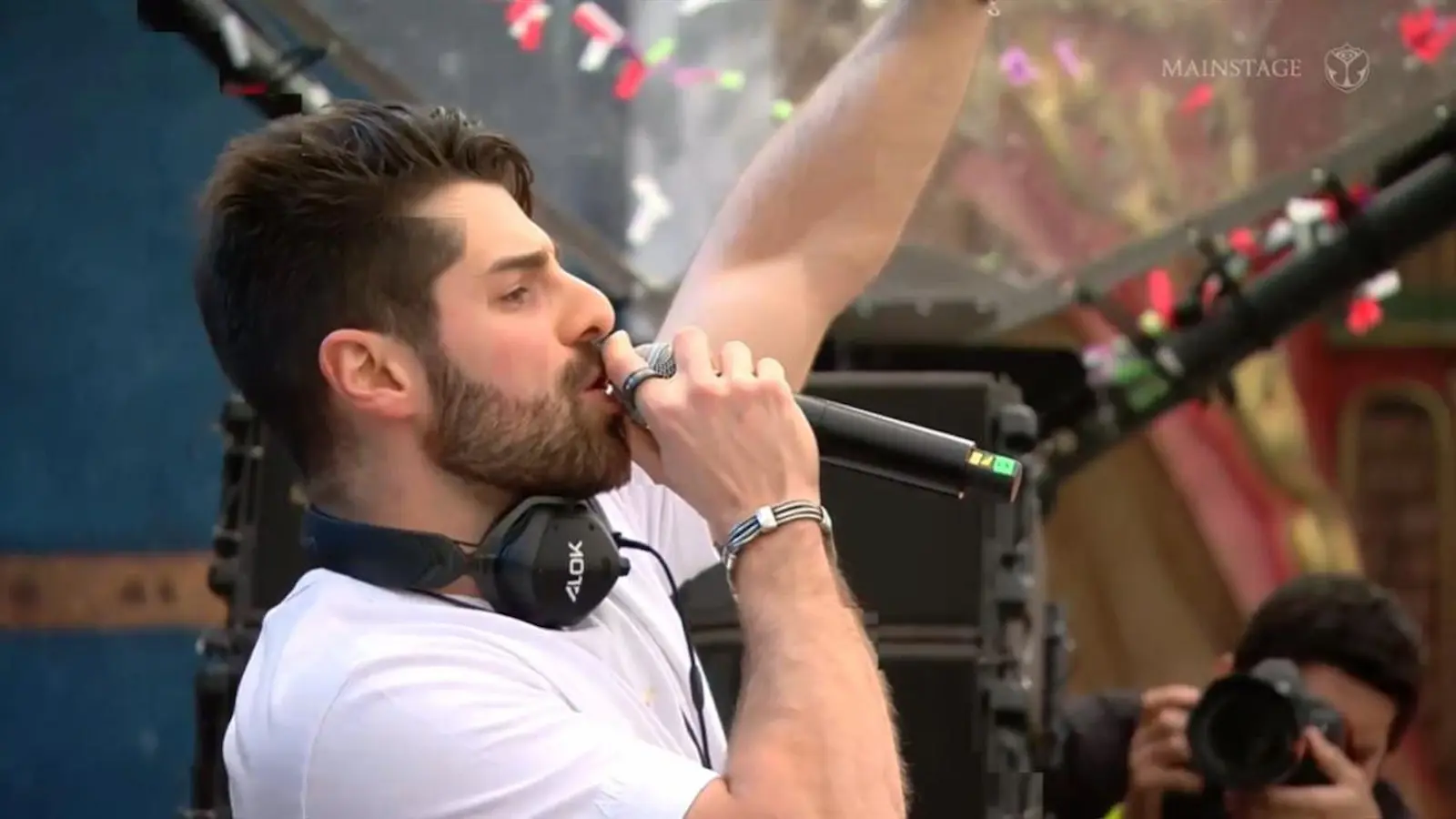
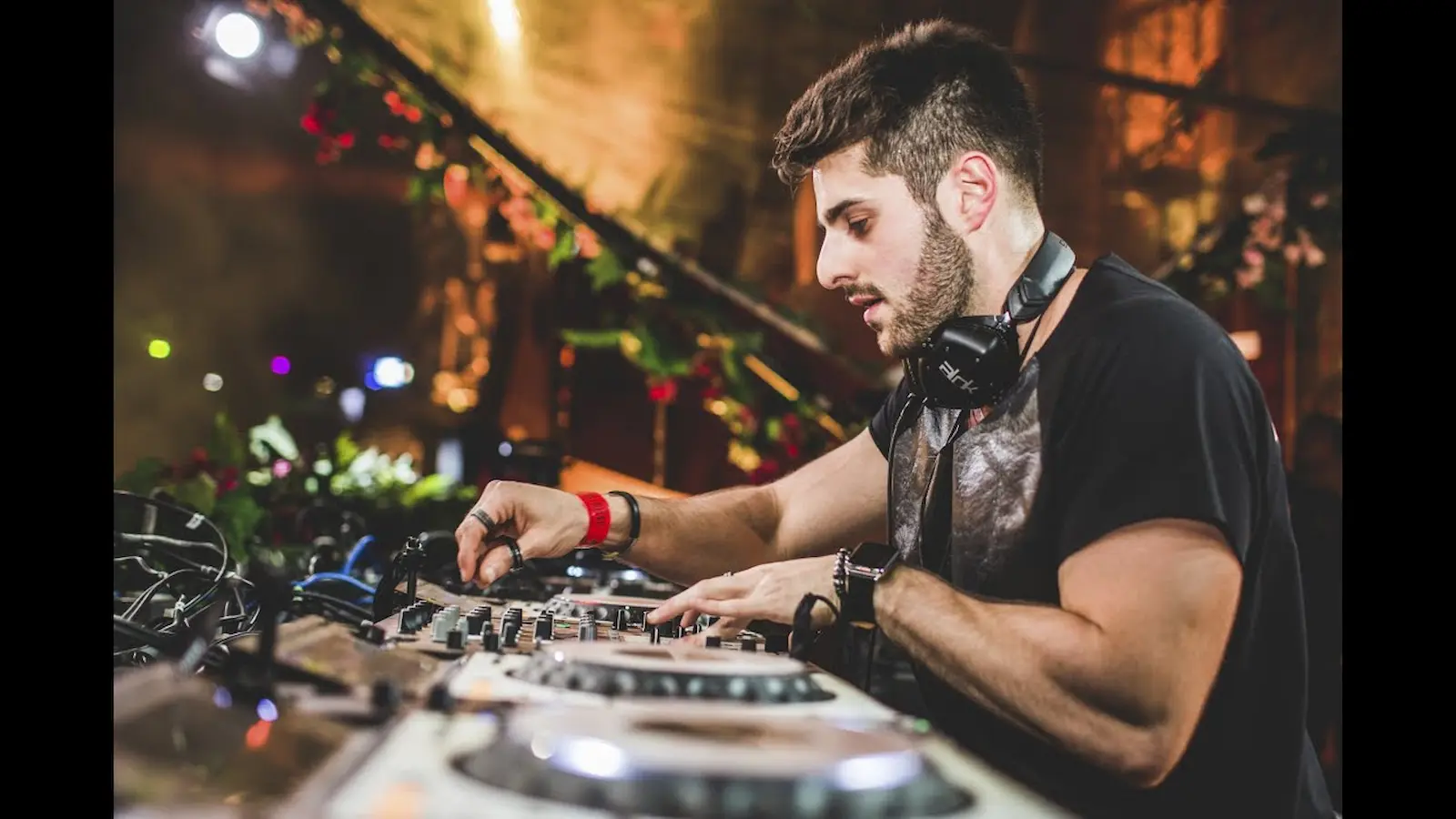
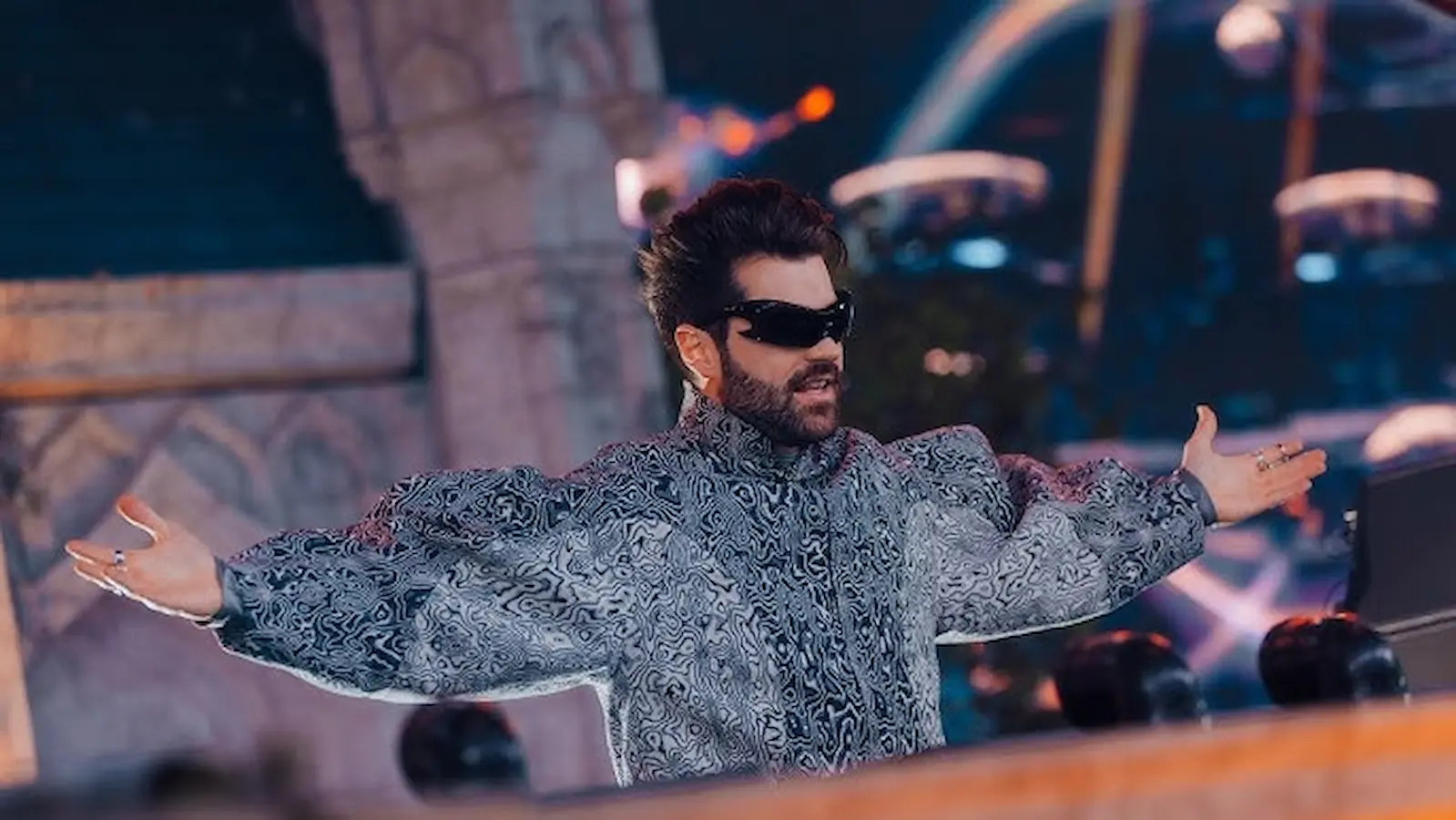
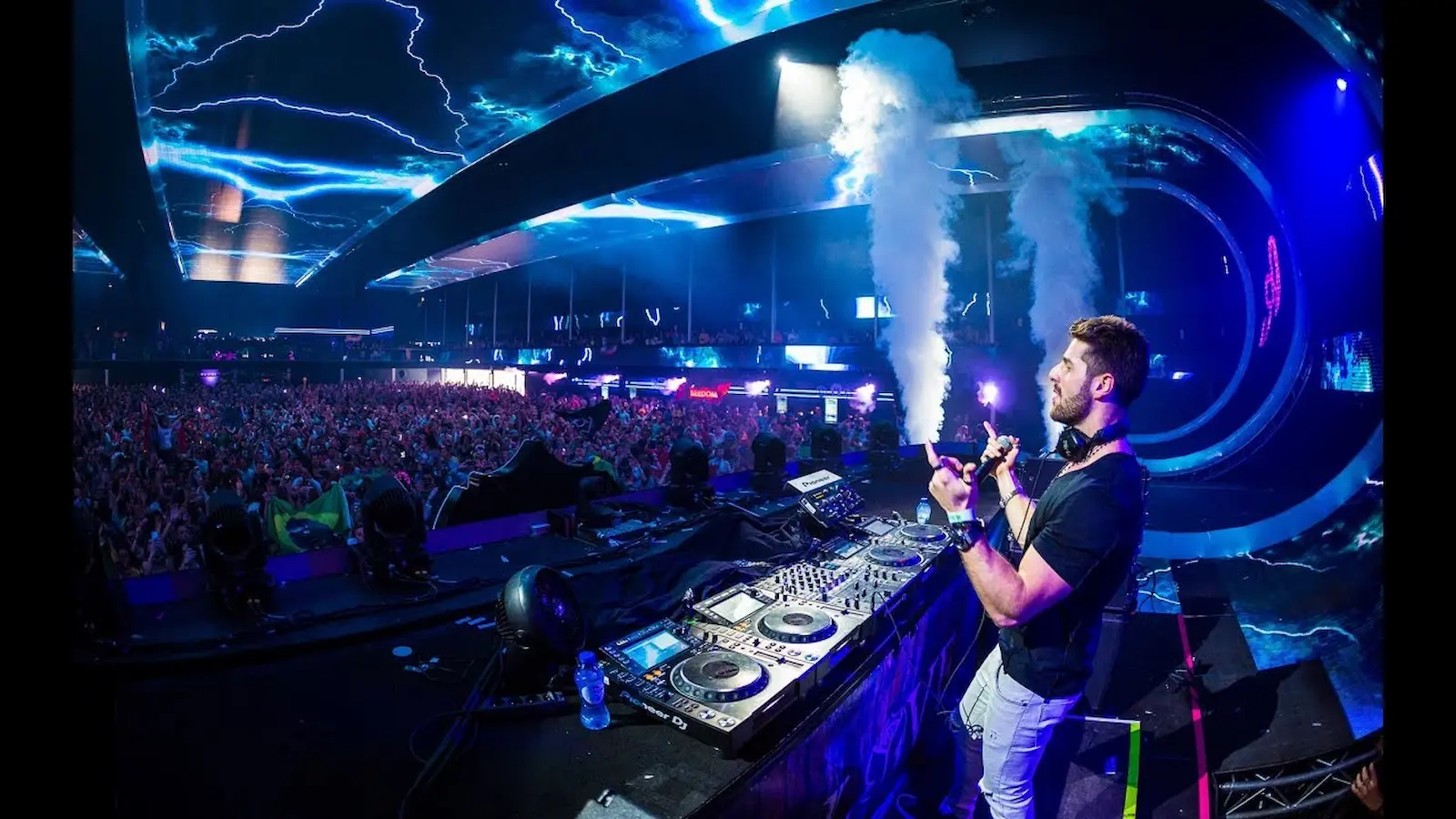
Live, Alok makes sense as an artist of physical impact. His sets are designed for large stages, screens, lights, drops, recognizable vocals, and moments of immediate communion. But his best version does not depend only on visual spectacle. It depends on his ability to keep an emotional pulse inside the show. He can mix festival energy with accessible melodies, enveloping basslines, and a narrative that moves from euphoria to trance, from pop to club, from Brazil to the world.
Alok’s legacy lies in turning Brazilian electronic music into a global language without fully losing the memory of its origin. His career joins psytrance, house, Brazilian Bass, international pop, social consciousness, and festival ambition into a recognizable identity. At his best, Alok sounds like a night-time dance floor lit from Brazil: deep, melodic, expansive, and built so emotion can travel as far as the bass.
Main genre
HOUSE
Main subgenres
Like a superfan's list — except verified, with sources and links.
04–Sep 13, 2026
Rio de Janeiro, Rio de Janeiro · Brazil
In 3 days
24–Jul 26, 2026
Boom, Antwerpen · Belgium
Past17–Jul 19, 2026
Boom, Antwerpen · Belgium
Past
20–Jun 28, 2026
Portugal
Past
27–Mar 28, 2026
San Bernardino, California · United States
Past
21–Mar 28, 2026
Alpe d’Hue, Isère · France
Past
20–Feb 22, 2026
CDMX · Mexico
Past
07–Nov 09, 2025
Orlando, Florida · United States
Past
18–Apr 20, 2025
Indio, California · United States
Past11–Apr 13, 2025
Indio, California · United States
PastWhat we managed to link to the concert archive. If a date is missing, tell us — happens to us too.
No linked concerts
Every concert and festival of the year, traced on the globe. Hit play and follow the route stop by stop.
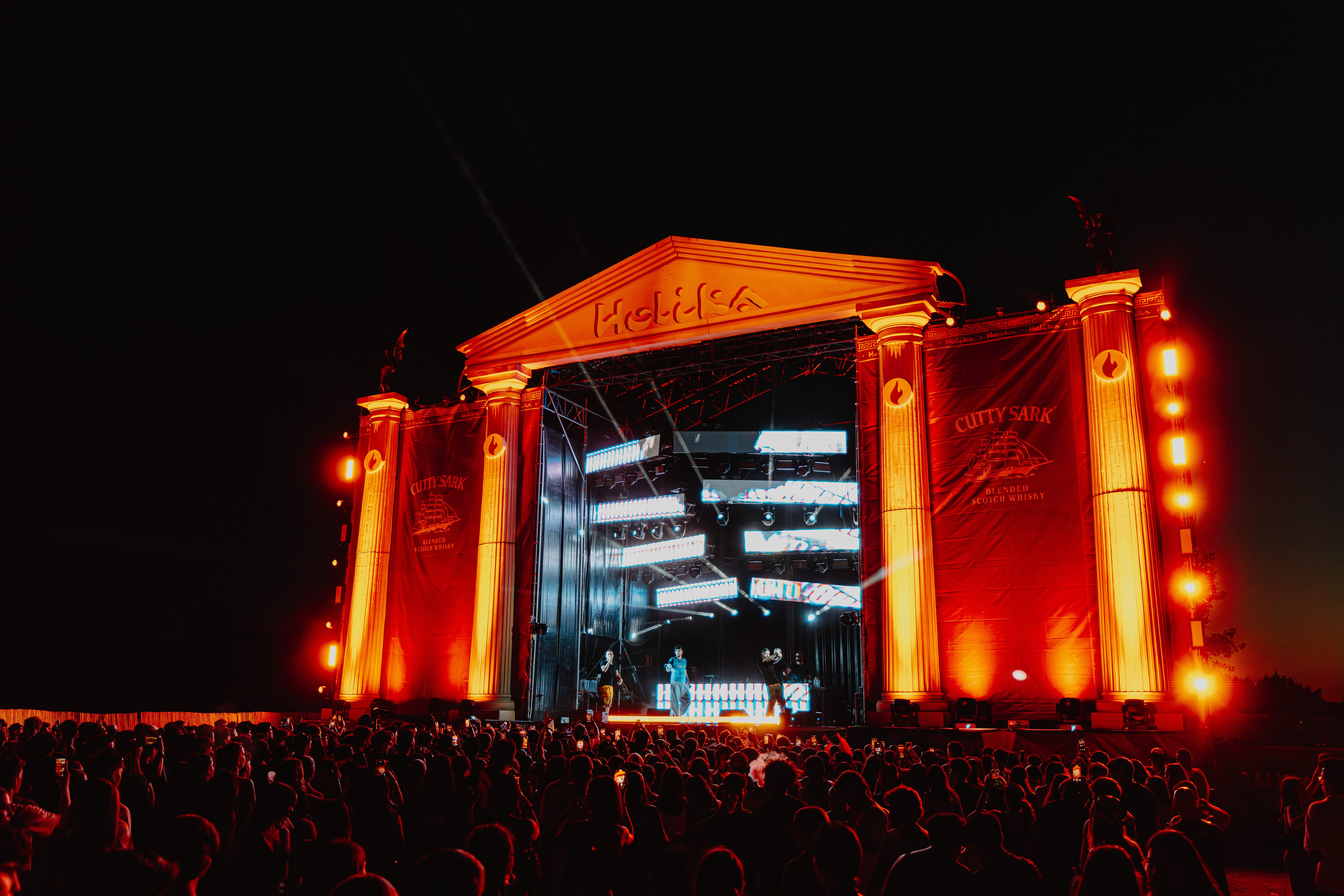
Photos from the public archive.
Recent coverage linked to the artist.




Close by genre and social signal.
No related artists
When there is enough genre signal, they will appear here.