








Ranking
#56

Ranking
#56
Followers
117.8 M
Digital presence
Official profiles, streaming and discovery.
What a good fan recites by heart (or pretends to).
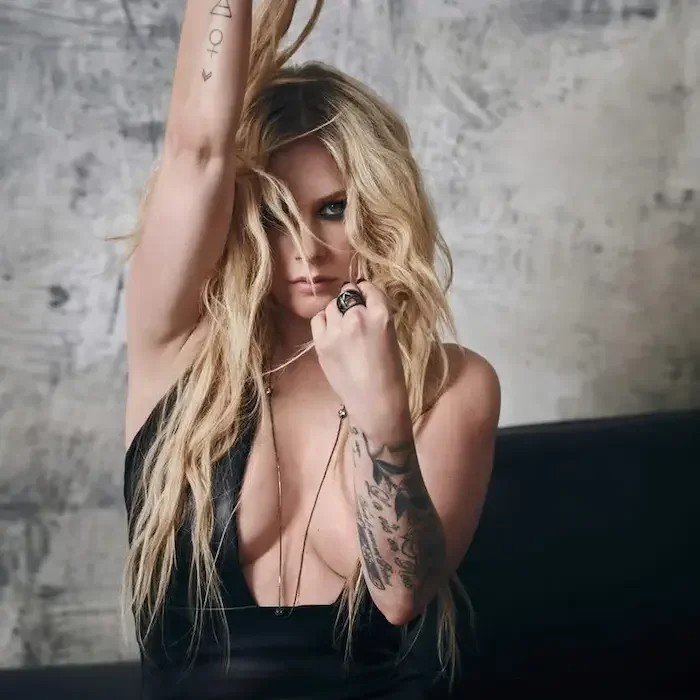
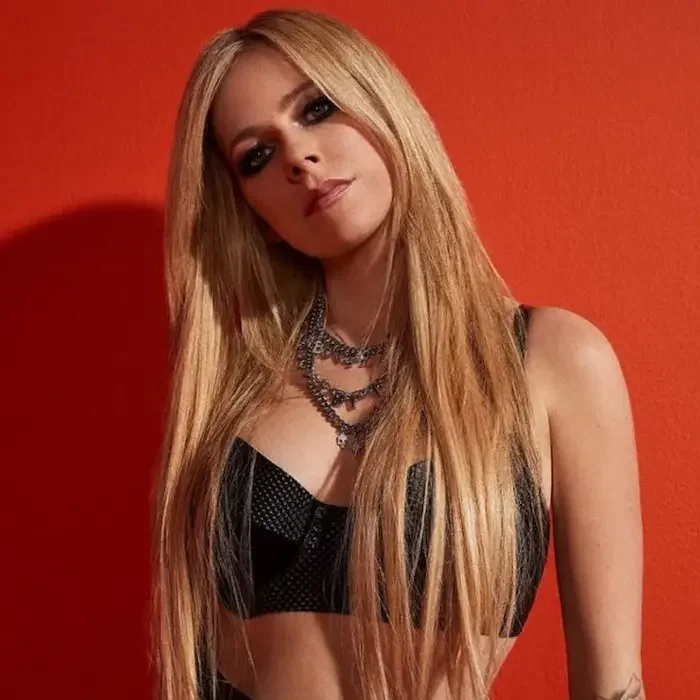
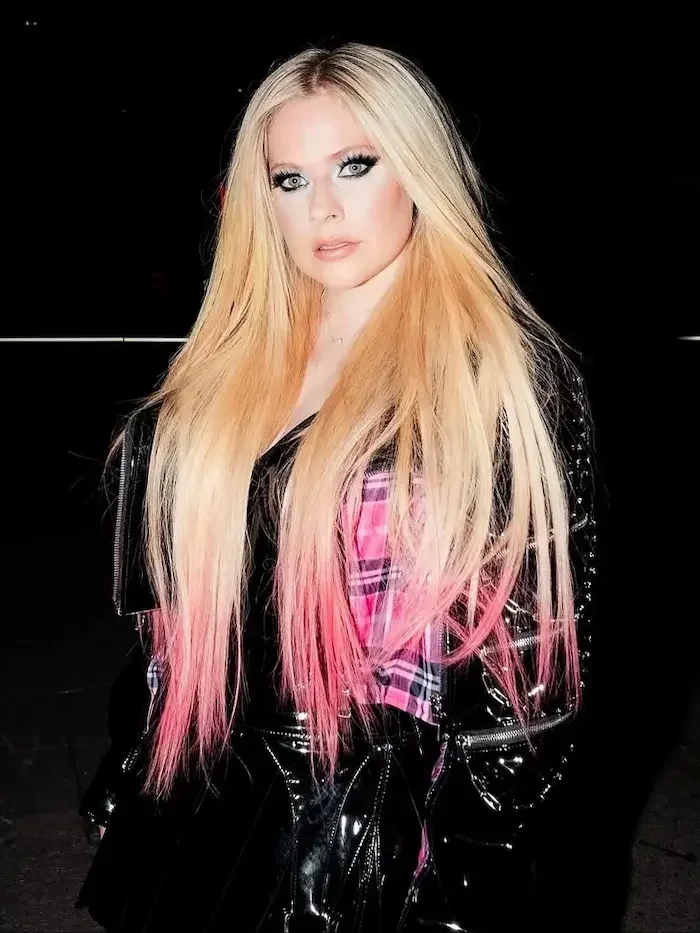
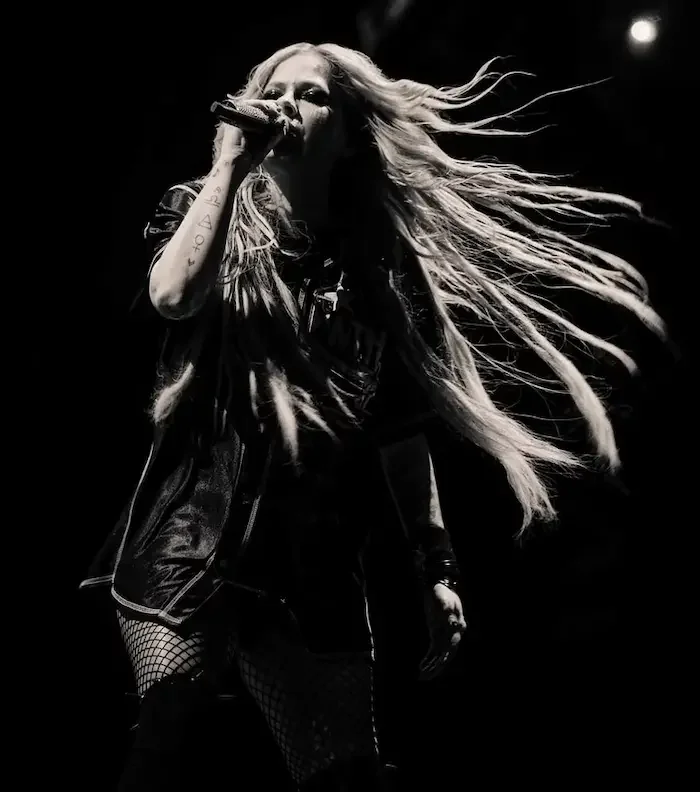
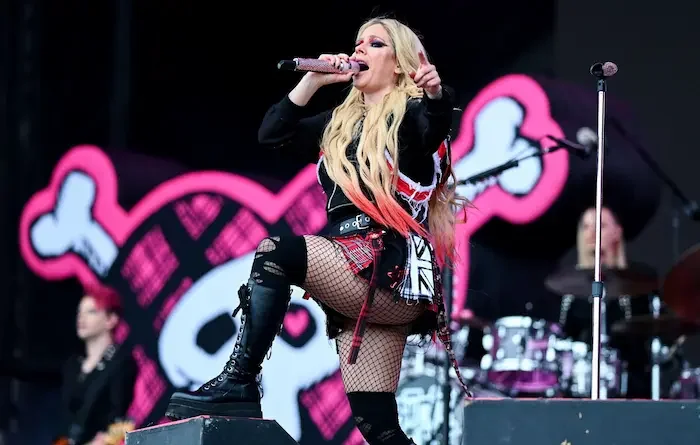
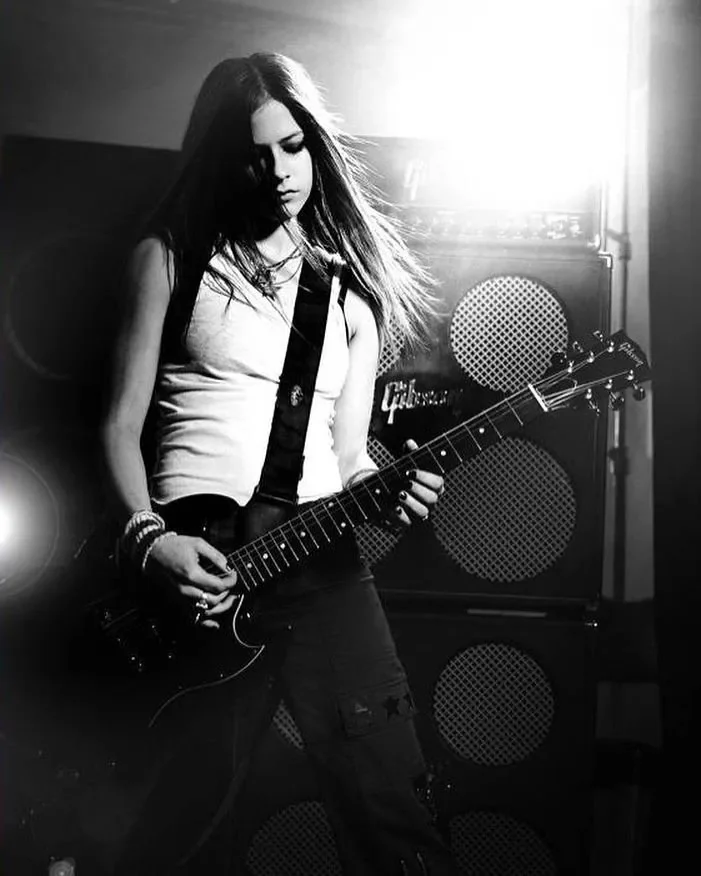
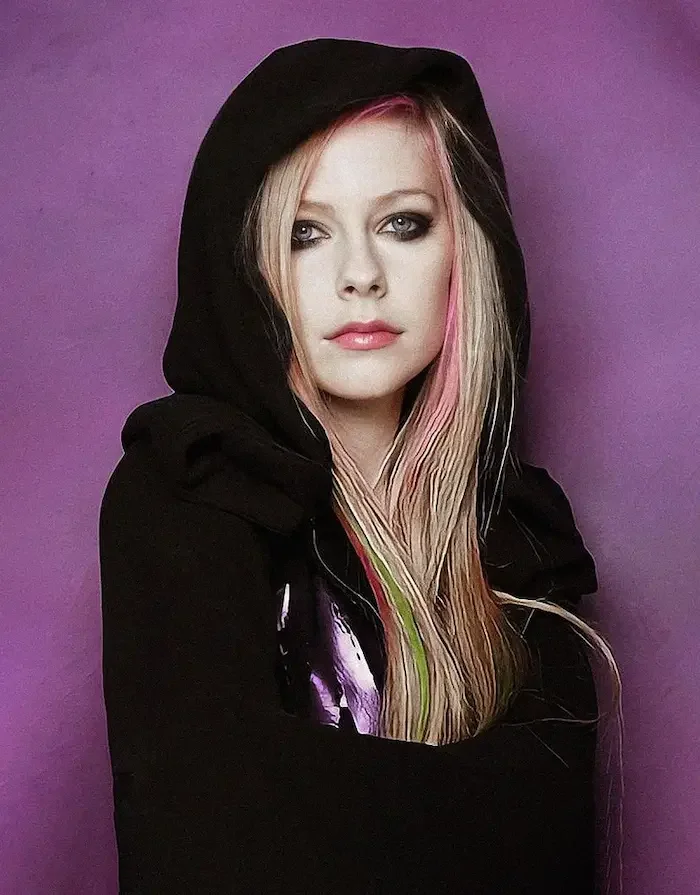
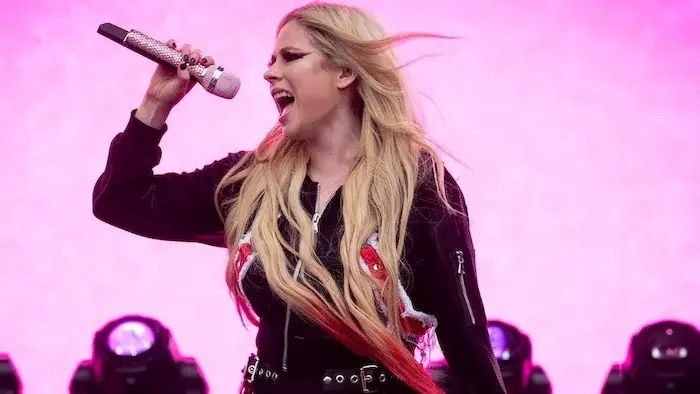
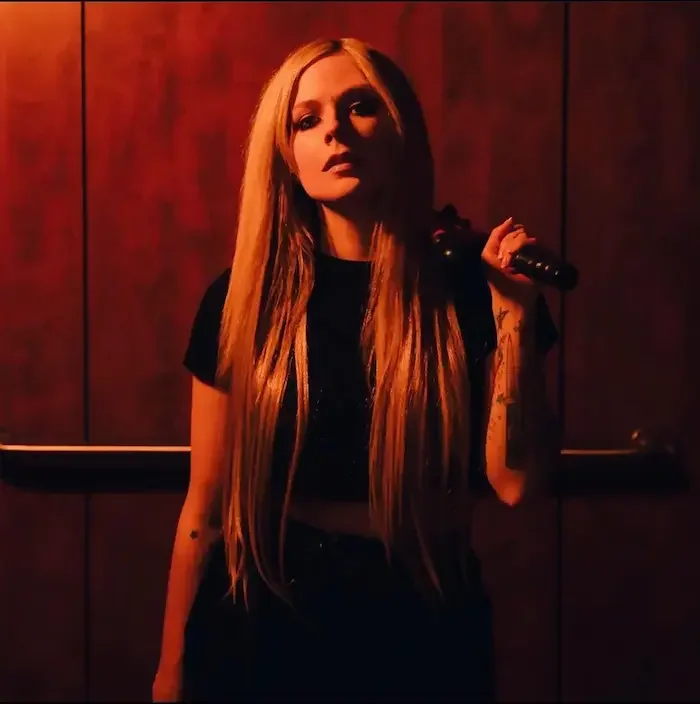
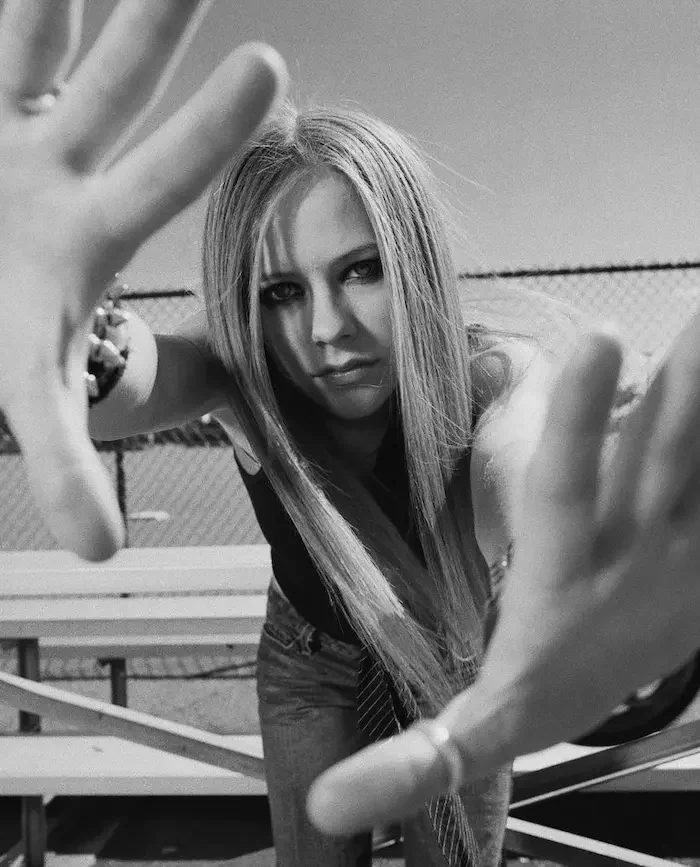
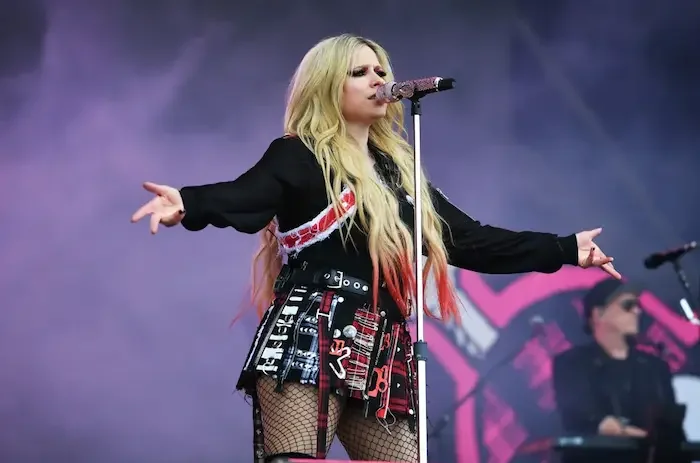
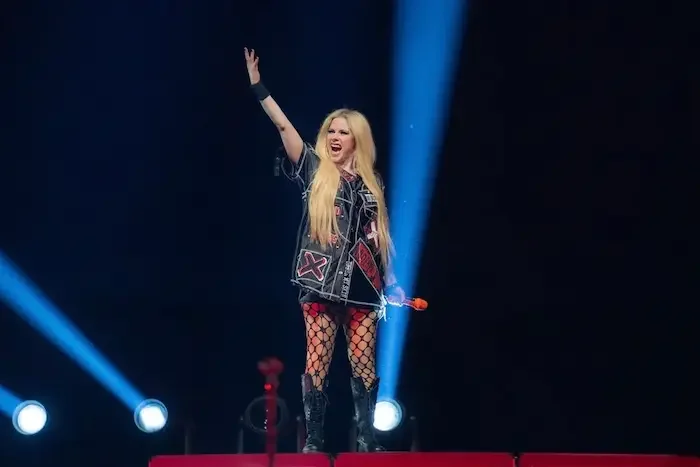
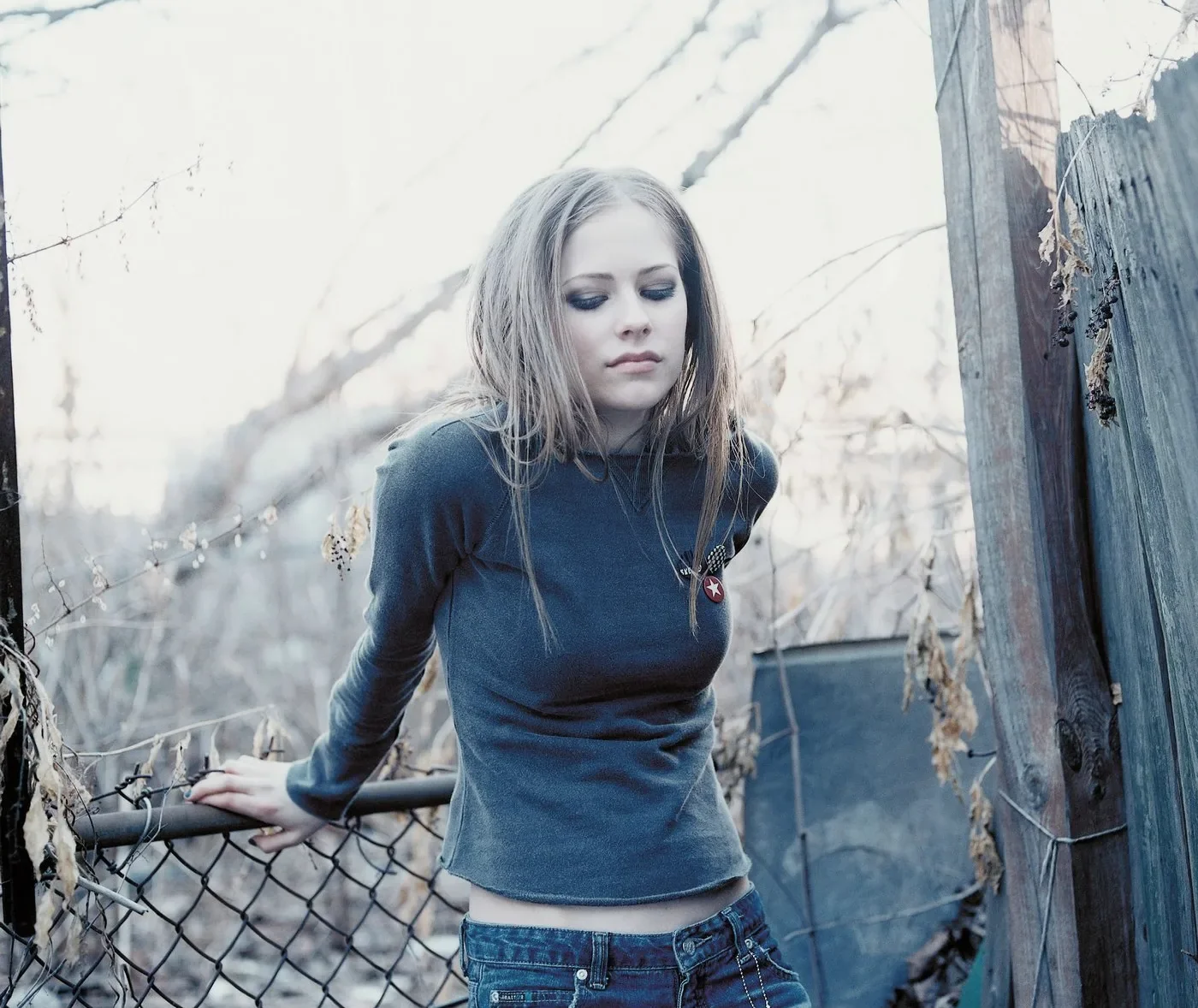
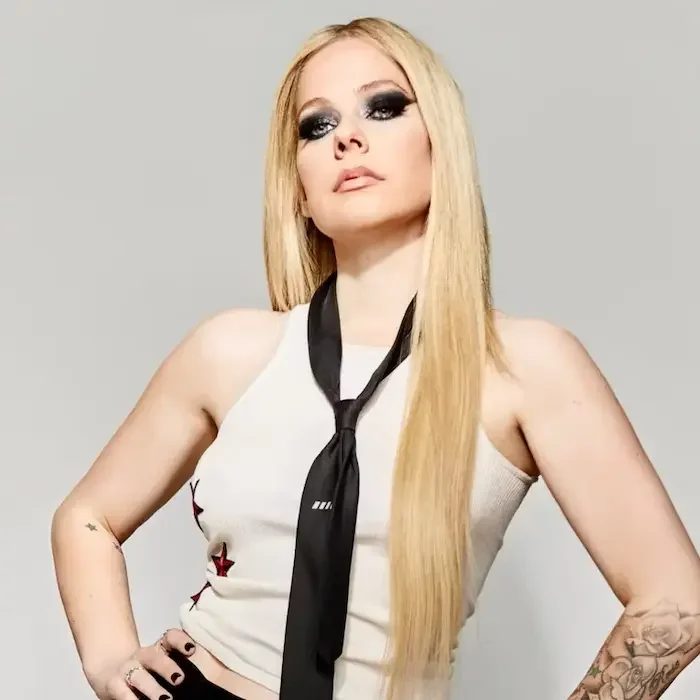
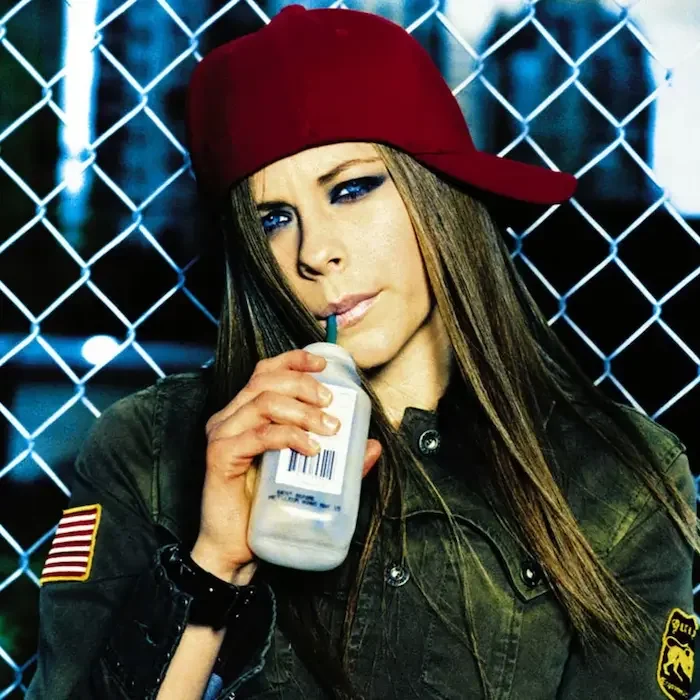
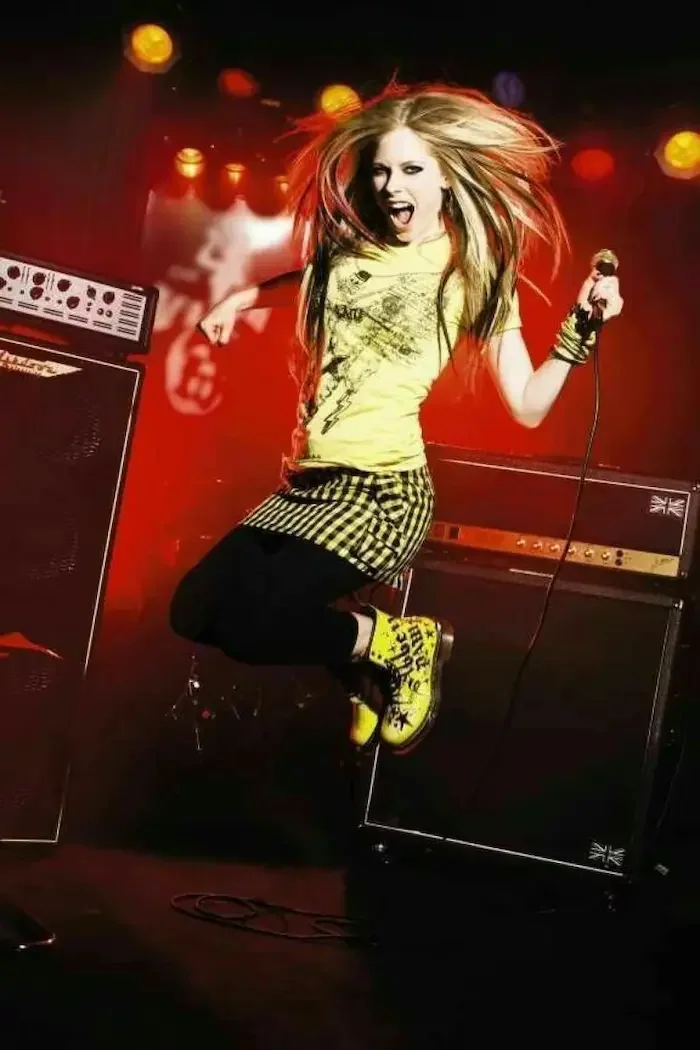
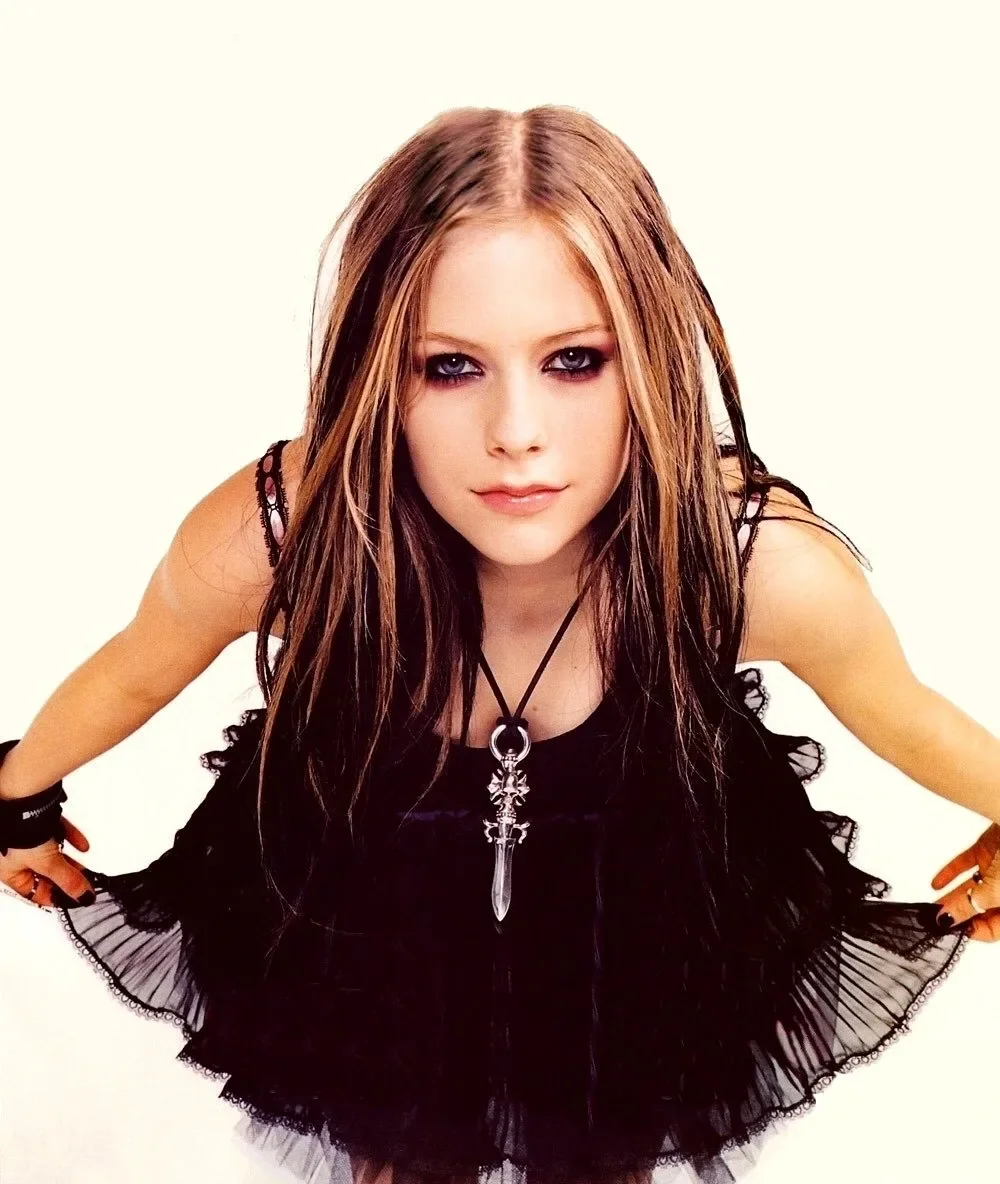
Avril Lavigne arrived in the early 2000s like a jolt of black eyeliner, loose tie, sneakers, guitars and an attitude that seemed to tell the teen pop of the era: not all of us want to smile the same way. Her arrival mattered because it happened at a moment dominated by polished formulas, glossy choreography and a very controlled idea of the young female star. Avril did not enter that landscape to obey it. She entered like the girl who seemed to have come from a skateboard, a room full of band posters, a notebook full of annoyed phrases and an adolescence that did not want to look perfect in order to be heard.
Born in Belleville, Ontario, and raised largely in Napanee, Avril came from a world far from the central machinery of pop. Her early story has the feeling of a small town, church singing, local contests, guitars, country, rock and the desire to get out. Before becoming a visual icon, she was a teenager with a strong voice, a direct personality and an energy that did not quite fit the manufactured sweetness often demanded of young girls in music. That difference became her doorway. Avril did not seem designed by a boardroom, even if industry was behind her; she seemed like a real girl who had been given a microphone before anyone could correct her expression.
*Let Go* was a generational debut. “Complicated” captured a very recognizable teenage frustration: people pretending to be something they are not, relationships becoming ridiculous, the need to ask the world to stop faking it. The song was not punk in the strictest purist sense, but it had perfect pop rebellion: a huge melody, accessible guitar, a direct phrase and an attitude millions of young listeners understood without translation. “Sk8er Boi” did something even more definitive: it turned a small high-school story of missed love and social judgment into a pop-punk anthem that seemed to come with its own video, uniform and culture.
Avril connected because her rebellion was easy to recognize, but not completely threatening. That was part of her pop intelligence. She did not need to be the most aggressive artist in the world to represent nonconformity. The look, the tie, the “I do not care that much about pleasing you,” the guitars, the dry humor and a voice capable of moving from tenderness to impact were enough. “I’m With You” showed that behind the skater girl there was also an emotional balladeer. “Losing Grip” revealed a rougher anger. “Mobile” and “Tomorrow” completed the feeling of movement, uncertainty and youth on the run. *Let Go* did not only sell songs; it shaped an identity for a generation that wanted to be pop without feeling too pop.
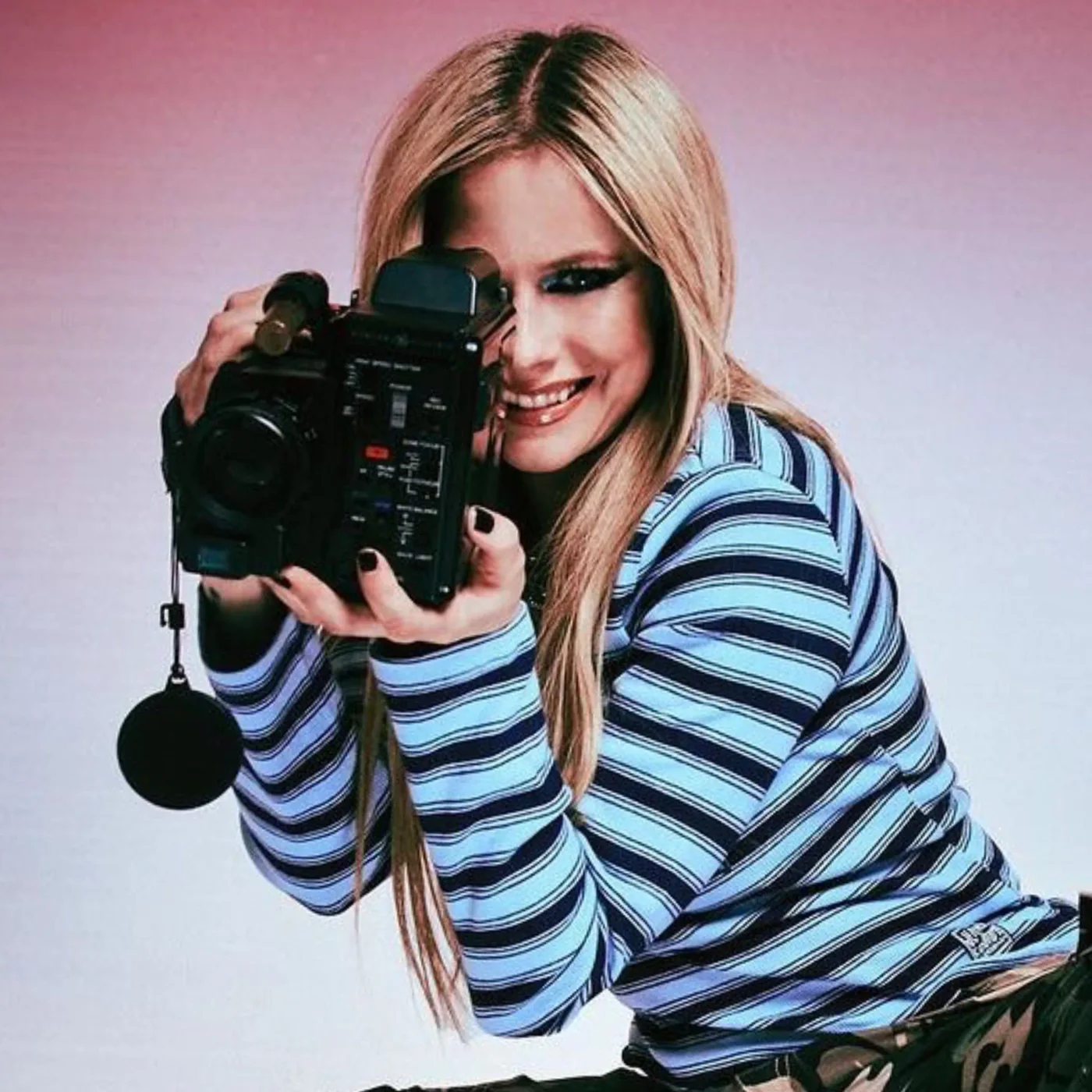
Her aesthetic was inseparable from her impact. The ties, baggy pants, bracelets, no-fuss T-shirts, straight hair, dark makeup and “I’m not like the other girls” attitude became a visual language. Over time, that phrase has been revised, questioned and even parodied, but in its moment it meant something real to many teenagers: the possibility of not fitting into the glossy, sexy and compliant model of femininity dominating pop culture. Avril did not destroy the rules of the market, but she opened a window. Suddenly, a girl could be popular, loud, awkward, sarcastic, sentimental and dressed as if she had just walked out of band rehearsal.
*Under My Skin* deepened that darkness. If *Let Go* was adolescence with rage and energy, *Under My Skin* sounded more nocturnal, more wounded, more introspective. “My Happy Ending” turned romantic disillusion into one of her strongest songs. “Nobody’s Home” looked at loneliness with direct drama. “Don’t Tell Me” defended autonomy and limits against someone else’s desire. That record mattered because it proved Avril was not only a fun image of school rebellion. She could sustain a denser era, with heavier guitars, more anxious lyrics and a sensitivity that spoke of pain without decorating it too much.
Then came *The Best Damn Thing*, and with it another version of Avril: pinker, louder, more explosive, more punk cheerleader, more willingly cartoonish. “Girlfriend” was a pop missile: shameless, repetitive, playful, almost unbearable in the best way. The song pushed her rebellion into a bubblegum, shouty, global zone. For some, it felt like a betrayal of the darker side of *Under My Skin*; for others, it confirmed that Avril had always understood pop much better than her detractors wanted to admit. “When You’re Gone” and “Hot” showed that she could move between ballad, pop rock and pure pop without fully losing her stamp.
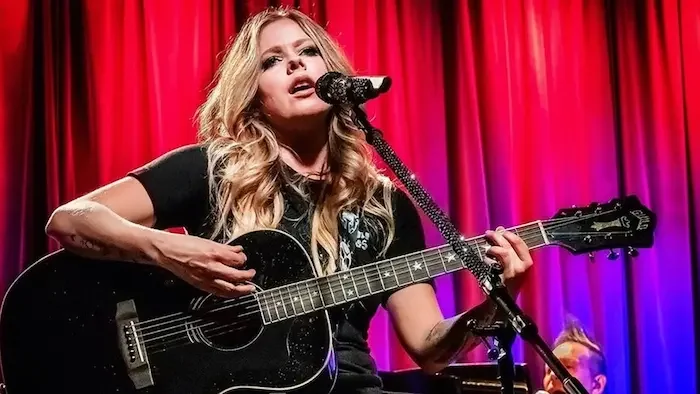
Her later career became more uneven, but also more interesting than it is sometimes given credit for. *Goodbye Lullaby* revealed a softer, acoustic and melancholic Avril with songs such as “Wish You Were Here” and “Everybody Hurts.” *Avril Lavigne* mixed humor, pop-punk nostalgia and uneven experiments, but kept her ability to write sticky phrases and instant attitudes. Then *Head Above Water* arrived shaped by her public battle with Lyme disease and presented a more vulnerable, spiritual and surviving voice. The title track was not a joke or a pose; it sounded like someone trying to breathe.
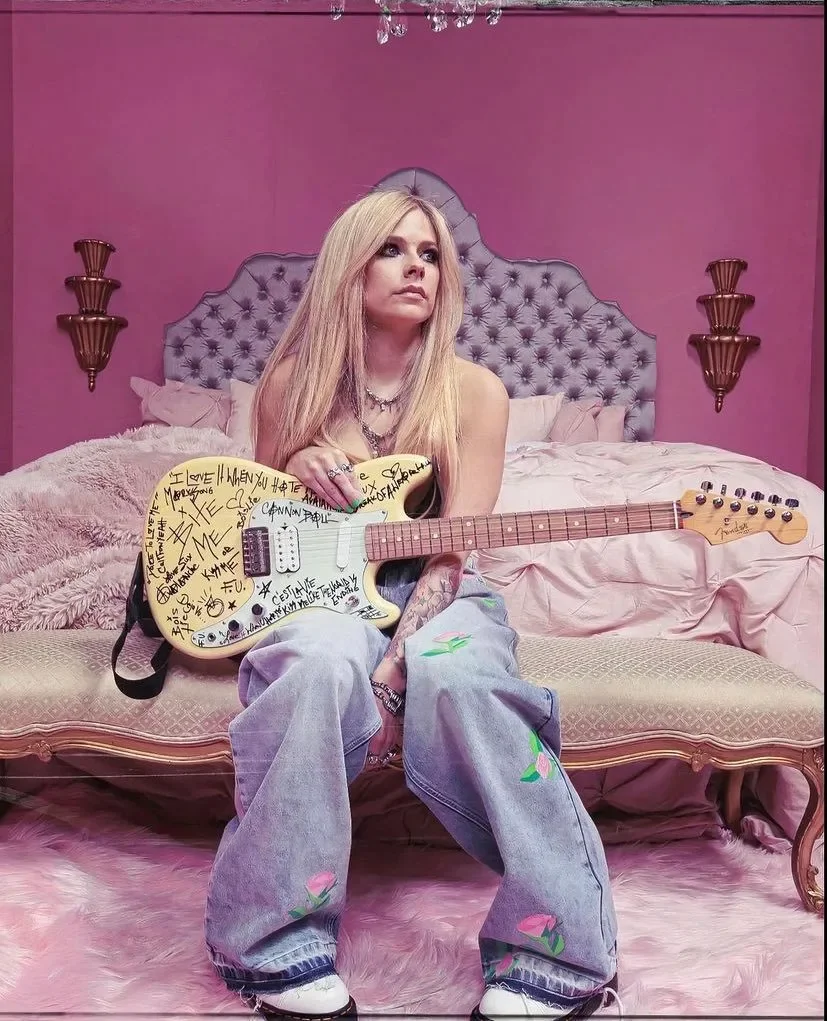
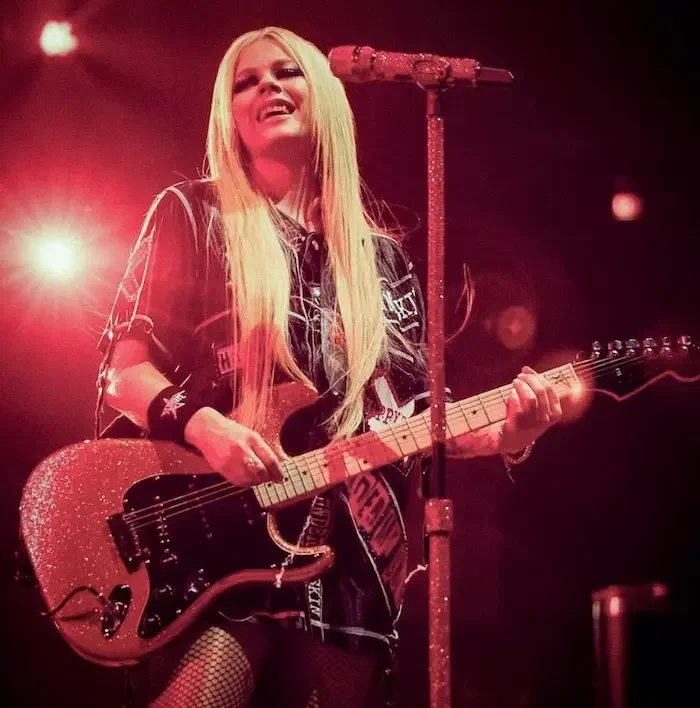
*Love Sux* was, in a way, a return home. In the middle of the pop-punk nostalgia wave, Avril returned to fast guitars, youthful choruses, collaborations with artists from a newer scene and an energy that seemed to say: this sound did not come back; I never fully left it. “Bite Me,” “Love It When You Hate Me” and “Bois Lie” connected her story with a generation that grew up listening to her and another that discovered her as an archival reference. What made it interesting is that Avril did not need to reinvent herself as an eternal teenager; she only had to remind people that her DNA had always been there: clear melody, broken heart, insolence, humor and guitars.
Her influence becomes clearer with time. Pop, rock, emo, alternative and internet-era artists have taken something from her model: the girl who writes from anger, vulnerability that does not ask permission, the mix of sweetness and bad attitude, the possibility of making huge songs without fully abandoning the smell of a teenage bedroom. Olivia Rodrigo, Willow, Maggie Lindemann, MOD SUN, Machine Gun Kelly, Yungblud and many voices from the pop-punk revival have orbited, directly or indirectly, around a space Avril helped open. She was not the first woman to mix guitars and pop, of course, but she was one of the artists who brought that mixture into the center of global youth culture.
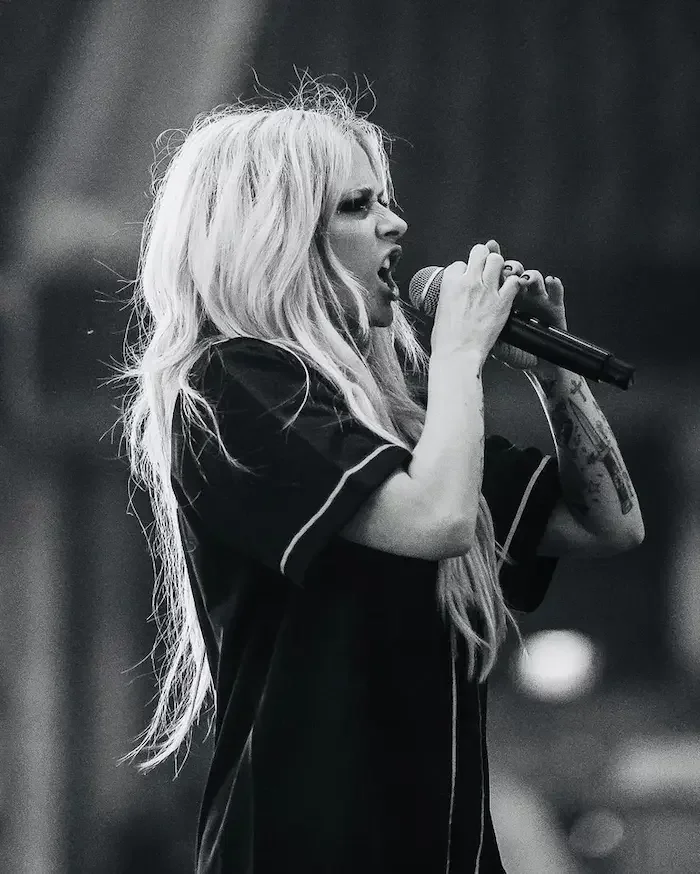
Avril Lavigne matters because she made pop punk sound massive without completely removing its diary-page feeling. Her legacy lives in choruses that are still shouted as if everyone were fifteen, in an aesthetic that keeps returning every time fashion revives the 2000s, and in an attitude that turned teenage discomfort into a form of identity. At her best, Avril sounds like a girl walking against the wind with headphones on, smudged eyeliner and a sentence ready for anyone trying to make her feel smaller. She did not need to look perfect to become unforgettable. She only needed to sound like someone who did not want to complicate herself any more than necessary with other people’s rules.
Main genre
POP
Main subgenres
Like a superfan's list — except verified, with sources and links.
02–Sep 11, 2022
Rio de Janeiro, Rio de Janeiro · Brazil
Past
Jan 15, 2022
Inglewood, California · United States
PastWhat we managed to link to the concert archive. If a date is missing, tell us — happens to us too.
No linked concerts
Every concert and festival of the year, traced on the globe. Hit play and follow the route stop by stop.
Photos from the public archive.
Recent coverage linked to the artist.



Close by genre and social signal.
No related artists
When there is enough genre signal, they will appear here.