
Ranking
#91

Ranking
#91
Followers
79.4 M
Digital presence
Official profiles, streaming and discovery.
What a good fan recites by heart (or pretends to).
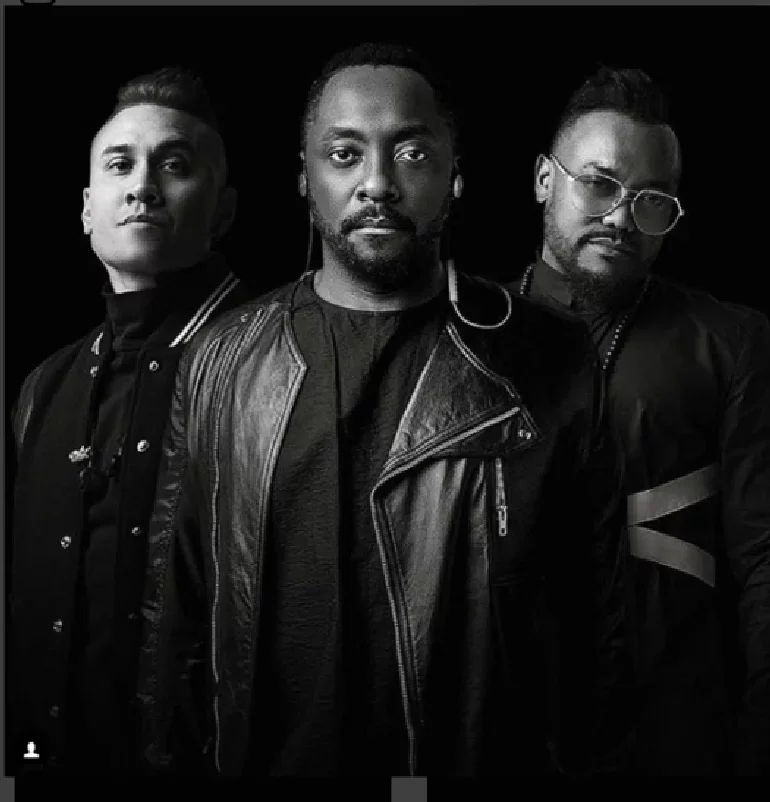
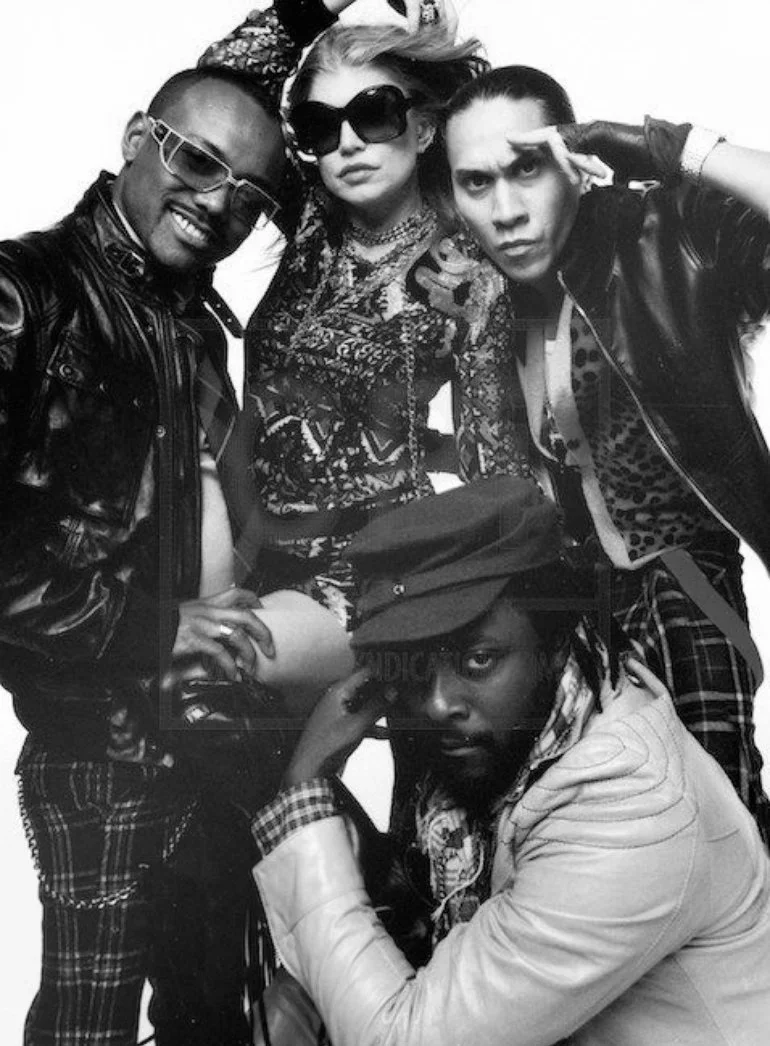
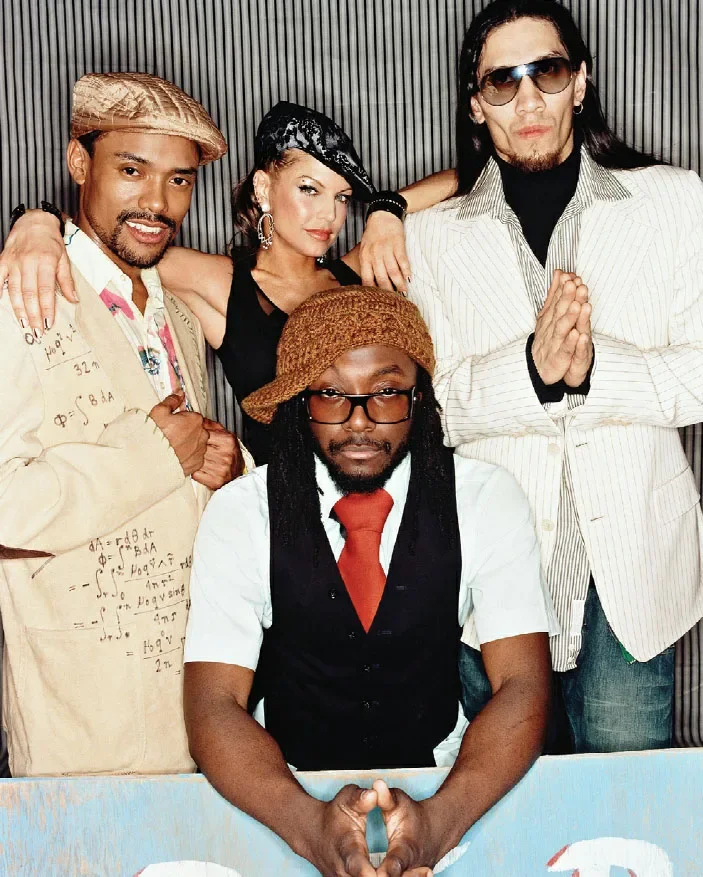
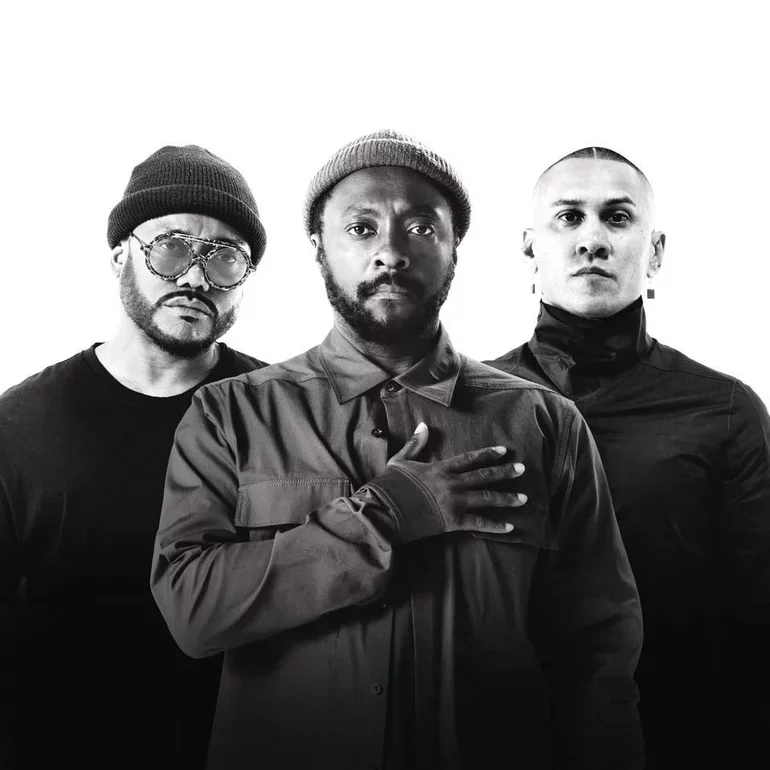
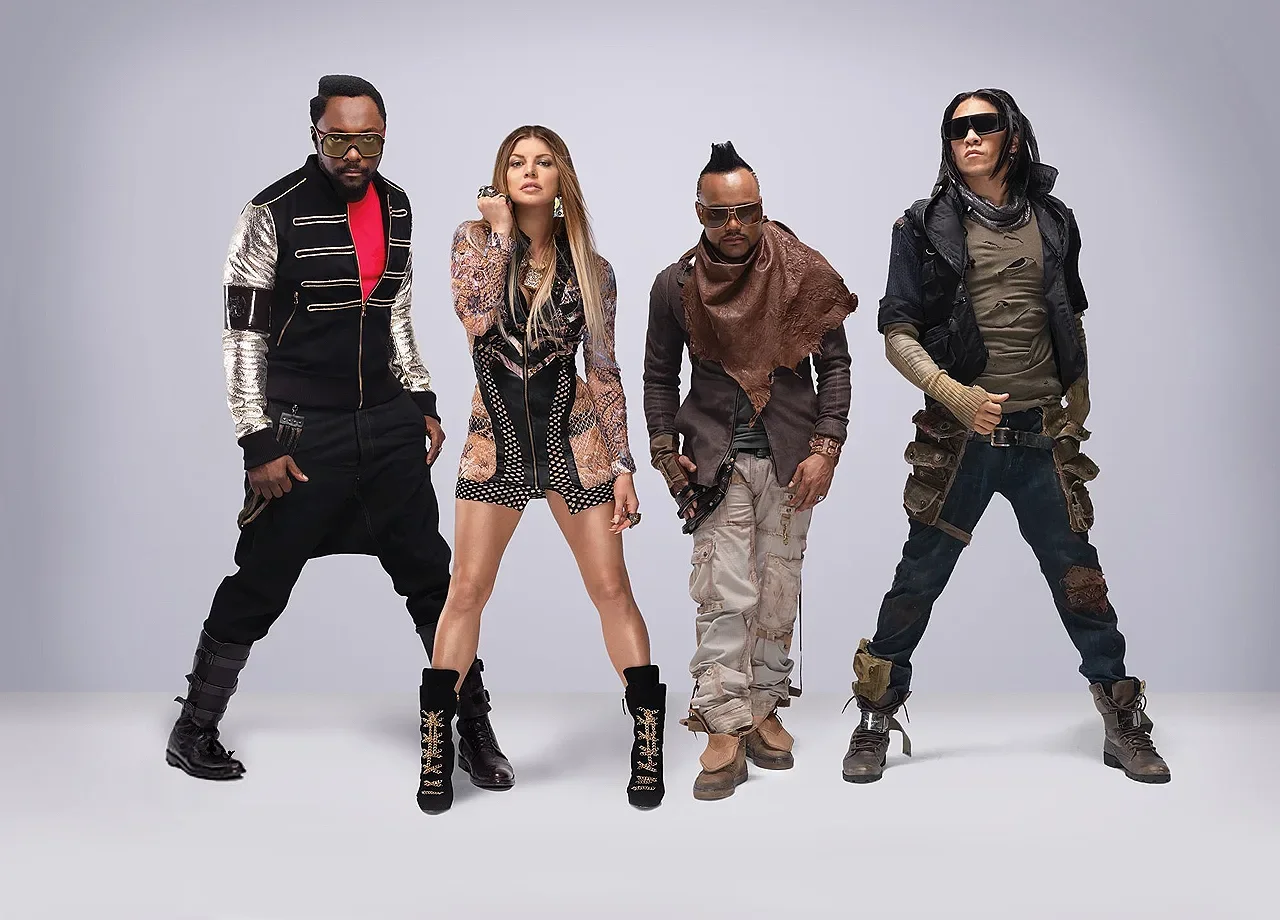
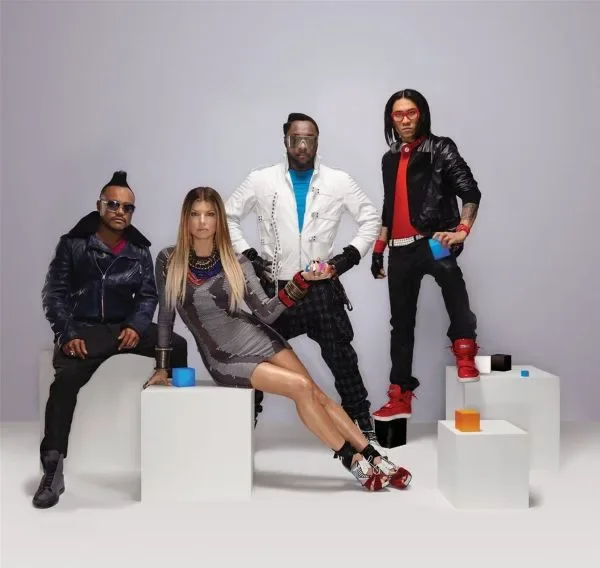
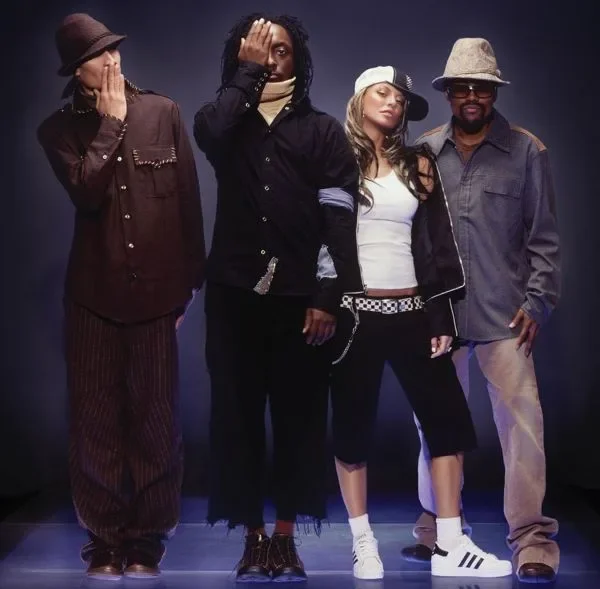
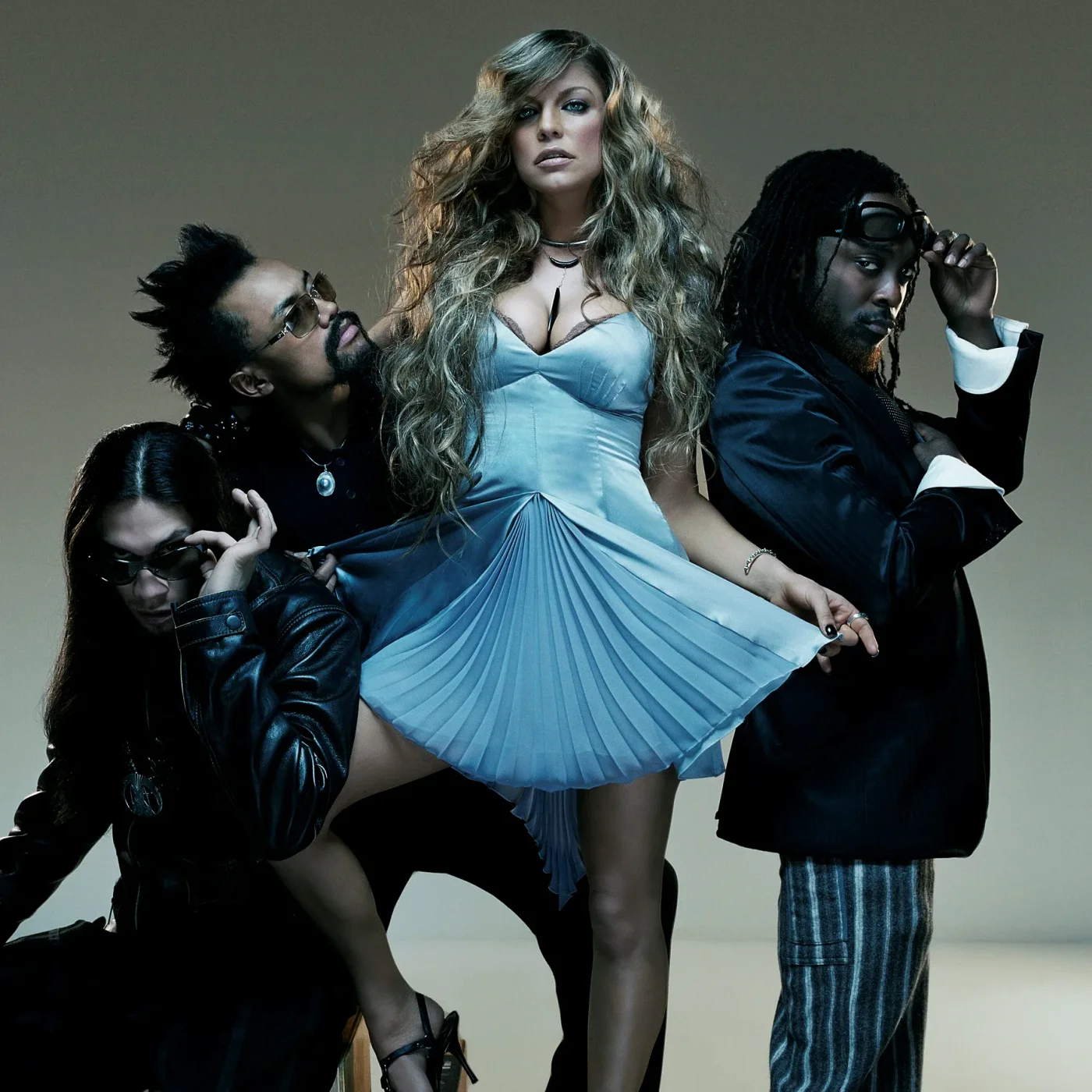
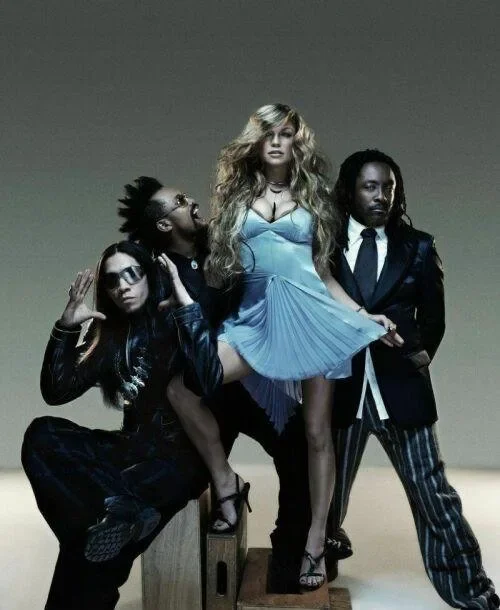
Black Eyed Peas are one of the clearest examples of radical transformation inside popular music: from an alternative hip-hop crew rooted in Los Angeles b-boy culture to a global machine of pop, club music, electronic production, and international collaborations. Their story does not move in a straight line; it unfolds through mutations. They began with rap, dance, social consciousness, and crew energy. Then they became one of the most recognizable pop groups of the 2000s. Later, they embraced Latin sounds, global rhythms, and a multicultural party language that carried them into new audiences.
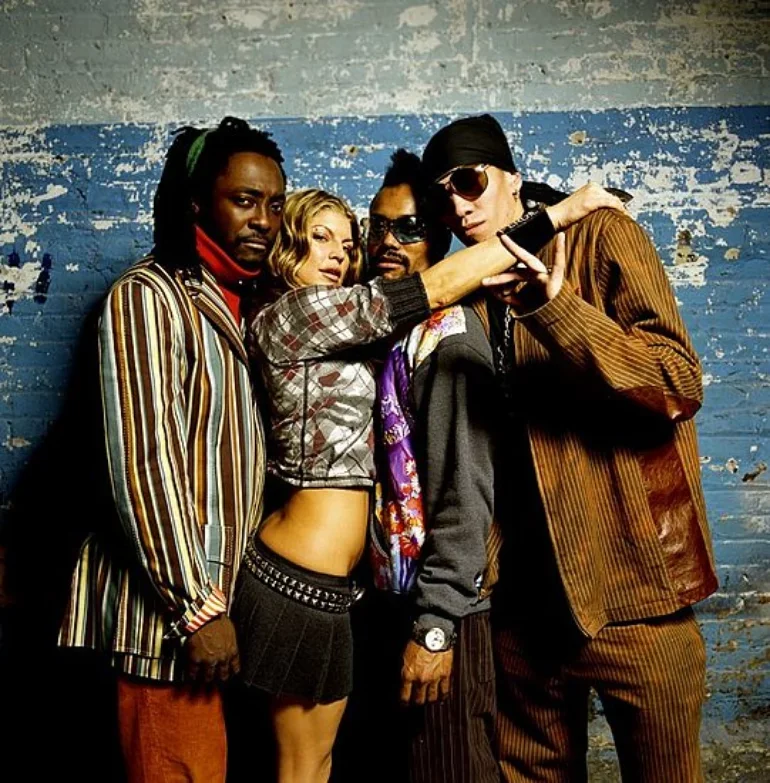
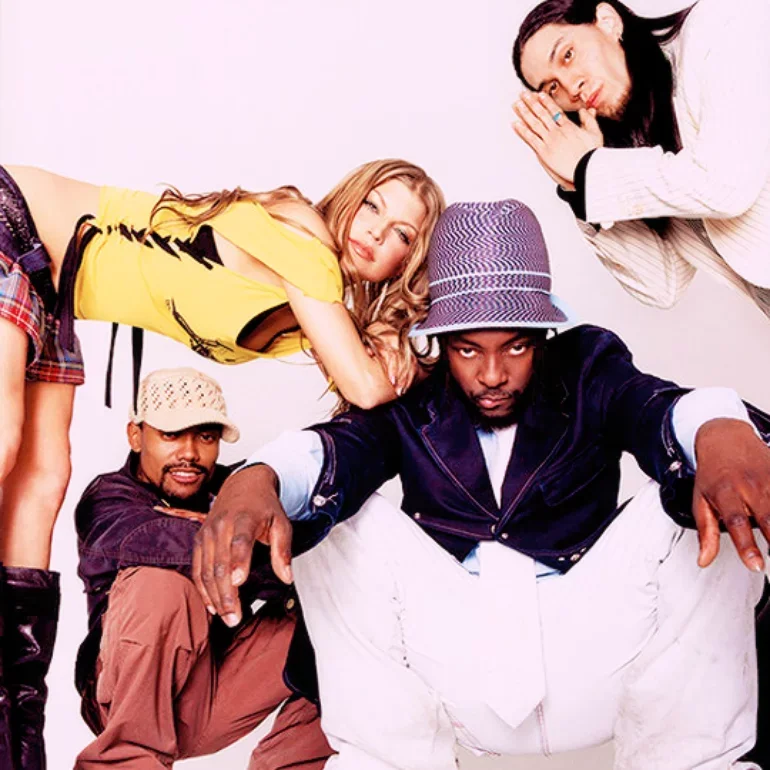
The origin of the group lies in the relationship between will.i.am and apl.de.ap, two friends who connected through dance, rap, and musical imagination before Black Eyed Peas took shape. That starting point matters because the group was never only a studio construction. It came from movement, performance, breakdance, street energy, and the idea that hip hop could be visual, physical, and positive. With Taboo joining the chemistry, the group found a fuller identity: a blend of voices, personalities, and stage presence that allowed them to stand apart within West Coast rap.
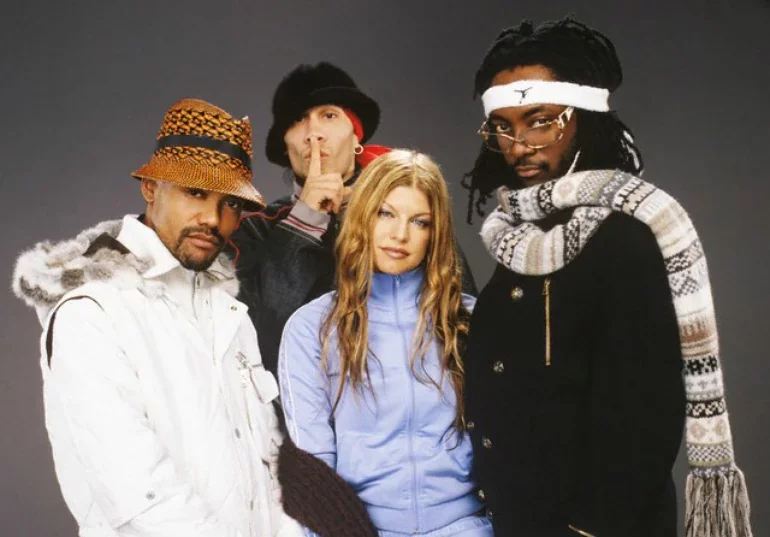
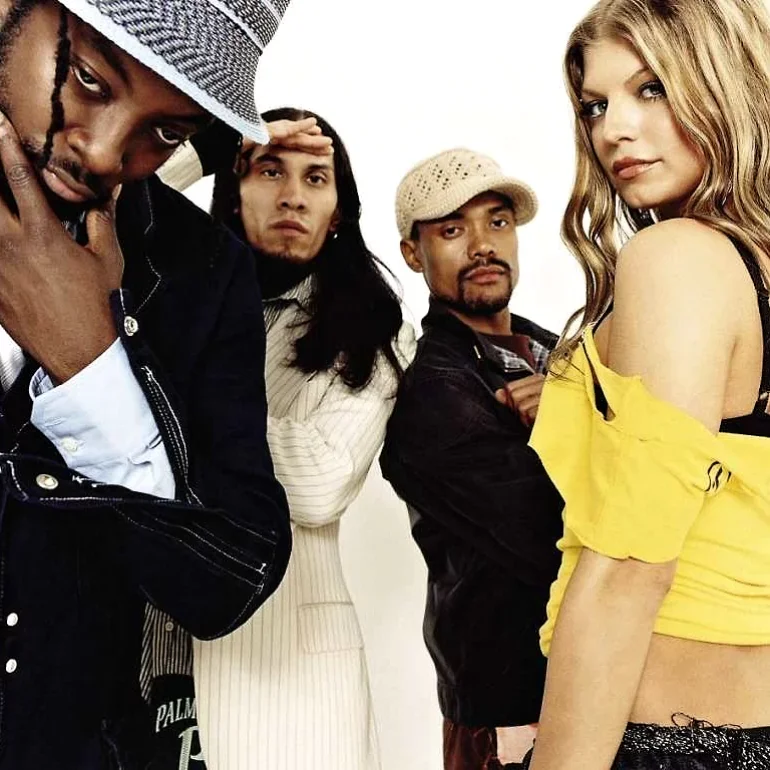
Their first albums, Behind the Front and Bridging the Gap, belong to a very different era from the one many listeners associate with their biggest hits. In that phase, Black Eyed Peas sounded closer to alternative hip hop, with organic energy, less electronic production, jazz-rap influences, funk, soul, and a more conscious approach. There were choruses, dance, rap, and a clear intention to distinguish themselves from the dominant gangsta rap image of Los Angeles. Instead of building their identity around street hardness, the group offered something more inclusive, colorful, communal, and musically open.
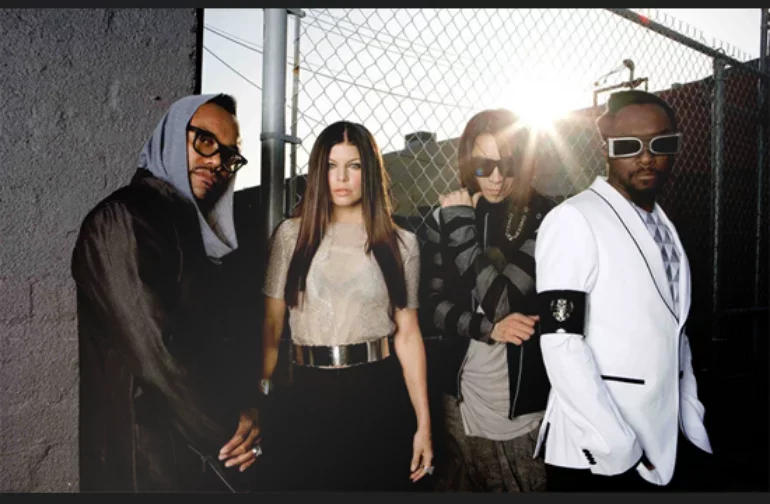
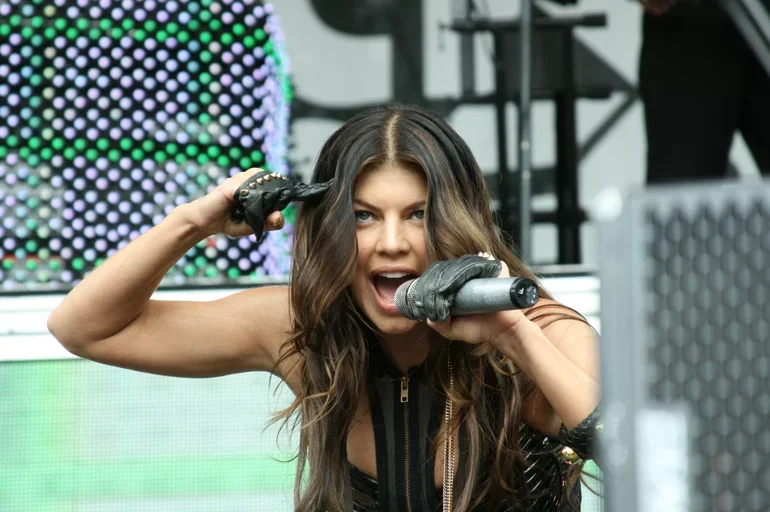
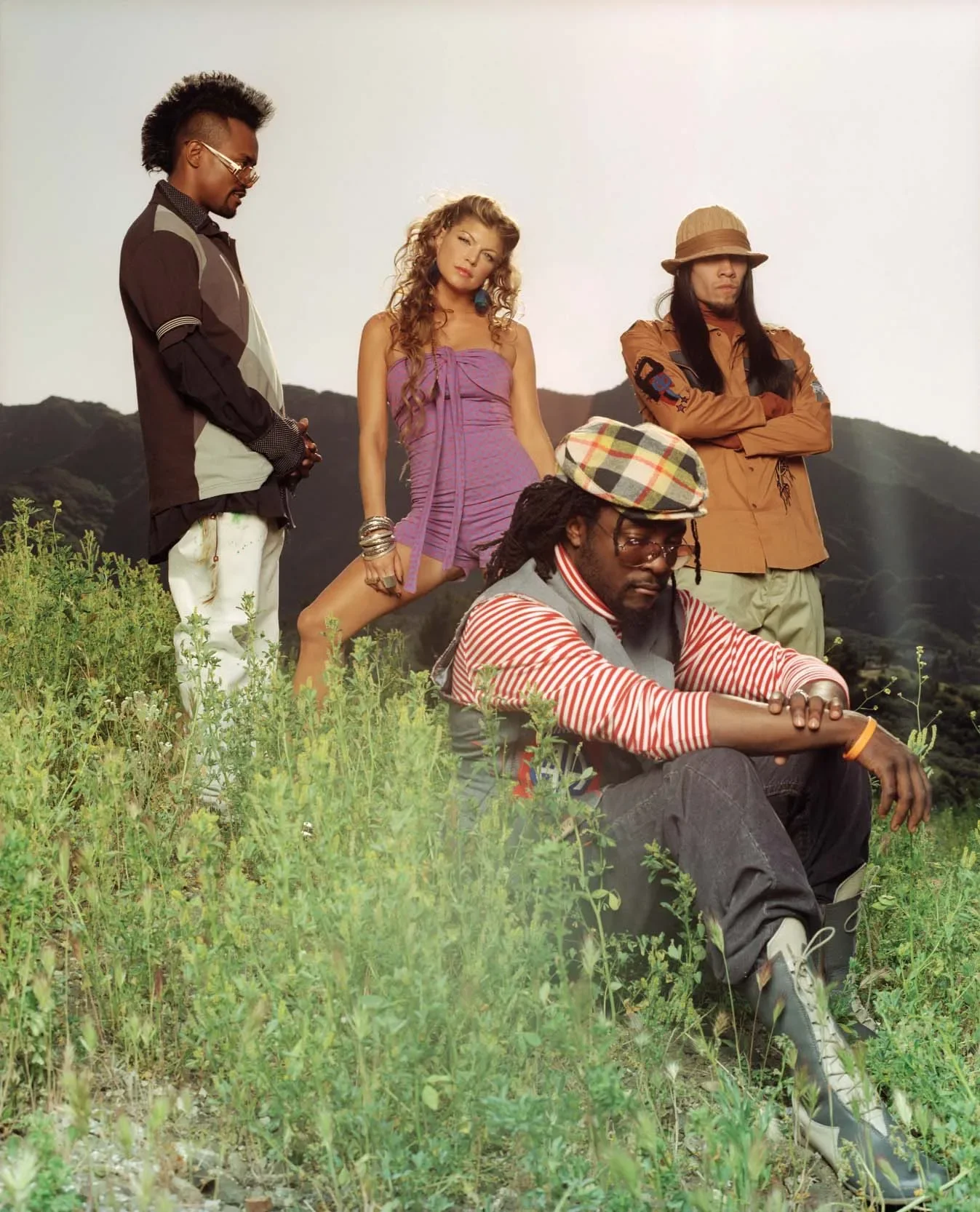
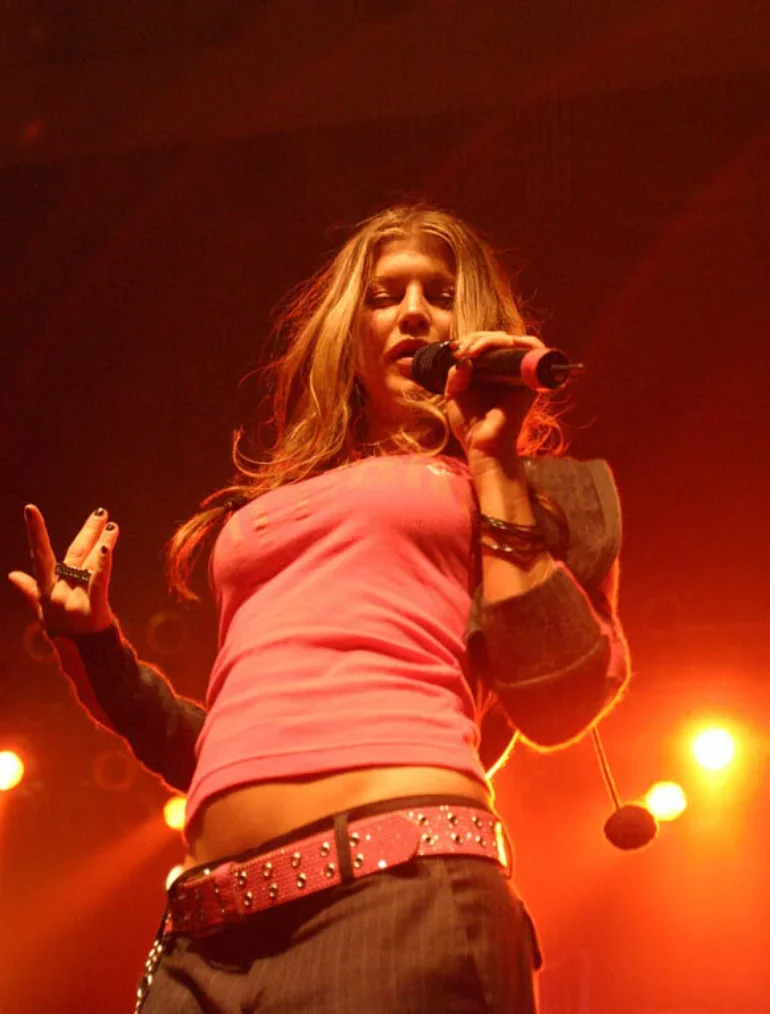
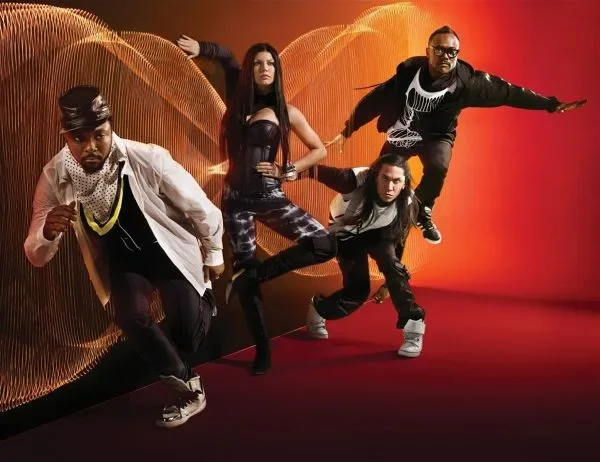
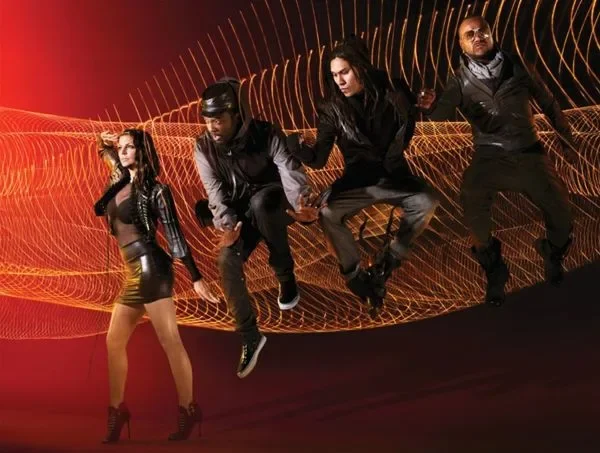
Fergie’s arrival changed the scale of everything. Her voice brought pop melody, vocal shine, direct charisma, and a highly effective contrast with the raps of will.i.am, apl.de.ap, and Taboo. Elephunk opened the door to the world. “Where Is the Love?” worked as a global-consciousness anthem built with a mainstream pop structure. “Hey Mama” pushed their party energy toward the dance floor. “Let’s Get It Started” turned the group’s optimism into a trigger for stadiums, commercials, sports, and celebrations. At that point, Black Eyed Peas found a formula that looked simple but was powerful: easy-to-understand messages, immediate choruses, physical beats, and an aesthetic able to cross countries.
Monkey Business reinforced that era of pop dominance with songs that became part of the sound of the mid-2000s. “Don’t Phunk with My Heart,” “My Humps,” “Pump It,” and “Don’t Lie” showed the group in maximalist mode: playful, loud, glossy, and fully aware of their own hook-making ability. For some listeners, that era was too commercial; for others, it was exactly when Black Eyed Peas became a global fun machine. The key is that the group understood something essential about pop at the time: a song could be absurd, catchy, shiny, and effective without apologizing for it.
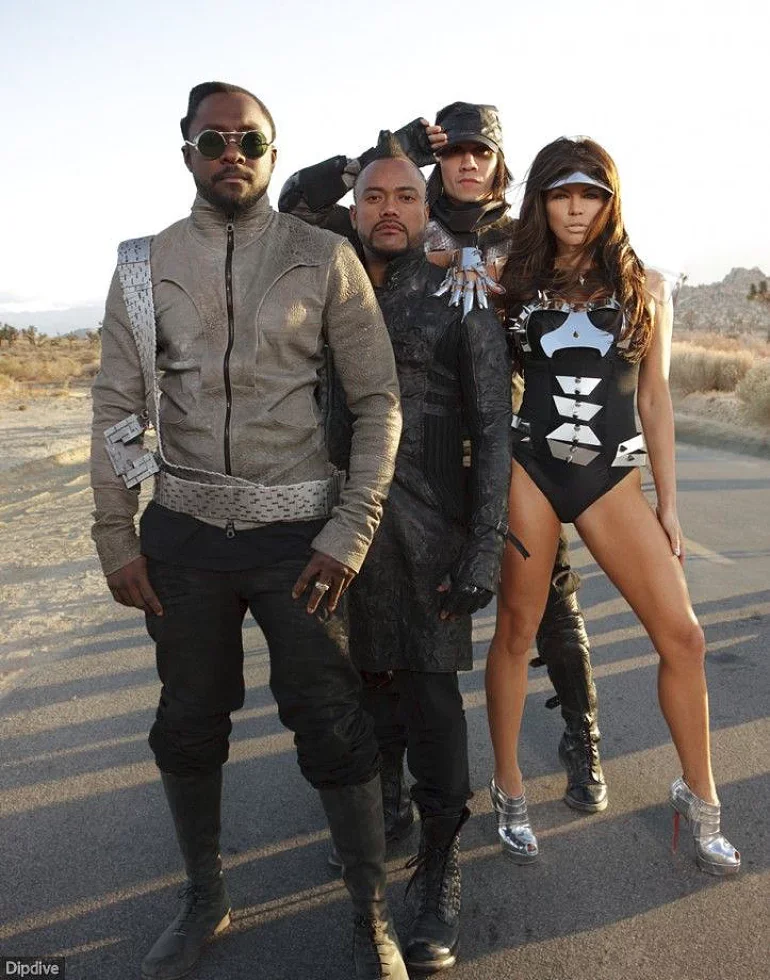
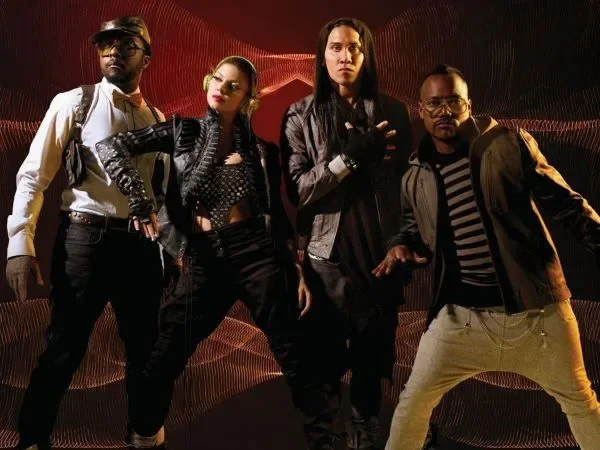
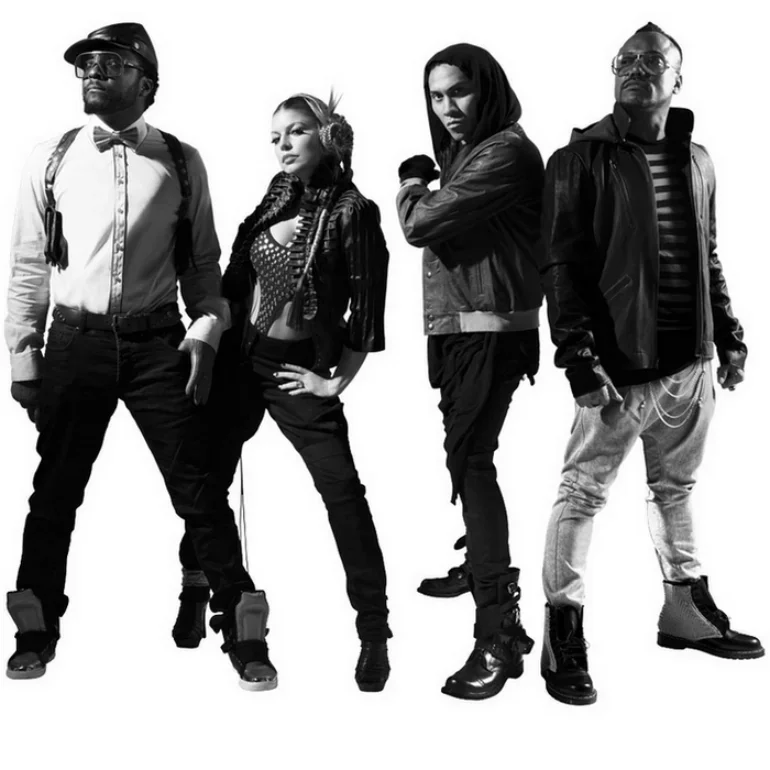
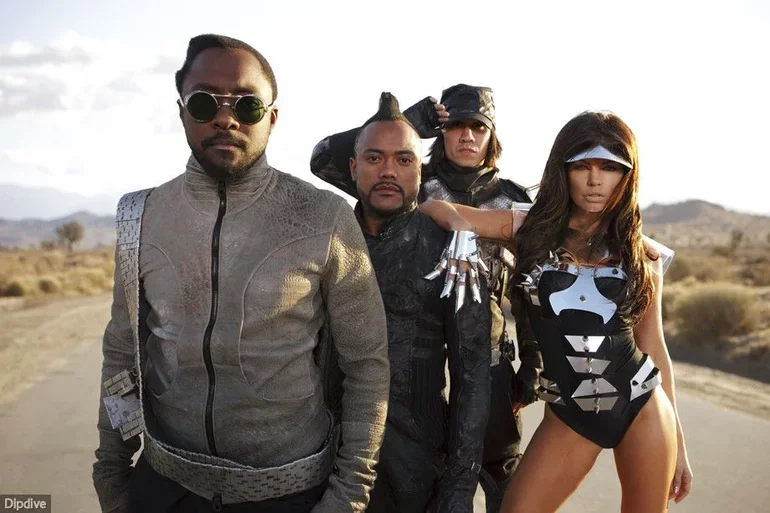
The E.N.D. was the moment when Black Eyed Peas fully embraced electronic and club-driven sound. “Boom Boom Pow” sounded like a jump into futuristic pop made of synthesizers, processed voices, and robotic rhythms. “I Gotta Feeling” became one of the most recognizable party anthems of its generation. The song does not depend on complex lyrics or sophisticated structure. It depends on anticipation, repetition, euphoria, and the universal promise that the night might turn out right. Black Eyed Peas understood the collective emotion of the party and turned it into an almost perfect pop product.
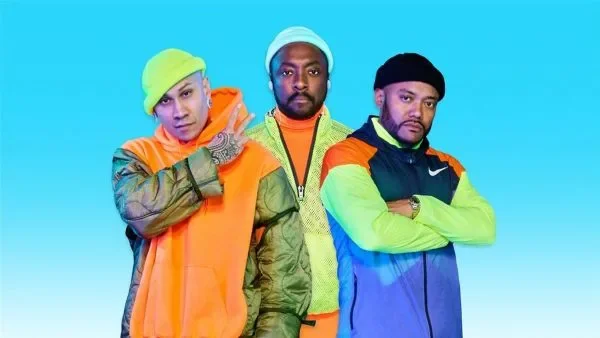
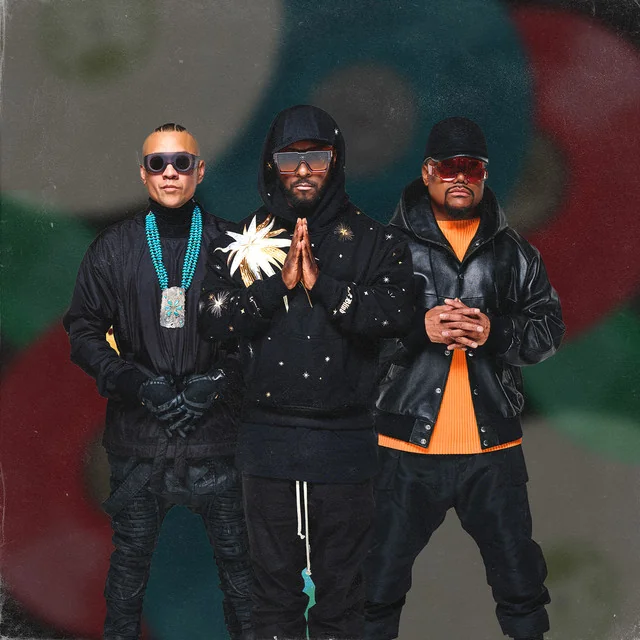
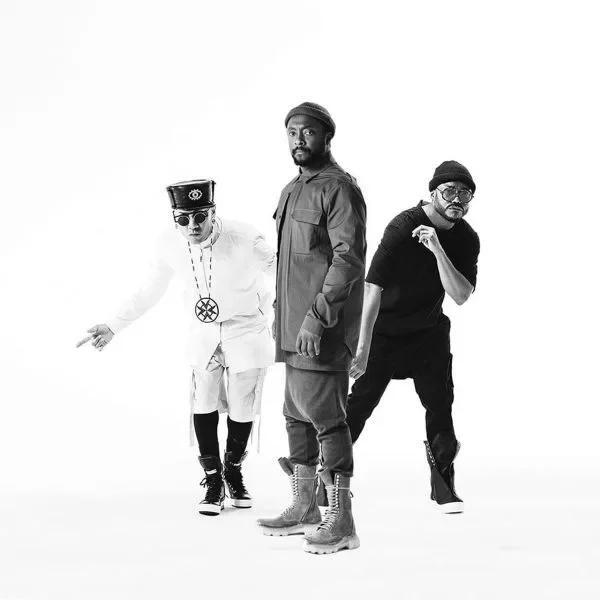
One of the group’s key strengths has been its ability to function as a bridge. In the early period, they connected alternative hip hop with dance culture. In the pop era, they merged rap, melody, and electronics. Later, they integrated reggaeton, Latin pop, dancehall, Afrobeats-adjacent energy, and global sounds. Songs like “Ritmo,” “Mamacita,” “Girl Like Me,” “Don’t You Worry,” and “Simply the Best” show a group that kept searching for new dance floors, new rhythmic languages, and new alliances. That openness explains why Black Eyed Peas have survived changes in industry, format, radio, streaming, and musical geography.
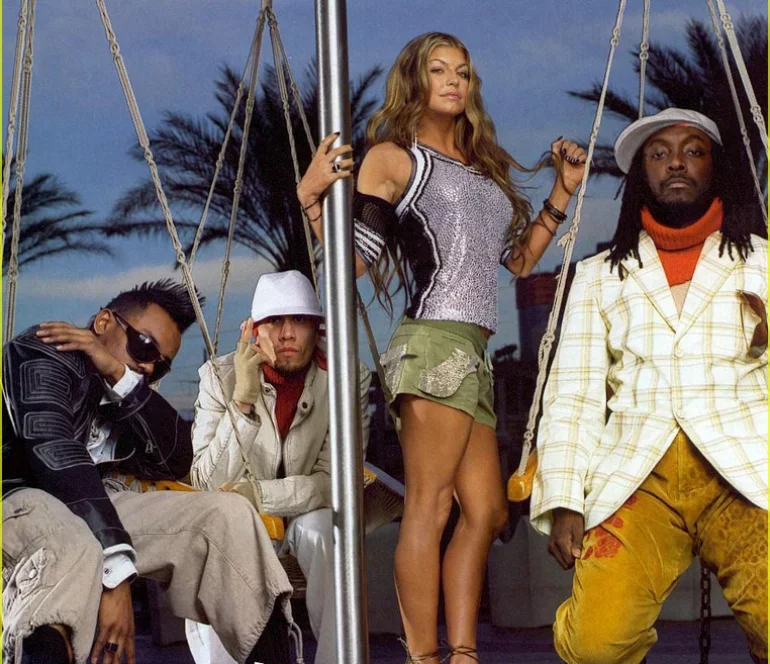
will.i.am has often been the main architect of the sound, but Black Eyed Peas have always depended on group dynamics. apl.de.ap brings an important cultural connection to the Philippines and a vocal texture that belongs to the project’s historical DNA. Taboo adds presence, energy, Chicano identity, and a performance instinct that connects back to the group’s b-boy origin. Fergie, during her era, became central to the massive crossover into pop. J. Rey Soul later added a new vocal dimension, especially as the group moved deeper into global and Latin collaborations.
There is also a social dimension running through their career, even when it is overshadowed by the party. “Where Is the Love?” is the clearest example, but ideas of unity, diversity, and community appear throughout their narrative. Black Eyed Peas often use simple, direct language because their target is usually mass connection: the song should be understood quickly, sung in groups, and work inside a stadium, party, sports event, or international dance floor. That accessibility is part of their identity, not an accident.
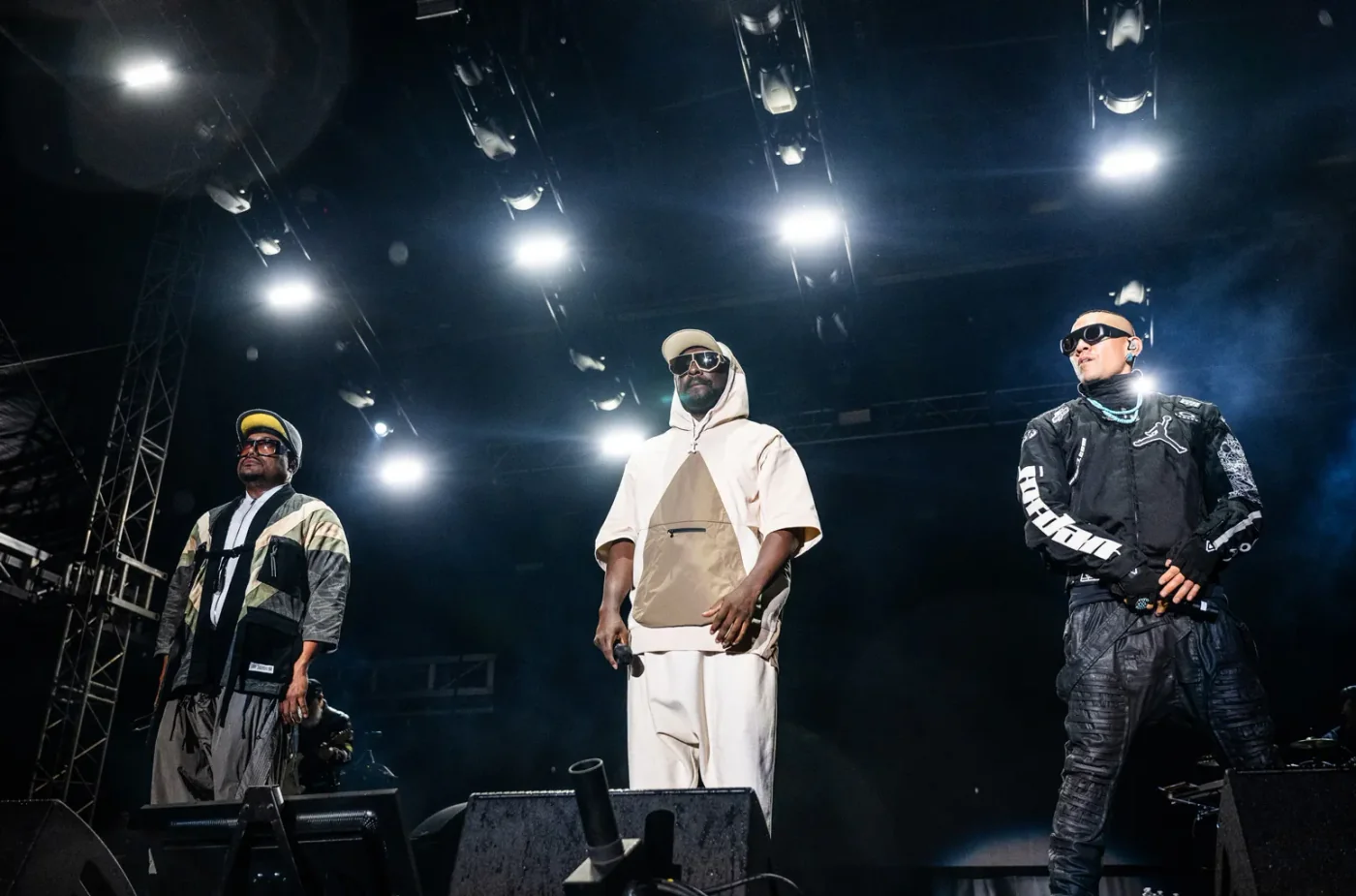
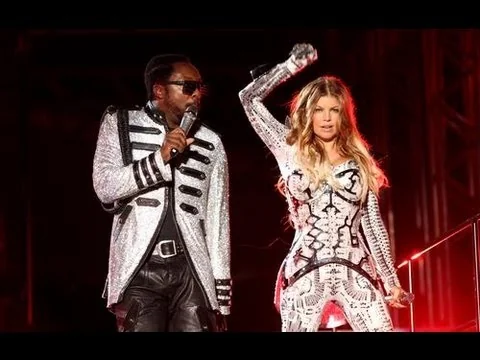
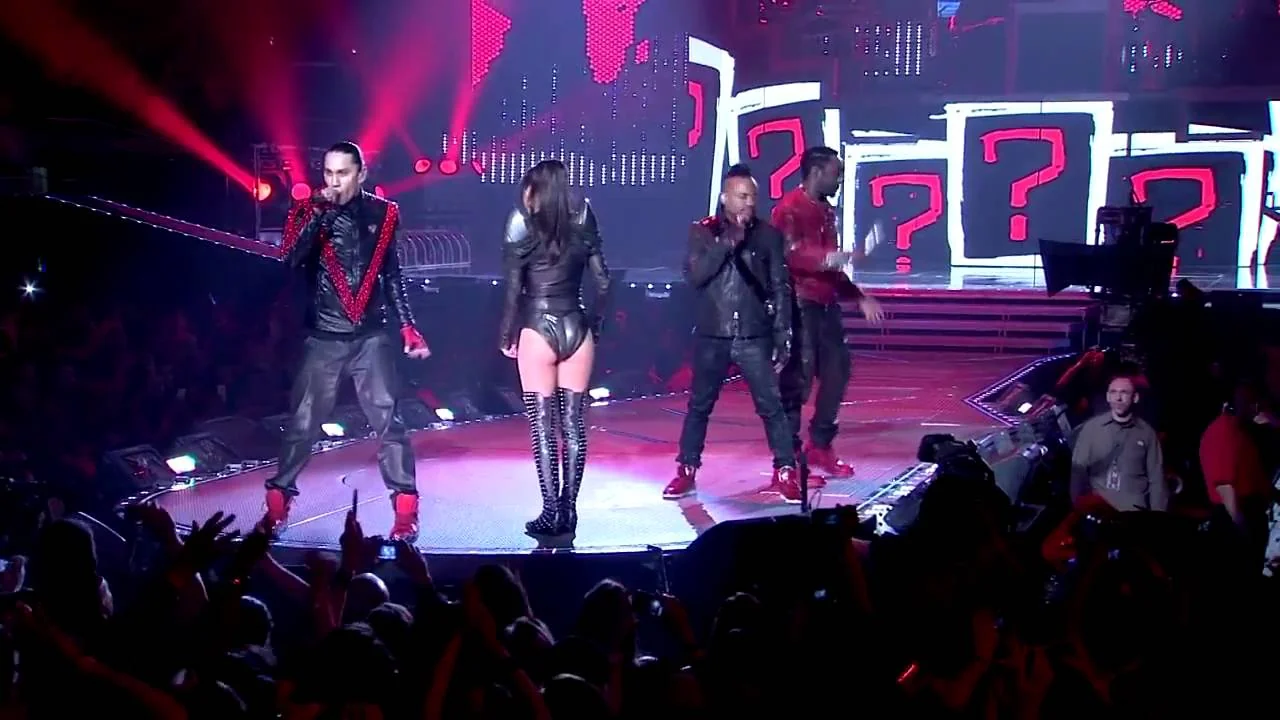
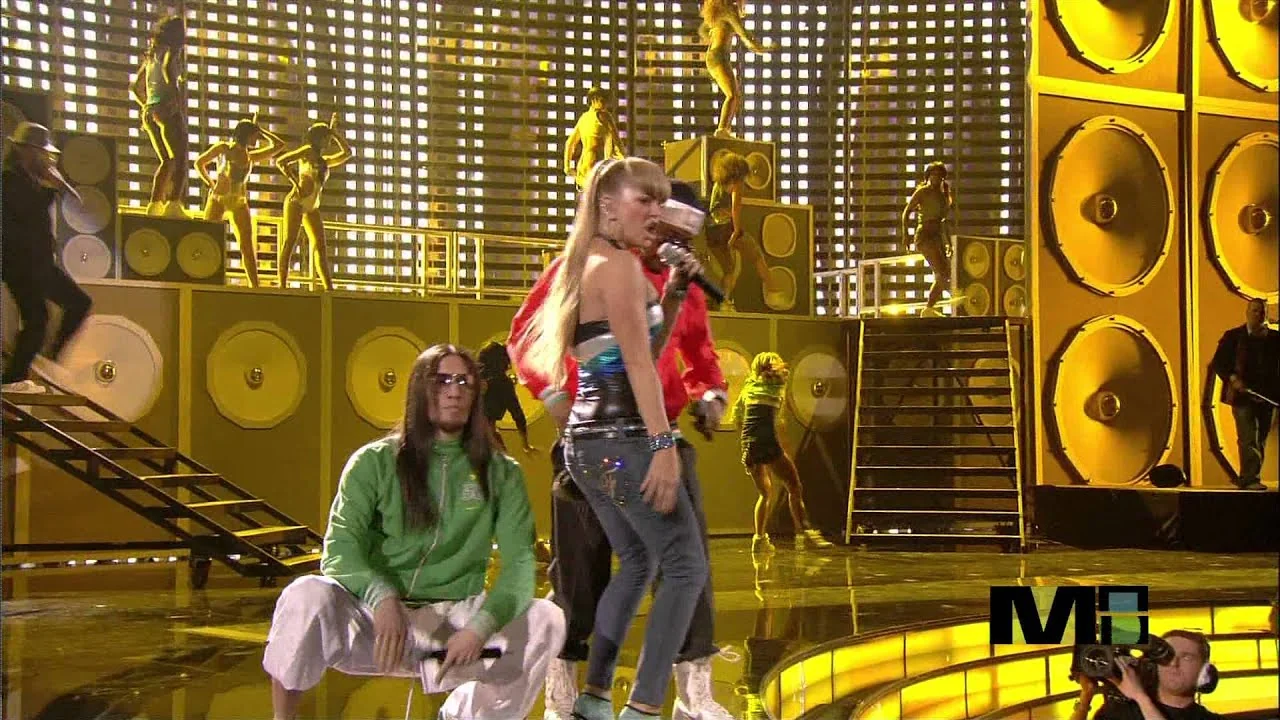
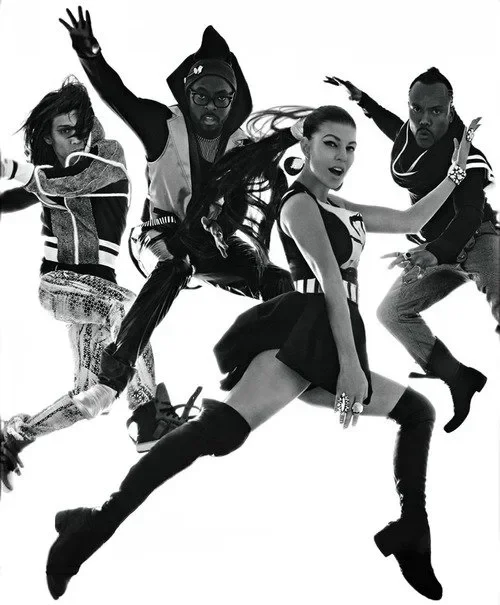
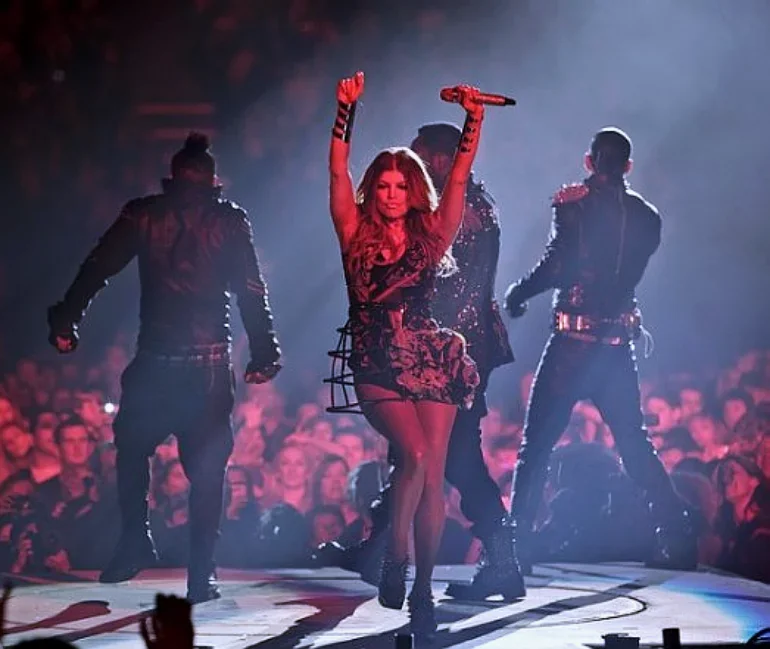
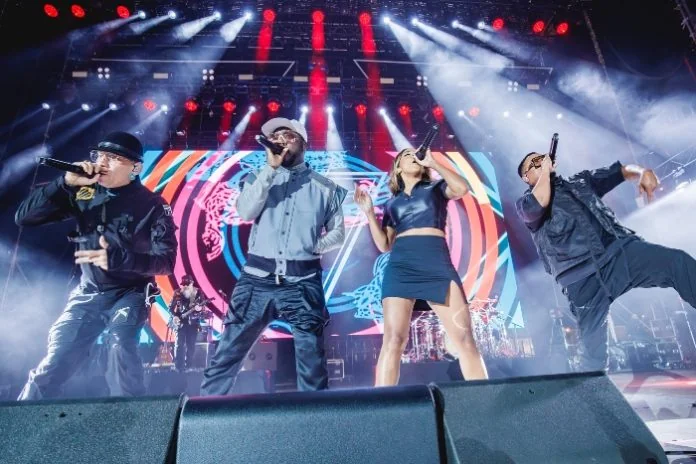
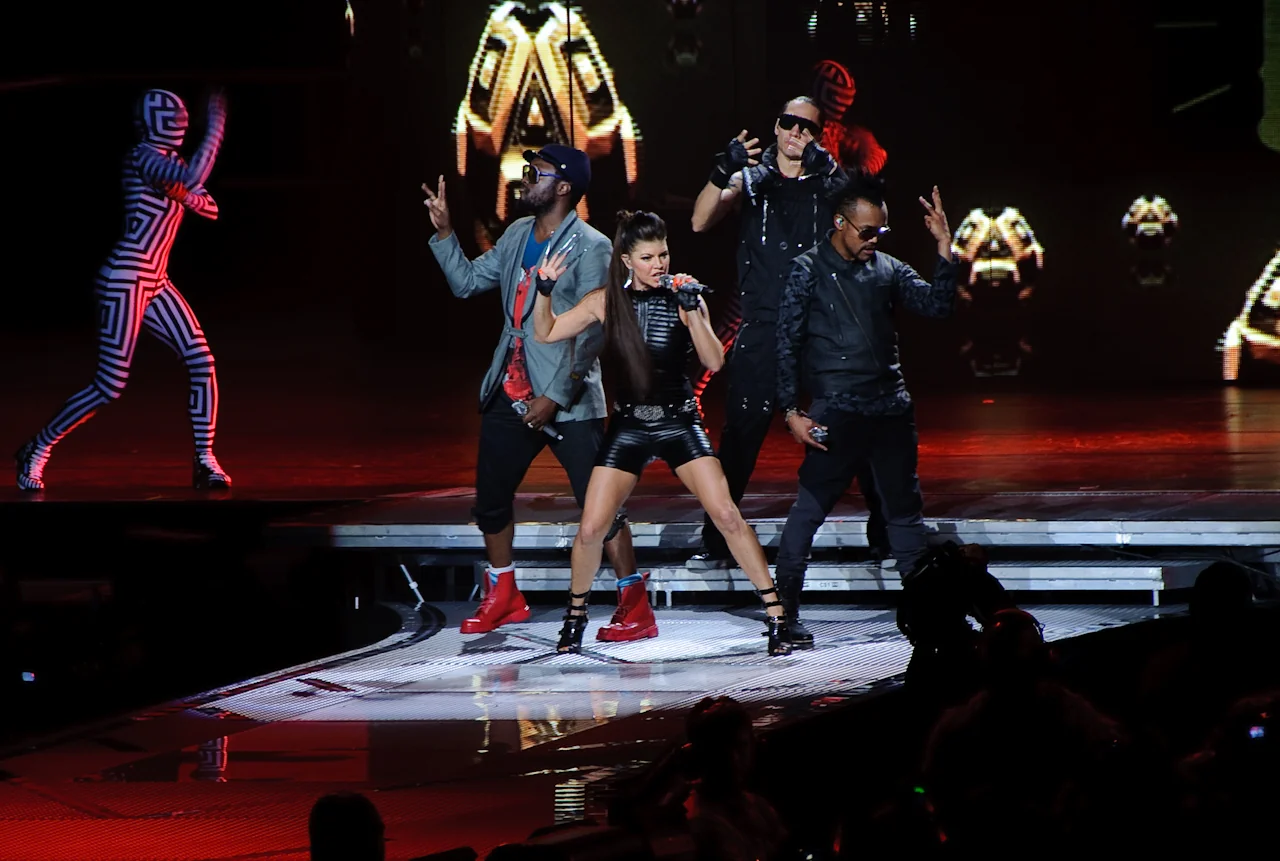
Live, Black Eyed Peas make the most sense as an experience of collective energy. Their concerts are not built only around vocal performance, but around impact: lights, beats, choreography, huge choruses, pop nostalgia, party atmosphere, and constant movement. Few groups of their generation have so many songs designed to activate crowds within seconds. That ability to turn songs into social detonators is central to their legacy.
Black Eyed Peas matter because they turned hip hop into an elastic platform for conversations with almost everything: pop, electronics, R&B, Latin music, club culture, simple activism, fashion, technology, and global spectacle. Their work can be debated, celebrated, or criticized, but its impact on the way 2000s and 2010s pop understood collective energy is impossible to deny. At their best, Black Eyed Peas sound like a worldwide party with hip-hop roots: colorful, immediate, physical, exaggerated, and built so millions of people can shout the same phrase at the same time.
Main genre
POP
Main subgenres
Like a superfan's list — except verified, with sources and links.

02–Jul 05, 2026
Liège, Liège · Belgium
Past
18–Jul 23, 2023
Nyon · Switzerland
PastJun 21 – Sep 01, 2023
Marbella, Málaga · Spain
Past18–May 20, 2023
Mallorca, Islas Baleares · Spain
Past
Sep 27 – Oct 06, 2019
Rio de Janeiro, Rio de Janeiro · Brazil
Past
27–Mar 28, 2009
Miami, Florida · United States
Past
Jun 30 – Jul 03, 2005
New Orleans, Louisiana · United States
Past
26–Apr 27, 2003
Indio, California · United States
PastWhat we managed to link to the concert archive. If a date is missing, tell us — happens to us too.
No linked concerts
Every concert and festival of the year, traced on the globe. Hit play and follow the route stop by stop.
Photos from the public archive.
Recent coverage linked to the artist.


Close by genre and social signal.
No related artists
When there is enough genre signal, they will appear here.