

Ranking
#34

Ranking
#34
Followers
166.9 M
Digital presence
Official profiles, streaming and discovery.
What a good fan recites by heart (or pretends to).
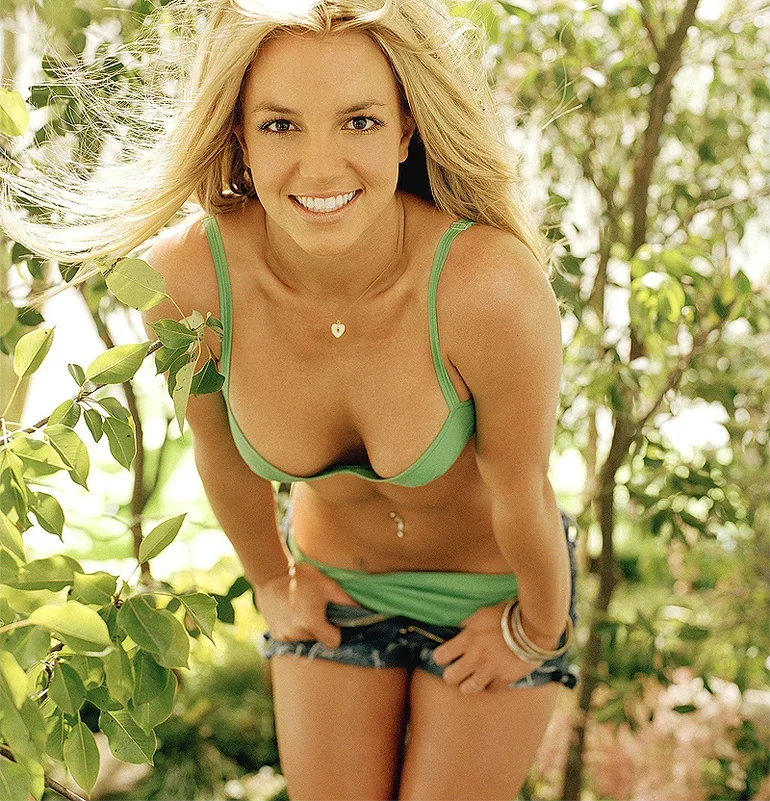
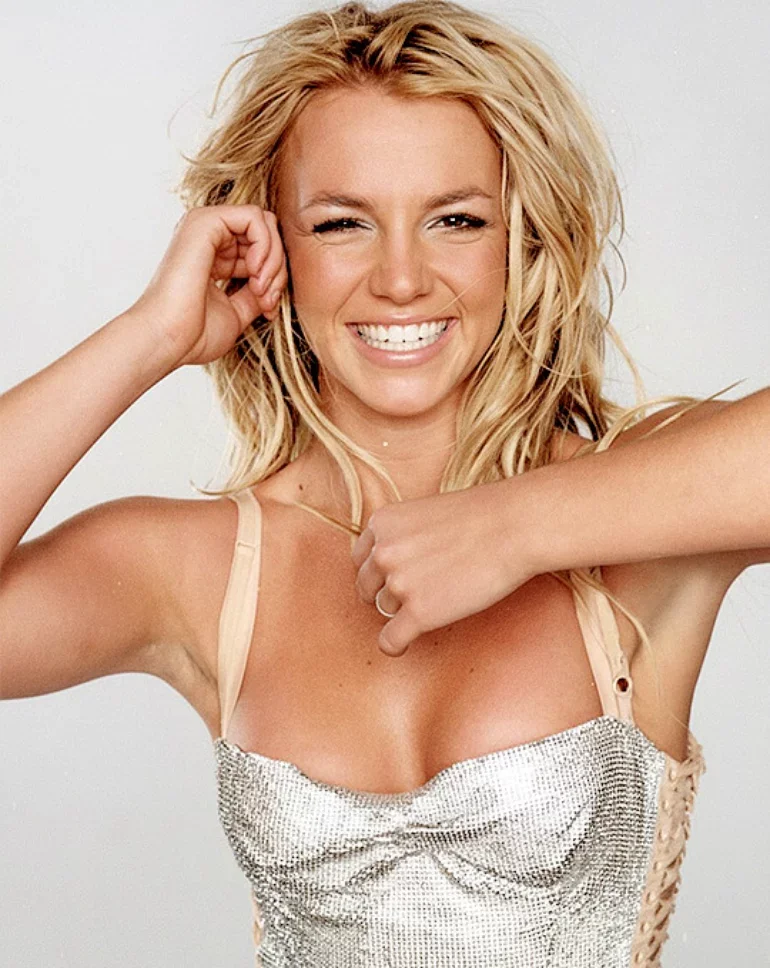
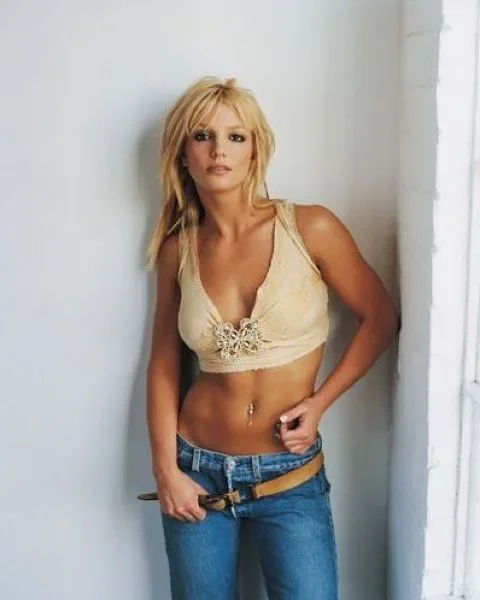
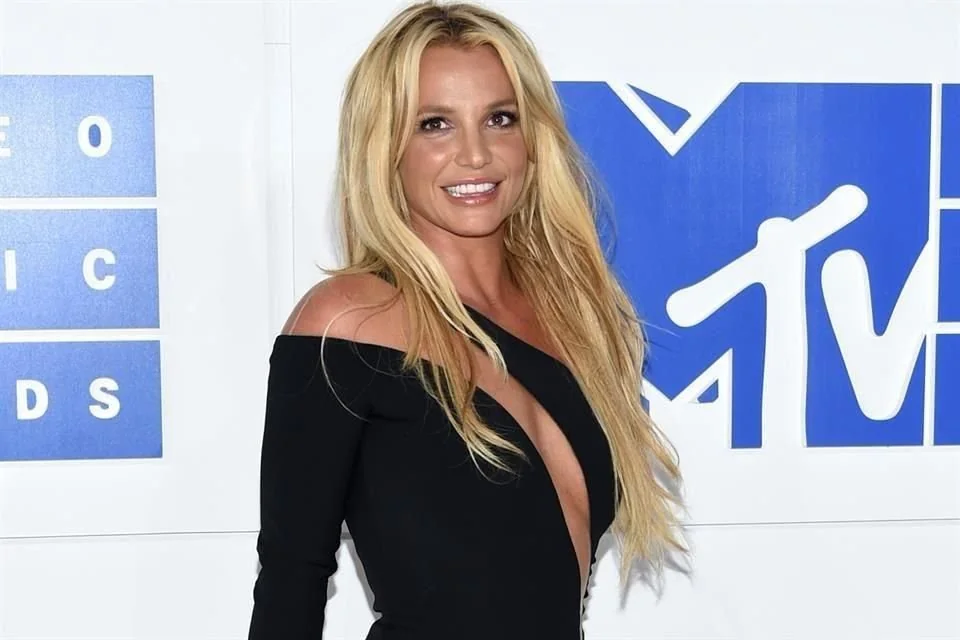
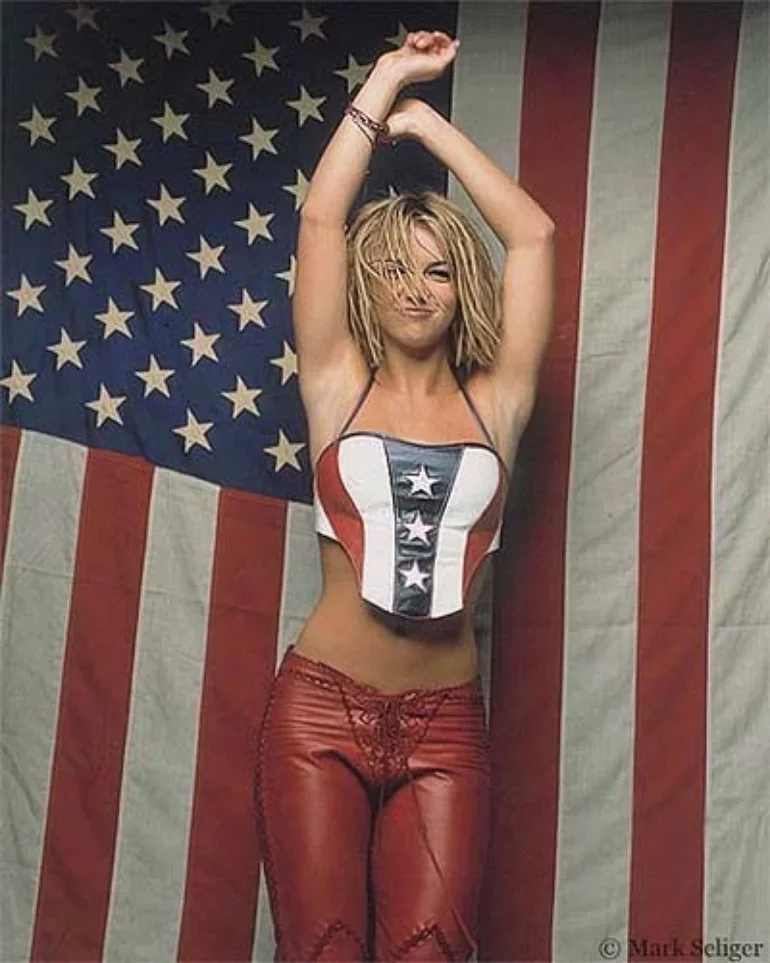
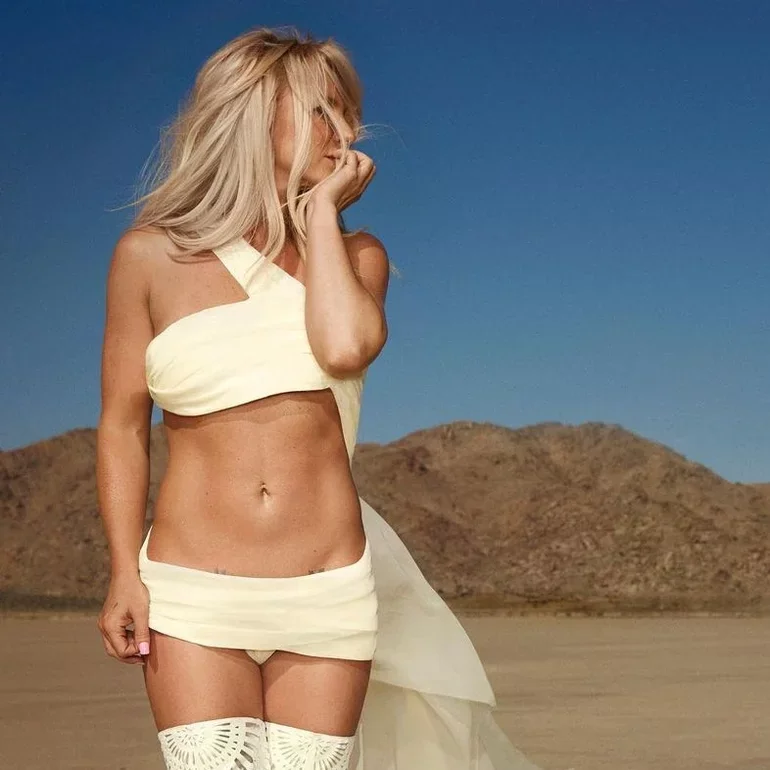
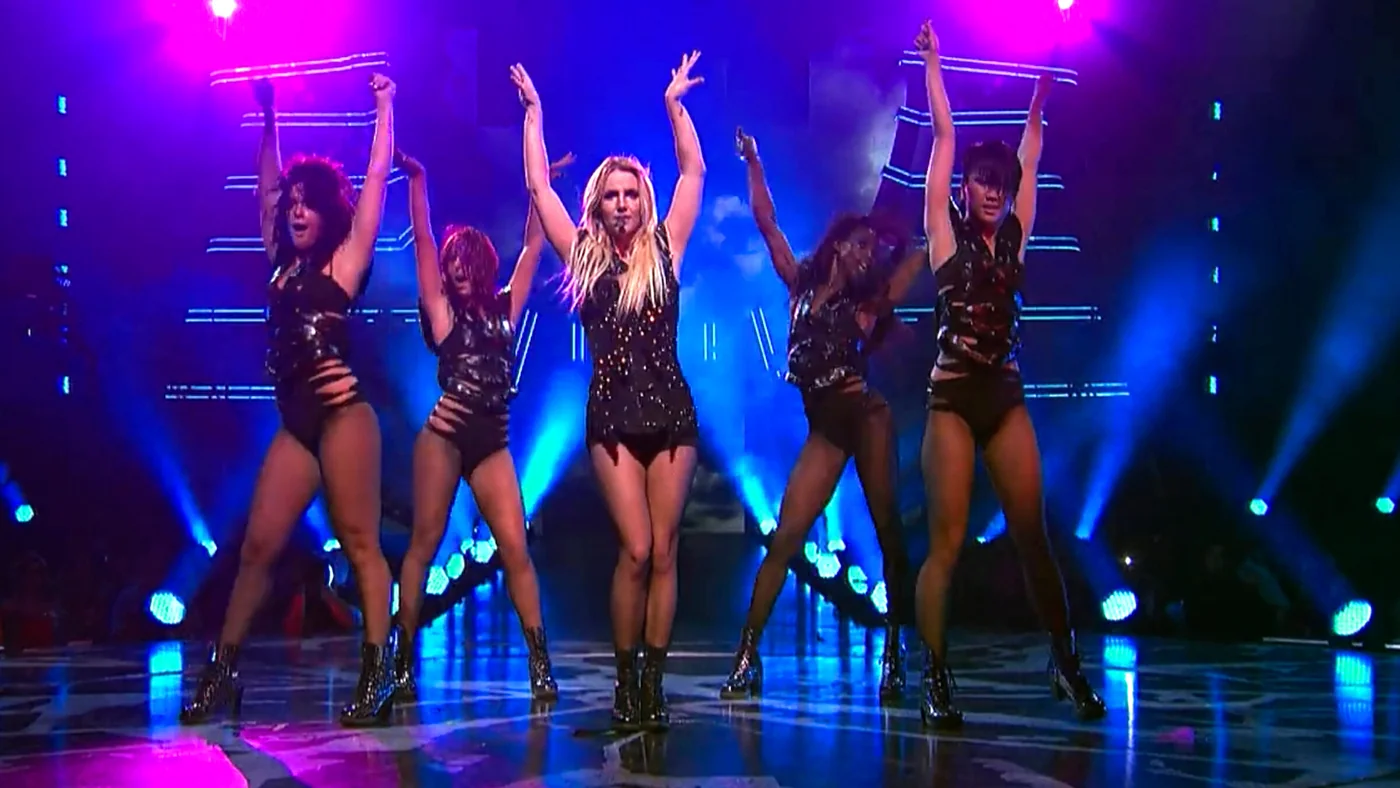
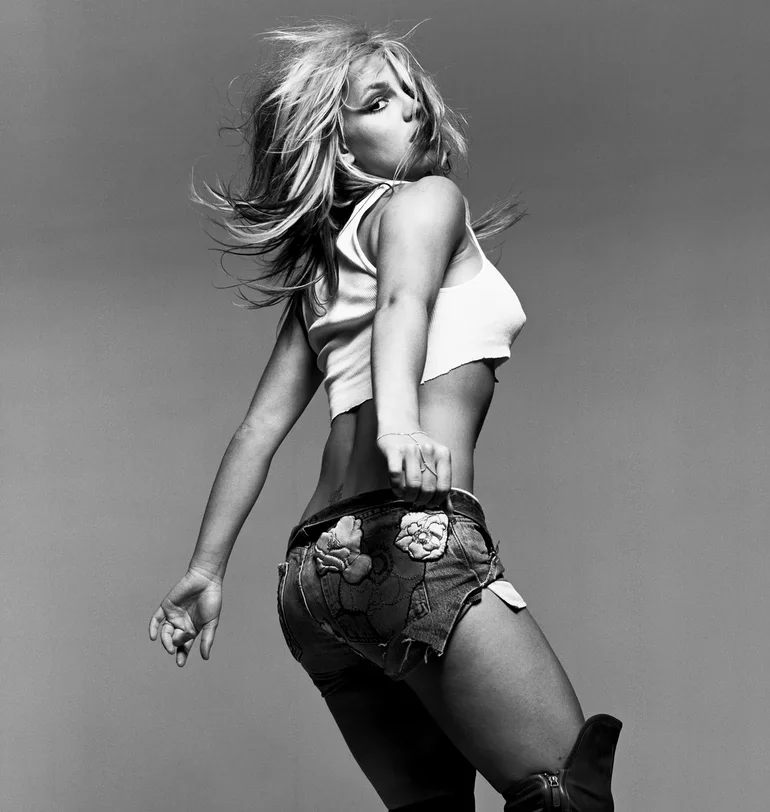
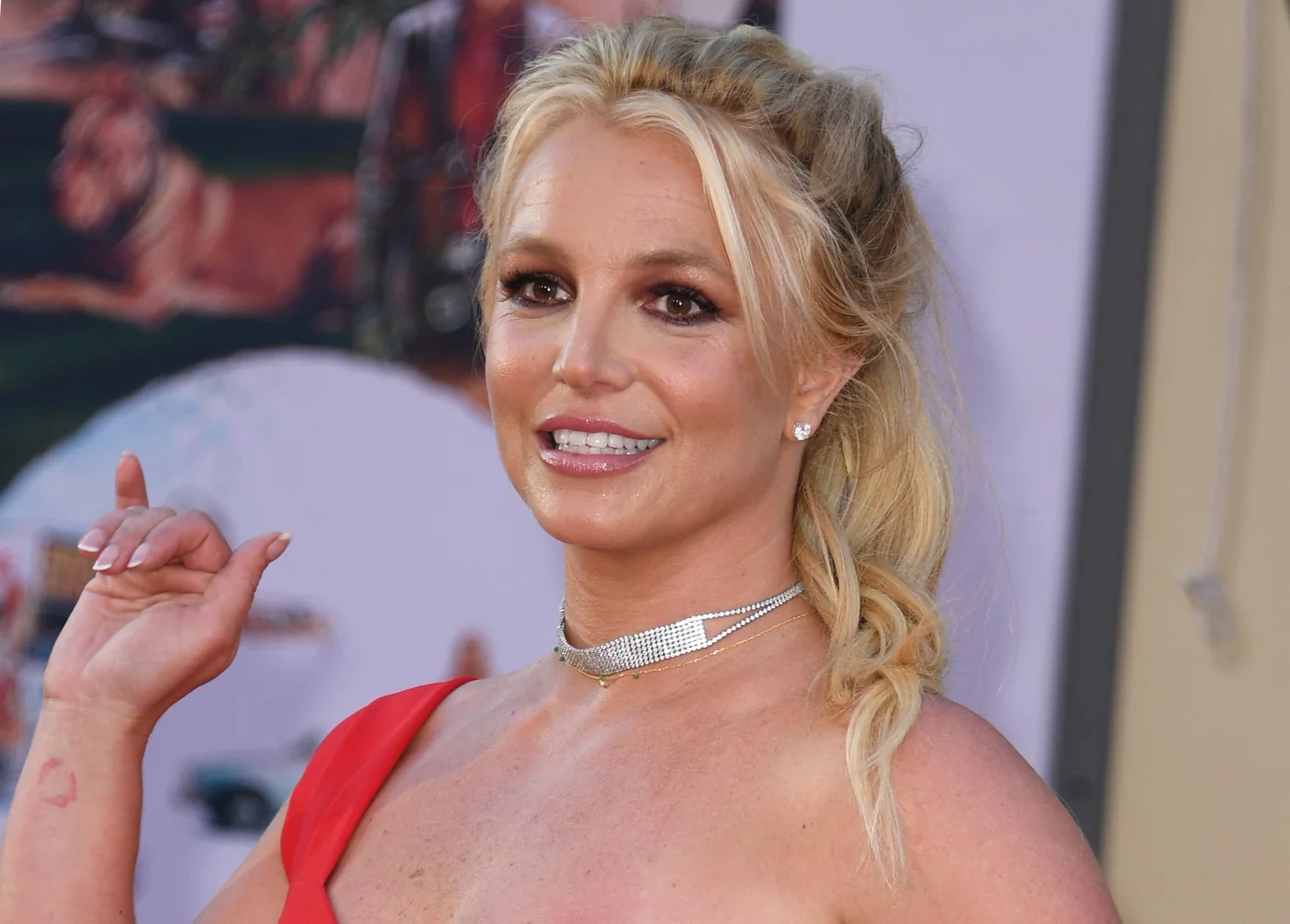
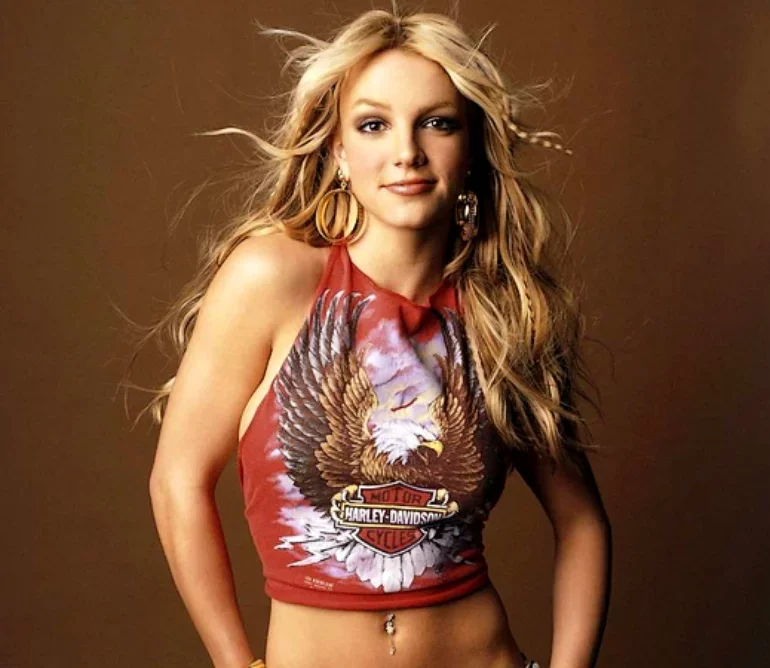
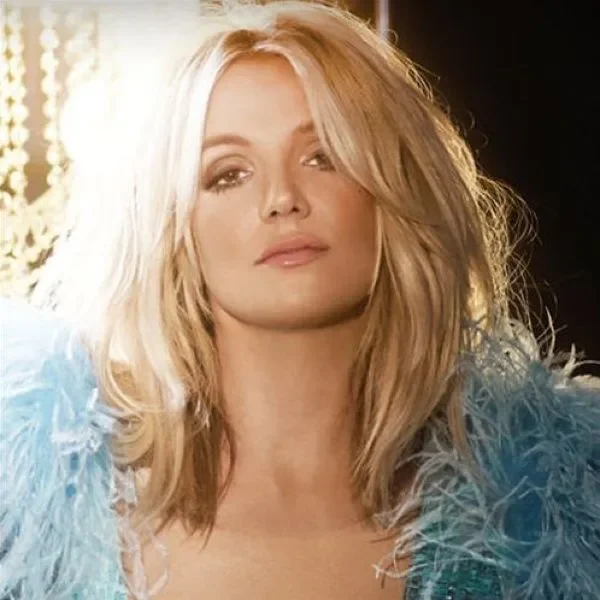
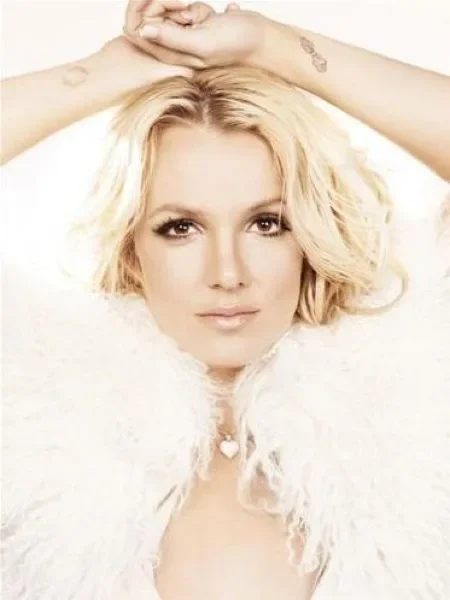
Britney Spears was not only a pop star; she was the template, the mirror and the warning sign of an entire era. In the late 1990s, when MTV, teen magazines, high-budget music videos and spectacle culture still shaped the rhythm of global pop, Britney appeared as an image impossible to ignore: school uniform, direct gaze, exact choreography, unmistakable voice and a song designed to enter the mind of the whole planet. “…Baby One More Time” was not simply a successful debut; it changed the temperature. Suddenly, teen pop was back at the center of the industry, and Britney became its most powerful face.
Born in Mississippi and raised in Kentwood, Louisiana, Britney came from a world very different from the polished machine that would later surround her. Before the global phenomenon, there were contests, classes, auditions, children’s television, Broadway and the formation of an artist from a very young age. Her time on The Mickey Mouse Club placed her within a generation that would define 2000s pop, alongside names such as Christina Aguilera and Justin Timberlake. But what made Britney different was not only being in the right place. It was her ability to combine visual innocence, physical energy and stage control into a figure who felt both close and unreachable.
The album …Baby One More Time built an image of immediate impact. “Sometimes,” “Born to Make You Happy” and “(You Drive Me) Crazy” strengthened that first Britney of bright melodies, teenage romance and polished pop production. But from the beginning, there was something more complex than the “teen pop” label allowed. Britney was not a traditional showcase vocalist; her strength lived in phrasing, rhythm, tonal personality, the body as an instrument and the way she could turn a song into a cultural image. Her videos did not simply accompany the music; they multiplied it.
Oops!… I Did It Again confirmed that the phenomenon was no accident. The red catsuit, the trip to Mars, the smile of someone who knows exactly what she is provoking: everything in that era elevated Britney from teenage star to global icon. “Lucky” introduced a sadder reading behind the shine, almost a pop prophecy about the loneliness of being famous. “Stronger” turned independence into a dance-floor statement. “Don’t Let Me Be the Last to Know” showed the softer side of her repertoire. Britney was no longer only a girl at the top; she was a cultural narrative.
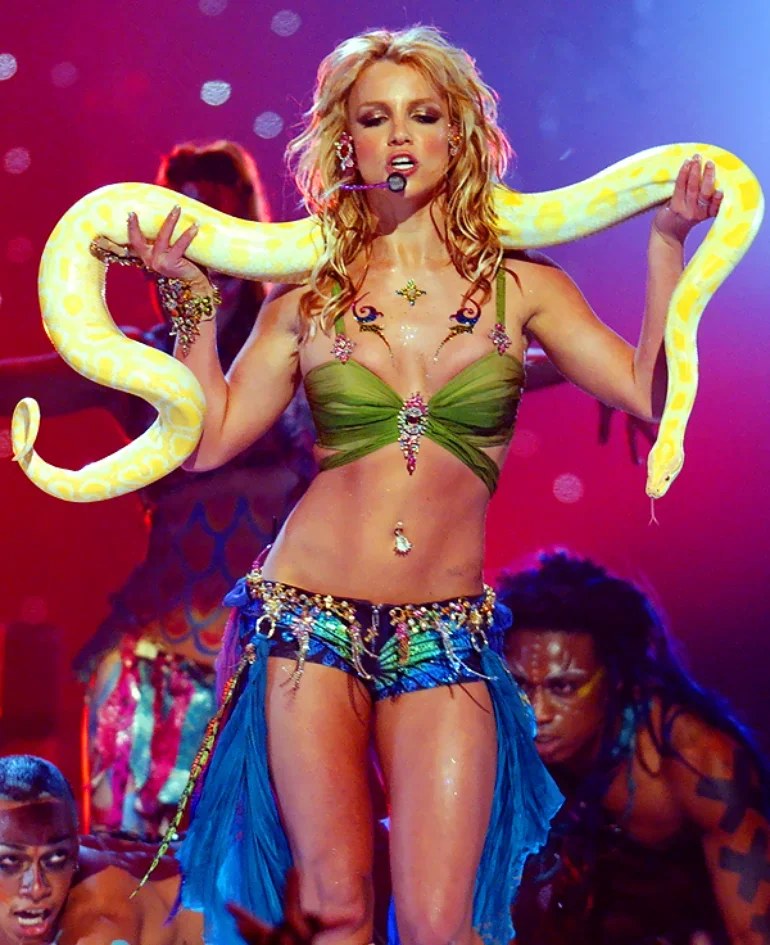
With Britney and In the Zone came the adult transformation. “I’m a Slave 4 U” was a decisive turn: sweat, snake, the Neptunes, club, desire and choreography that broke from the early image without asking permission. “Overprotected” spoke from the exhaustion of being watched. “I’m Not a Girl, Not Yet a Woman” named transition with almost literal clarity. “Toxic” took her career to one of its highest points, blending strings, electronics, sensuality, danger and pop precision. That song remains essential because it summarizes Britney at her best: she does not need to shout to dominate; she glides, seduces, cuts and disappears before you can explain her.
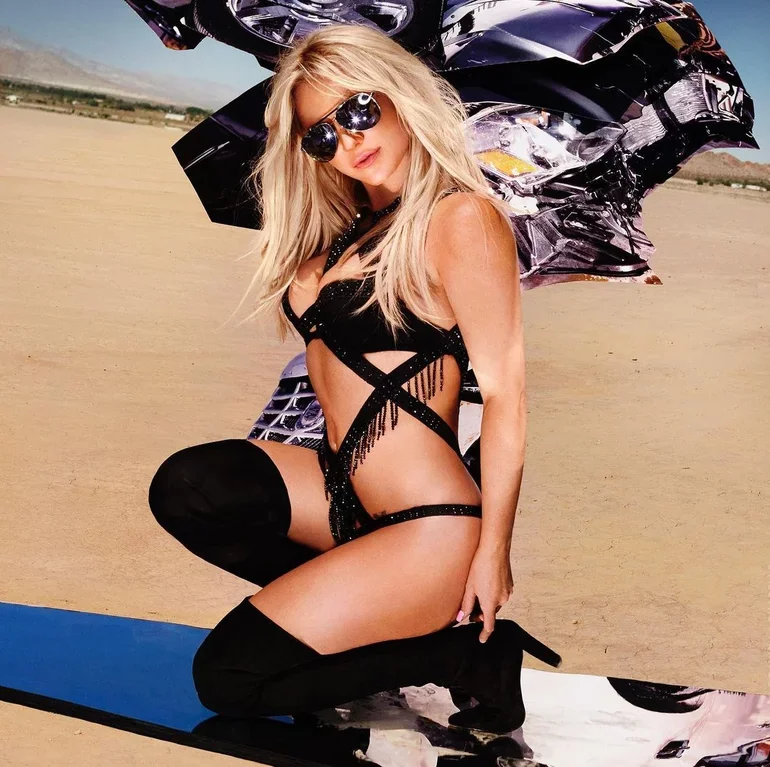
Blackout changed the way her career was read. Released under intense media pressure, the album eventually became recognized as one of the most influential pop works in her catalog. “Gimme More” opened with a phrase that was already myth — “It’s Britney, bitch” — and turned external chaos into a dark club. “Piece of Me” responded to the public consumption of her life with cold irony. “Break the Ice” reinforced an electronic, nocturnal and fragmented aesthetic that anticipated much of the pop that followed. Blackout was not only an album of crisis; it was an album of sonic survival.
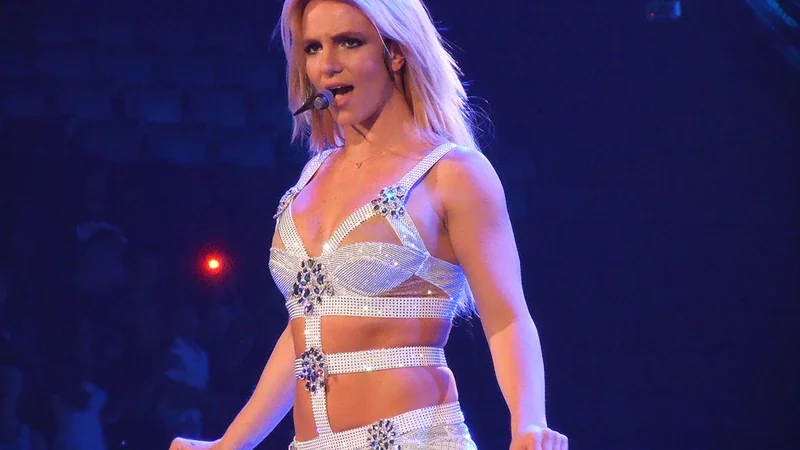
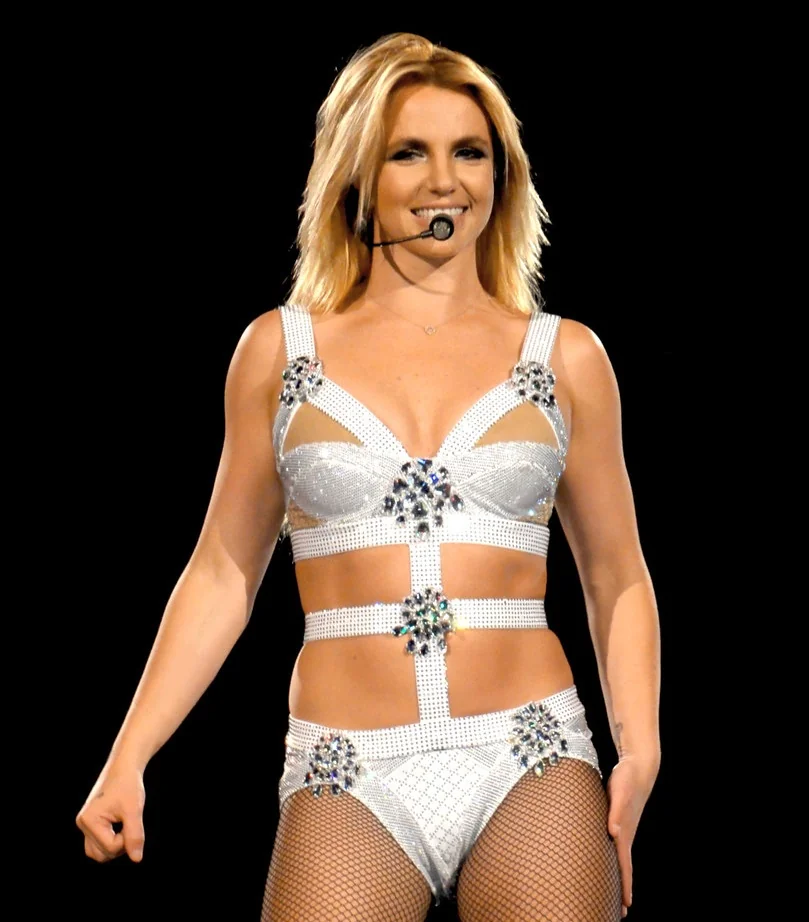
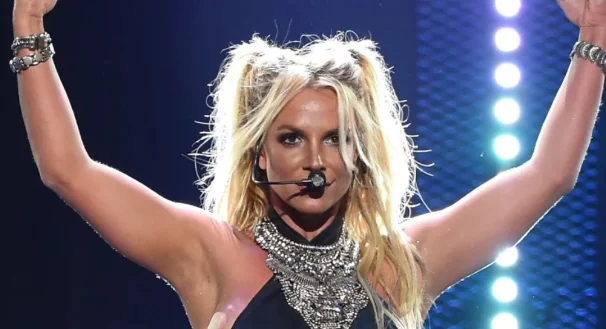
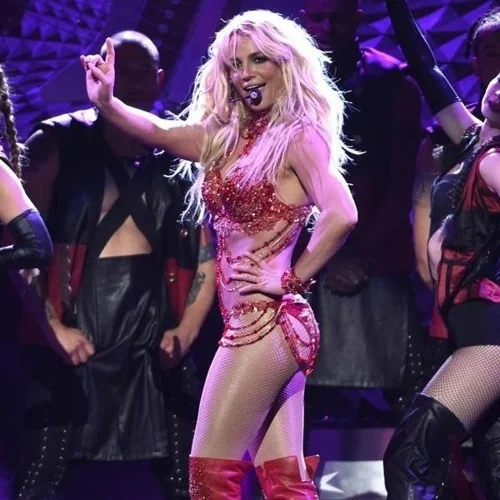
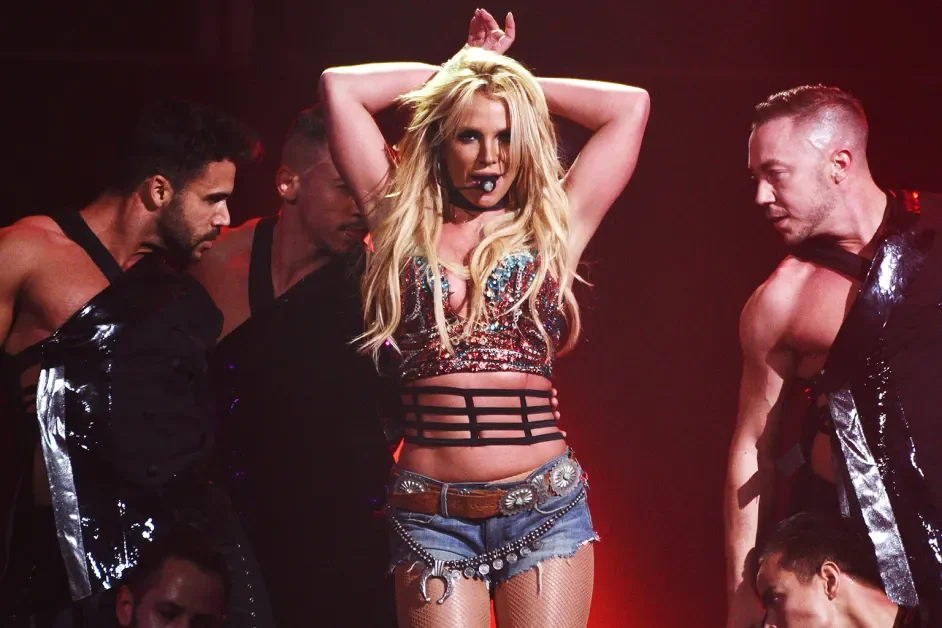
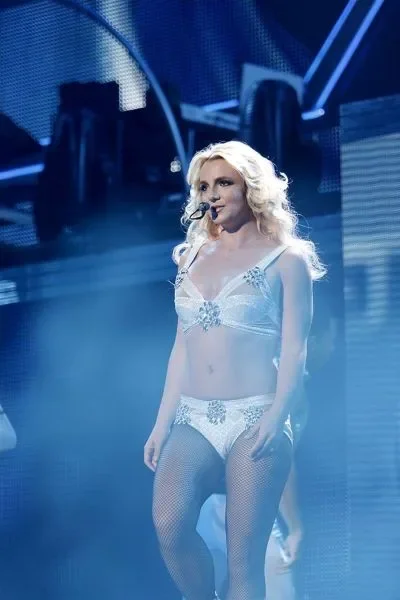
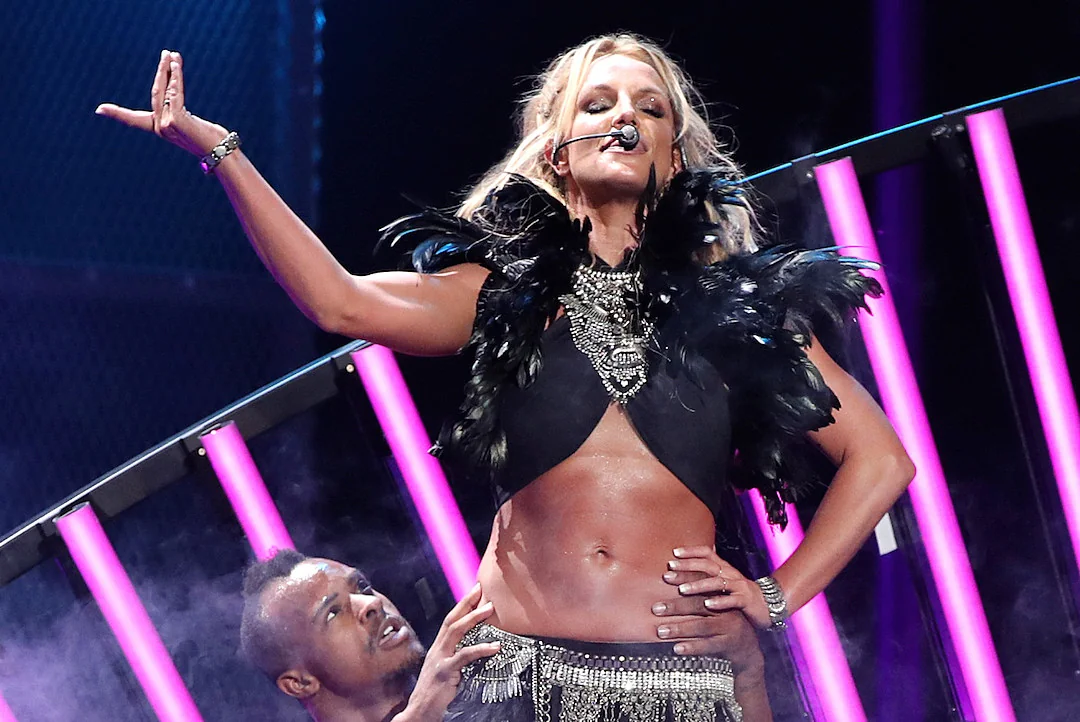
Then came Circus, Femme Fatale, Britney Jean and Glory, eras with different critical receptions but with songs that kept her present in pop: “Womanizer,” “Circus,” “If U Seek Amy,” “Hold It Against Me,” “Till the World Ends,” “Work Bitch,” “Make Me…” and “Slumber Party.” Her Las Vegas residencies strengthened her role as a spectacle figure: an artist whose catalog already worked as an emotional archive for several generations.
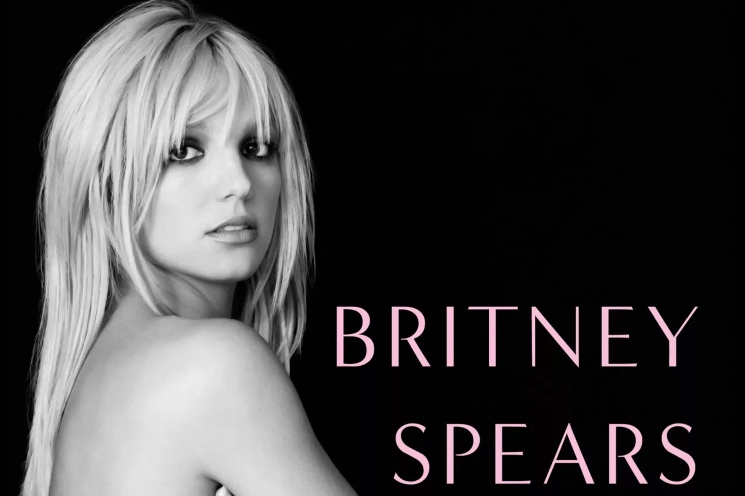
Britney’s story, however, cannot be told only as commercial success. It is also a story about control, press, exploitation, surveillance and autonomy. The conservatorship that governed her life for more than a decade changed the way many people went back and read her career. What had once been consumed as “celebrity drama” began to look much more uncomfortable: a young woman turned into a product, judged for every gesture and deprived for years of fundamental decisions. The end of that legal arrangement and the publication of The Woman in Me placed her voice back at the center of her own story.
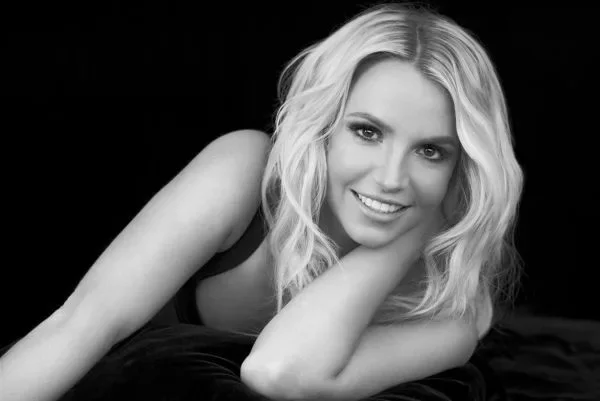
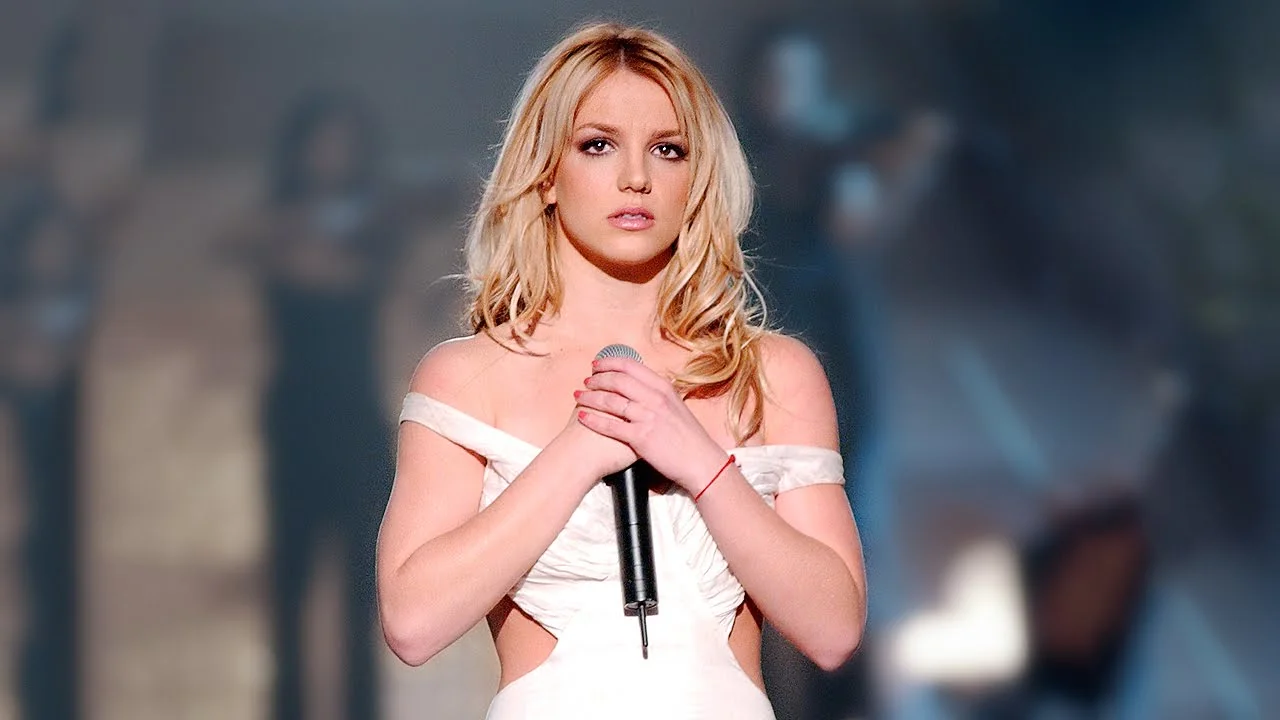
Britney Spears matters because she defined how mass pop could look, sound and move at the turn of the millennium. Her legacy is not only in sales, choreography or iconic videos, but in the way she embodied the contradictions of modern fame: desire and control, innocence and sexualization, freedom and surveillance, spectacle and vulnerability. At her best, Britney does not need to explain her importance. The first seconds of one of her songs are enough to remember that there was a time when pop shifted its axis around her.
Main genre
POP
Main subgenres
Like a superfan's list — except verified, with sources and links.

12–Jan 21, 2001
Rio de Janeiro, Rio de Janeiro · Brazil
PastWhat we managed to link to the concert archive. If a date is missing, tell us — happens to us too.
No linked concerts
Every concert and festival of the year, traced on the globe. Hit play and follow the route stop by stop.
Photos from the public archive.
Recent coverage linked to the artist.


Close by genre and social signal.
No related artists
When there is enough genre signal, they will appear here.