

Ranking
#77

Ranking
#77
Followers
93.8 M
Digital presence
Official profiles, streaming and discovery.
What a good fan recites by heart (or pretends to).
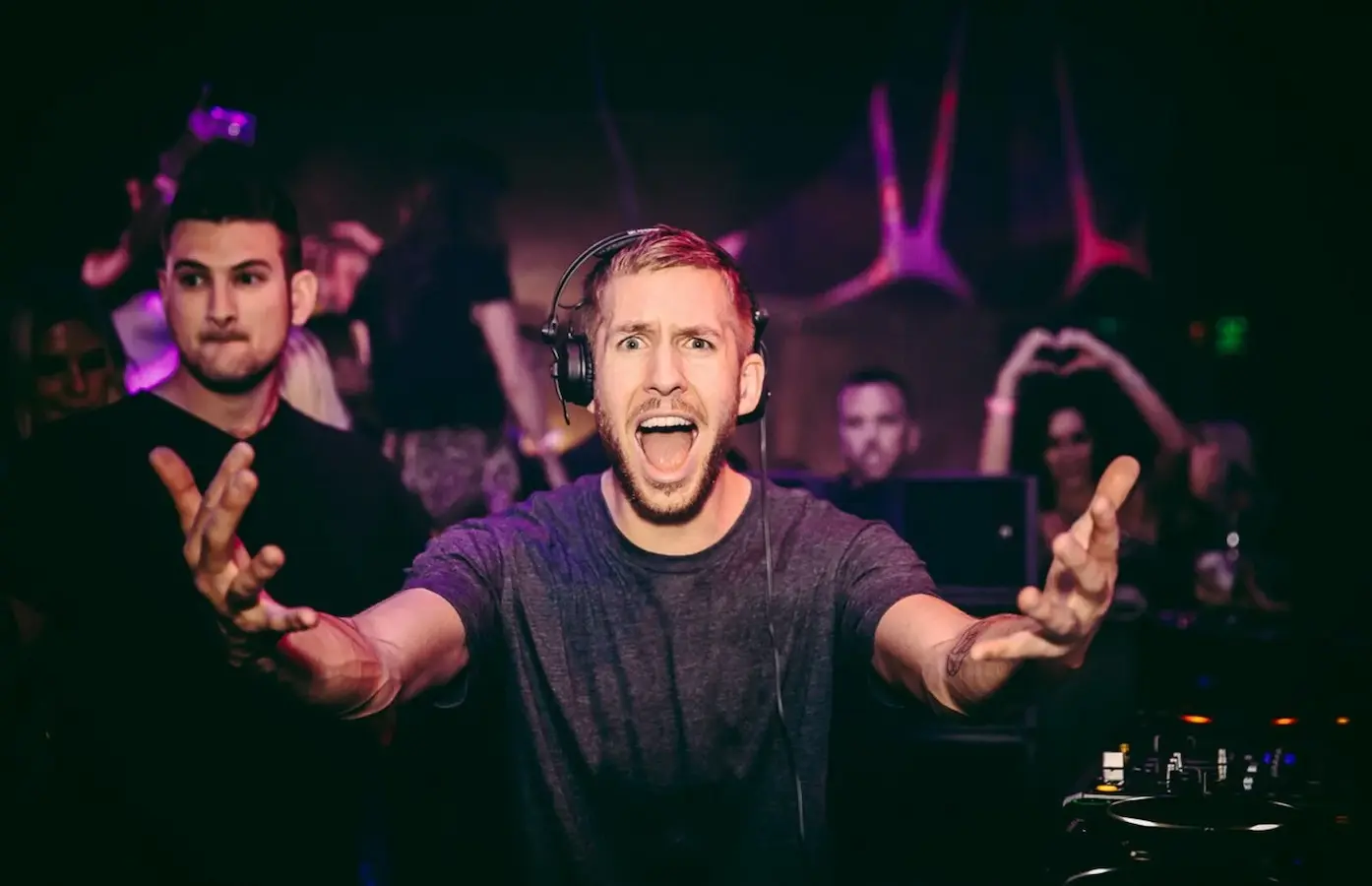
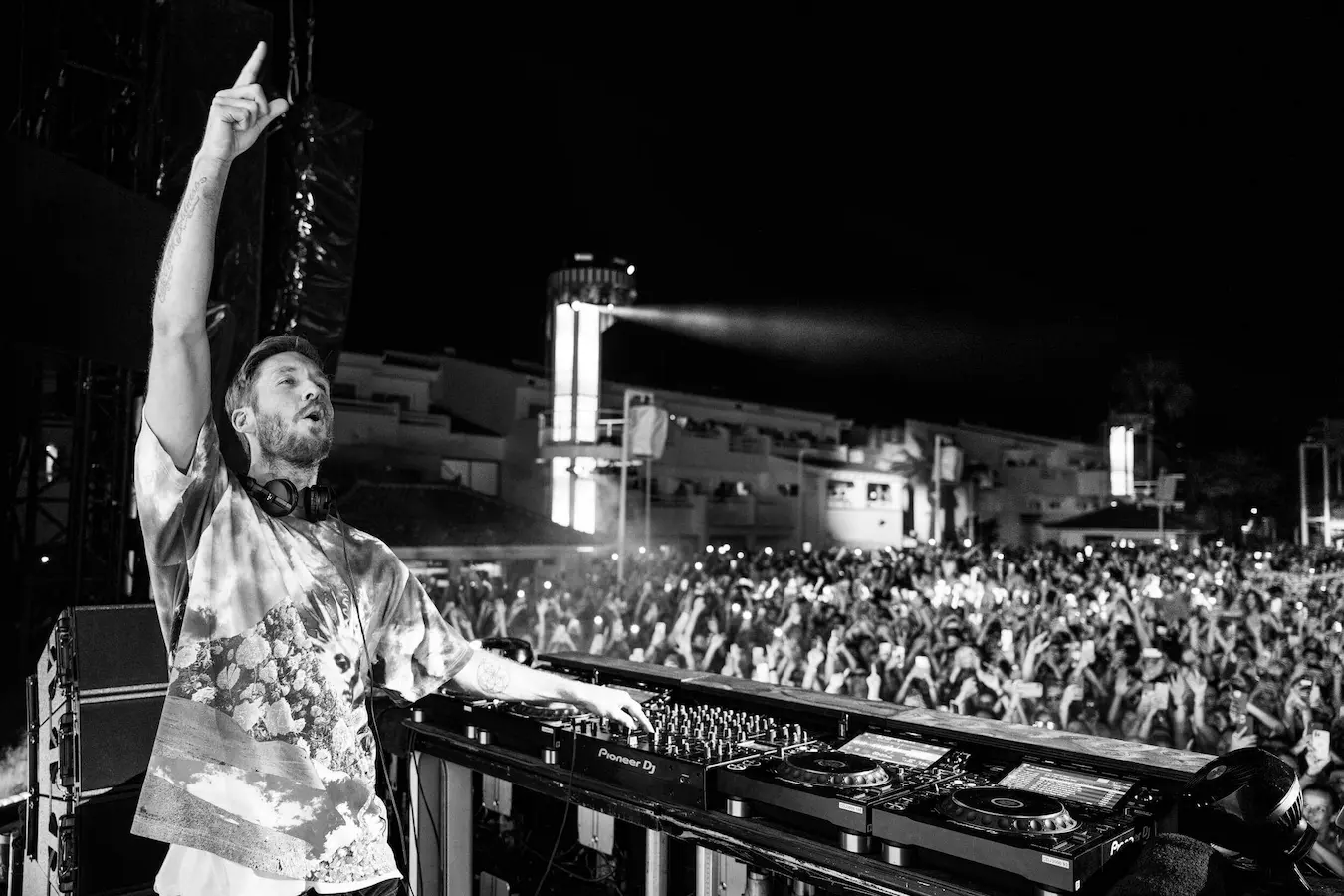
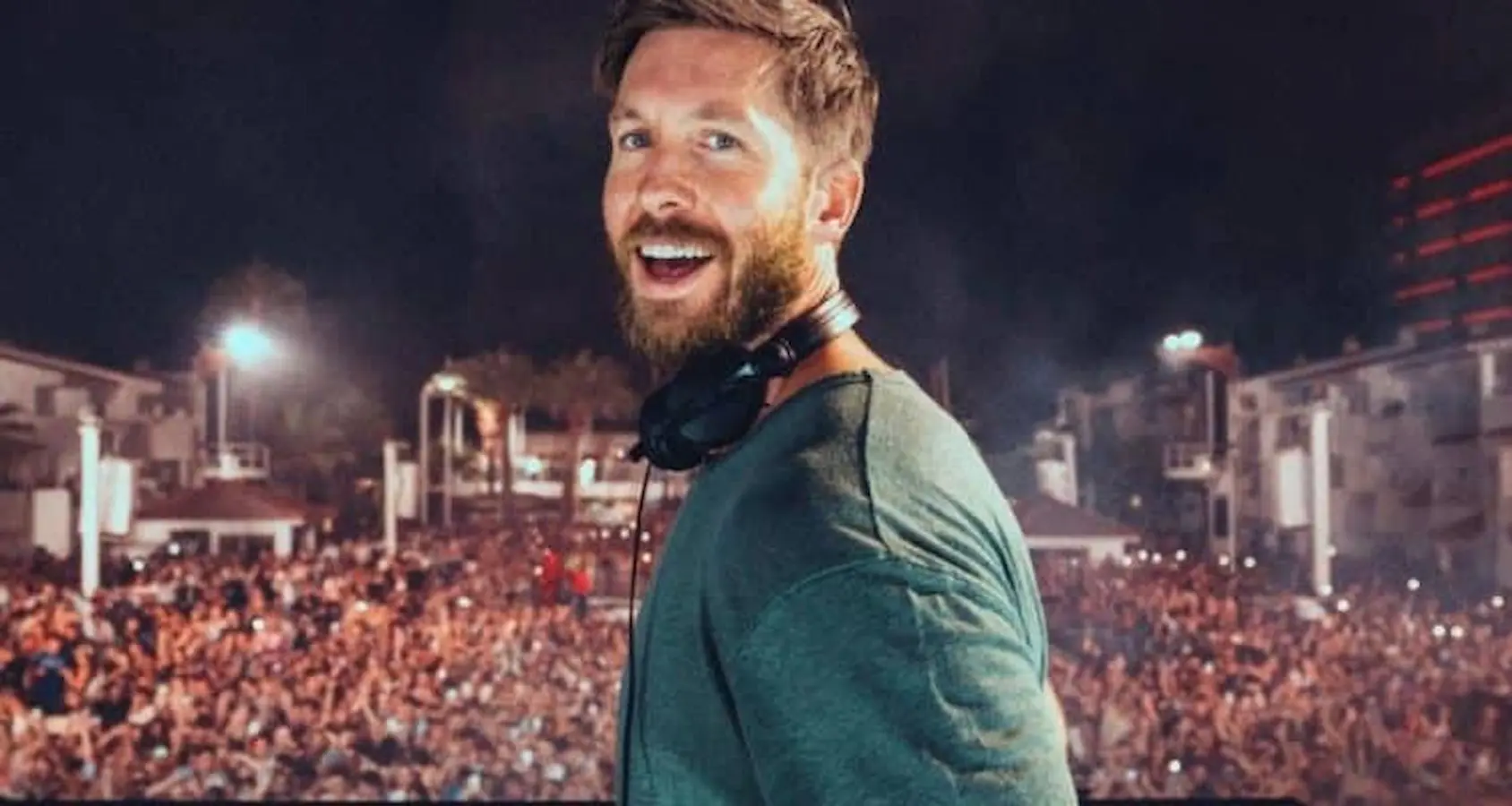
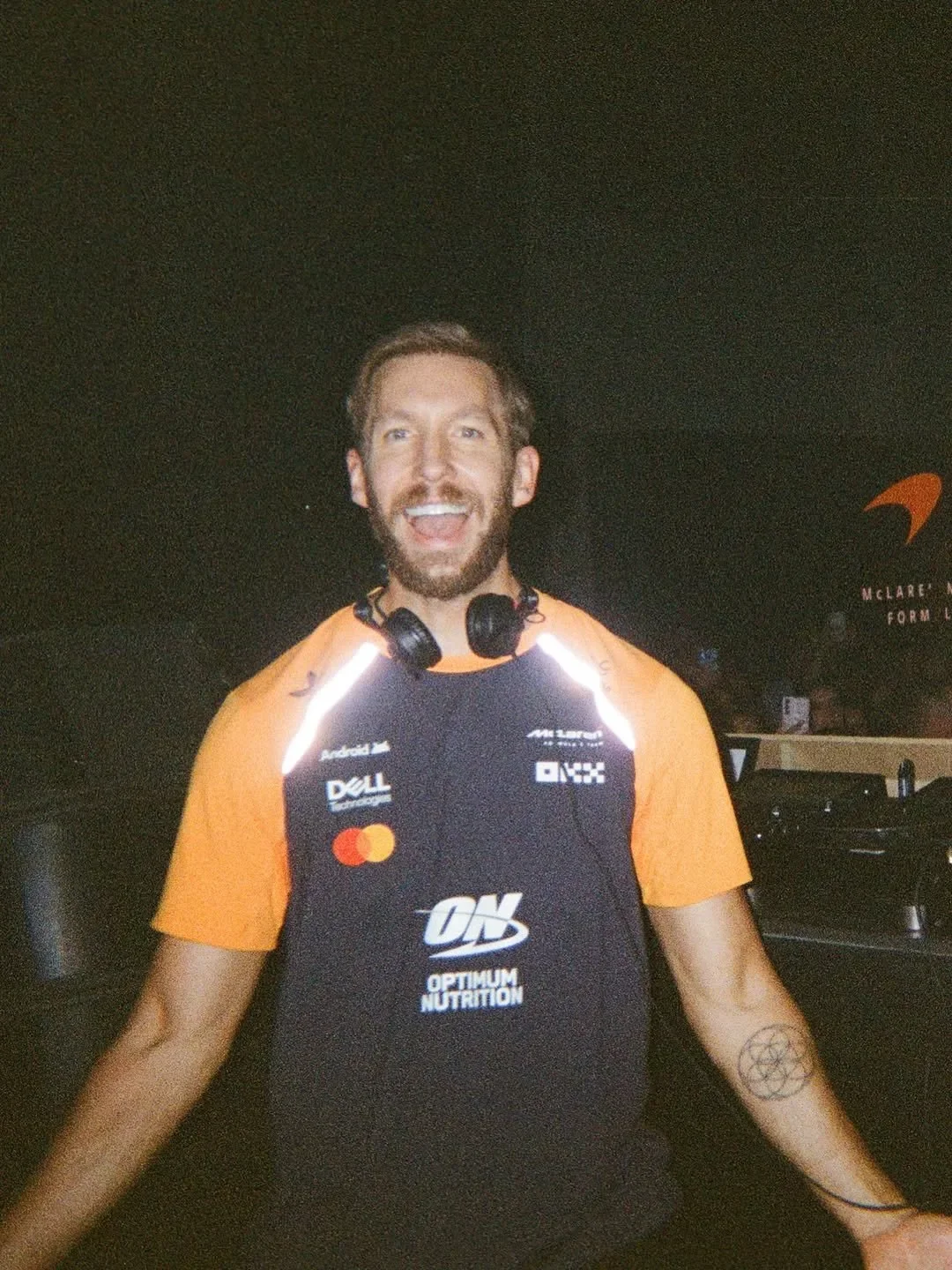
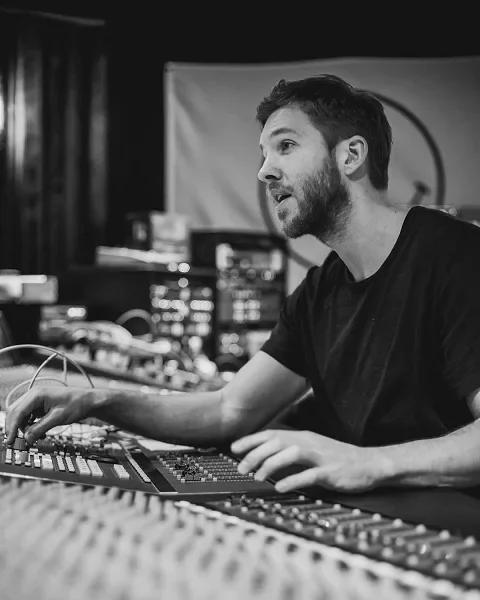
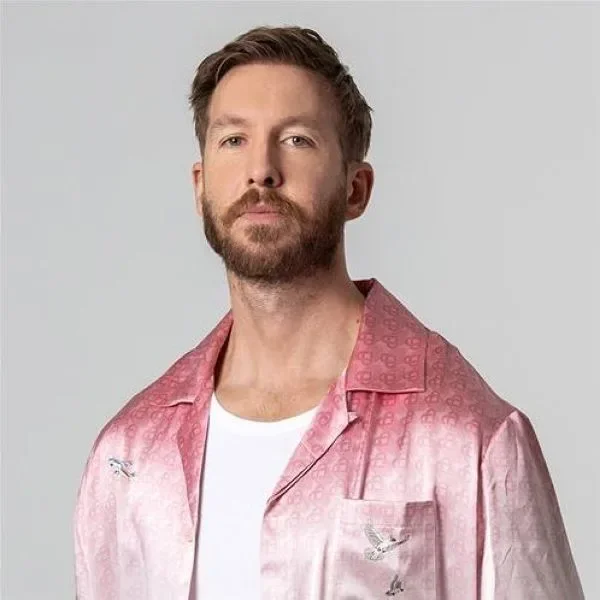
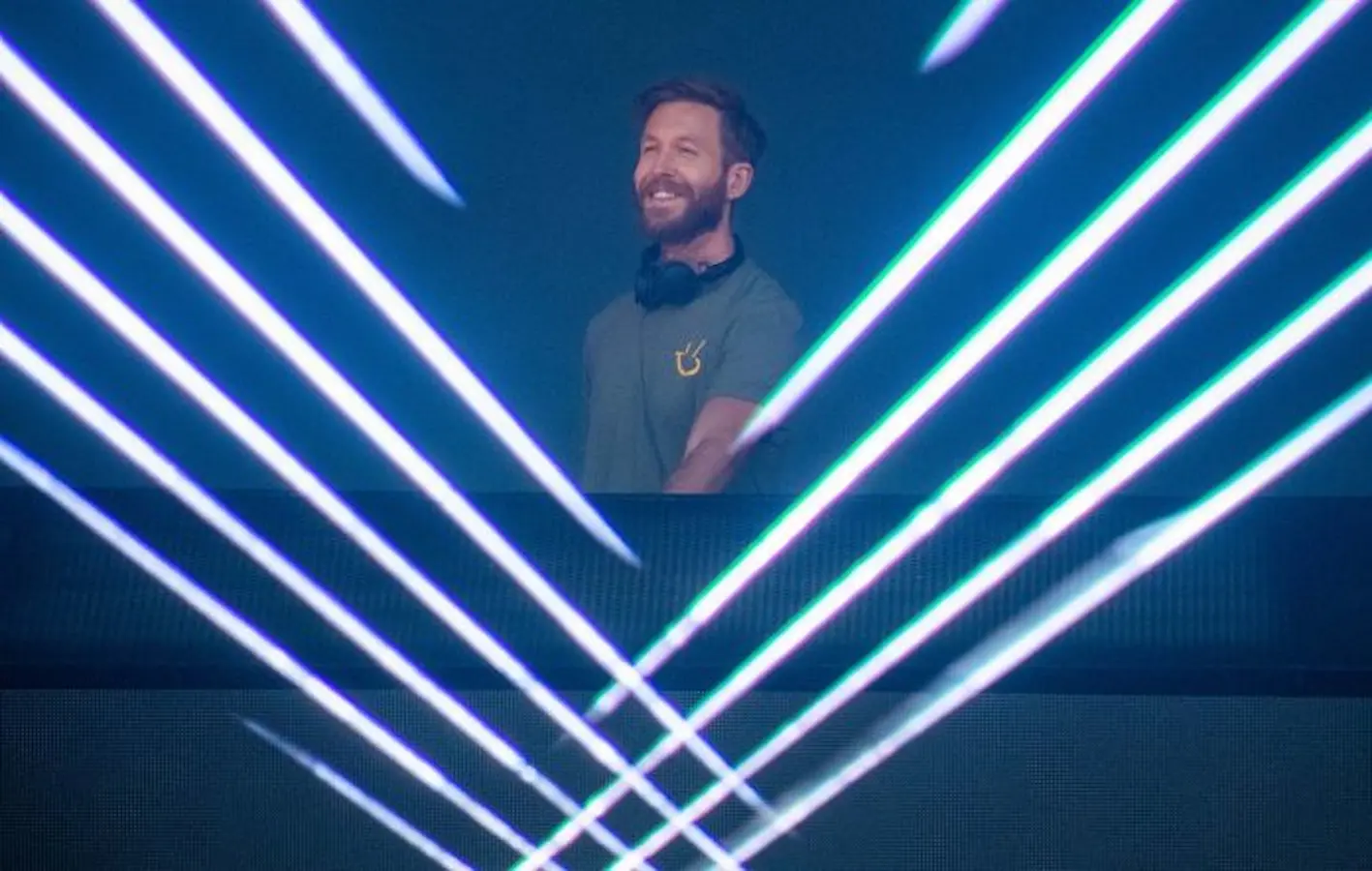
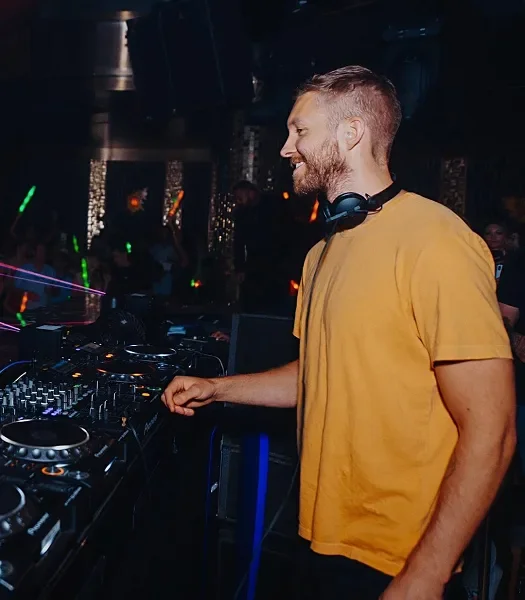
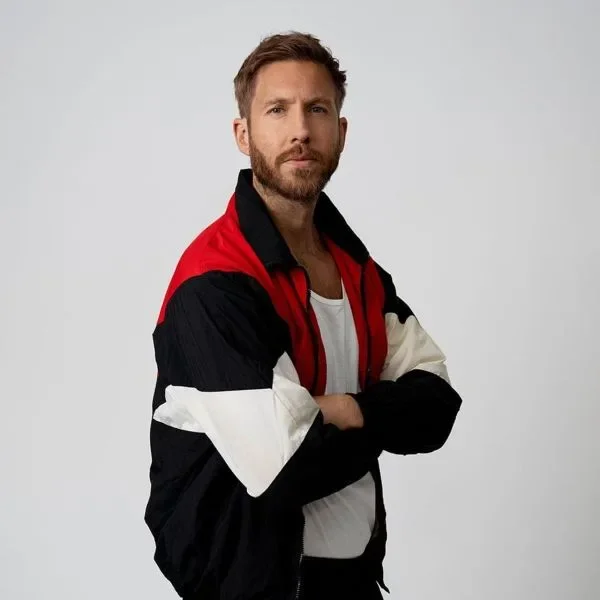
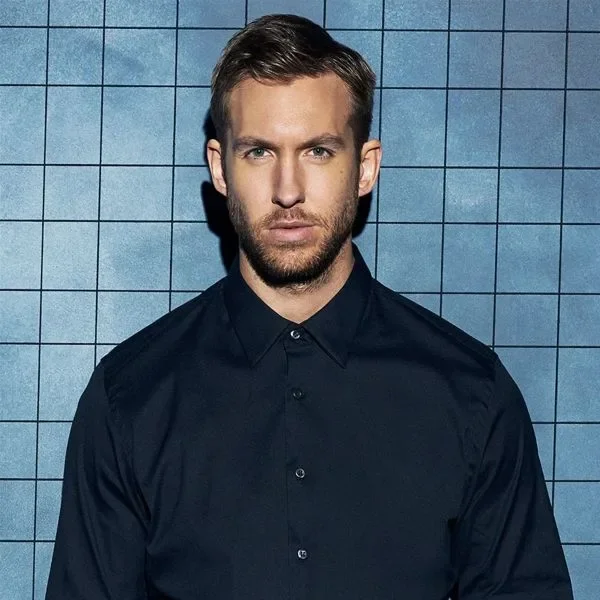
Calvin Harris changed the scale of dance music without building his image around constant noise. He did not become important because of a mysterious DJ persona or an overblown celebrity mythology; he became important because he understood how to make electronic songs travel. His music could move from a room in Dumfries to global radio, from British clubs to festival main stages, from late-night dance floors to everyday pop playlists. His career helps explain how electronic music stopped sitting beside the mainstream and became one of the central engines of 21st-century pop.
Born Adam Richard Wiles in Dumfries, Scotland, Harris began far from the traditional capitals of the music industry. His early story belongs to a particular moment before streaming fully reorganized everything: homemade demos, gear bought with ordinary jobs, music uploaded online, and a mixture of isolation and ambition that forced him to shape his sound from the ground up. Before he became a global figure, he was a young producer learning how to program beats, sing his own lines, assemble synth parts, and build an identity somewhere between electro, disco, synthetic funk, and British pop.
His first professional releases under the name Stouffer already showed a connection to club culture, but the real breakthrough came when he began releasing music as Calvin Harris. I Created Disco arrived with humor, attitude, and a very specific visual and sonic identity. “Acceptable in the 80s” and “The Girls” mixed bright synthesizers, dry vocal hooks, retro wit, and an energy that looked toward both the dance floor and pop radio. This was not yet the stadium-scale Calvin Harris of massive guest vocalists and global collaborations. It was a producer-singer with a recognizable personality: slightly nerdy, slightly cheeky, and deeply tied to the British electronic sound of the mid-2000s.
Ready for the Weekend expanded that language. “I’m Not Alone” revealed a larger sense of melody, tension, and release, with a structure that anticipated the way Harris would later dominate dance-pop climax. His music began moving beyond retro reference into something bigger, more emotional, and more suited to large spaces. That transition was crucial. Calvin Harris understood that electronic music could preserve the physical energy of the club while speaking the language of mass pop.
The decisive leap came with the 18 Months era. There, Harris moved from being a major figure in British dance music to becoming one of the architects of the decade’s global sound. The album worked almost like a constellation of singles, using collaborations to push his music into different emotional and commercial zones without losing its central pulse. “Feel So Close” kept his own voice at the front, “Sweet Nothing” drew on the intensity of Florence Welch, “Let’s Go” took the formula toward athletic pop momentum, and “We Found Love” with Rihanna became one of the defining songs in the union between EDM and stadium pop. That period shaped a recognizable aesthetic: clear builds, memorable drops, direct melodies, and clean production that could feel enormous without becoming muddy.
One of Calvin Harris’s greatest strengths is his ability to step away from the vocal center without disappearing from the song. Many producers try to be recognized through an intrusive signature; Harris learned how to build spaces where the guest shines while the architecture remains his. Rihanna, Ellie Goulding, Florence Welch, Dua Lipa, Sam Smith, Ne-Yo, Disciples, Frank Ocean, Pharrell Williams, Migos, and other collaborators have moved through his world, but the results rarely feel like random name-stacking. At his best, the featured voice finds an exact frame: enough emotion, enough groove, enough space for the hook to breathe.
His evolution also shows an intelligent relationship with musical fashion. When maximal EDM dominated festivals, Calvin Harris could occupy that space without losing pop structure. When the scene began to tire of sheer excess, he shifted toward warmer grooves, looser bass lines, and funk references on Funk Wav Bounces Vol. 1. “Slide,” with Frank Ocean and Migos, mattered because it revealed another side of his craft: less explosion, more sunlight; less drop pressure, more swing; less festival urgency, more relaxed luxury. That phase did not depend on impact alone. It leaned into atmosphere, pocket, taste, and a kind of coastal polish that connected with R&B, funk, and pop.
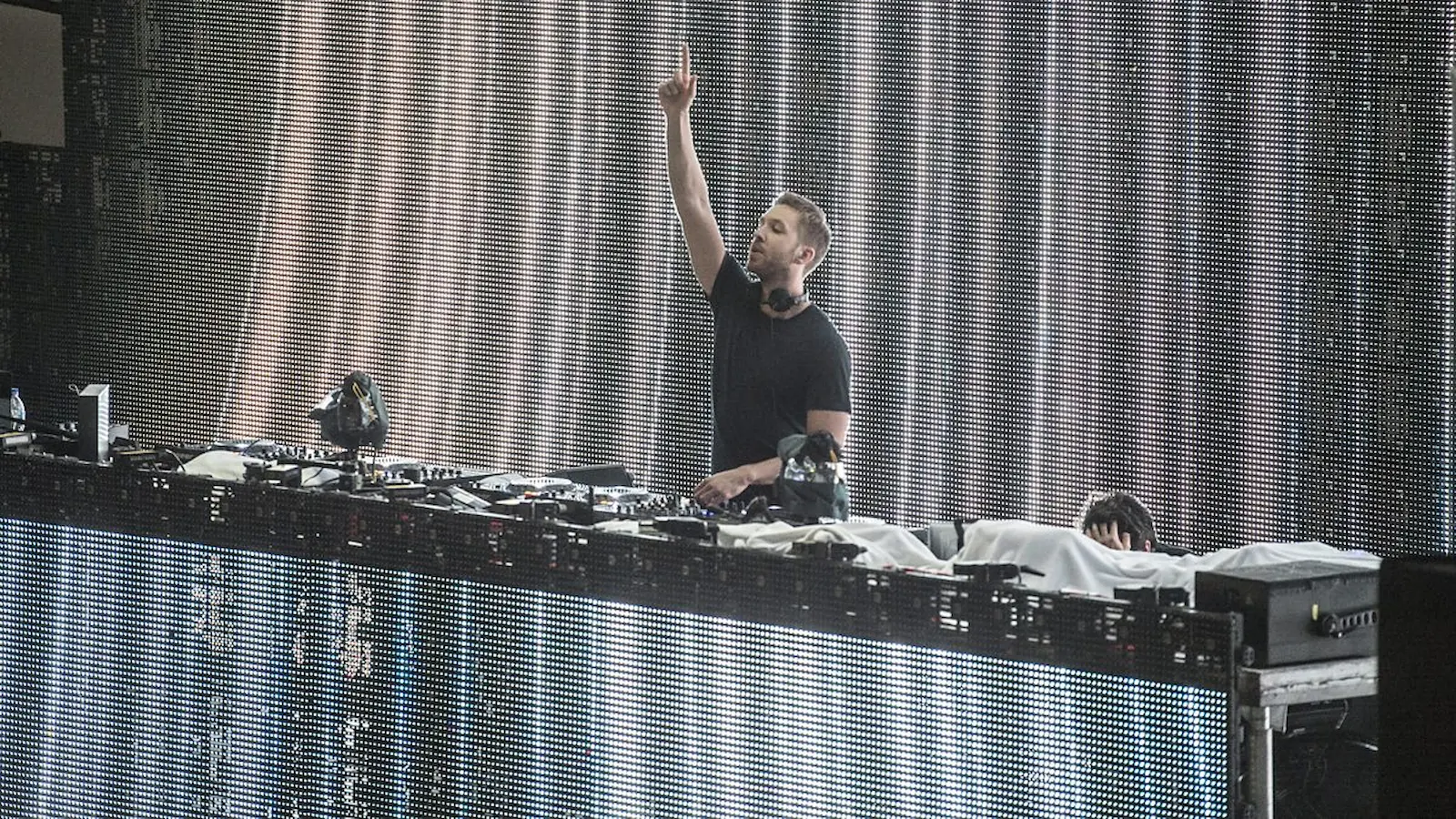
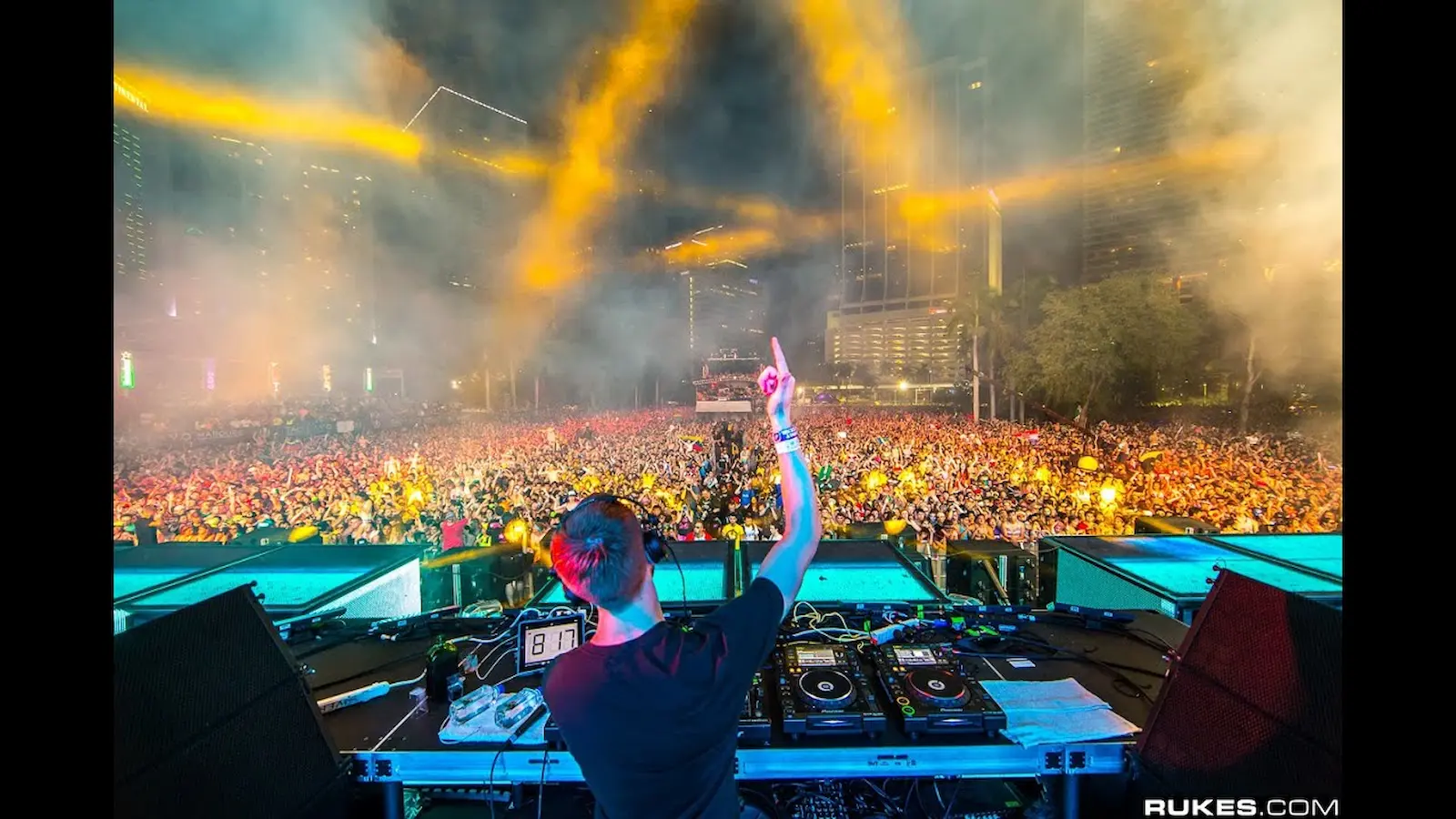
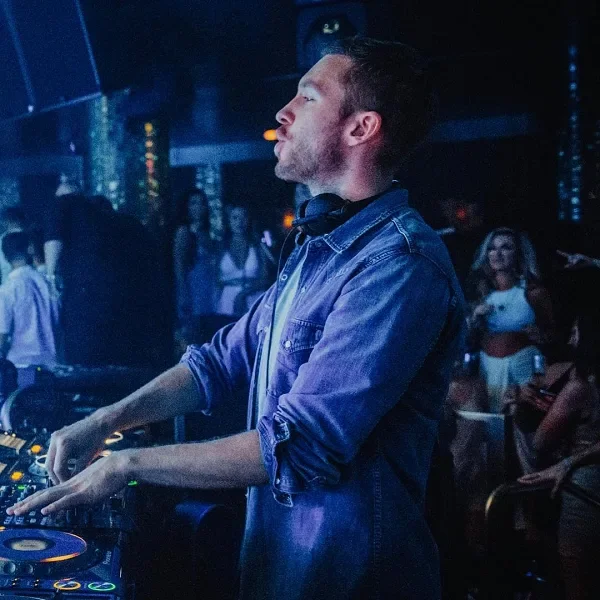
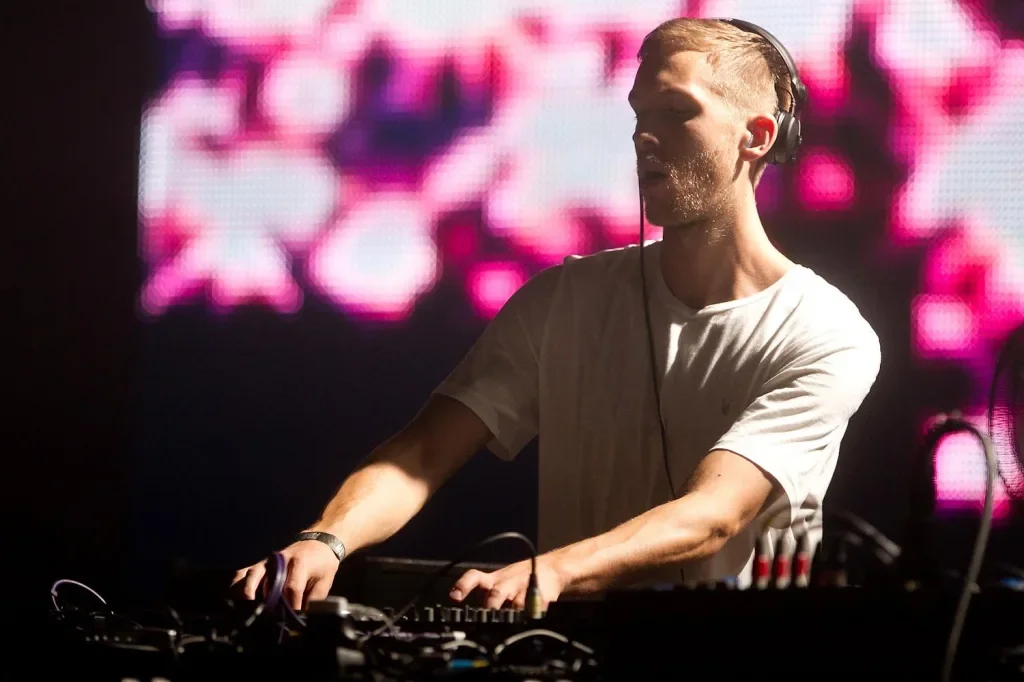
As a DJ, Harris occupies a particular position. He is not only a selector, and he is not only a studio producer either. He understood the modern festival as a place where songs need body, memory, and impact points. His sets are tied to a precise idea of celebration: big choruses, clean transitions, controlled energy, and a clear reading of how a crowd moves. He does not need to turn every moment into chaos. His strength lies in managing euphoria, holding back when necessary, and letting recognition do part of the work.
His legacy is tied to the way he helped turn electronic production into a pop grammar. Calvin Harris made the producer a central figure, allowed the DJ to stand beside the vocal star, and showed that an electronic song could feel natural on radio, in clubs, at festivals, in gyms, in cars, and at family parties. At his best, his music works like a machine built out of light: direct, physical, melodic, and designed so the body understands it before the mind has time to analyze it. That is why his importance is measured not only in hits, but in the way he helped define the sound of modern pop euphoria.
Main genre
HOUSE
Main subgenres
Like a superfan's list — except verified, with sources and links.
27–Aug 30, 2026
Daresbury · United Kingdom
Past
24–Jul 26, 2026
Boom, Antwerpen · Belgium
Past17–Jul 19, 2026
Boom, Antwerpen · Belgium
Past
10–Jul 12, 2026
Split, Split-Dalmacija · Croatia
Past
28–Mar 30, 2025
Miami, Florida · United States
Past22–Mar 24, 2024
Miami, Florida · United States
Past24–Aug 27, 2023
Warrington · United Kingdom
Past22–Aug 26, 2023
Zürich · Switzerland
Past16–Aug 20, 2023
Charleville-Mézières, Ardennes · France
Past01–Jul 02, 2023
Dublin · Ireland
PastWhat we managed to link to the concert archive. If a date is missing, tell us — happens to us too.
No linked concerts
Every concert and festival of the year, traced on the globe. Hit play and follow the route stop by stop.
Photos from the public archive.
Recent coverage linked to the artist.



Close by genre and social signal.
No related artists
When there is enough genre signal, they will appear here.