






Ranking
#41

Ranking
#41
Followers
143.3 M
Digital presence
Official profiles, streaming and discovery.
What a good fan recites by heart (or pretends to).
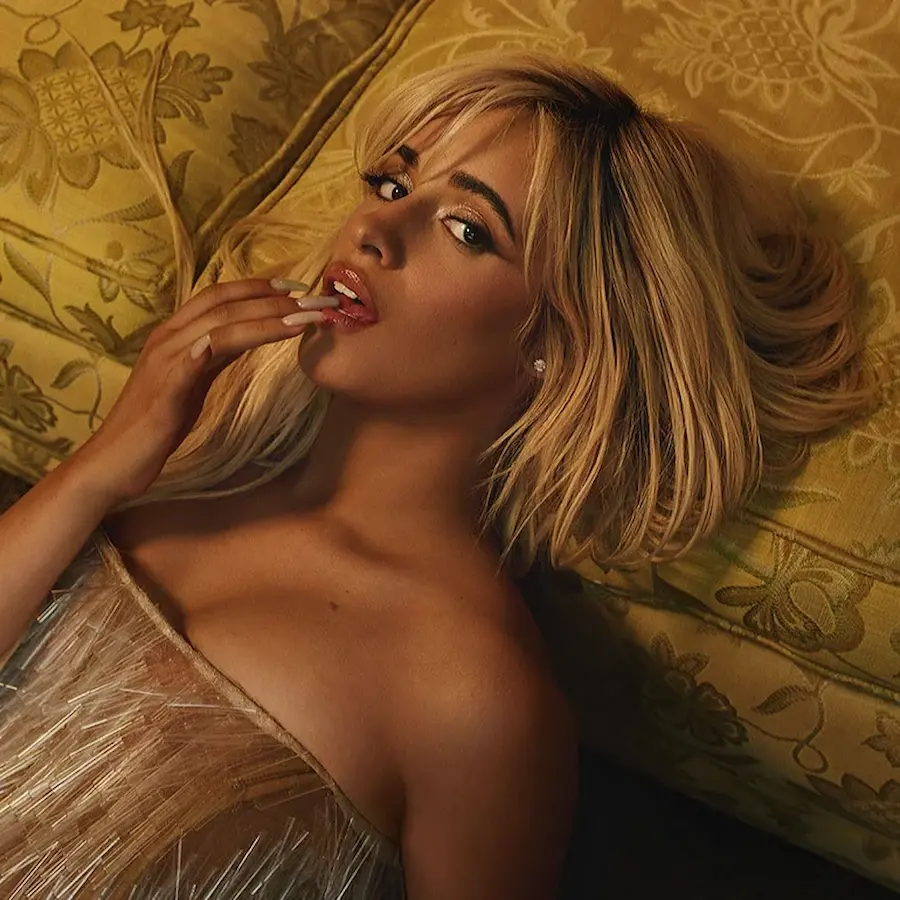
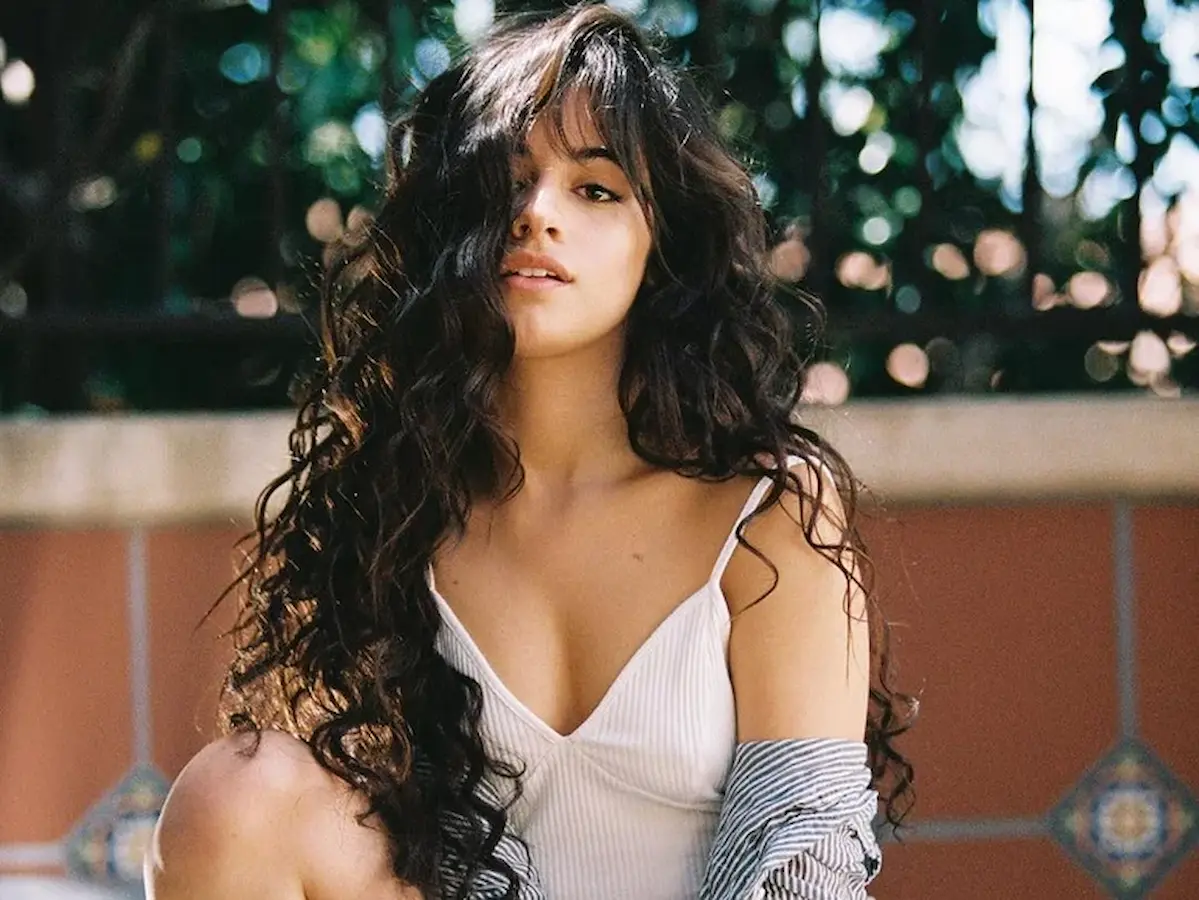
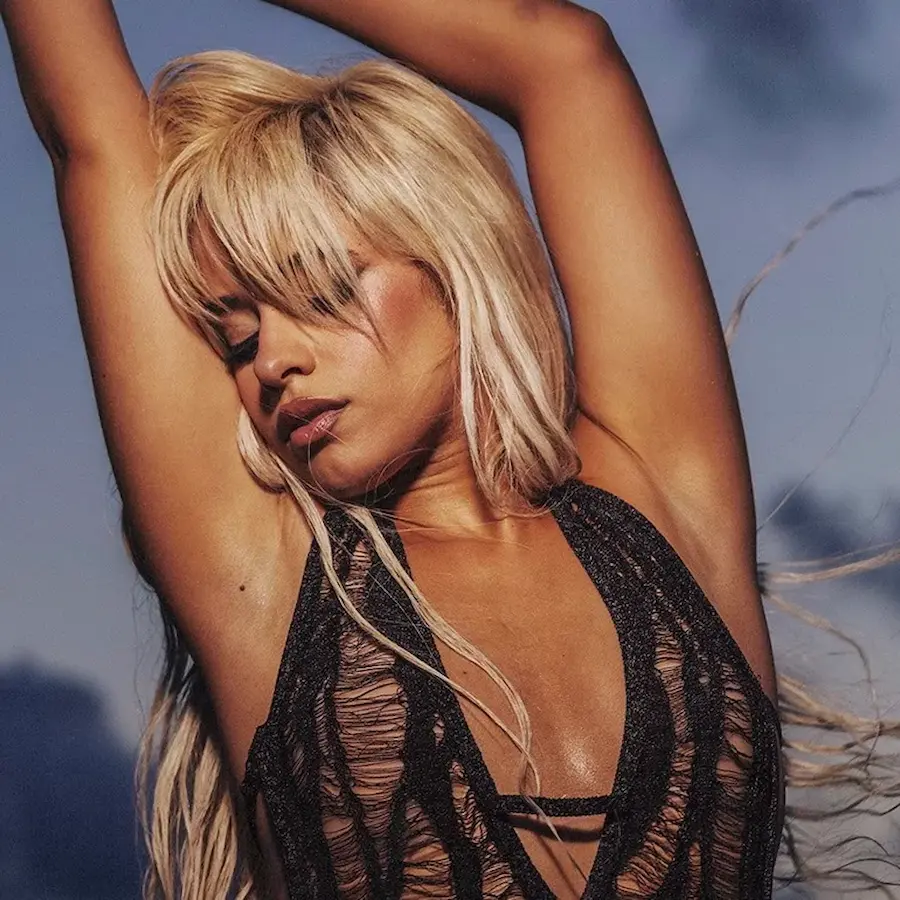
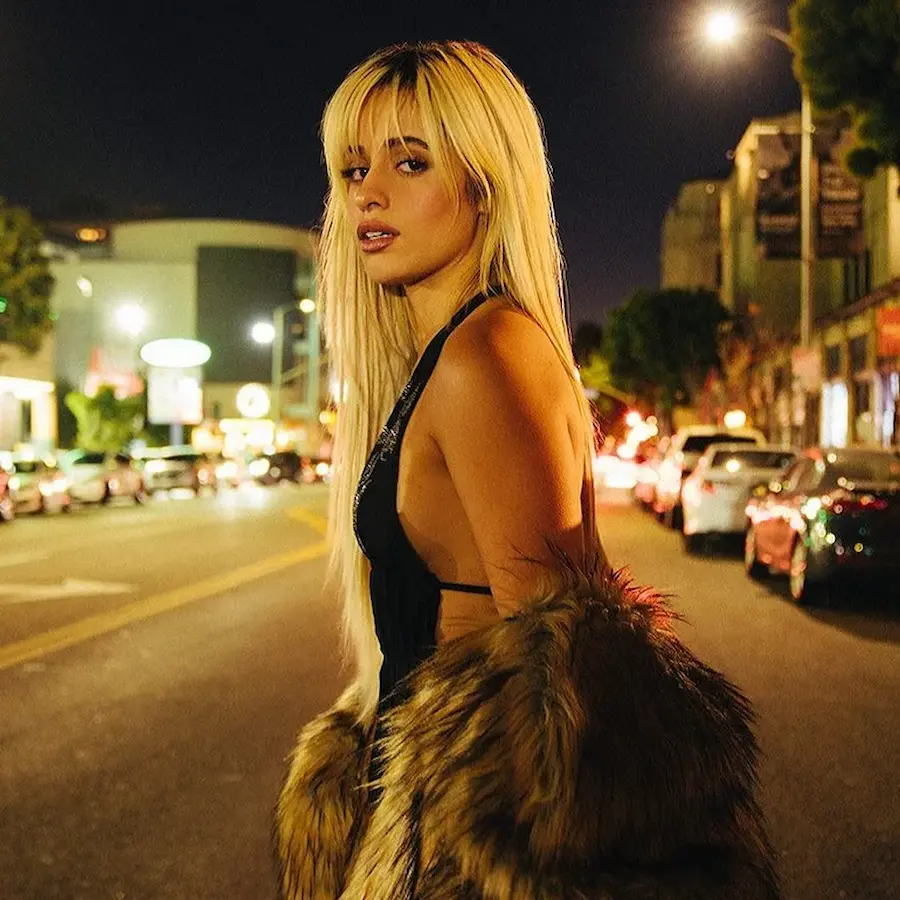
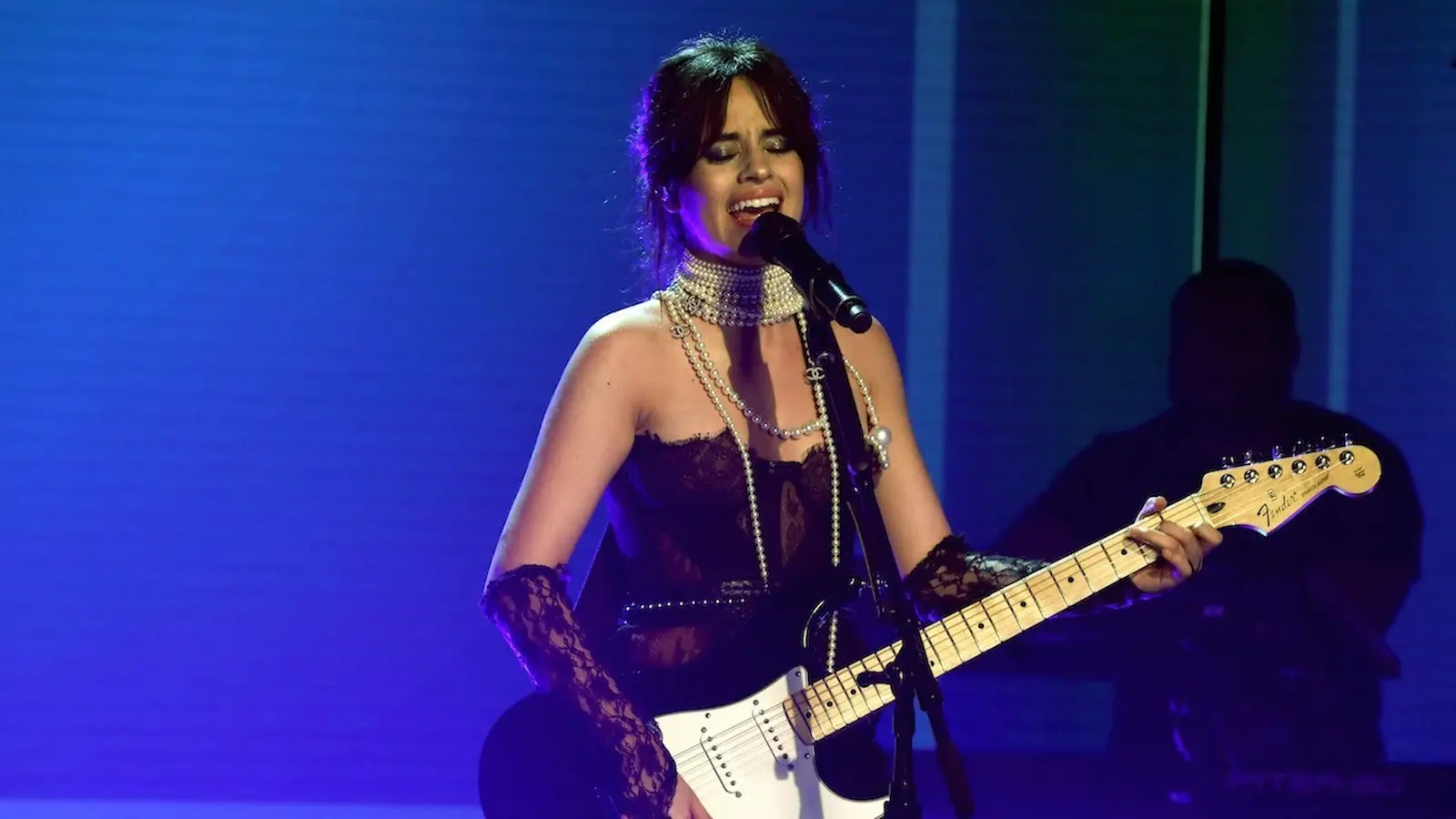
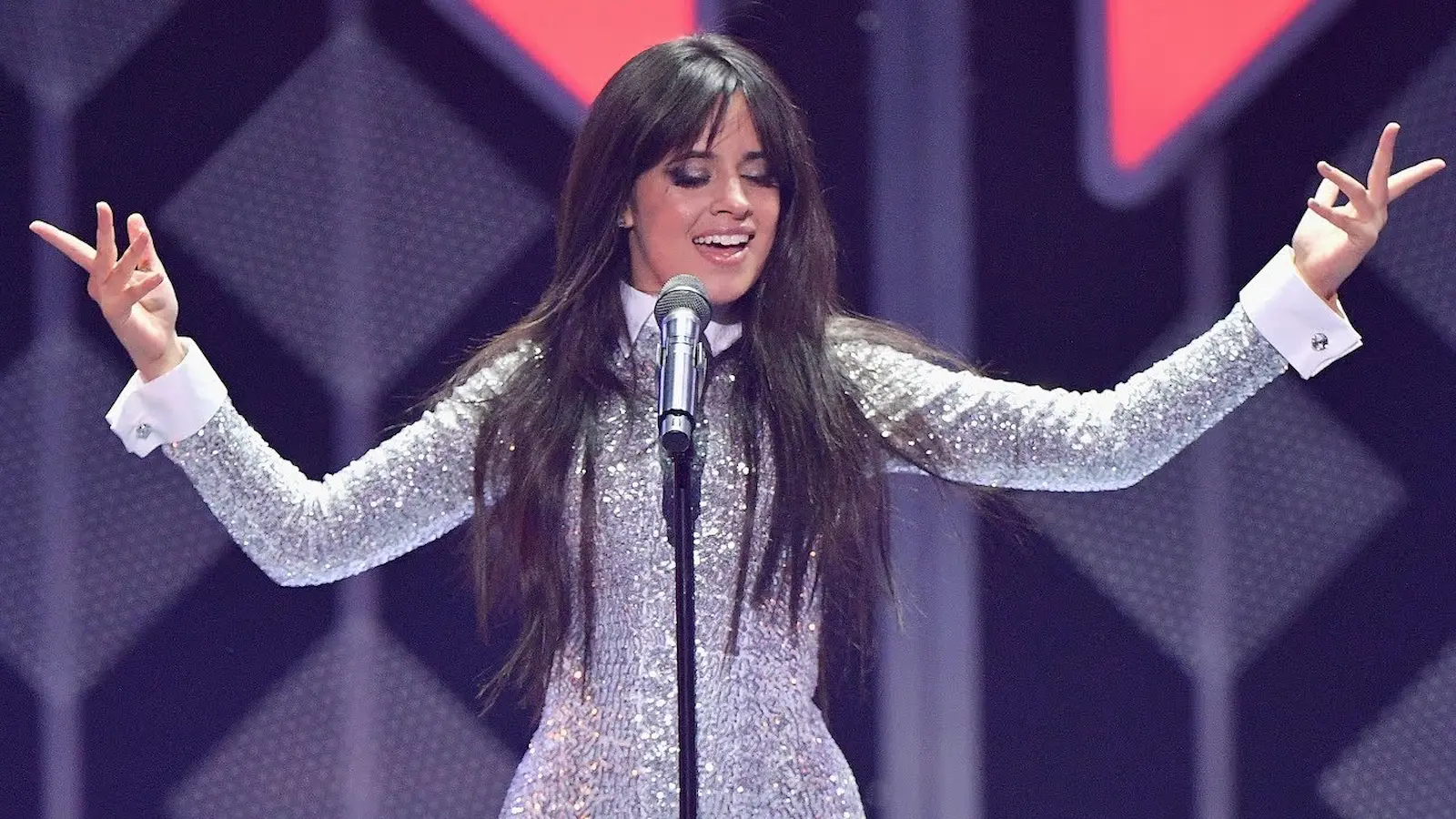
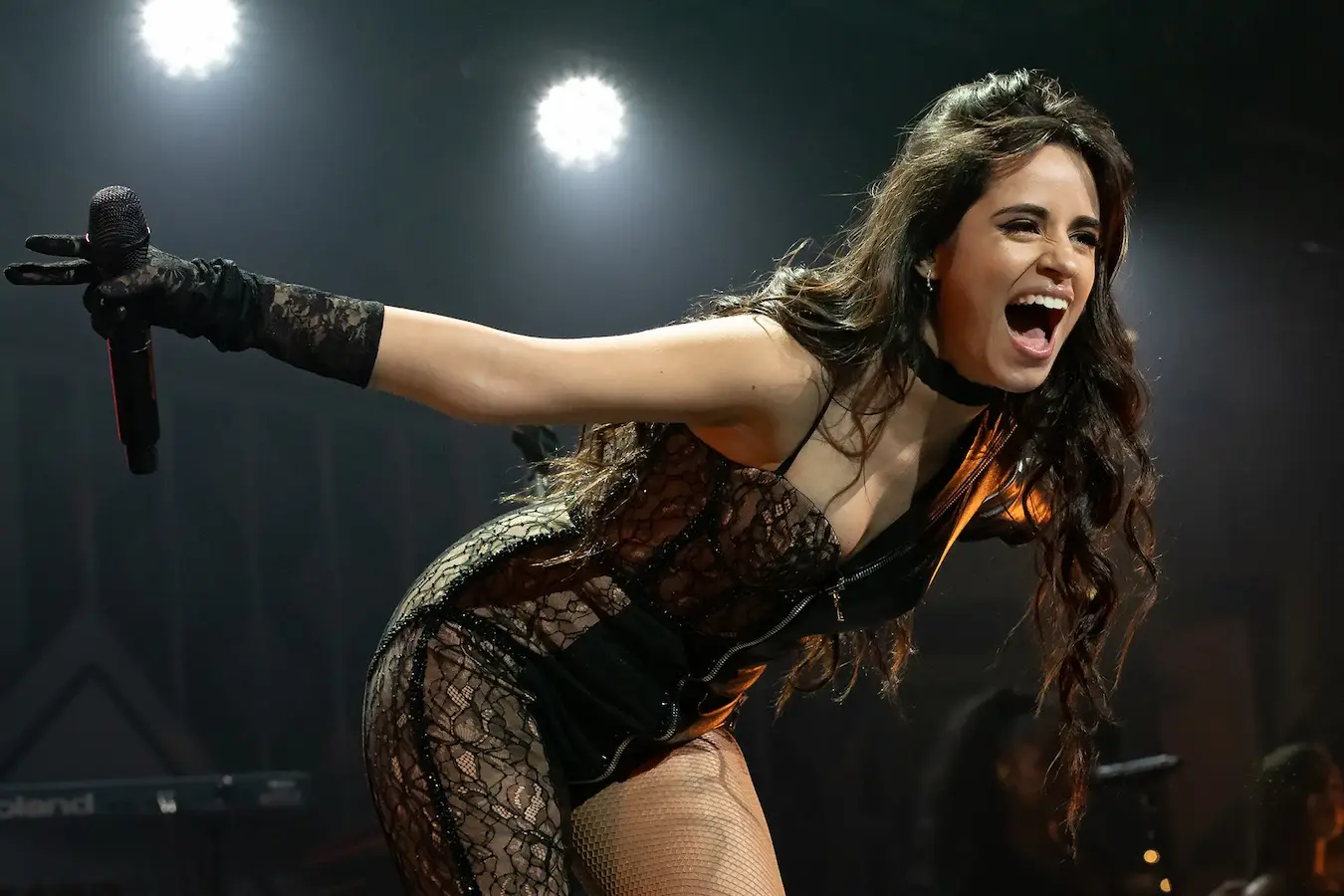
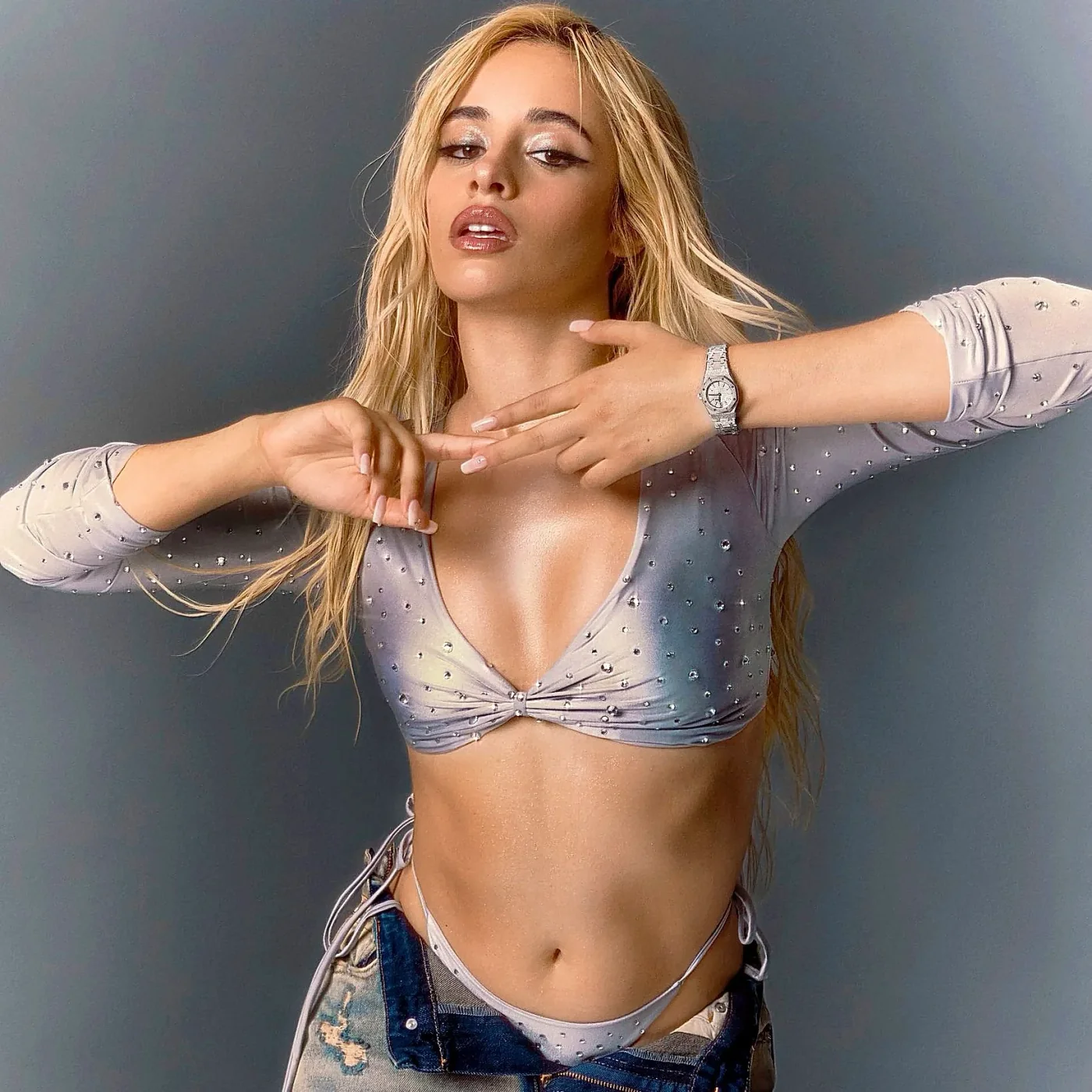
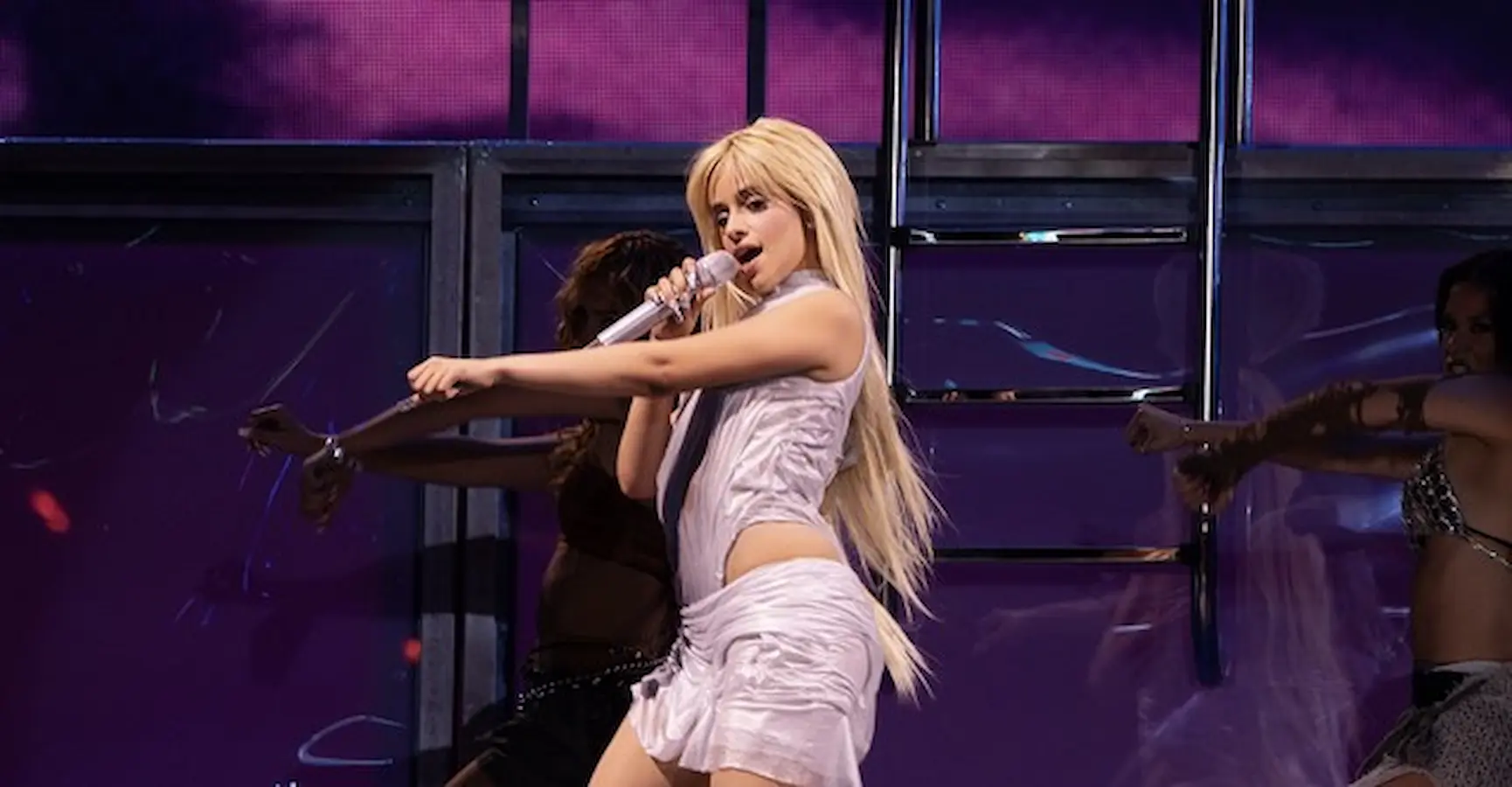
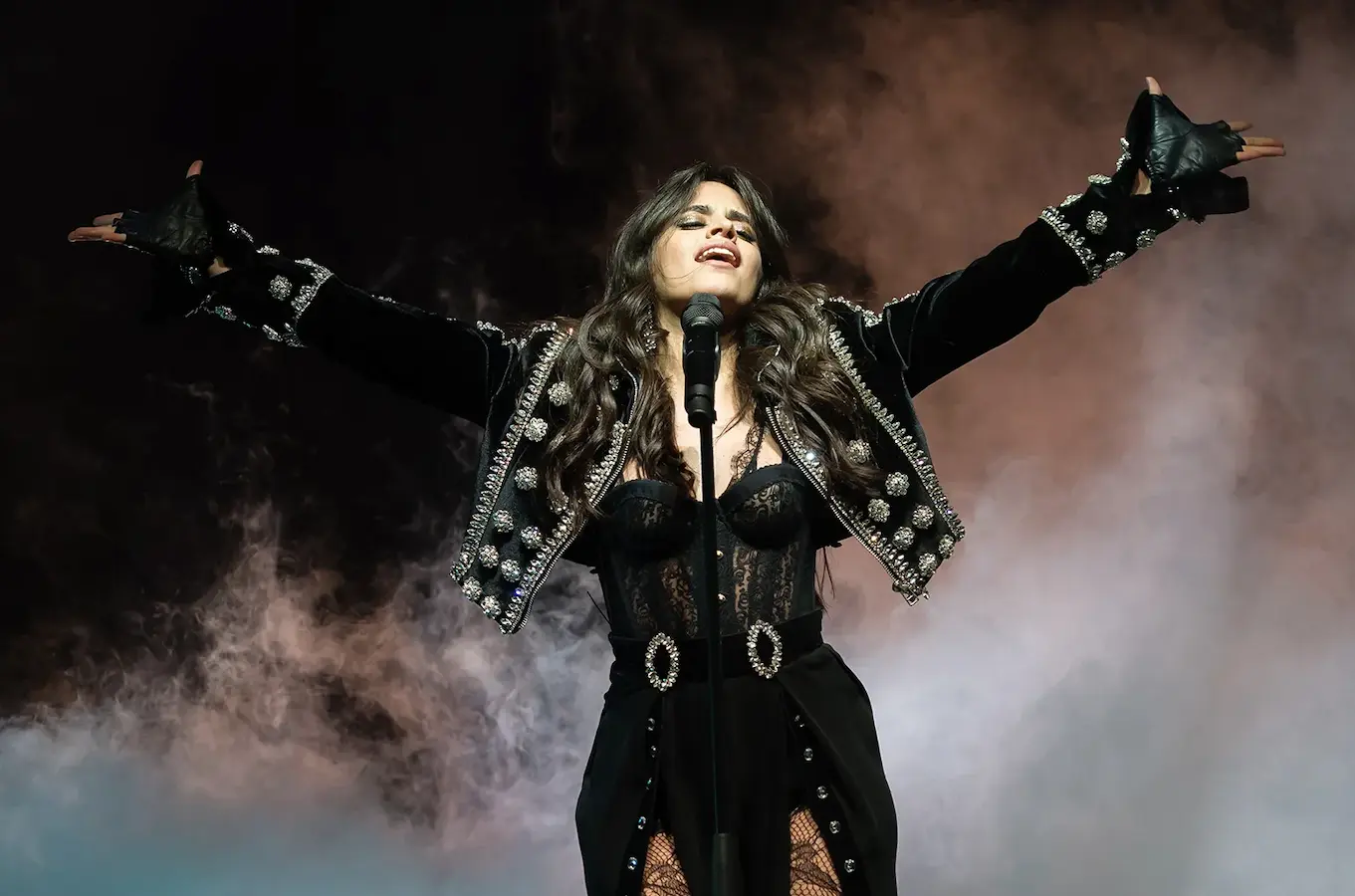
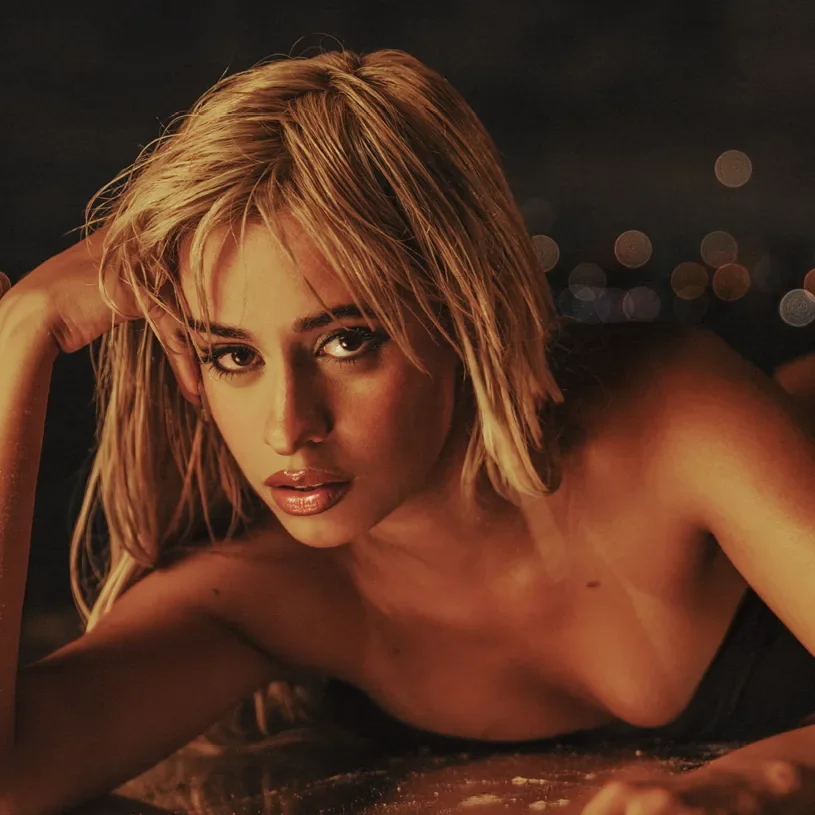
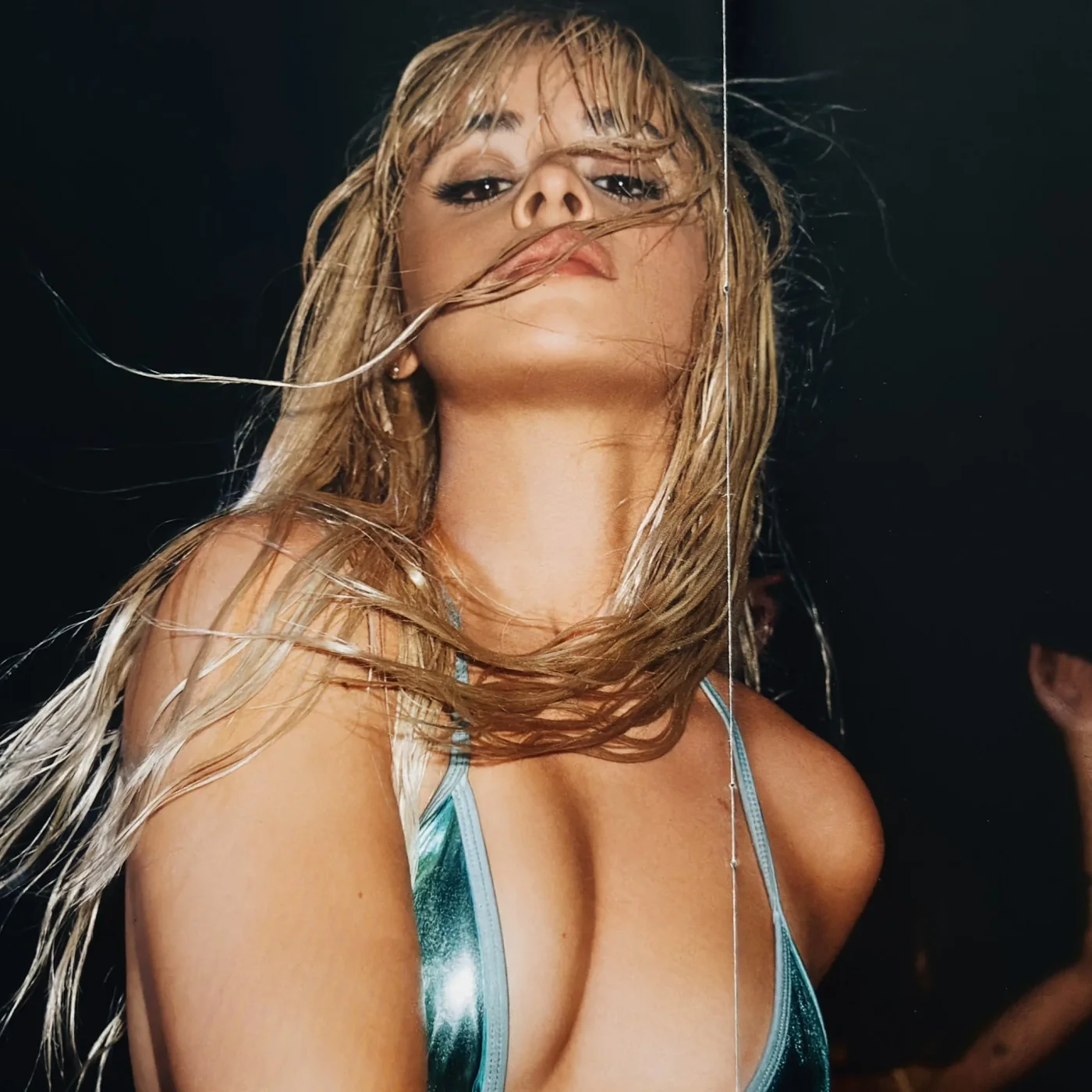
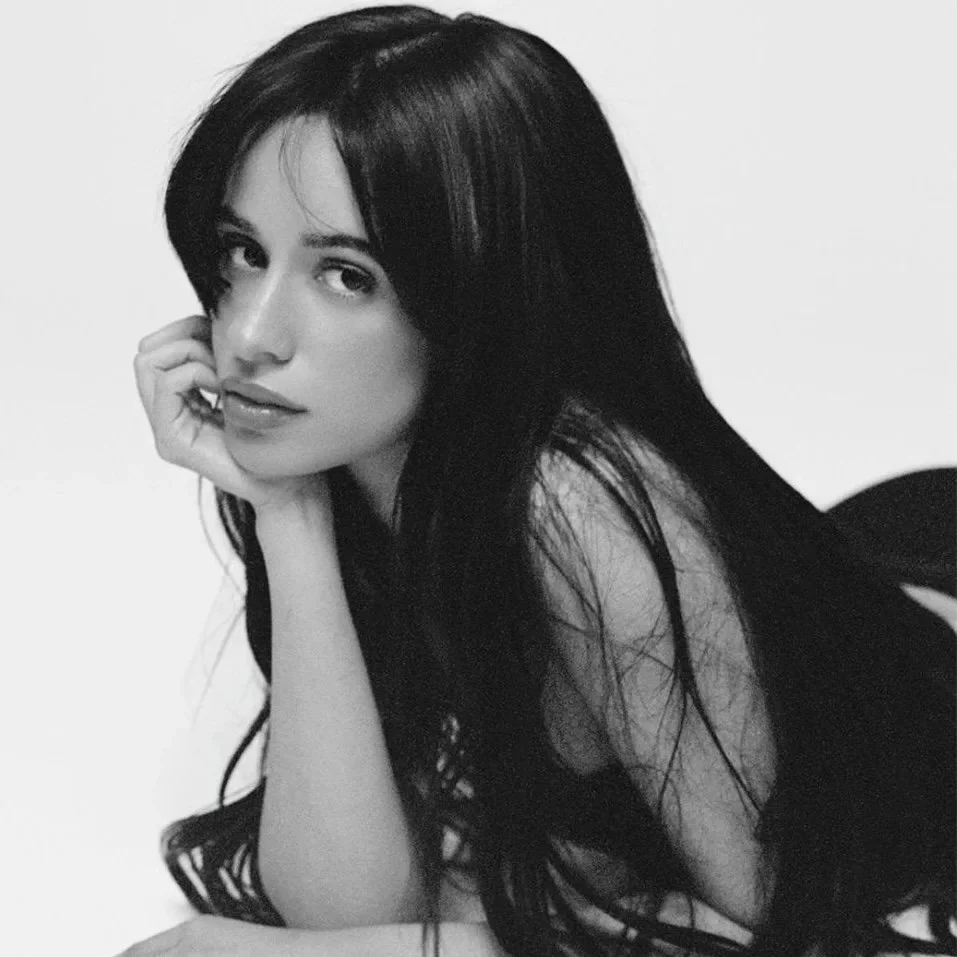
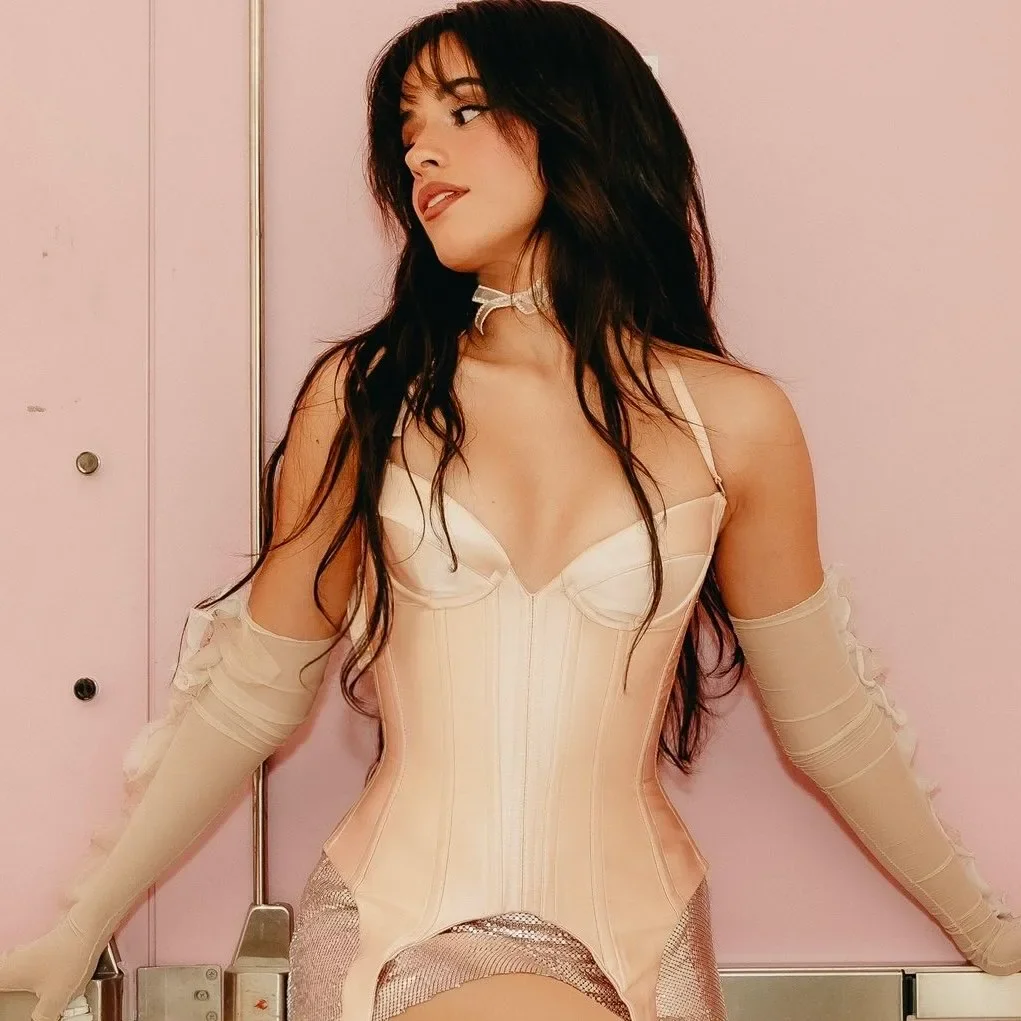
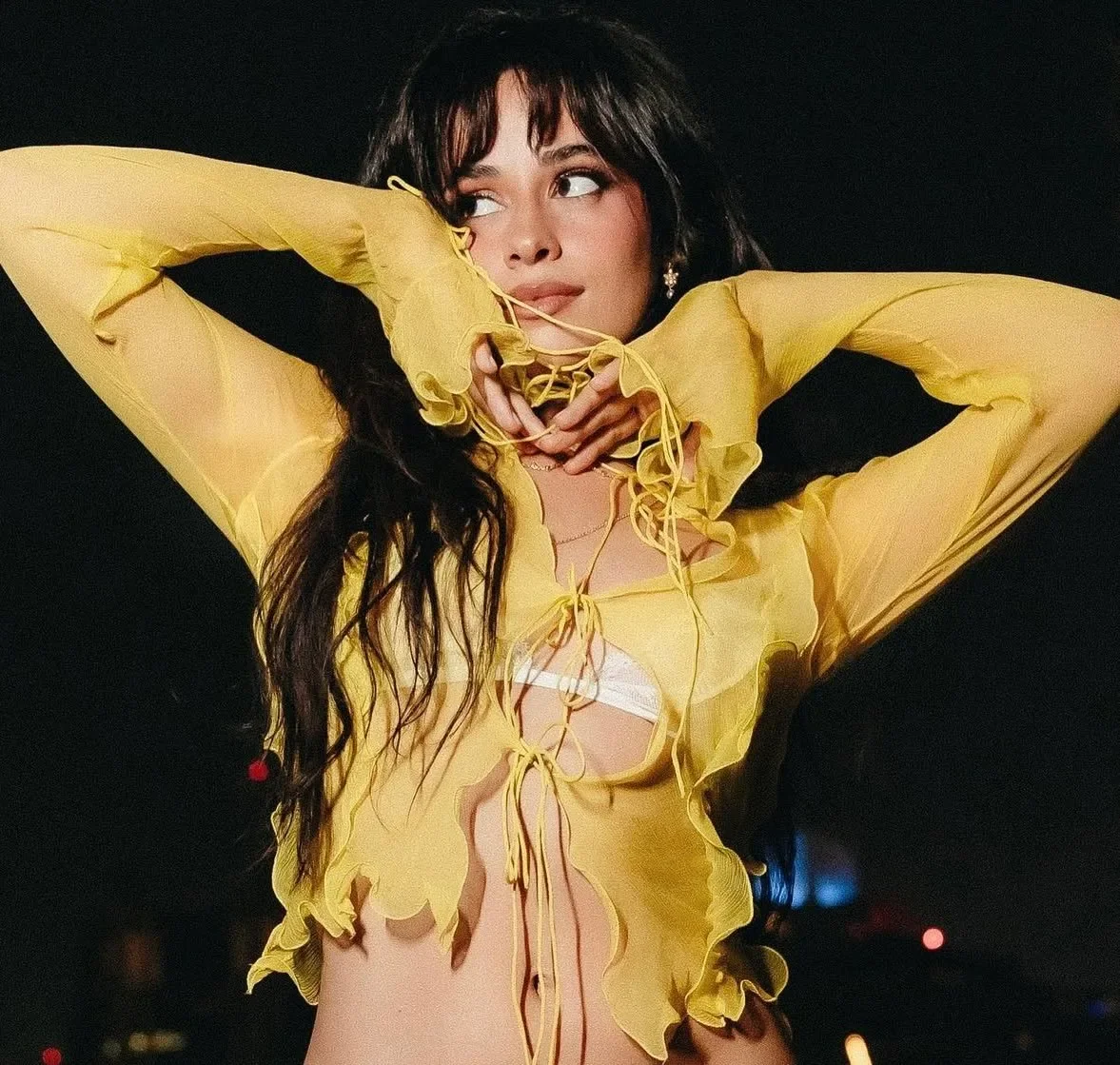
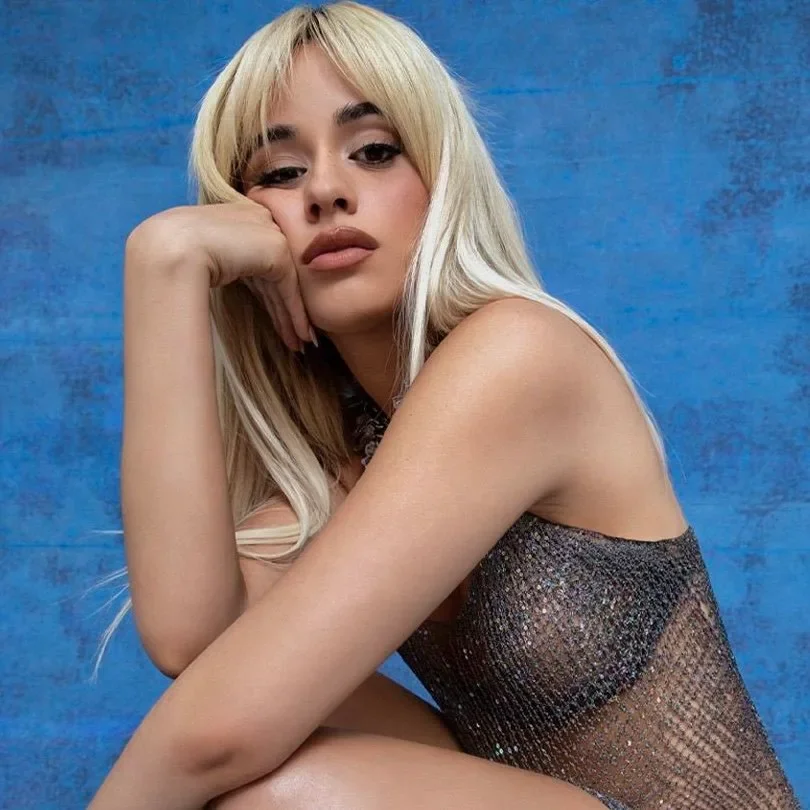
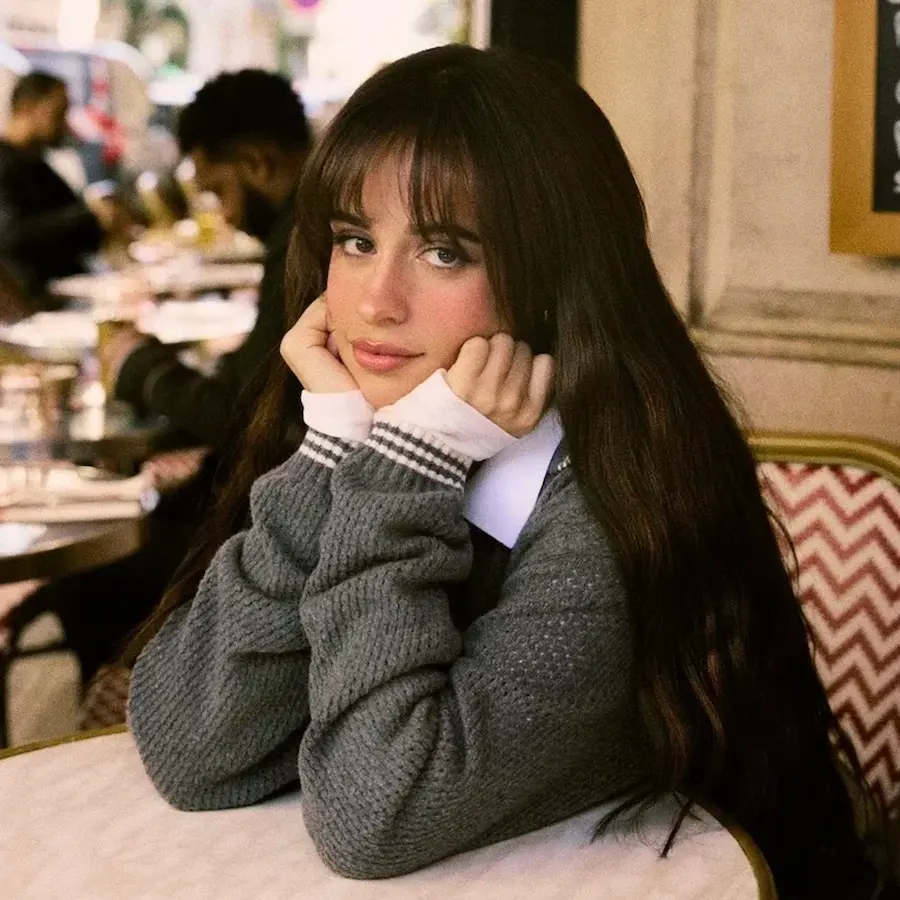
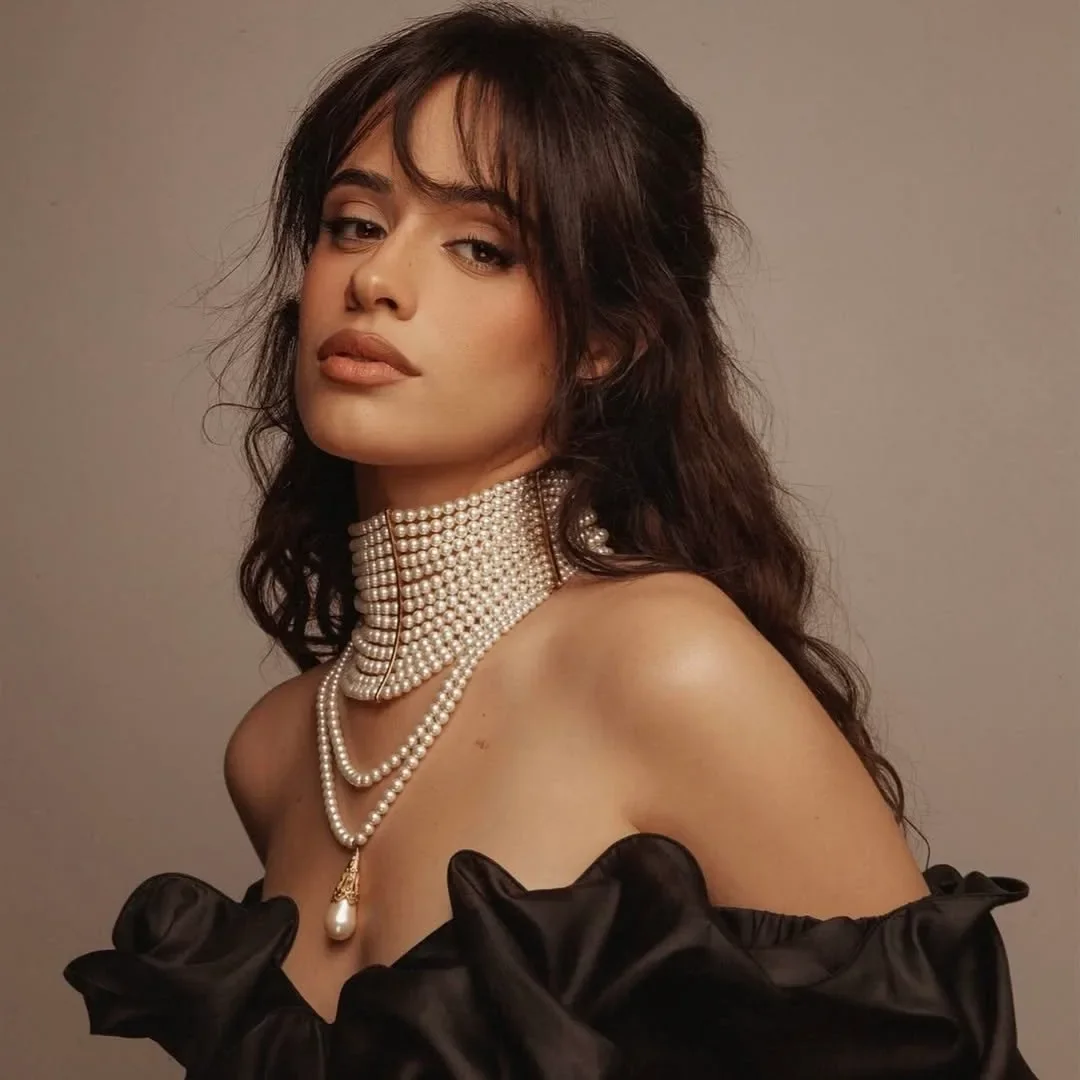
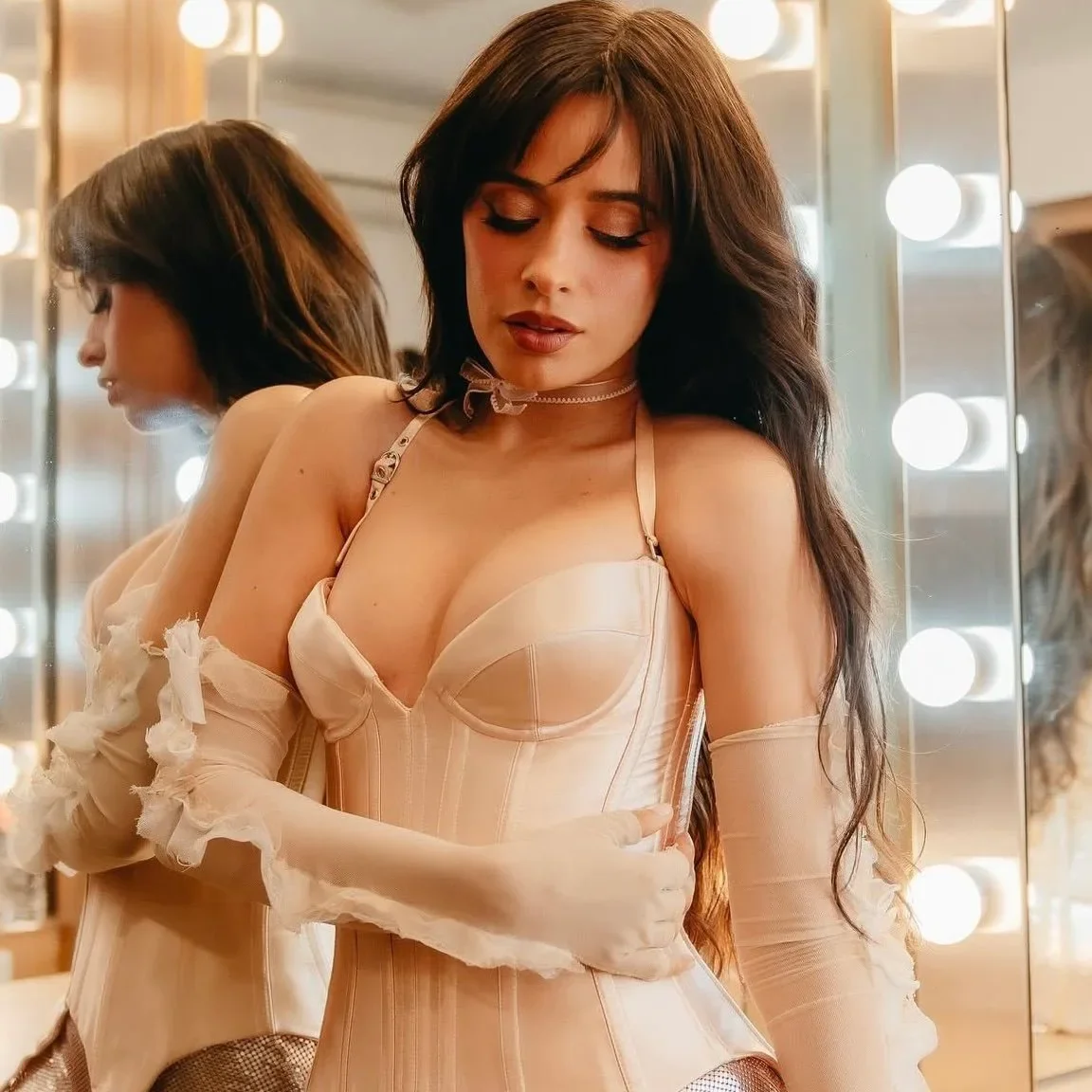
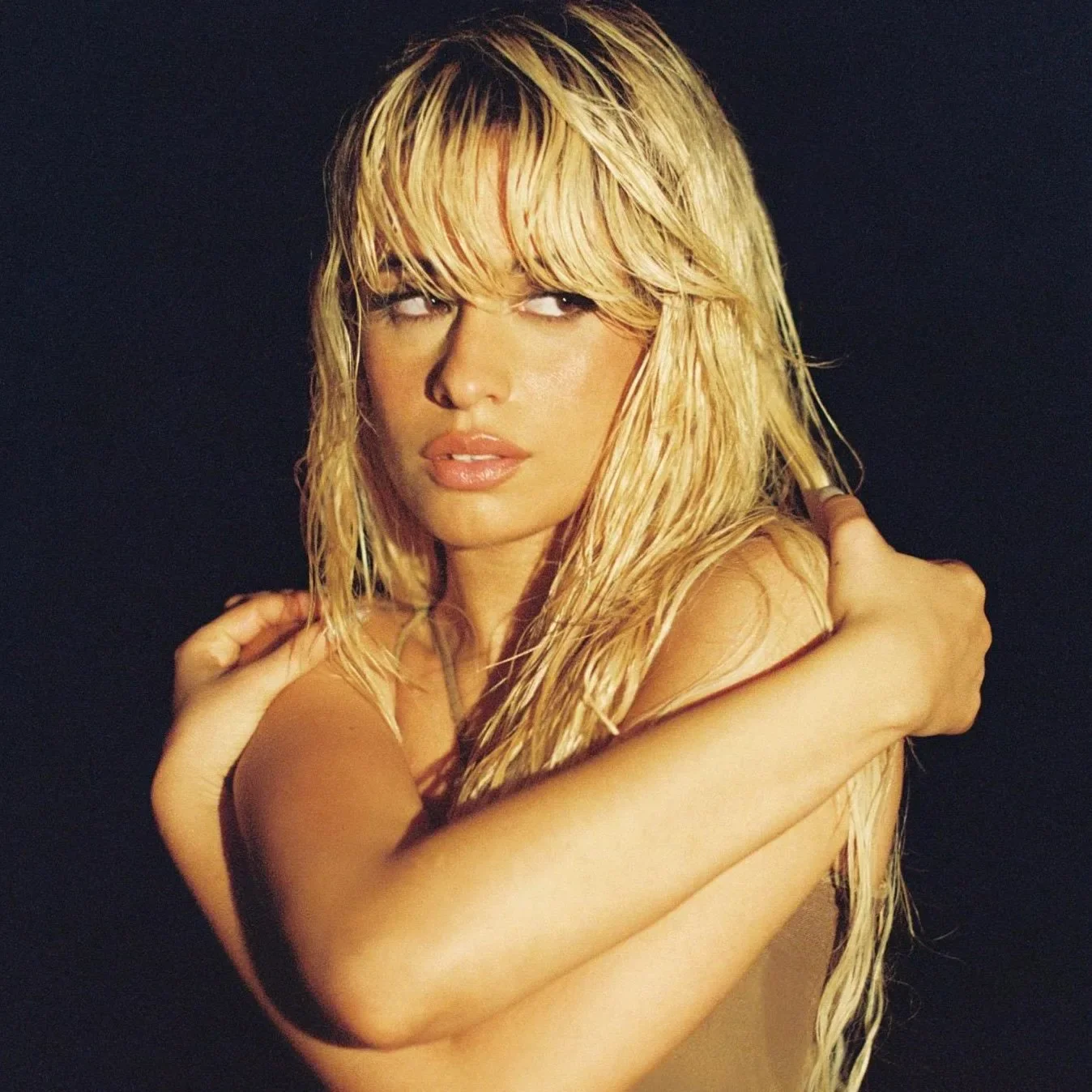
Camila Cabello belongs to the generation of pop stars who learned to grow up in front of cameras, fandoms, social media and abrupt identity changes. Her story does not begin with a fully defined artist, but with a teenager entering a television competition, landing inside a group with enormous exposure and then having to discover what she sounded like when she finally stood alone in front of the microphone. That transition, from visible member of Fifth Harmony to author of her own emotional universe, is essential to understanding her career: Camila became interesting not only because she had hits, but because she turned the search for identity into a central part of her music.
Born in Cuba and culturally shaped between the Caribbean, Mexico and Miami, Camila built an intense relationship with language, migration and belonging from early on. Her voice has always carried something confessional: even in huge, brightly produced songs, she often sounds like someone telling a dramatized version of her diary. She is not a distant or cold singer. Her pop lives on impulses, nerves, crushes, insecurity, theatricality and a kind of romantic intensity that sometimes feels adolescent and at other times becomes an adult portrait of desire, loss and transformation.
Fifth Harmony was her first massive school. There she learned choreography, promotional discipline, group dynamics, fandom pressure and global exposure. But it also became clear that her presence had a particular weight: a recognizable voice, a more dramatic way of phrasing and an ease with carrying emotional lines. The collaborations “I Know What You Did Last Summer” with Shawn Mendes and “Bad Things” with Machine Gun Kelly worked as early signs that Camila could sustain an identity outside the group. They were not yet a full declaration, but they opened windows into an artist who wanted to narrate from a more personal place.
Leaving Fifth Harmony opened a delicate chapter. In pop, separating from a successful group can be a major risk: it forces an artist to prove that the public was not only following the collective brand, but also the individual voice. “Crying in the Club” was a first attempt at a solo introduction, but the real turning point came with “Havana.” That song did something fundamental: it gave Camila a cultural, rhythmic and narrative center. It was not simply a tropical hit; it was an emotional postcard of origin, nostalgia and seduction. With Young Thug, a recognizable piano line and a highly accessible Latin pulse, “Havana” turned her story into global sound.
The album Camila consolidated that identity. “Never Be the Same” showed a more intense, almost addictive version of love. “Consequences” carried the drama into ballad territory. “She Loves Control” and “Inside Out” strengthened her connection to Caribbean rhythms and pop sensuality. What mattered about that first album was that it did not try to erase her girl group past, but it made clear that Camila wanted to be read as an emotional author, not only a pop vocalist. The best music from that era has the quality of an intimate telenovela: big feelings, clear images, direct melodies and a vulnerability unashamed of being exaggerated.
Romance pushed that logic to the extreme. The title was honest: it was an album obsessed with the romantic experience in all its phases, from euphoria to anxiety. “Señorita,” again with Shawn Mendes, became a global phenomenon because it had chemistry, tension, light sensuality and a play of glances the public almost read as real-life narrative. “Shameless,” “Liar,” “Living Proof” and “My Oh My” expanded her world between pop, R&B, Latin identity, desire and theatricality. Camila was not trying to sound minimal. Her language was abundant, emotional, sometimes melodramatic, always ready to turn a relationship into a stage.
With Familia, her Latin identity appeared in a more explicit and domestic way. “Don’t Go Yet” sounded like a family party: claps, color, percussion, chorus and memory. “Bam Bam,” with Ed Sheeran, took a breakup and turned it into light philosophy: life falls apart, gets back up and keeps dancing. That album worked as an exploration of roots, home, heartbreak, resilience and belonging. Not everything in Familia aimed for the global impact of “Havana”; part of its charm was in sounding closer, more communal, more connected to an idea of family not only as surname, but as emotional rhythm.
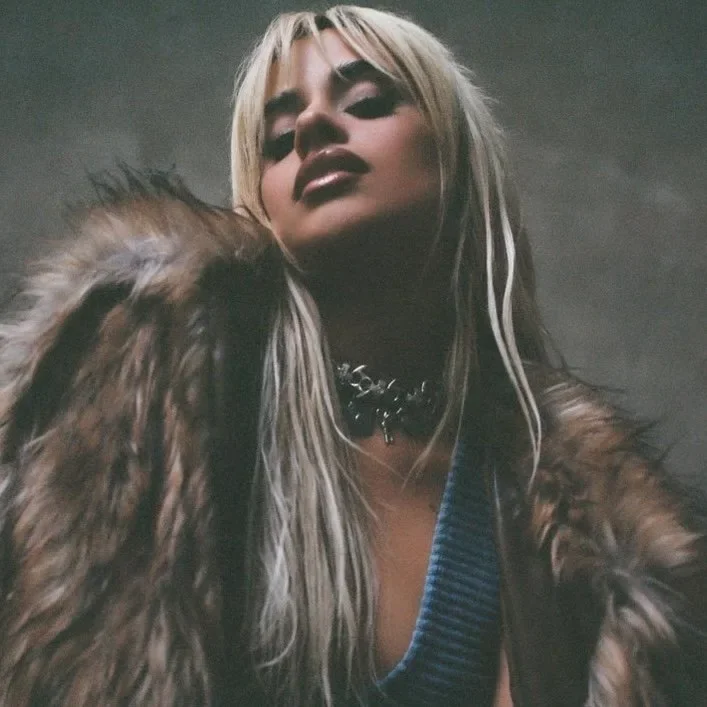
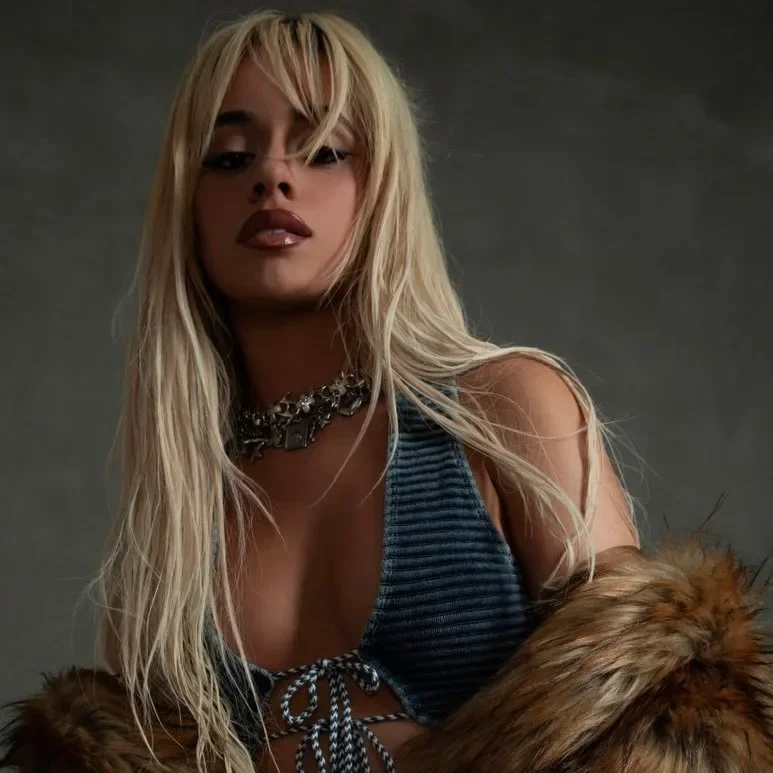
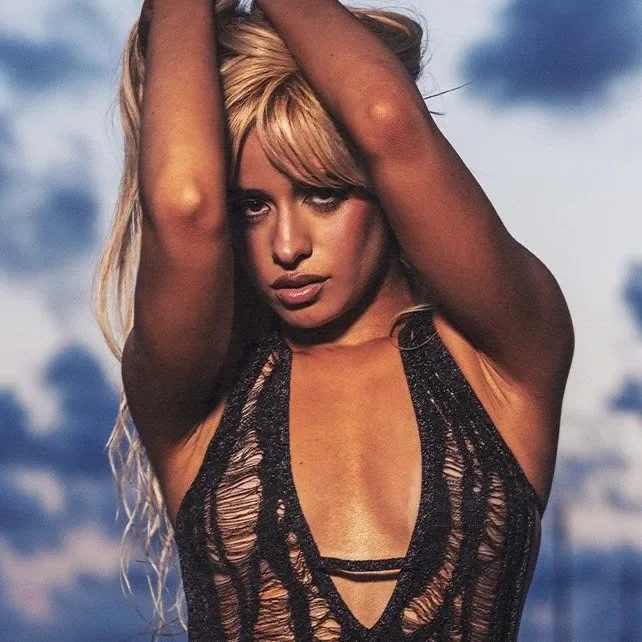
C,XOXO marked a strong aesthetic shift. Cabello moved away from part of the warm, organic image of Familia and entered a world that felt more Miami, more nocturnal, more chaotic, more digital and more risky. “I Luv It” with Playboi Carti, “He Knows” with Lil Nas X, “Chanel No.5” and the overall tone of the project showed a Camila less interested in pleasing expectations and more willing to experiment with hyperpop, hip-hop, alt-pop and club textures. It was not an easy era for every listener, but it was an important statement: Camila did not want to remain frozen as the girl from “Havana.”
Camila Cabello matters because she represents a very contemporary version of the Latin pop star: bilingual in spirit even when not always in language, emotionally exposed, visually changeable and willing to move between balladry, club music, global pop and migrant memory. Her career still feels in transformation, and that is part of her appeal. At her best, Camila sounds like someone who has not finished understanding herself, but who turns that search into song. And in pop, sometimes that uncertainty is worth more than a perfectly closed image.
Main genre
POP
Main subgenres
Like a superfan's list — except verified, with sources and links.
02–Sep 11, 2022
Rio de Janeiro, Rio de Janeiro · Brazil
PastWhat we managed to link to the concert archive. If a date is missing, tell us — happens to us too.
No linked concerts
Every concert and festival of the year, traced on the globe. Hit play and follow the route stop by stop.
Photos from the public archive.
Recent coverage linked to the artist.


Close by genre and social signal.
No related artists
When there is enough genre signal, they will appear here.