












Ranking
#81

Ranking
#81
Followers
89.5 M
Digital presence
Official profiles, streaming and discovery.
What a good fan recites by heart (or pretends to).
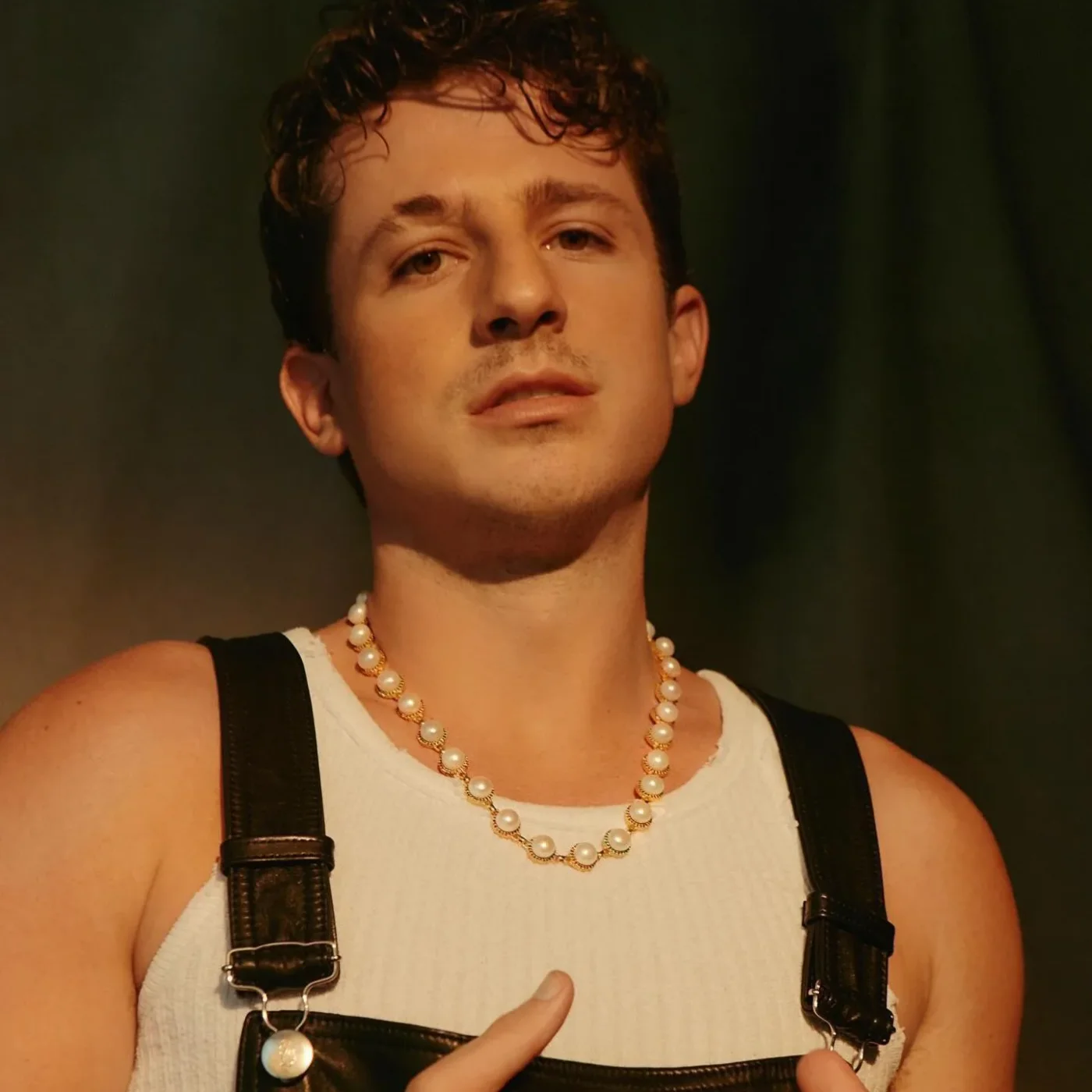
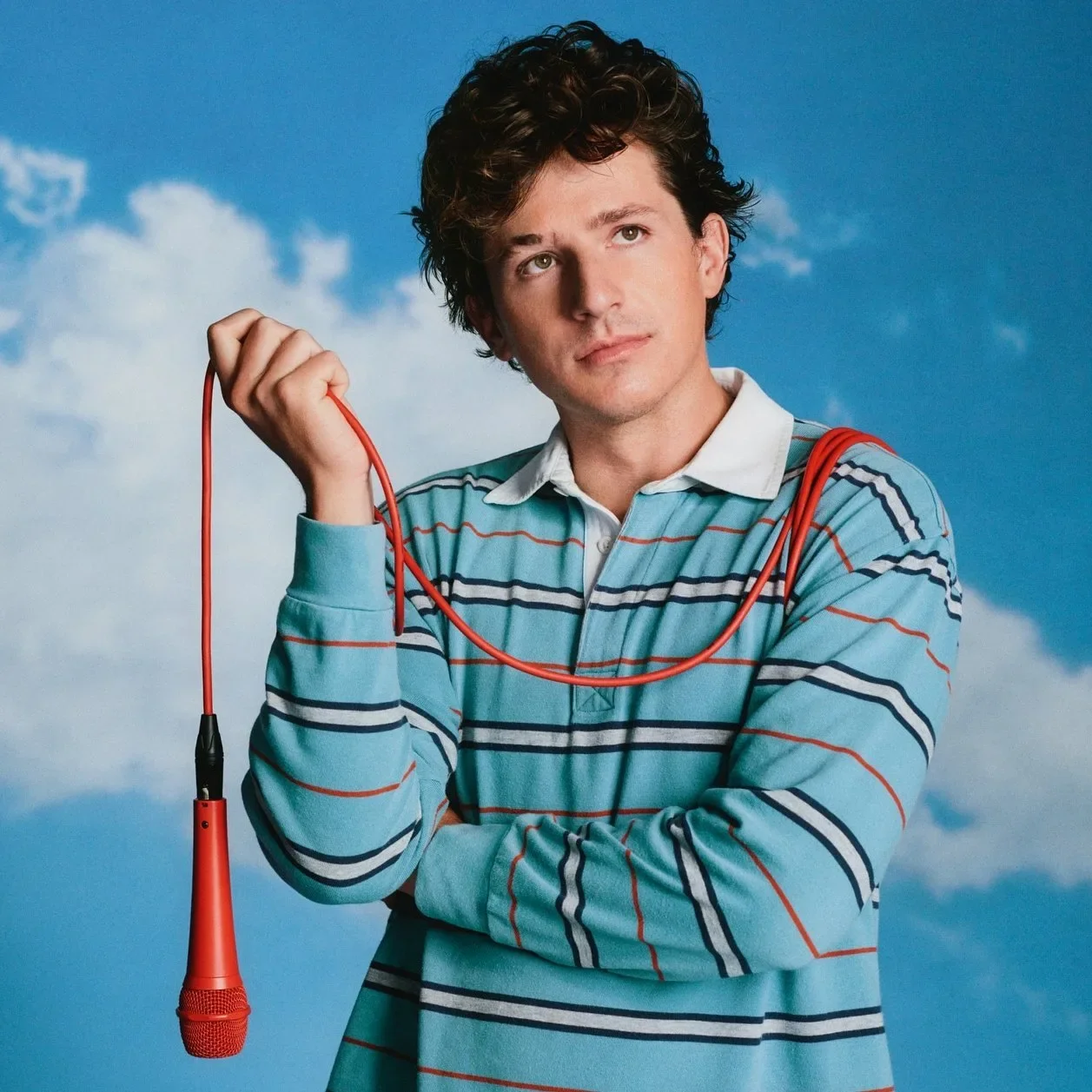
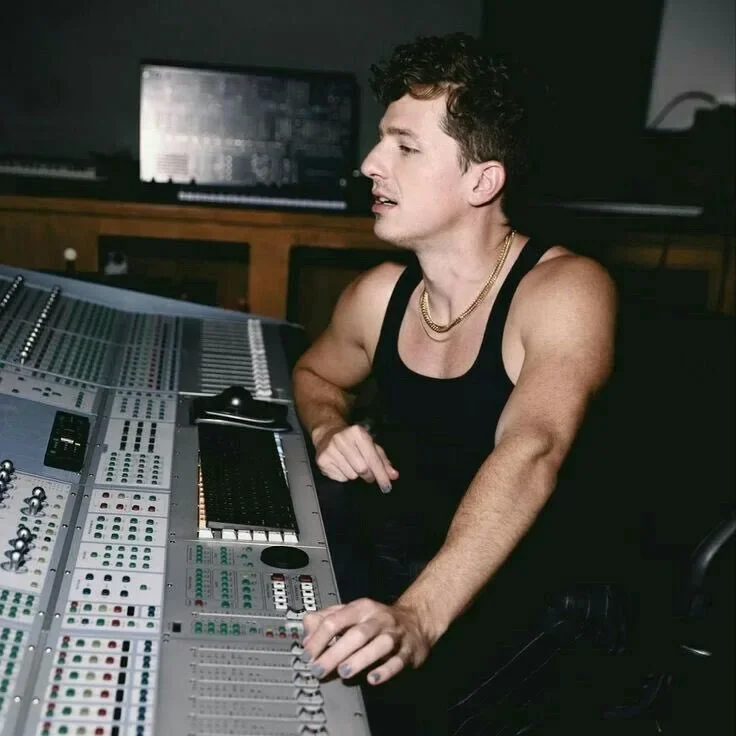
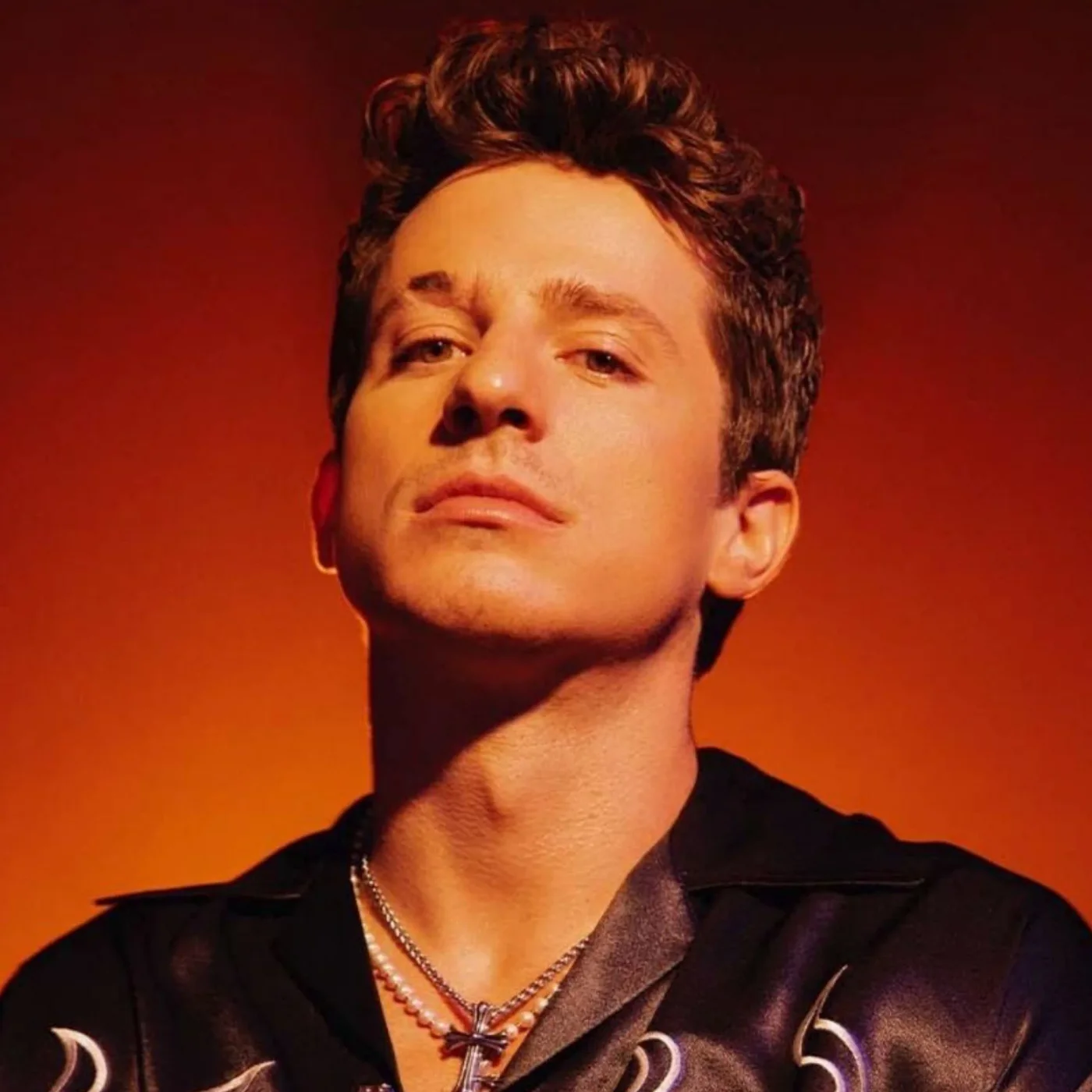
Charlie Puth belongs to a kind of pop artist whose greatest instrument is not only the voice, but the ear. His career makes the most sense when you think of someone who hears the world as if almost anything could become harmony: a conversation, a street sound, a casual phrase, a phone pulse, a tiny everyday gesture. In a pop era often built around image, reinvention, and persona, Puth has become recognizable through something more internal: an obsession with melody, vocal arrangement, unexpected chords, and the idea that a commercial song can still be built with almost surgical precision.
Born in Rumson, New Jersey, Charlie developed an early relationship with music that shaped nearly everything that came later. Piano, classical training, jazz, and homemade production all sit at the center of his identity before fame. He is not the story of a singer who arrived in a studio and learned to fit inside an already assembled pop machine. His story is closer to that of someone who understood music as a system from a young age, a mix of instinct and calculation. That foundation explains why even his most direct songs often carry a harmonic detail, a stacked vocal line, or a production choice that reveals the musician behind the hit.
Before becoming a global name, Puth found his first real stage online. YouTube and social media were not simply promotional tools for him; they were a workshop where he could show covers, ideas, humor, vocal skill, and an unusually sharp ear for attention. Berklee strengthened his technical vocabulary, but part of his public education happened in front of a digital audience that rewarded immediacy. That blend of serious music training and internet culture helps explain what makes him distinctive. Charlie Puth can speak the language of mainstream pop while still thinking like a producer, arranger, and lifelong student of song structure.
The major explosion came with “See You Again,” alongside Wiz Khalifa. The song carried a very specific emotional charge: farewell, memory, friendship, and grief inside a pop-rap ballad designed to be understood instantly. Its chorus made Puth a global voice almost overnight, but it also placed him in a complicated position: a young artist associated with a massive, sentimental, cinematic song before he had fully introduced his own world. For many listeners, that was the first time they heard his tone: clear, nostalgic, slightly fragile, and suspended over a clean chord progression that did not need to explain itself.
With “Marvin Gaye,” “One Call Away,” and Nine Track Mind, Puth entered the space of wide-reaching romantic pop. That first phase showed melodic ease, retro references, and an obvious talent for writing songs that could live on radio, television, and personal playlists. It also revealed a tension that would become important in his evolution: on one side, the young hitmaker able to deliver sticky choruses; on the other, the jazz-trained musician searching for an identity that felt less manufactured. That tension made the next phase more interesting.
Voicenotes was the moment when Charlie Puth seemed to find a better balance between pop craft and musical personality. Songs such as “Attention” and “How Long” showed a sleeker, more rhythmic, more confident sound, with prominent bass lines, carefully arranged vocals, and production that drew from funk, R&B, ’80s pop, and soft rock without sounding like simple nostalgia. “Attention” was especially important because it revealed a sharper version of Puth: less innocent, more ironic, more aware of groove, and more comfortable using falsetto, breath, and space as part of the arrangement.
One of his greatest strengths is the way he produces voices. Puth does not treat the voice only as the lead performance; he uses it as instrument, texture, and architecture. His background vocals often feel placed with almost mathematical care, but the result aims to sound light rather than academic. In his best songs, technique does not block emotion; it organizes it. That is essential to his appeal. He can explain a song as if he were taking apart a watch, but when he sings it, the mechanism becomes simple again.
Charlie opened another side of him: the artist who turns the creative process into part of the story. By documenting fragments of writing and production on TikTok, Puth let the audience get close not only to the finished song, but to the small spark that begins it. “Light Switch,” “Left and Right,” and other songs from that phase reflect a sensibility very much shaped by the digital era: immediate hooks, recognizable sounds, shareable moments, and an almost instructional transparency about how contemporary pop is assembled.
As a songwriter and producer for others, he has also shown a strong ability to understand someone else’s voice. His work is not only about writing pleasant melodies. He often looks for the exact point where a song can sound emotional and efficient at the same time. That combination has made him a useful collaborator across different corners of pop and has allowed him to move between singer, studio producer, and musician who enjoys showing how the machinery works from the inside.
Charlie Puth matters because he represents a modern version of the pop craftsman: someone who can come from the internet, understand the logic of the hit, keep the ear of a jazz musician, and turn production itself into part of his artistic brand. His music does not always try to break the mold, but it often tries to tune that mold until every piece sits exactly where it should. At his best, a Charlie Puth song feels like an emotional equation: precise, melodic, bright on the surface, and built so that beneath the simplicity you can still hear the careful work of someone who cannot stop hearing music in everything.
Main genre
POP
Main subgenres
Like a superfan's list — except verified, with sources and links.
25–Jun 27, 2026
Odense · Denmark
Past
20–Jun 28, 2026
Portugal
Past
13–Sep 22, 2024
Rio de Janeiro, Rio de Janeiro · Brazil
Past20–May 21, 2023
Guadalajara, Jalisco · Mexico
PastSep 27 – Oct 06, 2019
Rio de Janeiro, Rio de Janeiro · Brazil
PastWhat we managed to link to the concert archive. If a date is missing, tell us — happens to us too.
Auckland · New Zealand
Tickets →Charlie Puth - Whatever's Clever! World Tour
Every concert and festival of the year, traced on the globe. Hit play and follow the route stop by stop.
Photos from the public archive.
Recent coverage linked to the artist.


Close by genre and social signal.
No related artists
When there is enough genre signal, they will appear here.