







Ranking
#30

Ranking
#30
Followers
177.8 M
Digital presence
Official profiles, streaming and discovery.
What a good fan recites by heart (or pretends to).
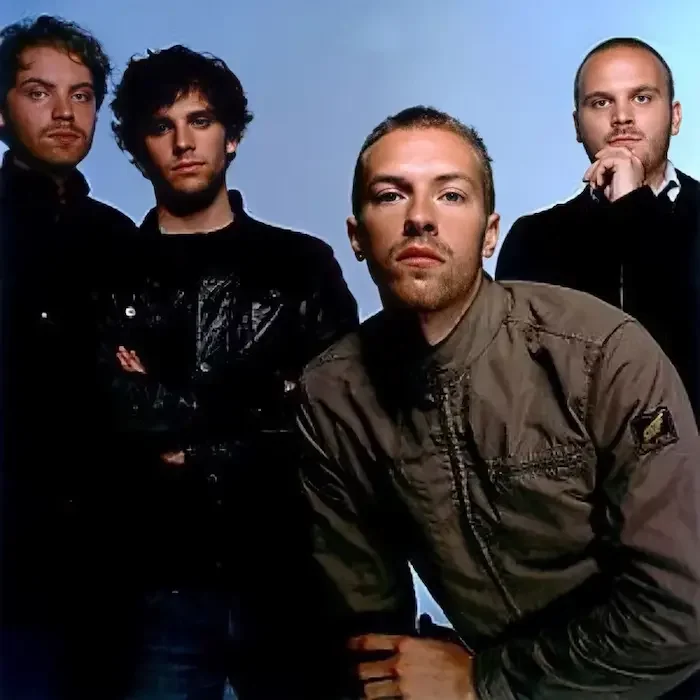
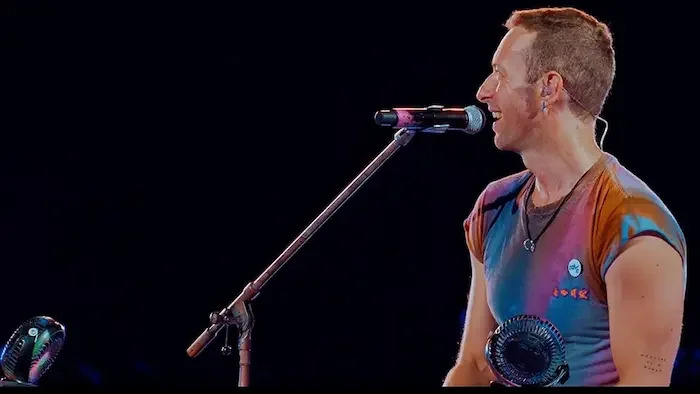
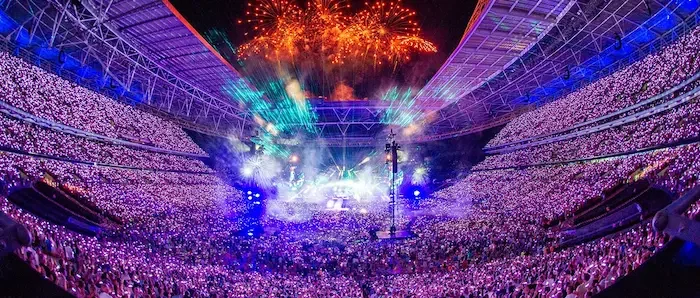
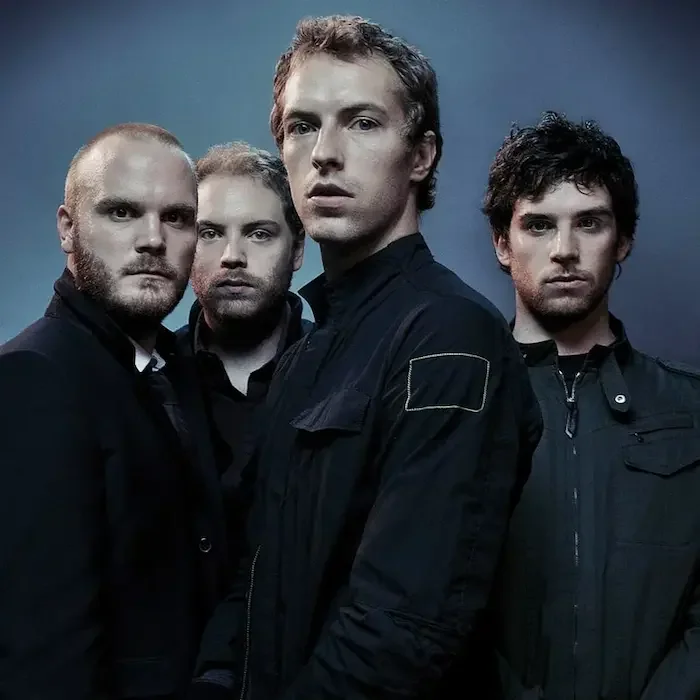
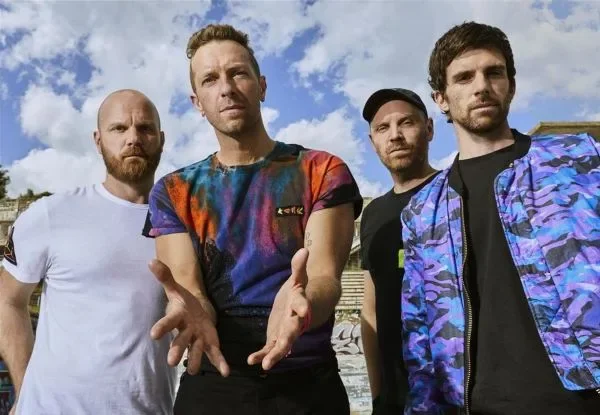
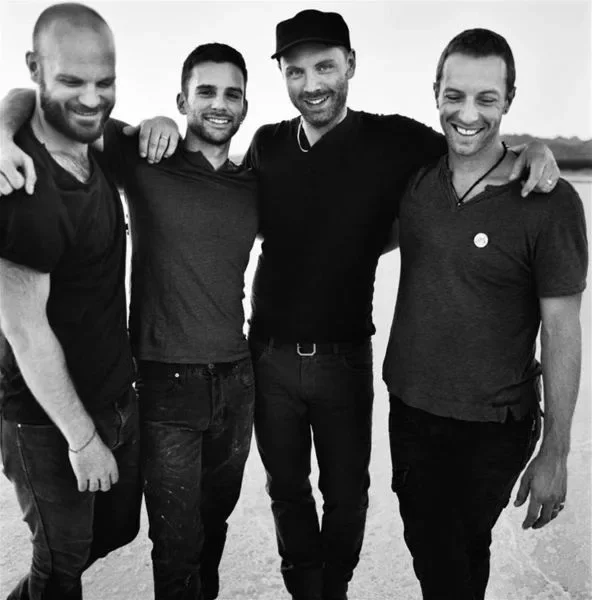
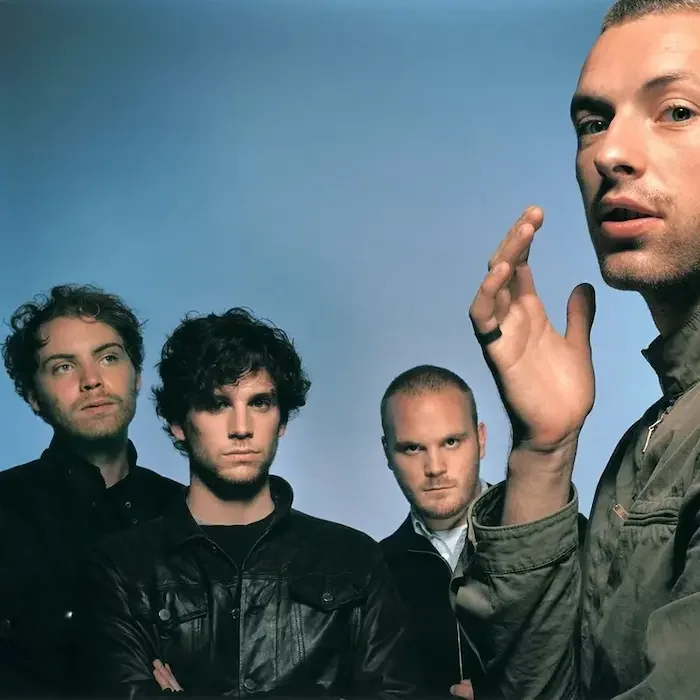
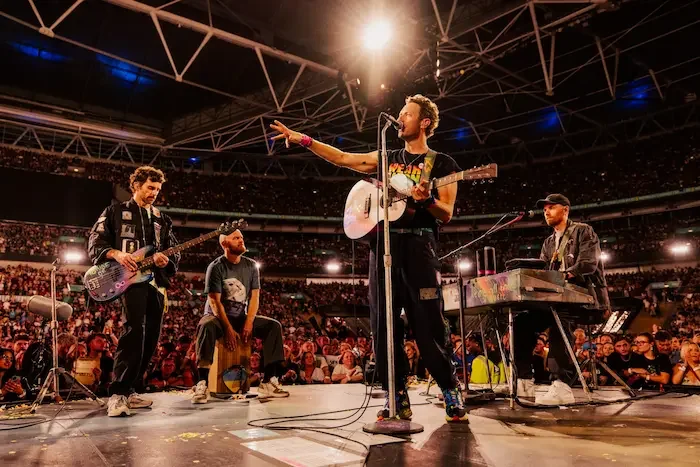
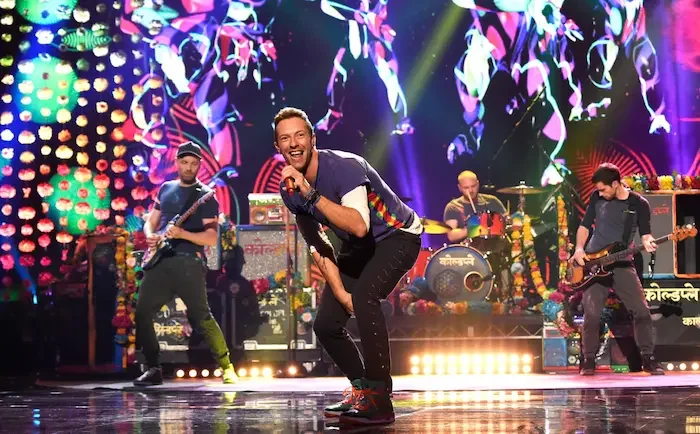
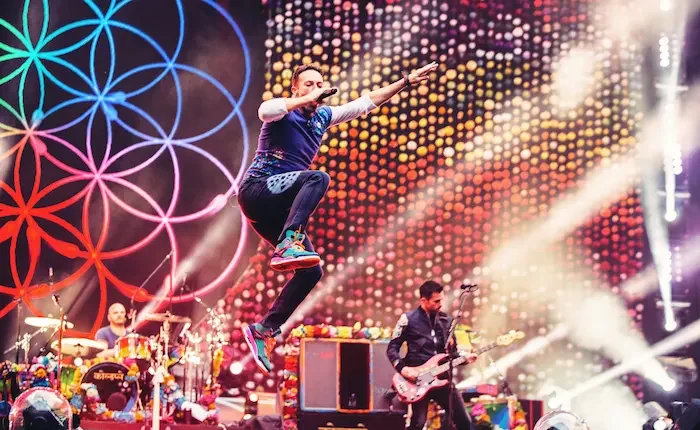
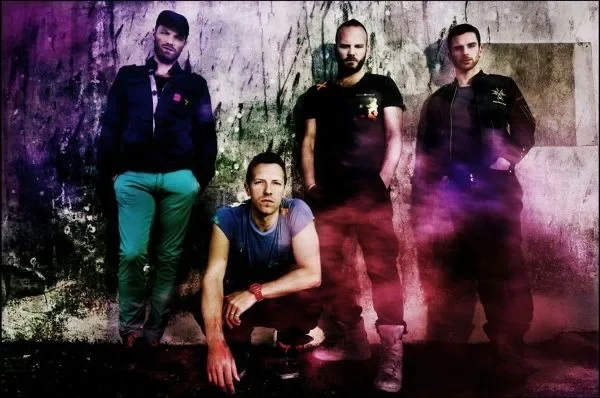
Coldplay is one of those bands that millions love without asking permission, while critics have spent more than two decades arguing about them without managing to shrink their real size. Their story is full of a fascinating contradiction: they began as a melancholic, university-born, almost shy band, with songs made of guitar, piano, fragile falsetto and London rain, and ended up becoming architects of one of the brightest stadium spectacles of the twenty-first century. Few bands have traveled so far from intimate emotion to planetary scale. Coldplay started by looking at the ground and ended up asking entire crowds to raise their hands to the sky.
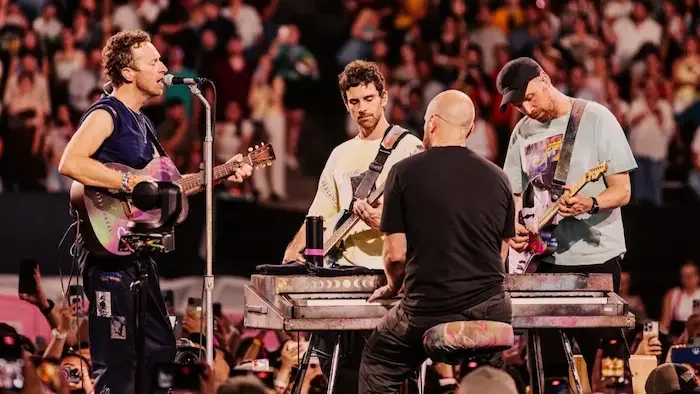
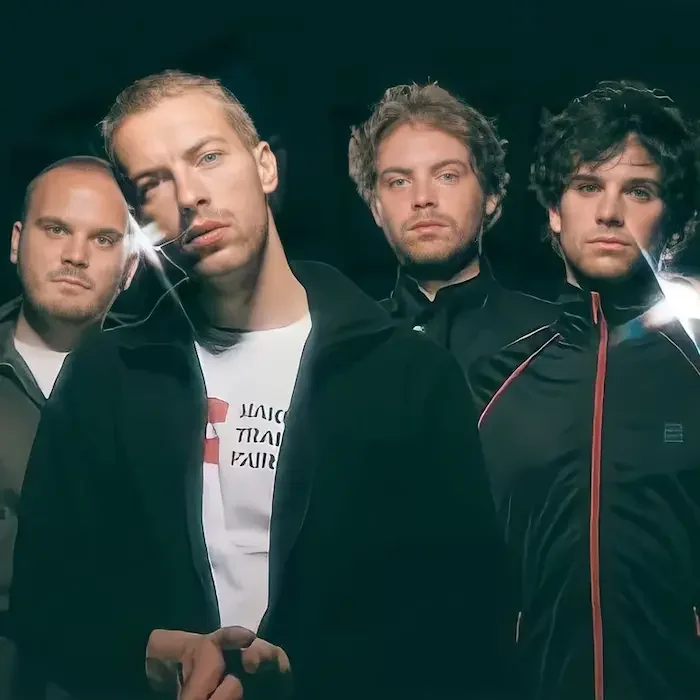
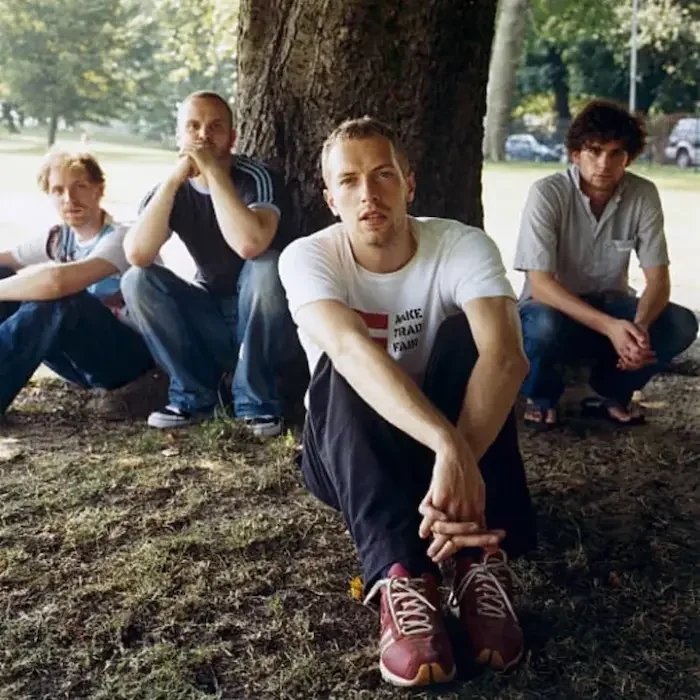
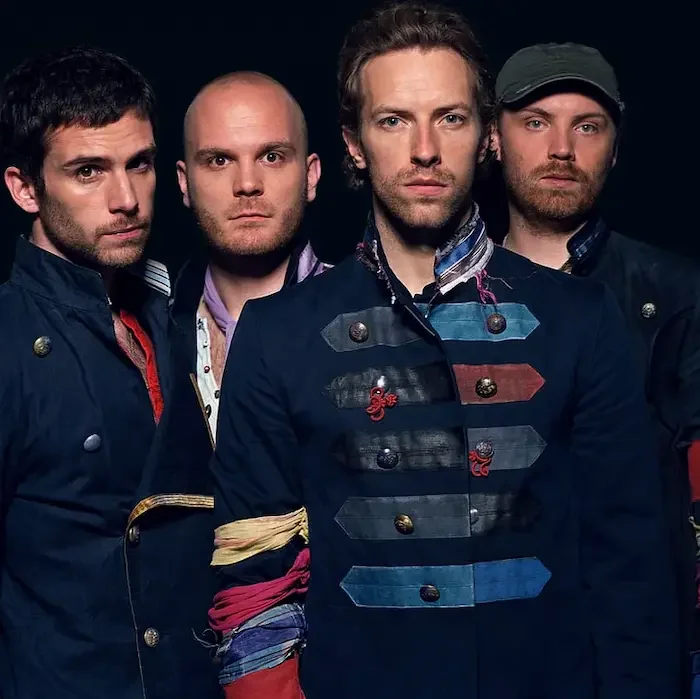
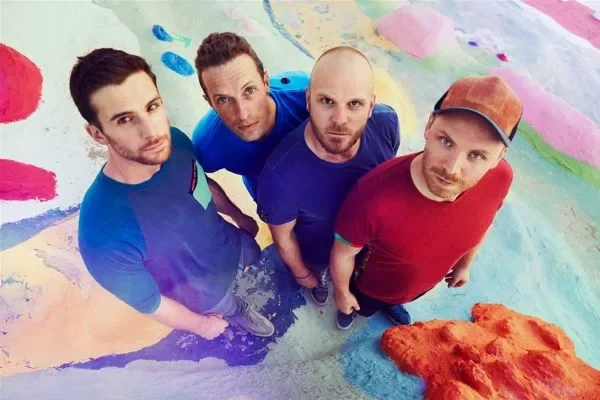
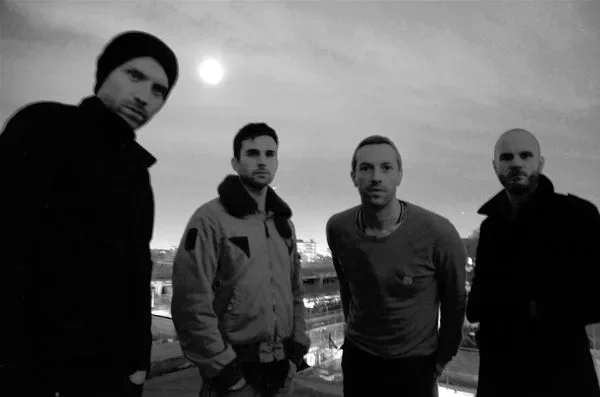
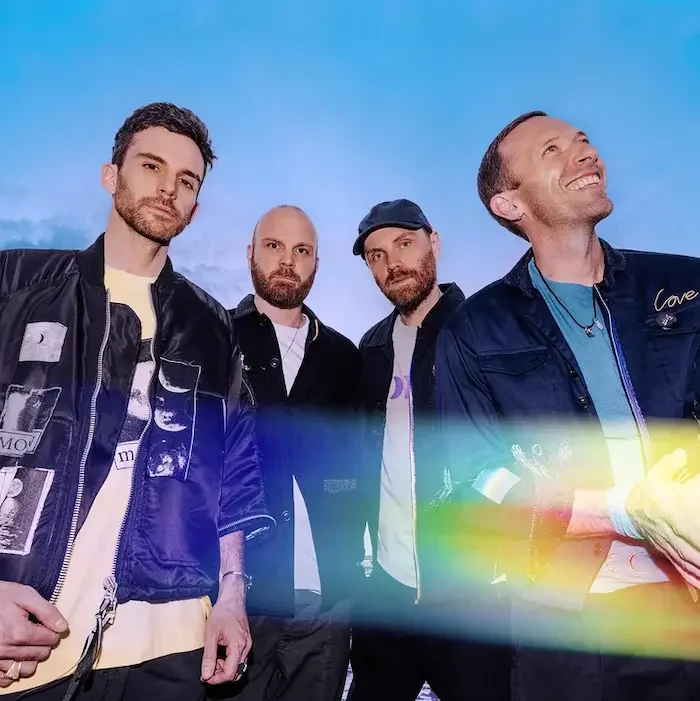
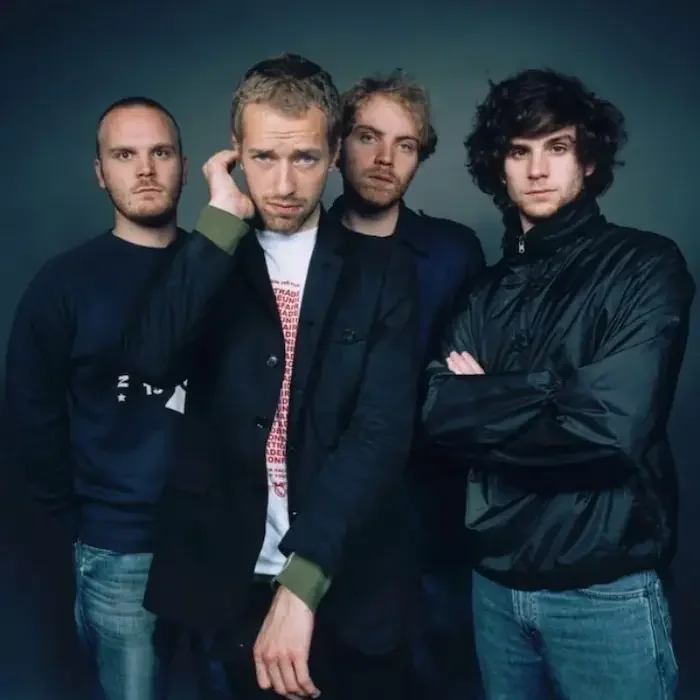
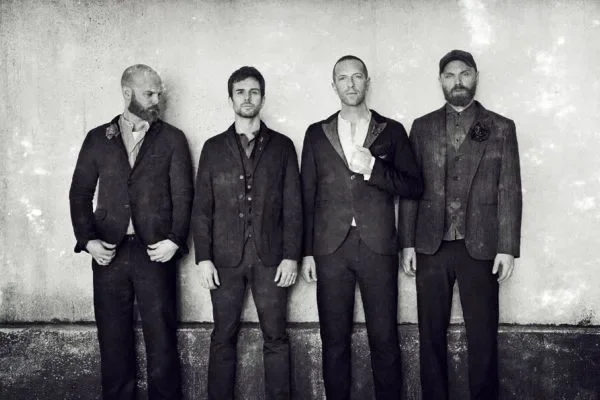
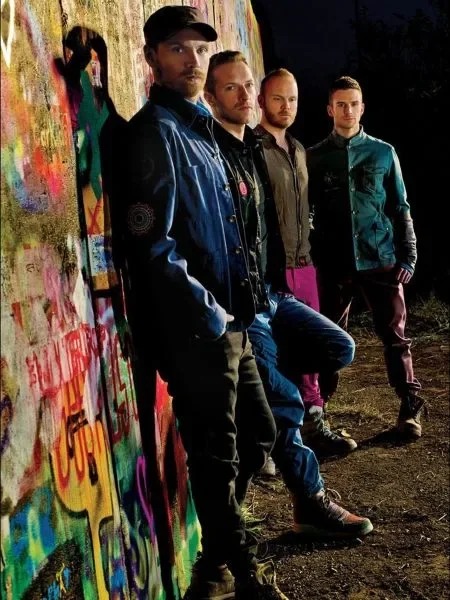
The origin is London, around University College London, where Chris Martin, Jonny Buckland, Guy Berryman and Will Champion built a chemistry that did not depend on excessive virtuosity, but on shared sensitivity. At first, Coldplay did not look like a band destined for visual excess. Their early identity was closer to introspection: contained songs, clean guitars, emotional piano, a voice that seemed to crack without fully cracking, and a tendency to turn very simple feelings — love, doubt, loss, hope — into unexpectedly large anthems. That would become their most powerful formula: taking common emotions and giving them an almost spiritual height.
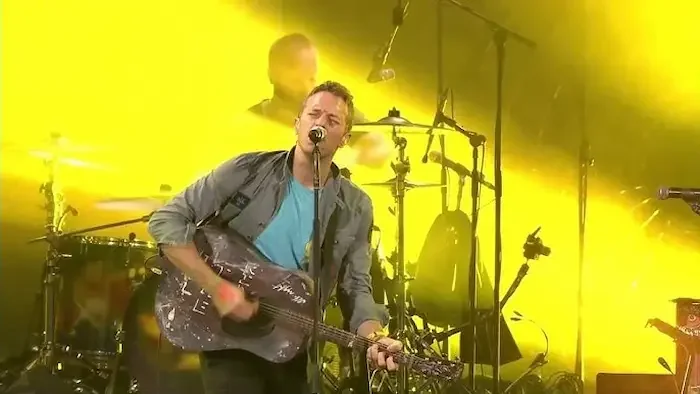
Parachutes was the birth of that language. “Yellow” was not only a hit; it was an entrance into a kind of alternative sentimentality that arrived just as Britpop was fading and rock was looking for new tones. The song had something elemental: looking at the stars, naming the color yellow, singing from an almost innocent devotion and letting a simple guitar grow enormous. “Trouble,” “Don’t Panic” and “Sparks” reinforced that feeling of luminous fragility. Coldplay did not sound aggressive or ironic. They sounded vulnerable, and at that moment vulnerability felt different.
A Rush of Blood to the Head raised the stakes decisively. If Parachutes had introduced a sensitive band, the second album revealed a far larger ambition. “In My Place” expanded the emotional scale. “The Scientist” turned regret into one of the most recognizable ballads of its generation. “Clocks” found a hypnotic piano motif that could sound like urgency, fate and mantra all at once. That album was crucial because it proved Coldplay was not a one-song accident. There was architecture: tension, repetition, crescendo, catharsis. The band understood how to build songs that began small and ended up feeling too large for the room.
With X&Y came the first truly monumental version of Coldplay. “Speed of Sound,” “Talk” and, above all, “Fix You” strengthened their vocation for the anthem. “Fix You” may be the song that best summarizes the band’s most recognizable heart: direct consolation, rising melody, simple lyric and a final explosion designed to be sung by thousands of people at once. For their detractors, that was exactly the problem: too much emotion, too much clarity, too much desire to heal. For their fans, that was precisely the greatness. Coldplay has never been afraid of sounding sentimental if the song reaches the right place.
Viva la Vida or Death and All His Friends was an important reinvention. With Brian Eno as a key creative figure, the band moved away from the more direct ballad-rock format and began playing with textures, bells, strings, percussion, choirs and a more baroque aesthetic. “Violet Hill” sounded rougher. “Lovers in Japan” opened windows of color. “Strawberry Swing” offered beautiful lightness. “Viva la Vida” turned the fall of a king into global pop. That song was enormous because it sounded different within their own catalog: no dominant guitar, martial strings, historical melancholy and a chorus that felt ceremonial. It was Coldplay proving they could change clothes without losing their emotional instinct.
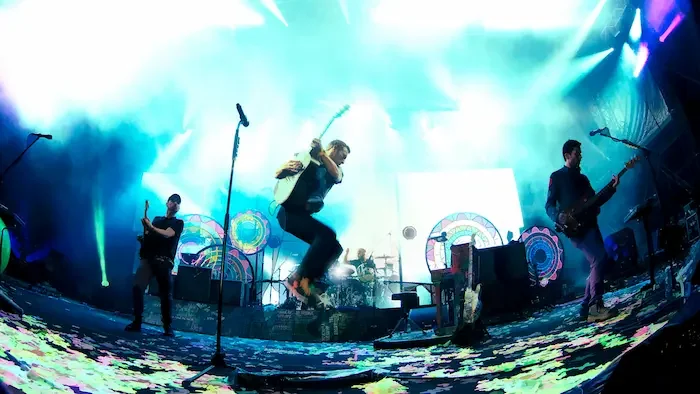
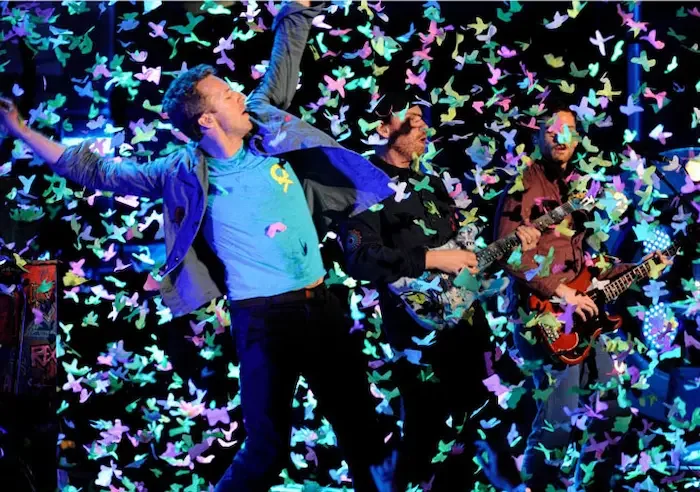
Then came the chromatic expansion. Mylo Xyloto pushed the band toward a more fluorescent, narrative and youthful pop. “Paradise,” “Every Teardrop Is a Waterfall” and “Charlie Brown” seemed built for lights, wristbands, confetti and crowds. Ghost Stories, in contrast, turned back toward wounded intimacy, more electronic and nocturnal, with “Magic” and “A Sky Full of Stars” splitting the album between private grief and festival explosion. A Head Full of Dreams fully embraced celebration: colors, collaborations, pop spirituality, dancing, and an almost therapeutic idea of community. By then, Coldplay was no longer only a rock band; it had become a collective experience.
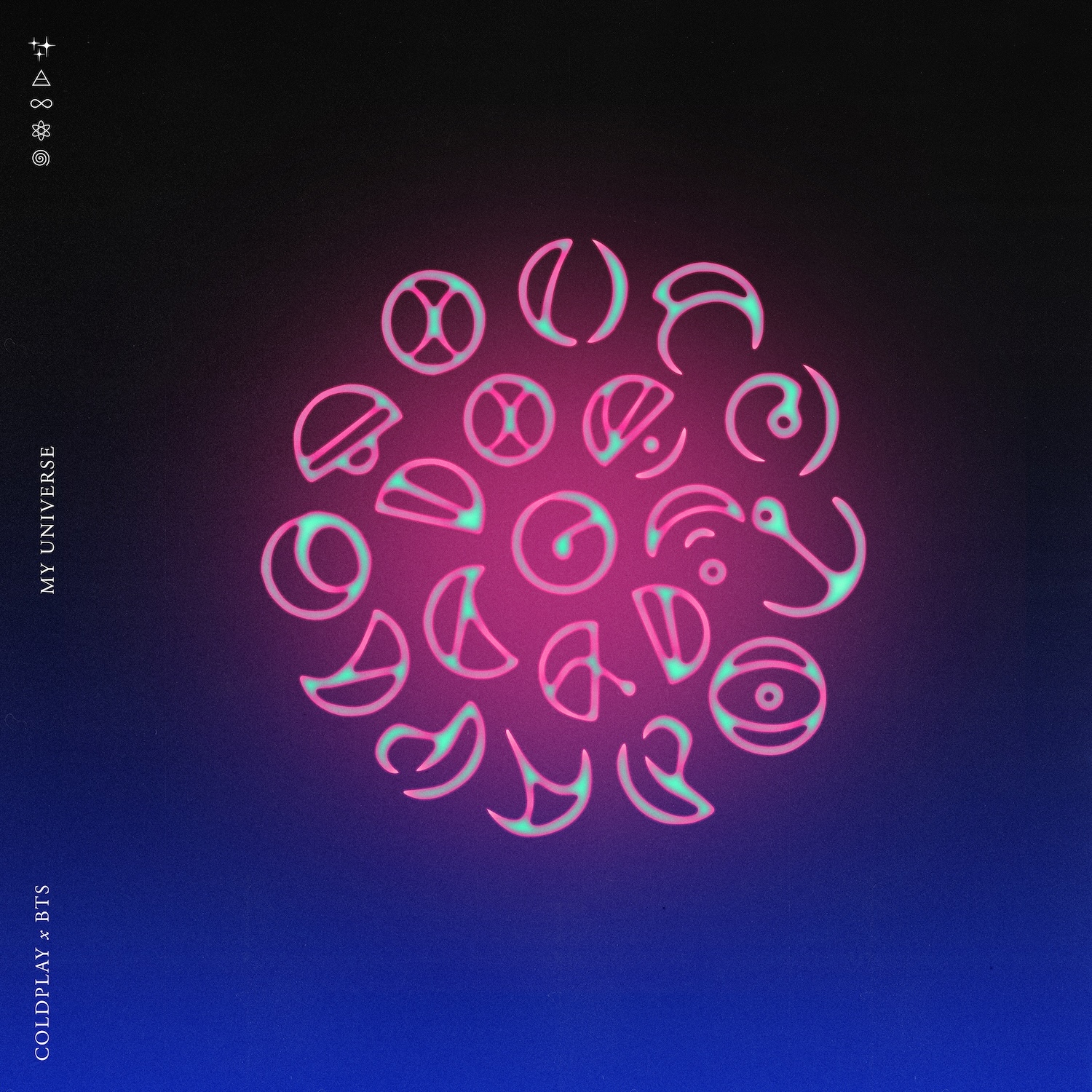
That transformation became even clearer in Everyday Life and Music of the Spheres. Everyday Life tried to recover a more human, political and earthly dimension, with songs such as “Orphans” and “Arabesque,” while Music of the Spheres chose the cosmic path: planets, emojis, Max Martin, interstellar pop, BTS on “My Universe” and “Coloratura” as a grand progressive finale. That period confirmed one essential Coldplay trait: even when their concepts seem enormous, almost childlike or openly idealistic, the band is still looking for the same thing it sought in “Yellow”: a simple form of connection.
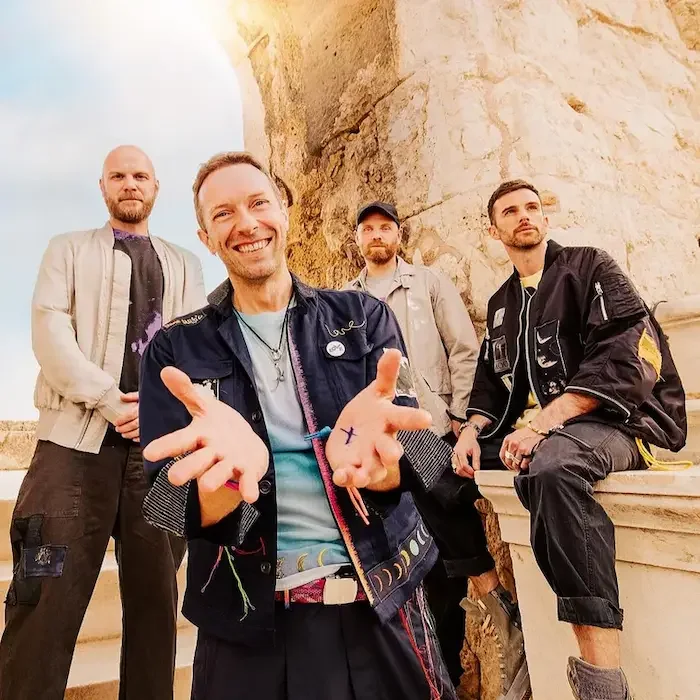
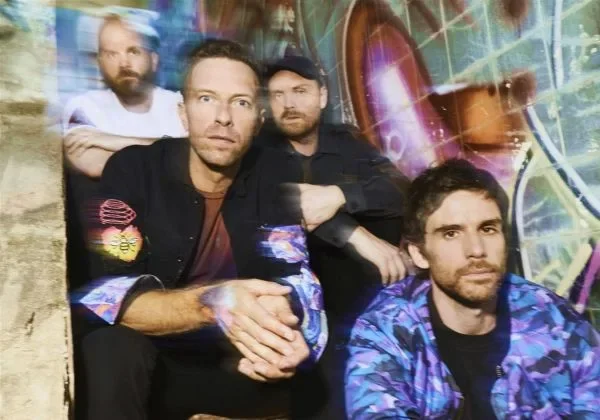
Moon Music brought that search to a point of acceptance. “feelslikeimfallinginlove,” “WE PRAY,” “JUPiTER” and “ALL MY LOVE” continue the spiritual, inclusive and emotional language of their recent era. It is an album that does not try to persuade those who never wanted to enter the Coldplay universe; instead, it speaks to those who have already accepted its code: hope, light, love, community, falling and rebuilding. The idea that the band plans to limit its discography to twelve albums adds the feeling of a final stretch. Coldplay seems aware that it is closing an arc, not through darkness, but through a kind of cosmic gratitude.
Coldplay matters because it turned vulnerability into mass spectacle. It made clean-guitar rock capable of becoming stadium pop without fully losing its emotional center. Their music can seem simple, even naive, but that simplicity has been their strongest weapon: choruses anyone can sing, phrases that work as comfort, melodies that attach themselves to life moments. At their best, Coldplay does not complicate feeling. They lift it, light it up and turn it into something thousands of people can sing together in the dark.
Main genre
ROCK
Main subgenres
Like a superfan's list — except verified, with sources and links.
02–Sep 11, 2022
Rio de Janeiro, Rio de Janeiro · Brazil
Past
Jan 15, 2022
Inglewood, California · United States
PastJan 18, 2020
Inglewood, California · United States
PastSep 23 – Oct 02, 2011
Rio de Janeiro, Rio de Janeiro · Brazil
Past
Apr 30 – May 01, 2005
Indio, California · United States
PastWhat we managed to link to the concert archive. If a date is missing, tell us — happens to us too.
No linked concerts
Every concert and festival of the year, traced on the globe. Hit play and follow the route stop by stop.
Photos from the public archive.
Recent coverage linked to the artist.




Close by genre and social signal.
No related artists
When there is enough genre signal, they will appear here.