
Ranking
#31

Ranking
#31
Followers
172.5 M
Digital presence
Official profiles, streaming and discovery.
What a good fan recites by heart (or pretends to).
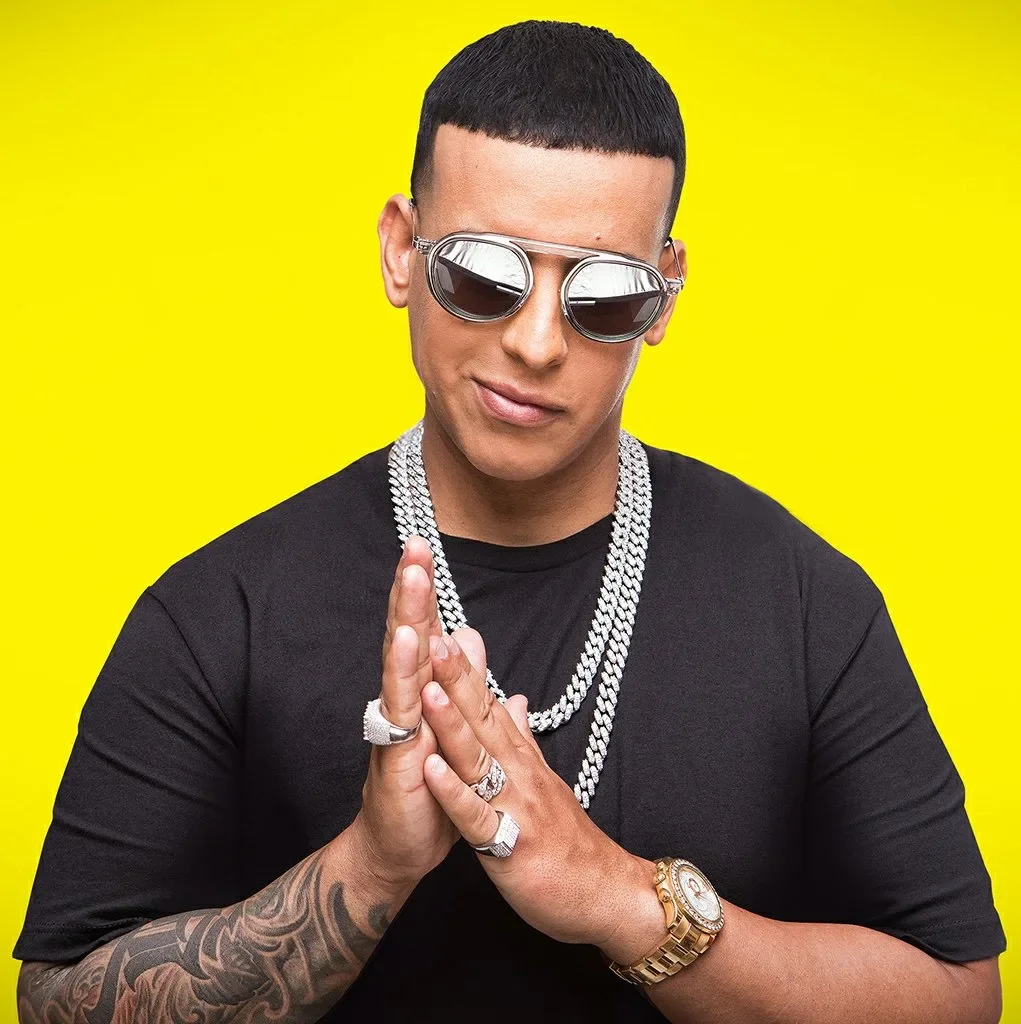
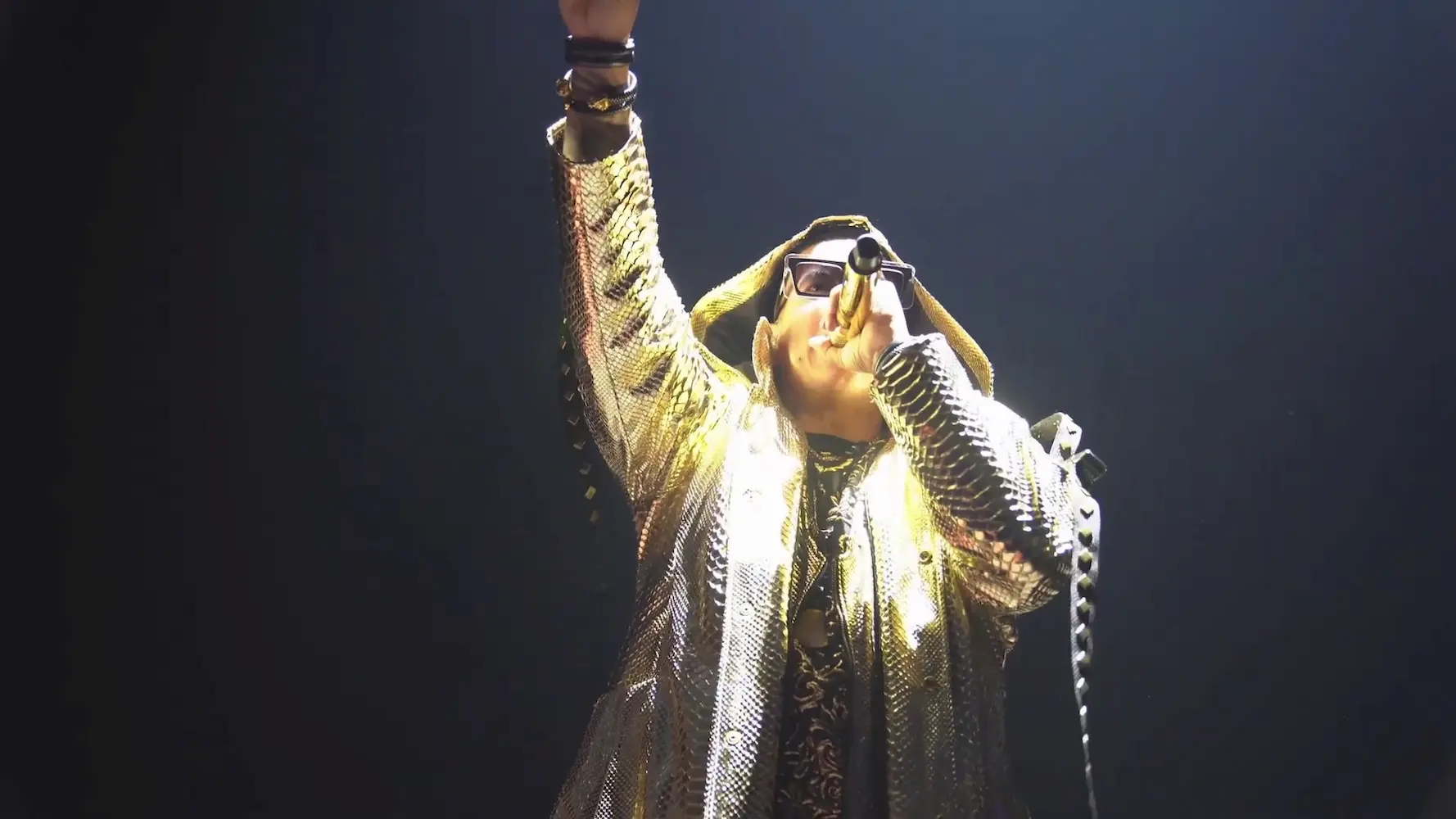
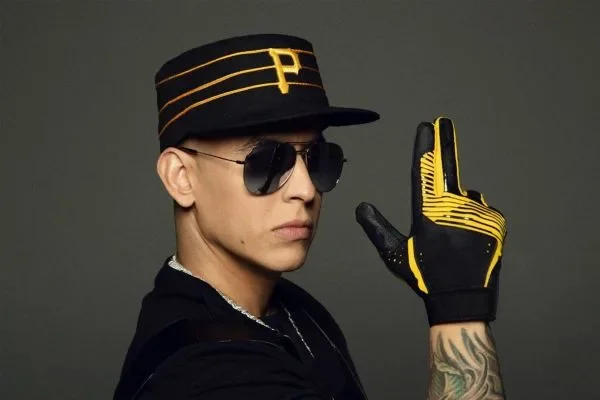
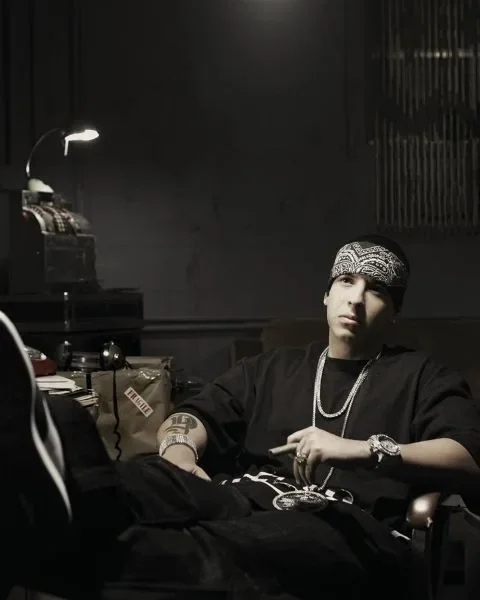
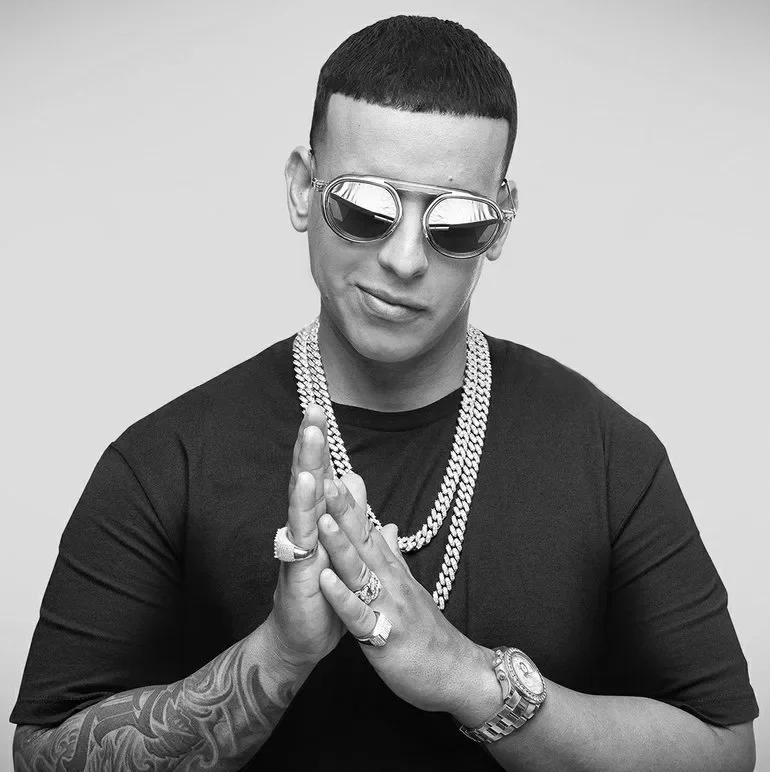
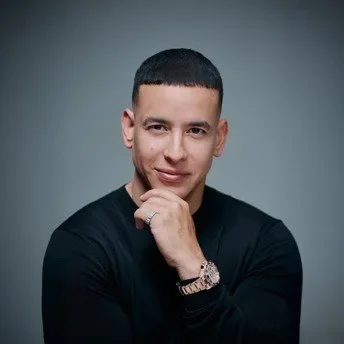
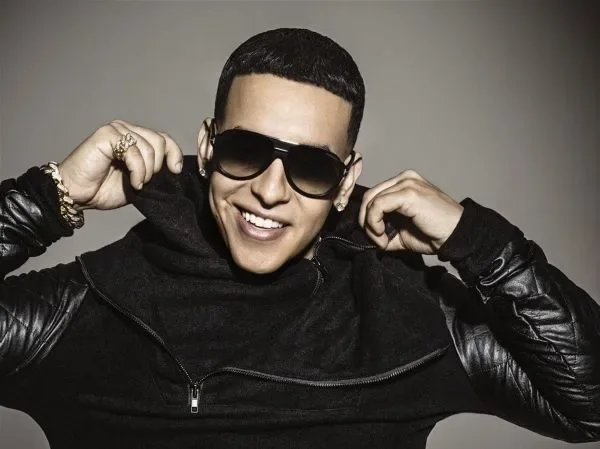
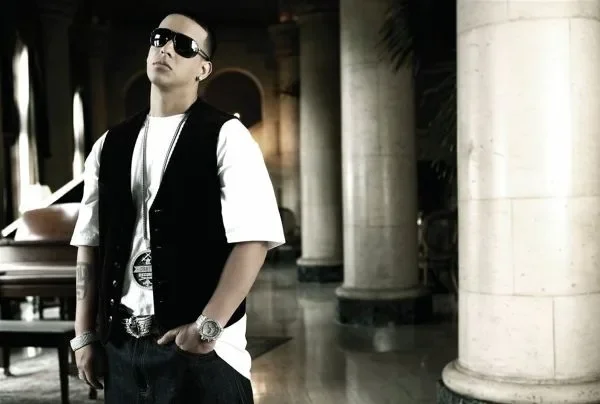
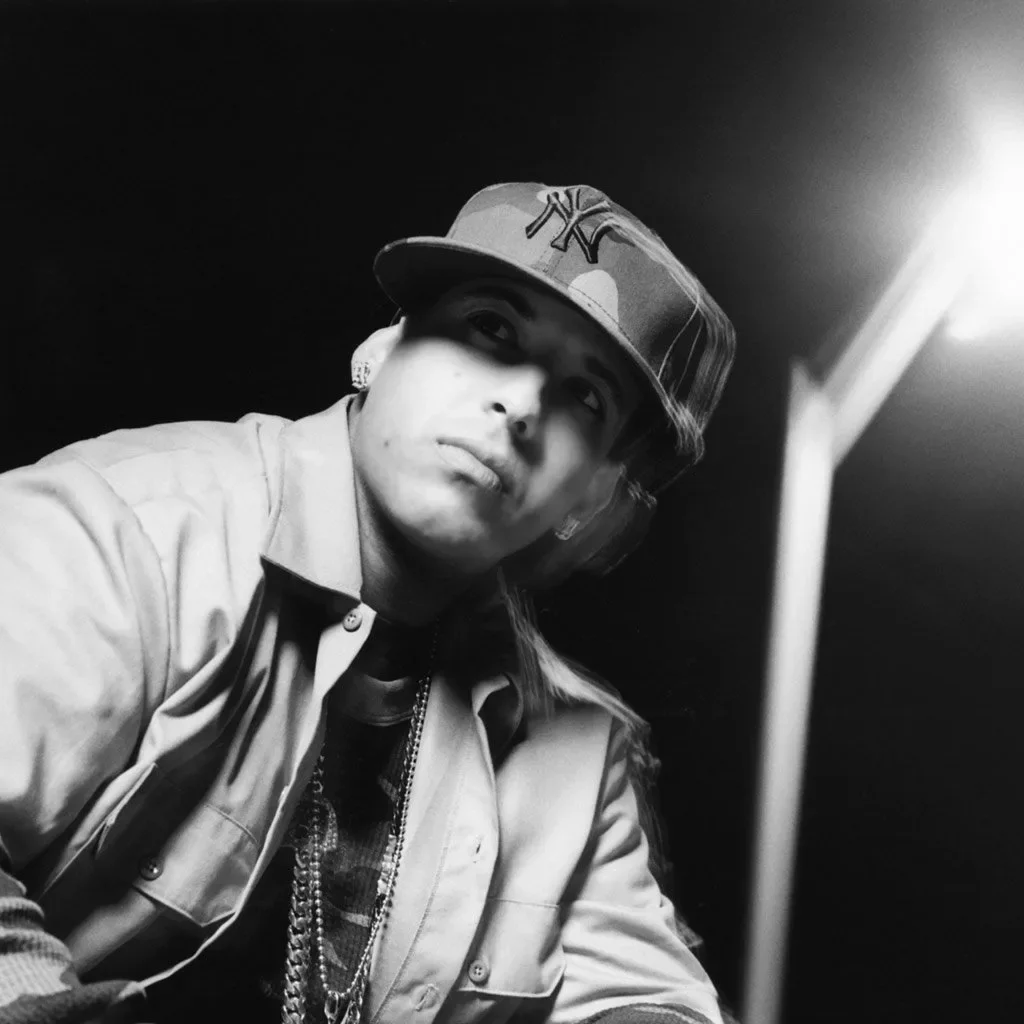
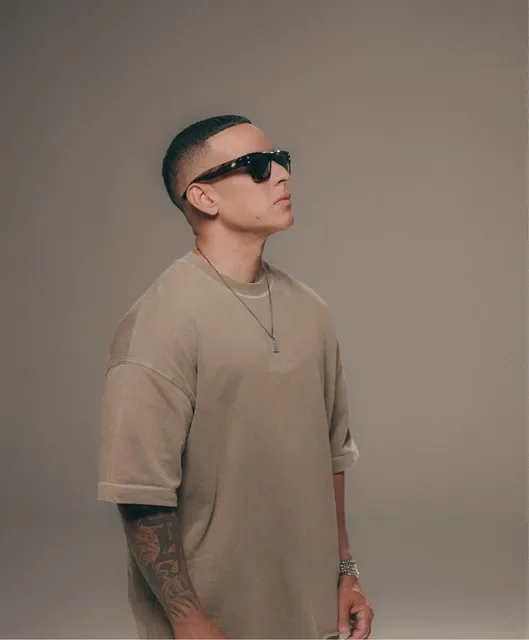
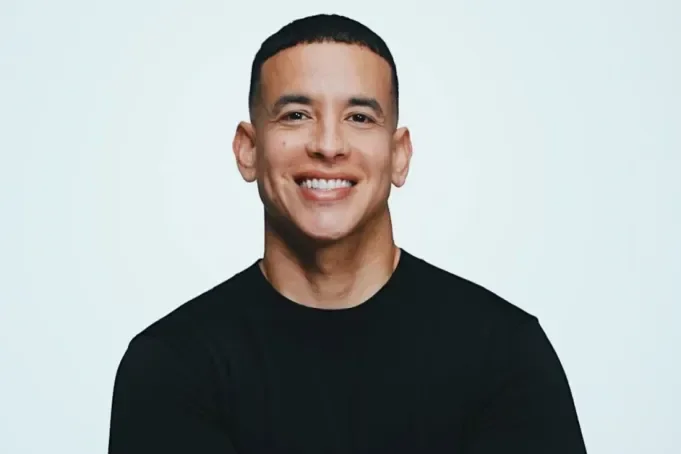
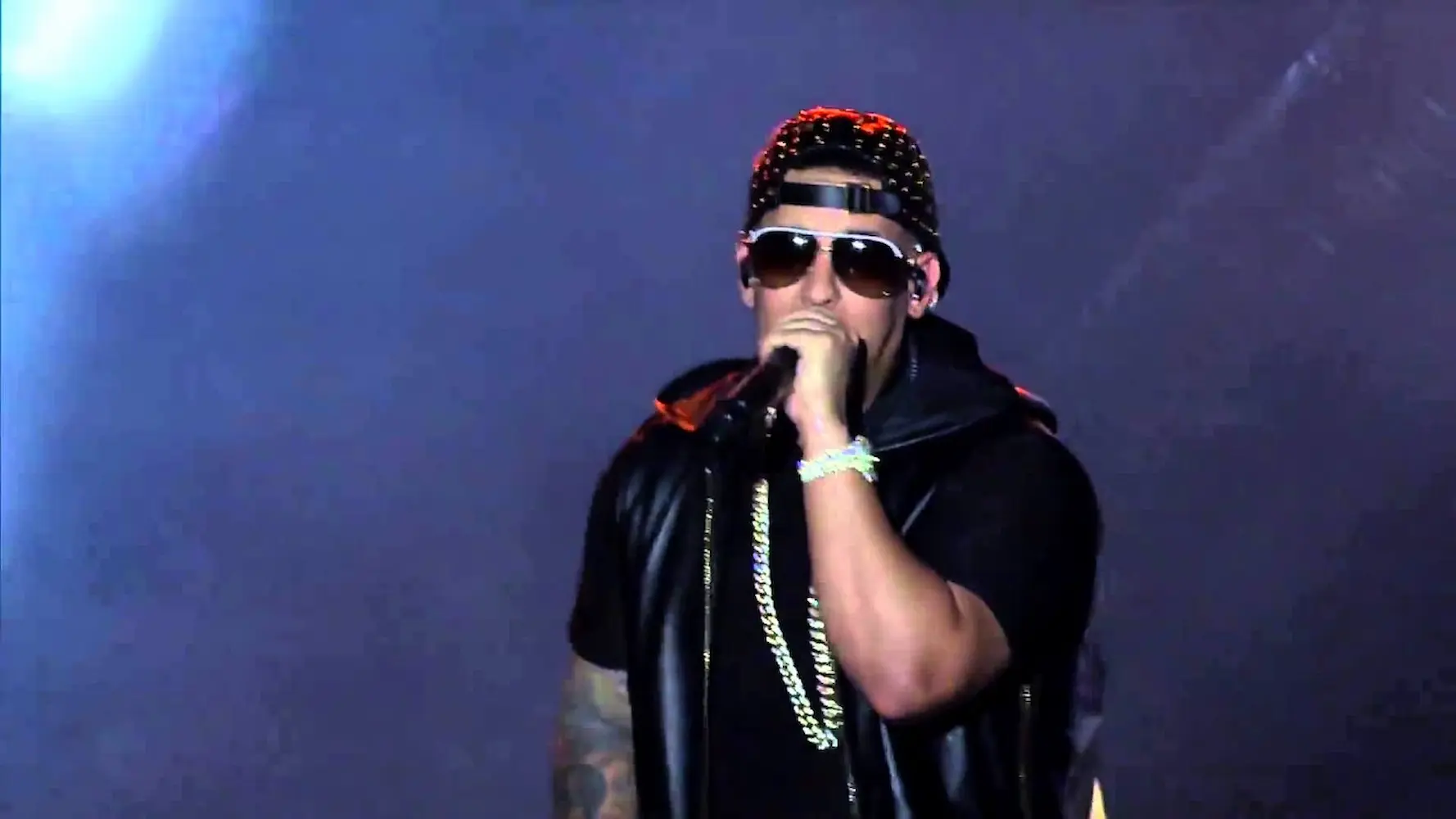
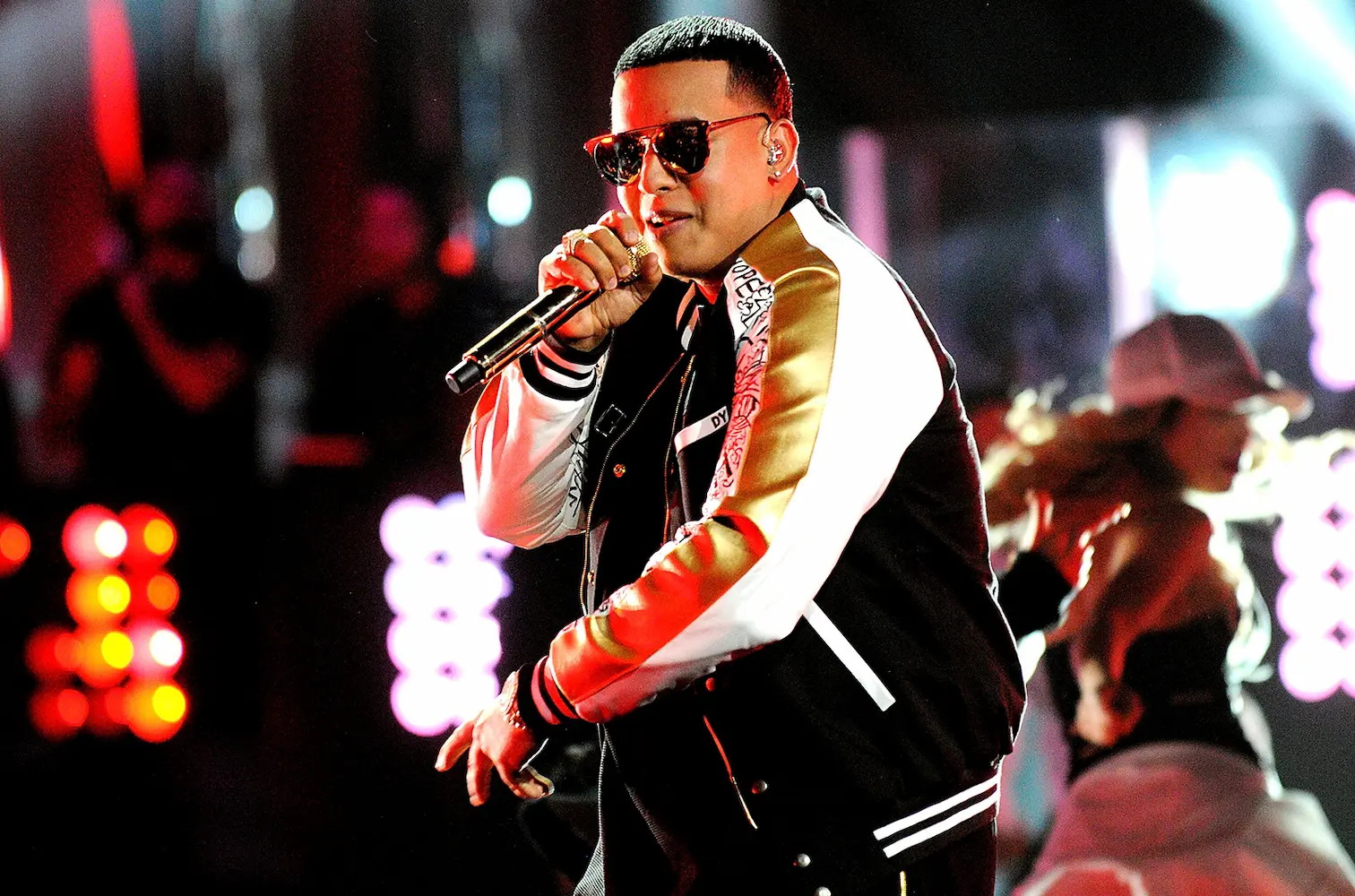
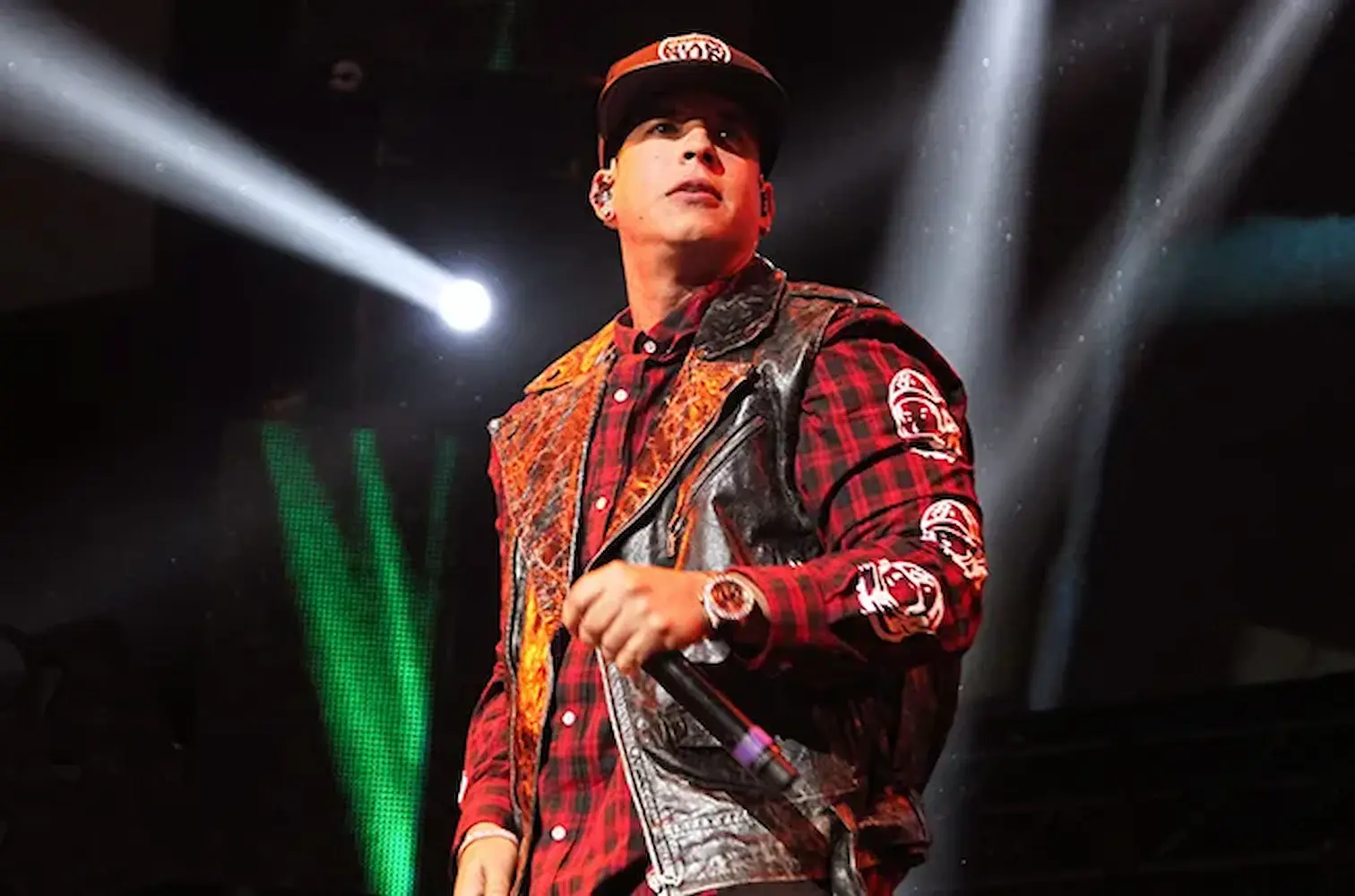
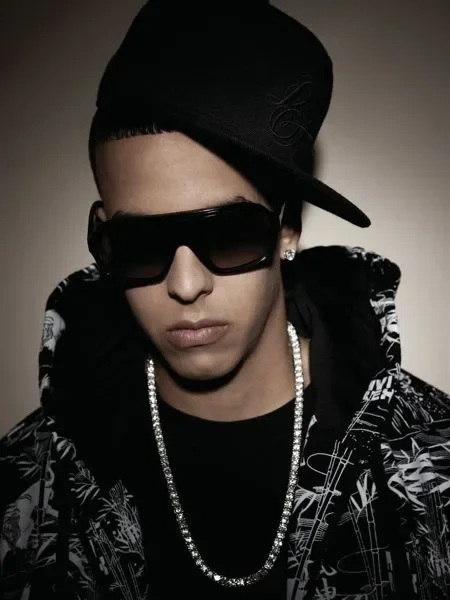
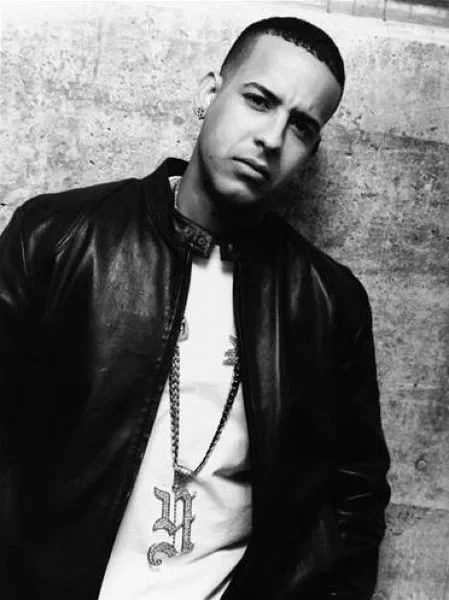
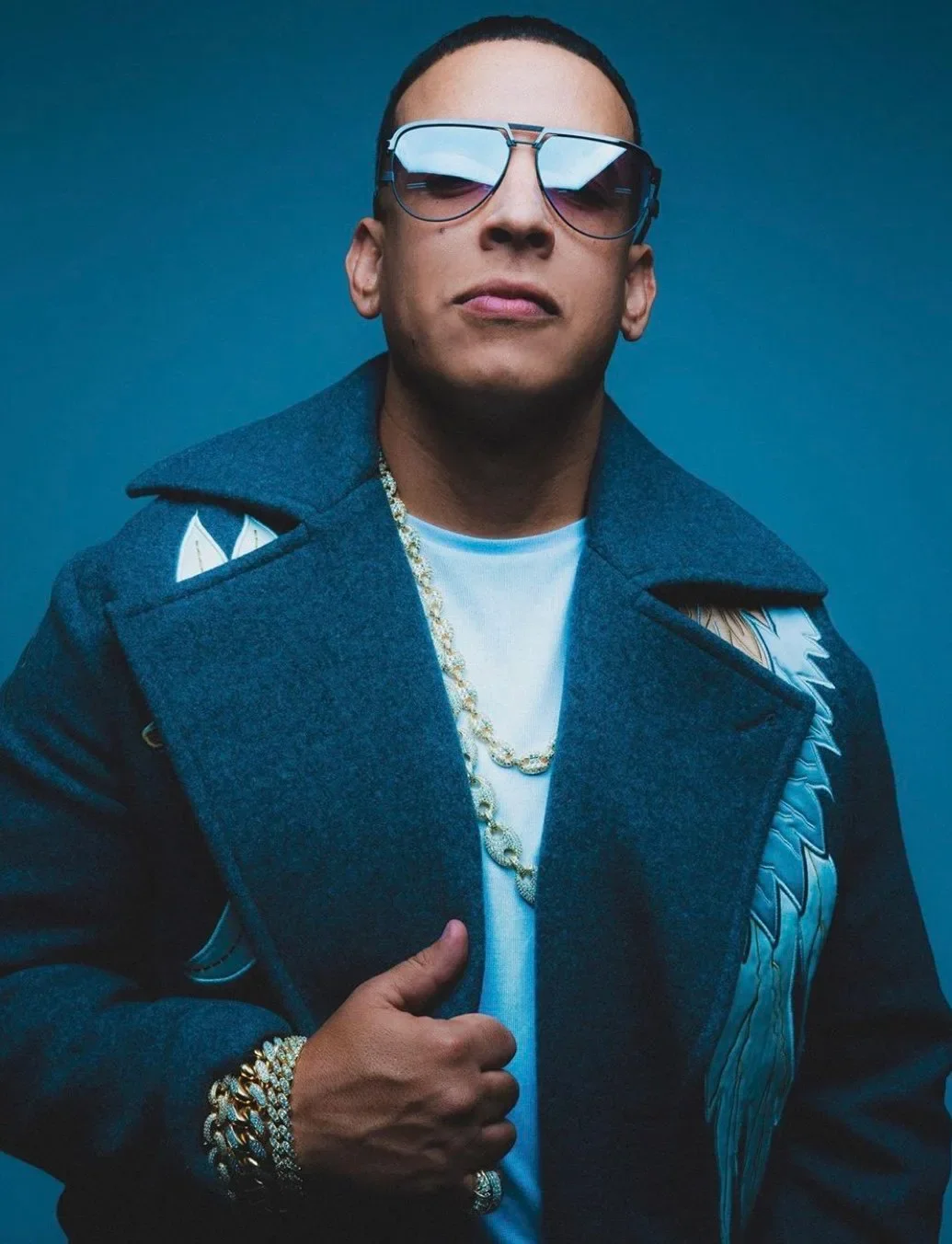
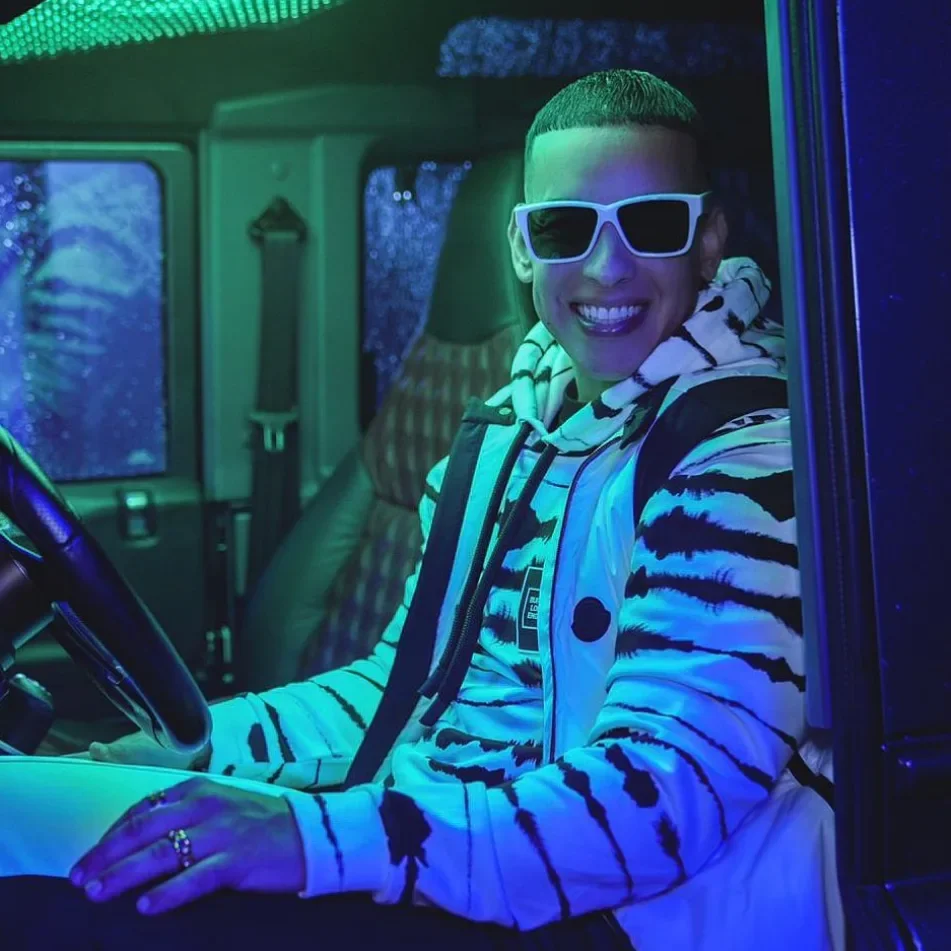
Daddy Yankee did not only make reggaeton songs; he helped build the idea that reggaeton could dominate the world. Before the genre filled stadiums, headlined festivals, moved global charts and became the everyday language of Latin youth culture, there was that hard, street-born, persecuted sound, dismissed by many cultural elites and associated with public housing projects, marquesinas, cassettes, DJs, dancehall, hip-hop, dembow and resistance. Daddy Yankee came from that world not as a visitor, but as one of its most important strategists. His career feels like a manifesto: proof that what many people looked down on could become industry, pride, dance, business and collective memory.
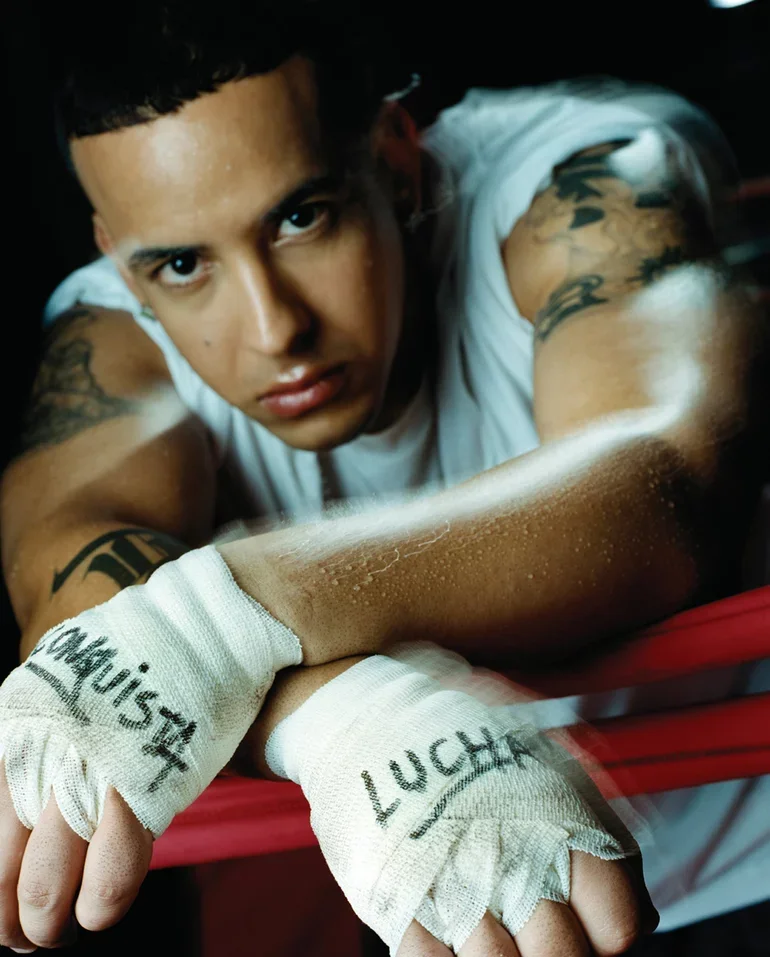
Ramón Luis Ayala Rodríguez grew up in San Juan, Puerto Rico, in a context where urban music had not yet earned the institutional respect it later would. His first steps belong to the era of Puerto Rican underground, when reggaeton was not yet universally named as it is today and moved through mixtapes, housing projects, stores, cars, parties and recordings that felt more like a social movement than a commercial product. DJ Playero was crucial to that scene, and Daddy Yankee formed himself inside an ecosystem where you had to rap with hunger, dominate rhythm and understand that the barrio was not only a setting. It was origin, audience and argument.
His first album, No Mercy, appeared in 1995 as an early signal of that blend of rap, reggae, dancehall and what would soon be recognized as reggaeton. But the Daddy Yankee who would change history was sharpened over years: more technical, more direct, more commercial without losing edge, more aware that the genre needed both street credibility and strategy. El Cangri.com, Los Homerun-es and his appearances in essential urbano projects gradually consolidated him as a voice that could work on several levels: the fast MC, the hitmaker, the entrepreneur in the making, the artist who understood perreo but also understood the size of the opportunity.
Barrio Fino was the explosion. In 2004, Daddy Yankee achieved something that had once seemed improbable: he carried reggaeton from cultural margins into the center of the global Latin conversation. “Gasolina” was more than a massive single. It was an entrance. A shout. An alarm. A song that did not ask to be explained and still opened questions: what is this, where does it come from, why does it sound so urgent, why can’t I stop repeating it? Its chorus, mechanical energy, aggressive production and street-party character made it a point of no return. After “Gasolina,” reggaeton could no longer be treated as a local fad.
What matters about Barrio Fino is that it did not only contain one hit. It was an album that showed the width of the genre at a key moment: perreo, rap, romance, Latin pride, barrio, ambition and commercial crossover. “Lo Que Pasó, Pasó” carried a melodic softness that helped prove reggaeton could also tell stories of heartbreak and nightlife. “King Daddy” reinforced his command posture. “No Me Dejes Solo” and other tracks showed his ability to move between attack, seduction and celebration. The album was historic because it functioned as a bridge: from underground to radio, from cassette to industry, from stigma to legitimacy.
From there, Daddy Yankee became El Big Boss for more than a nickname. He understood the business with rare clarity. He built brand, label, image, tours, alliances, collaborations and global presence. El Cartel: The Big Boss, Talento de Barrio, Mundial and Prestige showed different versions of that ambition. “Rompe,” “Machucando,” “Impacto,” “Pose,” “Llamado de Emergencia,” “Grito Mundial,” “Lovumba” and “Limbo” confirmed that his formula could adapt: more aggressive, more pop, more electronic, more sports-oriented, more radio-ready. Daddy Yankee knew how to make songs for the club, the car, the stadium, the summer and the genre’s memory.
His importance also lives in discipline. In a scene where many artists burned brightly and then faded, Yankee maintained a sustained presence for decades. He was not the only pioneer, and it would be unfair to tell the story of reggaeton without names like Tego Calderón, Ivy Queen, Don Omar, Wisin & Yandel, Héctor & Tito, Nicky Jam, Luny Tunes and many others. But Daddy Yankee was one of the figures who translated that energy into global structure most effectively. His role was not only musical; it was cultural and entrepreneurial. He helped convince the industry that reggaeton was not an accident, but a market, a language and an identity.
“Despacito” opened another stage. Although the song belongs mainly to Luis Fonsi, Daddy Yankee’s presence was decisive in connecting melodic Latin pop with urbano authority. The track became a worldwide phenomenon and proved that Spanish could return to the center of global pop without losing its character. Later, “Dura” and “Con Calma” reinforced his ability to create viral hits in the digital era, through choreography, nostalgia, humor, repetition and direct joy.
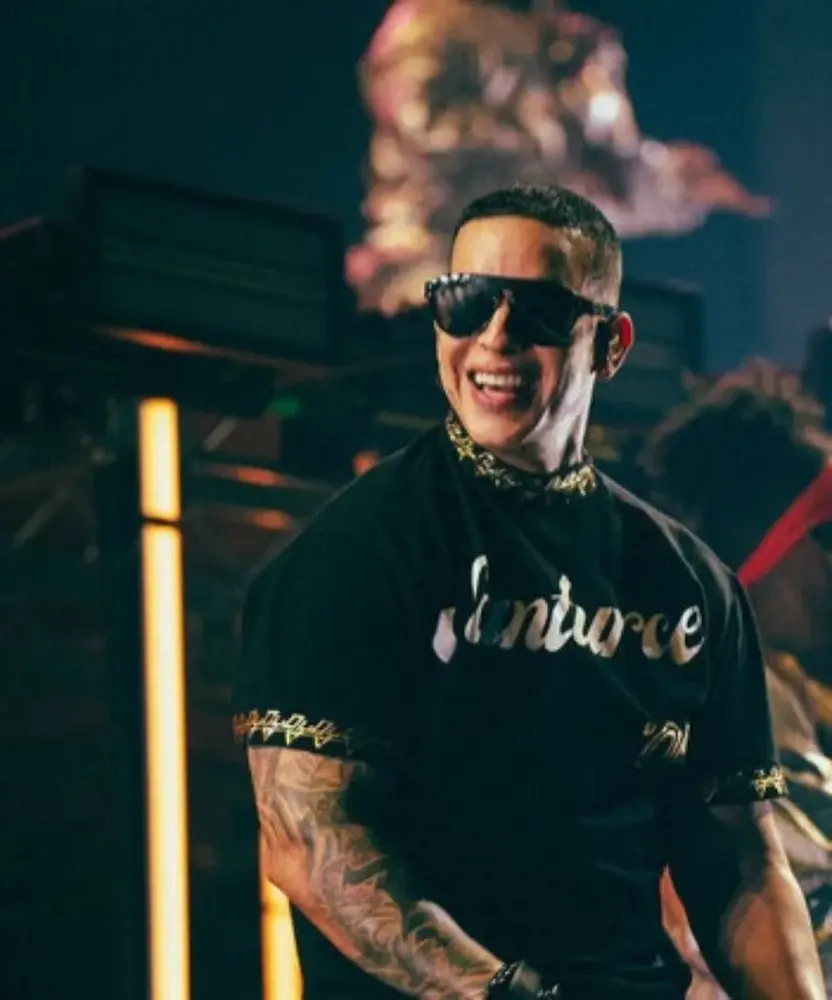
Legendaddy was announced as a farewell and worked as a final tour through his many identities: the reggaeton boss, the collaborator, the hitmaker, the competitor, the artist who knew how to close a cycle through spectacle. La Última Vuelta turned that goodbye into a massive celebration. But the story did not end there. His return as DY, with a spiritual orientation and music with purpose, opened an unexpected chapter. Lamento en Baile and “Sonríele” do not simply try to repeat the Daddy Yankee of “Gasolina.” They present an artist trying to reconcile legacy, faith, joy and personal transformation.
Daddy Yankee matters because he changed reggaeton’s self-esteem. He took a marginalized sound and helped turn it into one of the planet’s largest cultural forces. His legacy is not only in his hits, but in the door he opened for entire generations. At his best, Daddy Yankee sounds like what he always wanted to be: not a guest in someone else’s industry, but the owner of a revolution born dancing from the barrio.
Main genre
REGGAETON
Main subgenres
Like a superfan's list — except verified, with sources and links.
No linked festivals
No festival appearances documented yet.
What we managed to link to the concert archive. If a date is missing, tell us — happens to us too.
No linked concerts
Every concert and festival of the year, traced on the globe. Hit play and follow the route stop by stop.
Photos from the public archive.
Recent coverage linked to the artist.


Close by genre and social signal.
No related artists
When there is enough genre signal, they will appear here.