












Ranking
#37

Ranking
#37
Followers
152.6 M
Digital presence
Official profiles, streaming and discovery.
What a good fan recites by heart (or pretends to).
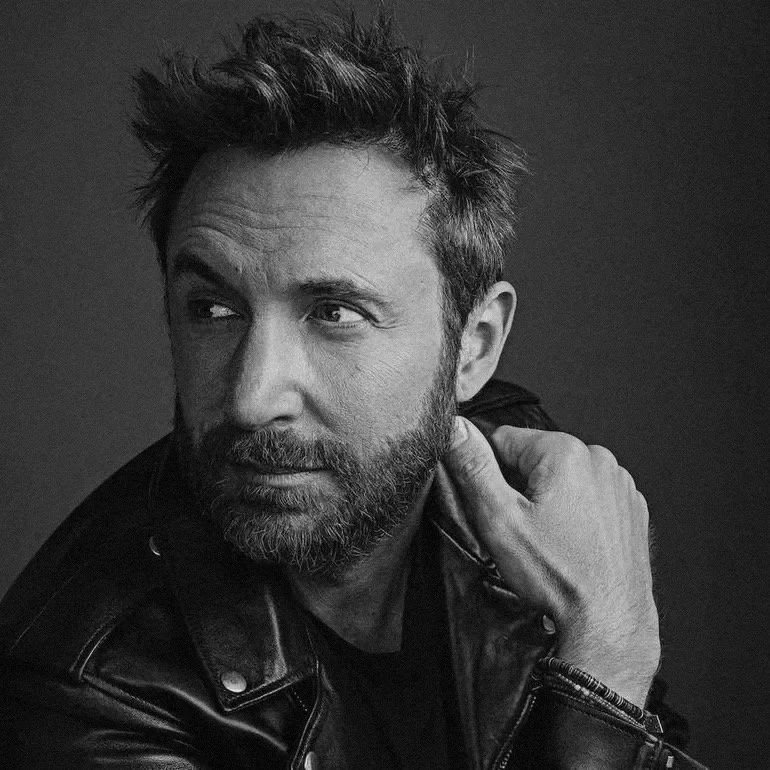
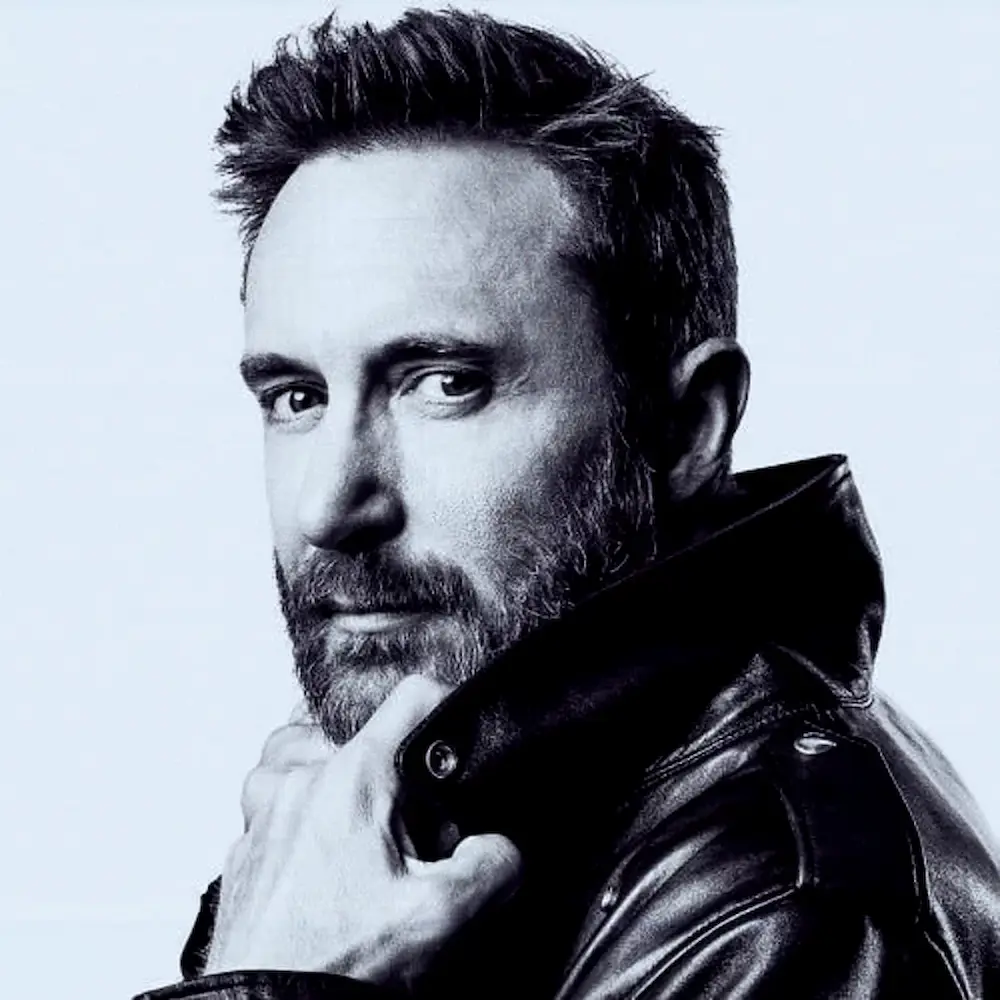
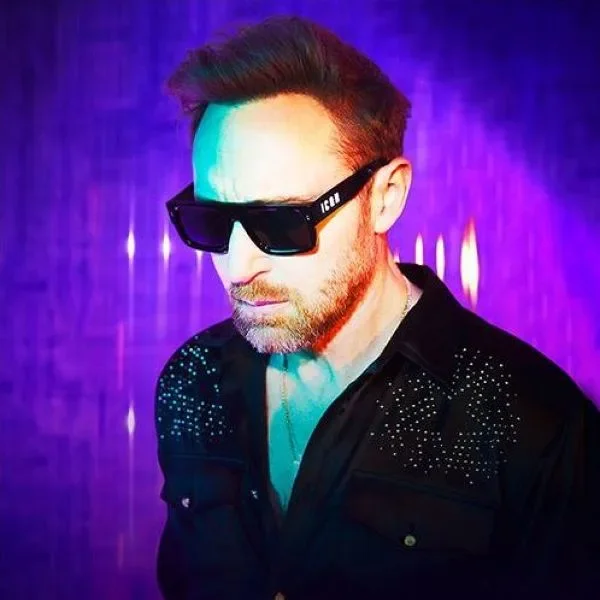
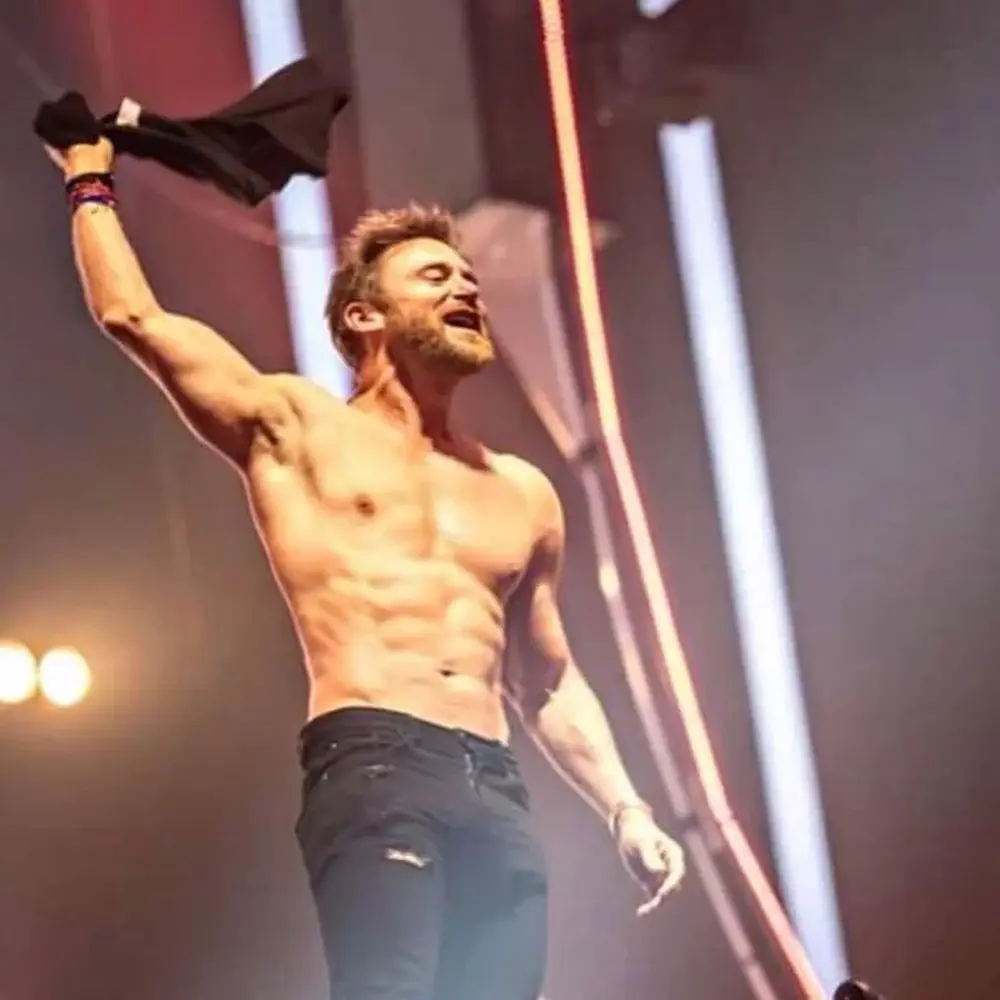
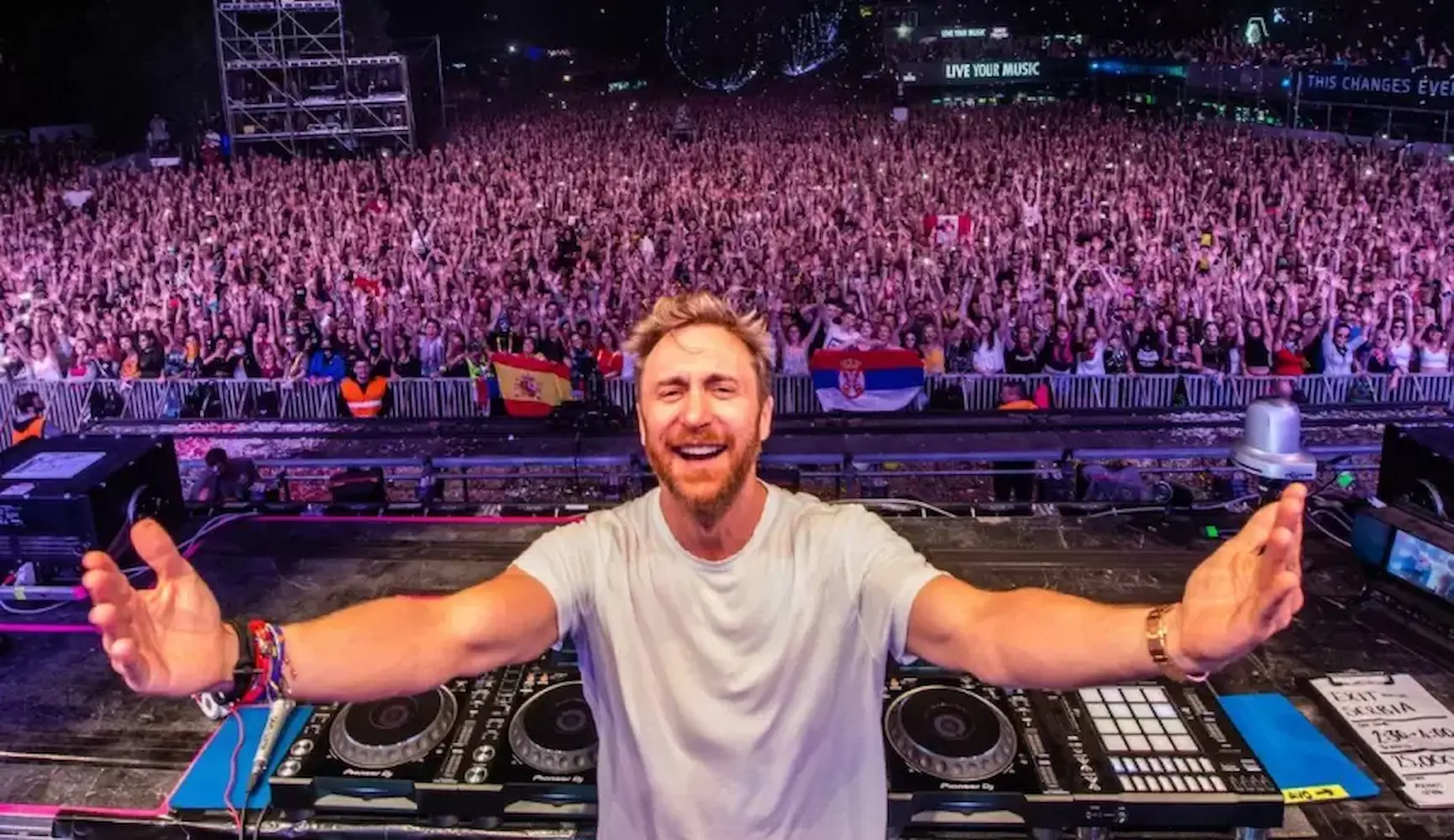
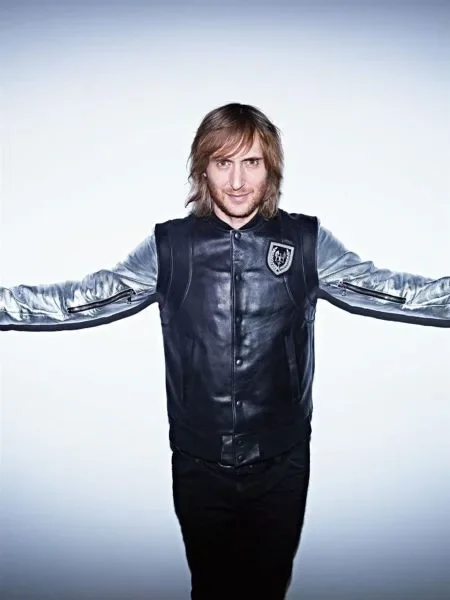
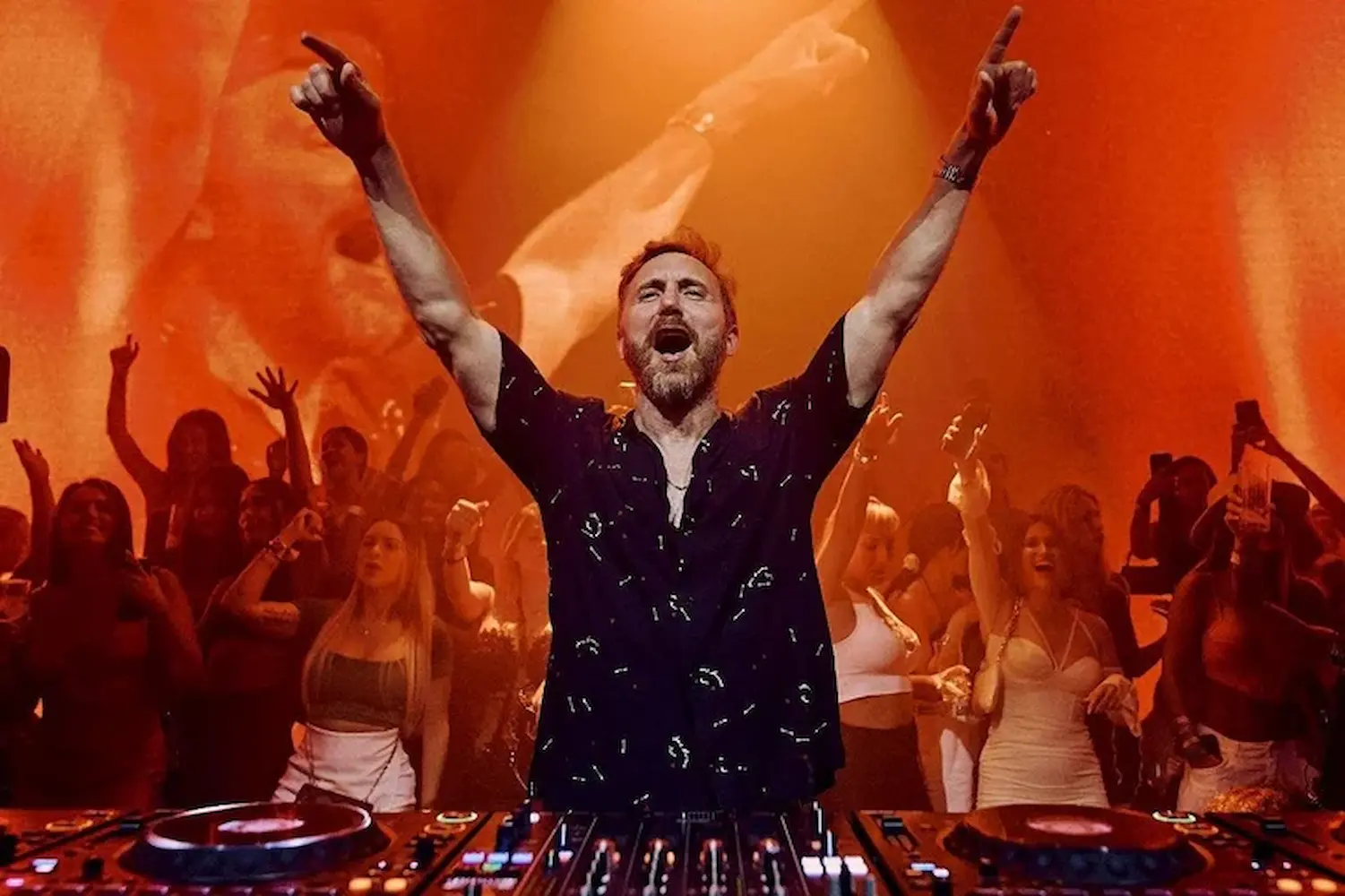
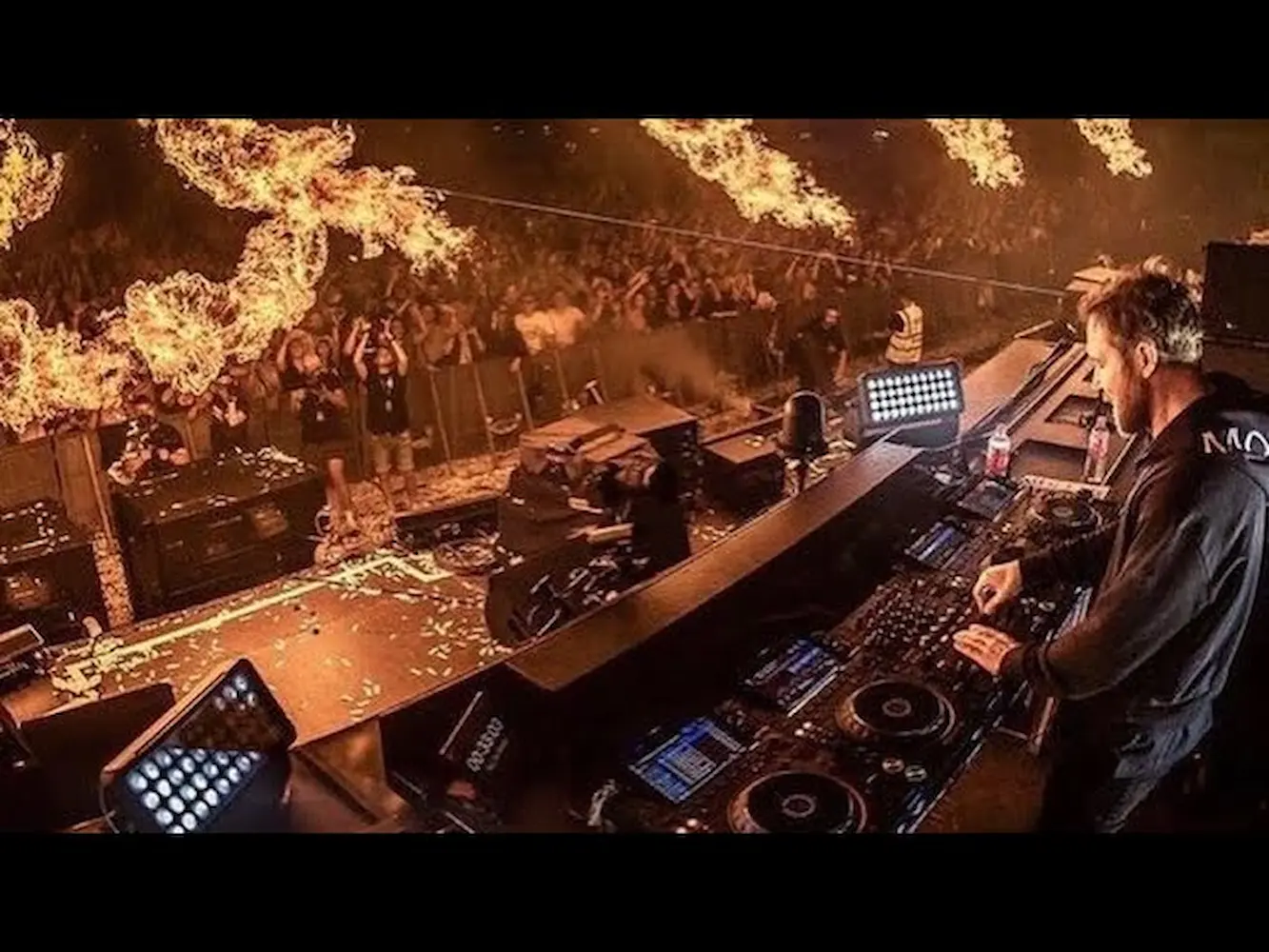
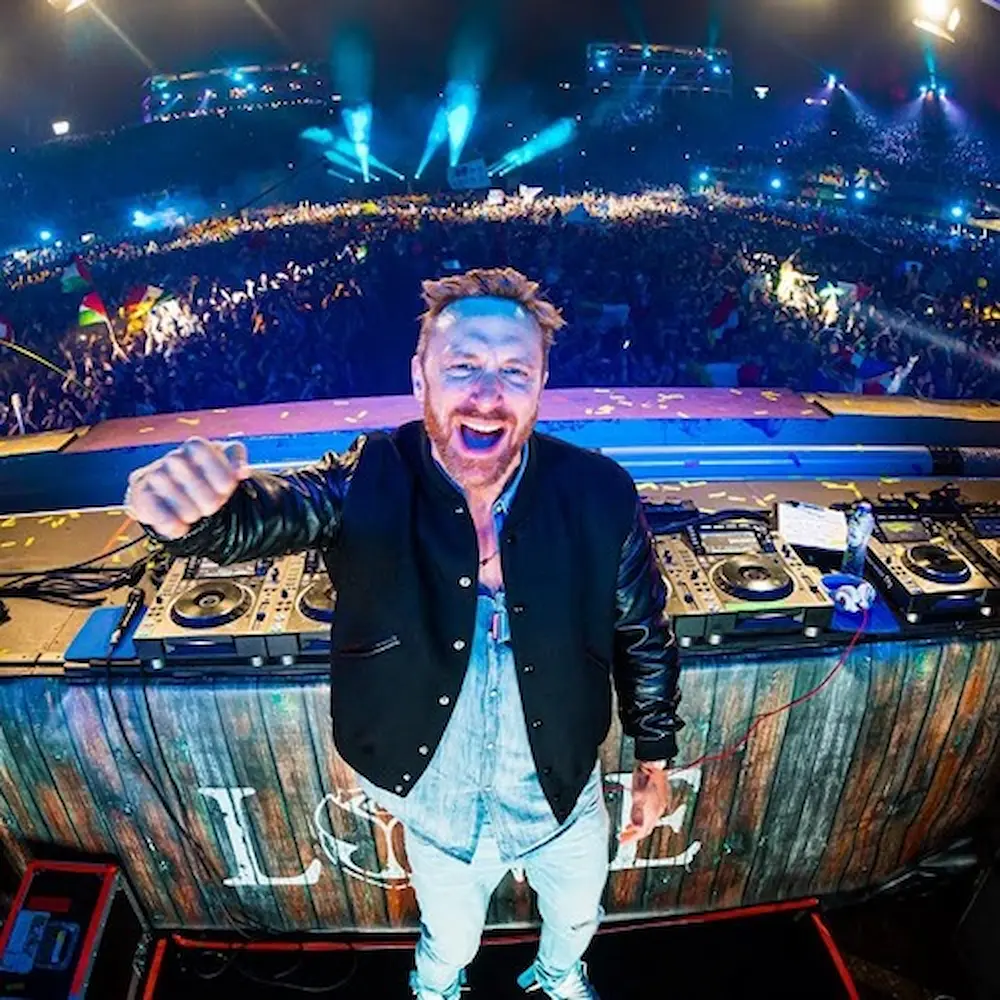
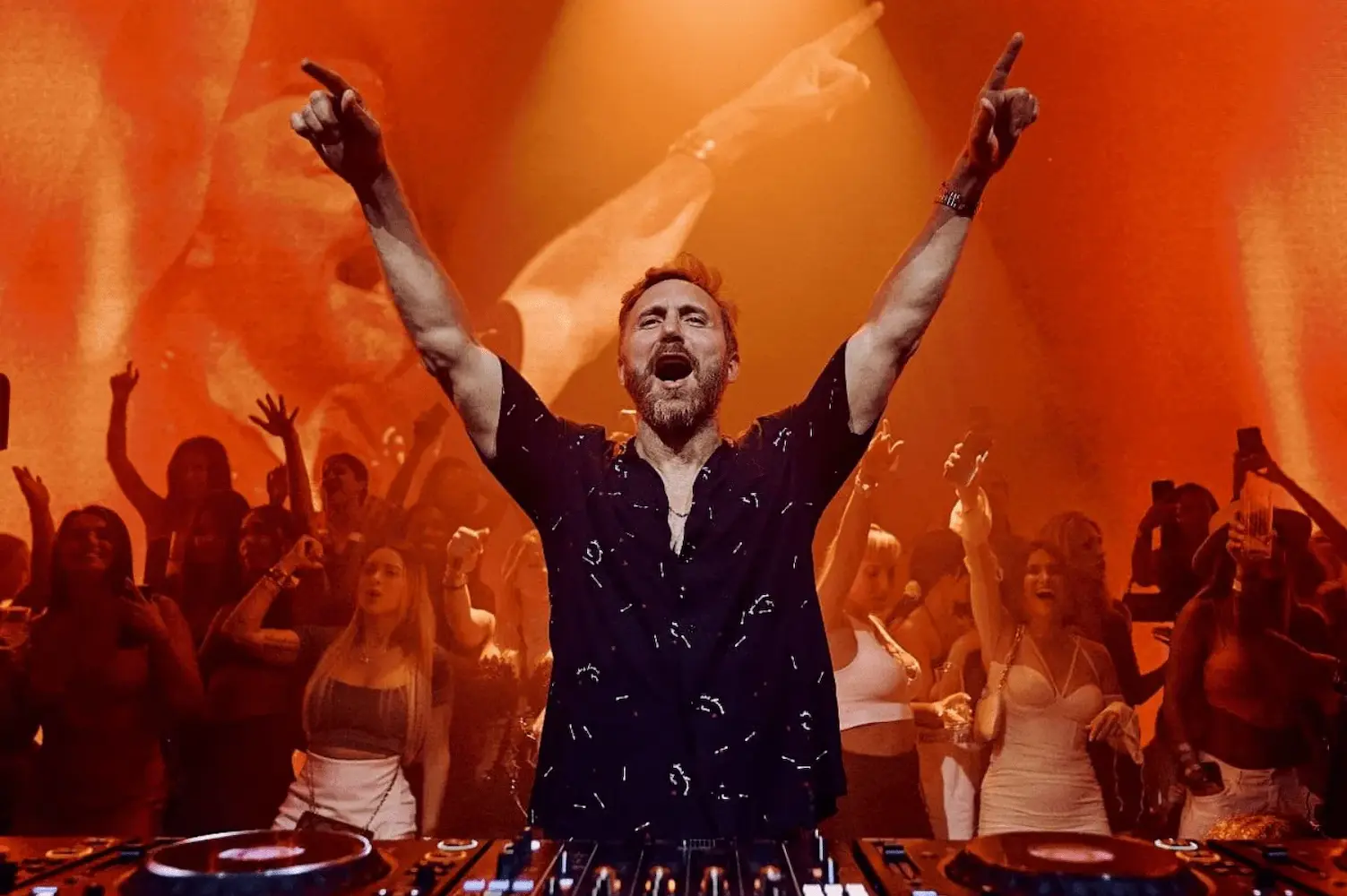
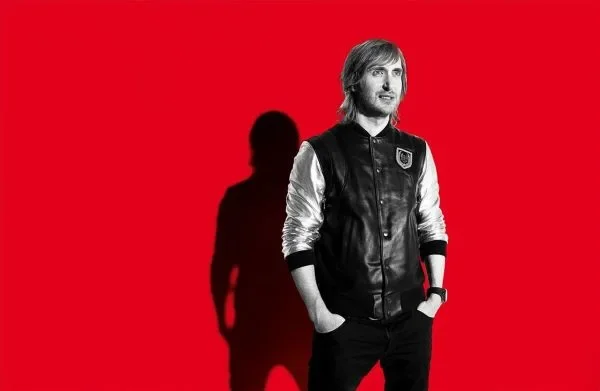
David Guetta is one of the major reasons electronic music stopped feeling like a language reserved for specialized clubs and became a global pop machine. Before DJs became natural headliners at massive festivals, before EDM took over stadiums, playlists, radio and sports ceremonies, Guetta was already imagining a bigger dance floor: one where the club beat could live alongside R&B voices, pop hooks, hip-hop stars and structures designed to work in Ibiza, in a car, at a gym, at a wedding or at a festival in front of tens of thousands of people.
Born in Paris, Guetta was shaped by nightlife, DJ booths, clubs and musical curiosity. His first school was not the monumental stage, but the real dance floor: watching what made people move, what kind of bass could ignite a room, when a track needed patience and when it needed to explode. That DJ formation is essential to understanding him. David Guetta did not begin as a laboratory hit producer; he began as someone who understood the physical behavior of an audience. Even when his music became massively commercial, it kept that obsession: creating reaction.
During the 1990s, his name grew inside the French and European circuit, through parties, residencies and an identity tied to house music. The collaboration “Up & Away” with Robert Owens already showed a connection with the vocal tradition of Chicago house, while his Fuck Me I’m Famous universe built a bridge between Parisian nightlife, Ibiza and a more glamorous idea of club culture. Guetta understood early that electronic music could have brand, image, lifestyle and narrative, not only tracks for DJs.
Just a Little More Love marked his formal entrance as an album artist. The title track, “Love Don’t Let Me Go” and other pieces from that period showed an accessible, luminous house sound, still European in character but already aiming beyond the pure club world. Guetta Blaster and Pop Life continued sharpening that direction. He was not yet the full architect of mainstream EDM, but it was already clear that he was searching for a middle point between dance floor, song and radio.
The major turn came with One Love. That album was decisive because it helped reconfigure the relationship between DJs and pop vocalists. “When Love Takes Over” with Kelly Rowland was a kind of emotional manifesto: piano, euphoria, powerful voice and a drop built to turn nostalgia into explosion. “Sexy Bitch” with Akon pushed the formula into a more urban and direct space. “Memories” with Kid Cudi mixed hedonism and melancholy. His work around “I Gotta Feeling” placed him at the center of a new era. Suddenly, the electronic producer was not behind the song; he was at the front of the movement.
Nothing but the Beat consolidated that position. “Titanium,” with Sia, became one of his most important songs because it combined lyrical vulnerability with festival energy. It was not only a song to jump to; it was a song to feel invincible after being broken. “Without You” with Usher, “Turn Me On” with Nicki Minaj, “Where Them Girls At” and “Little Bad Girl” reinforced the Guetta model: big melodies, recognizable voices, clear builds, enormous drops, an almost architectural structure of climax. In that period, David Guetta helped define the sound of a decade.
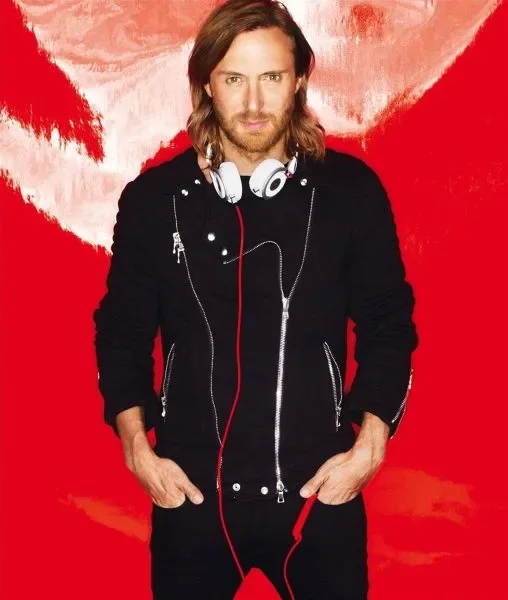
His importance also lies in normalizing a figure: the DJ as pop star. Before him, for many people outside electronic culture, the producer was invisible. Guetta put a name and face in the booth. He became an artist who could collaborate with Rihanna, Usher, Nicki Minaj, Sia, Akon, Bebe Rexha, Black Eyed Peas, Kid Cudi, Kelly Rowland, J Balvin and many others without seeming like a guest. He was the axis. That ability to bring worlds together was his great talent: understanding that electronic music could become a platform for global pop.
With Listen, Guetta tried to broaden his language toward a more emotional, organic and song-based electronic sound, while still remaining inside his DNA of large-scale production. With 7, he made the contrast clearer between the global David Guetta and his alter ego Jack Back, closer to club house. That duality matters because his career lives between two impulses: the desire to create huge songs for millions and the need to stay connected to the purer dance floor, to the DJ who still thinks in groove, repetition and nocturnal energy.
His later period confirmed an unusual resilience. In an electronic industry where cycles change quickly, Guetta has remained relevant through collaborations, remixes, reactivated nostalgia and sonic adaptation. “I’m Good (Blue)” with Bebe Rexha is a perfect example of his instinct: take a recognizable pop memory, rebuild it for a new generation and turn it into a global hit without overcomplicating the formula. The same applies to his recent connection with the future rave aesthetic and productions that balance festival, radio and digital virality.
David Guetta matters because he was one of the great translators between club culture and mass pop. His music can be debated by those who prefer a more underground kind of electronic music, but his impact is enormous: he helped make the DJ a protagonist of popular culture and helped the electronic beat become part of the everyday language of global pop. At his best, Guetta does not try to hide his goal: he wants people to raise their hands, sing the hook, wait for the drop and feel that, for a few minutes, life can fit inside a lit-up dance floor.
Main genre
HOUSE
Main subgenres
Like a superfan's list — except verified, with sources and links.
24–Jul 26, 2026
Boom, Antwerpen · Belgium
Past17–Jul 19, 2026
Boom, Antwerpen · Belgium
Past
17–Apr 19, 2026
Indio, California · United States
Past10–Apr 12, 2026
Indio, California · United States
Past
28–Mar 30, 2025
Miami, Florida · United States
Past22–Mar 24, 2024
Miami, Florida · United States
Past
09–Sep 10, 2023
Berlin, Berlin · Germany
Past
24–Aug 27, 2023
Warrington · United Kingdom
Past
10–Aug 15, 2023
Budapest · Hungary
Past
09–Aug 14, 2023
Valencia, Valencia · Spain
PastWhat we managed to link to the concert archive. If a date is missing, tell us — happens to us too.
No linked concerts
Every concert and festival of the year, traced on the globe. Hit play and follow the route stop by stop.
Photos from the public archive.
Recent coverage linked to the artist.




Close by genre and social signal.
No related artists
When there is enough genre signal, they will appear here.