Ranking
#65

Ranking
#65
Followers
102.7 M
Digital presence
Official profiles, streaming and discovery.
What a good fan recites by heart (or pretends to).
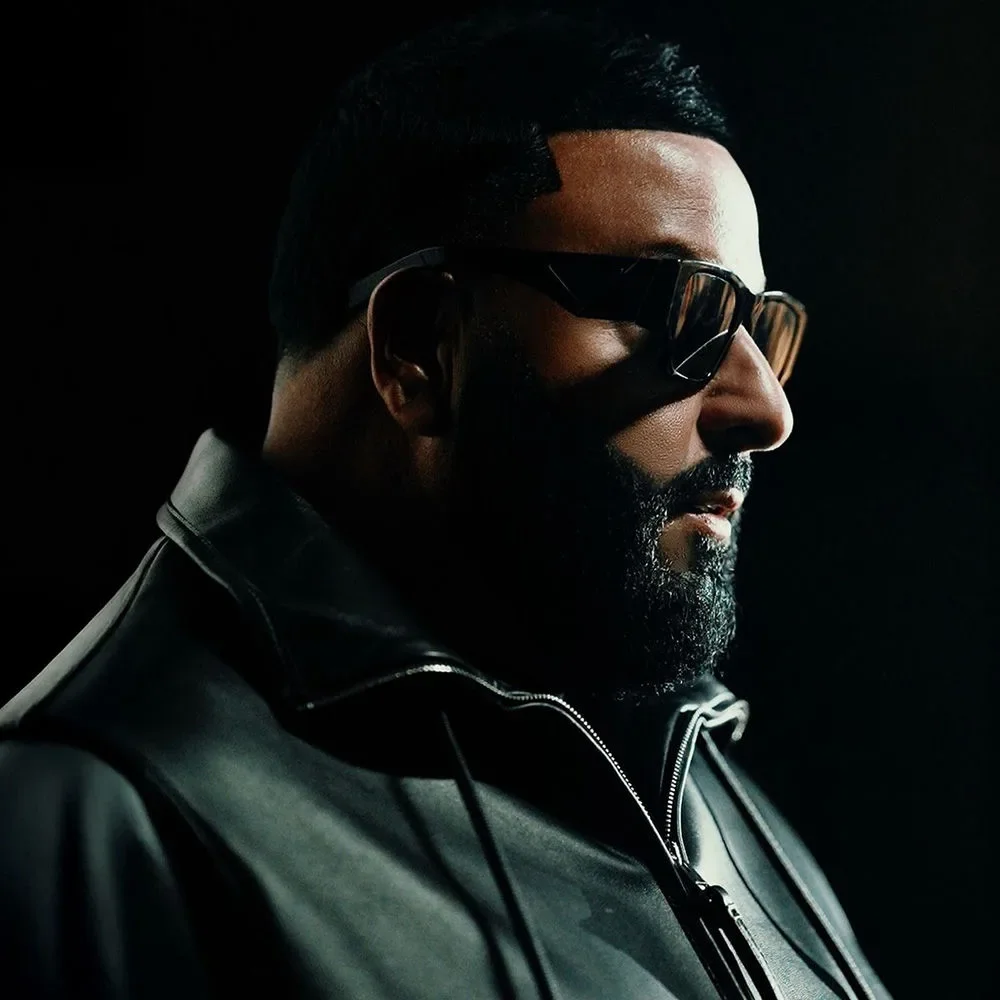
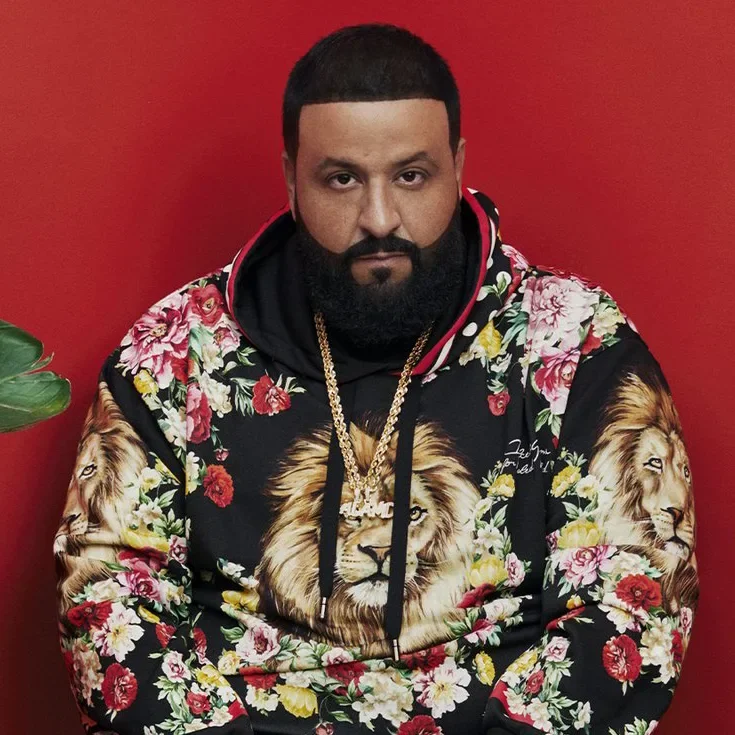
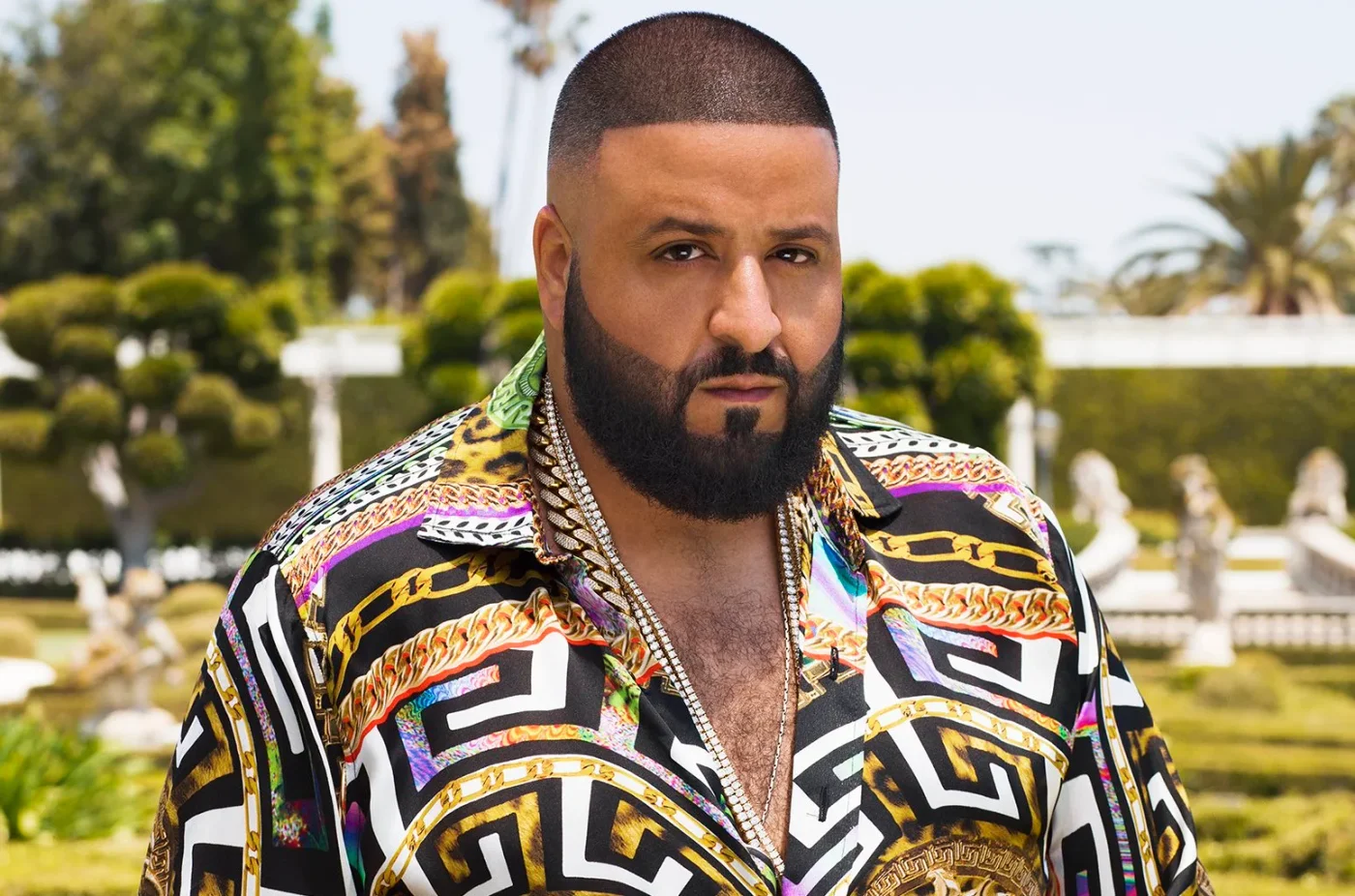
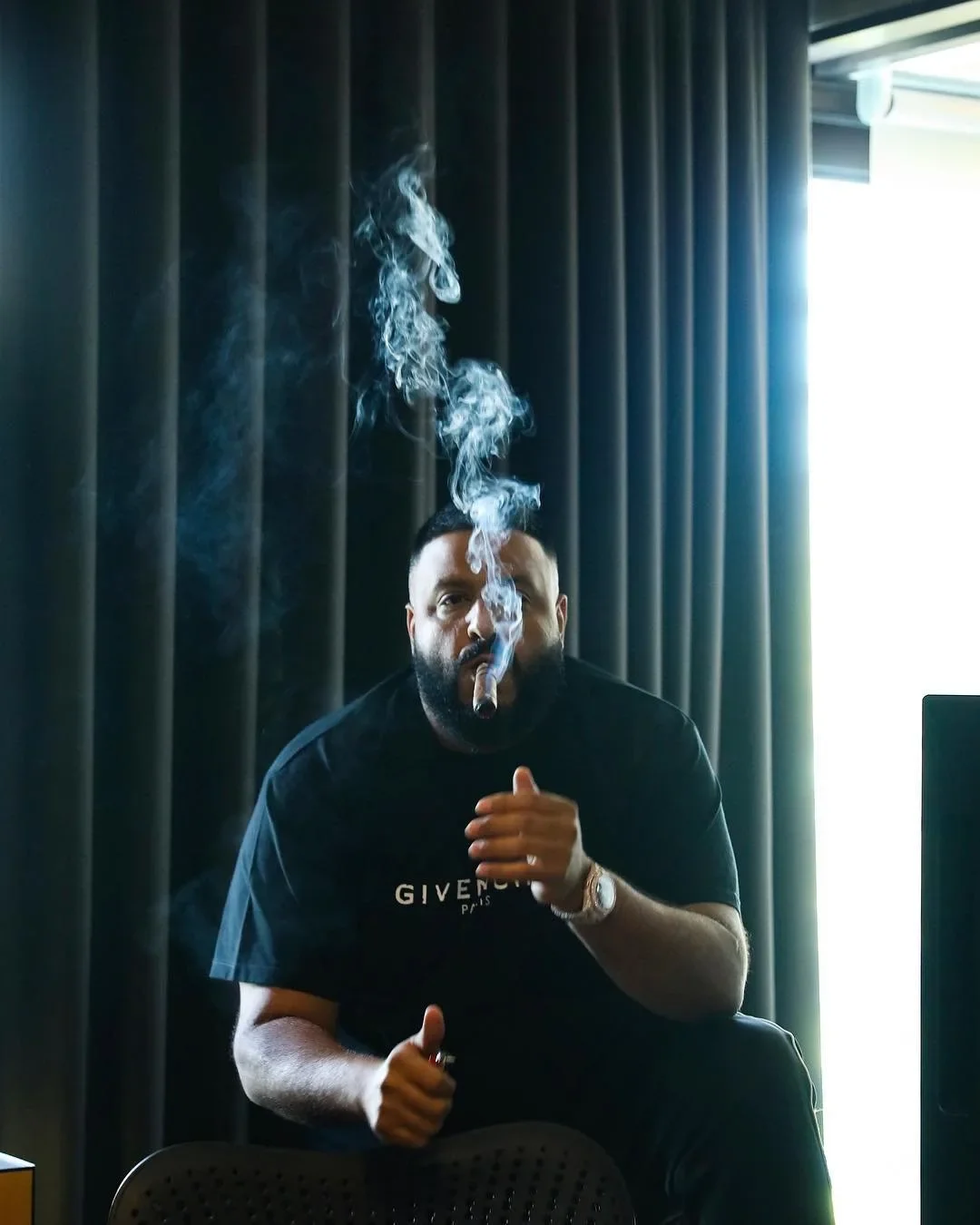
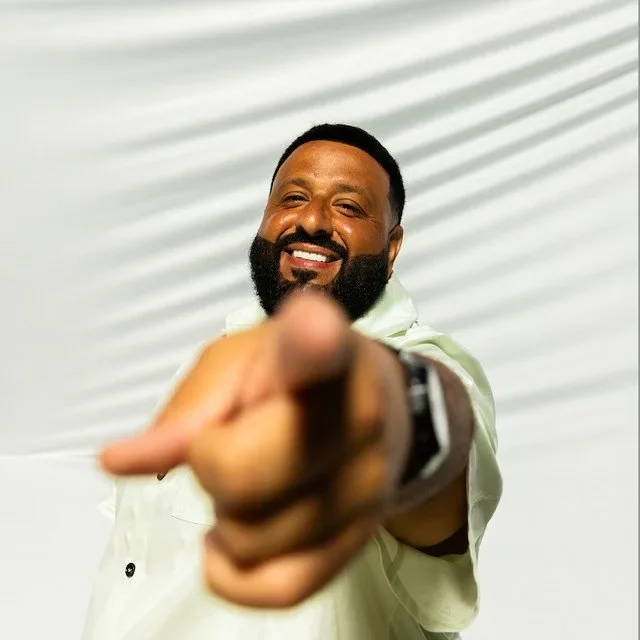
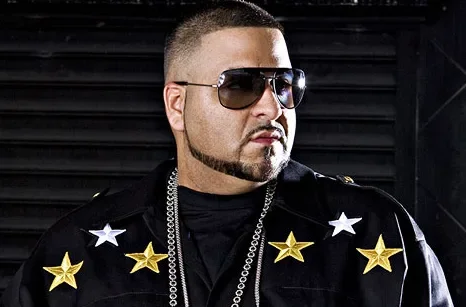
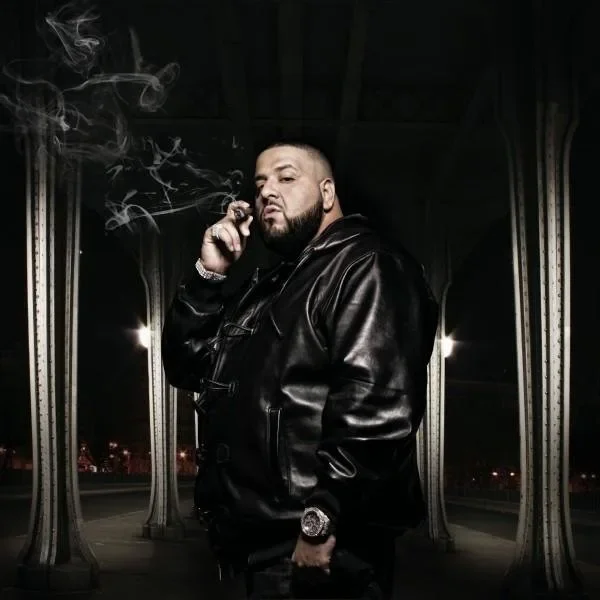
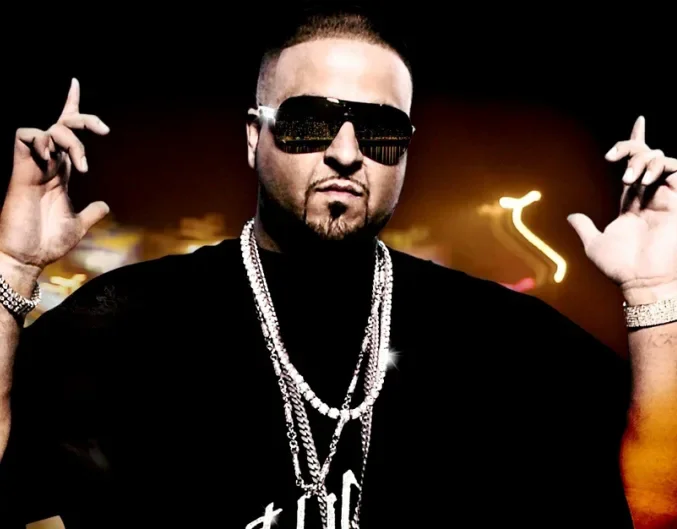
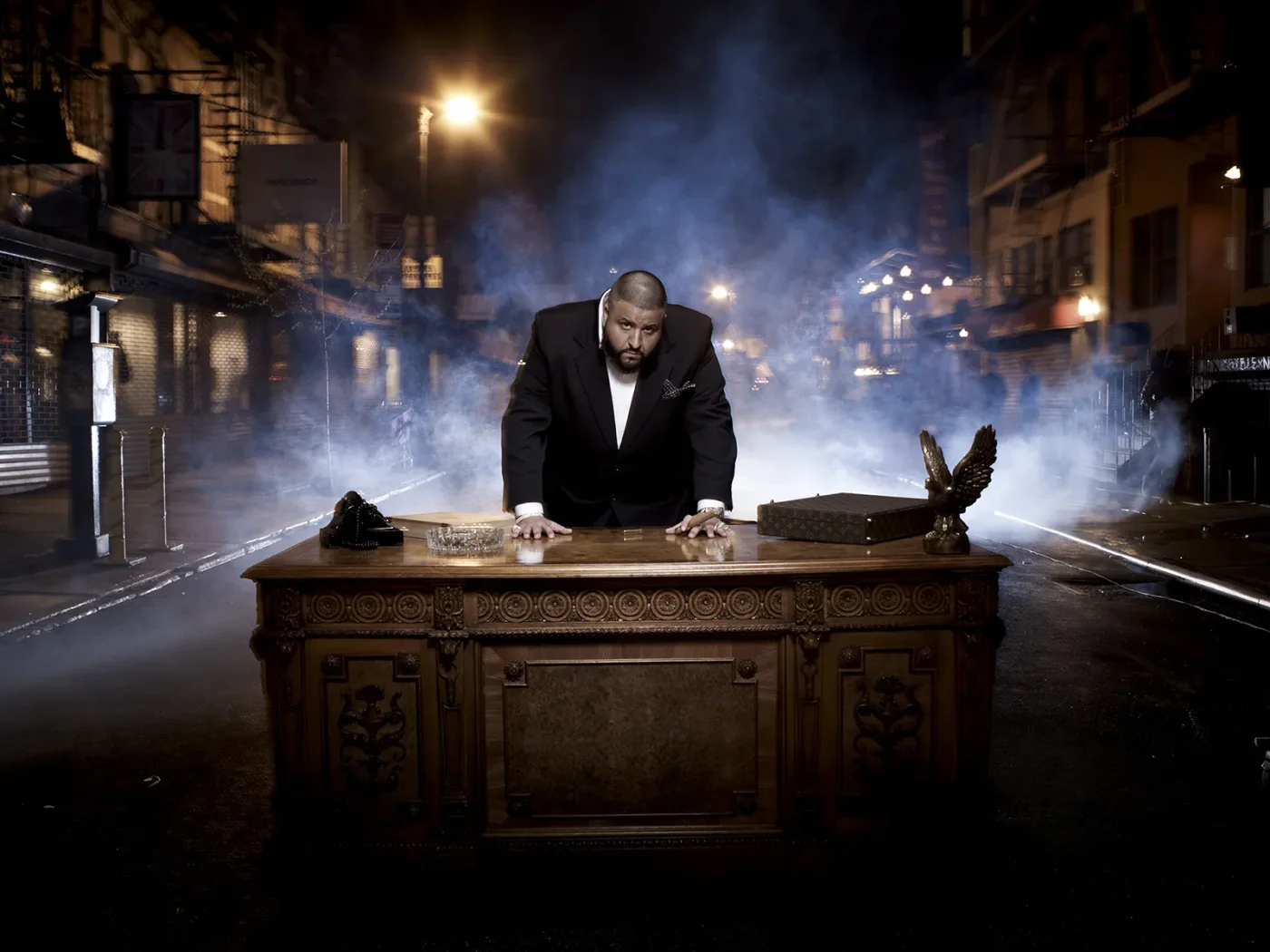
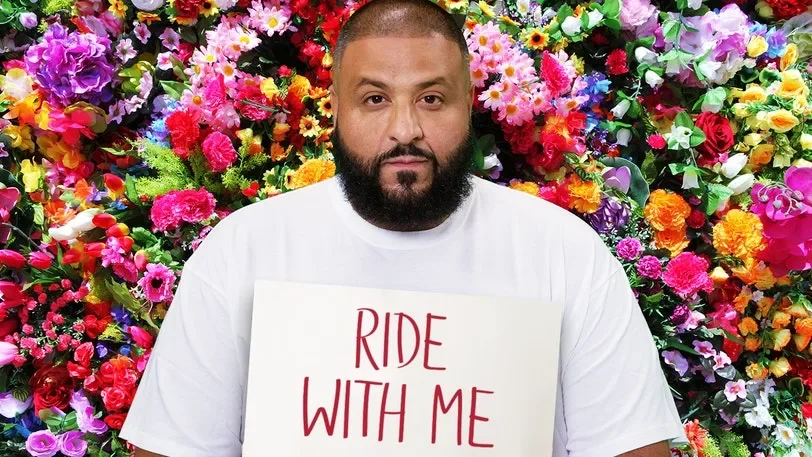
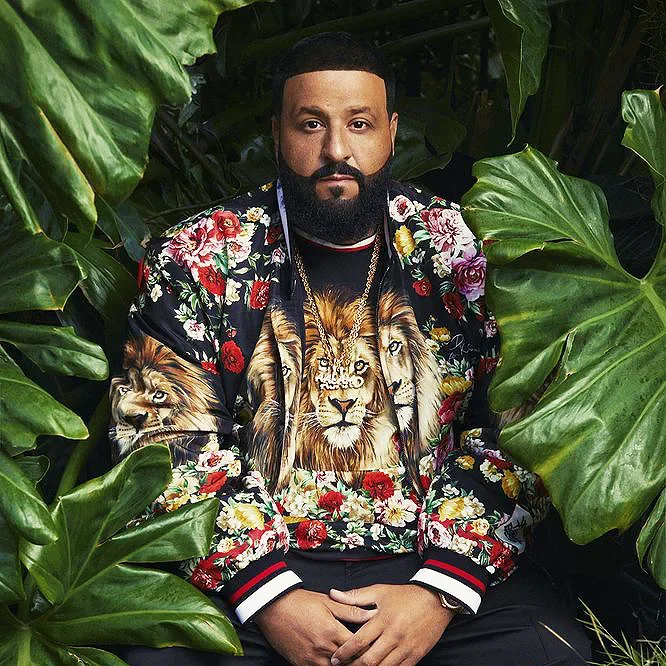
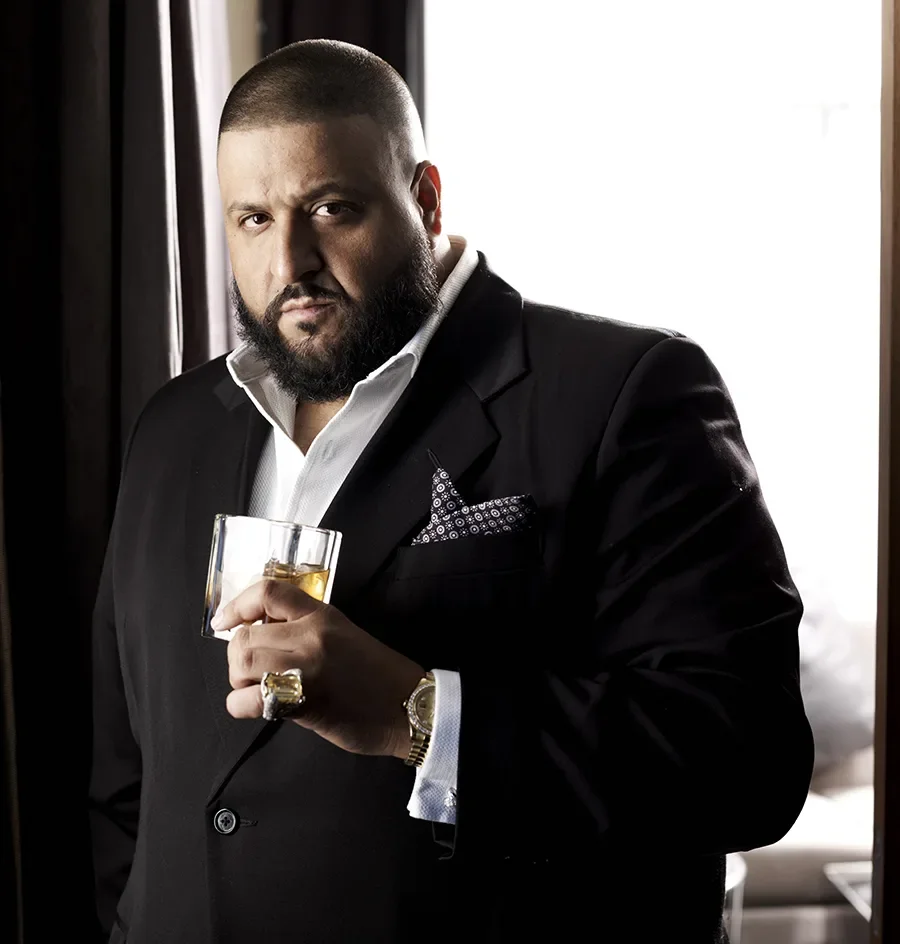
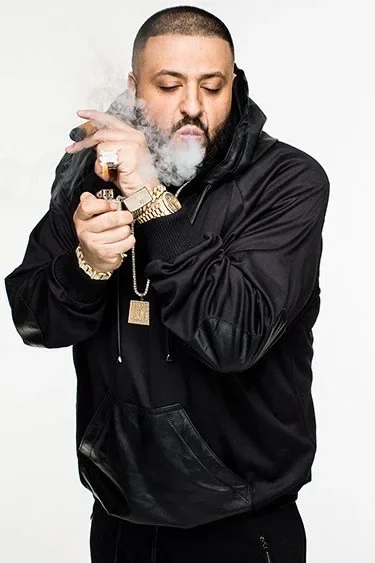
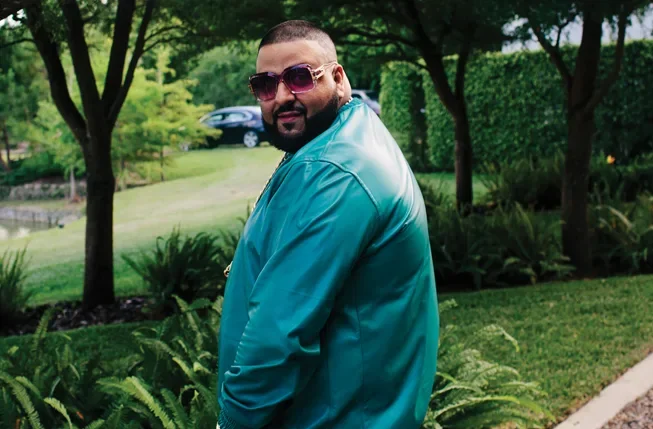
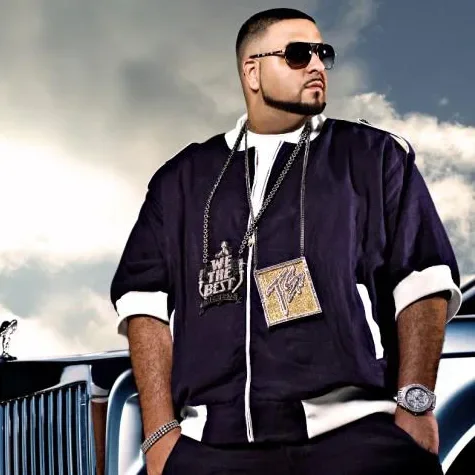
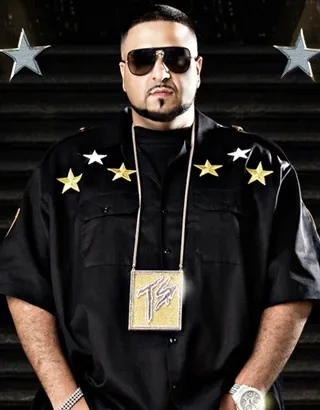
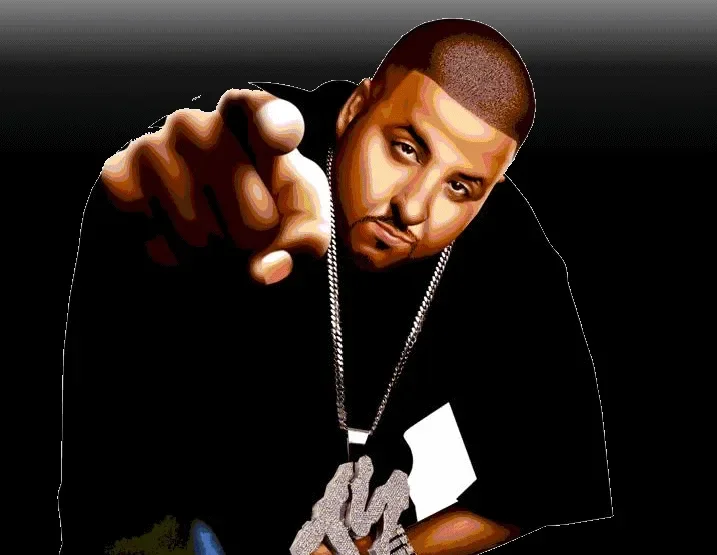
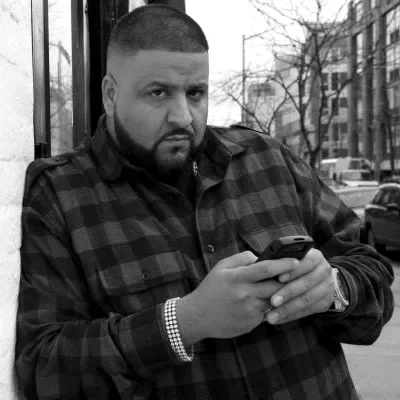
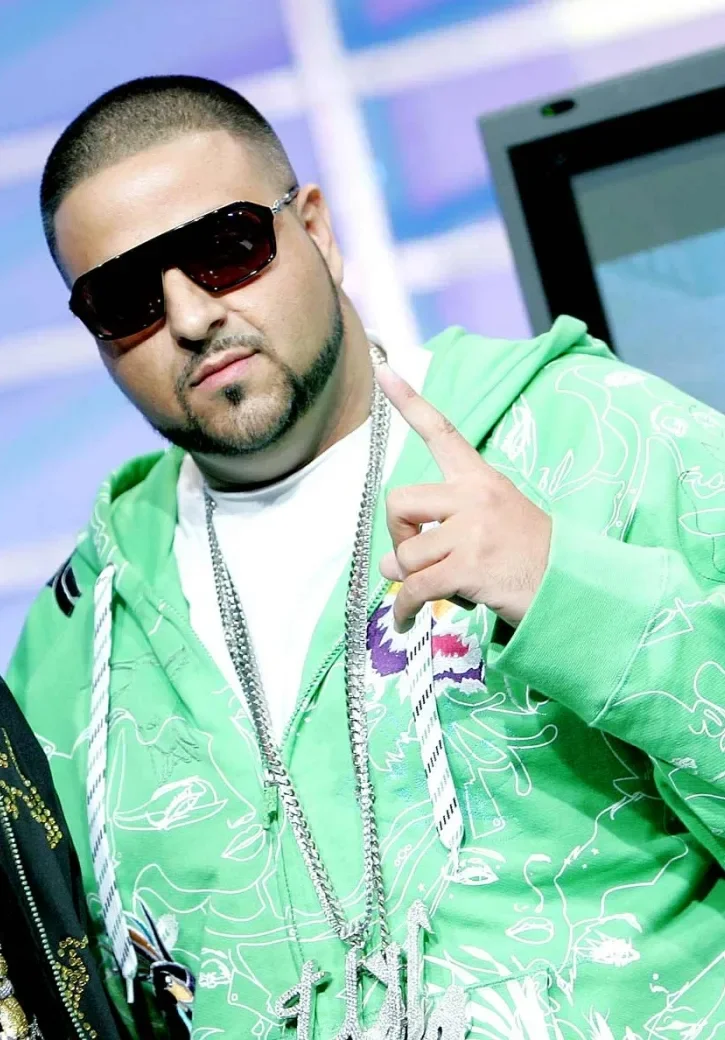
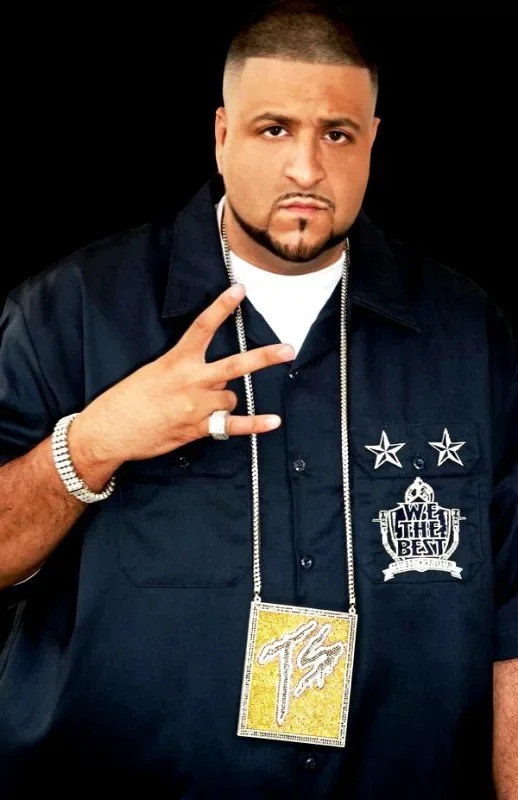
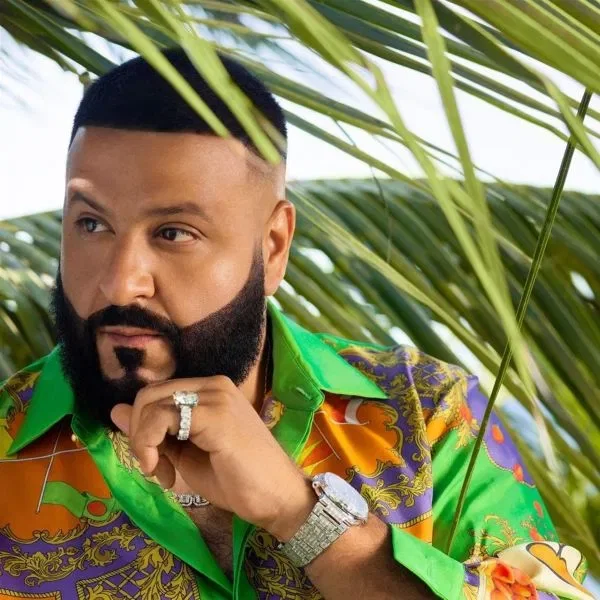
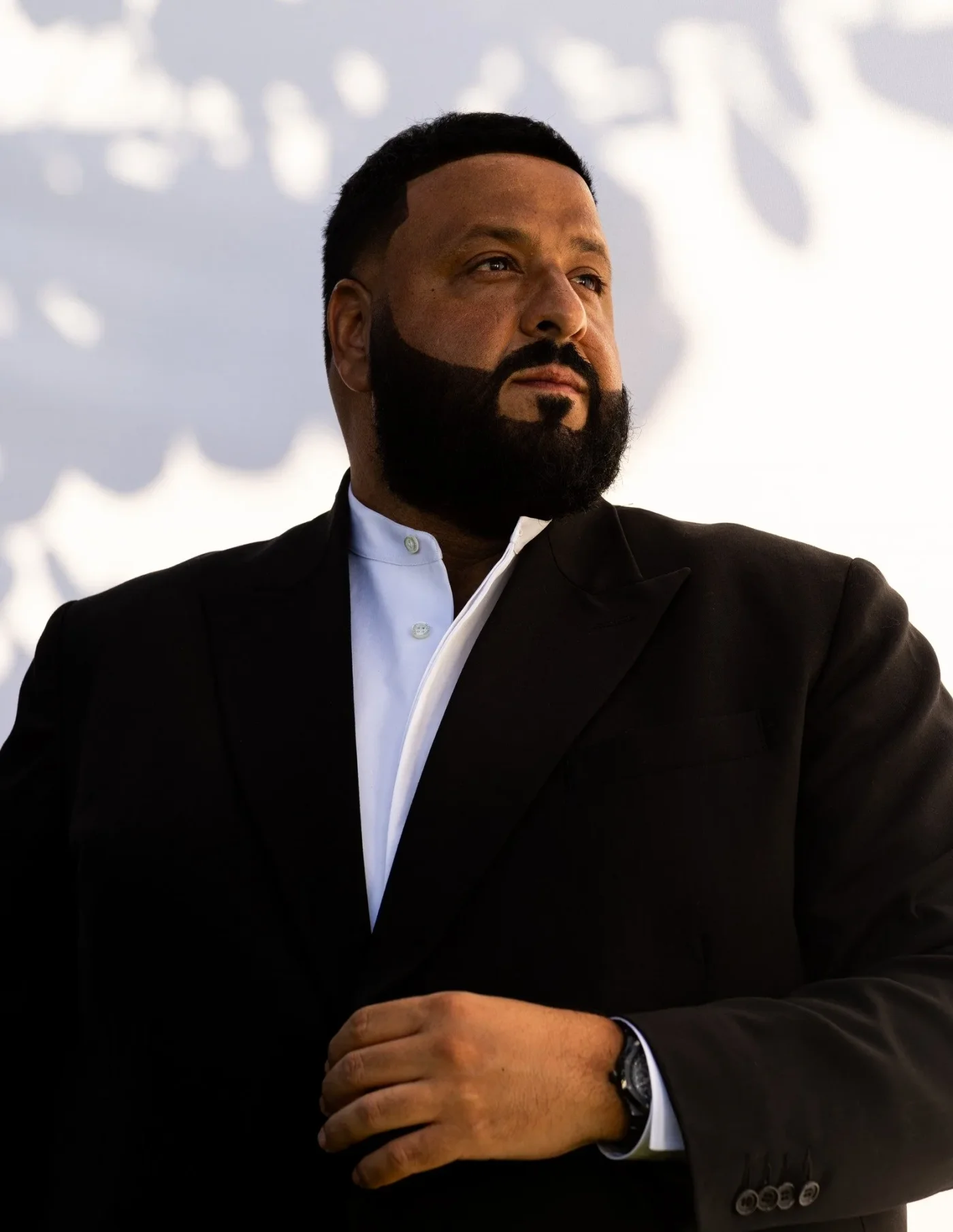
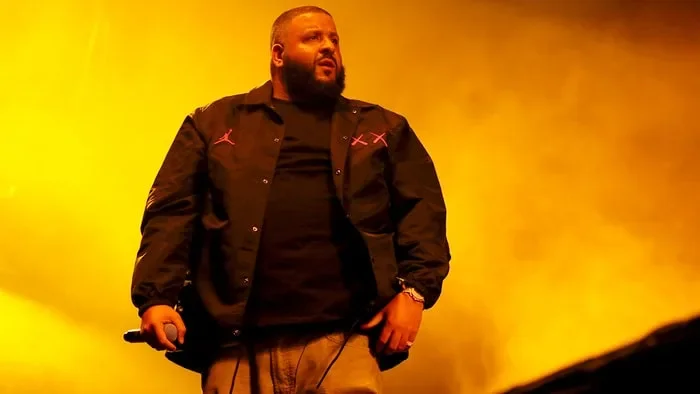
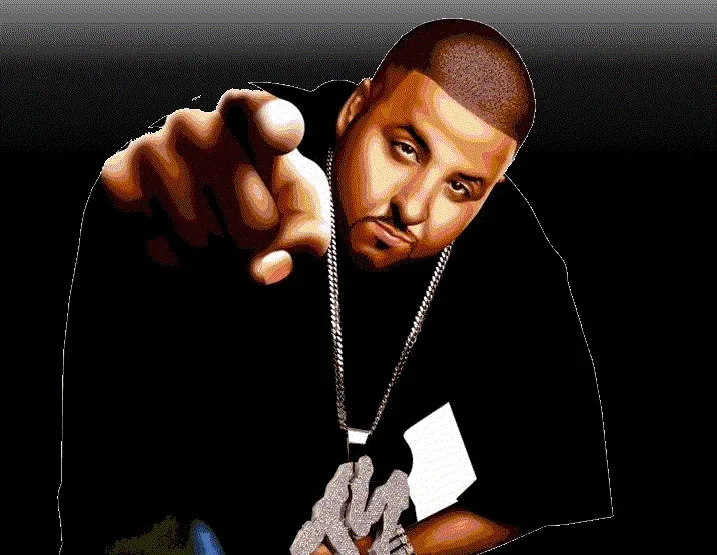
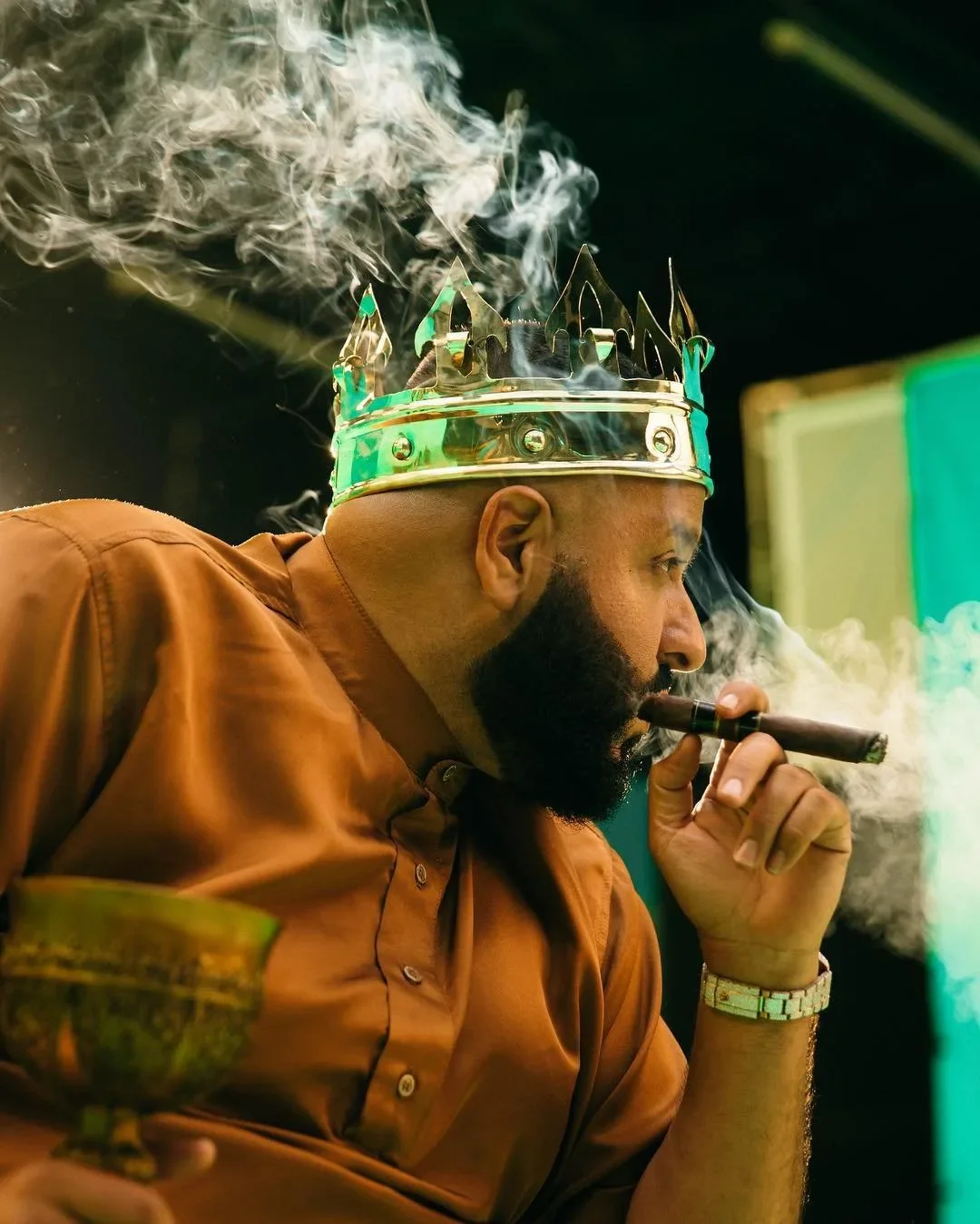
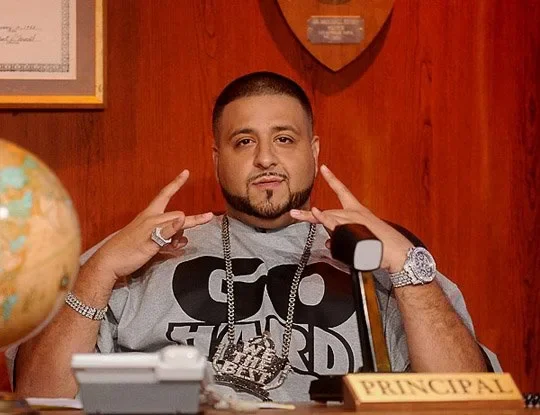
DJ Khaled is one of the most unusual figures in modern hip-hop because he built a massive career without fitting the traditional mold of rapper, singer or hidden studio producer. His role is different: DJ, curator, connector, announcer, executive, public personality and architect of event-sized songs. In an industry obsessed with individual authorship, Khaled found power in bringing other voices together, turning collaborations into spectacle and making his own energy a recognizable brand before anyone else’s verse even begins.
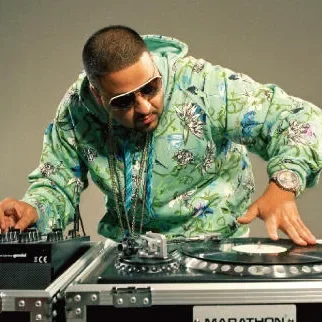
Born in New Orleans to a Palestinian family, Khaled grew up around music, record stores, radio, rap, soul, reggae, dancehall and DJ culture. His story does not begin with an album, but much earlier: as a teenager learning how to DJ, moving through records, contacts, booths, stores and local scenes. That stage is essential to understanding him. DJ Khaled was not born as a cover artist; he was born as someone who wanted to be close to music, understand who was next, who could connect with whom and how a song could become a moment.
His move to Miami finished shaping his identity. On radio, especially at 99 Jamz, he learned how to speak to a city, lift a record, repeat a phrase until it became part of the atmosphere and build presence through his voice. Miami gave him the perfect crossing: southern rap, Caribbean energy, dancehall, luxury, street life, nightlife, immigration, clubs and ambition. Khaled understood that his function was not to disappear behind the featured artist, but to appear as the conductor of collective energy. When he shouts his name, “We the Best” or one of his catchphrases, he is not decorating the track. He is marking territory.
His discographic debut with *Listennn... the Album* was not the true beginning of the artist, but it was the moment when his role as DJ and connector became an album format. From there, his model was clear: gather rappers, producers and scenes that already had force, and turn that gathering into something bigger than a loose single. To some people, that could look like simply assembling guests; to others, it was a very specific skill. Not everyone can gather egos, schedules, styles and expectations and make everything feel like a larger-scale celebration.
With *We the Best*, “We Takin’ Over” and “I’m So Hood,” DJ Khaled began defining his language. His music worked like a triumphal entrance: huge hooks, club beats, competitive verses, a sense of victory and All-Star team energy. Khaled was not selling intimacy; he was selling shared greatness. His specialty was making every song sound like the introduction to a championship: lights, smoke, big names, shouting, promises, triumph. In that sense, his figure belongs as much to hip-hop as to sports, radio and motivational culture.
“All I Do Is Win” turned him into a popular icon. The song is almost a manifesto of his persona: repetitive, exaggerated, direct, impossible to ignore and built to be celebrated in stadiums, parties, videos, memes and sports broadcasts. That became one of his greatest talents: understanding that a simple phrase, repeated with absolute conviction, can have more cultural life than a complex line. DJ Khaled made obviousness into a tool. In his world, success is not whispered. It is announced through speakers.
Over the following decade, Khaled became a kind of traffic director for mainstream rap. Drake, Rick Ross, Lil Wayne, Jay-Z, Beyoncé, Rihanna, Justin Bieber, Future, Nicki Minaj, Chance the Rapper, SZA, Nipsey Hussle and many others passed through his albums. His catalog became a gallery of alliances. Sometimes the result was brilliant, sometimes excessive, sometimes too calculated, but almost always recognizable. Khaled understood that modern rap also works through gathering, context and timing: who appears with whom, over what beat, with what hook and under what narrative.
His social media era amplified everything. On Snapchat, Instagram and meme culture, Khaled found a second DJ booth. Phrases such as “major key,” “another one” and “bless up” worked as natural extensions of his DJ role: attention calls, motivational shouts, slogans that turned daily life into a spectacle of self-belief. For some, his personality became more famous than his music; for others, that was precisely the innovation. Khaled understood before many that the 21st-century artist does not live only through albums, but through clips, phrases, gestures, routines and constant narrative.
*Major Key*, *Grateful*, *Father of Asahd*, *Khaled Khaled* and *God Did* show his different scales: the curator of club anthems, the proud father, the fan of luxury rap, the executive who can call half the industry, the believer who turns victory into testimony. “I’m the One” and “Wild Thoughts” showed his more global pop side. “Higher” gave him an emotional moment and a Grammy marked by Nipsey Hussle’s posthumous presence. “God Did” placed him back at the center of the rap conversation through a monumental gathering and a narrative of faith, persistence and triumph.
DJ Khaled matters because he represents a different form of authorship in hip-hop. He is not the best rapper, not the lead singer, not always the most visible producer in the technical sense, but he is one of the great organizers of collective energy. His legacy lies in turning curation, radio, motivation, exaggeration and networking into a recognizable artistic identity. At his best, DJ Khaled sounds like a studio door bursting open: too many people walk in, everyone wants to win, someone yells “another one,” and suddenly the chaos feels like a celebration.
Main genre
HIP HOP
Main subgenres
Like a superfan's list — except verified, with sources and links.
21–Apr 23, 2017
Indio, California · United States
Past14–Apr 16, 2017
Indio, California · United States
PastWhat we managed to link to the concert archive. If a date is missing, tell us — happens to us too.
No linked concerts
Every concert and festival of the year, traced on the globe. Hit play and follow the route stop by stop.
Photos from the public archive.
Recent coverage linked to the artist.


Close by genre and social signal.
No related artists
When there is enough genre signal, they will appear here.