Ranking
#82

Ranking
#82
Followers
87.7 M
Digital presence
Official profiles, streaming and discovery.
What a good fan recites by heart (or pretends to).
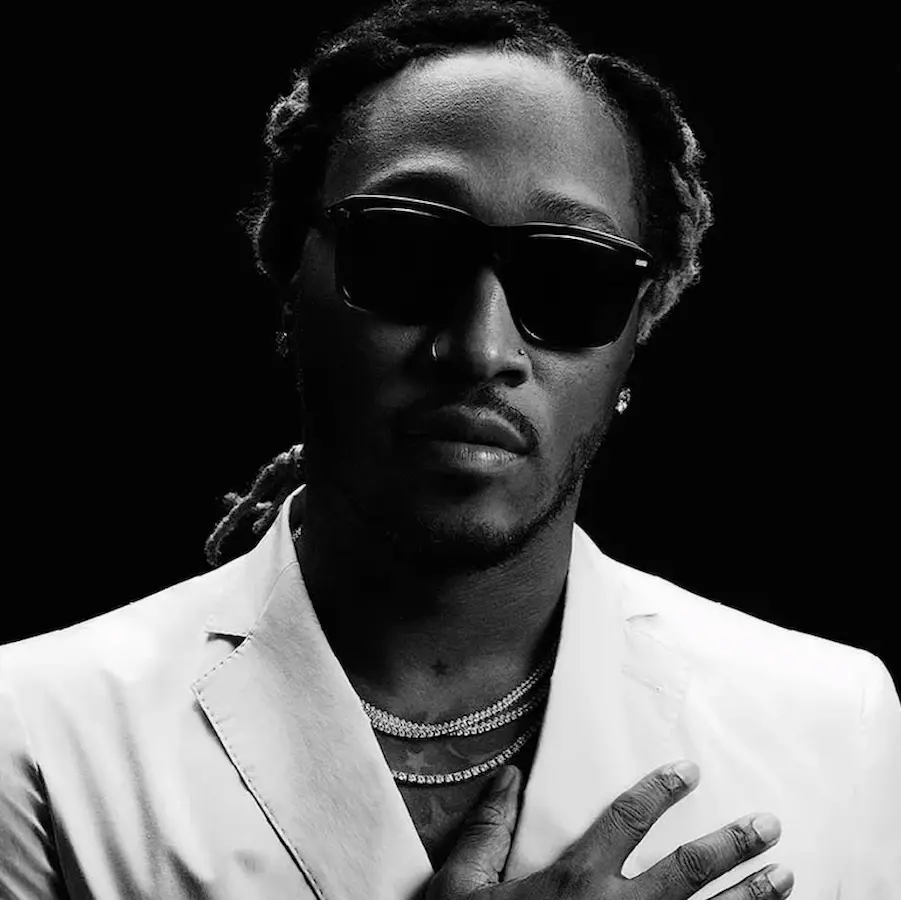
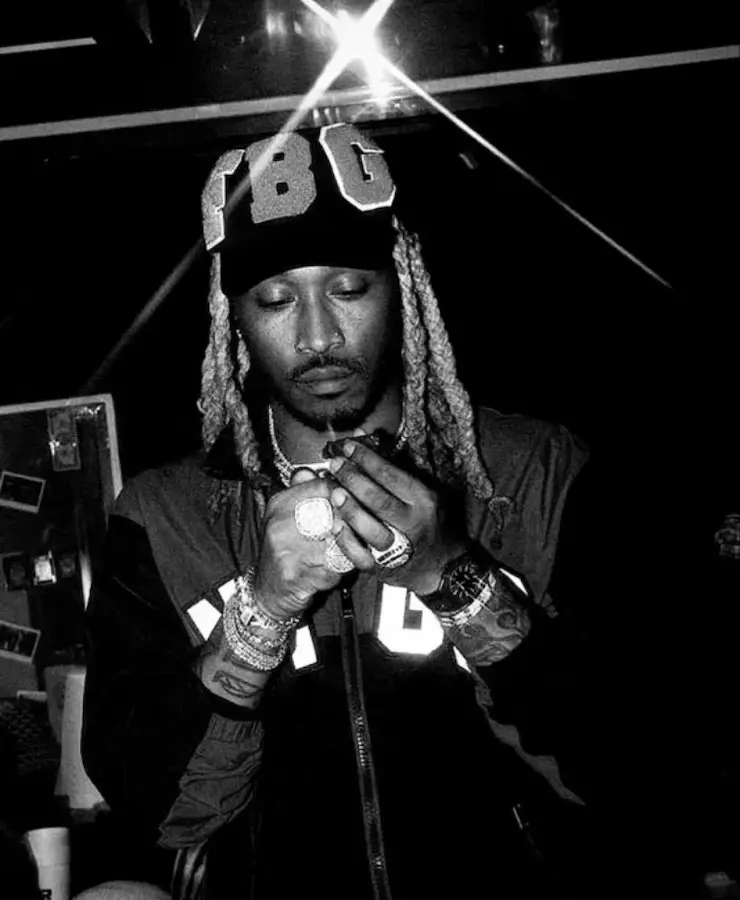
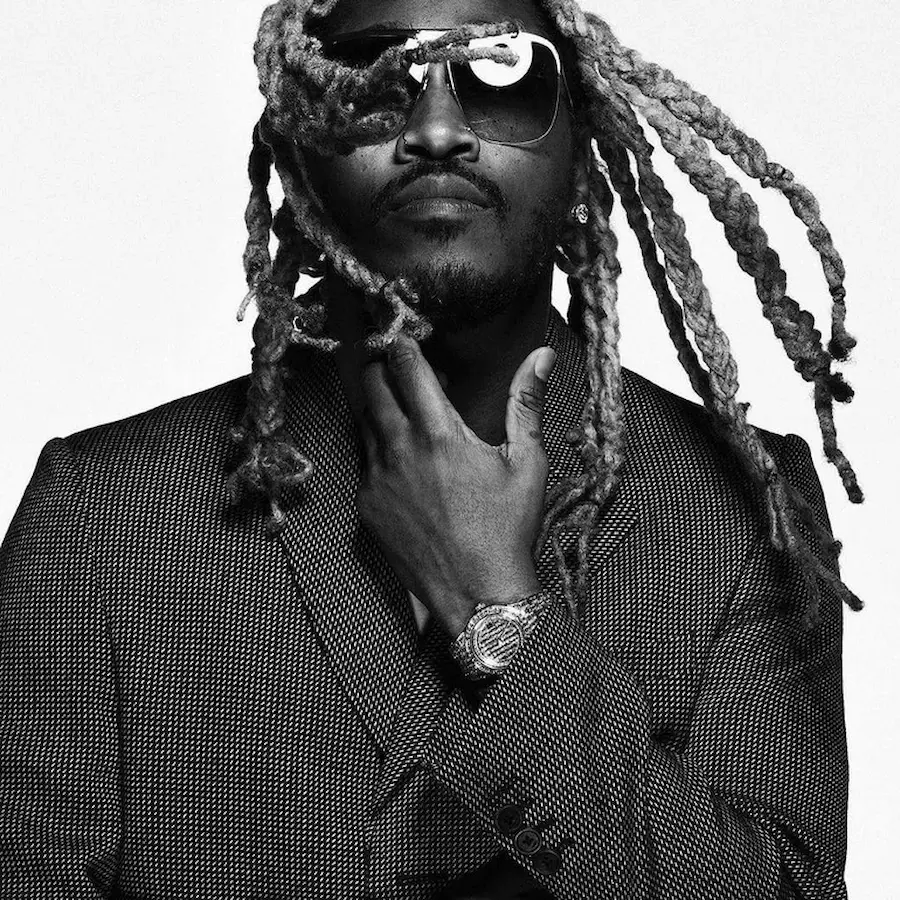
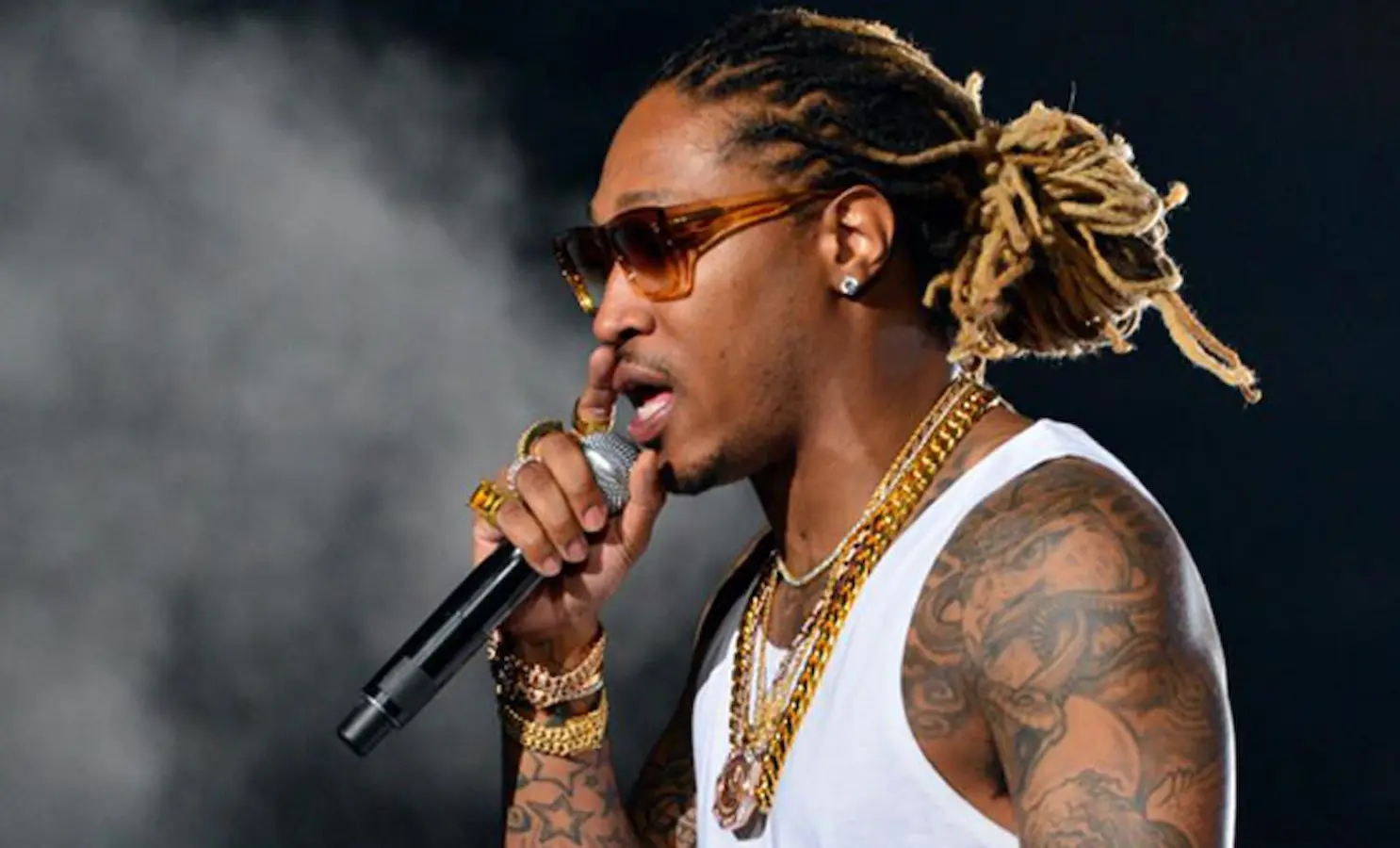
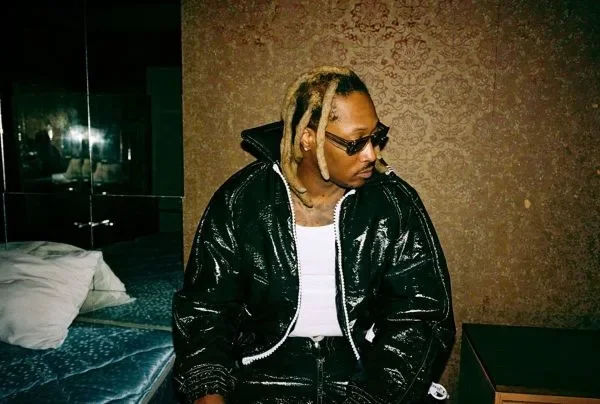
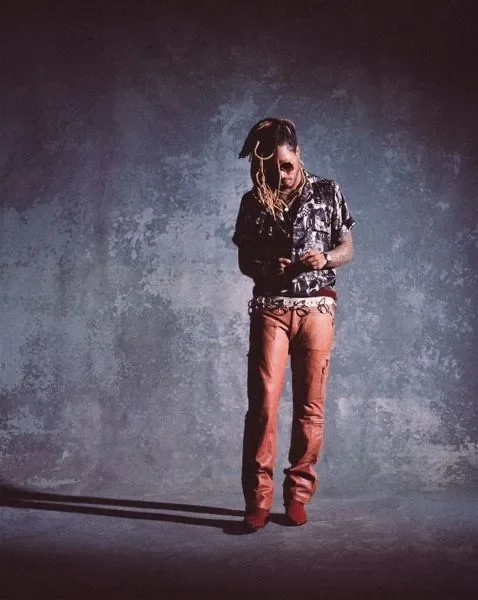
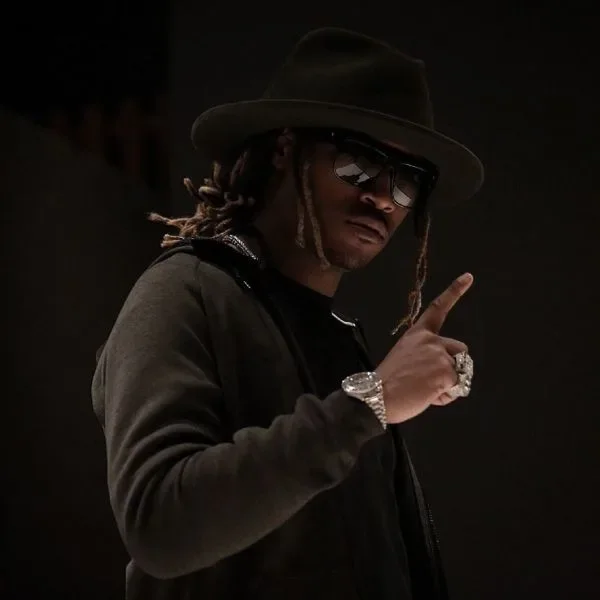
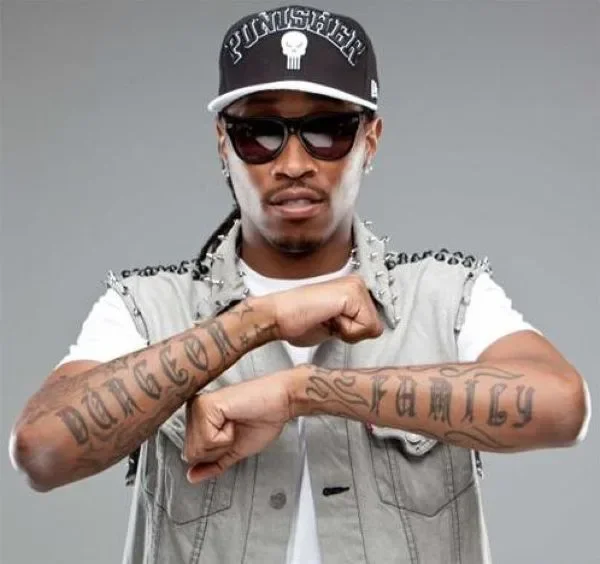
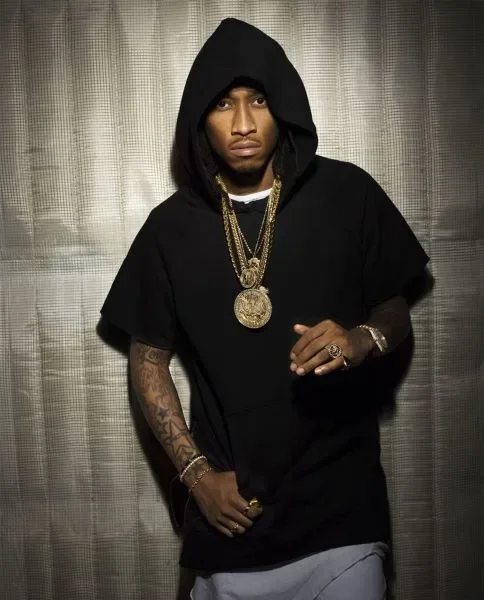
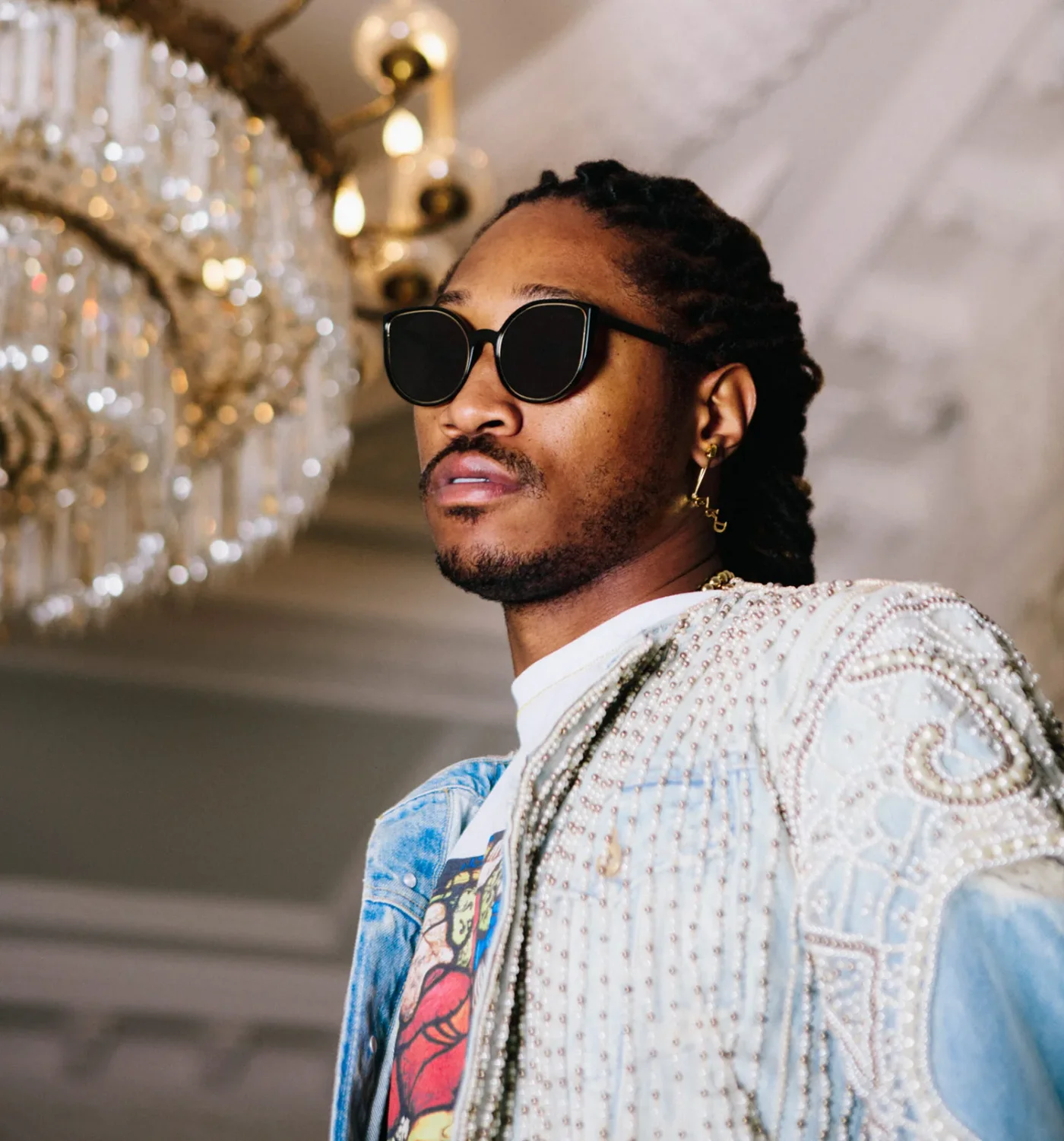
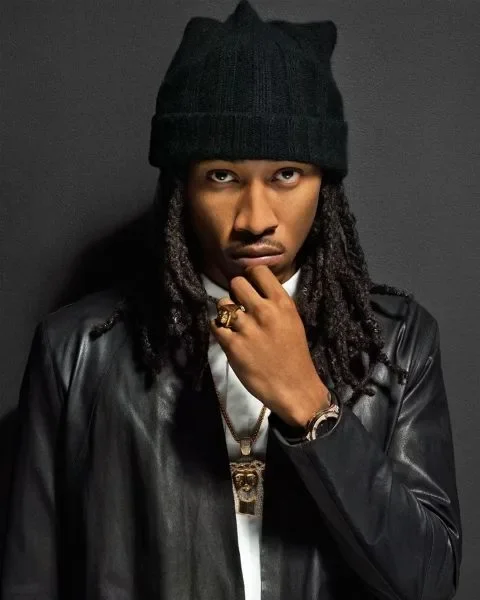
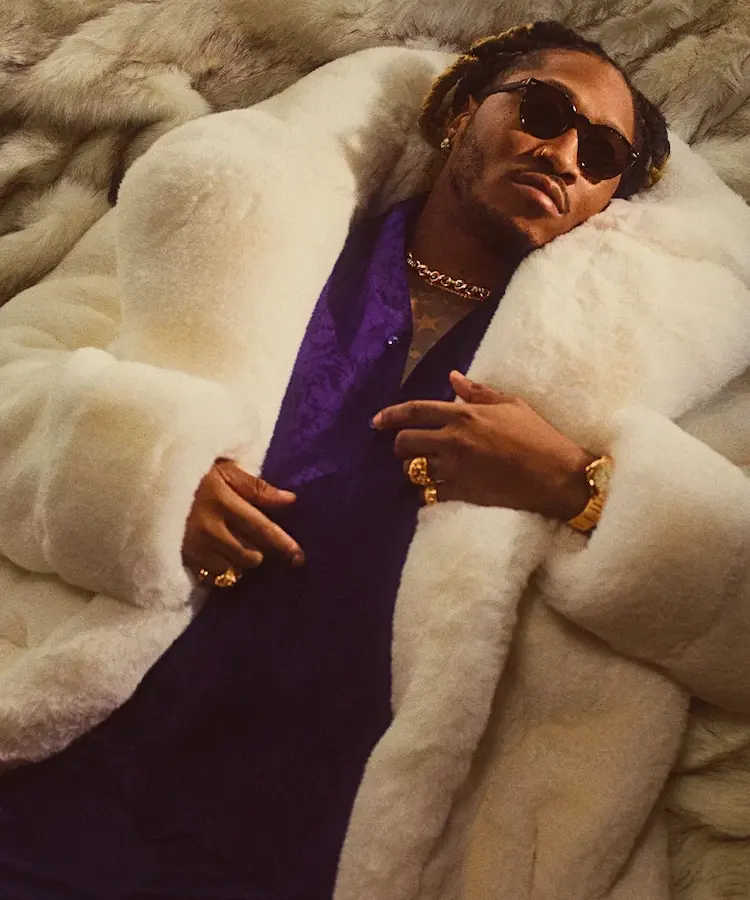
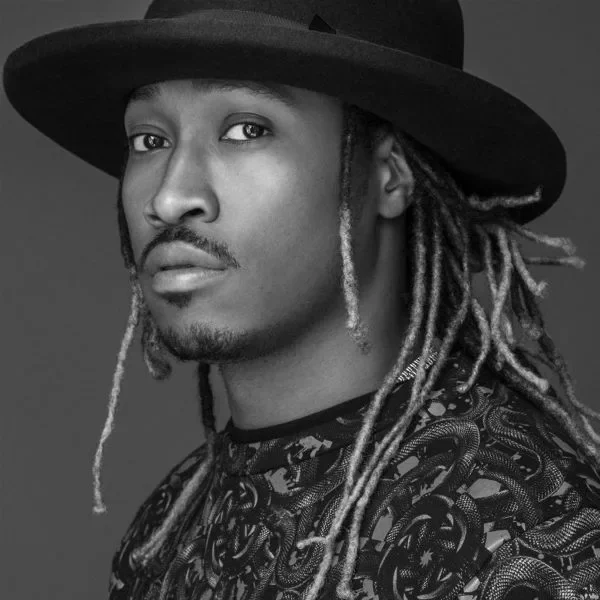
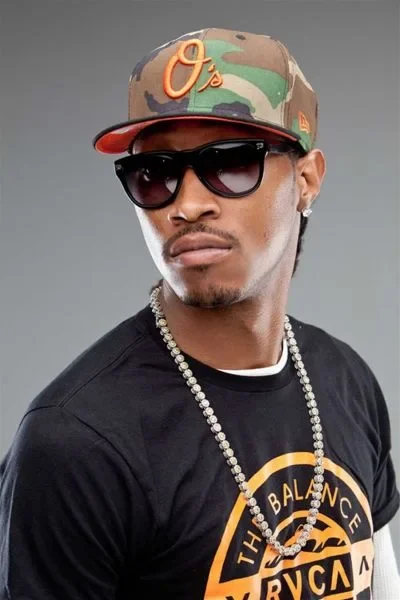
Future is one of the artists who most changed the way modern rap is understood, without presenting himself as a revolution in the traditional sense. His impact is not only in the numbers, the hits, or the massive collaborations, but in something deeper: he turned processed voice, dark melody, toxic release, exhausted luxury, and emotion buried under layers of Auto-Tune into a central language of contemporary hip hop. After Future, a huge part of rap began to sound different: more nocturnal, more narcotic, more vulnerable without saying so directly, more comfortable living between triumph and collapse.
Born in Atlanta, Georgia, Future comes from a city that did not simply produce music scenes, but entire ways of speaking, dressing, moving, and narrating urban life in the American South. Before becoming a global figure, he was connected to the lineage of Dungeon Family, a crucial environment for understanding Atlanta’s musical DNA. That connection matters because Future did not appear out of nowhere as a streaming-era product. He comes from a tradition where Southern rap mixed street life, experimentation, melody, local slang, futuristic production, and an imagination very different from the classic New York–Los Angeles axis.
His early years as Meathead, his closeness to Rico Wade, and the Organized Noize environment help explain something essential: Future learned to think of music as atmosphere. He is not a rapper who depends only on linear bars or obvious punchlines. His strength lies in the climate he creates. He can repeat a phrase until it becomes a mantra, bend a melody until it sounds like a lament, let the voice crack behind the effect, or turn an image of excess into a symptom of exhaustion. That use of repetition and vocal texture made him a decisive figure in trap.
Future’s rise came through a run of mixtapes that built his reputation from Atlanta outward. 1000, Dirty Sprite, True Story, Streetz Calling, and Astronaut Status showed an artist working at a ferocious pace, testing cadences, phrases, hooks, and states of mind. “Tony Montana” was one of the songs that put him on the map, but the key was not only the single. It was the feeling that Future was creating his own emotional space inside club music, street rap, and Atlanta strip-club culture. His music could sound like a party, but also like the hangover before the night was even over.
With Pluto, his studio debut, Future opened a larger door. “Turn On the Lights,” “Same Damn Time,” and other tracks showed that his formula could cross into the mainstream without losing its strangeness. It was rap, but also singing; street-rooted, but also pop; cold on the surface, but with strange emotion running underneath. Honest kept expanding that zone, though his defining artistic consolidation came through the stretch of Monster, Beast Mode, 56 Nights, and DS2. There, the sound became denser, darker, more addictive, and unmistakable. Future found a version of himself that seemed to speak from inside excess, not to celebrate it cleanly, but to show what it feels like to be trapped in it.
DS2 is central because it condensed his myth: heavy production, murky atmosphere, phrases that work like internal codes, a blend of arrogance and emptiness, and a way of turning pain into aesthetic. Songs such as “Thought It Was a Drought,” “Where Ya At,” “Stick Talk,” and “March Madness” did not merely reinforce his place in rap; they helped define the emotional sound of a decade. Future made trap able to function as anthem, private diary, threat, celebration, and blurred confession at the same time.
One of his defining qualities is his relationship with Auto-Tune. For some artists, the effect works like makeup; for Future, it works like skin. It is not decoration meant to smooth the voice, but an emotional extension of it. It lets him sound distant and vulnerable, robotic and human, sedated and desperate. That ambiguity is crucial. Future can say something brutal through a beautiful melody, or something intimate with a coldness that makes it even more unsettling. Much of his magnetism lives there: he does not explain emotion in a traditional way. He filters it, distorts it, and leaves it suspended inside the beat.
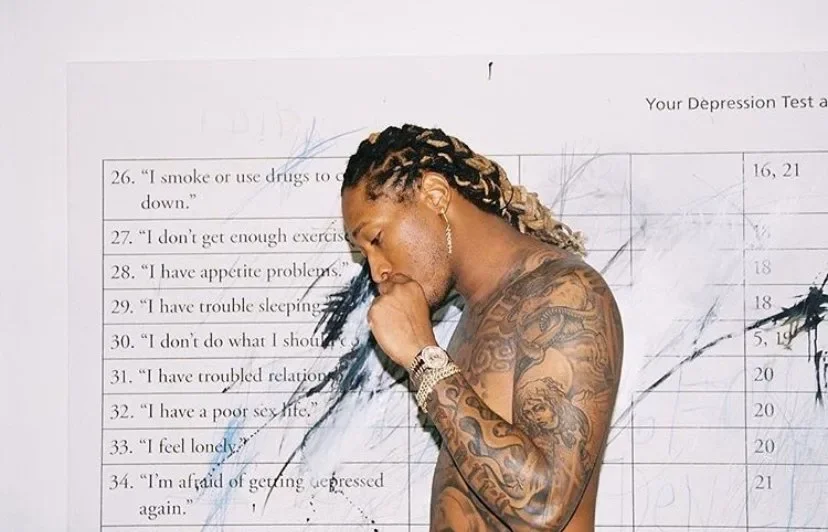
He is also essential to understanding the relationship between rap, masculinity, and emotional contradiction. His public image has often been associated with excess, hedonism, ego, and toxicity, but his strongest music works precisely because beneath that mask are sadness, paranoia, attachment, loss, and fatigue. Future rarely asks for sympathy directly. Instead, he shows the symptoms. His best songs sound like someone bragging while falling apart inside, celebrating while unable to sleep, winning while something breaks.
His relationships with producers such as Metro Boomin, Southside, Zaytoven, Mike WiLL Made-It, DJ Esco, ATL Jacob, and others have been central to building that sonic architecture. Future understands the beat as psychological space. With Zaytoven, he can sound more elastic and melodic; with Metro, more cinematic and shadowed; with Southside, more aggressive and street-level. That ability to adapt without losing identity explains why so many of his collaborations feel like natural extensions of his own universe.
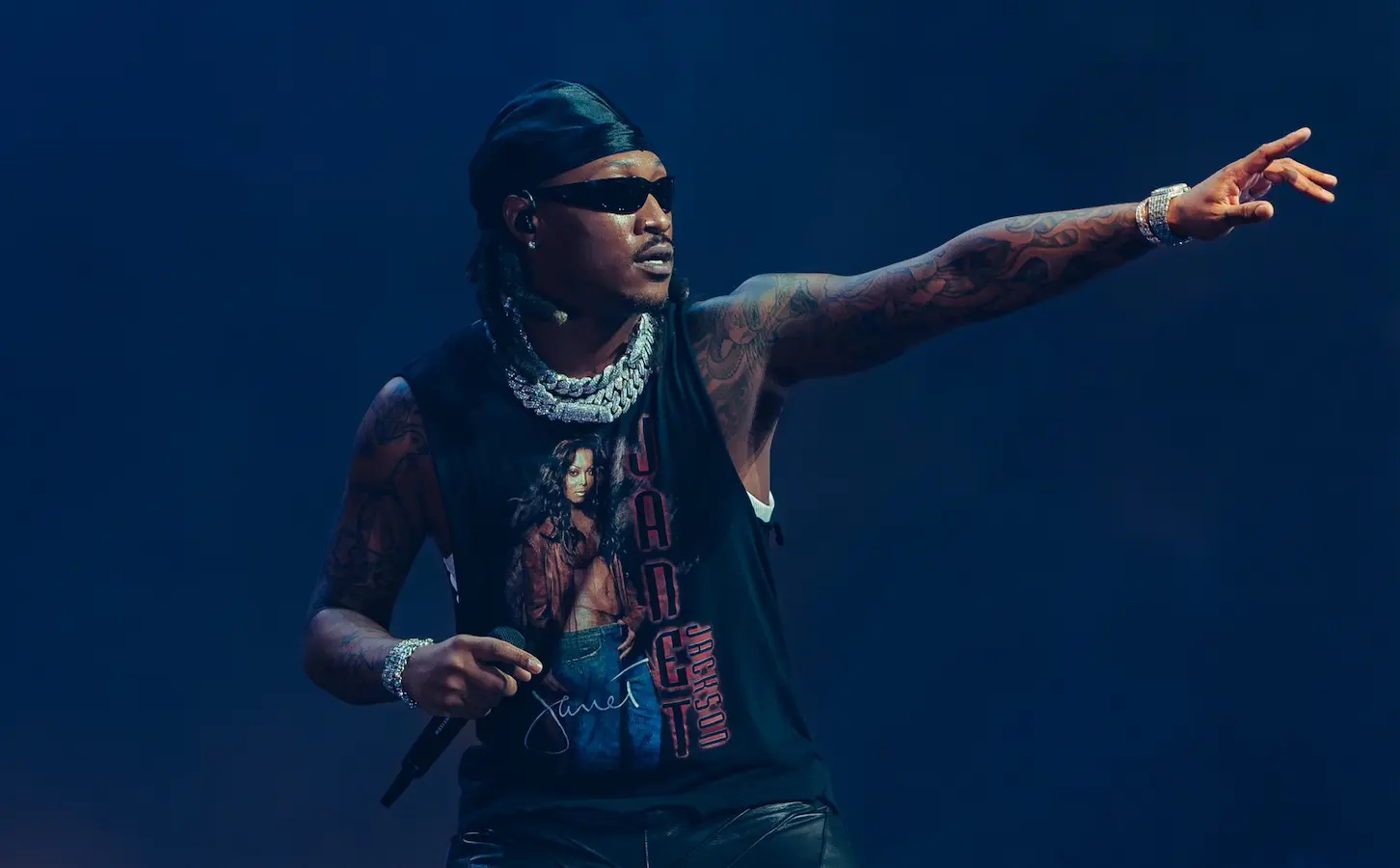
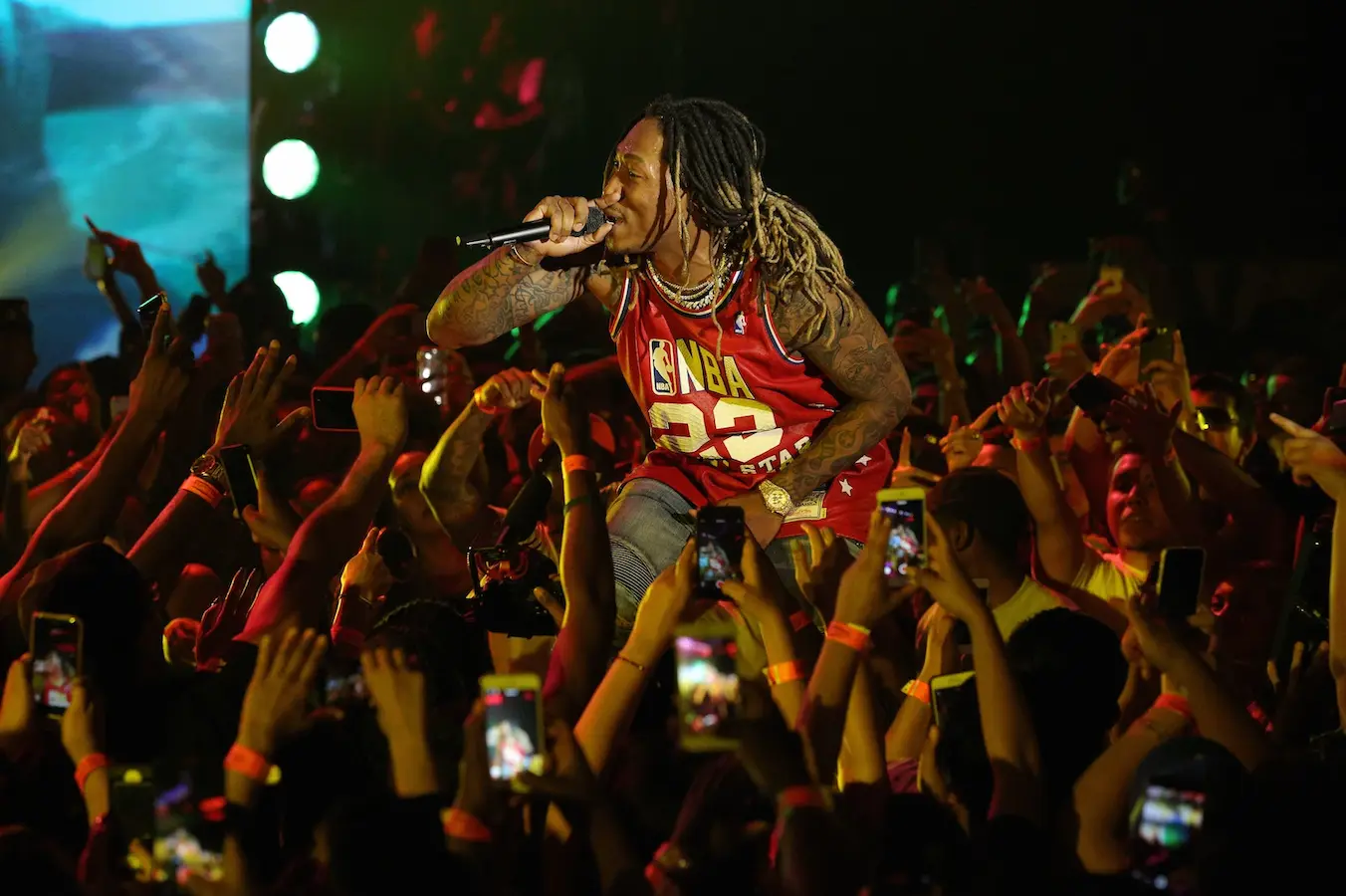
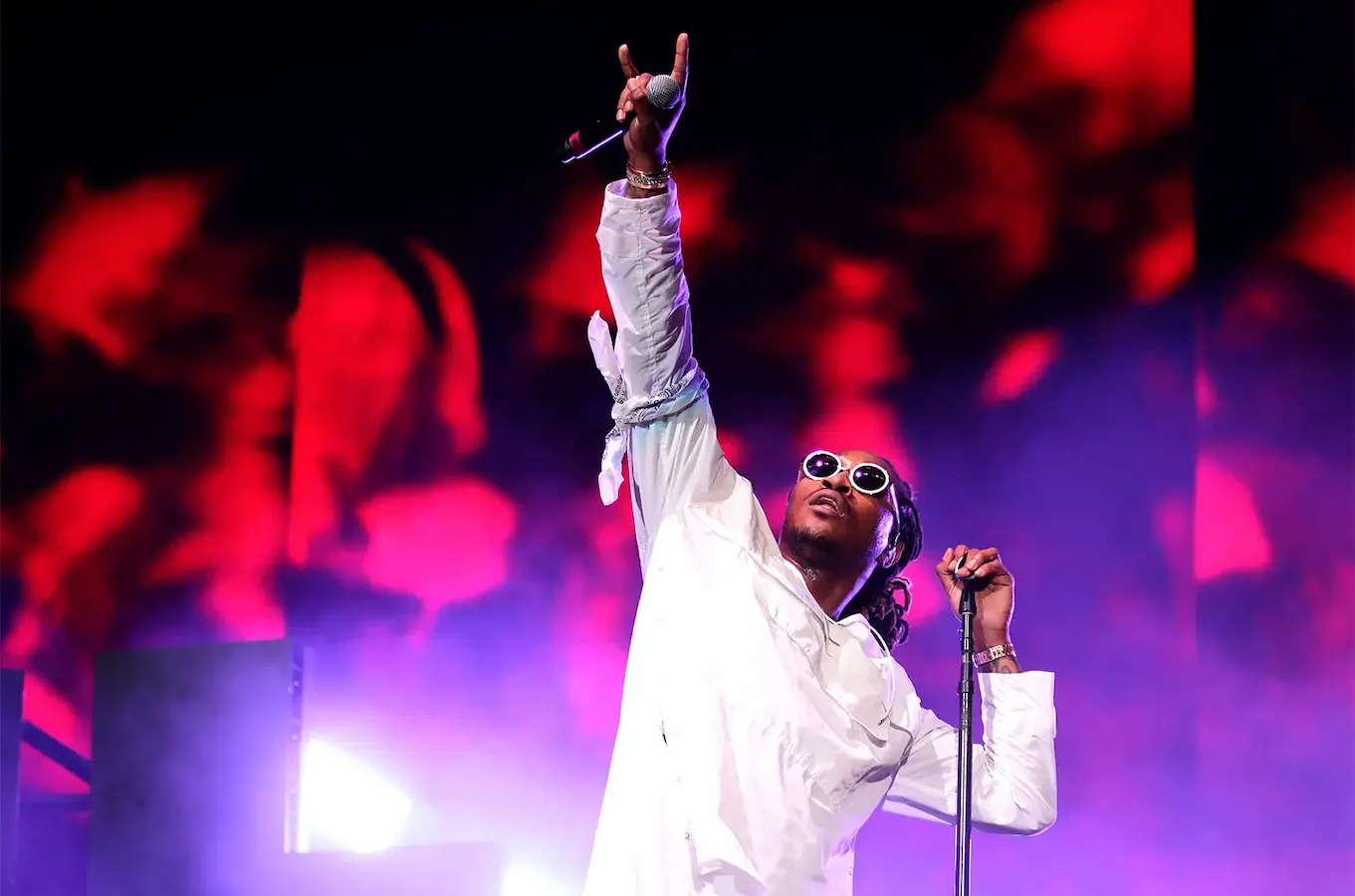
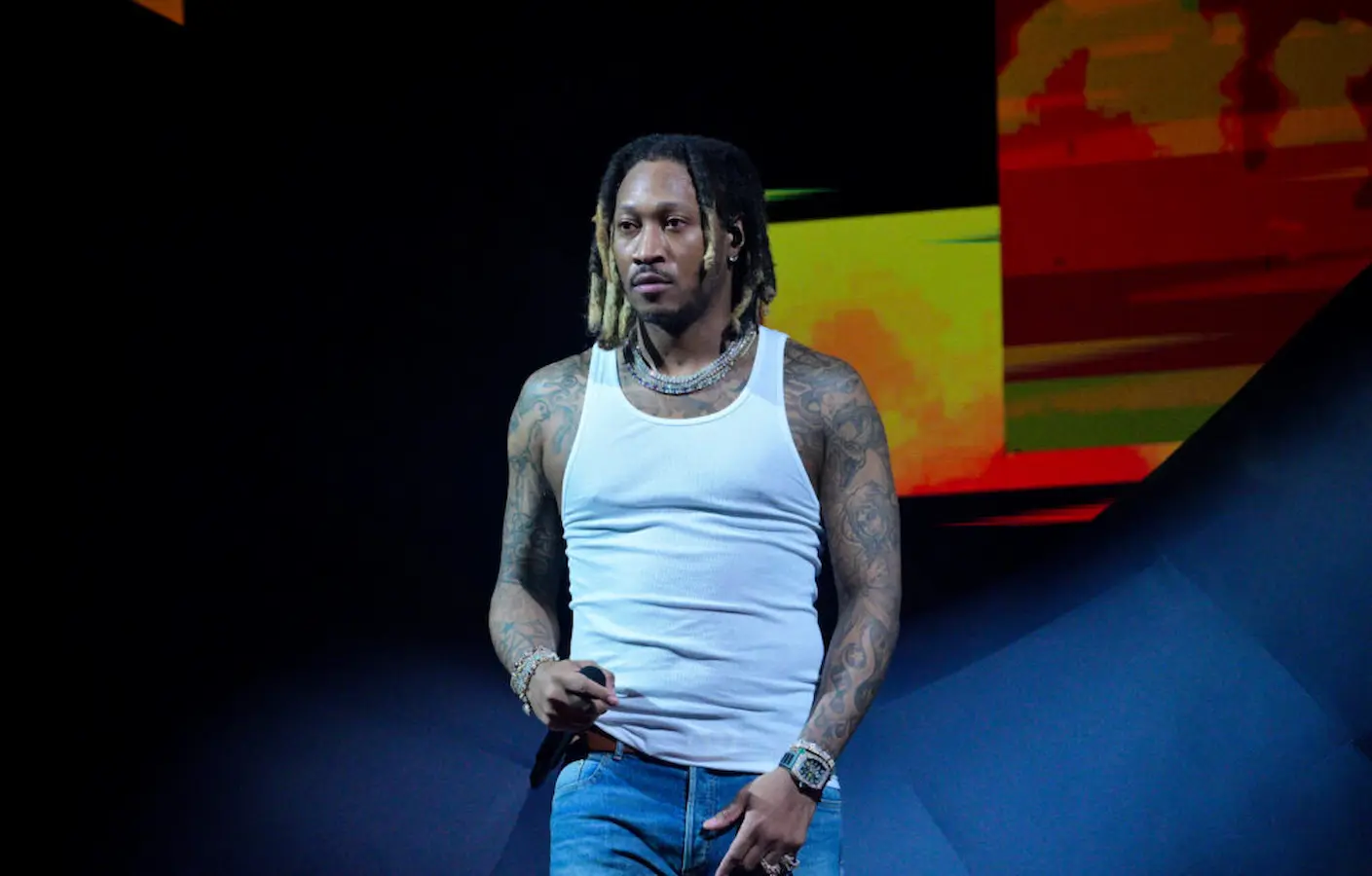
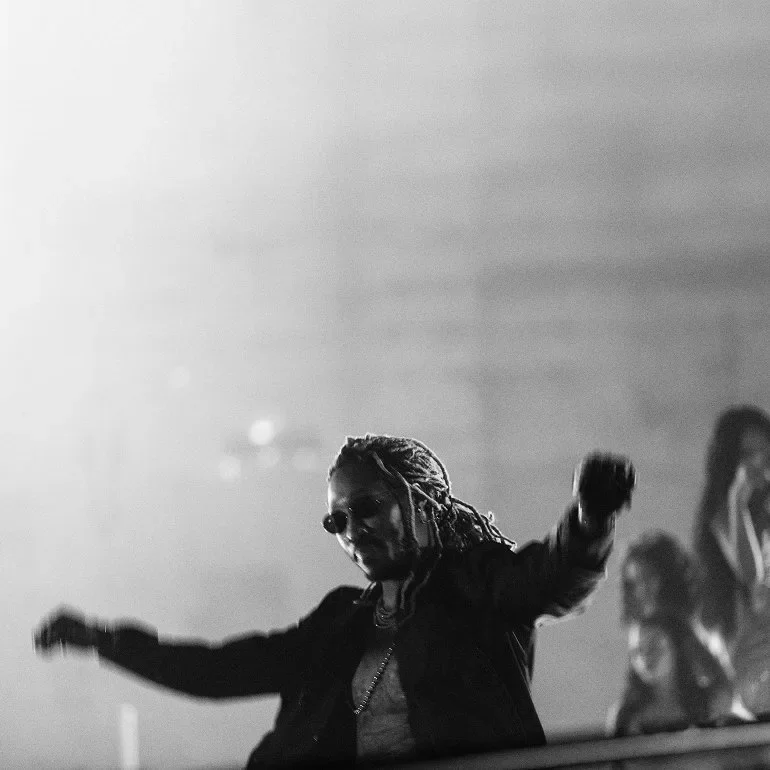
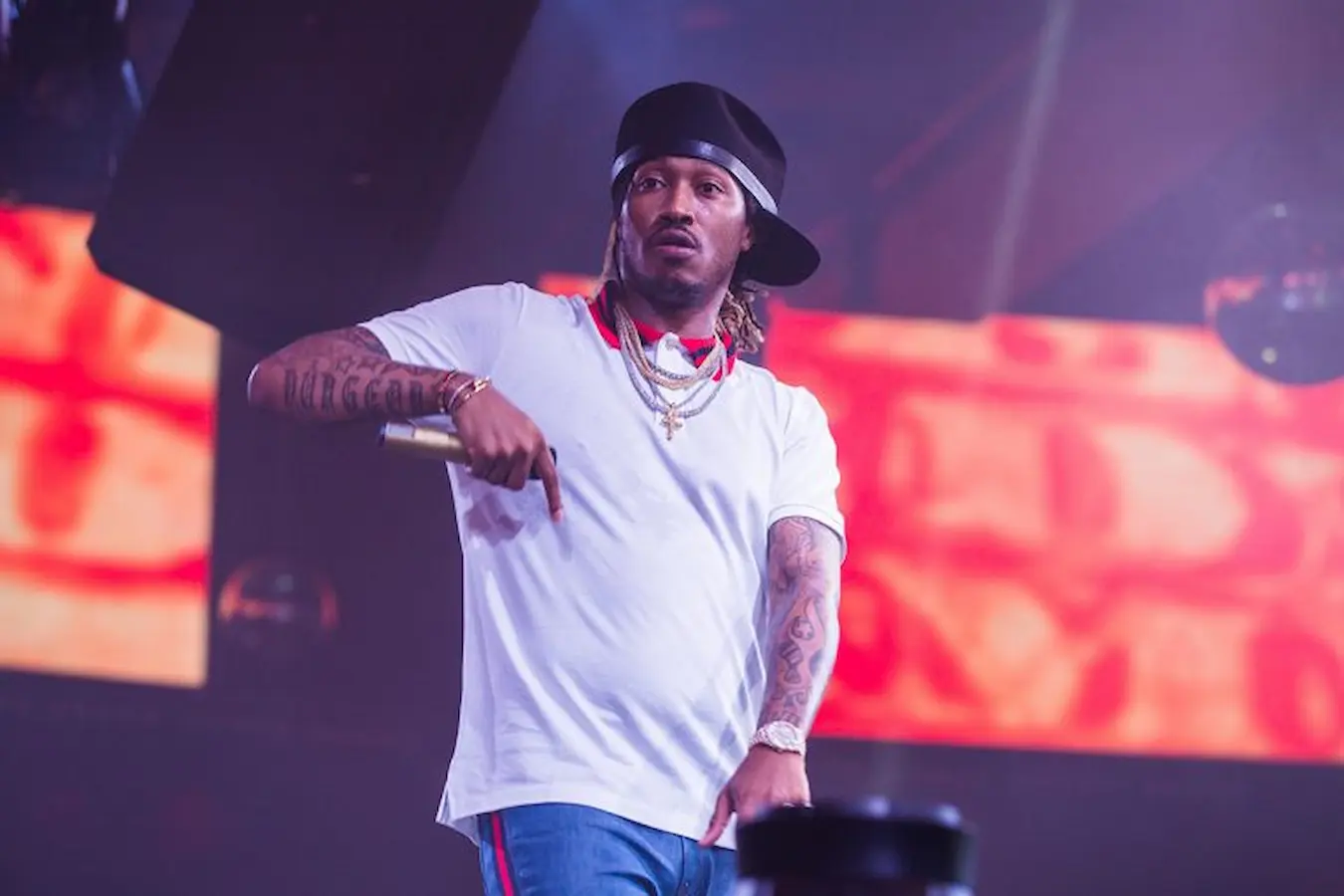
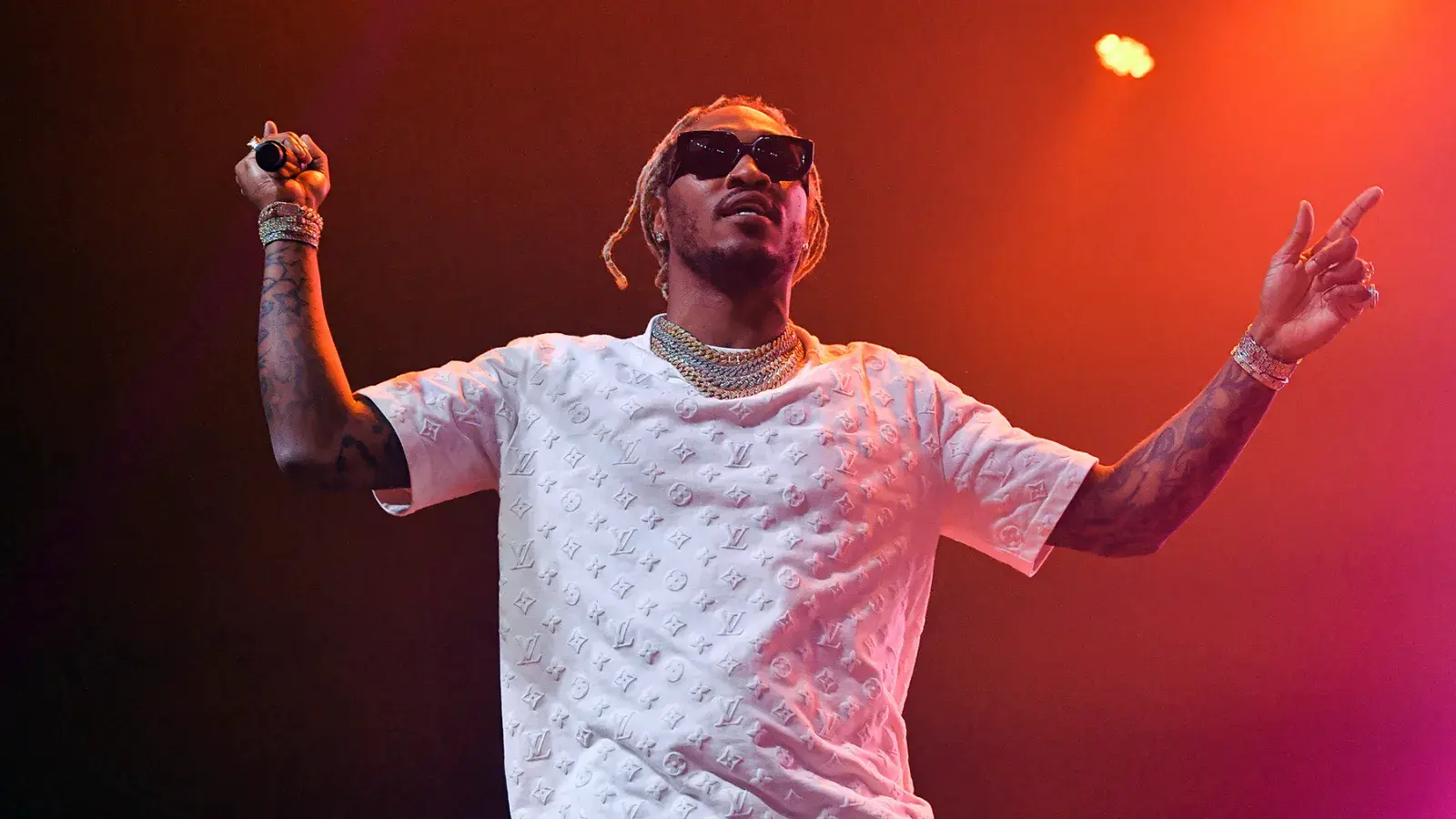
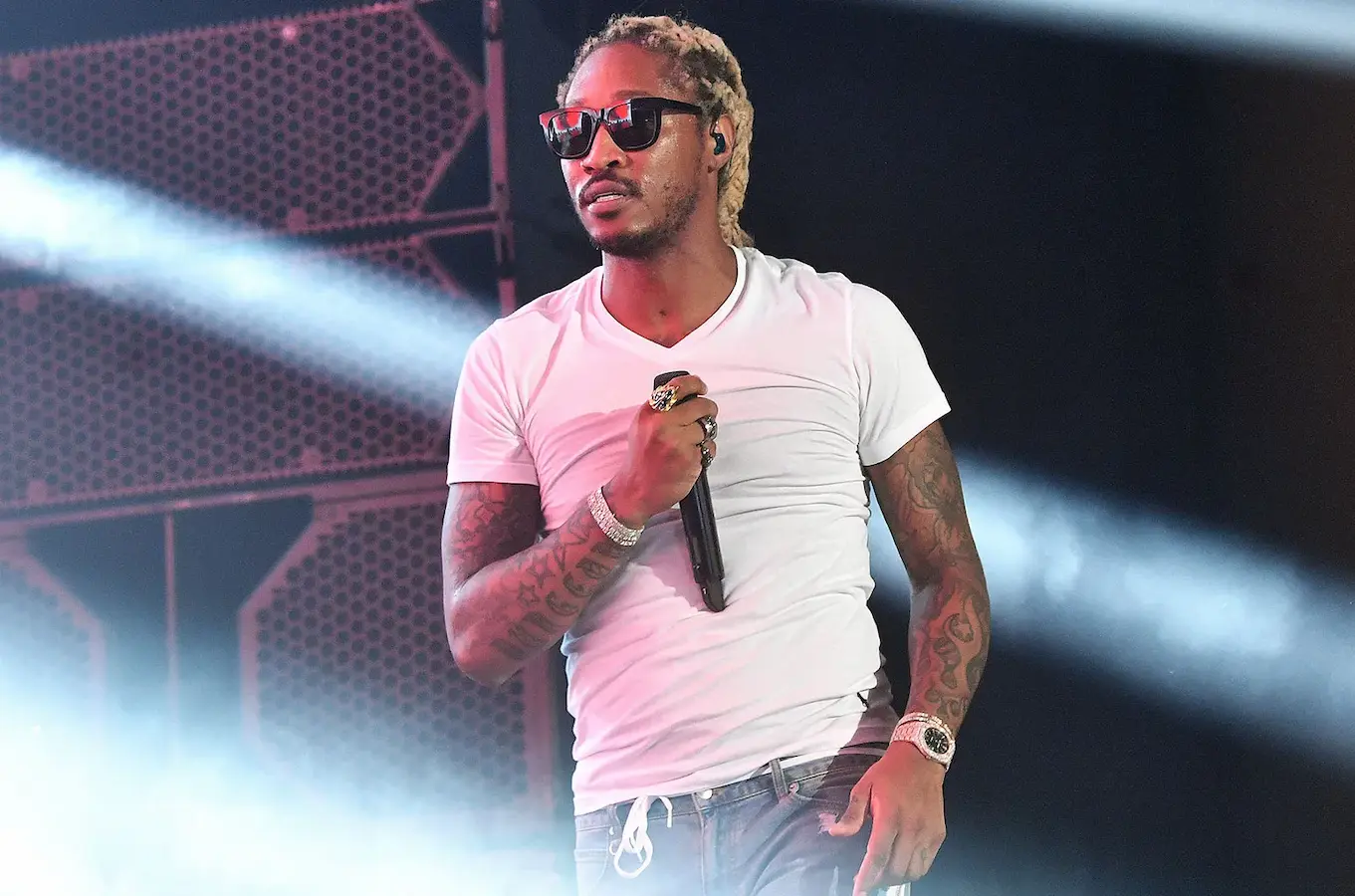
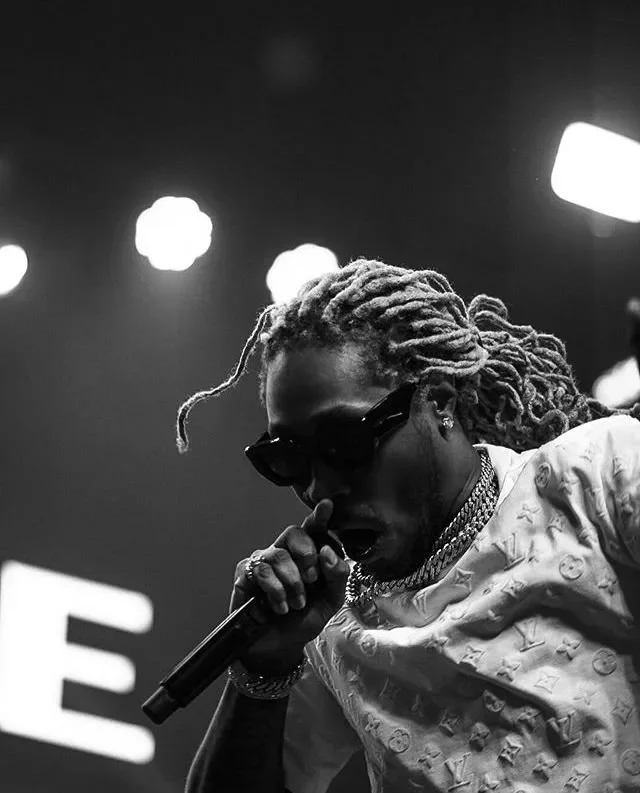
Live, Future represents a form of mass cult energy. His concerts do not depend on elaborate theatricality, but on the accumulation of anthems, ad-libs, hooks, and an immediate connection with audiences that have lived with his songs in cars, parties, gyms, clubs, headphones, and heavy late nights. His music is built to sound huge, but also to feel private. That double life is part of its power: it can move a crowd while still sounding like it came from a locked room.
Future’s legacy lies in the way he reprogrammed the DNA of trap and melodic rap. His influence can be heard across entire generations of artists who adopted his relationship to melody, Auto-Tune, repetition, mood, and vulnerability hidden behind excess. At his best, Future does not simply make songs. He creates atmospheres where triumph and hurt exist together without resolution. His music sounds like city lights at three in the morning: bright, cold, seductive, and carrying something broken underneath.
Main genre
RAP
Main subgenres
Like a superfan's list — except verified, with sources and links.
08–Jul 12, 2026
Costinesti · Romania
Past
02–Jul 05, 2026
Liège, Liège · Belgium
Past
03–Mar 05, 2023
Inglewood, California · United States
Past
May 27 – Jun 02, 2019
Barcelona, Catalunya · Spain
Past
21–Apr 23, 2017
Indio, California · United States
Past14–Apr 16, 2017
Indio, California · United States
PastWhat we managed to link to the concert archive. If a date is missing, tell us — happens to us too.
No linked concerts
Every concert and festival of the year, traced on the globe. Hit play and follow the route stop by stop.
Photos from the public archive.
Recent coverage linked to the artist.


Close by genre and social signal.
No related artists
When there is enough genre signal, they will appear here.