














Ranking
#87

Ranking
#87
Followers
83.1 M
Digital presence
Official profiles, streaming and discovery.
What a good fan recites by heart (or pretends to).
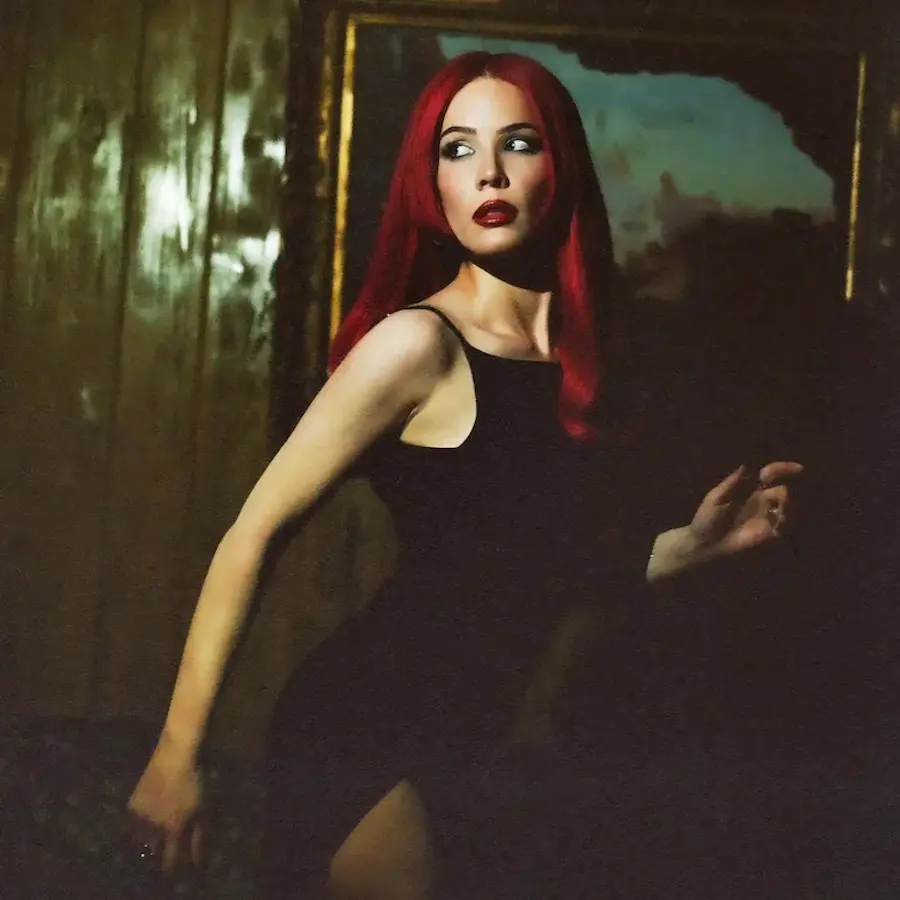
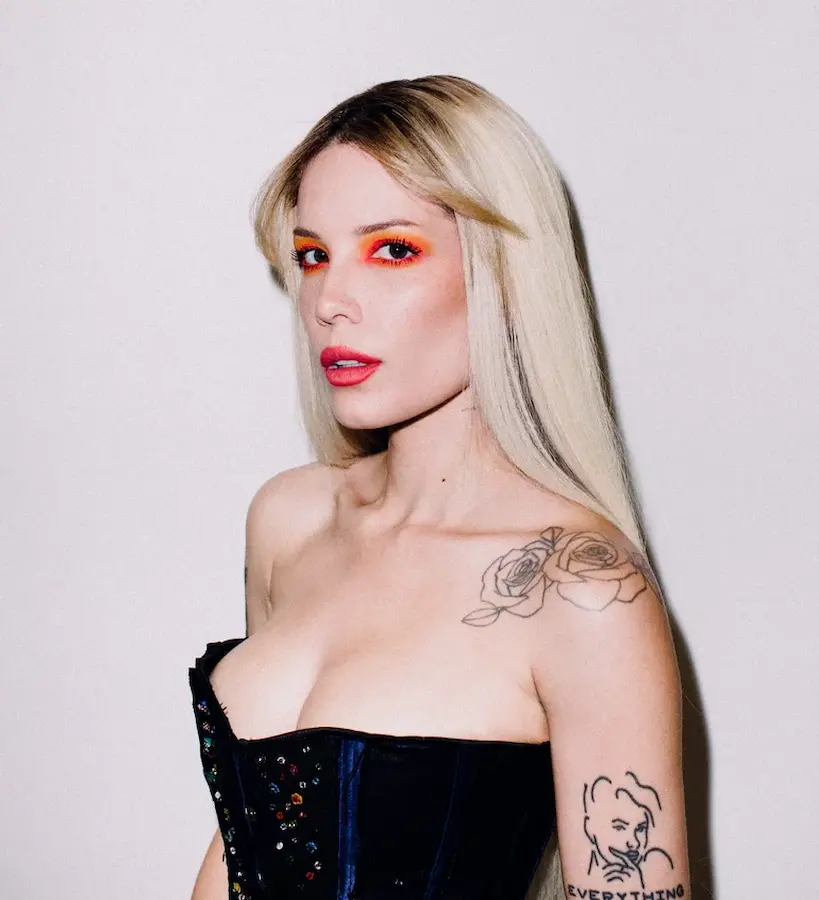
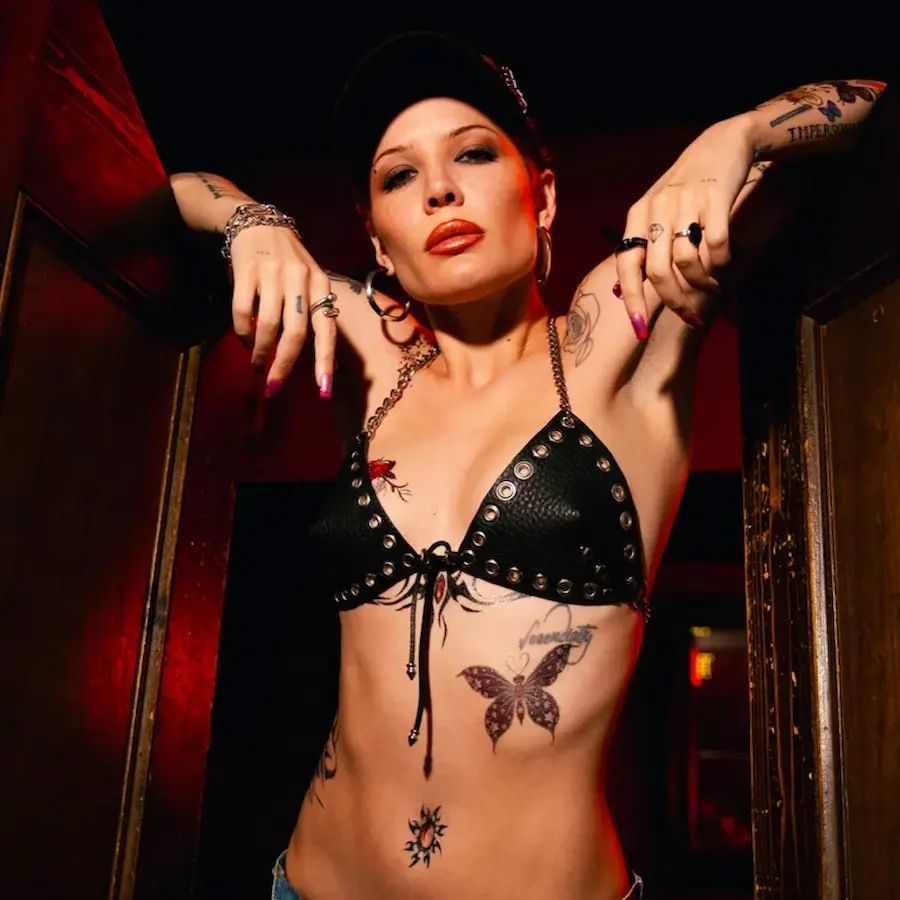
Halsey built their place in pop through a very specific tension: the need to be massive without sounding safe, polished, or emotionally neutral. Their music has never functioned only as bright radio pop, nor as alternative music sealed off from the mainstream. It lives in the space between, where a melody can be catchy while carrying anxiety, desire, rage, irony, or a wound that has not fully closed. In Halsey’s work, vulnerability does not appear as a delicate pose. It often arrives raw, contradictory, and exposed, speaking to a generation used to living between screens, identity shifts, emotional overload, and the need to belong.
Born Ashley Nicolette Frangipane in New Jersey, Halsey came to music with a sensibility shaped by mixture. Before becoming a global figure, there was already a real interest in instruments, confessional writing, and sounds that did not fit neatly into one category. That range helps explain why their music can touch electropop, alternative R&B, rock, dark pop, and synthetic balladry without losing its emotional thread. Rather than chasing one fixed genre, Halsey seems to chase moods: closed rooms, night cities, relationships that burn, memories turned into personal mythology.
Their public arrival with “Ghost” mattered because it introduced many of the keys to their universe: desire, distance, urban imagery, cold electronic production, and a way of singing that did not aim for classical perfection so much as character. Room 93 deepened that sense of a small, enclosed world, almost as if every song were happening inside a mental hotel room. From the beginning, Halsey understood the aesthetics of the internet not only as a tool for sharing music, but as an emotional language. The songs spoke the way a young audience had learned to speak: writing crises down, turning them into images, sharing them, and still feeling alone.
Badlands turned that instinct into a complete identity. The album did not simply collect songs; it built a landscape. There was emotional desert, neon, teenage rebellion, toxic romance, dystopian fantasy, and a voice narrating from inside a fictional city that still felt recognizable. “New Americana,” “Colors,” “Castle,” and “Ghost” helped shape an artistic character that connected with listeners who felt traditional pop did not quite name their contradictions. Halsey did not sound like a distant star. They sounded like someone coming from the same confusion as the audience, with the difference that they could turn it into a chorus.
The global explosion of “Closer” with The Chainsmokers widened their reach enormously, but it also revealed something important: Halsey could step into a huge electronic-pop song without disappearing inside it. Their voice brought memory, weariness, and romantic friction. The song worked as a millennial nostalgia anthem, but Halsey’s performance gave it the feeling of a broken relationship still being told as if it happened yesterday. From that point on, their presence in the mainstream was no longer an alternative promise. It was a fact.
Hopeless Fountain Kingdom expanded the narrative ambition with references to romance, drama, betrayal, city life, desire, and love as something almost theatrical. “Bad at Love” showed a version of Halsey more open to radio pop, but still marked by the collision between independence and emotional need. At its strongest, the album understands love not as a perfect refuge, but as a territory of negotiation, mistakes, pride, and collapse. That perspective separates Halsey from cleaner pop formulas. They often write from inside the wreckage, not from the moral at the end.
Manic became a crucial turning point because it revealed an artist less hidden behind concept and more willing to show fragments of the self. “Without Me” became one of their most recognizable songs because it combines resentment, emotional dependency, and wounded dignity in a form that feels direct and singable. But the full album works through mood swings, crossing genres, contradictory impulses, and the feeling of an open diary. Rather than sounding like a perfectly organized statement, Manic feels like a portrait of personality in motion: pop, alternative country, R&B, rock, confession, and intimate chaos.
With If I Can’t Have Love, I Want Power, Halsey made one of their boldest artistic leaps. The collaboration with Trent Reznor and Atticus Ross pushed the music into something more physical, industrial, cinematic, and dark. The album deals with body, motherhood, power, desire, fear, symbolic violence, and transformation from a more confrontational place. It is not only a change in sound; it is a claim to complexity. Halsey does not appear there as the wounded alternative-pop girl, but as a figure multiplying: vulnerable, threatening, maternal, furious, sensual, monstrous, and deeply human.
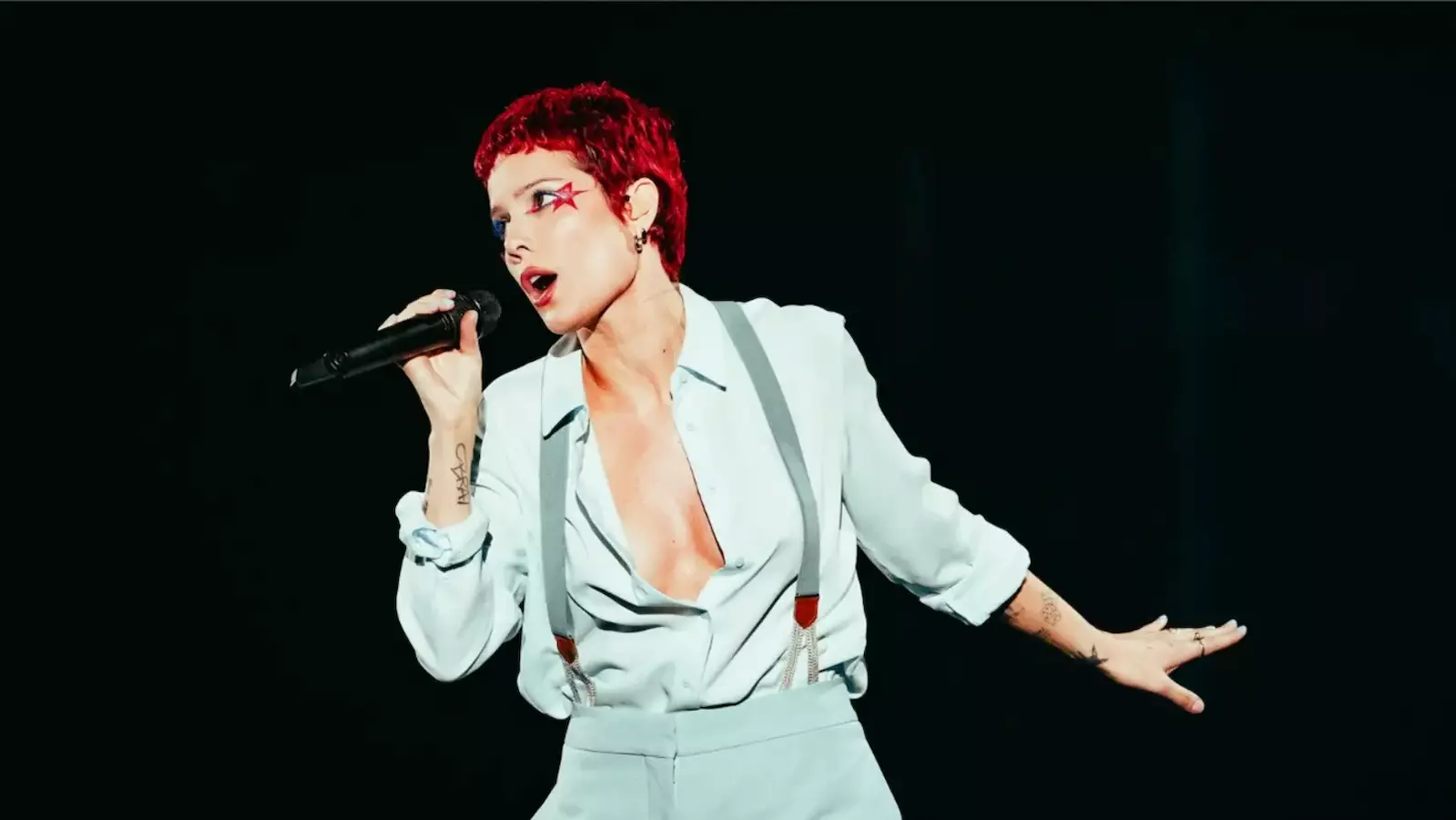
The Great Impersonator continued that relationship with metamorphosis. Halsey has understood their career as a series of masks that do not necessarily hide the truth, but reveal it from different angles. That ability to transform without losing a central tension is part of their appeal. They can sound intimate or theatrical, pop or alternative, fragile or defiant, but there is always a sense of identity in dispute. The music does not try to resolve that dispute completely. It turns it into fuel.
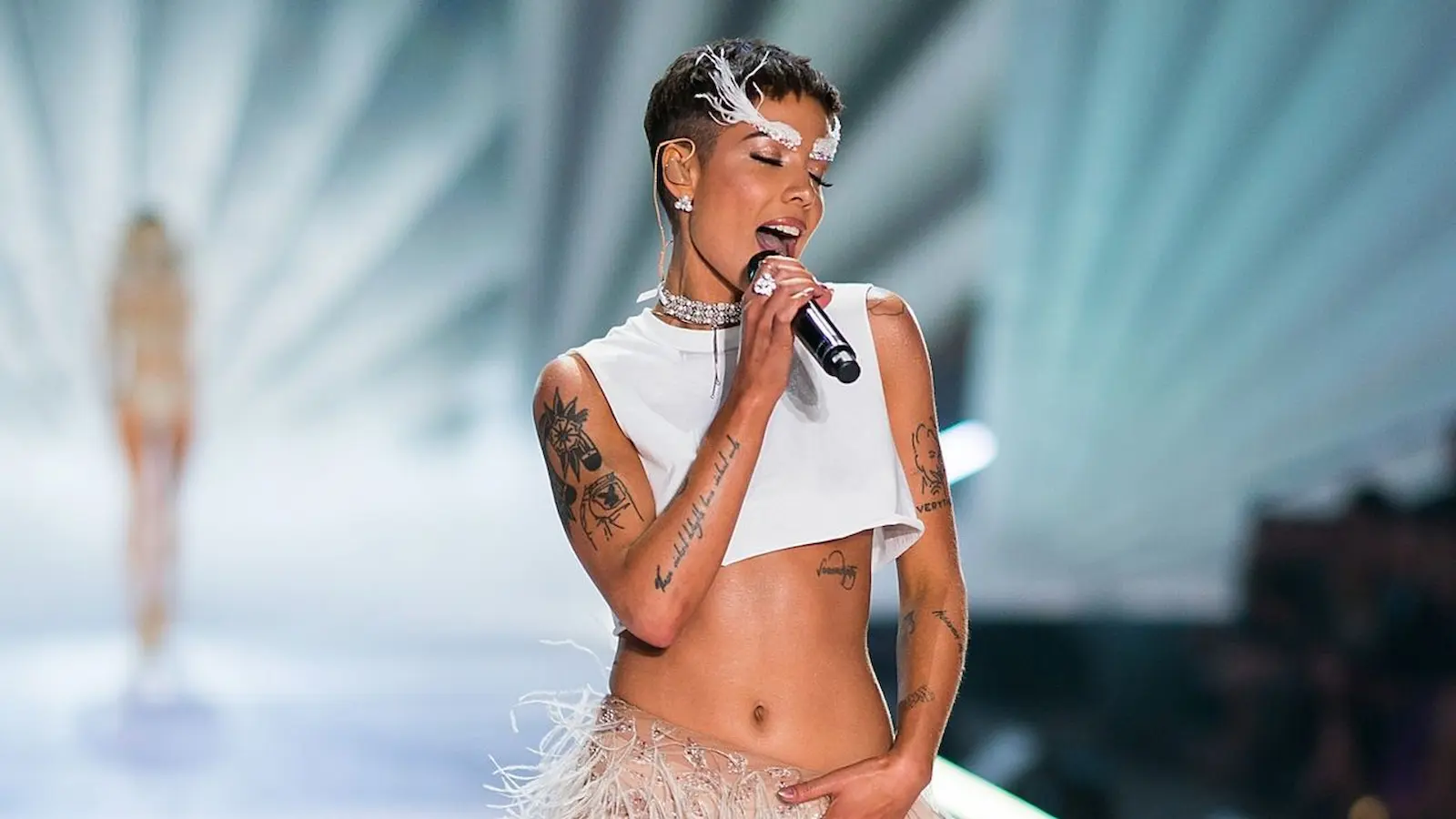
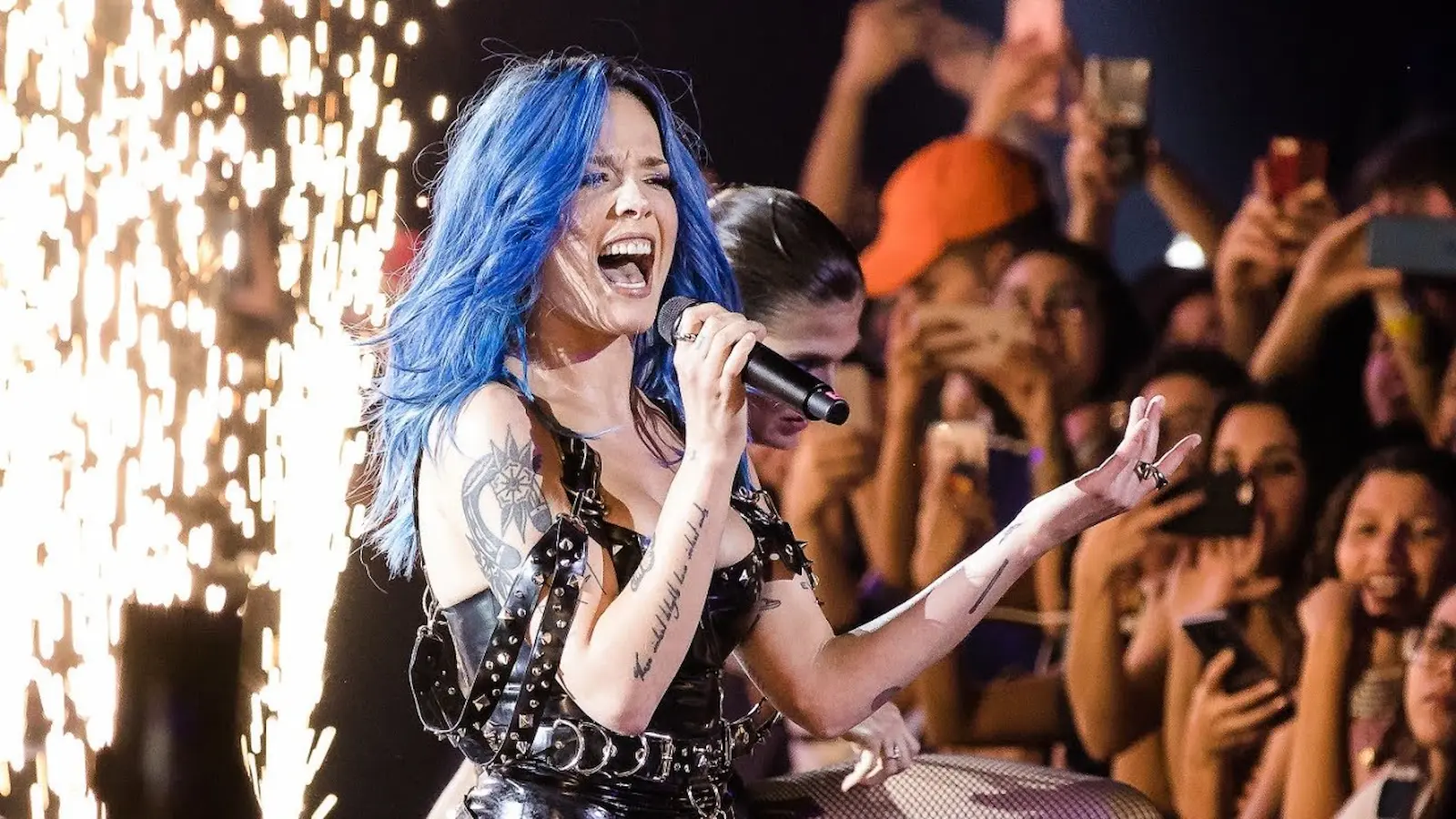
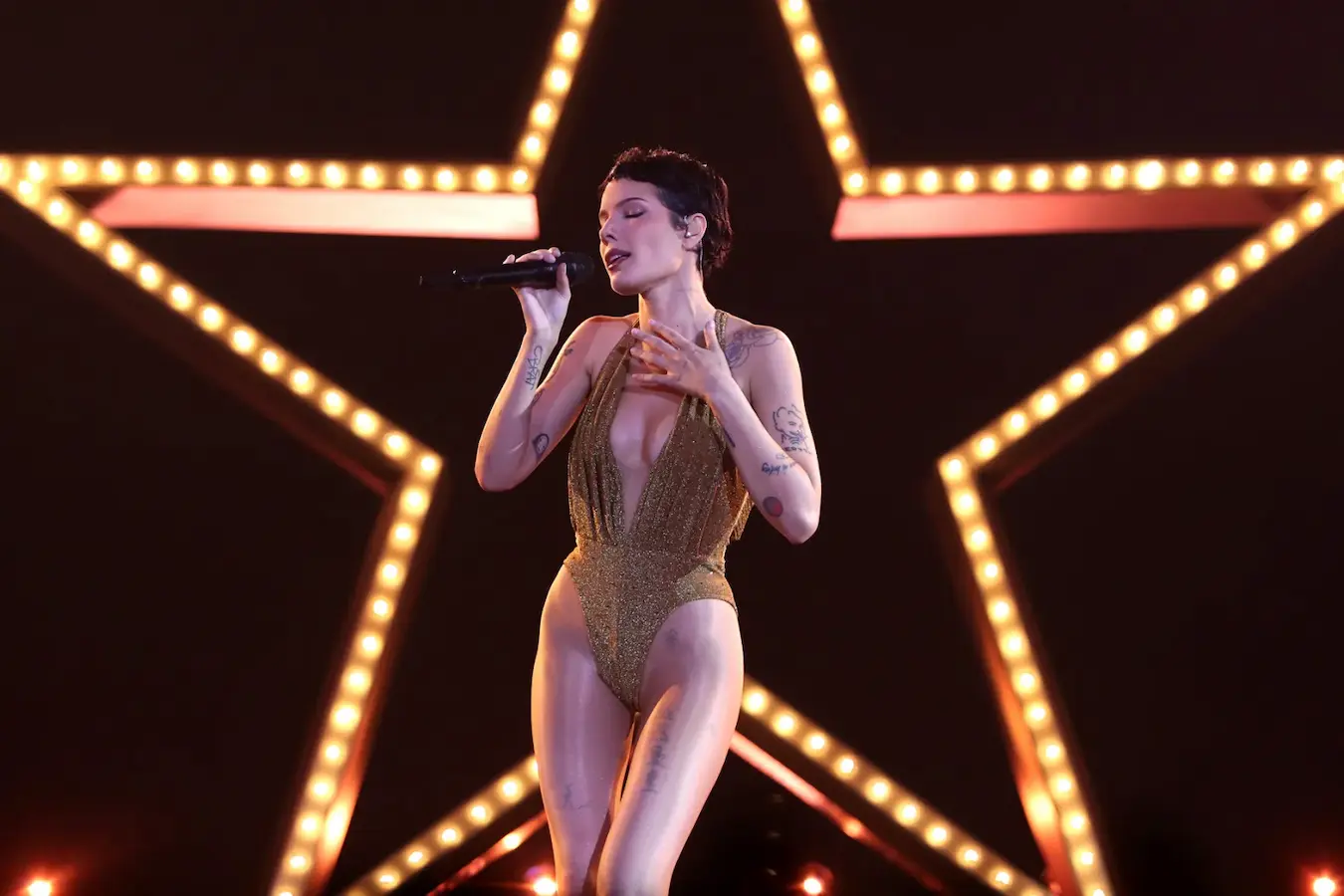
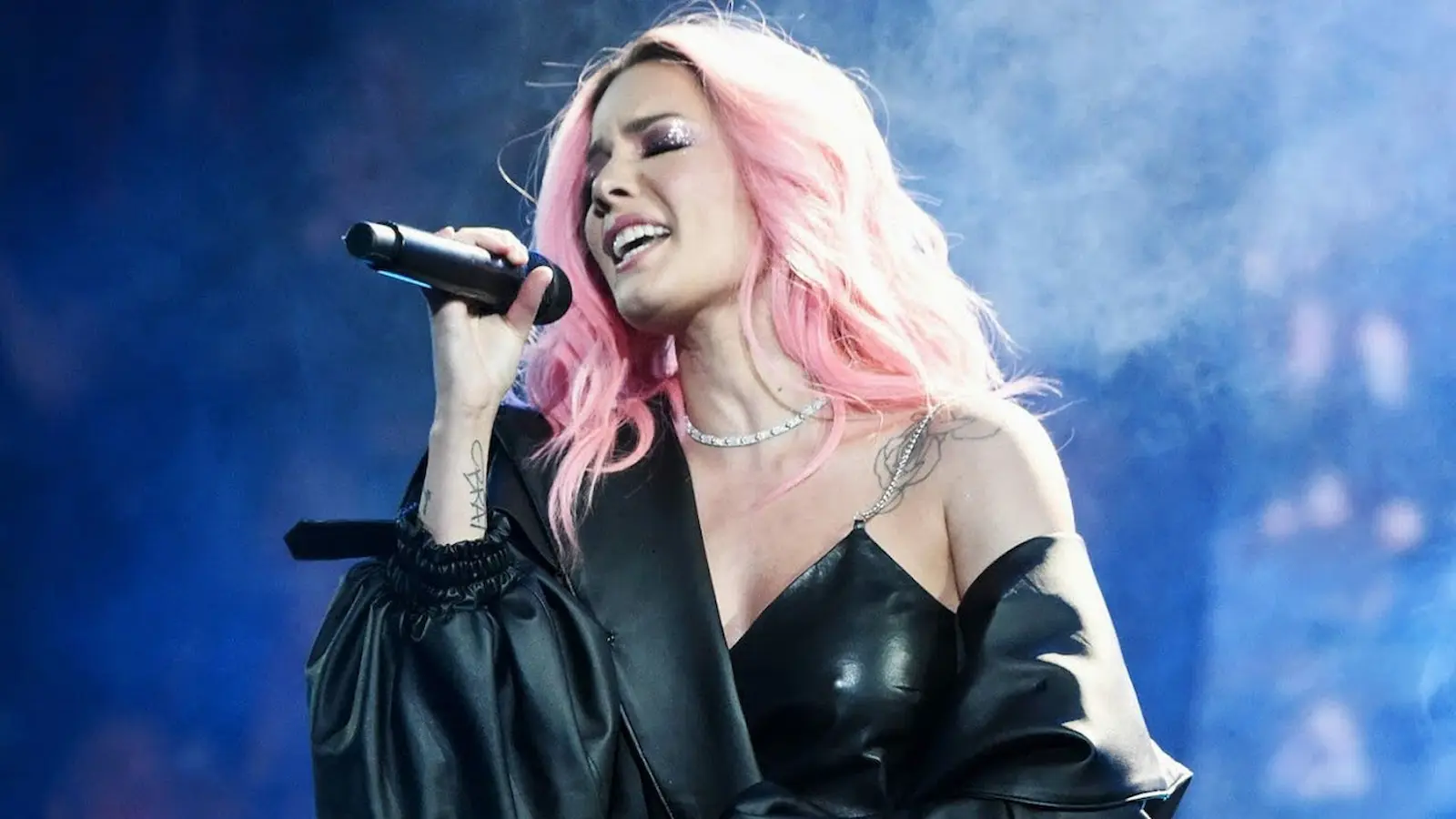
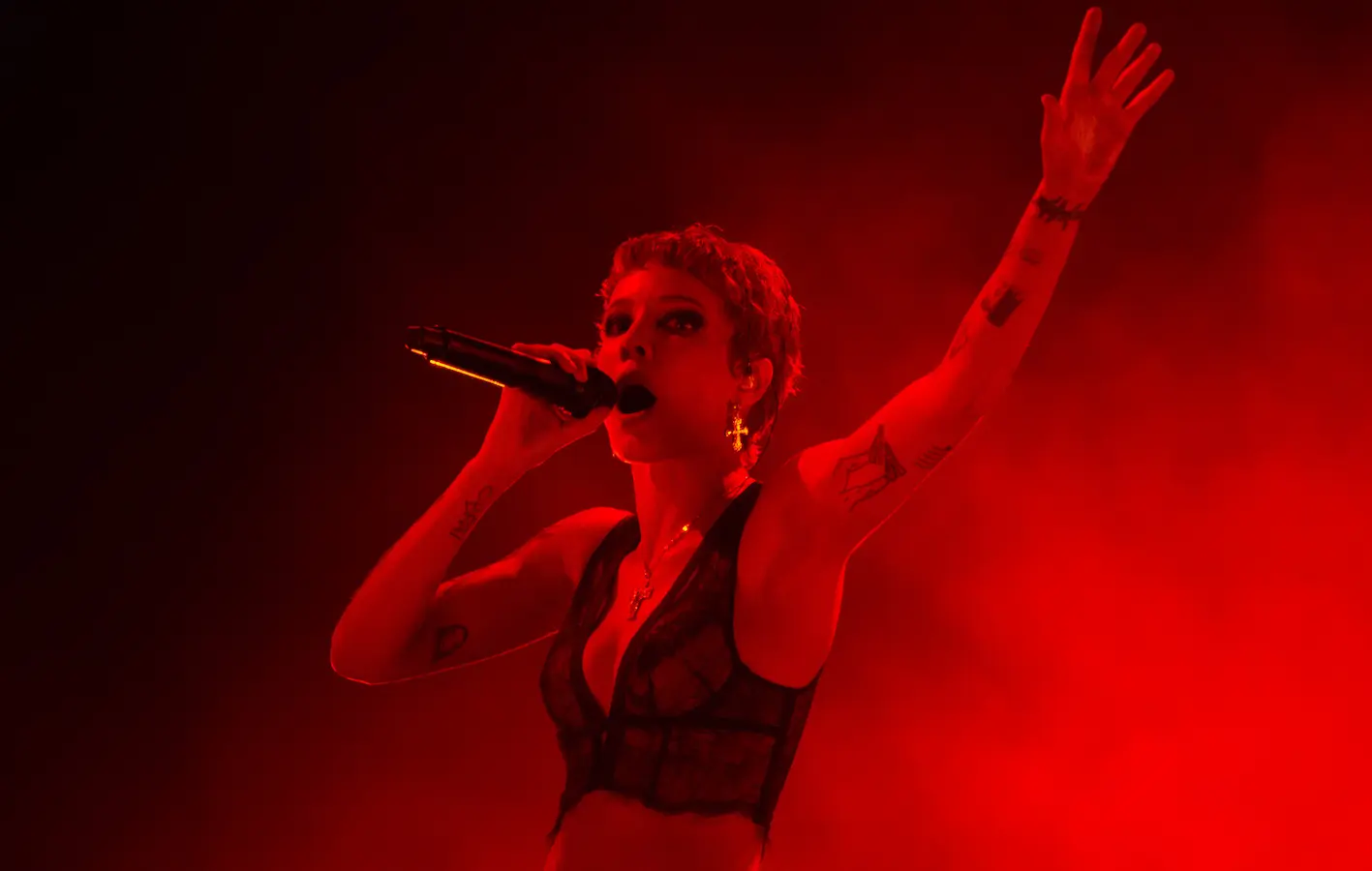
Live, Halsey often works as an artist of intense connection. Their concerts do not depend only on vocal perfection or visual production, but on an emotional relationship with the audience. Some songs are sung like catharsis, some lines feel personal to thousands of people at the same time, and the stage presence blends vulnerability with control. The audience does not only listen to someone else’s stories. Very often, they recognize themselves inside them.
Halsey’s legacy lies in opening a space where alternative pop can be massive without becoming harmless. Their work speaks about identity, desire, pain, body, fame, and contradiction with an honesty that is not always comfortable, but is deeply recognizable. At their best, Halsey sounds like a room lit by a screen at midnight: intimate, electric, messy, bright, and full of things that may be impossible to say directly, but can be sung with full force.
Main genre
POP
Main subgenres
Like a superfan's list — except verified, with sources and links.
08–Jul 11, 2026
Barcelona, Cataluña · Spain
Past
27–Mar 30, 2026
Monterrey · Mexico
Past
07–Jun 10, 2023
Porto, Porto · Portugal
Past
05–Jun 11, 2023
Arganda del Rey, Comunidad de Madrid · Spain
Past
May 29 – Jun 04, 2023
Barcelona, Catalunya · Spain
Past
22–Apr 24, 2016
Indio, California · United States
Past15–Apr 17, 2016
Indio, California · United States
PastWhat we managed to link to the concert archive. If a date is missing, tell us — happens to us too.
Rio de Janeiro, Rio de Janeiro · Brazil
Tickets →Every concert and festival of the year, traced on the globe. Hit play and follow the route stop by stop.
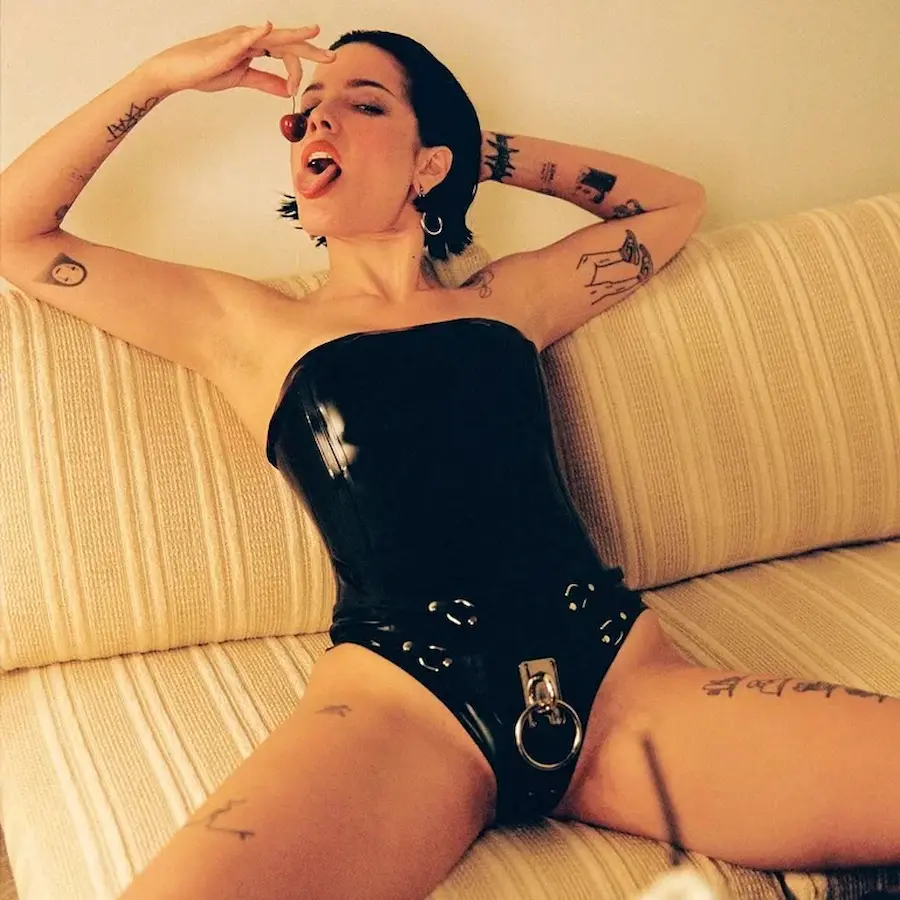
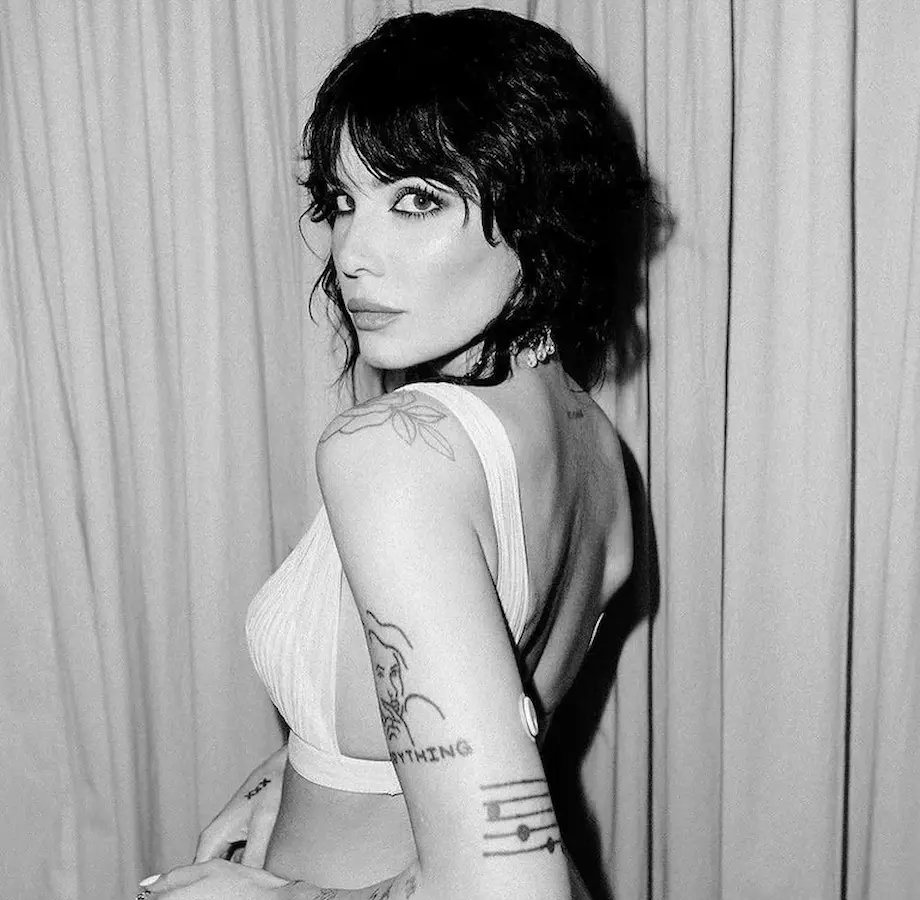
Photos from the public archive.
Recent coverage linked to the artist.




Close by genre and social signal.
No related artists
When there is enough genre signal, they will appear here.