



Ranking
#47

Ranking
#47
Followers
129.5 M
Digital presence
Official profiles, streaming and discovery.
What a good fan recites by heart (or pretends to).
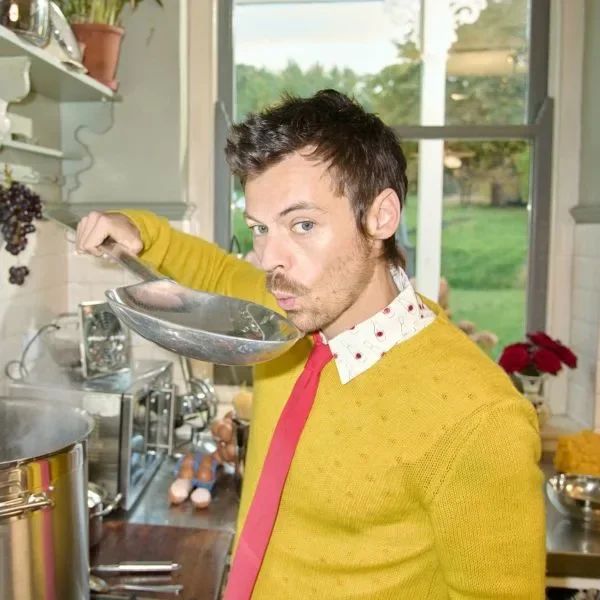
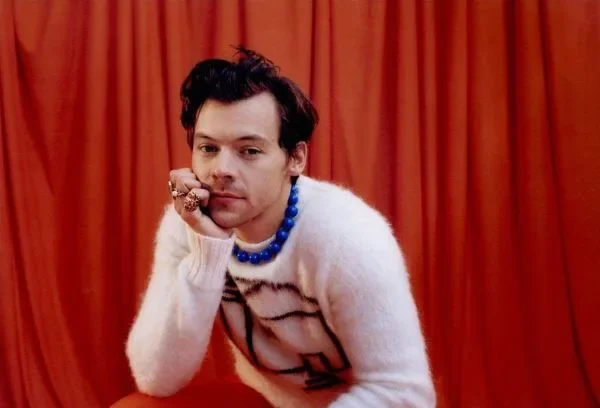
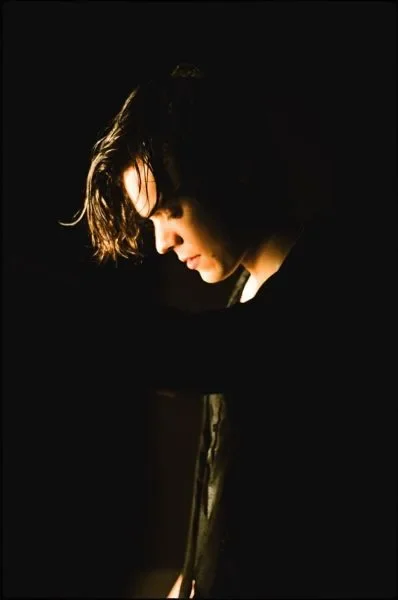
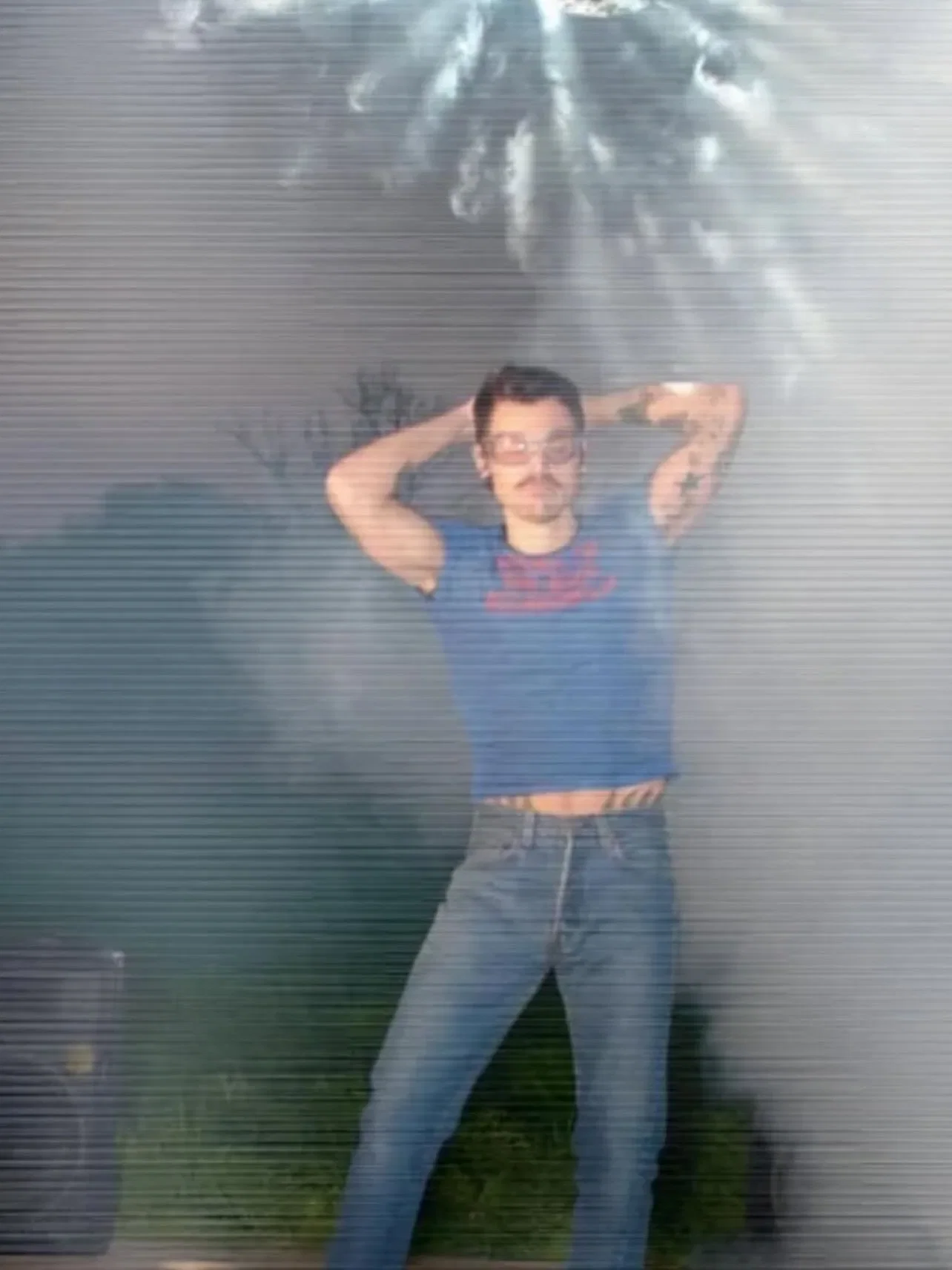
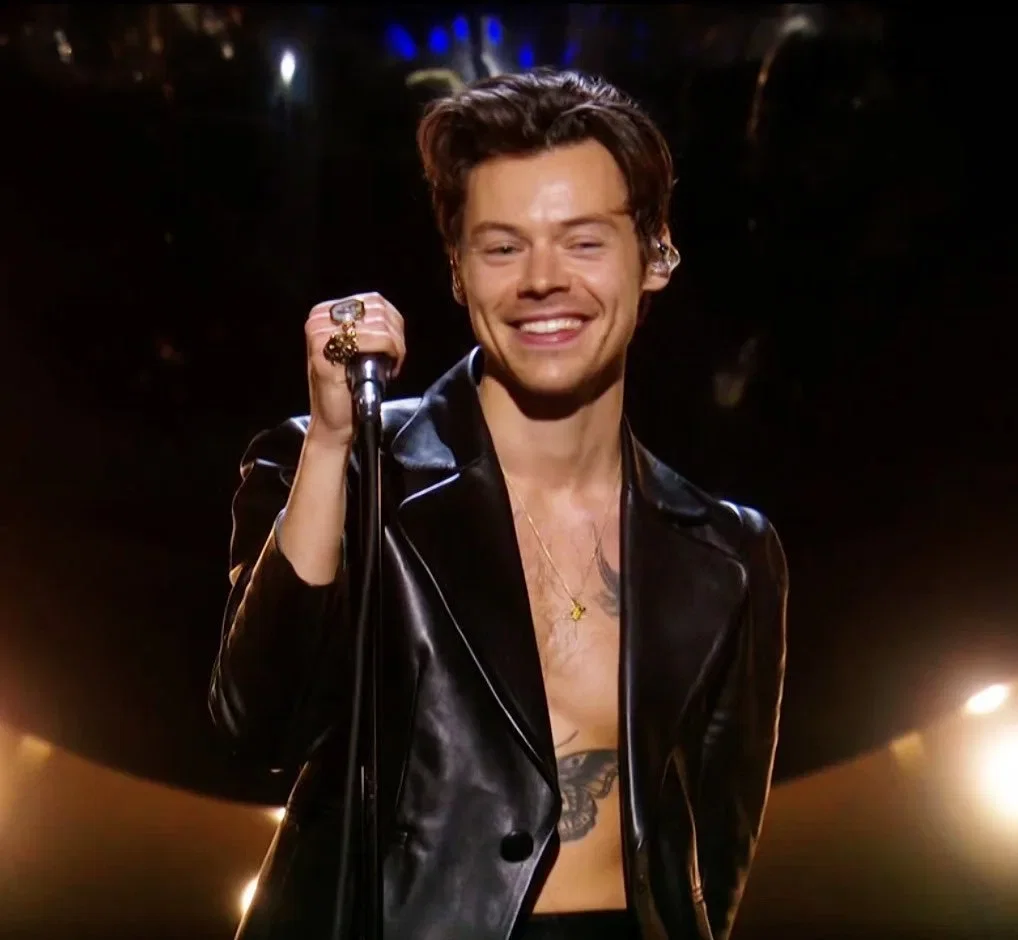
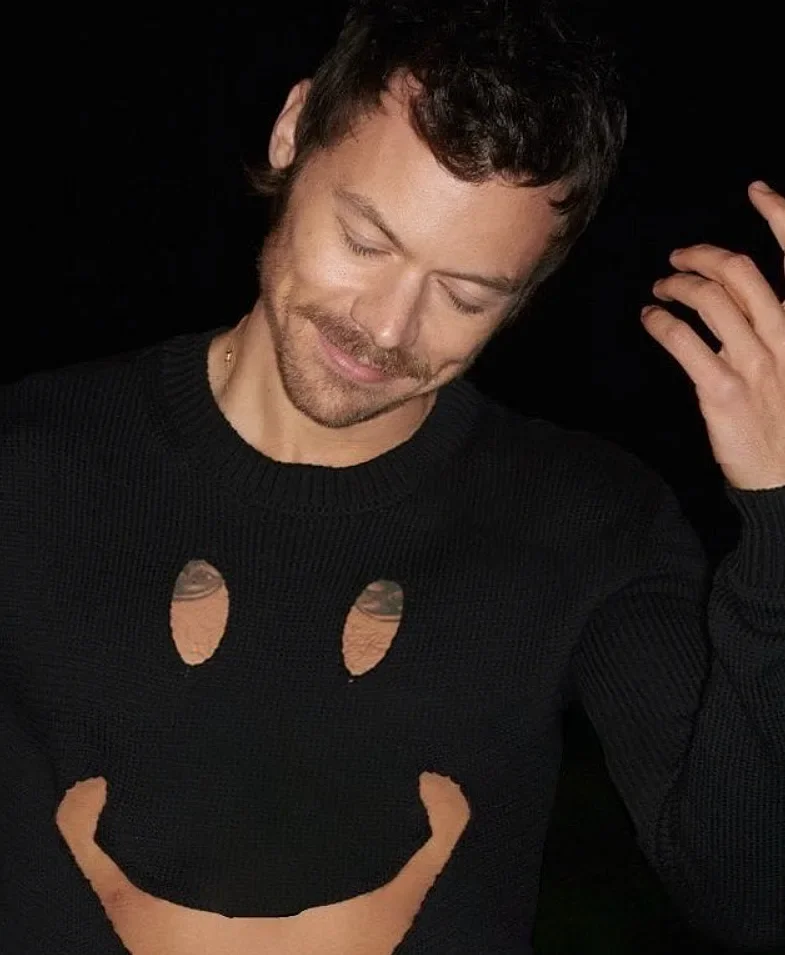
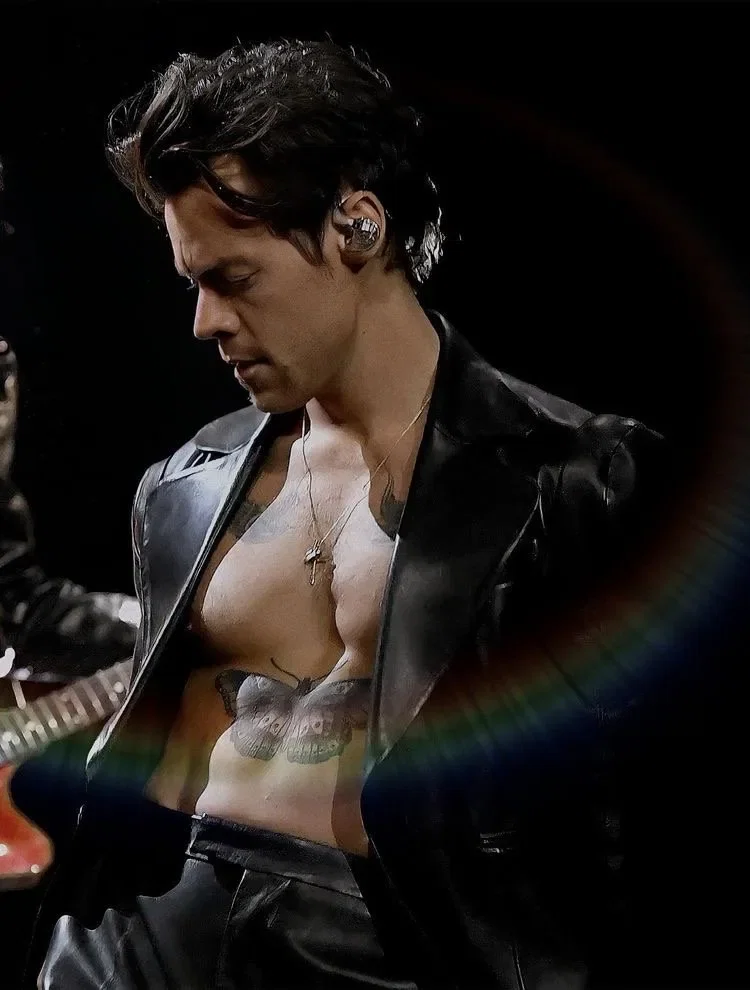
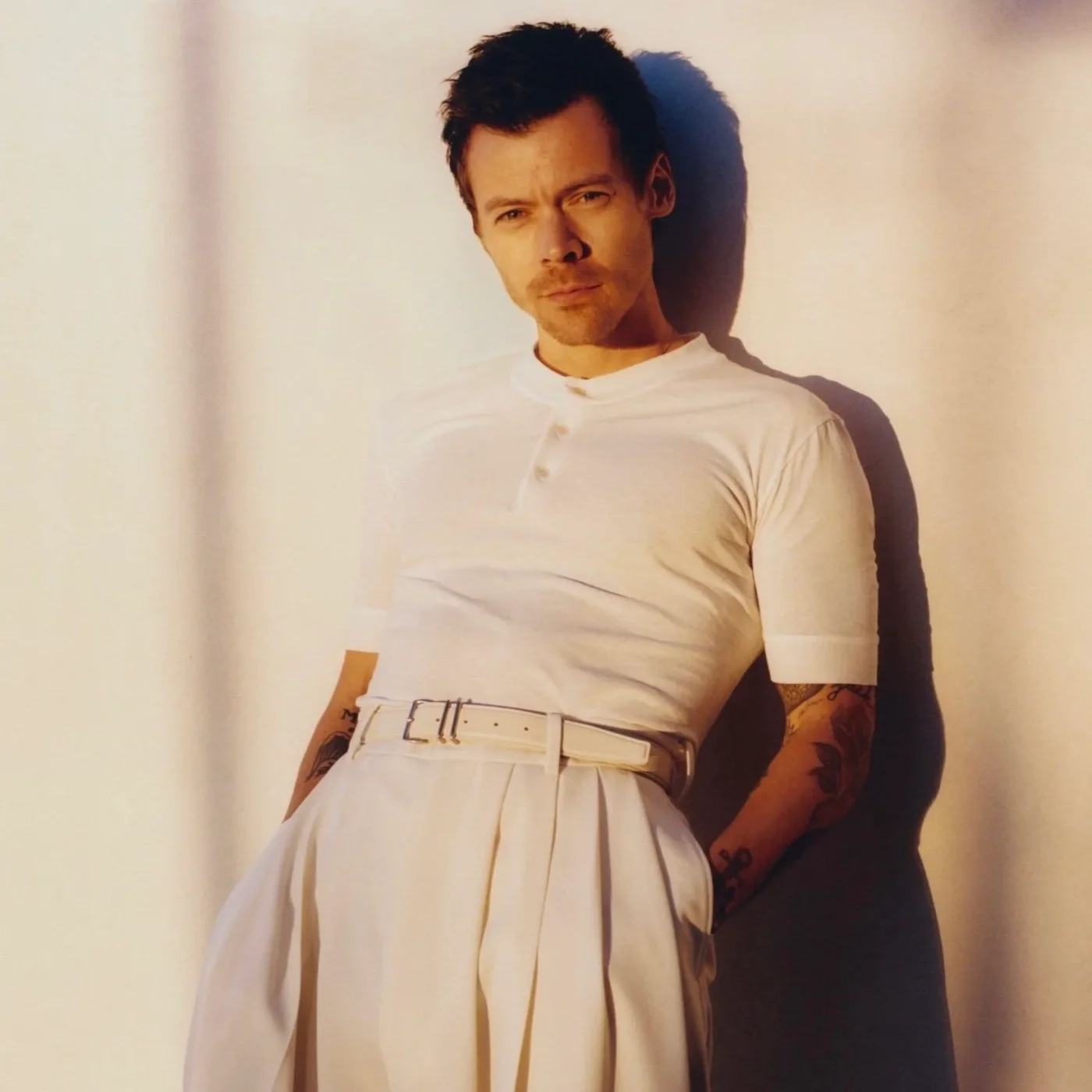
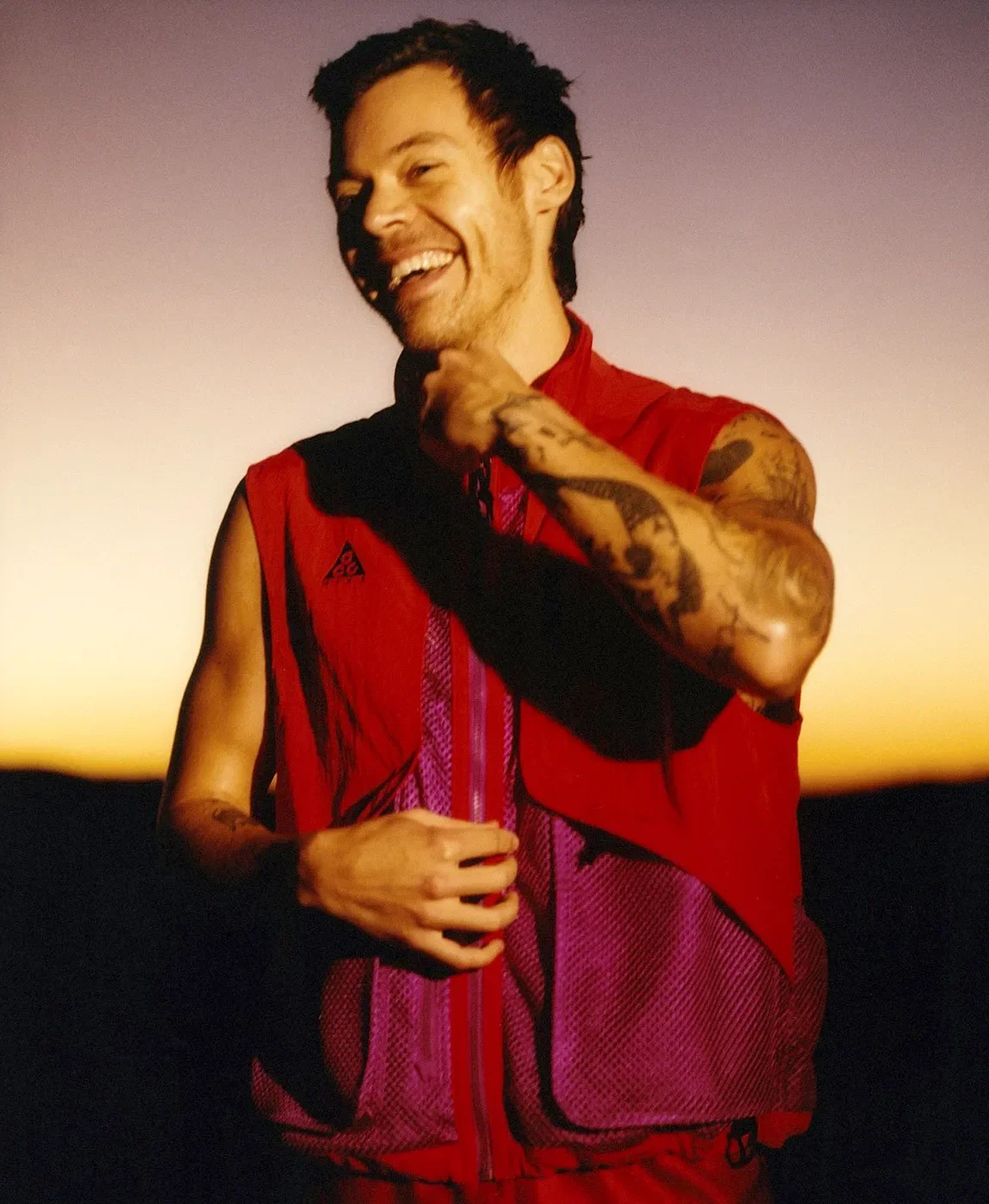
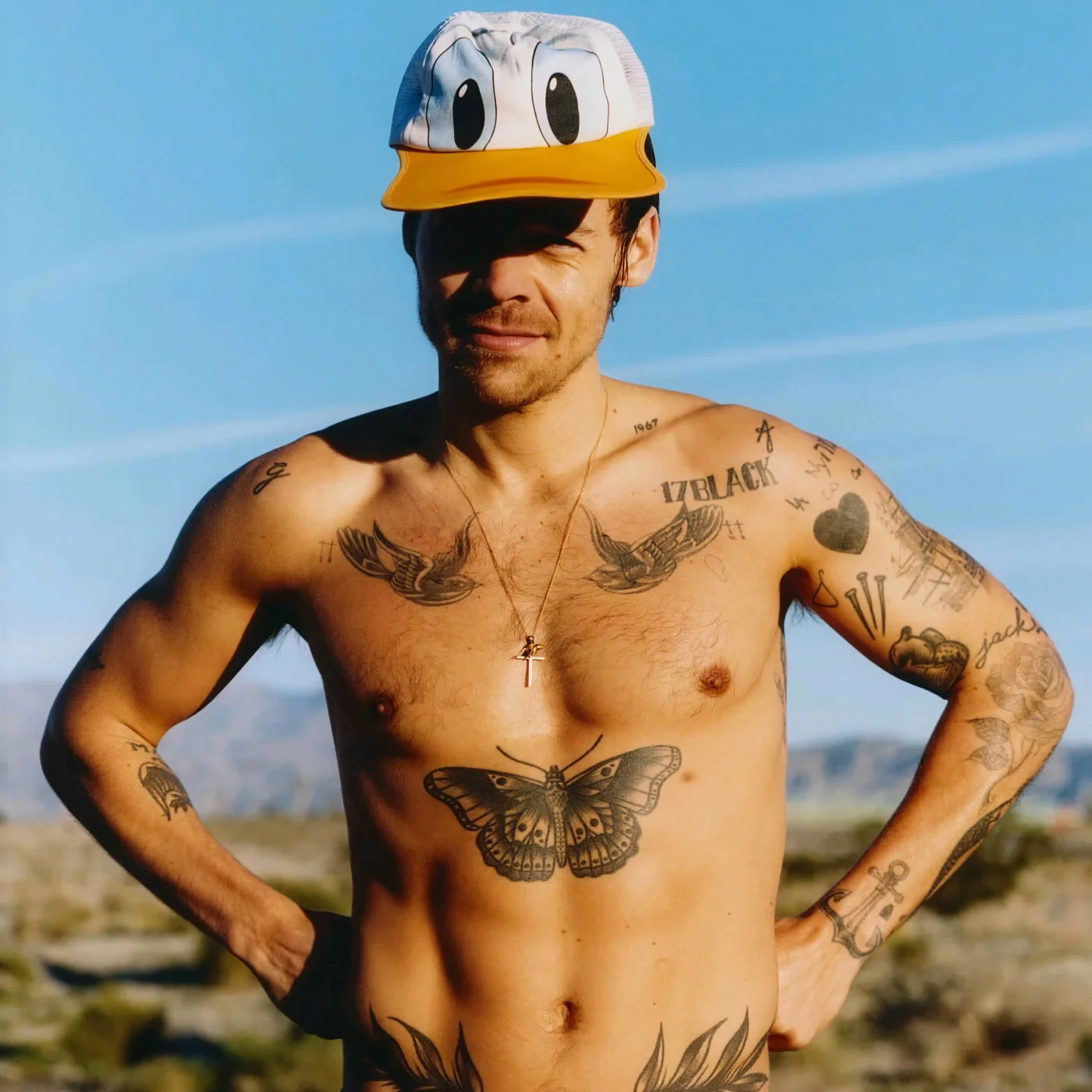
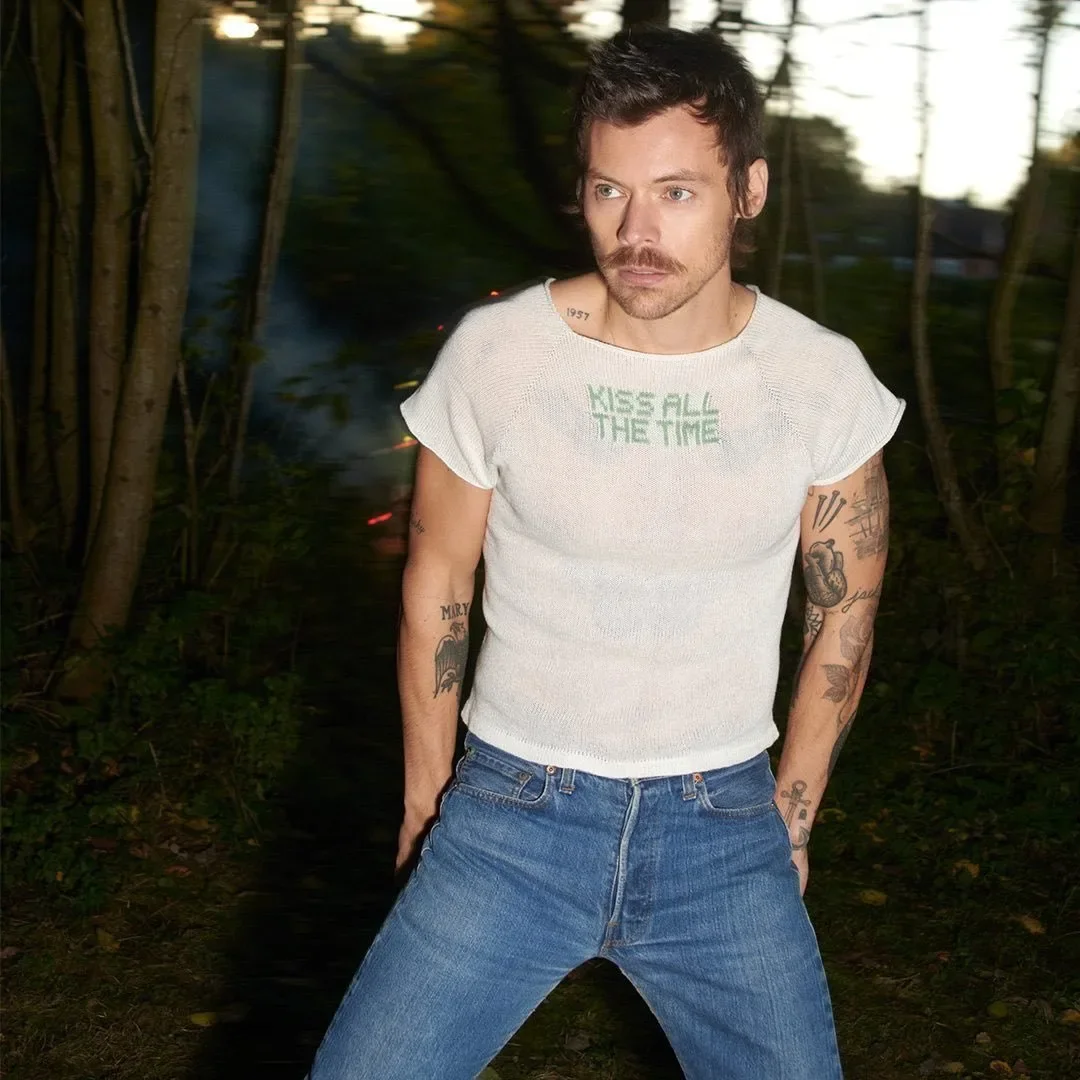
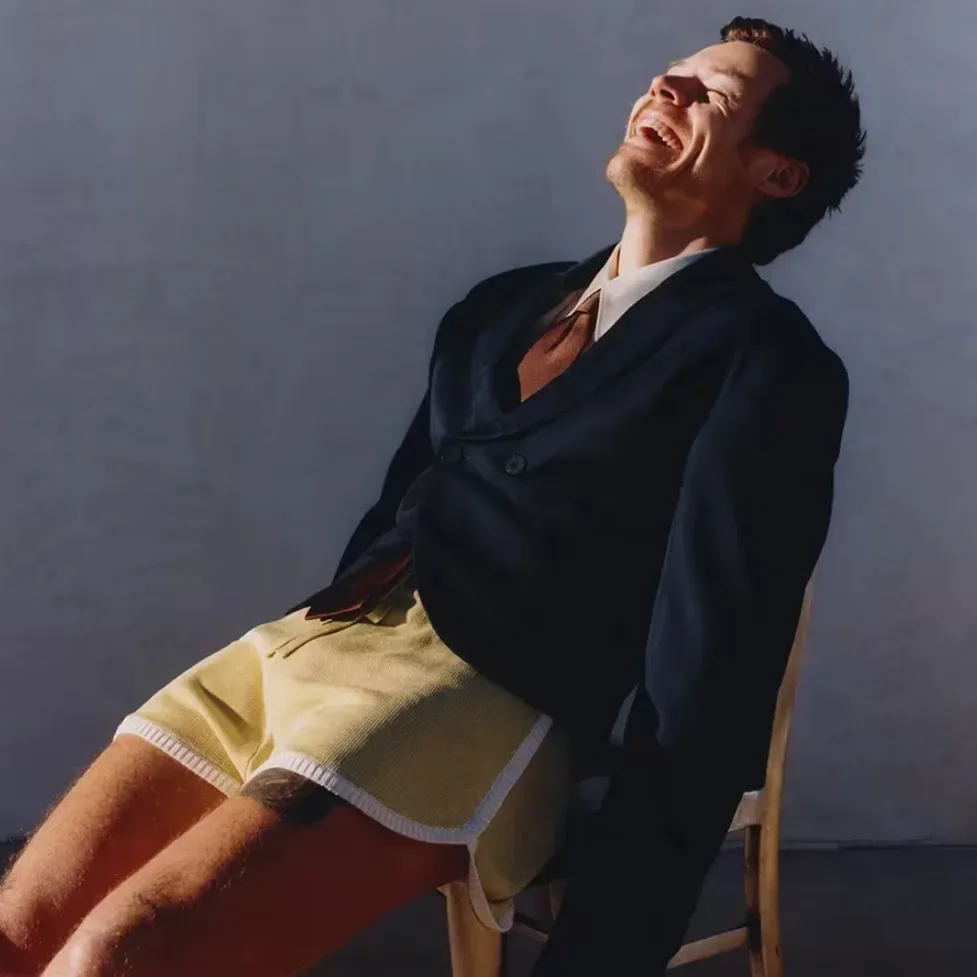
Harry Styles is one of the few pop artists of his generation who managed an almost impossible transition: moving from one of the biggest boy bands of the century into a solo figure with an identity of his own, respected, imitated and watched far beyond music. His story is not simply that of a singer who left One Direction and had strong singles. It is the story of someone who understood that youthful fame could be a starting point, not a prison; that charisma could mature; that pop could sound enormous without losing intimacy; and that image, when built carefully, can also be a form of composition.
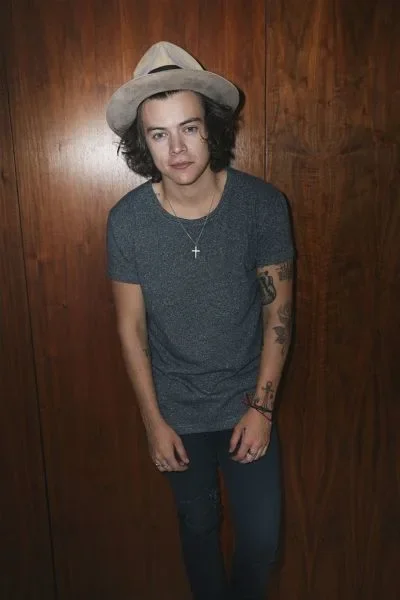
Born in Redditch, Worcestershire, and raised in Holmes Chapel, Cheshire, Harry entered the global imagination from a place very different from the manufactured pop star born inside major cultural capitals. Before Gucci suits, stadiums, Grammys and fashion covers, there was the village boy who sang, worked in a bakery and auditioned for The X Factor with a mix of nerves, charm and ease. That first image mattered because it never fully disappeared. Even when his figure became more sophisticated, theatrical and ambiguous, Harry kept a sense of closeness: the feeling that behind the icon there was still someone educated in everyday modesty.
One Direction was a brutal school of fame. In only a few years, Harry went from a teenager with curls and a shy smile to a member of a worldwide phenomenon. The band did not only sell records; it occupied the emotional center of millions of fans. “What Makes You Beautiful,” “Little Things,” “Story of My Life,” “Best Song Ever,” “Drag Me Down” and “History” were part of a youth-pop machine that grew alongside its audience. Inside that whirlwind, Harry began to stand out for more than presence: a voice with texture, a less rigid relationship with gender, a visible taste for classic rock and an aesthetic curiosity that seemed to ask for more space.
The solo leap could have been obvious: instant hits, light formulas, a direct continuation of boy-band pop. But “Sign of the Times” took another route. It was a long, dramatic ballad, almost from another era, with echoes of soft rock, glam, David Bowie, Queen and a certain British grandiosity. It did not sound like the typical debut of a star coming out of teenage pop. It sounded like a declaration of intention: Harry wanted to build a slower, more musical career connected to lineages of rock and adult songwriting. The album Harry Styles strengthened that idea with “Two Ghosts,” “Sweet Creature,” “Kiwi,” “Carolina” and “From the Dining Table,” songs that placed him inside a tradition of guitars, nostalgia, desire and vulnerability.
Fine Line was the moment when his universe opened completely. “Lights Up” worked like a rebirth: a song of nocturnal shine, fluid identity and quiet liberation. “Adore You” showed his gift for elegant pop. “Watermelon Sugar” turned sensuality, summer and lightness into a massive phenomenon. “Falling” revealed a more naked sadness. “Golden” sounded like a luminous highway. “Cherry” preserved an almost uncomfortable intimacy. Fine Line had something important: it did not feel like the record of someone trying too hard to prove he was “serious,” but like an artist learning to enjoy his own freedom.
Harry’s House fully turned him into a central figure in global pop. The album did not depend on huge rock gestures, but on a warmer, more domestic, rhythmic and luminous atmosphere. “As It Was” was a perfect song for that point in his career: melancholic, immediate, danceable, sad and bright at the same time. “Late Night Talking,” “Music for a Sushi Restaurant,” “Satellite,” “Daylight,” “Matilda” and “Cinema” showed a Harry less concerned with proving greatness and more interested in building atmospheres. The house of the title was not only a physical place; it was a way of inhabiting sound, of making pop feel like a room with open windows.
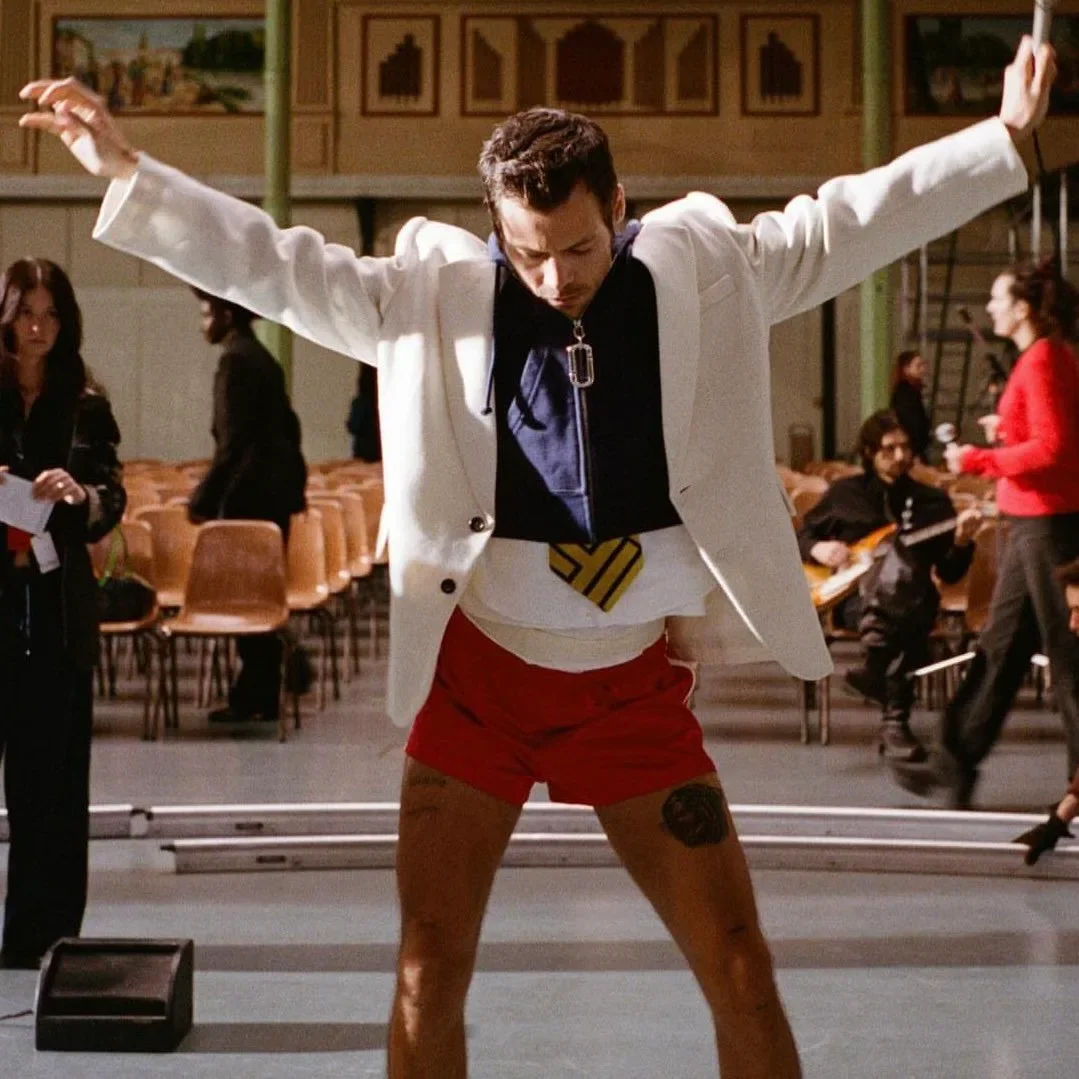
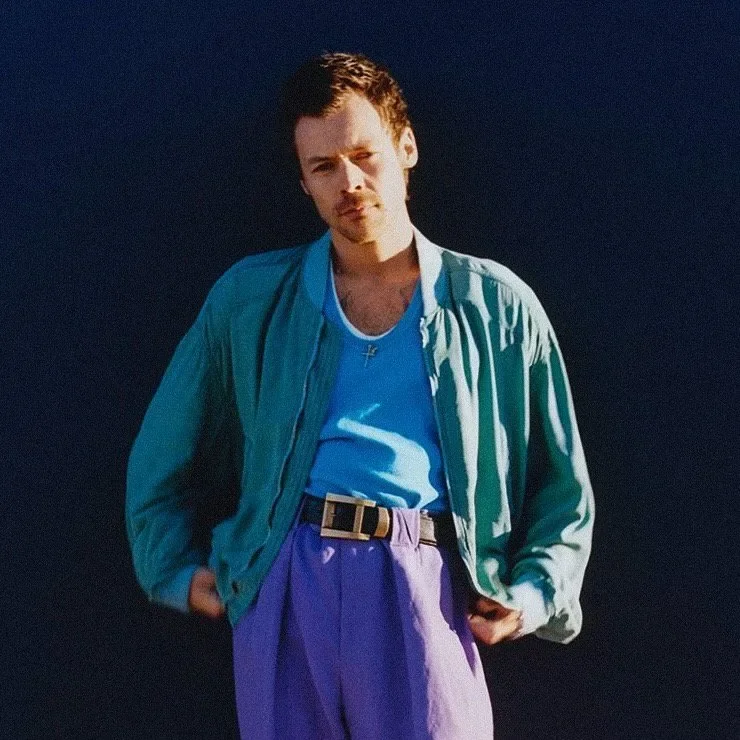
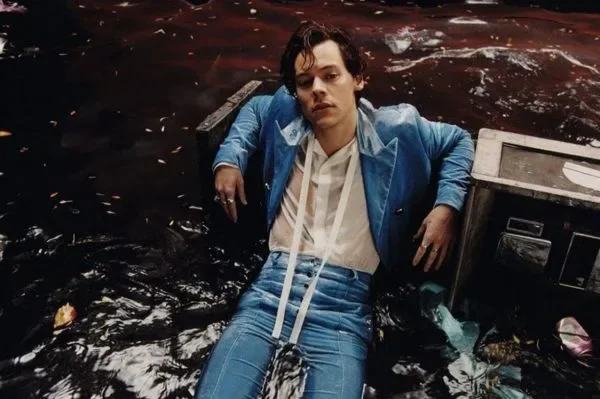
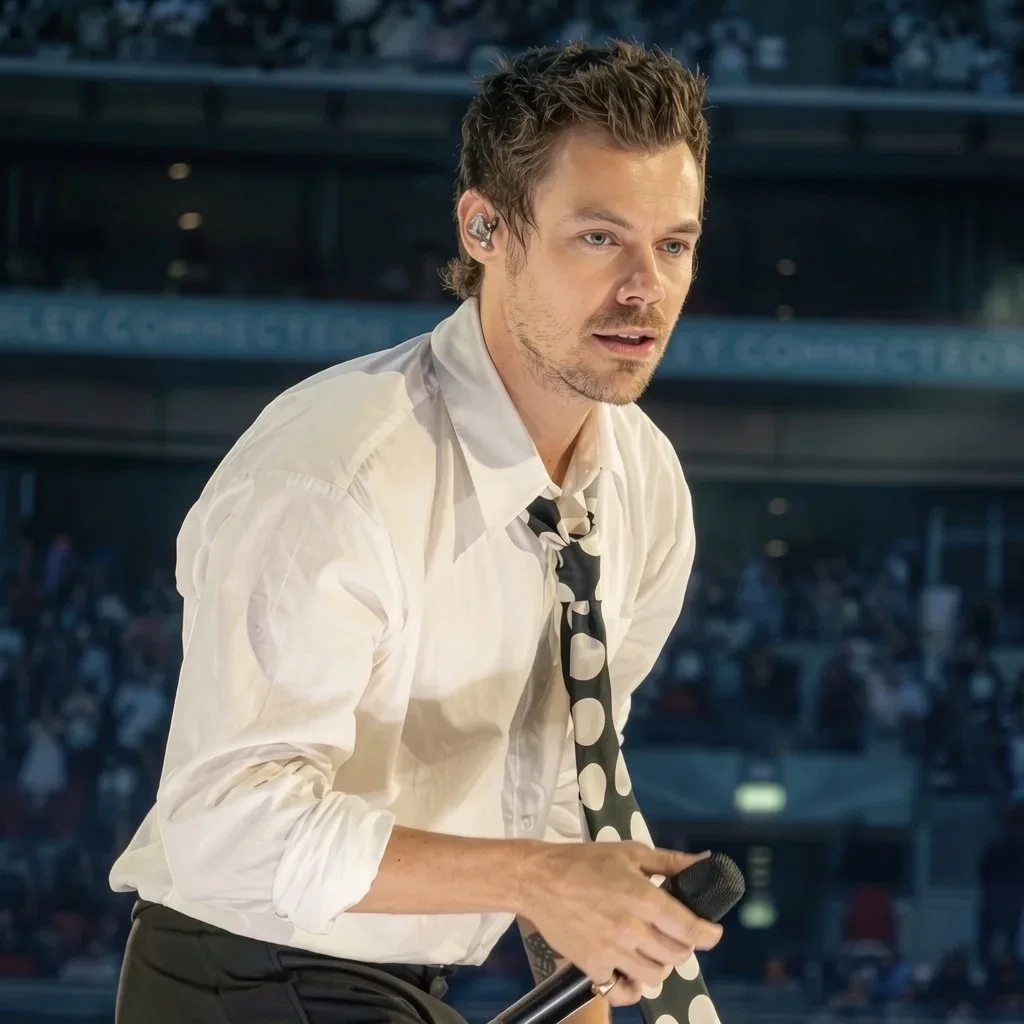
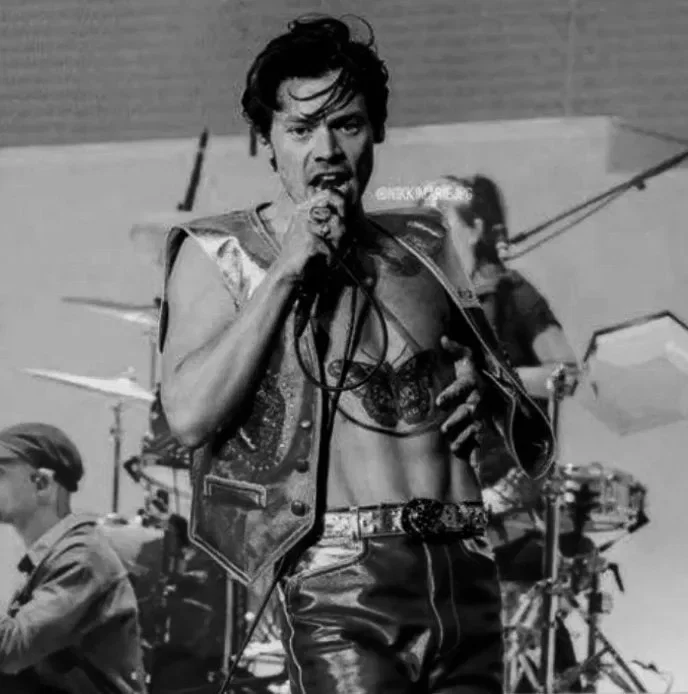
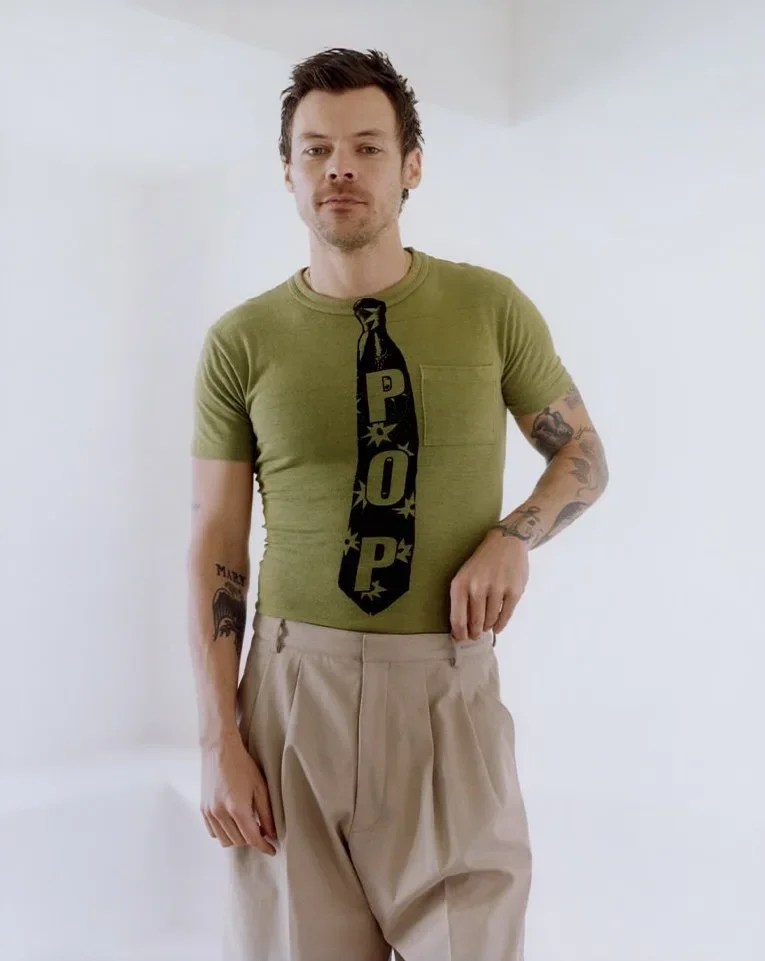
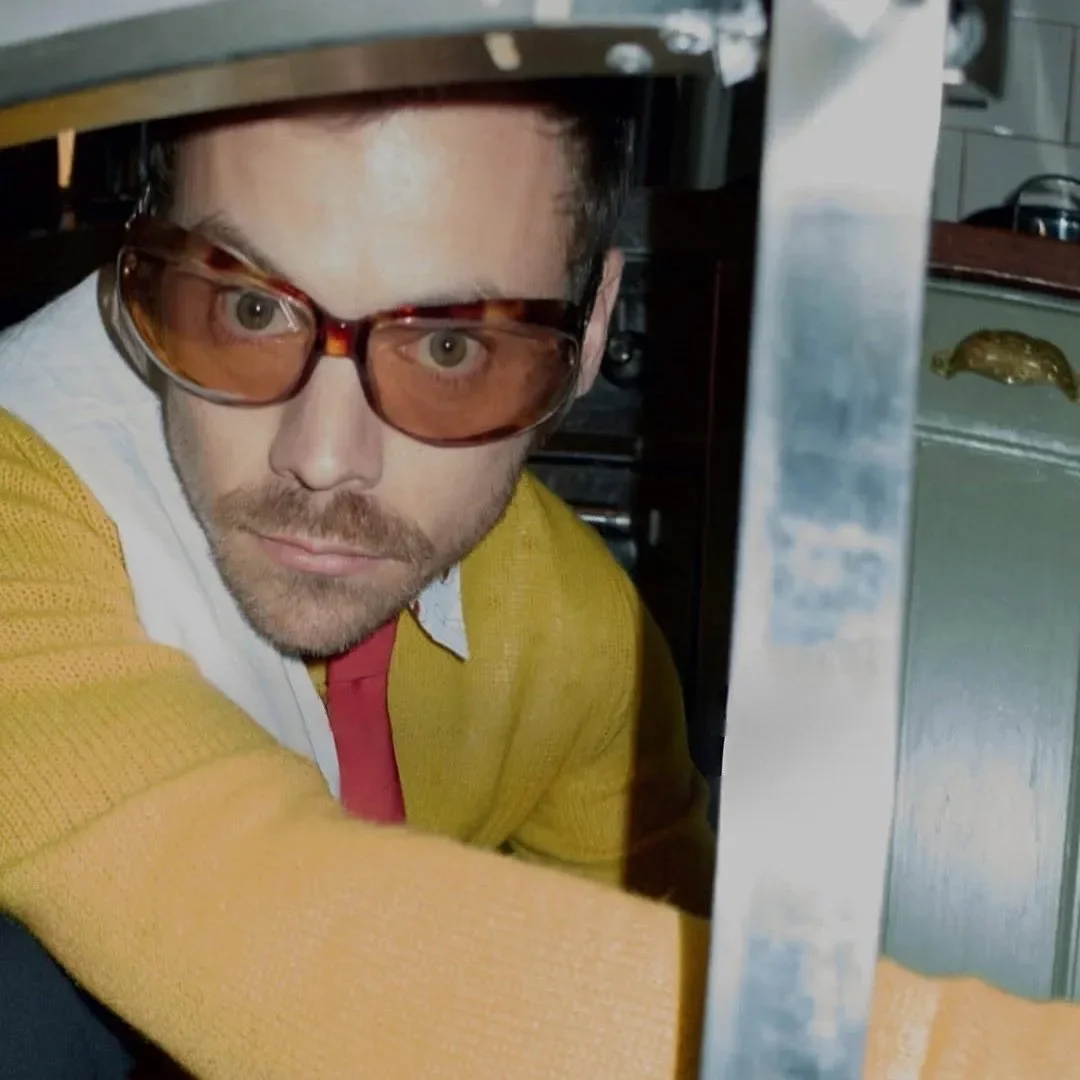
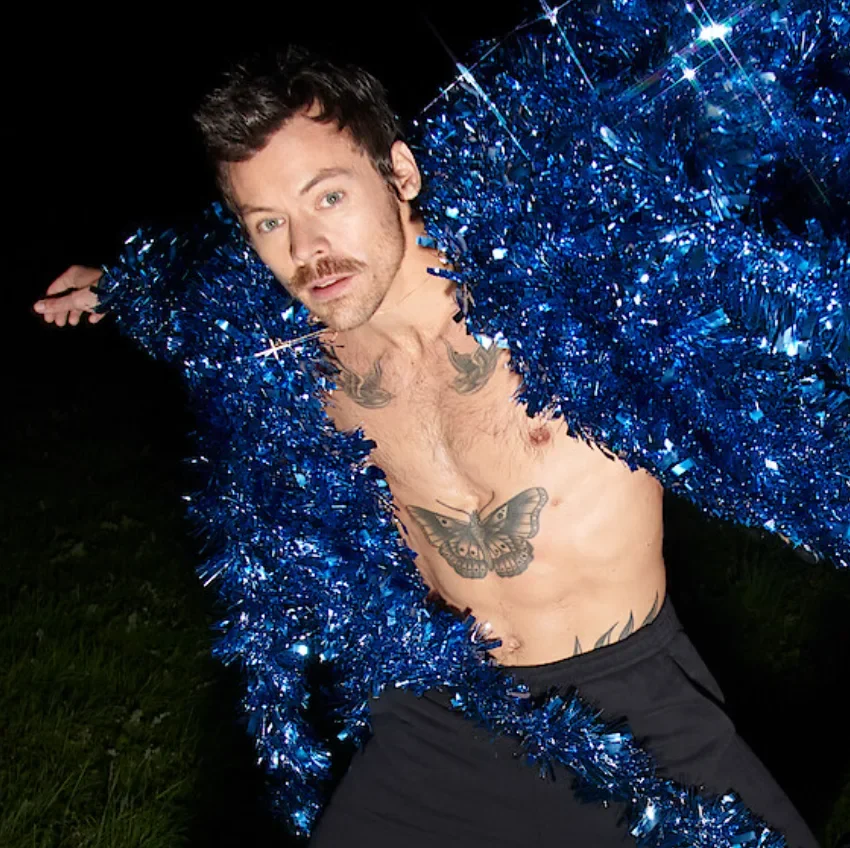
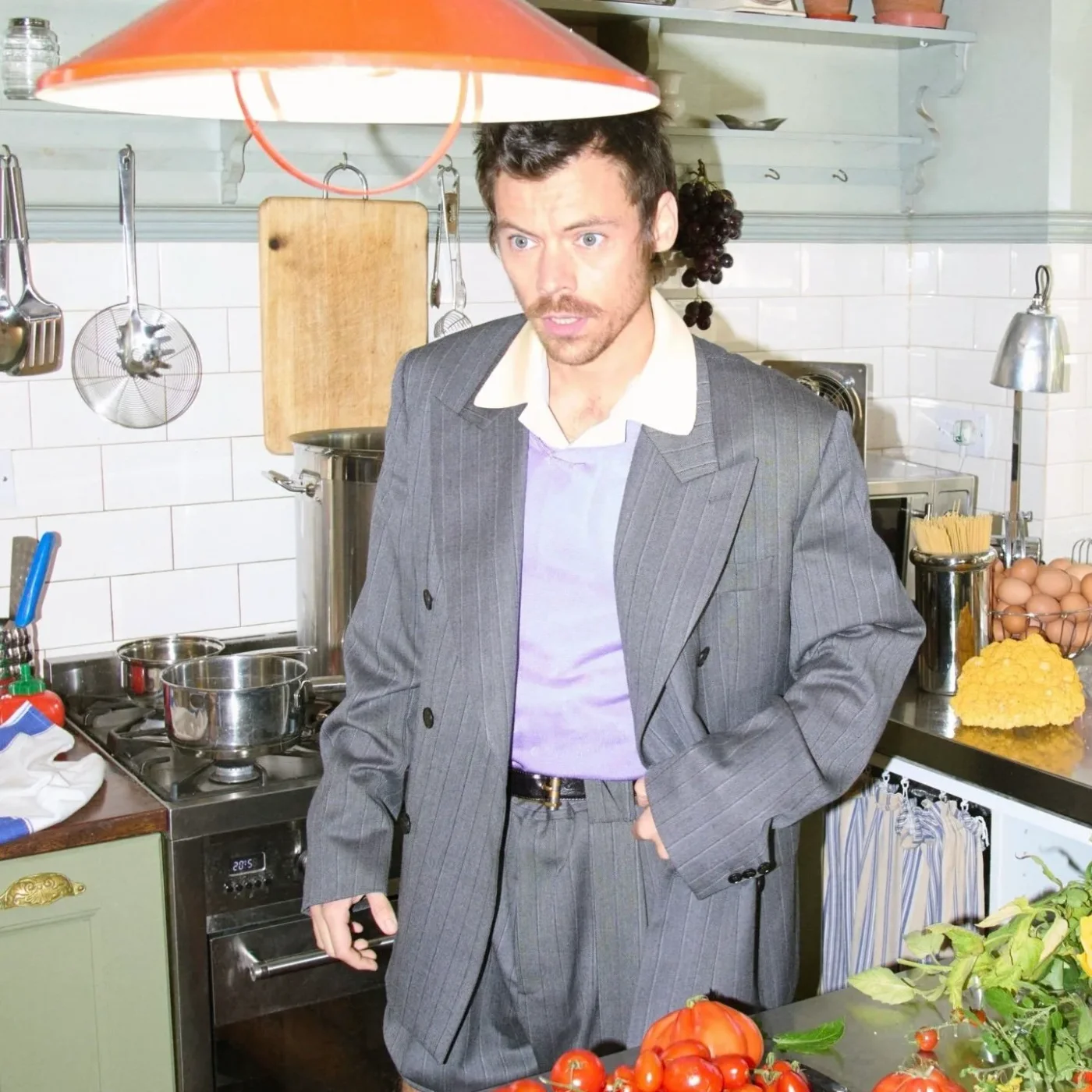
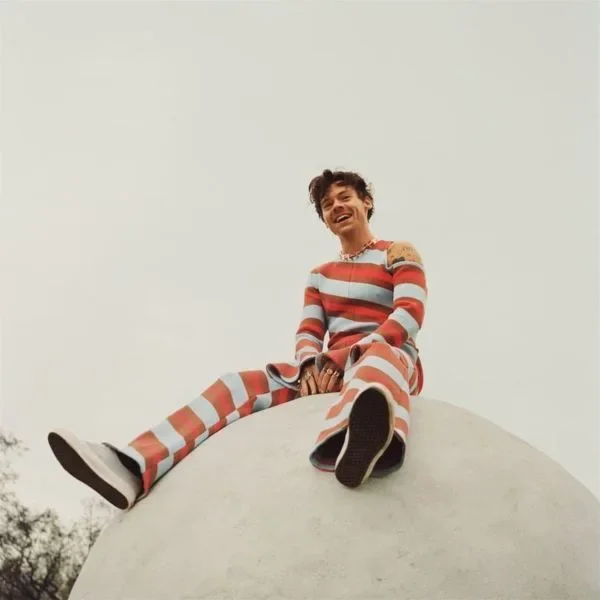
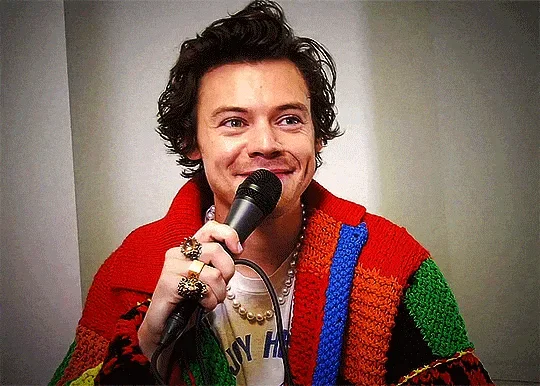
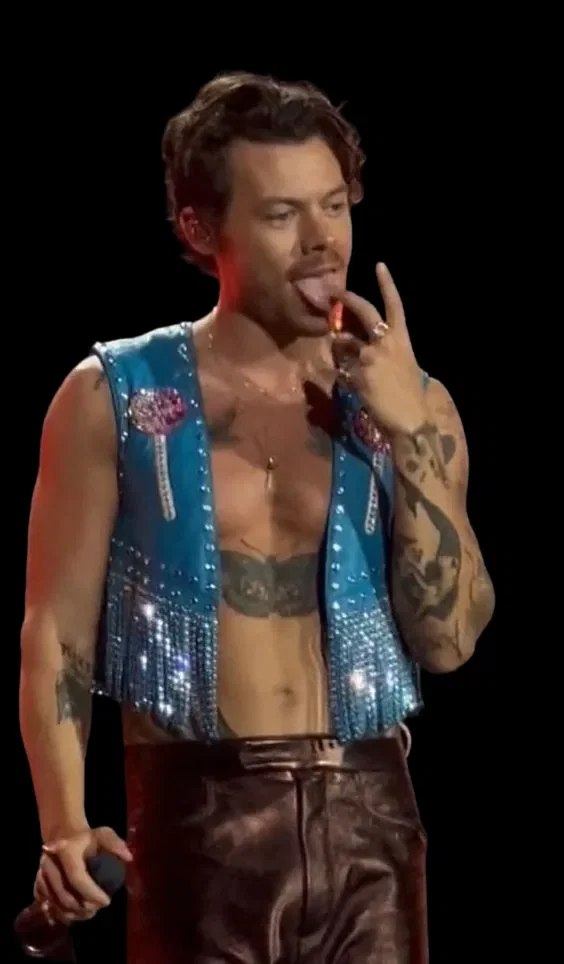
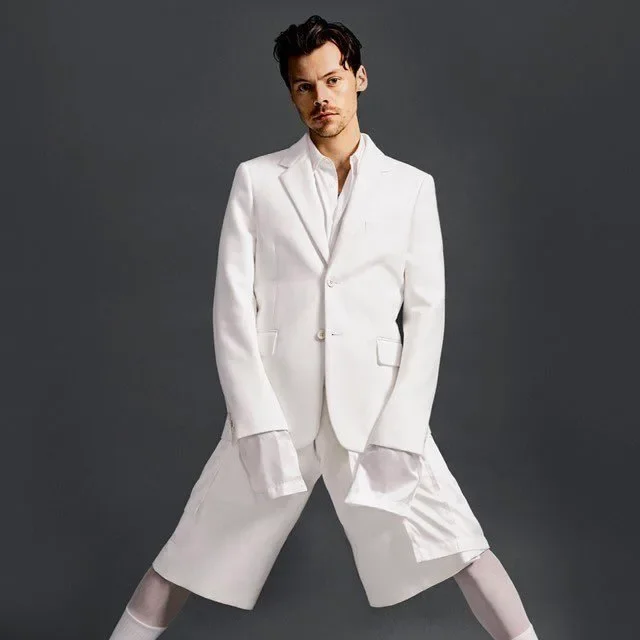
His relationship with fashion is inseparable from his music. Harry Styles turned the stage into a space of visual freedom: colorful suits, pearls, sheer fabrics, painted nails, feathers, high-waisted trousers, seventies references, queer-friendly theatricality and a masculinity less anxious to defend itself. He did not invent that tradition, but he translated it for a massive contemporary audience. In him live Mick Jagger, Prince, David Bowie, Elton John, Tumblr fan culture, stadium pop and a sense of community that made his concerts feel like celebrations. For many fans, seeing him live is not only about hearing songs; it is about entering a space where it is permitted to be brighter, stranger or freer.
There is also emotional intelligence in the way he manages mystery. Unlike many stars of his scale, Harry does not overexplain everything. He speaks sparingly, appears with measure and lets the songs, looks, silences and gestures build part of the story. That distance feeds fascination, but it also protects his figure. In an era in which many artists are trapped by the need to narrate themselves constantly, Styles seems to understand that pop still needs some enigma.
His work in film, with Dunkirk, Don’t Worry Darling and My Policeman, expanded his cultural presence, though his center remains music and the stage. What matters most about Harry as an artist is not that he can act, model or sell a lifestyle brand, but that he has turned all of it into extensions of the same sensitivity: relaxed elegance, modern nostalgia, vulnerability, desire, gentle humor and an idea of spectacle that does not need to crush the audience in order to win it over.
Harry Styles matters because he represents a contemporary version of the total pop star: singer, image, performer, fashion symbol, fandom figure and bridge between musical generations. His legacy is still being built, but one thing is already clear: he escaped the most common fate of teenage idols, which is to remain frozen in the memory of those who discovered them first. At his best, Harry sounds like someone who opened a door from the boy band into warmer, freer, more adult pop. And when he crossed it, he did not close it behind him; he let a crowd come through too.
Main genre
POP
Main subgenres
Like a superfan's list — except verified, with sources and links.

22–Apr 24, 2022
Indio, California · United States
Past15–Apr 17, 2022
Indio, California · United States
PastWhat we managed to link to the concert archive. If a date is missing, tell us — happens to us too.
New York · United States
Tickets →Harry Styles: Together, Together
New York · United States
Tickets →Harry Styles: Together, Together
New York · United States
Tickets →Harry Styles: Together, Together
New York · United States
Tickets →Harry Styles: Together, Together
New York · United States
Tickets →Harry Styles: Together, Together
New York · United States
Tickets →Harry Styles: Together, Together
New York · United States
Tickets →Harry Styles: Together, Together
New York · United States
Tickets →Harry Styles: Together, Together
New York · United States
Tickets →Harry Styles: Together, Together
Every concert and festival of the year, traced on the globe. Hit play and follow the route stop by stop.
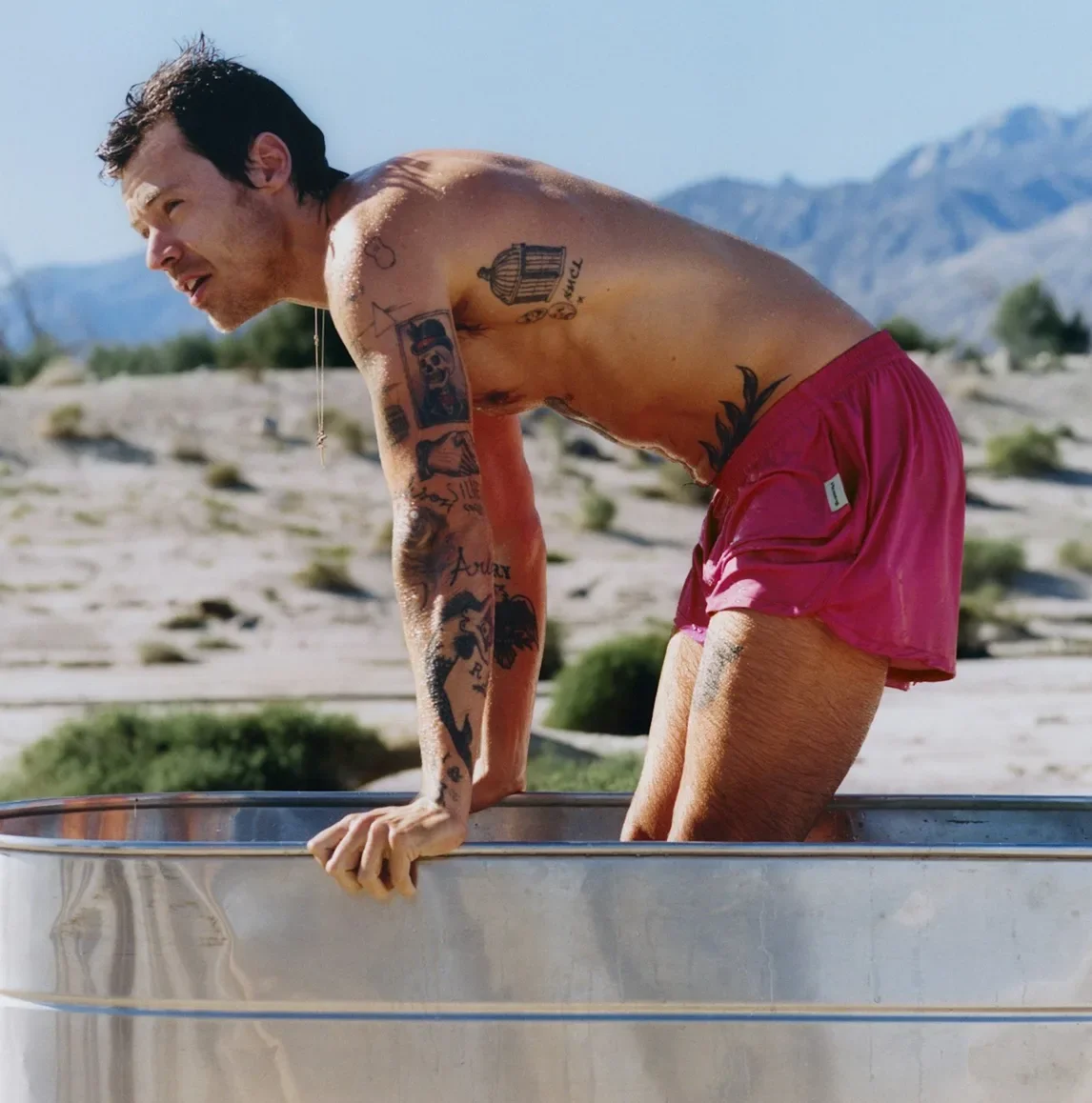
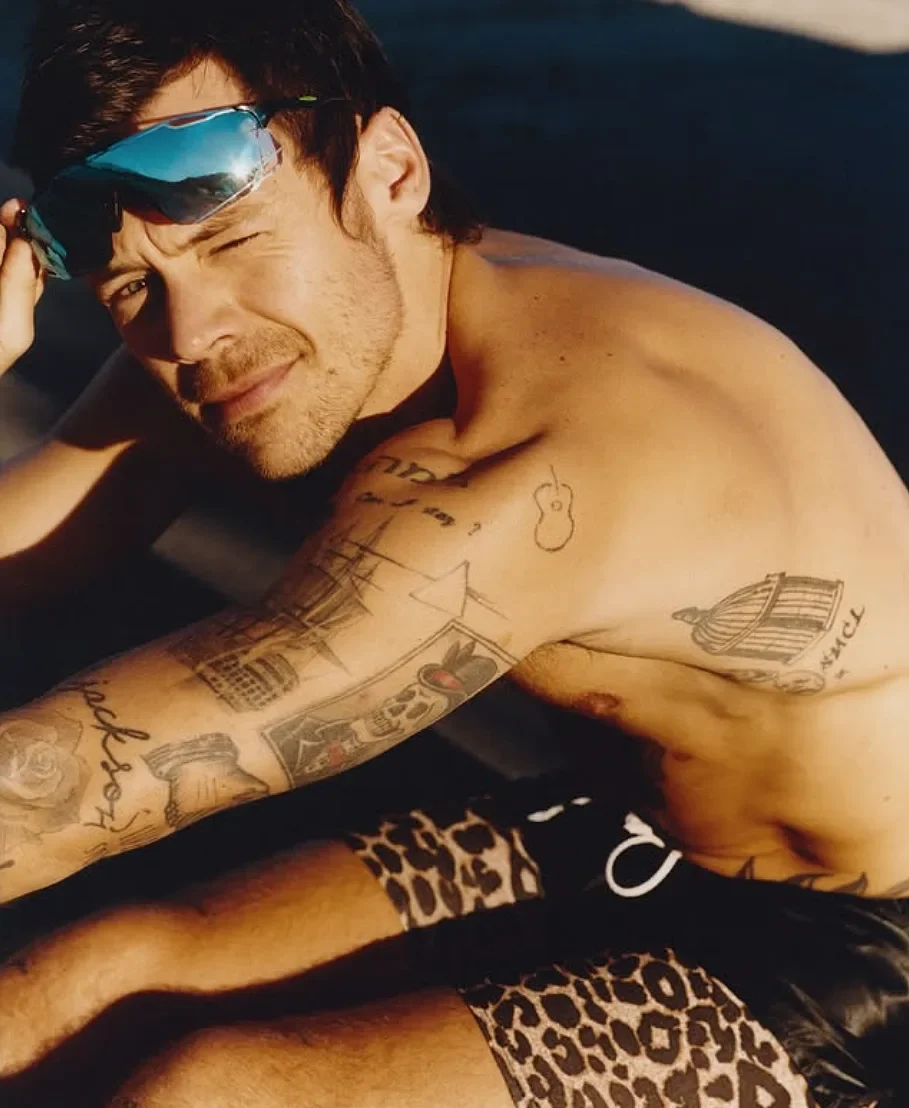
Photos from the public archive.
Recent coverage linked to the artist.


Close by genre and social signal.
No related artists
When there is enough genre signal, they will appear here.