


Ranking
#79

Ranking
#79
Followers
91.2 M
Digital presence
Official profiles, streaming and discovery.
What a good fan recites by heart (or pretends to).
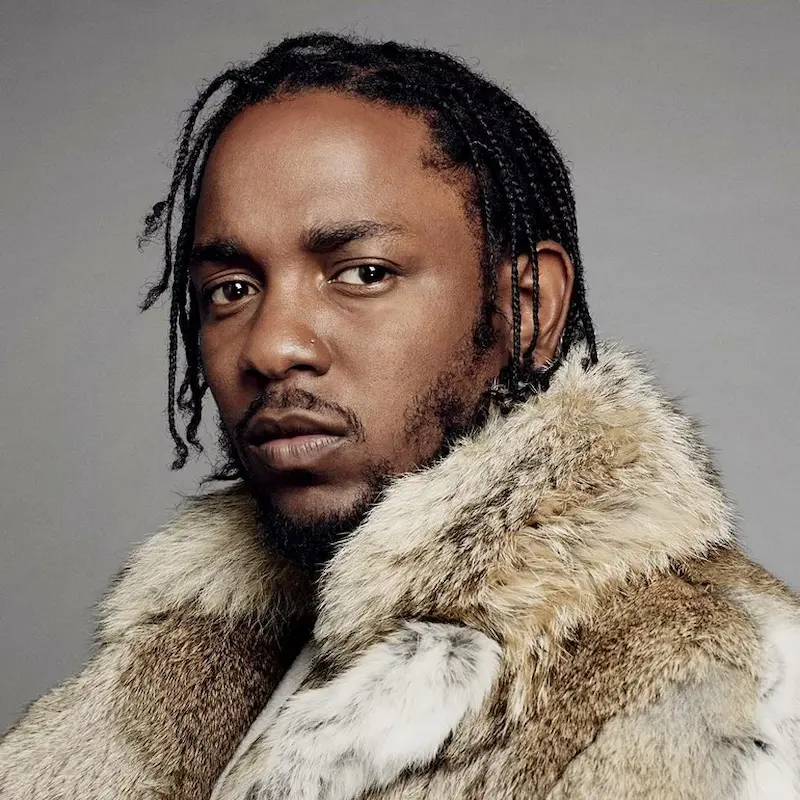
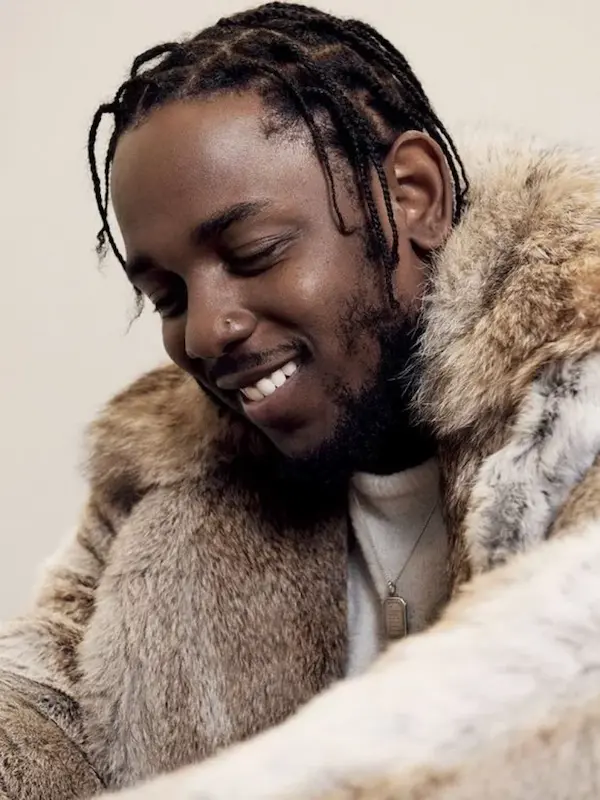
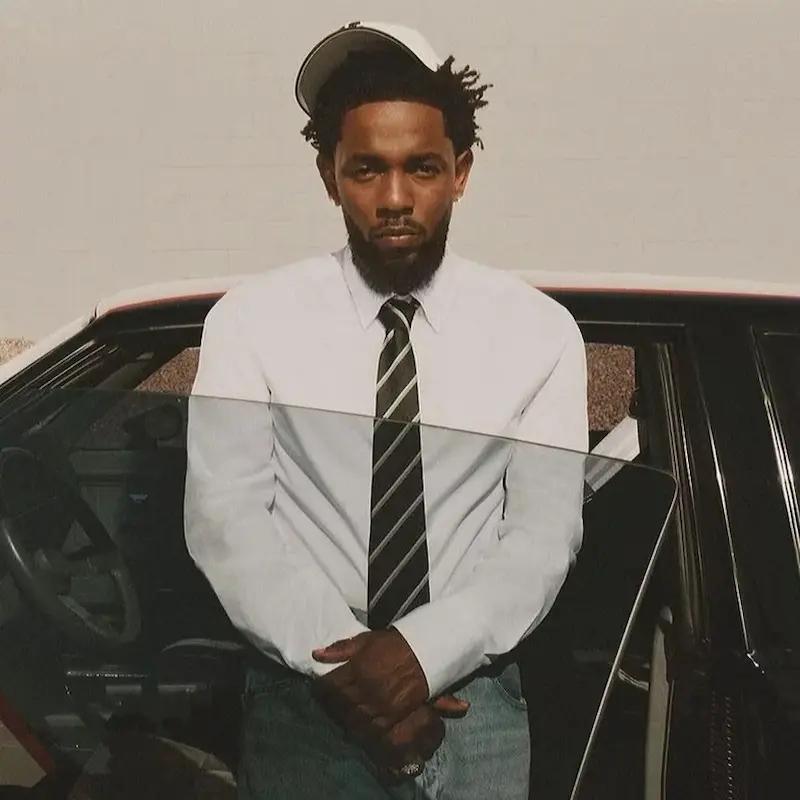
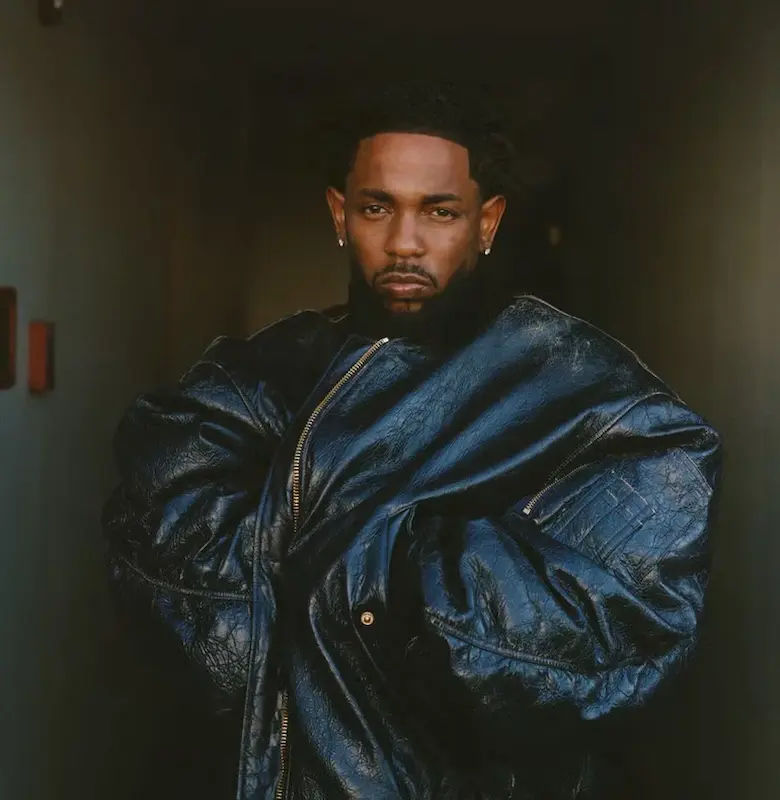
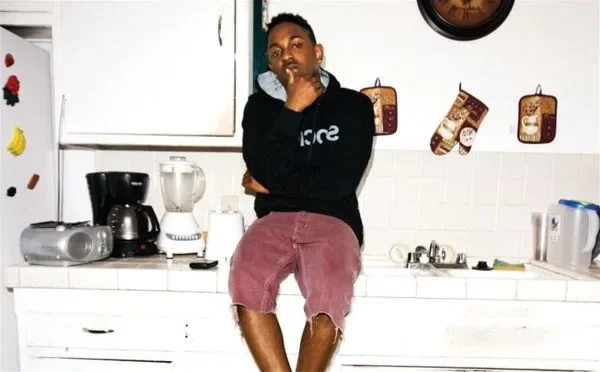
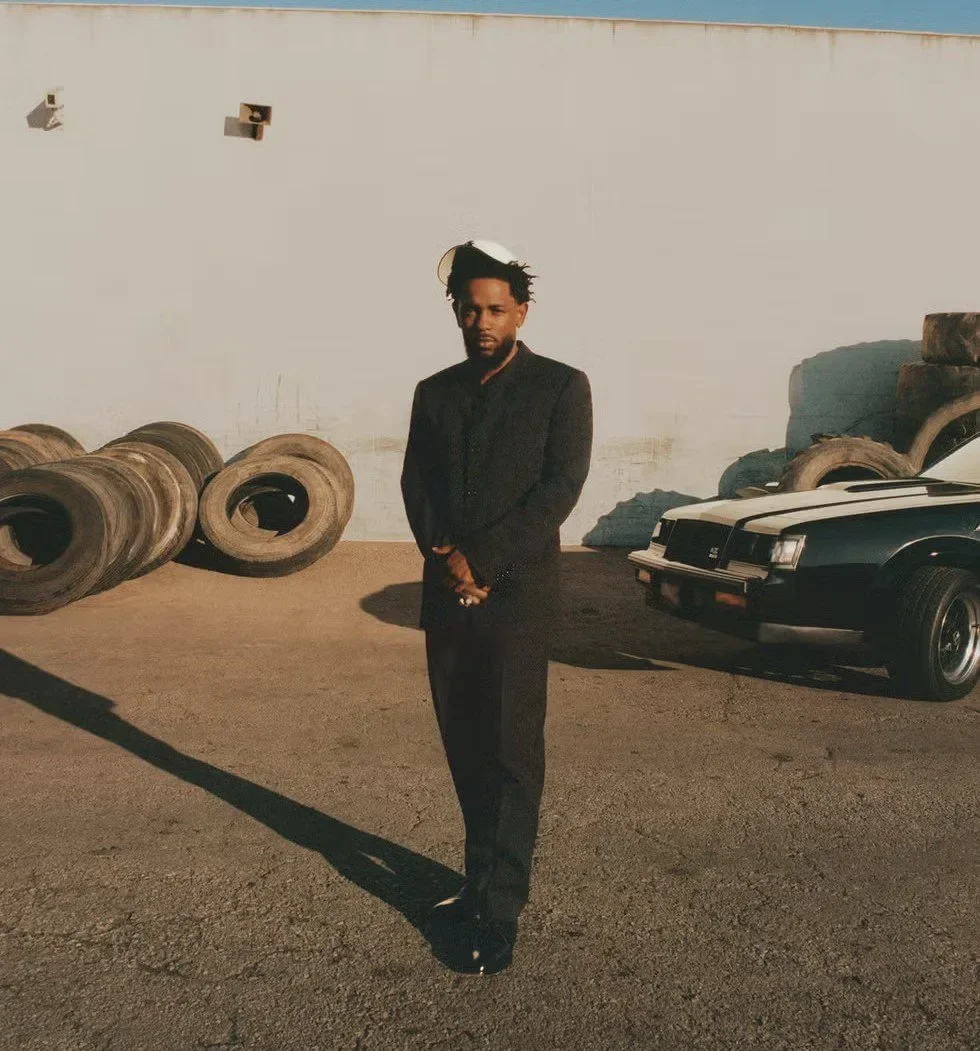
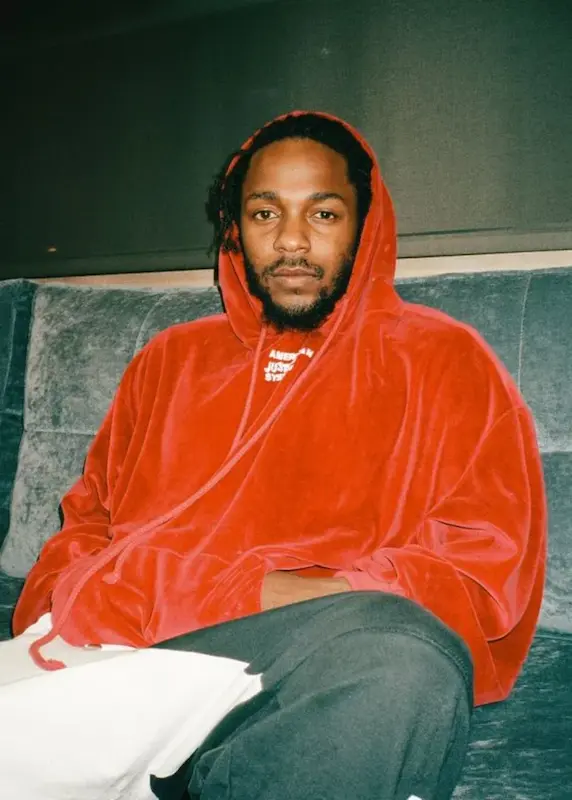
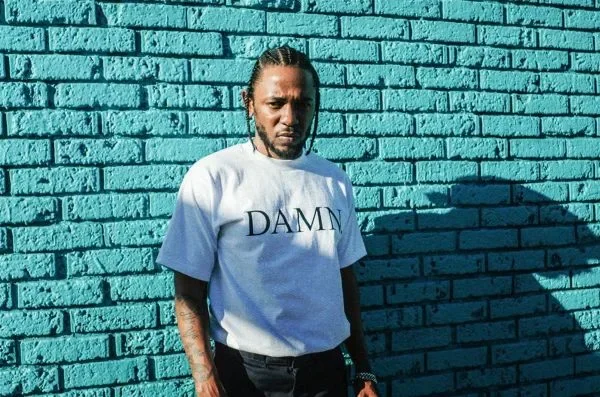
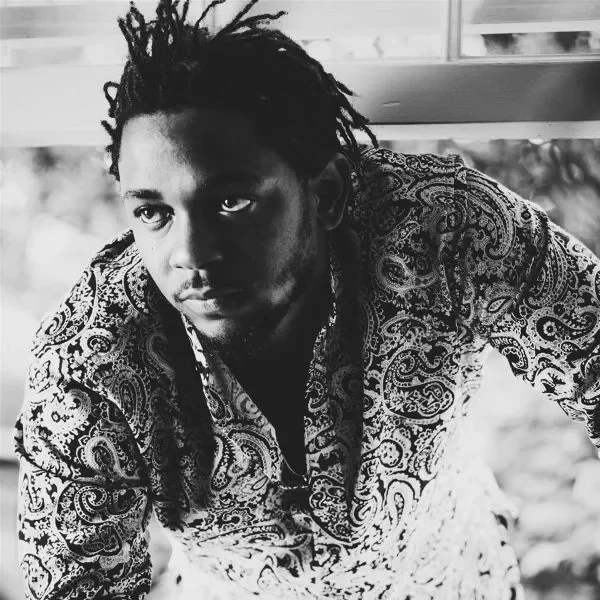
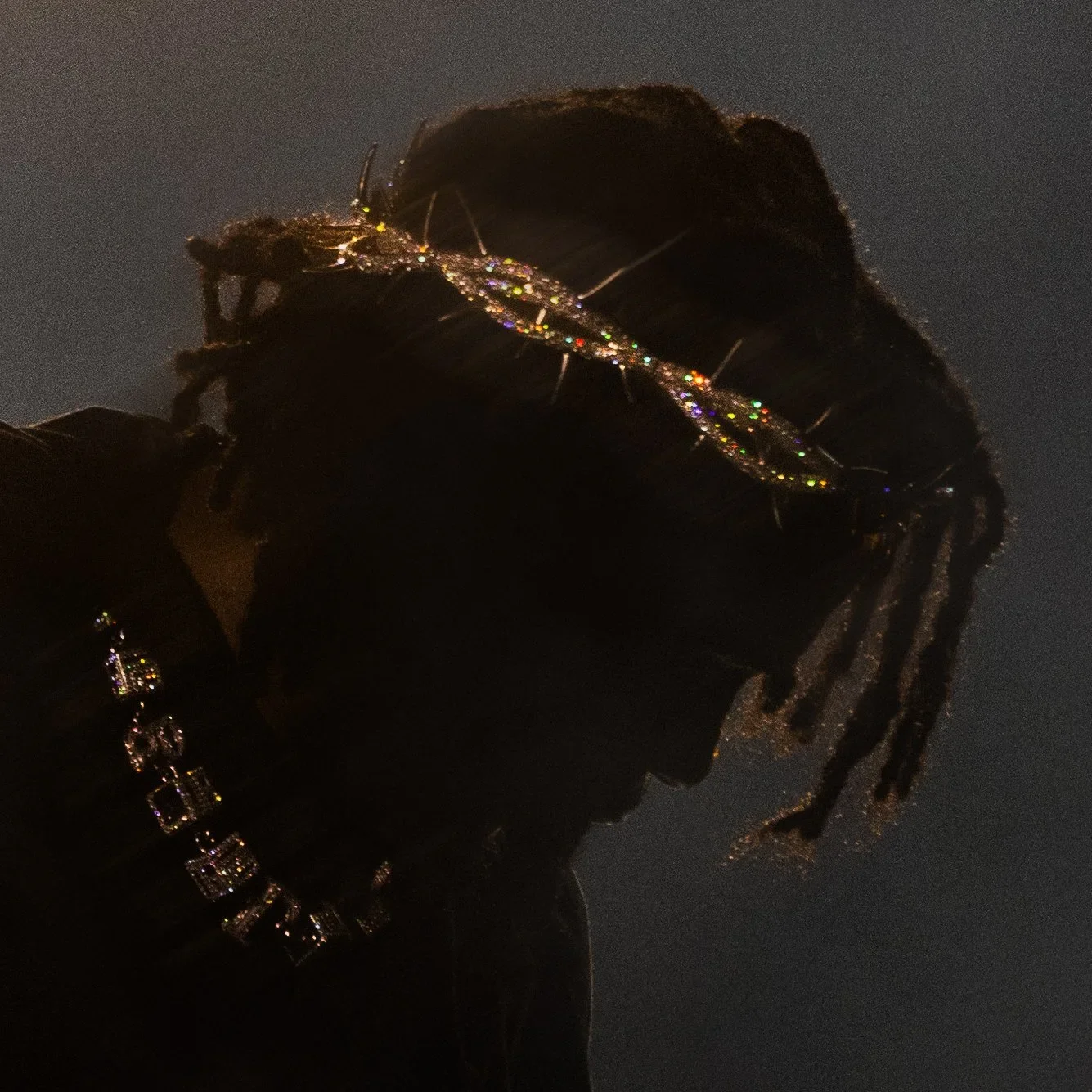
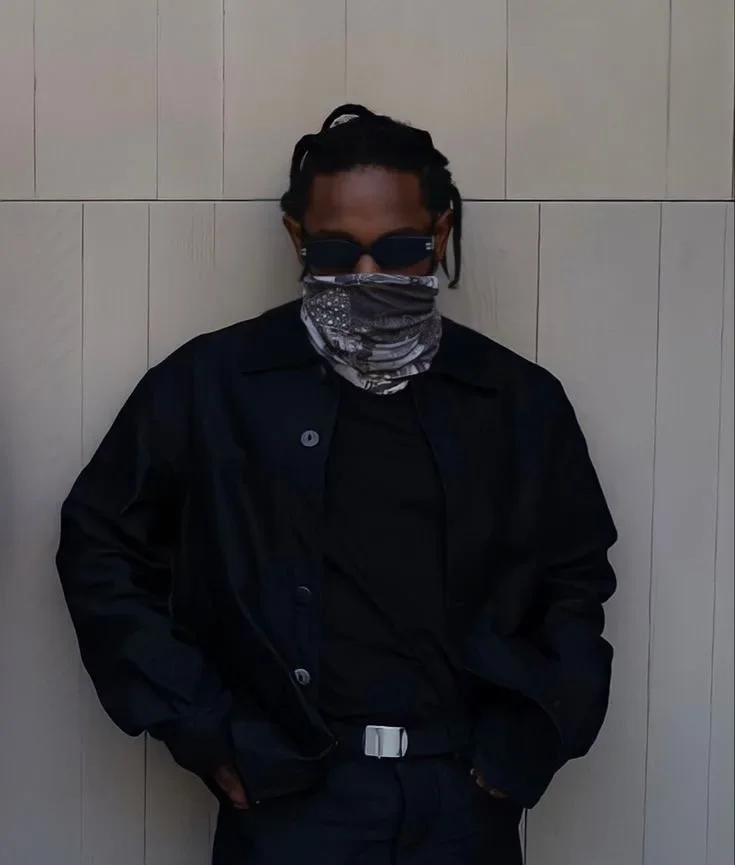
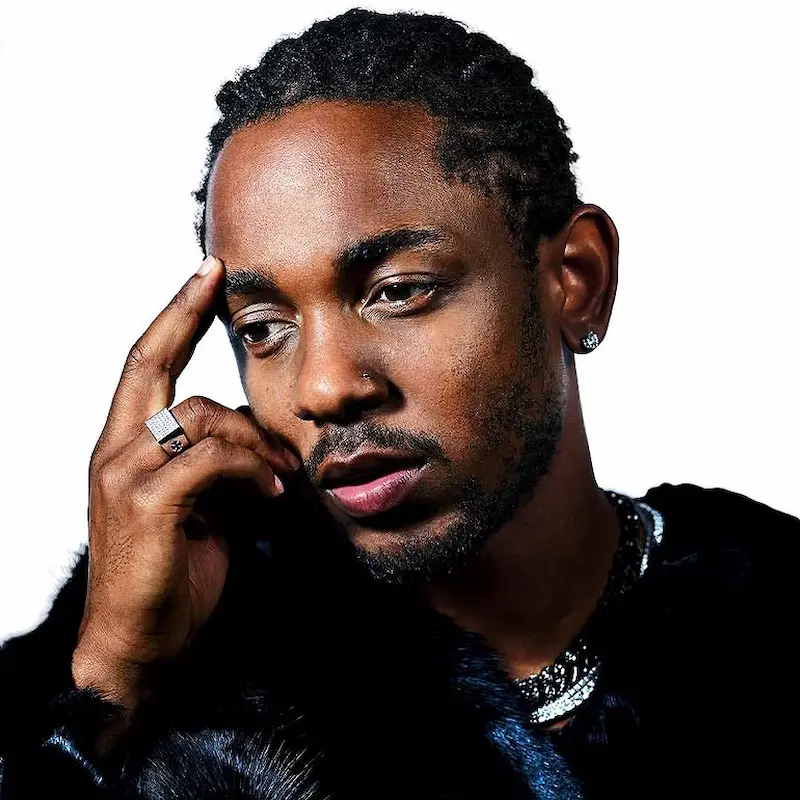
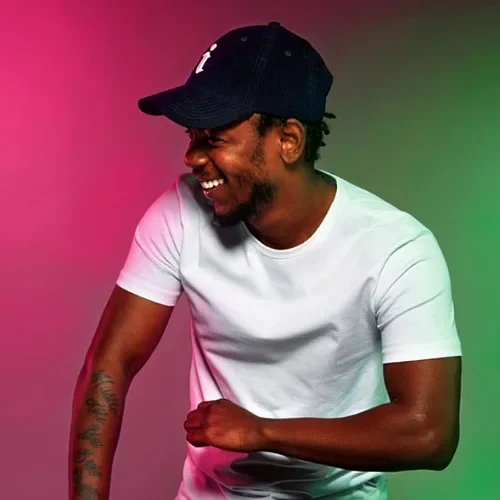
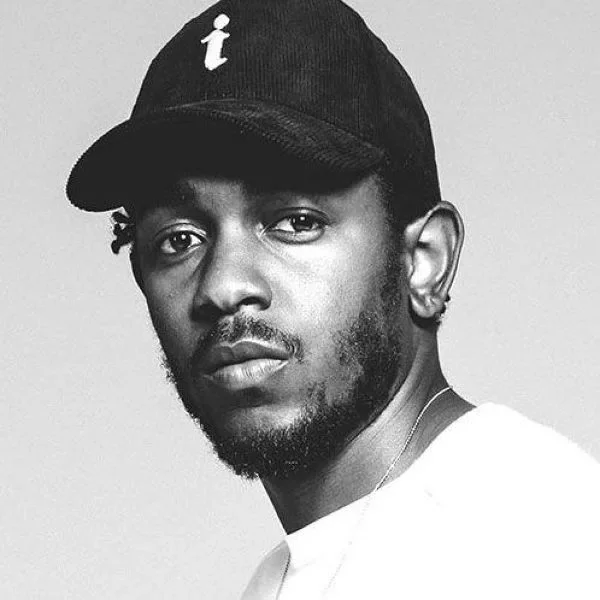
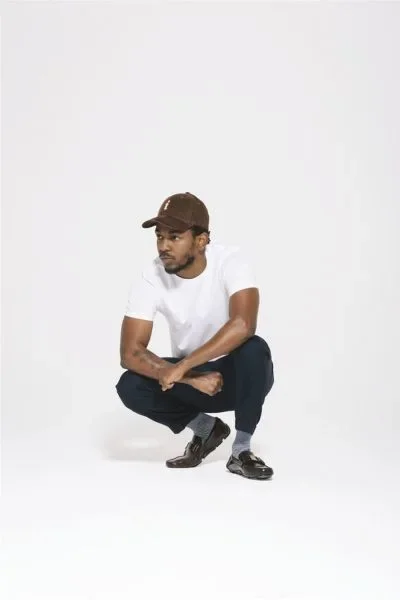
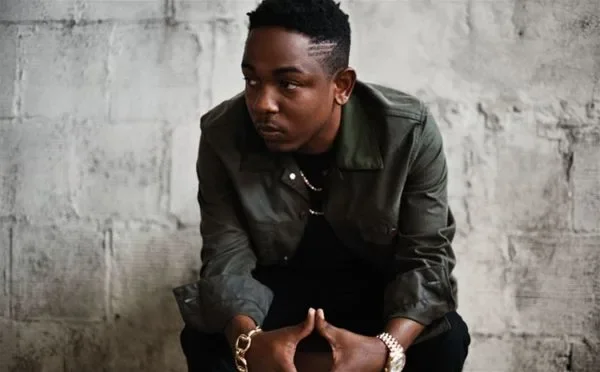
Kendrick Lamar did not enter hip hop to occupy a comfortable place inside the genre. He used it as novel, confession booth, film, sermon, inner battle, and historical document all at once. His music can sound street-level, spiritual, abrasive, intimate, political, or deeply vulnerable, but it almost always carries the same central tension: the need to tell the truth even when that truth is uncomfortable. At a time when rap had already become one of the dominant forces in popular culture, Kendrick showed that it could still expand as a narrative, moral, and artistic language.
Born in Compton, California, Lamar grew up in a place with enormous symbolic weight in hip hop. Compton had already been narrated by earlier generations as a landscape of violence, resistance, pride, and trauma, but Kendrick found a different way to tell that story again. Rather than simply repeating the mythology of gangsta rap, he turned inward: family, faith, guilt, fear, street pressure, temptation, memory, and the difficult question of what it means to survive without losing yourself. From his early work as K. Dot, he already sounded like a rapper obsessed with words, detail, and the architecture of scenes.
His development within Top Dawg Entertainment was essential in giving that voice a structure. Section.80 introduced an artist with a generational lens, attentive to social wounds, youthful contradiction, and the burden of growing up around inequality, addiction, violence, and spiritual searching. He was not yet the Kendrick of the monumental concept albums, but the ambition was already clear. He was interested in the full story: who is speaking, where that voice comes from, what it carries, and what consequences follow every choice.
good kid, m.A.A.d city was the decisive breakthrough because it turned a rap album into a neighborhood film without images. The story of a teenager caught between desire, pressure, friendship, religion, danger, and family had an almost cinematic precision. Songs like “Bitch, Don’t Kill My Vibe,” “Backseat Freestyle,” “Money Trees,” “Swimming Pools (Drank),” and “m.A.A.d city” did not function only as separate tracks; they were chapters of a memory. Kendrick narrated Compton through personal experience, but also with enough critical distance to question the same culture that shaped him. The result was accessible and complex, street-rooted and literary, intimate and expansive.
With To Pimp a Butterfly, Kendrick pushed that ambition to another level. The album absorbed jazz, funk, soul, spoken word, G-funk, Black history, political rage, and spiritual reflection to build one of the densest works in modern rap. “Alright” became an anthem of resistance, but the album as a whole refuses any easy version of empowerment. It speaks about exploitation, guilt, depression, fame, desire, racism, self-worth, and community. Kendrick does not always place himself as the hero. Often he sounds confused, contradictory, tempted, or broken. That honesty is part of his power. Instead of offering simple answers, he turns conflict into music.
DAMN. tightened the form without reducing the depth. More direct, sharper, and closer to the shape of popular songs, the album allowed Kendrick to speak to the mainstream through a more compact structure. “HUMBLE.” showed his ability to dominate competitive rap with brutal precision, while “DNA.,” “LOVE.,” “LOYALTY.,” and “FEAR.” revealed different tensions between ego, affection, inheritance, desire, and fate. The Pulitzer Prize for that album confirmed something many listeners had already understood: his writing had brought rap to a level of institutional recognition without making the music feel less alive, urgent, or connected to its community.
One of Kendrick Lamar’s defining qualities is his use of voice. He does not always rap from the same body. He changes tone, age, character, speed, and emotional temperature. He can sound like a frightened child, an angry preacher, a distant narrator, an internal enemy, or a public figure cornered by his own contradictions. That vocal theatricality is not decoration; it is part of his writing. Every inflection helps show that his songs are not just statements, but moving scenes. Kendrick understands rap as performance, oral literature, and verbal percussion at the same time.
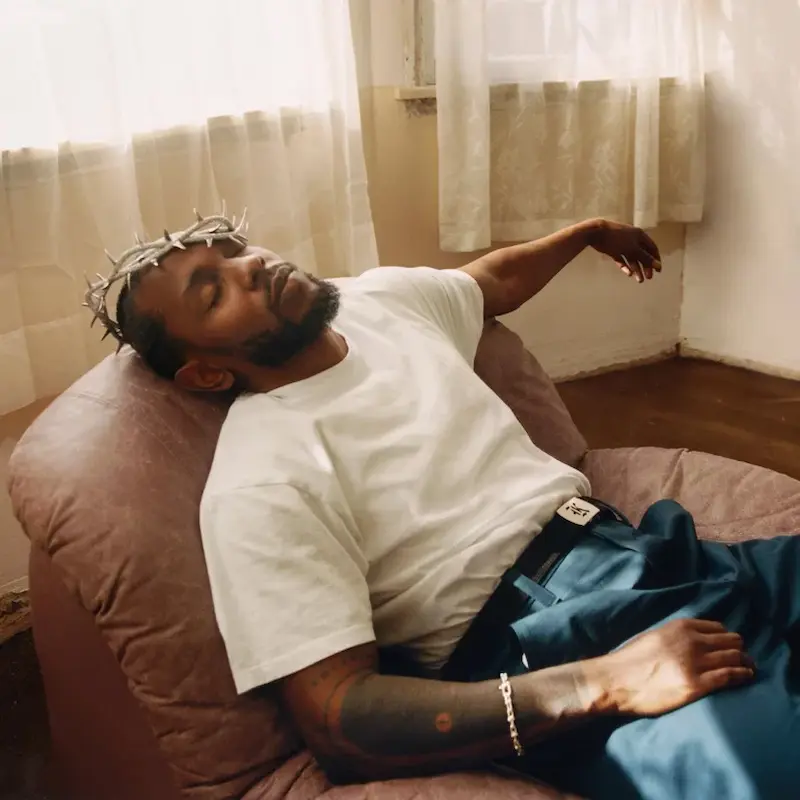
Mr. Morale & the Big Steppers opened another zone in his work: therapy, family inheritance, masculinity, trauma, public responsibility, and the exhaustion of being turned into a symbol. It is an uncomfortable album because it does not try to please at every turn. Instead of offering only anthems or declarations of greatness, it reveals cracks. Kendrick examines fame, fatherhood, guilt, ego, and the limits of personal redemption. That willingness to break his own image is one reason his career does not feel static. Each project seems to demand a different way of listening.
Even when he moves into more competitive territory, through songs centered on lyrical dominance, rivalry, or regional pride, Kendrick maintains a deep awareness of tradition. His rap is connected to Compton, Los Angeles, and West Coast hip hop, but also to jazz, funk, soul, oral poetry, and Black American music as an archive of resistance. That range allows him to sound contemporary without detaching himself from lineage. He does not rap as if he arrived alone. He raps like someone who knows which voices came before him.
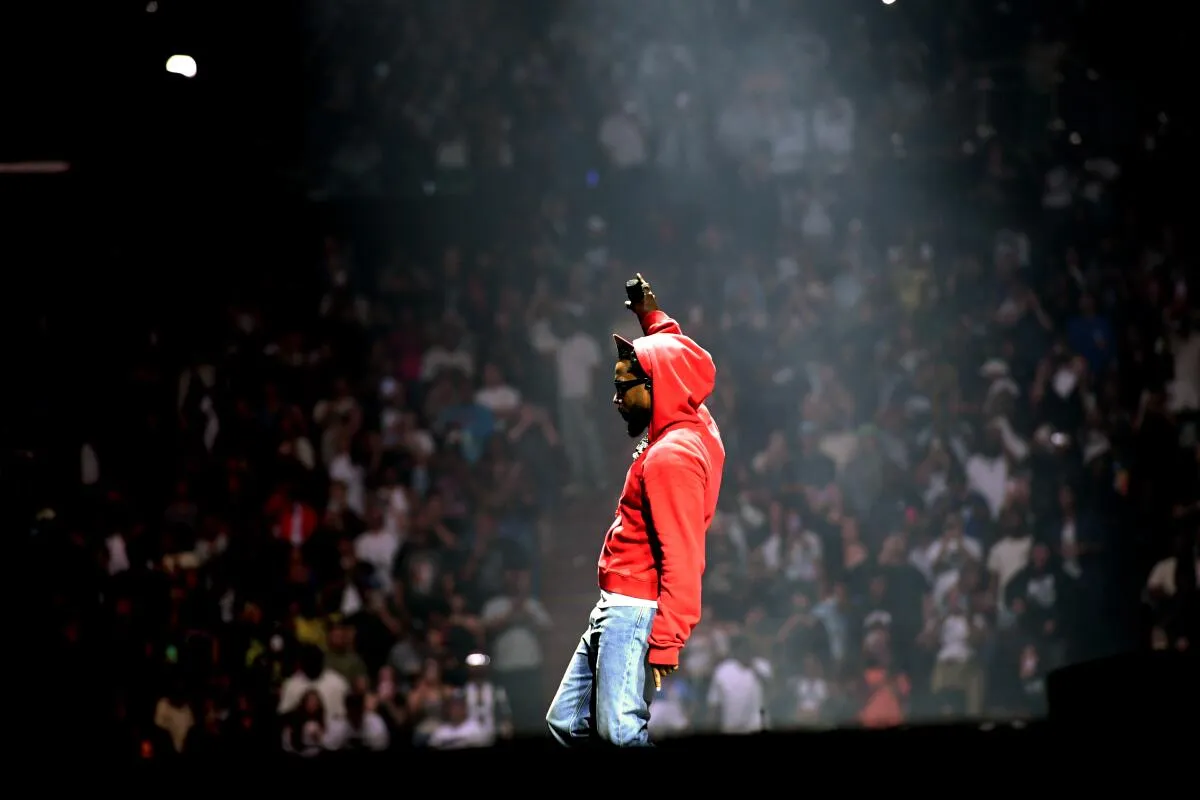
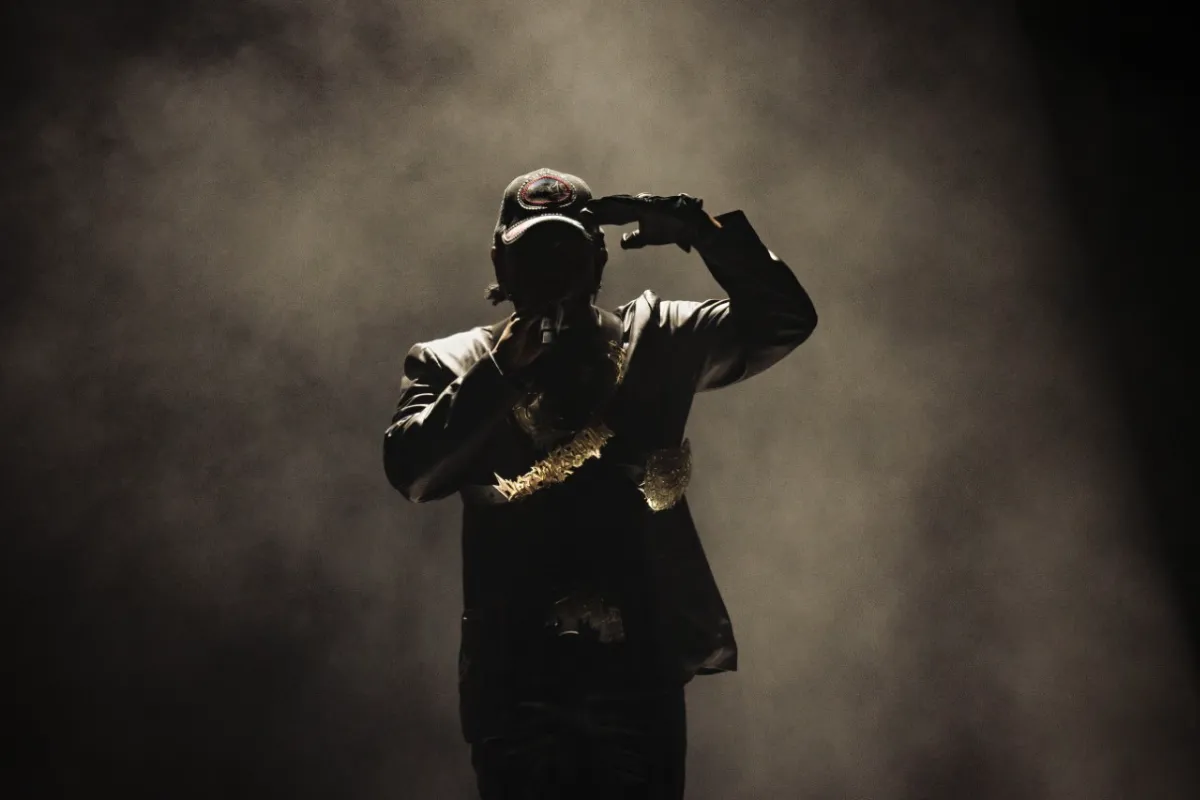
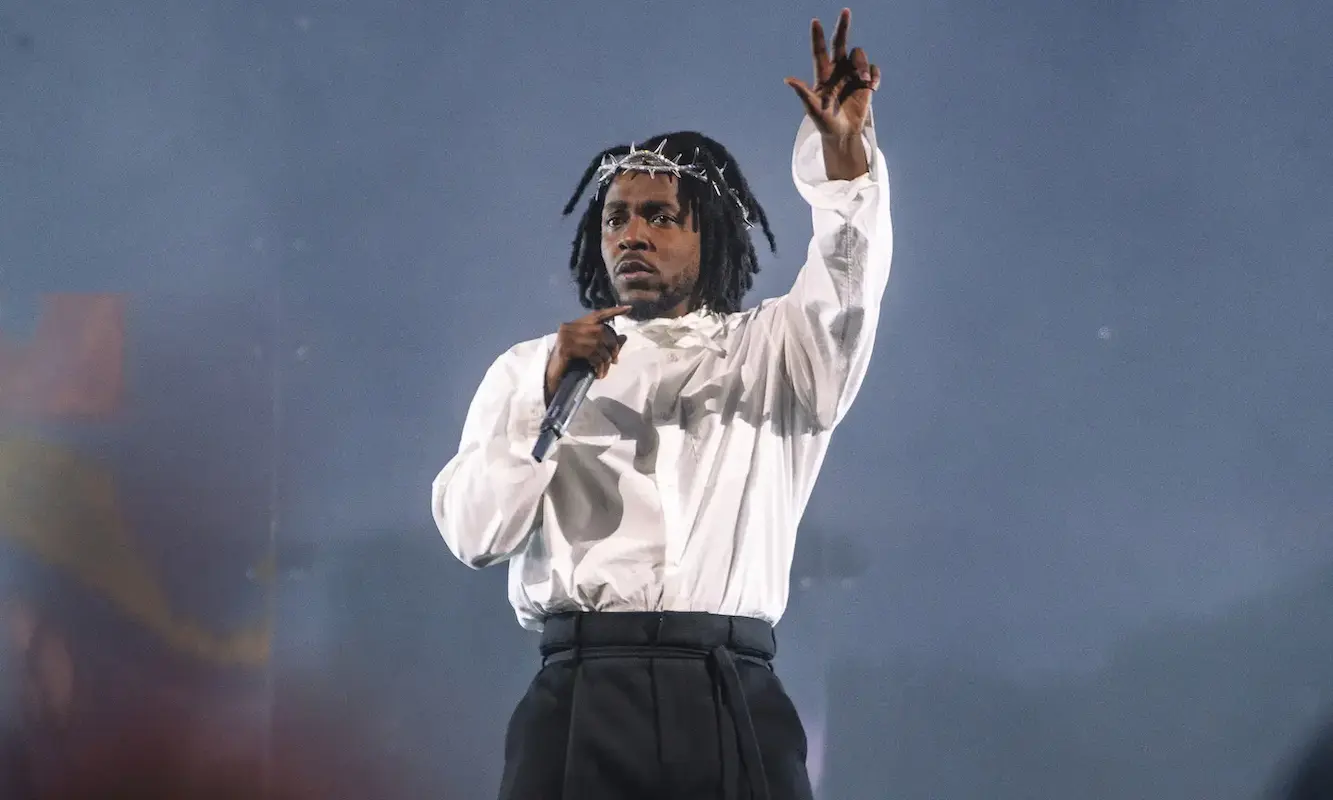
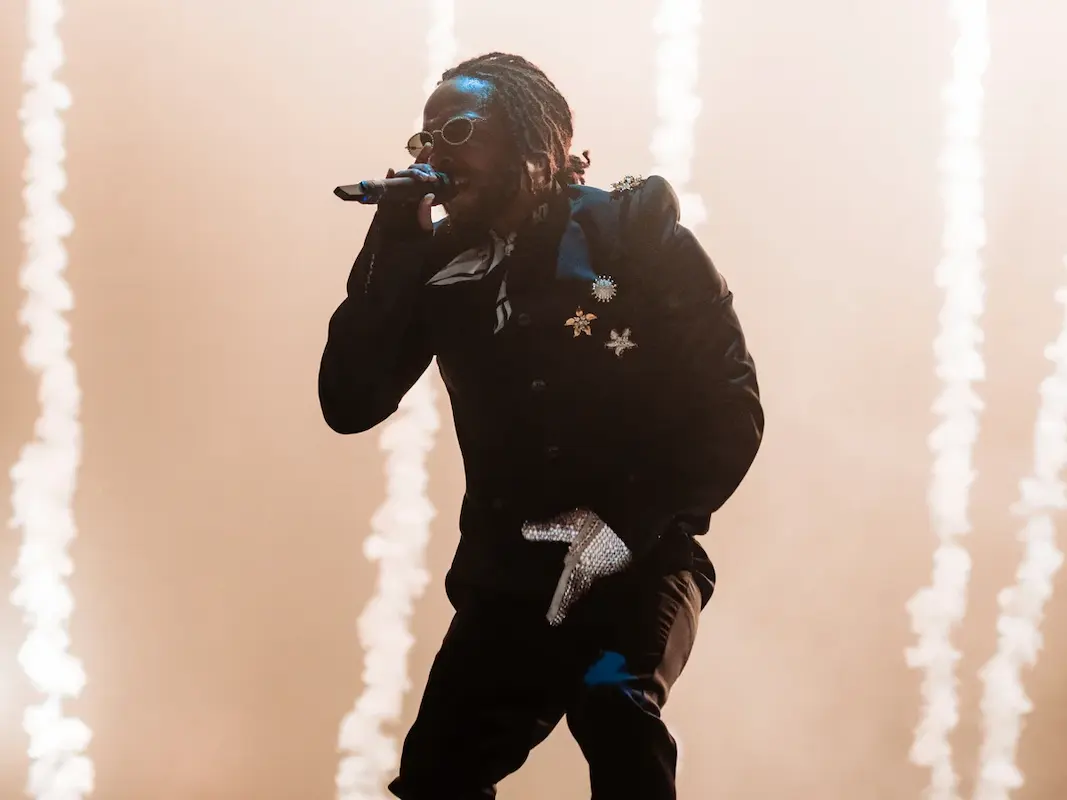
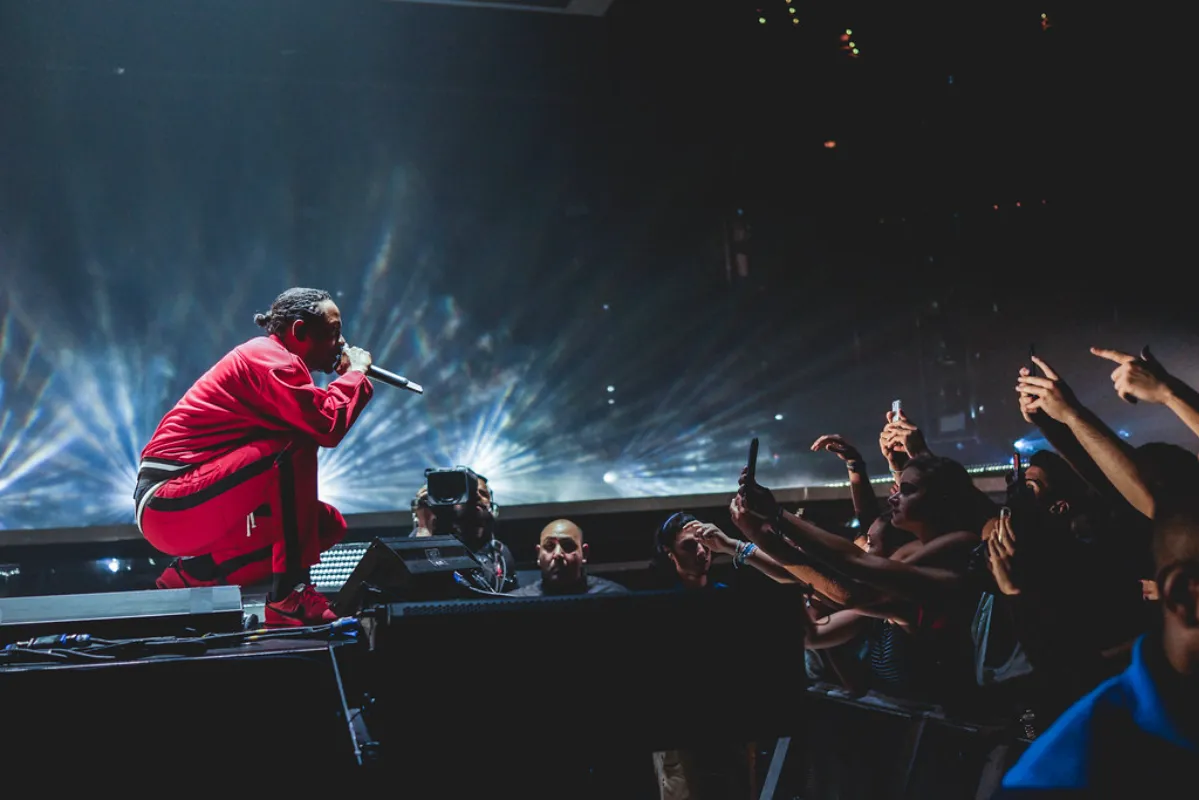
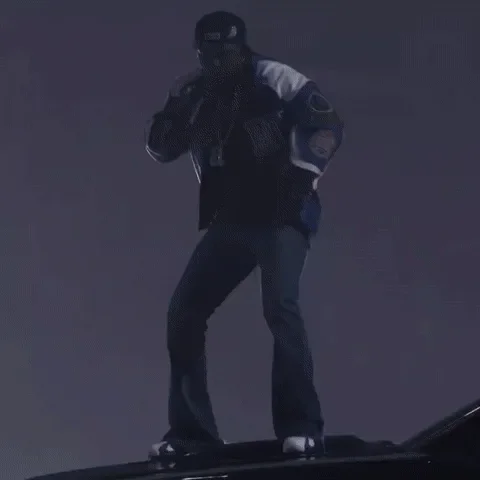
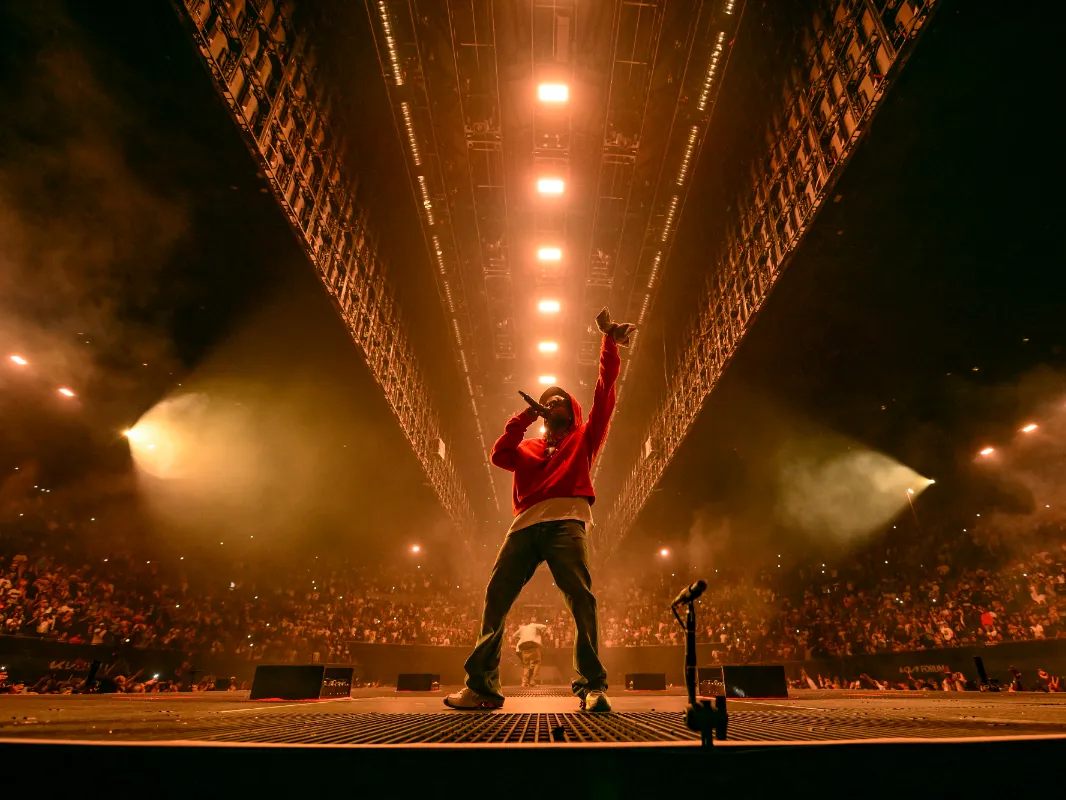
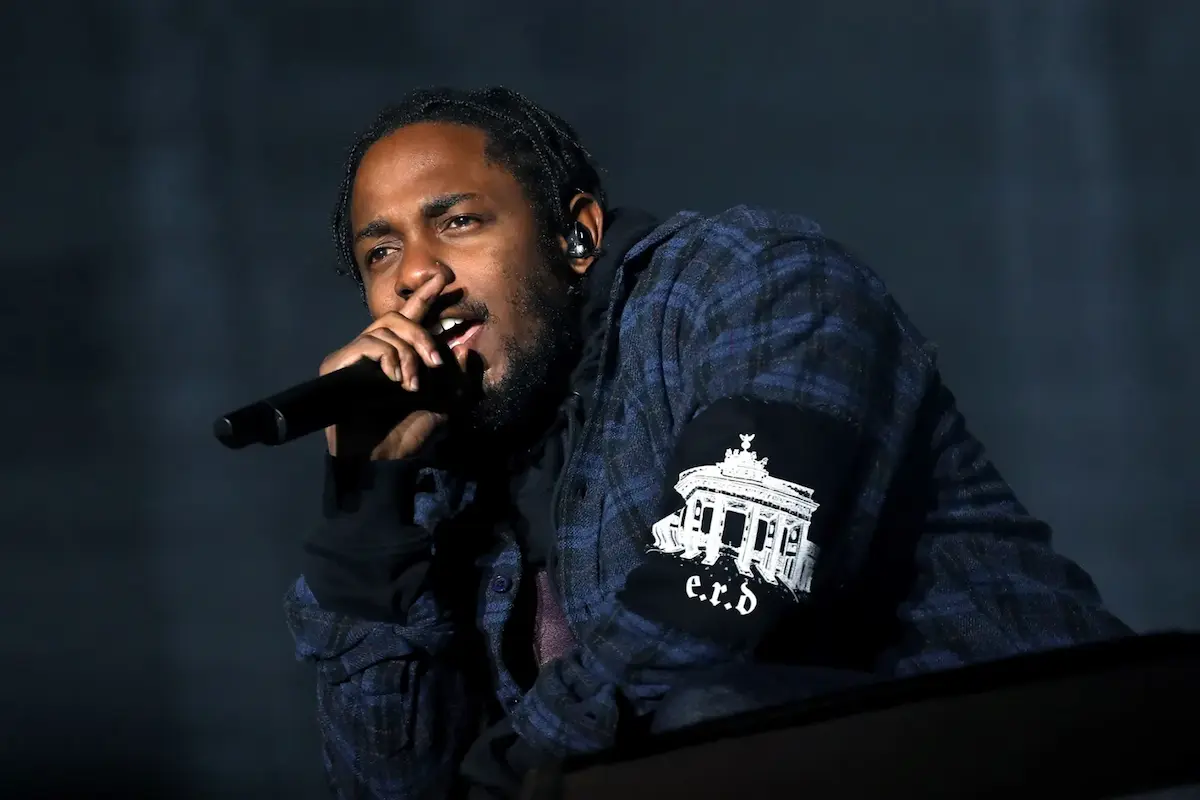
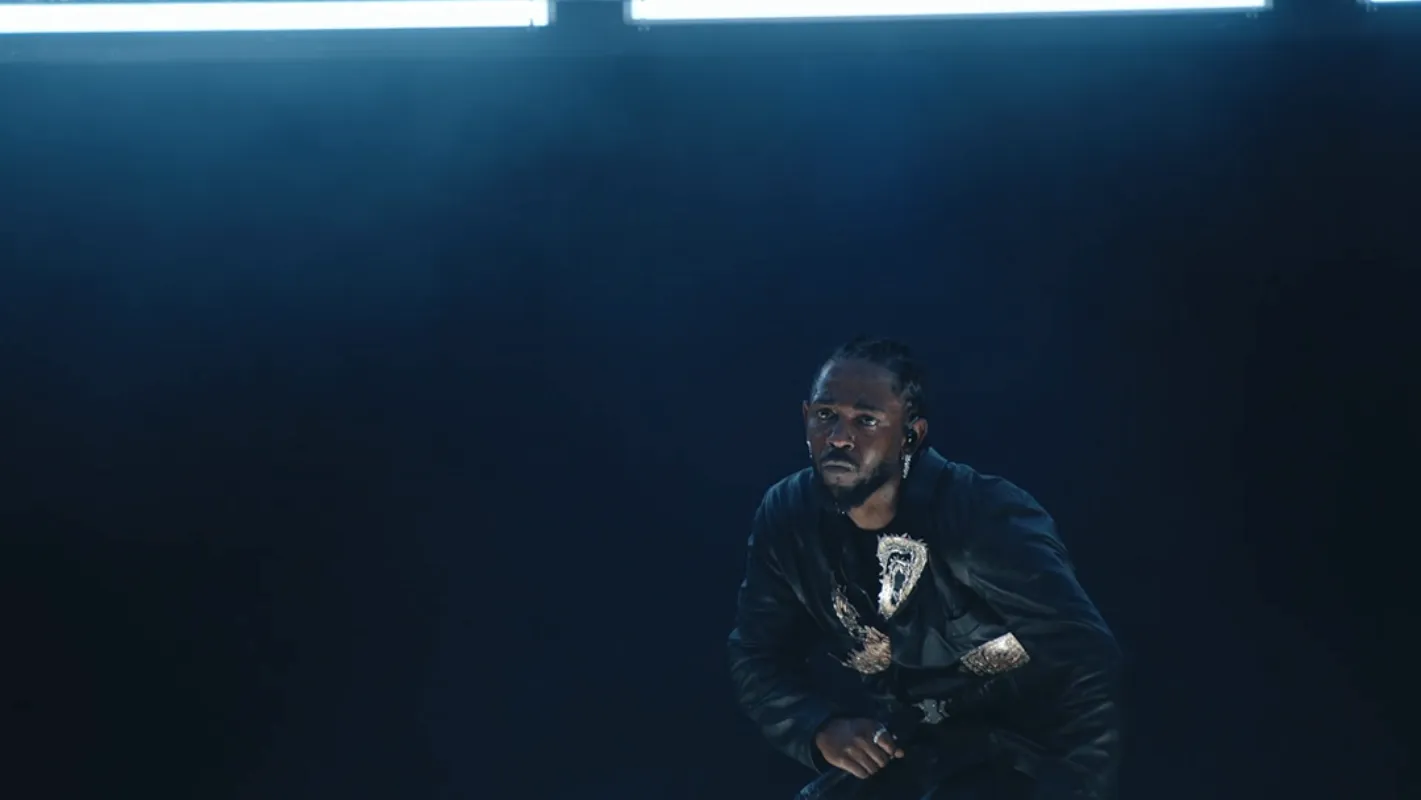
Onstage, his presence carries control and internal combustion. He does not need to fill every second with exaggerated movement. His force comes from concentration, from the rhythm of the words, and from the way a crowd can shout a verse back while feeling part of a larger conversation about identity, violence, faith, pride, and pain. His concerts can move between collective catharsis and theatrical tension, between rapper and congregation, between spectacle and testimony.
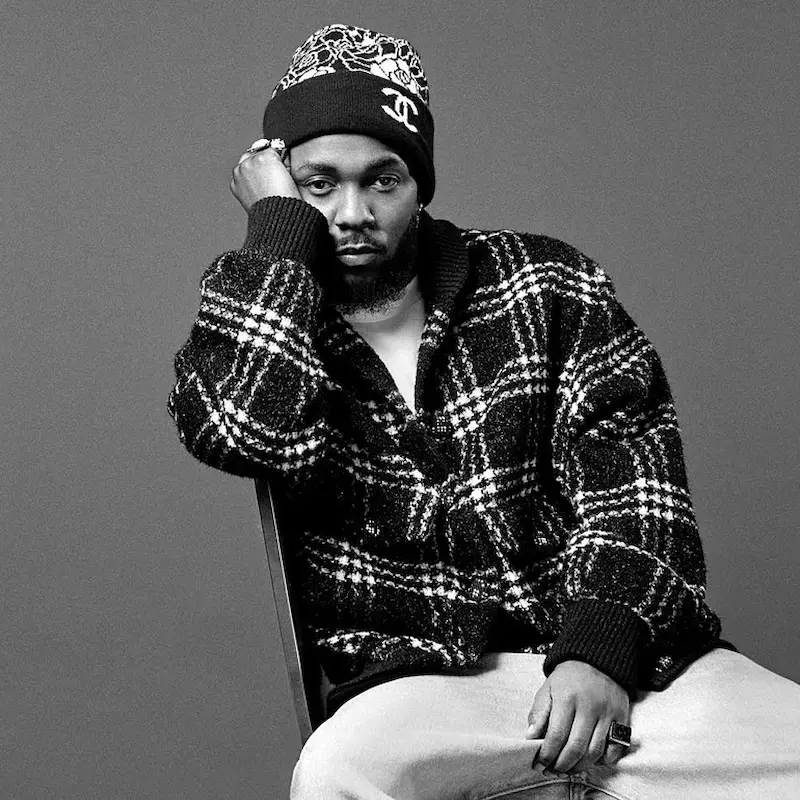
Kendrick Lamar matters because he expanded what people expect from a rapper without abandoning the essence of rap. He made the concept album feel popular again, turned introspection into spectacle, brought street writing into high critical recognition, and reminded listeners that successful music can still be difficult, uncomfortable, and morally complex. At his best, Kendrick does not simply tell stories; he forces you to listen closely. His work sounds like a city talking to itself, like a conscience that refuses to be switched off, and like proof that hip hop can be entertainment, memory, wound, and revelation in the same breath.
Main genre
RAP
Main subgenres
Like a superfan's list — except verified, with sources and links.
22–Sep 24, 2023
Las Vegas, Nevada · United States
Past
19–Aug 20, 2023
Osaka · Japan
Past19–Aug 20, 2023
Tokyo · Japan
Past
11–Aug 13, 2023
San Francisco, California · United States
Past04–Aug 06, 2023
Montreal, Quebec · Canada
Past
03–Aug 06, 2023
Chicago, Illinois · United States
Past21–Jul 23, 2023
Paris, Île-de-France · France
Past
07–Jul 09, 2023
München, Bayern · Germany
Past
06–Jul 09, 2023
Liège, Liège · Belgium
Past06–Jul 08, 2023
Frauenfeld · Switzerland
PastWhat we managed to link to the concert archive. If a date is missing, tell us — happens to us too.
No linked concerts
Every concert and festival of the year, traced on the globe. Hit play and follow the route stop by stop.
 AMANominatedAMANominatedAMANominatedAMANominatedAMANominatedAMANominatedAMANominatedAMANominated
Photos from the public archive.
Recent coverage linked to the artist.



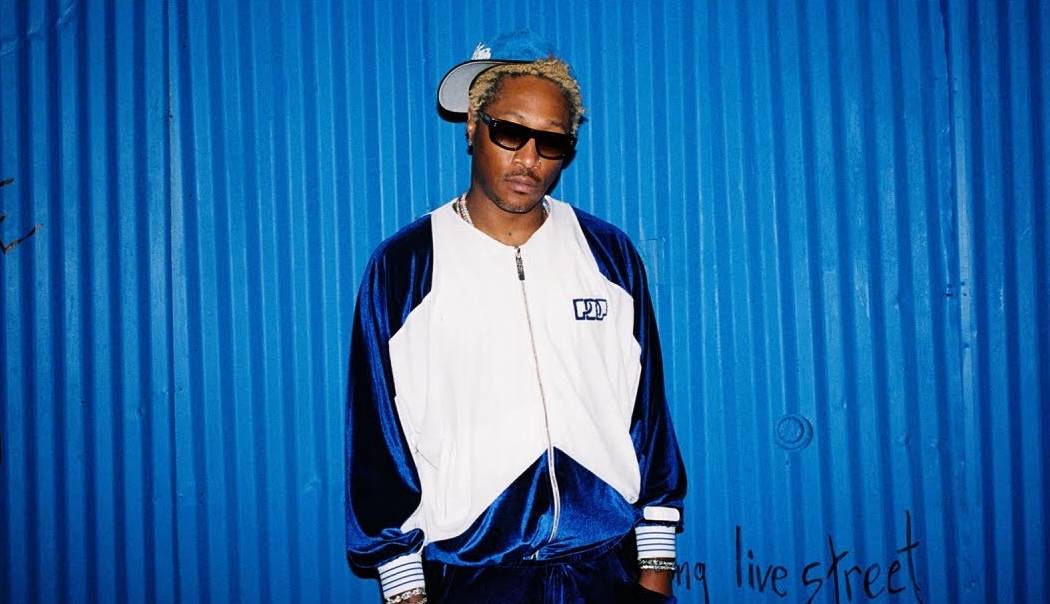

Close by genre and social signal.
No related artists
When there is enough genre signal, they will appear here.