Ranking
#72

Ranking
#72
Followers
96.2 M
Digital presence
Official profiles, streaming and discovery.
What a good fan recites by heart (or pretends to).
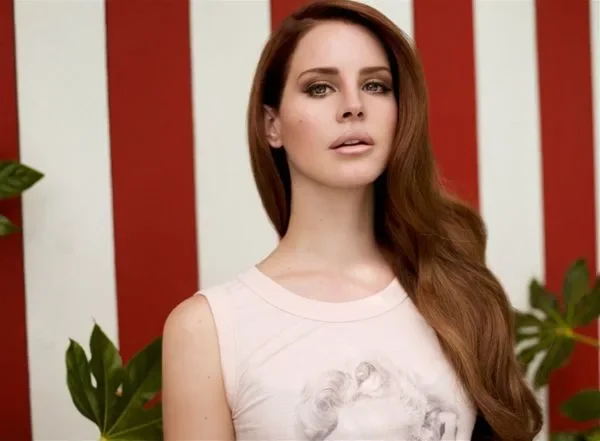
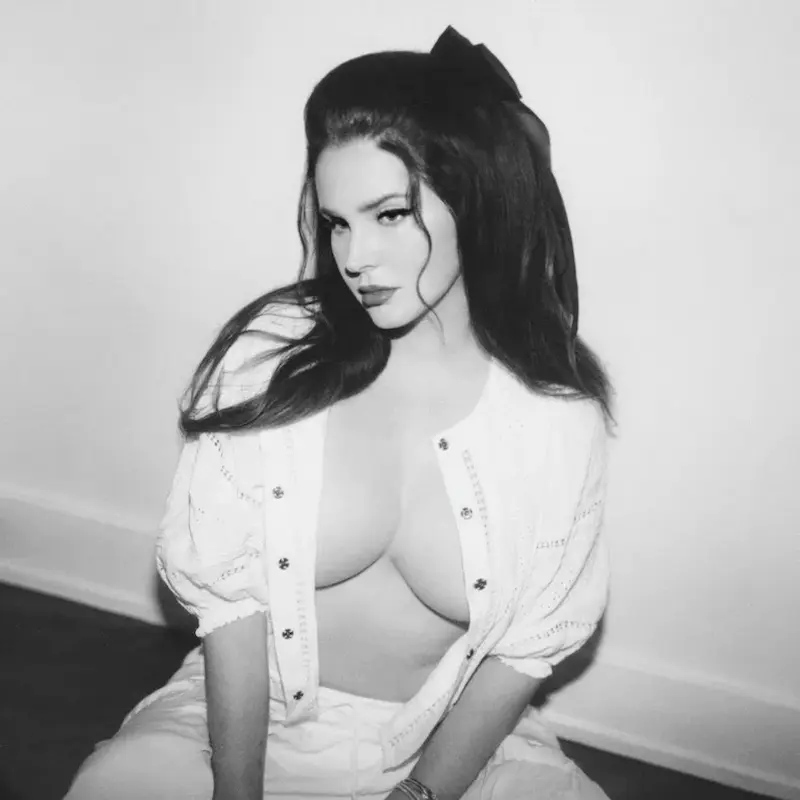
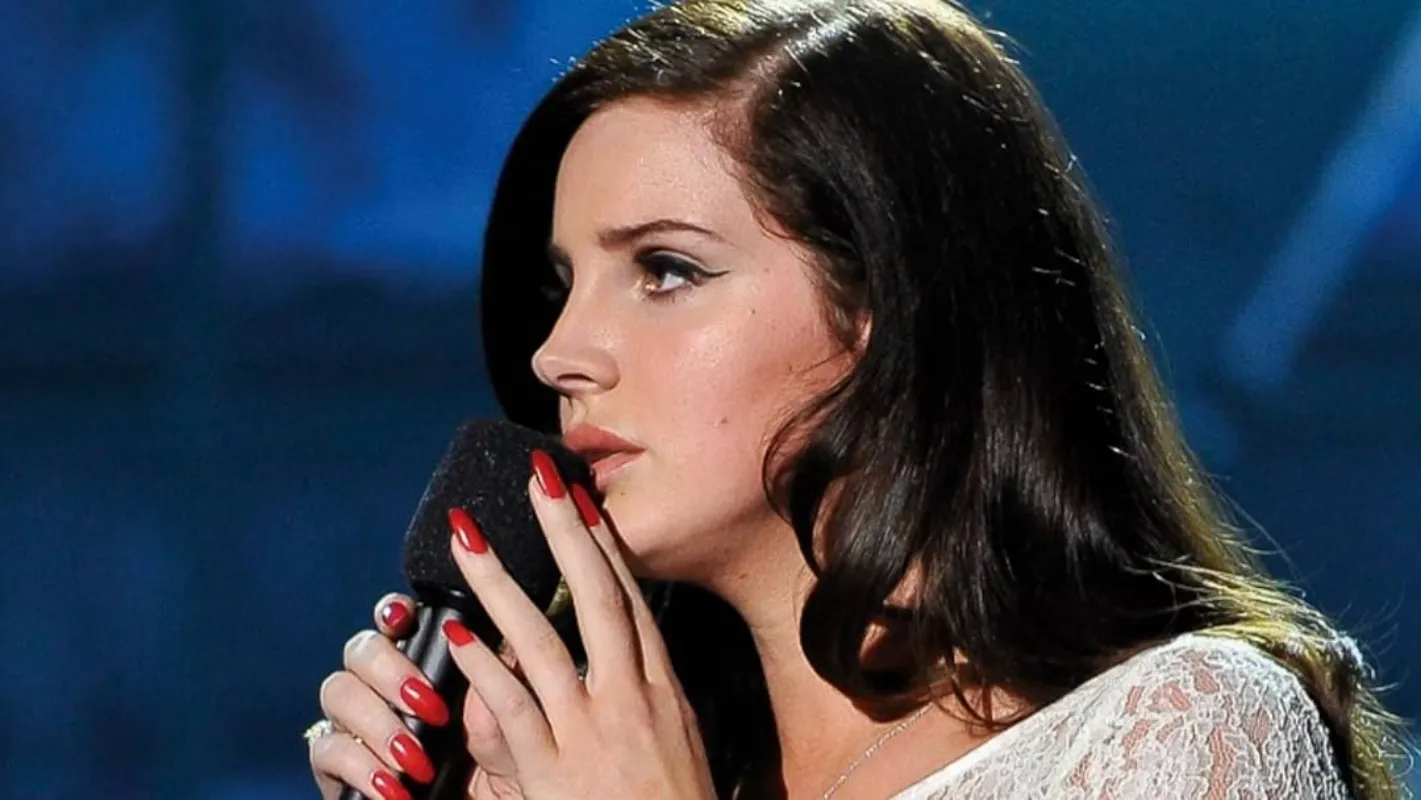
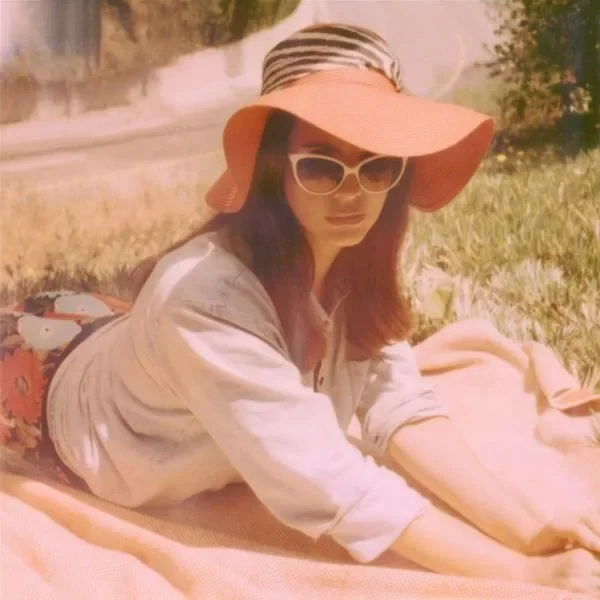
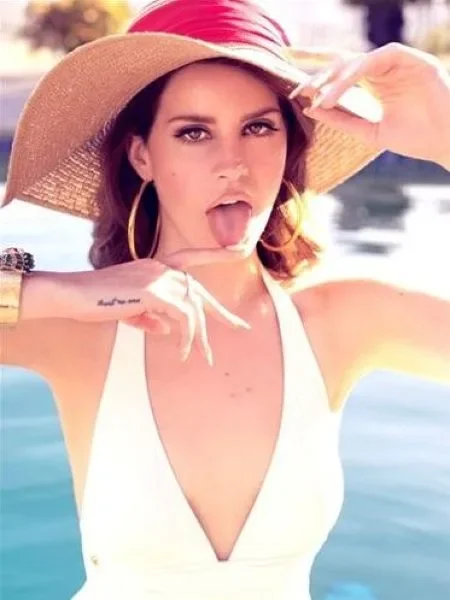
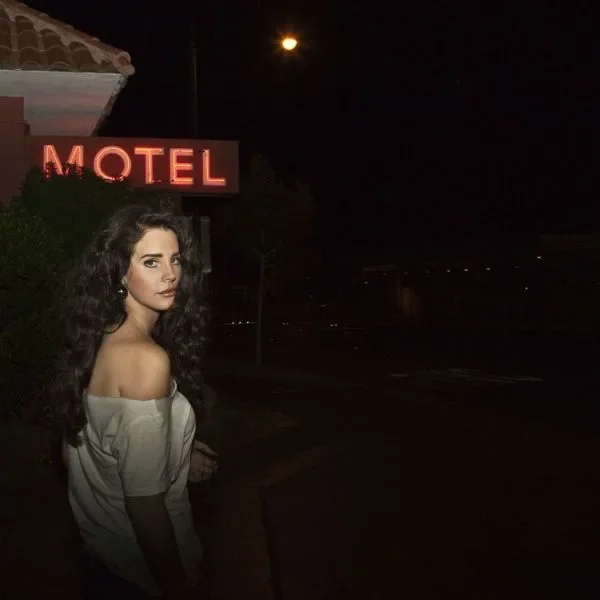
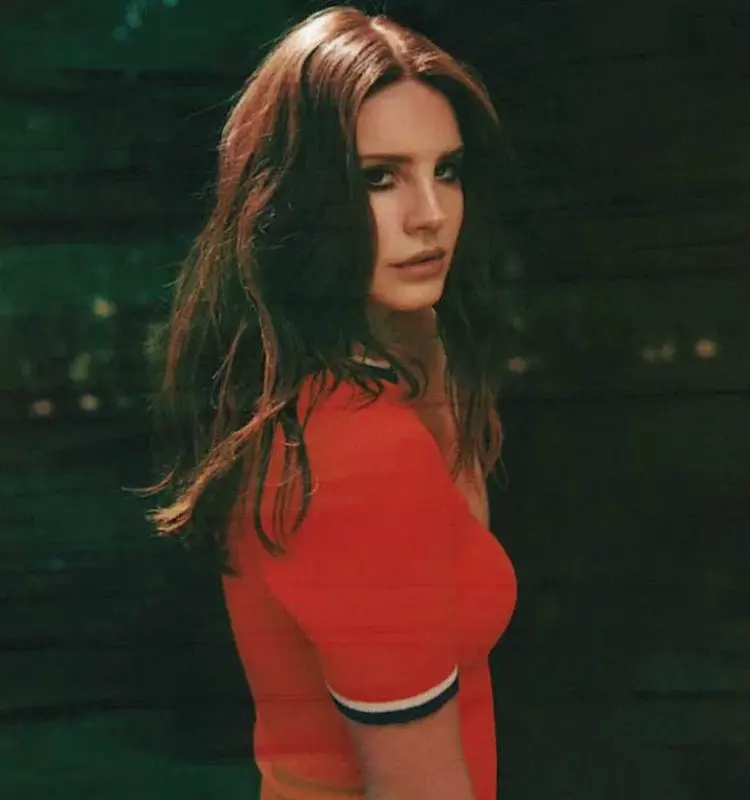
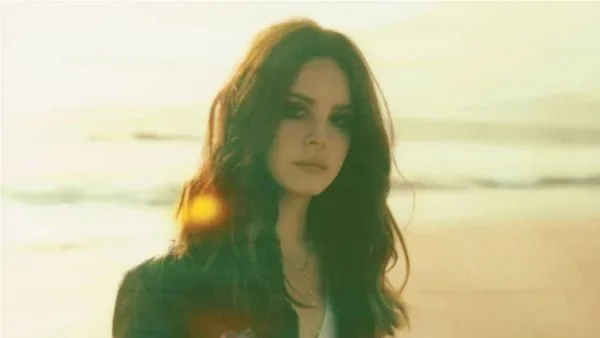
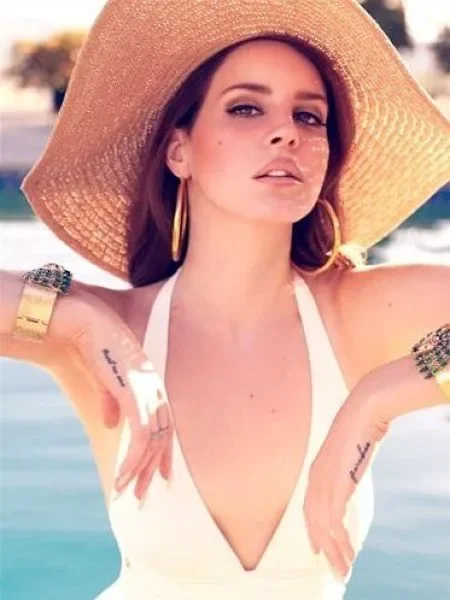
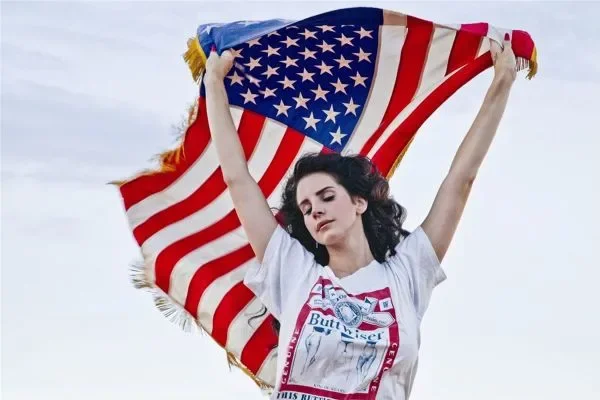
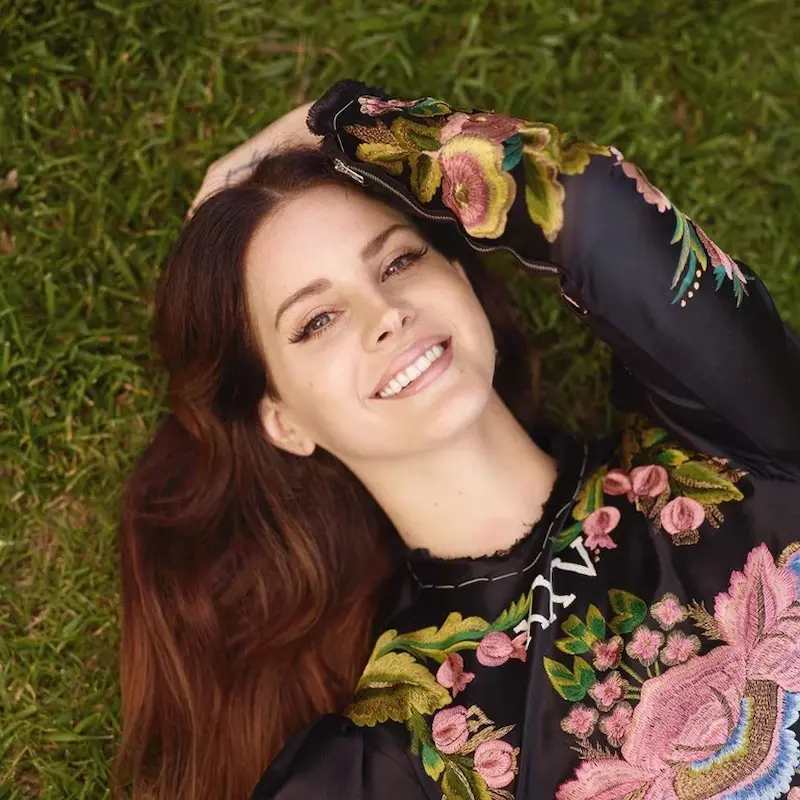
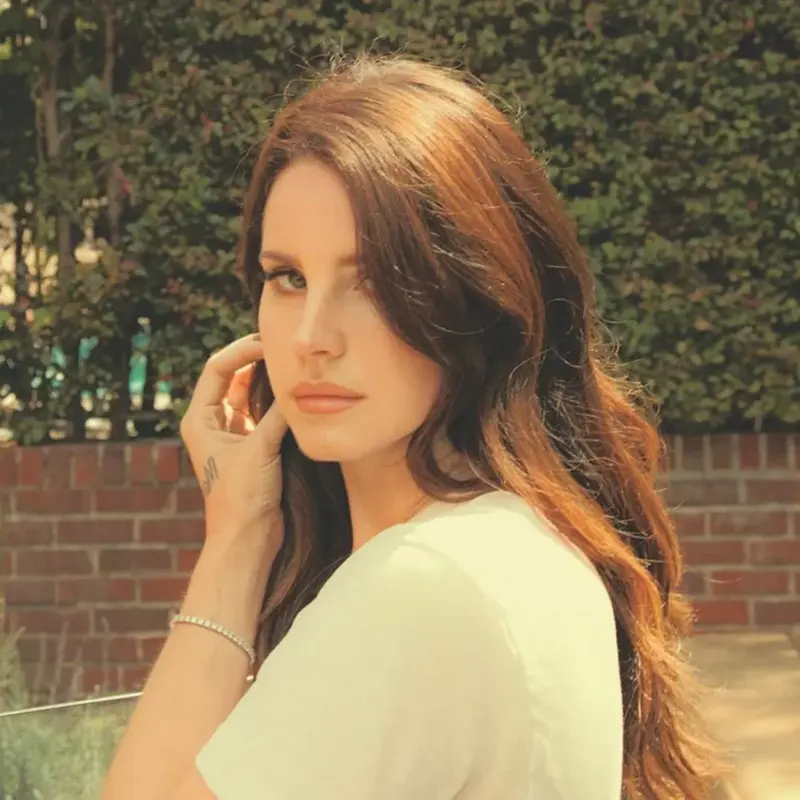
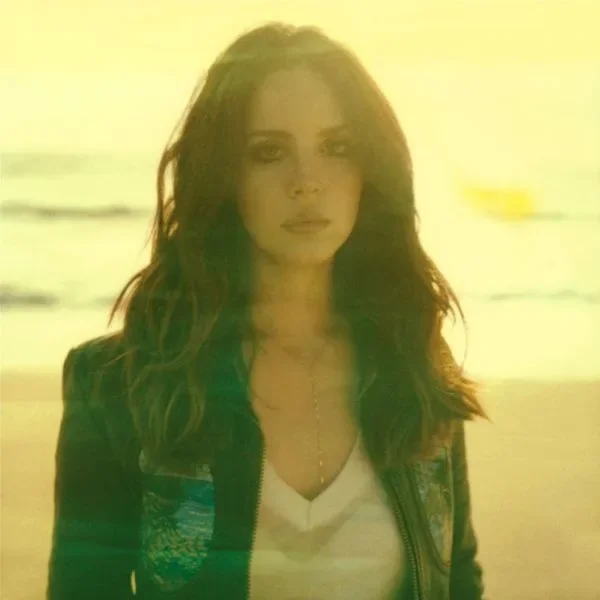
Some artists do not simply write songs; they build an entire emotional weather system. Lana Del Rey belongs to that rare category: a voice that seems to drift in from an old film, a long highway, a humid California afternoon, or a memory that refuses to fade cleanly. Her music turned melancholy, desire, American nostalgia, doomed romance, and emotional fragility into a pop language of its own. At a time when mainstream pop often chased speed, brightness, and instant impact, she made room for slowness, atmosphere, discomfort, and a kind of romance that felt both beautiful and bruised.
Born Elizabeth Woolridge Grant in New York, Lana Del Rey did not arrive as a neatly packaged pop star. Before the world knew her by that name, she had performed as Lizzy Grant, May Jailer, and under other early aliases, moving through small stages, clubs, and independent circles while searching for a shape that could hold her voice and imagination. That early period matters because her artistic identity was not created overnight. It was built through trial, reinvention, uncertainty, and a stubborn instinct for mood. The glamour would come later, but the hunger to turn private feeling into song was already there.
Her breakthrough came with “Video Games,” a song that sounded almost defiant because of how little it seemed to care about the rules of its moment. It did not explode, rush, or chase an obvious drop. It moved slowly, with strings, piano, devotion, sadness, and images of love that felt both sincere and unreal. The song opened the door to Born to Die, the album that introduced her full universe to a global audience: chamber pop, slowed-down hip hop, doomed glamour, tragic romance, red lips, old cars, emotional violence, and an American dream seen through beauty, decay, and longing.
What made Lana Del Rey different was not only her sound, but the way she understood pop as atmosphere. Her songs do not behave merely like singles; they behave like scenes. In “Born to Die,” “Blue Jeans,” “Summertime Sadness,” “National Anthem,” and “Ride,” the voice seems to come from inside a broken dream. There is desire, but also exhaustion. There is luxury, but also emptiness. There is love, but almost always a shadow behind it. That mixture was polarizing at first, but it also created an intense bond with listeners who found in her music a less polished, more contradictory way to speak about emotion.
With Ultraviolence, she darkened the frame. The pop sheen of Born to Die gave way to guitars, smoke, distortion, and a heavier sense of danger. The album showed that her world was not dependent on vintage styling or commercial formula; it could turn rougher, slower, and more haunted without losing its center. Honeymoon later returned to a more orchestral, suspended elegance, while Lust for Life opened the windows wider, bringing in more collaborations and a less isolated emotional palette. Each phase shifted the lens without breaking the core identity: a songwriter drawn to love, memory, beauty, danger, and the strange mythology of America.
Norman Fucking Rockwell! became one of her clearest artistic peaks. On that album, her writing grew sharper, funnier, more mature, and more self-possessed. Songs like “Mariners Apartment Complex,” “Venice Bitch,” “The greatest,” and “hope is a dangerous thing for a woman like me to have - but I have it” revealed an artist who no longer needed to hide behind the debates around persona. The myth was still there, but the voice was clearer. She sounded less like someone performing a role and more like a writer fully aware of the world she had built and the cracks running through it.
One reason Lana connects so deeply is that her music does not try to tidy up its contradictions. She can be romantic and brutal, delicate and provocative, classic and modern, intimate and theatrical. Her vocal style, often restrained and unhurried, turns fragility into a kind of power. She does not need to overpower a track to command it. A carefully placed line, an unusual image, or a melody that seems to float above disaster can be enough. That quality made her especially influential for a generation of artists who understood, through her work, that pop could be slow, literary, vulnerable, cinematic, and still reach millions.
Her relationship with her audience is part cult devotion, part mass phenomenon. Fans do not simply listen to Lana Del Rey songs; they live inside the world around them. They recognize the symbols, quote the lyrics, debate the eras, the covers, the videos, the references, the shifts in mood. In an age when music is often consumed in fragments, she became an album artist with a complete aesthetic universe. Her records invite listeners to enter slowly, stay for a while, and notice how every detail connects to something larger.
More than a sad singer or a nostalgic figure, Lana Del Rey is one of the songwriters who helped reshape the emotional language of 21st-century pop. Her legacy lies in turning melancholy into architecture, vulnerability into style, and nostalgia into a form of cultural critique. At her best, her songs feel like letters found in the glove compartment of an old car: intimate, dramatic, beautiful, and dangerously hard to forget.
Main genre
INDIE
Main subgenres
Like a superfan's list — except verified, with sources and links.

06–Jun 08, 2024
Porto, Porto · Portugal
Past
May 29 – Jun 02, 2024
Barcelona, Catalunya · Spain
Past
19–Apr 21, 2024
Indio, California · United States
Past12–Apr 14, 2024
Indio, California · United States
Past
Sep 30 – Oct 01, 2023
Columbia, Maryland · United States
Past
11–Aug 13, 2023
San Francisco, California · United States
Past
03–Aug 06, 2023
Chicago, Illinois · United States
Past28–Jul 30, 2023
Newport, Rhode Island · United States
Past06–Jul 16, 2023
Québec, Québec · Canada
PastJun 23 – Jul 09, 2023
London · United Kingdom
PastWhat we managed to link to the concert archive. If a date is missing, tell us — happens to us too.
No linked concerts
Every concert and festival of the year, traced on the globe. Hit play and follow the route stop by stop.
Photos from the public archive.
Recent coverage linked to the artist.



Close by genre and social signal.
No related artists
When there is enough genre signal, they will appear here.