

Ranking
#98

Ranking
#98
Followers
76.1 M
Digital presence
Official profiles, streaming and discovery.
What a good fan recites by heart (or pretends to).
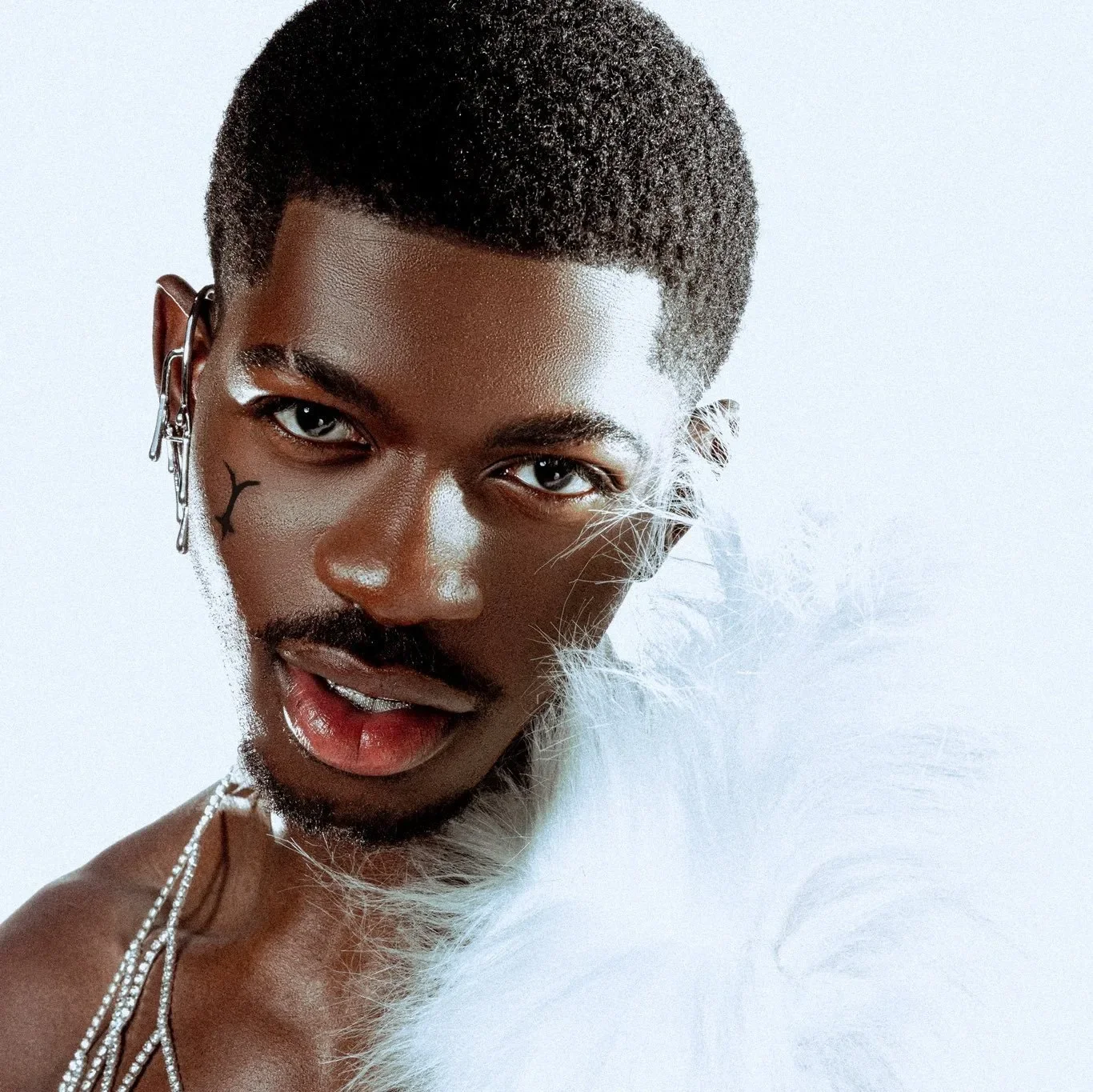
Lil Nas X is one of the clearest examples of how popular music changed when the internet stopped being only a promotional tool and became a complete artistic language. His career was born from an unlikely collision: country, trap, memes, TikTok, humor, provocation, queer vulnerability, and a sharp understanding of how a song can become a global conversation before the industry fully understands it. What happened to him was not simply “going viral.” It was the use of digital culture as stage, studio, campaign, and natural extension of personality.
Born Montero Lamar Hill in Georgia, Lil Nas X came to music with a sensibility deeply shaped by the internet. Before becoming a pop star, he already understood the rhythm of memes, the speed of social media, the value of a shareable phrase, and the way an image could push a song faster than any traditional strategy. That cultural intelligence is central to his work. Lil Nas X did not appear as an artist disconnected from digital life. He appeared as someone speaking that language from inside it, with humor, nerve, and an almost native instinct for what could ignite millions of people.
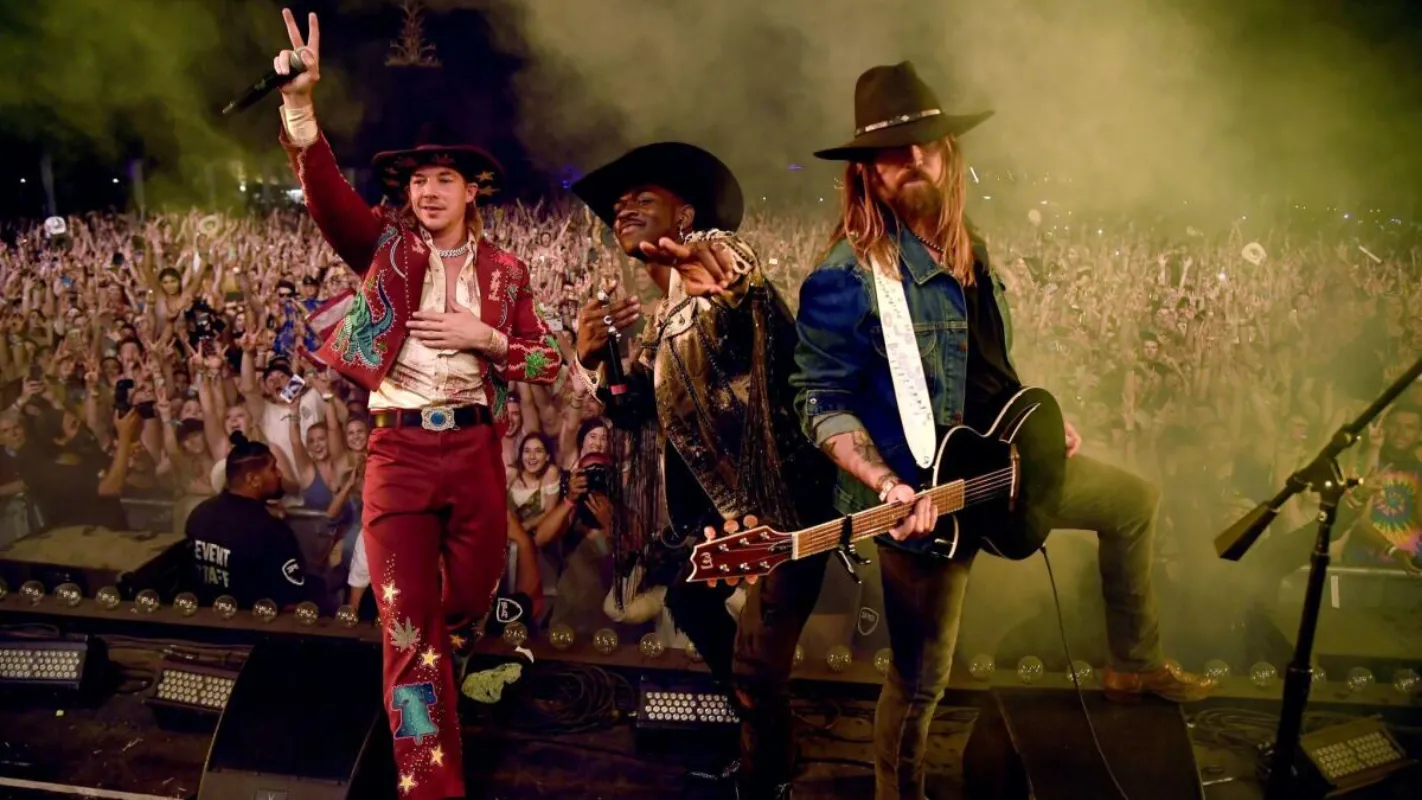
“Old Town Road” was the perfect trigger because it seemed to come from everywhere and nowhere at the same time. It had a country-flavored guitar, trap bass, short length, direct phrasing, cowboy imagery, and a playful tone that worked both as song and meme. But its power cannot be explained only by the funny or strange nature of the concept. The song touched something larger: genre mixing, debates over who is allowed to occupy country space, TikTok speed, the blurry border between joke and real hit, and the ability of a generation to turn an idea into a collective phenomenon.
The controversy around “Old Town Road” also became part of its impact. When the song was debated in relation to the country charts, it opened a conversation about race, genre, belonging, and cultural borders. Lil Nas X used that moment with a mixture of irony, media intelligence, and ambition. The Billy Ray Cyrus remix did not only amplify the song. It became a symbolic bridge between worlds many people wanted to keep separate. Suddenly, a song born online was forcing the industry to rethink its categories.
After such a massive breakthrough, the danger was being reduced to a one-song phenomenon. The 7 EP answered with a broader palette. “Panini” showed his ability to move into more melodic, futuristic pop-rap, while other tracks made it clear that Lil Nas X did not want to remain trapped inside the cowboy costume. That period was transitional, but also necessary. The public and the industry were waiting to see whether there was an artist behind the phenomenon, and he began building the answer through image, performance, narrative, and sound.
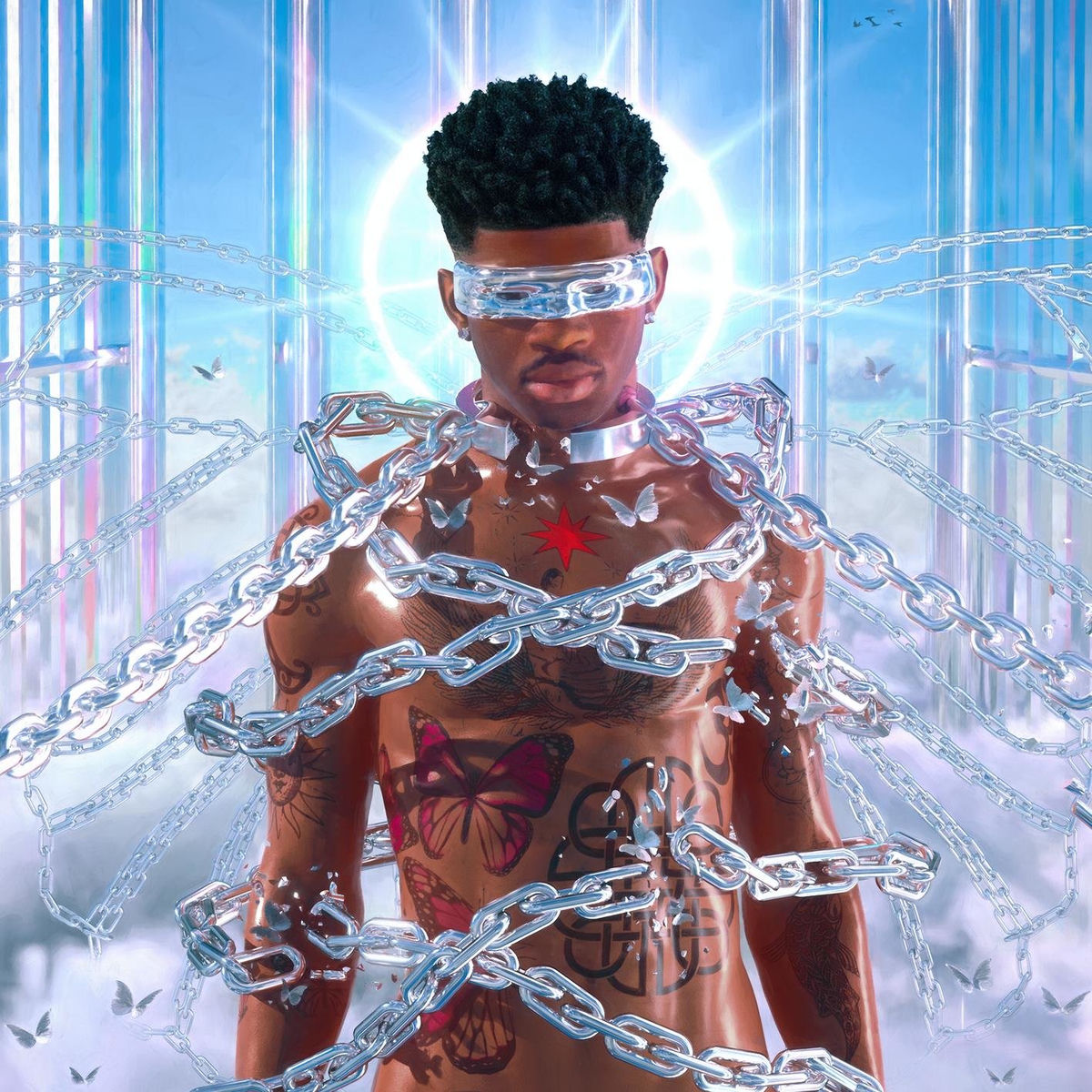
MONTERO was the moment when that answer became complete. The album turned his birth name into an artistic statement and opened a world that was more personal, vulnerable, and ambitious. “MONTERO (Call Me By Your Name)” mattered because it brought queer desire, religious fantasy, pop mythology, visual provocation, and immediate melody into the center of the mainstream. The song was not trying to be neutral or comfortable. It was an identity statement built to live on radio, spark debate, dominate social media, and function as an anthem for people who had grown up without seeing themselves represented that way in global pop.
“Industry Baby” reinforced another side of Lil Nas X: the artist who can turn criticism into fuel. With powerful production, bright fanfares, and victory-lap energy, the song worked as an answer to anyone who dismissed him as a viral accident. His flow, Jack Harlow’s feature, and the theatrical video showed that Lil Nas X understands pop as total spectacle: music, image, controversy, humor, choreography, social commentary, and branding working together. It was not only about releasing songs. It was about designing cultural moments.
A major part of his appeal lies in the mix between public confidence and private confession. Lil Nas X can be exaggerated, funny, provocative, and fully aware of how to activate his critics, but he has also shown fragility, loneliness, anxiety, and the need for love. Songs such as “Sun Goes Down” and “That’s What I Want” reveal a more intimate dimension: a young artist searching for love, acceptance, and stability while carrying the pressure of representing too much for too many people. That tension between character and person gives his work more depth than the surface of scandal.
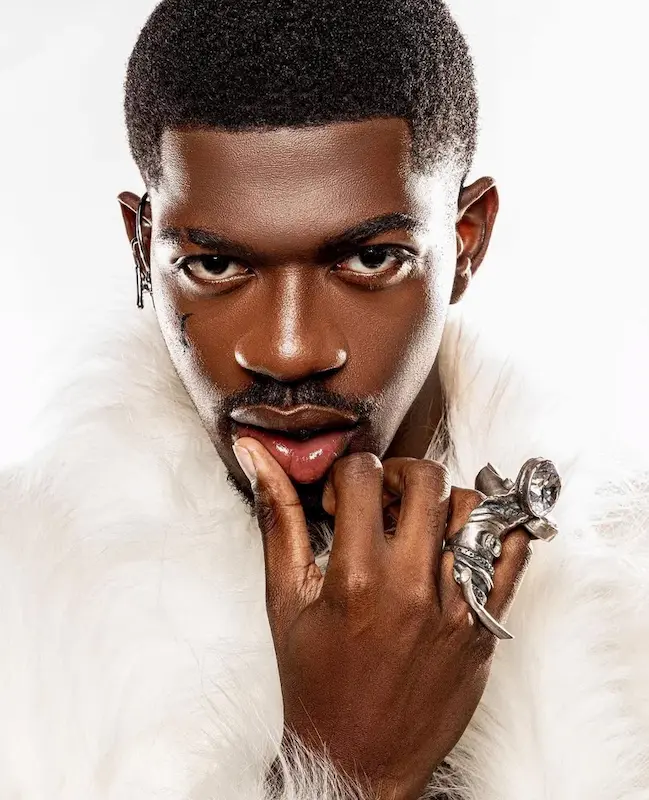
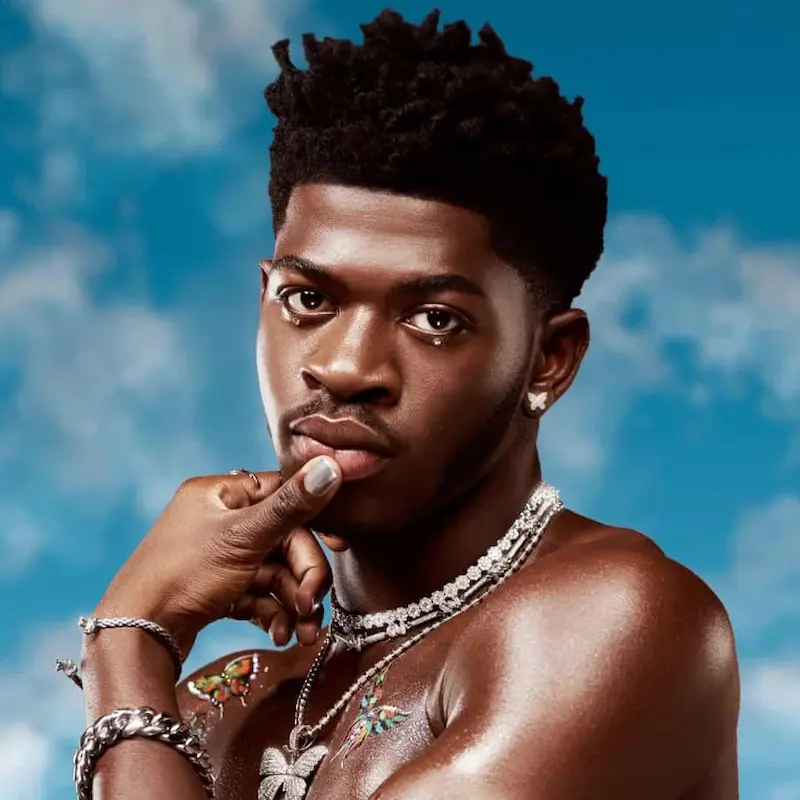
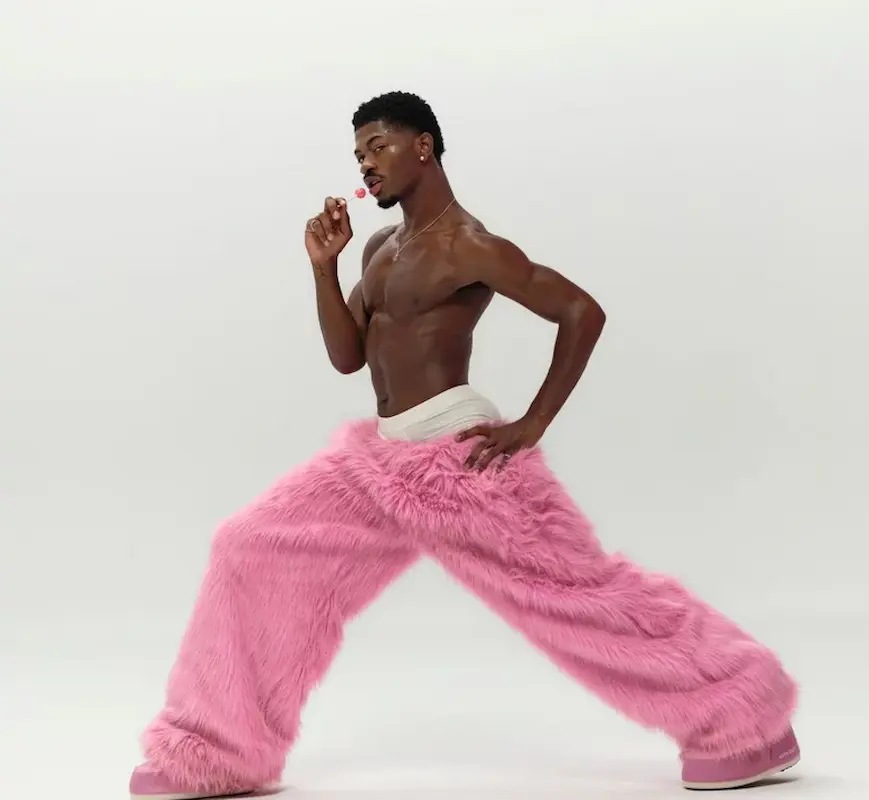
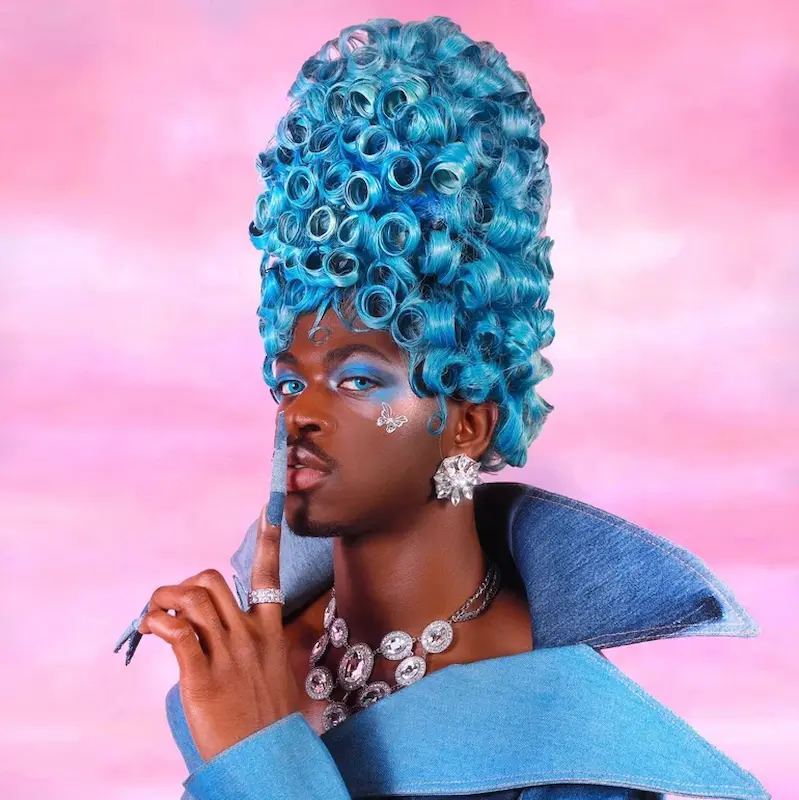
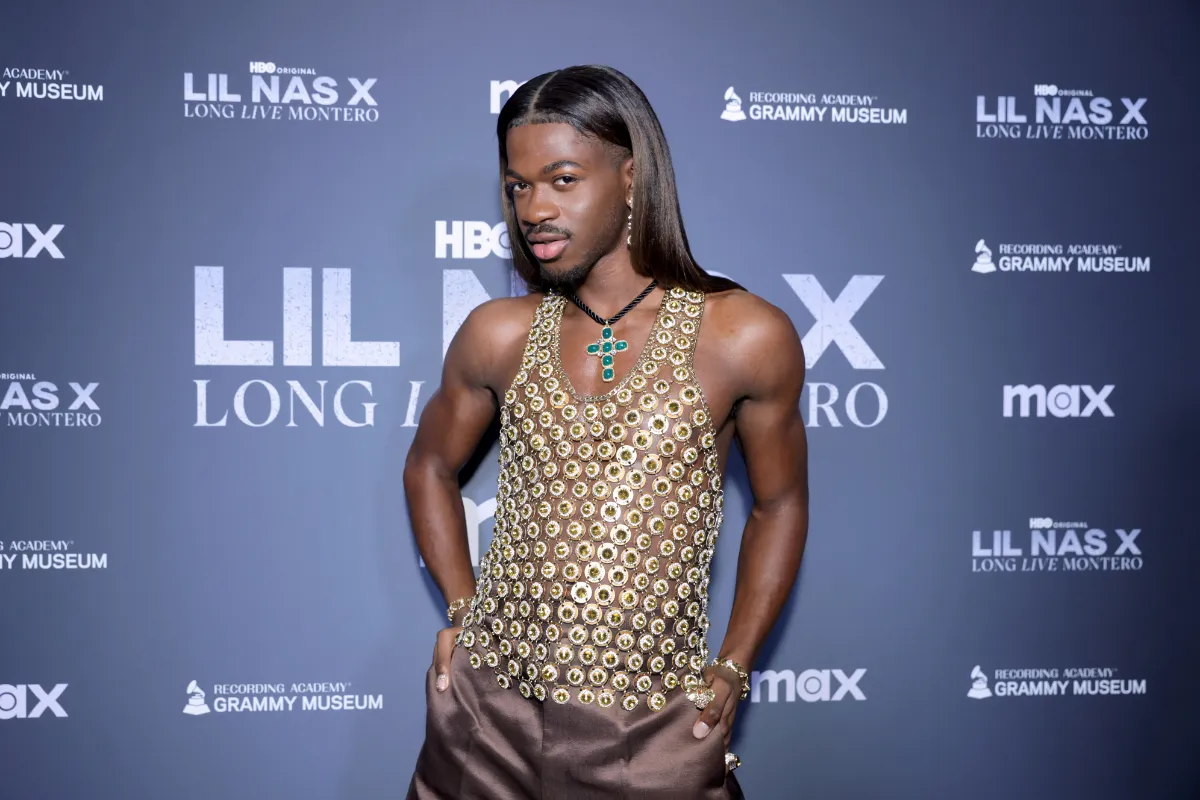
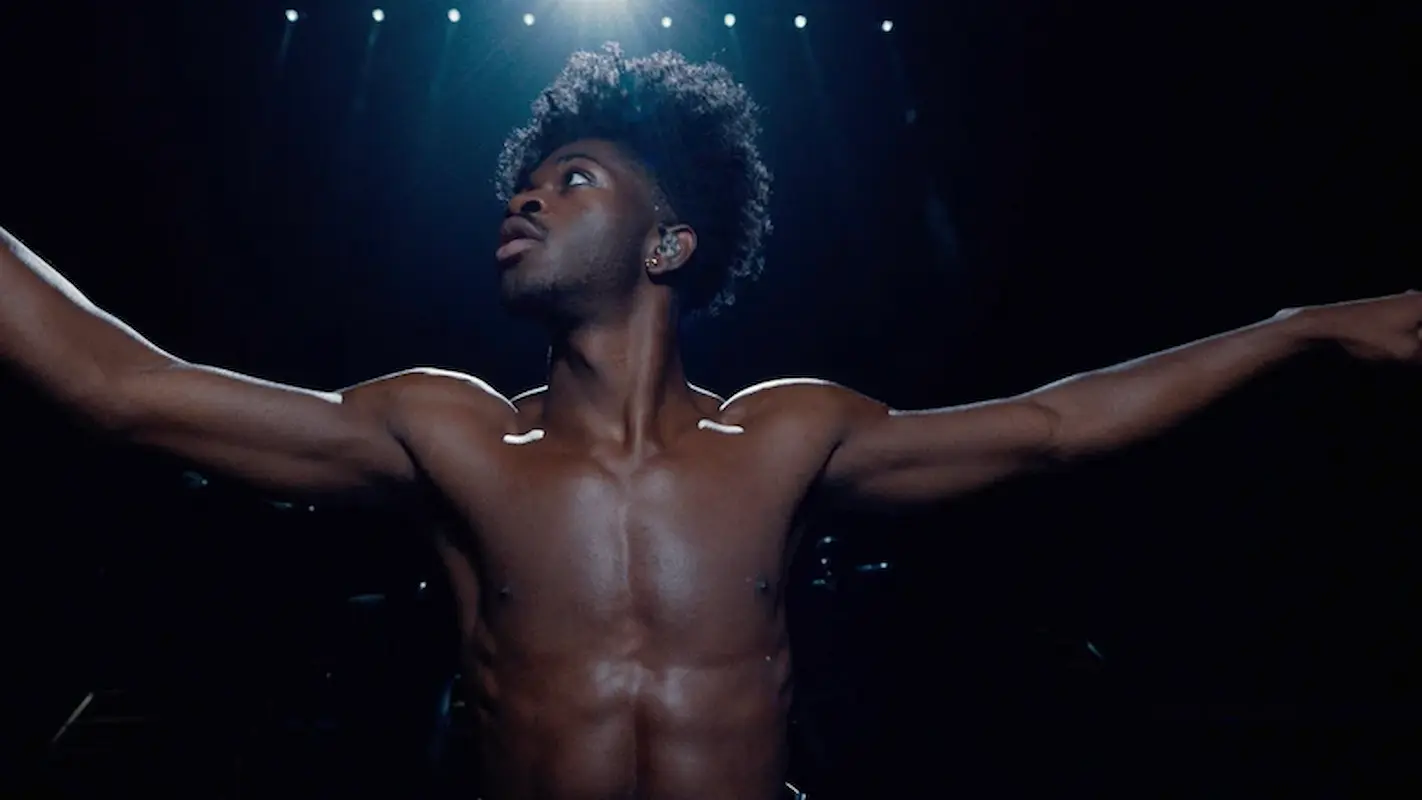
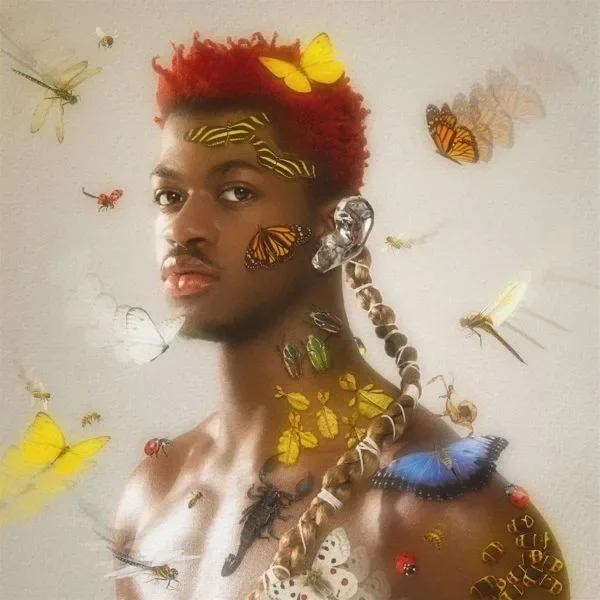
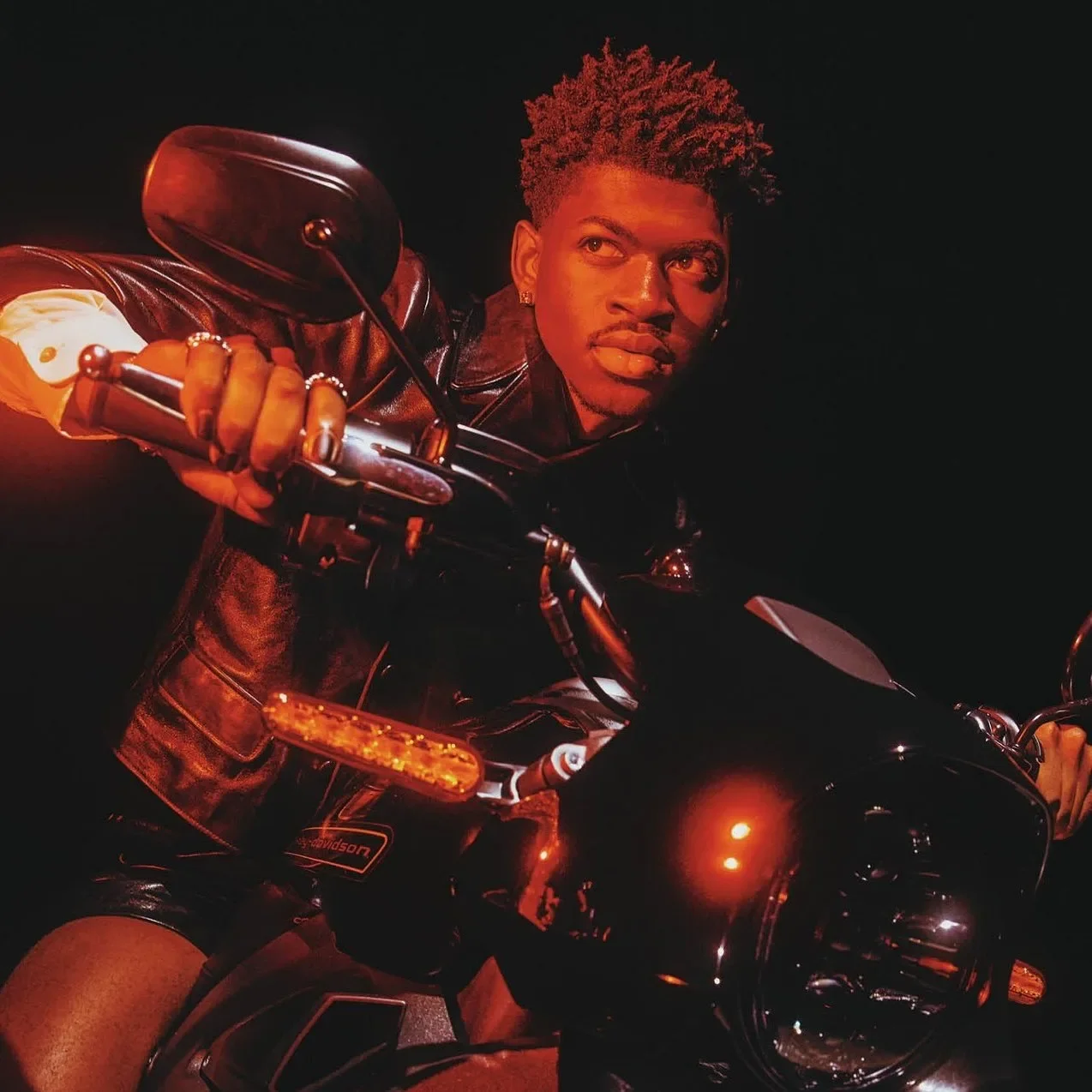
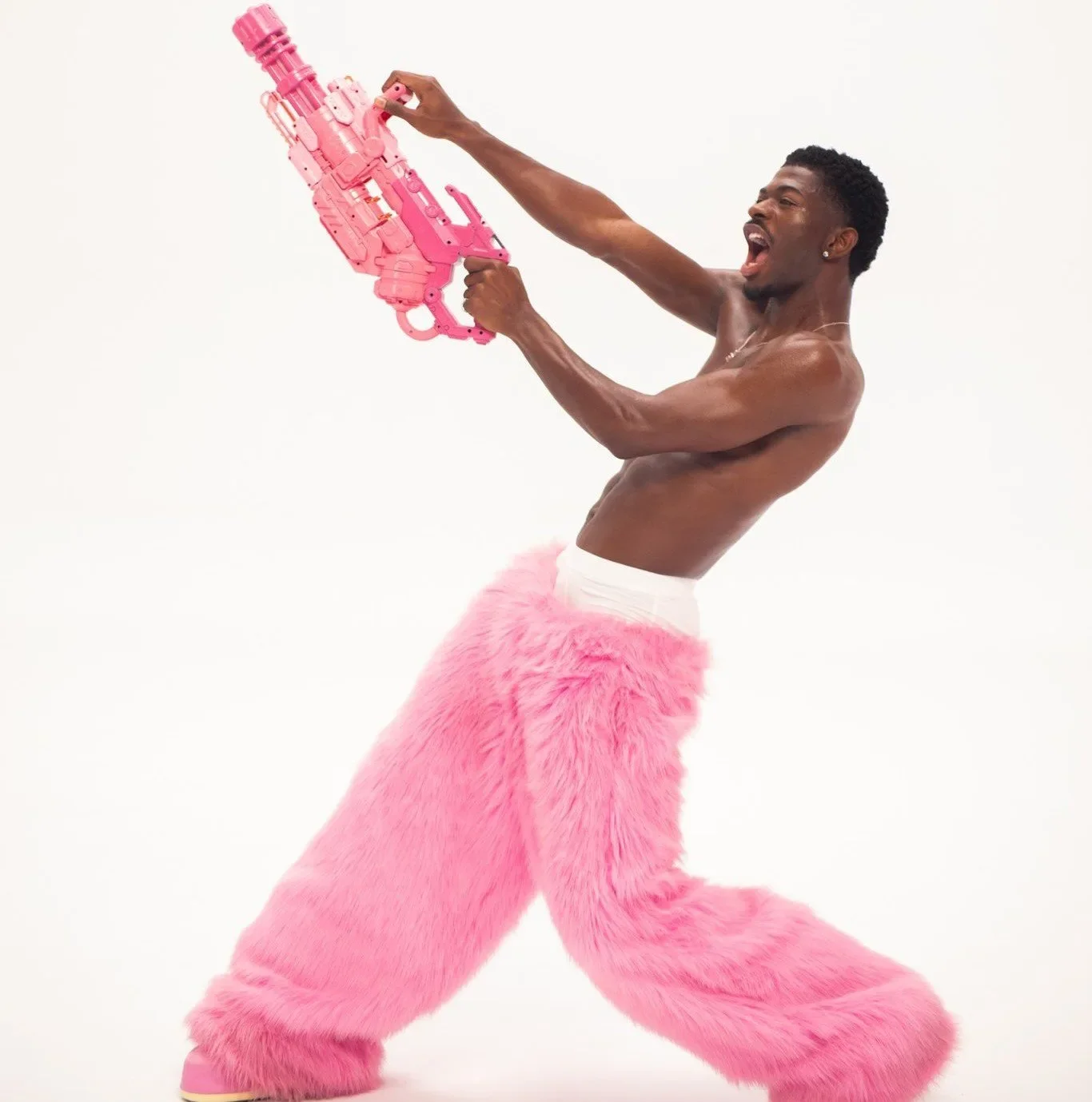
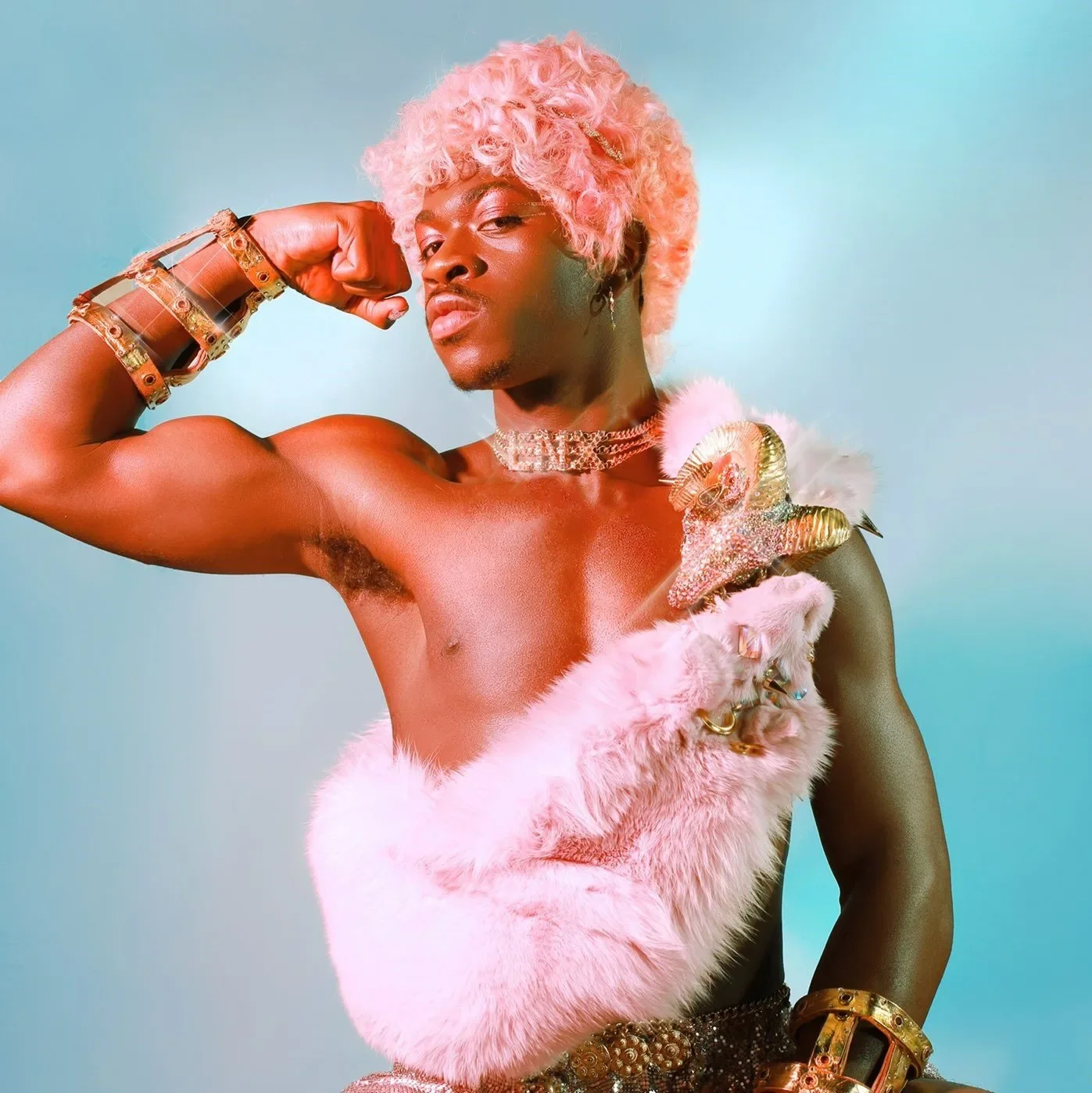
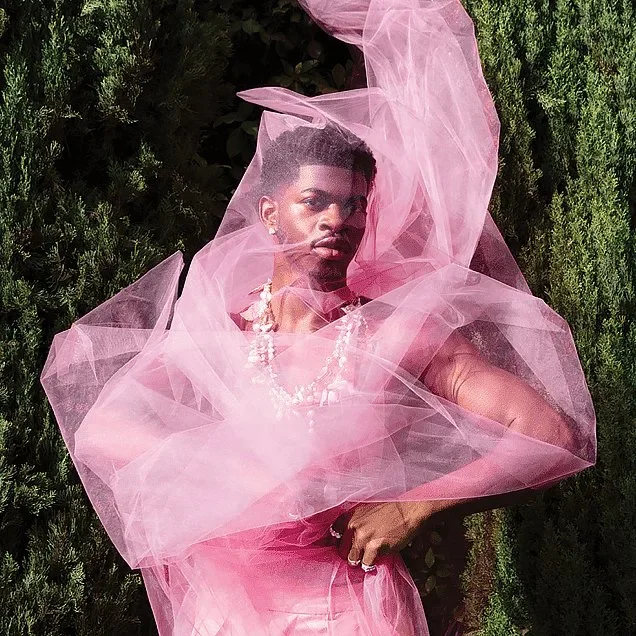
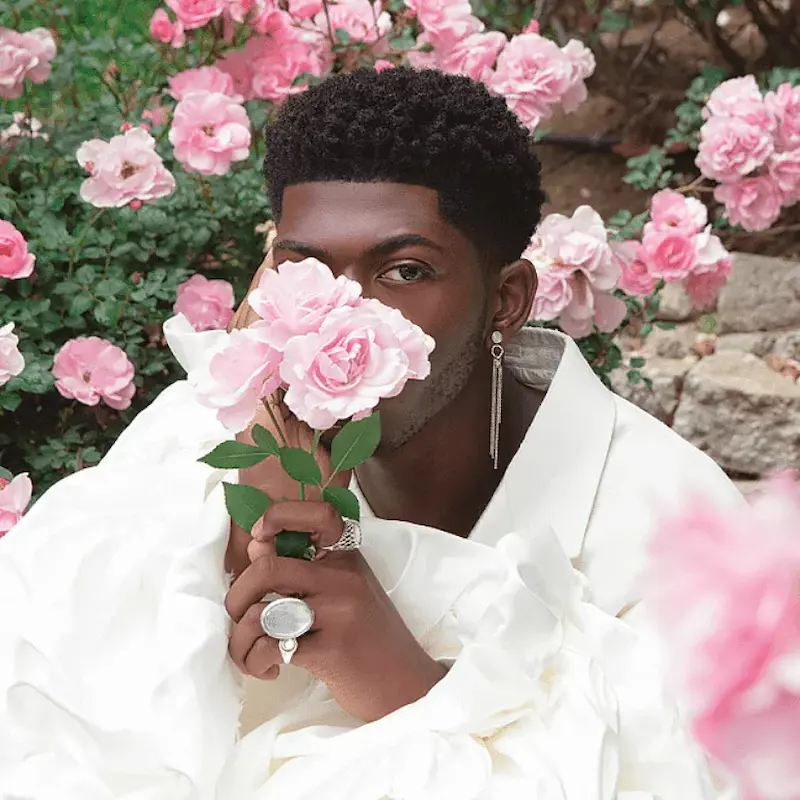
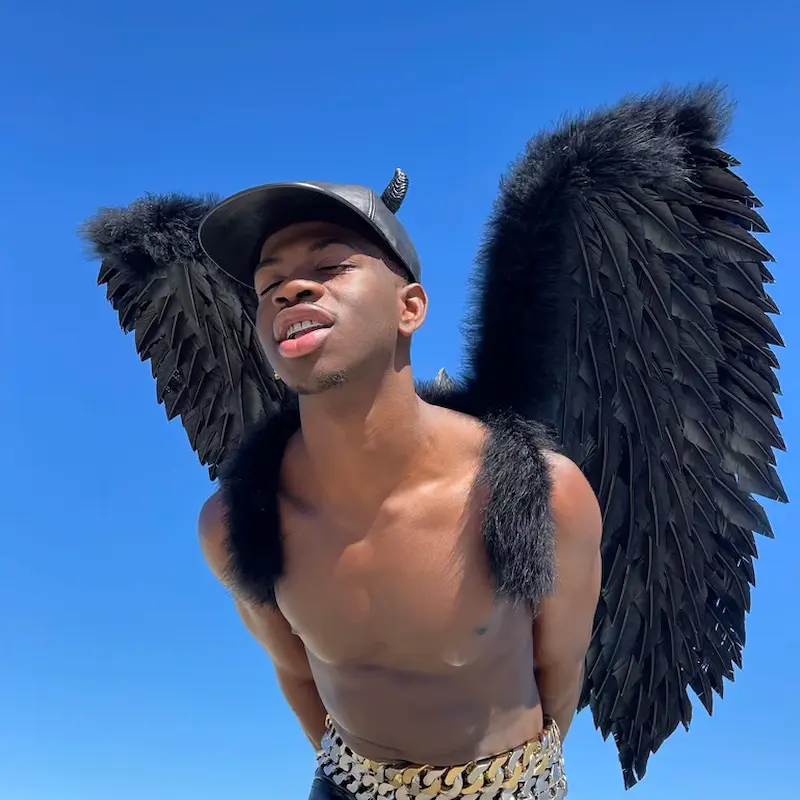
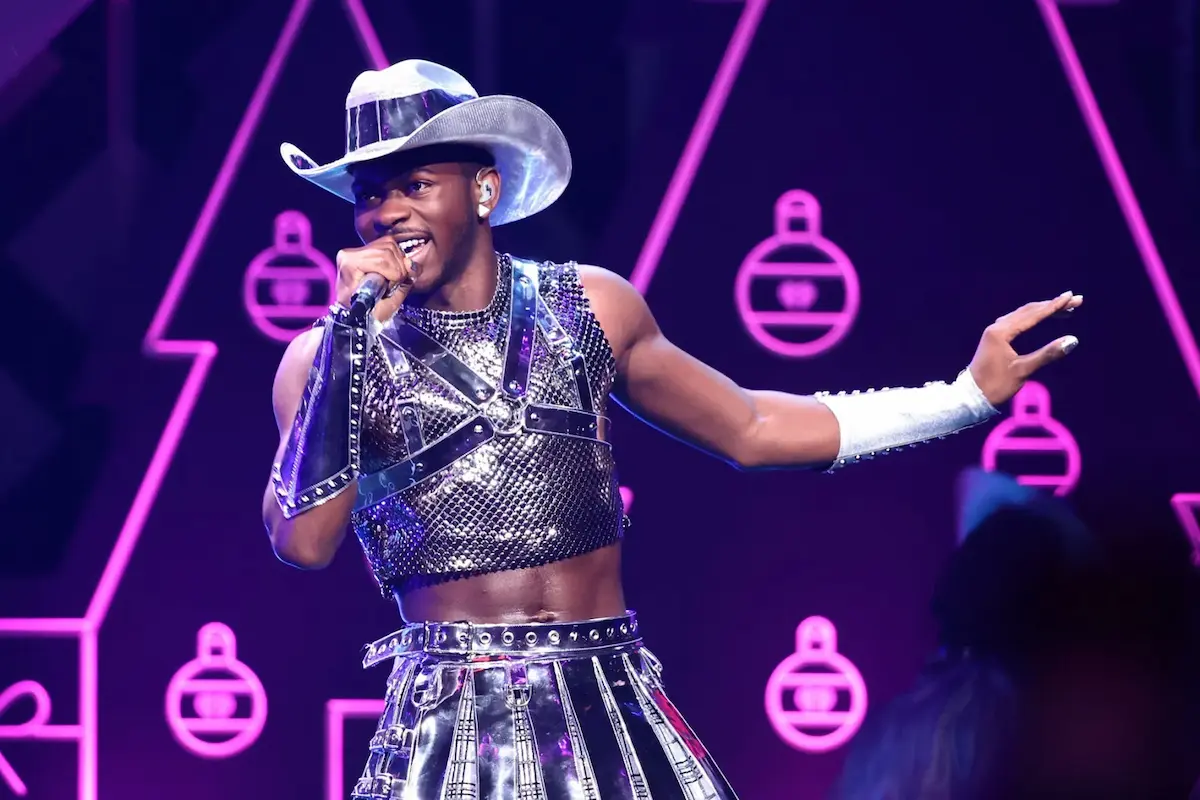
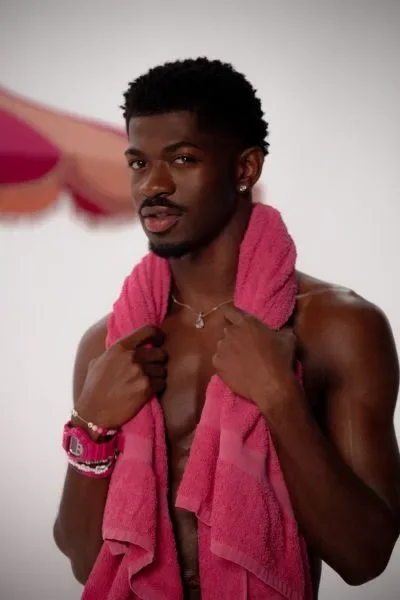
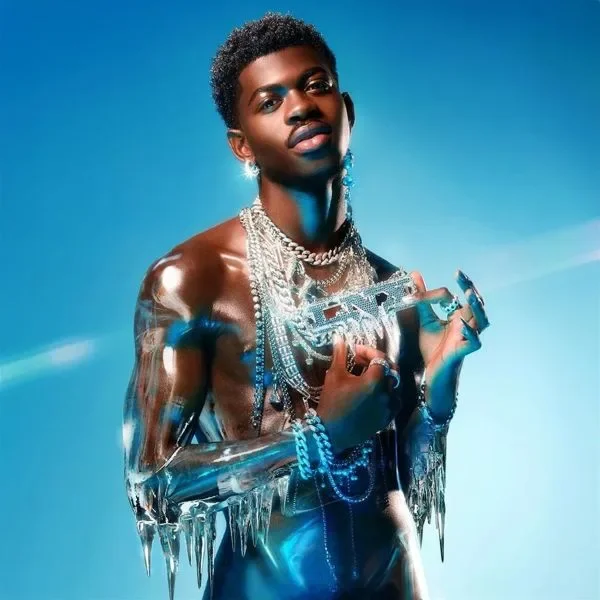
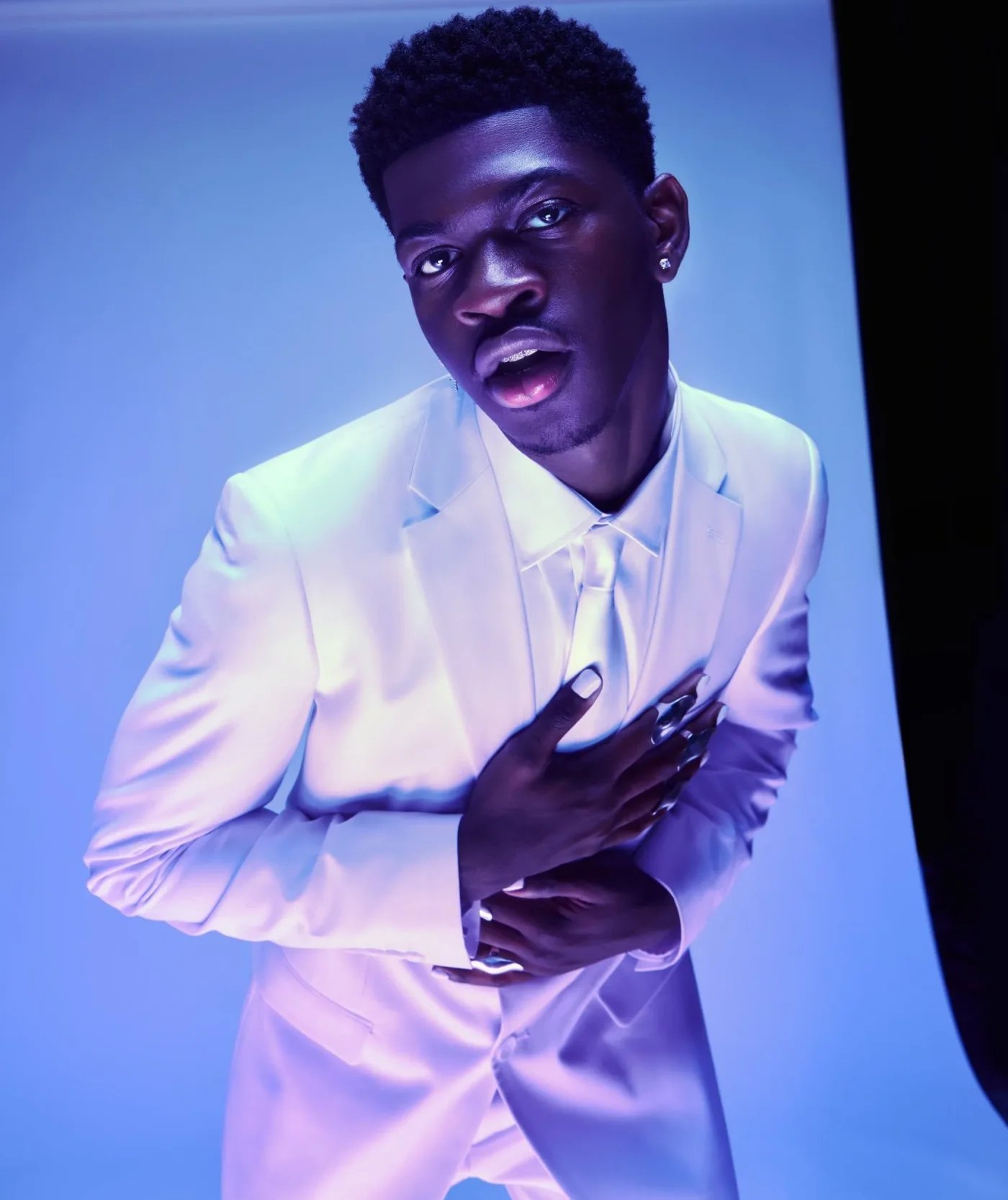
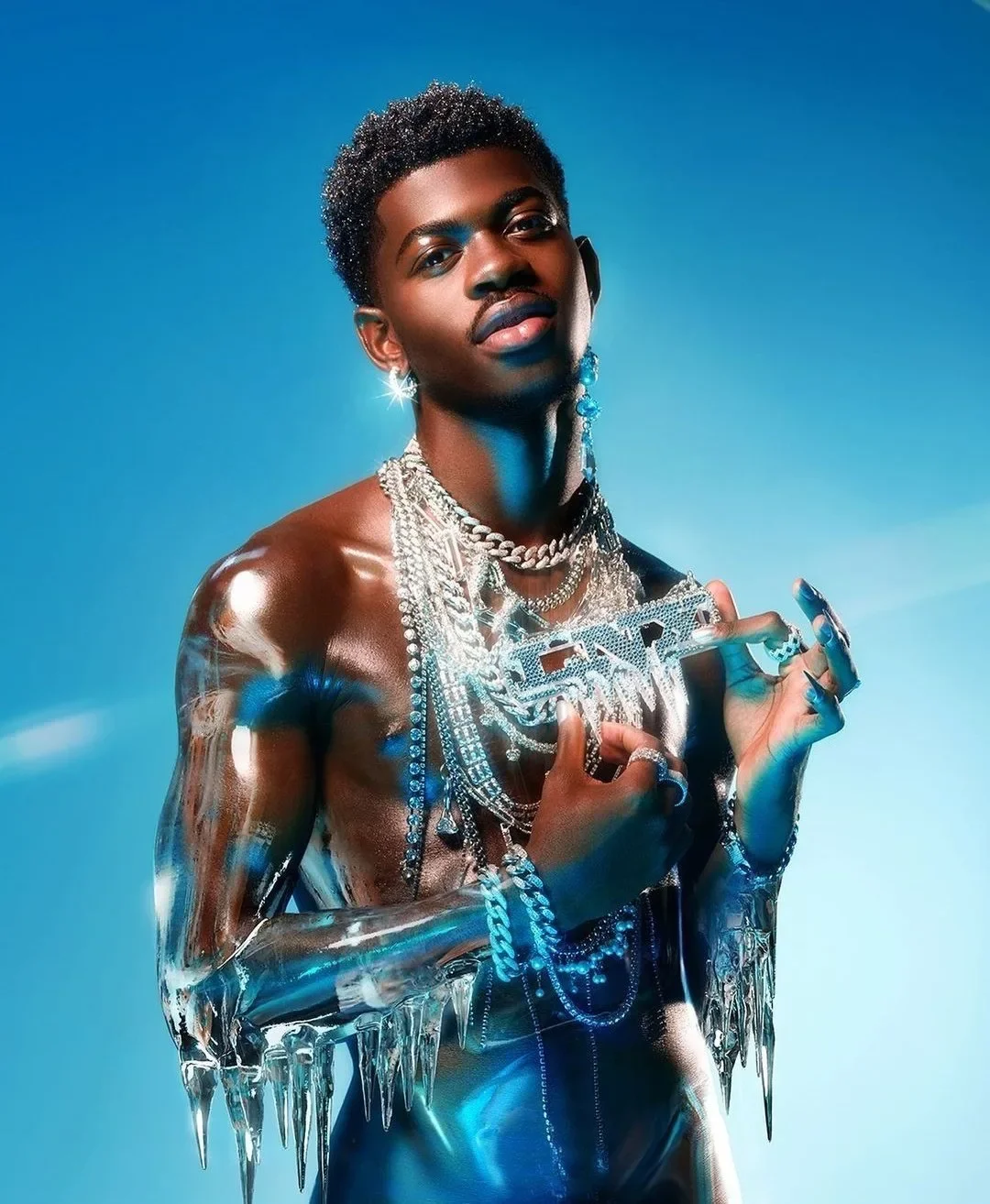
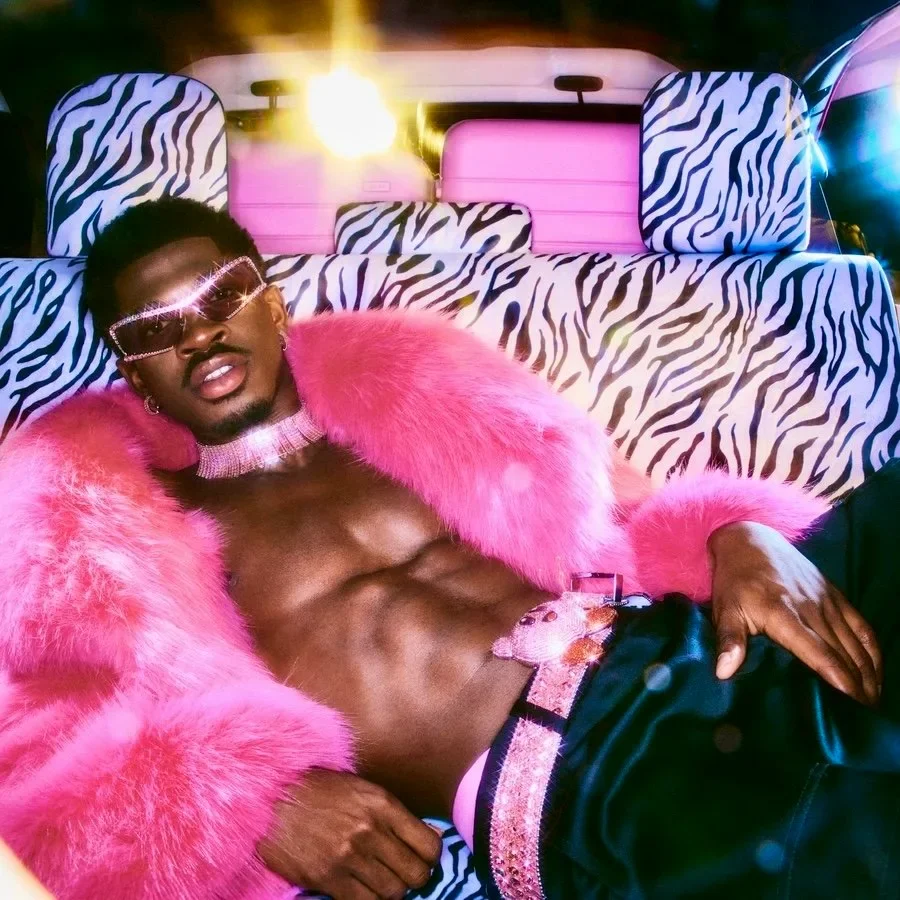
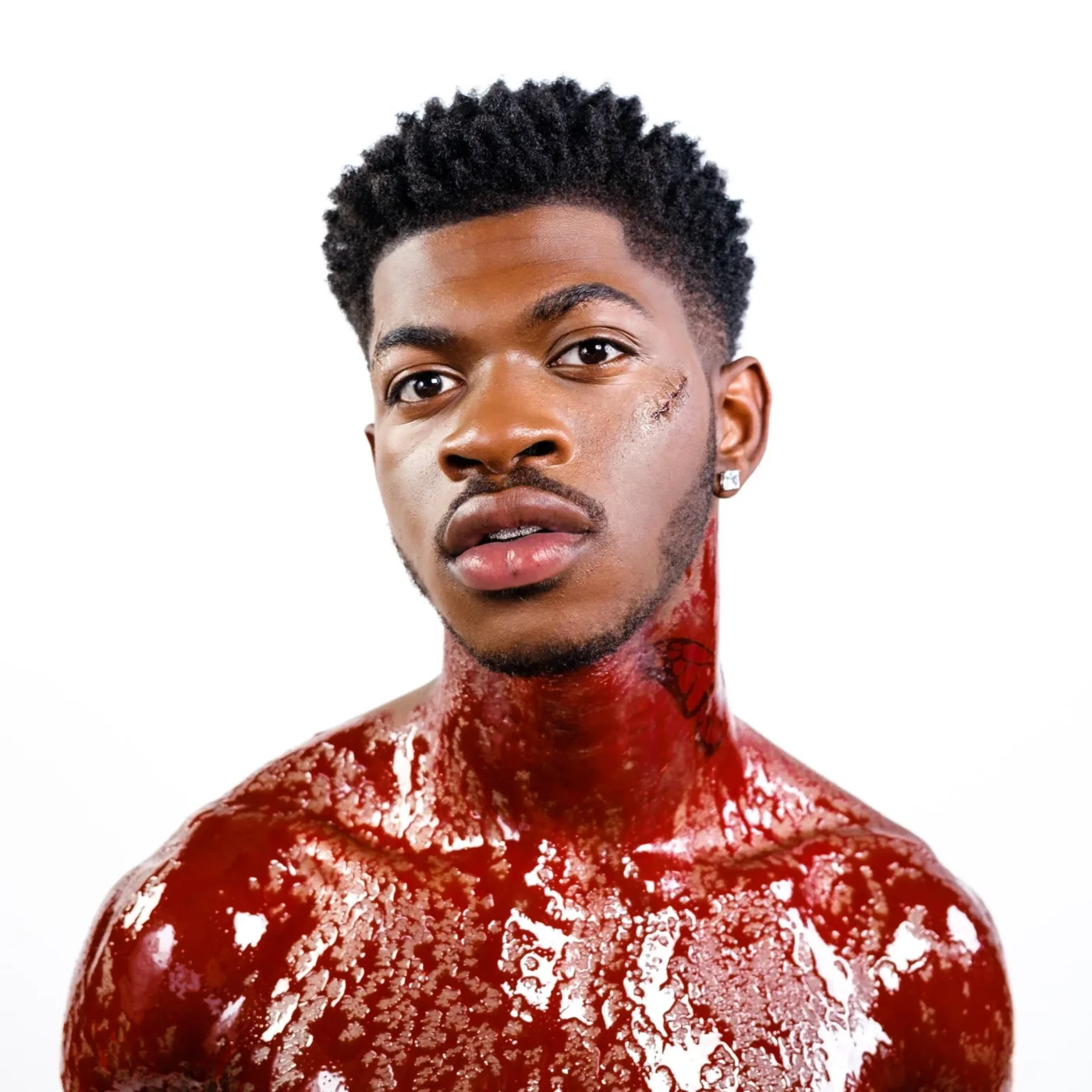
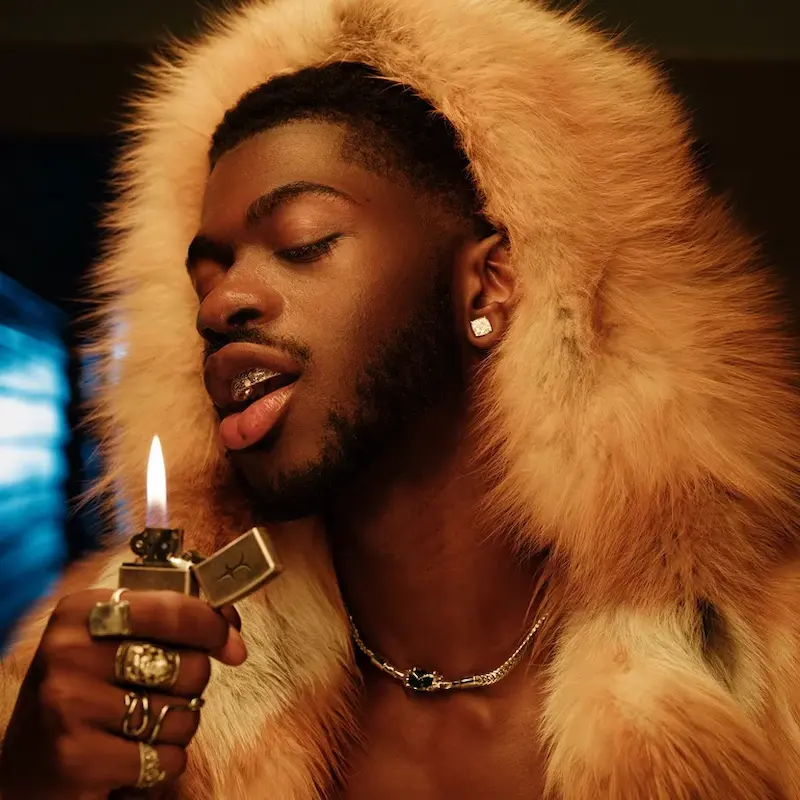
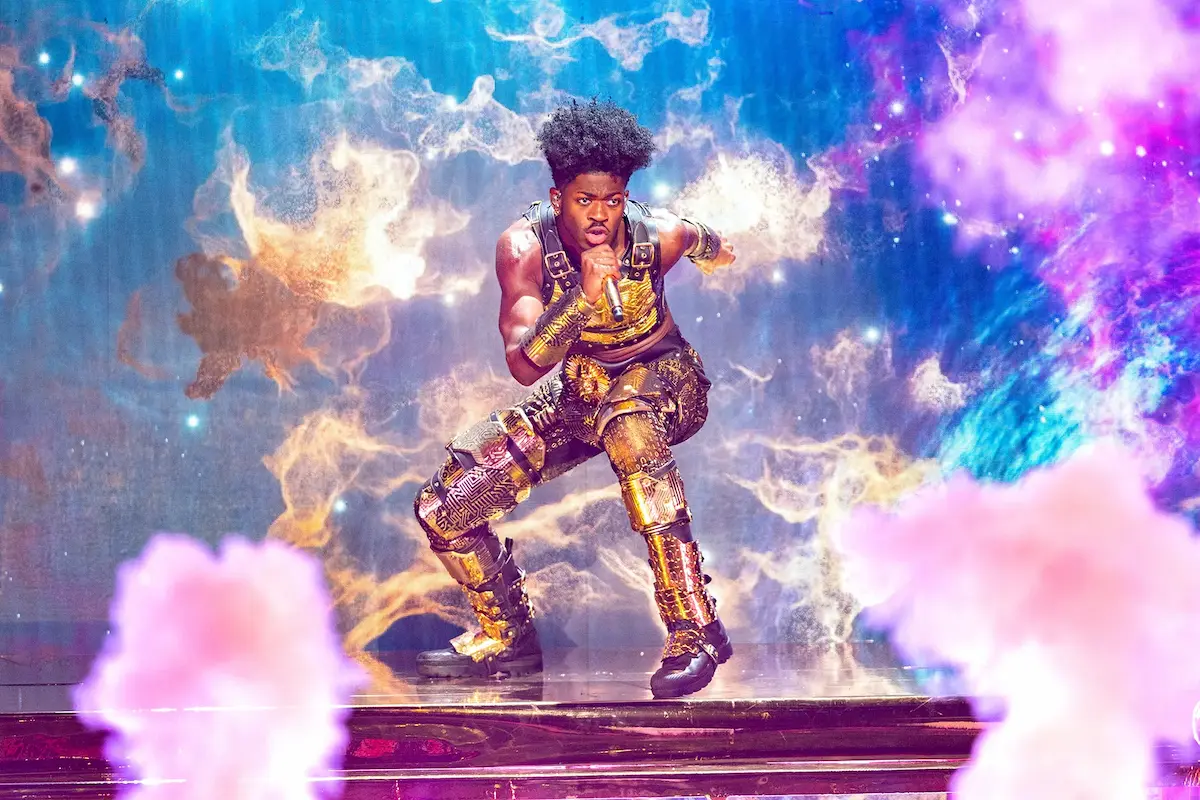
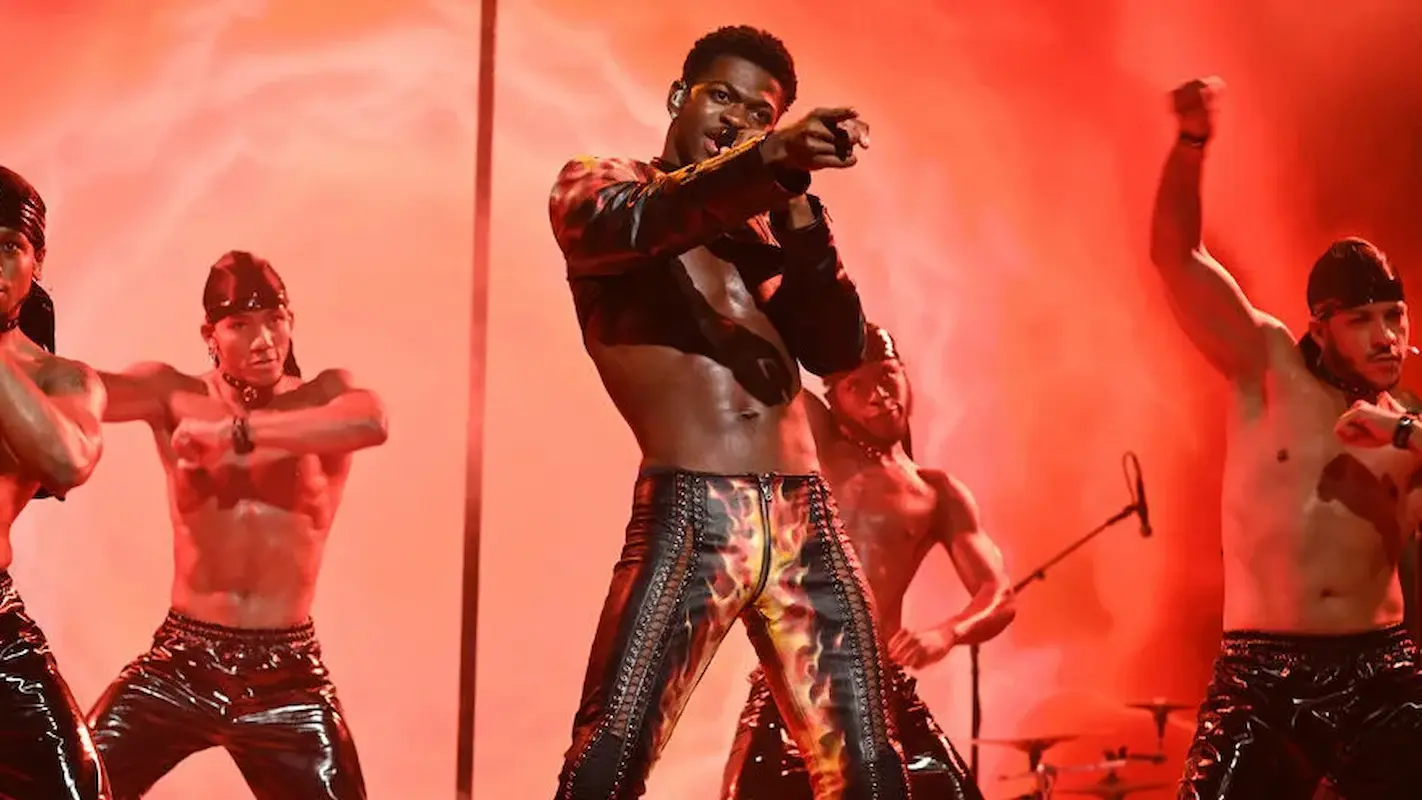
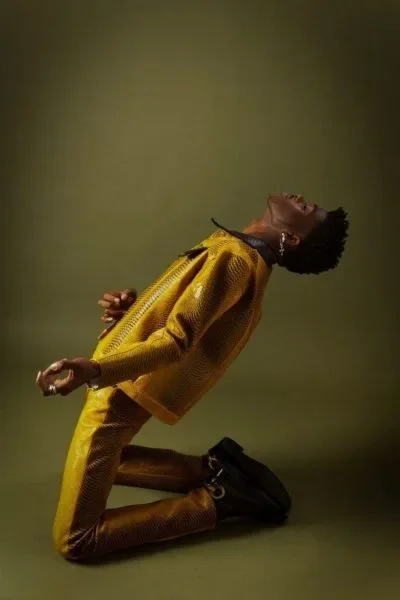
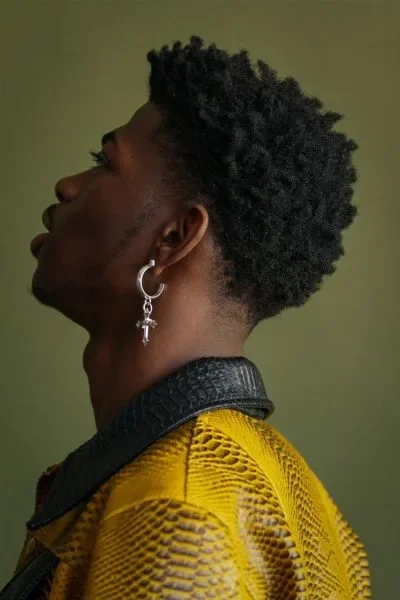
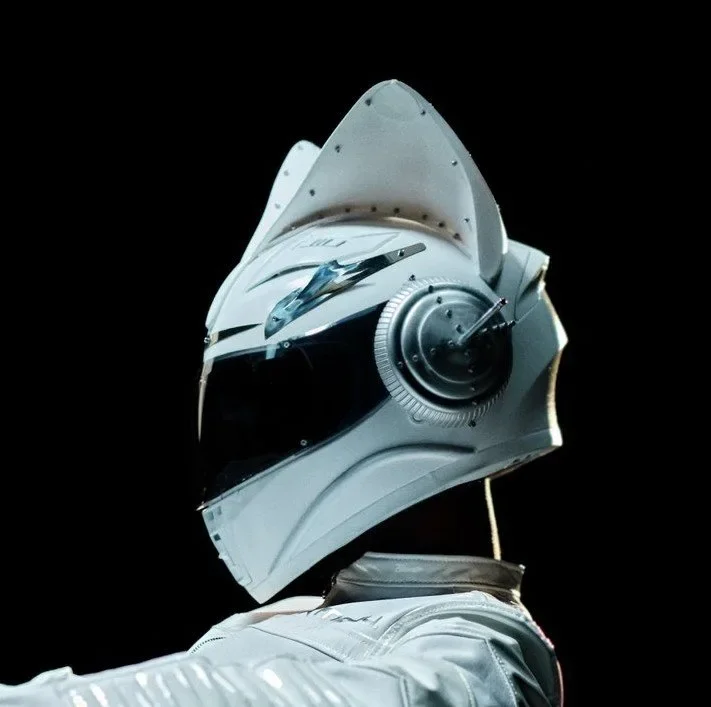
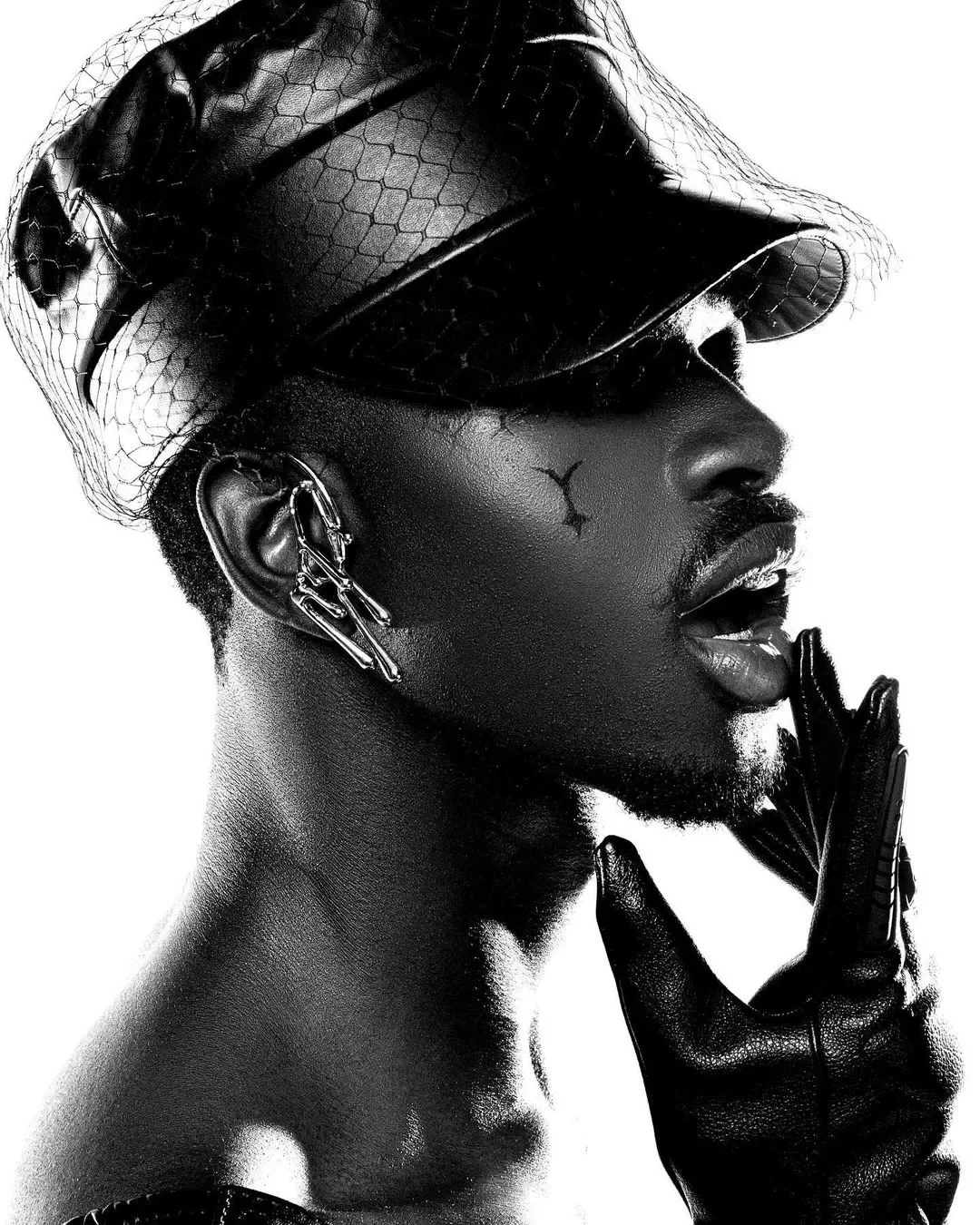
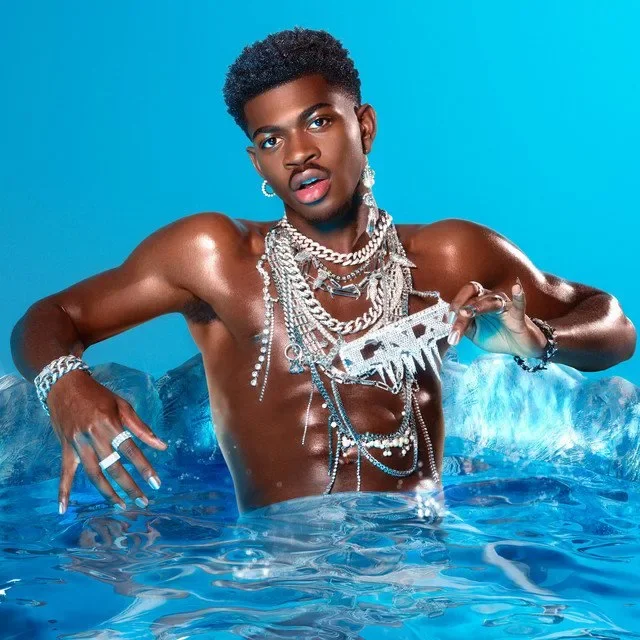
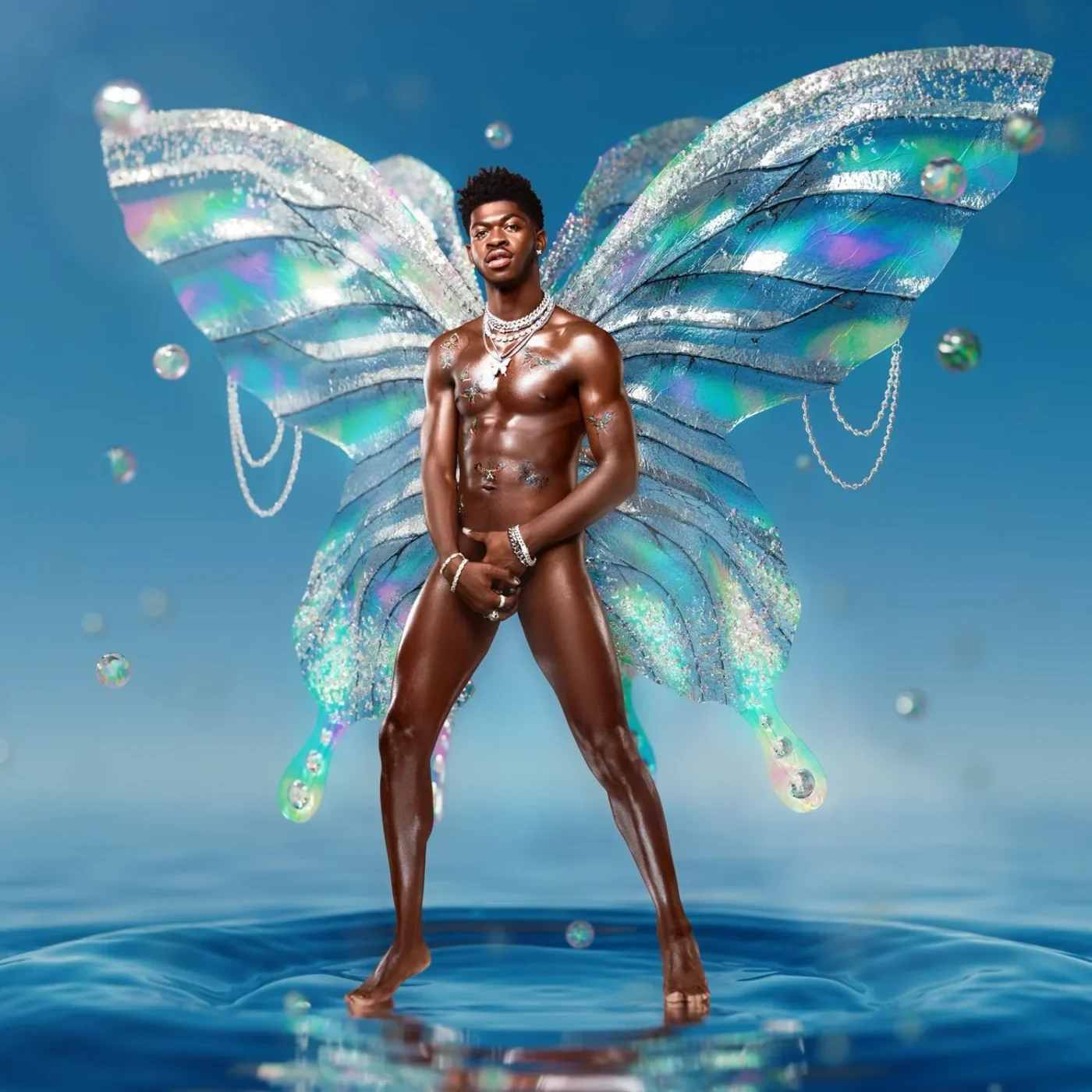
Visually, Lil Nas X is one of the most important artists of his generation because he understands the music video, red carpet, wardrobe, and performance as extensions of the song. His images can be camp, religious, futuristic, cowboy-coded, demonic, angelic, athletic, or absurdly comic, but they almost always carry narrative intention. He does not use provocation only to attract attention. He uses it to rearrange symbols, exaggerate social fears, and turn rejection into spectacle. His art lives in the friction between entertainment and challenge.
His presence as a Black queer artist inside hip hop and pop also carries enormous cultural weight. Lil Nas X did not ask to enter the mainstream by hiding his identity. He entered by amplifying it. That changed the conversation. Instead of appearing as a footnote, he made his sexuality, humor, theatricality, and vulnerability central to the project. His importance lies not only in huge numbers, but in the fact that he occupied historically restrictive spaces with visual and emotional freedom that was impossible to ignore.
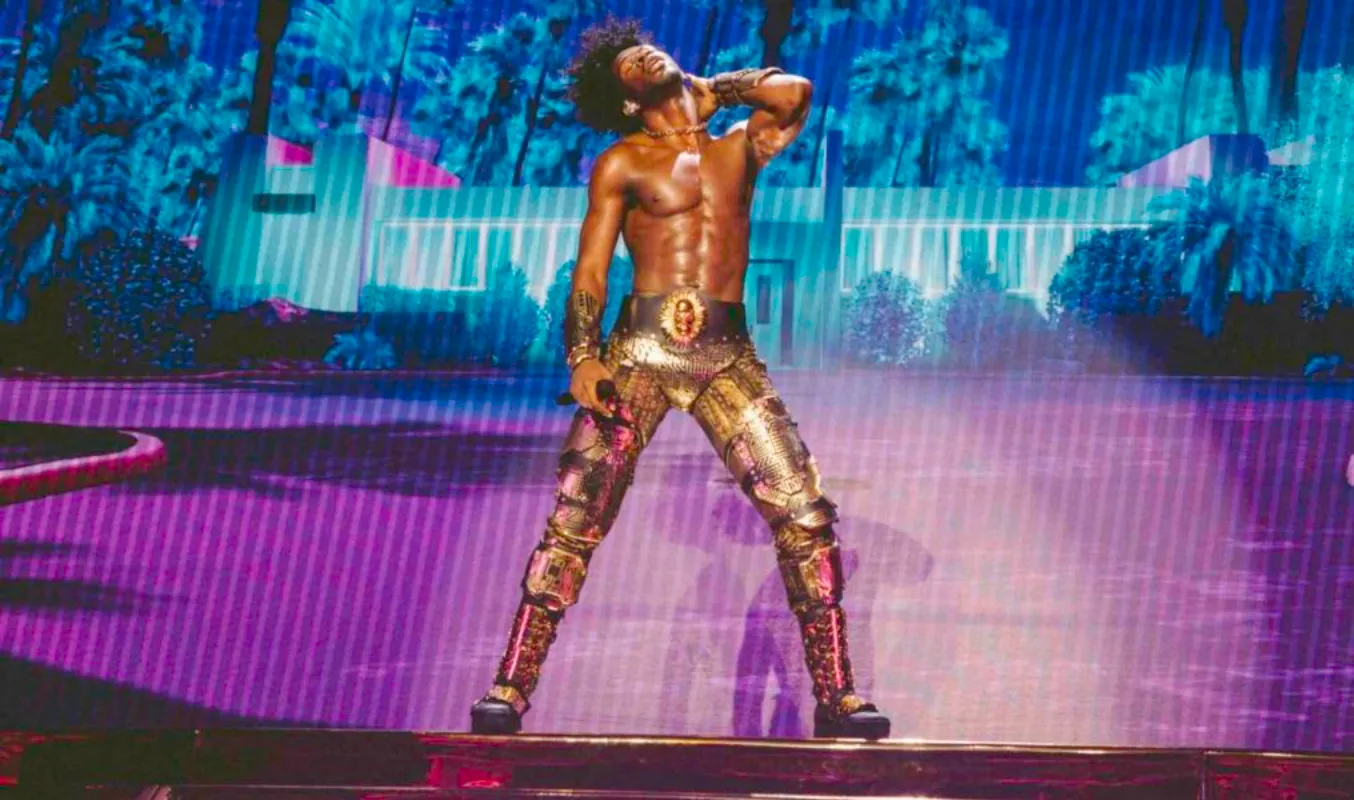
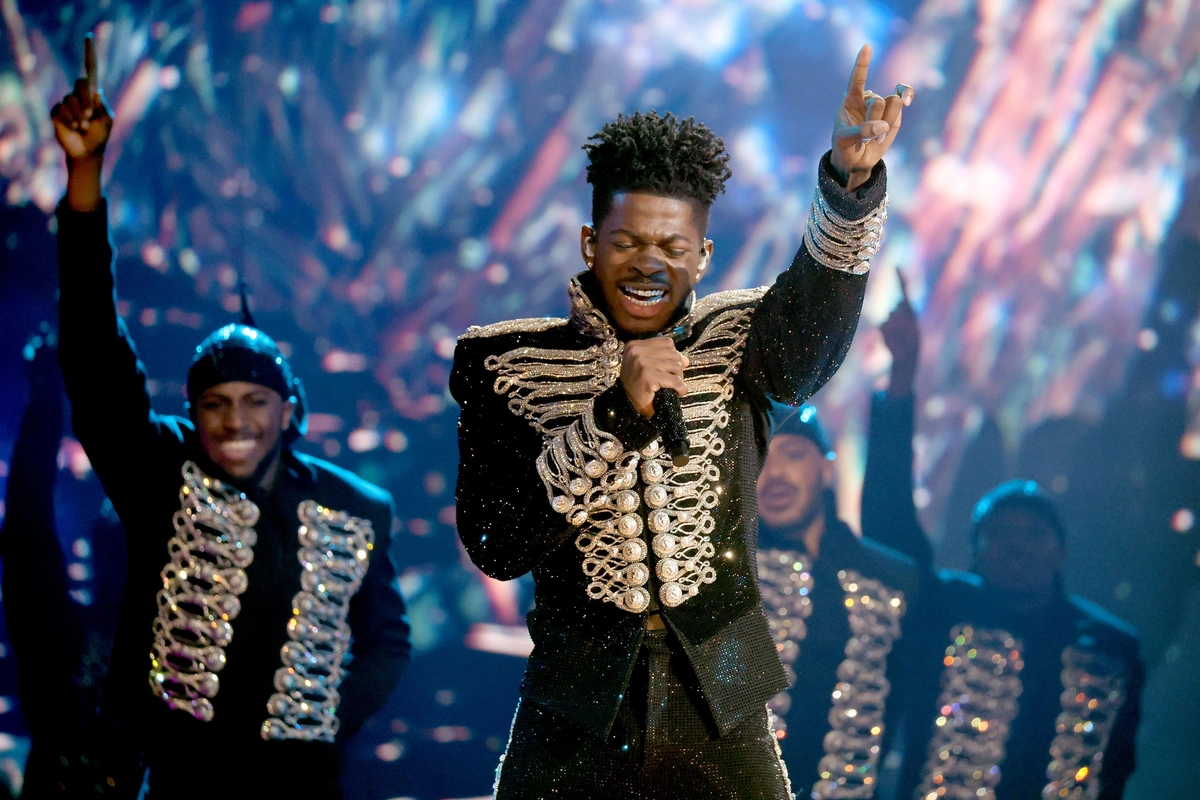
Live and on screen, his power lies in character construction. Lil Nas X does not depend only on vocal virtuosity or traditional rap technique. His strength is understanding entertainment as full architecture. He knows when to be funny, when to be tender, when to irritate, when to move people, and when to turn a song into a meme before anyone else can. That performative intelligence places him closer to great pop provocateurs than to a conventional rap figure.
Lil Nas X’s legacy lies in proving that an artist born from digital chaos can become central without abandoning the strangeness that made him visible. His career joins country-trap, pop-rap, queer theatricality, meme culture, and global-star ambition in a package that still feels difficult to classify. At his best, Lil Nas X sounds like the internet riding a horse toward the future: funny, uncomfortable, catchy, bright, and deeply aware that pop is no longer won only through songs, but through entire worlds.
Main genre
RAP
Main subgenres
Like a superfan's list — except verified, with sources and links.
21–Jul 23, 2023
Paris, Île-de-France · France
Past12–Jul 13, 2023
Tønsberg · Norway
Past12–Jul 16, 2023
Bern · Switzerland
Past
06–Jul 08, 2023
Madrid, Madrid · Spain
Past
06–Jul 08, 2023
Algés · Portugal
Past
Jun 30 – Jul 15, 2023
Montreux · Switzerland
Past
Jun 29 – Jul 02, 2023
Rotselaar, Vlaams-Brabant · Belgium
PastJun 29 – Jul 01, 2023
Stockholm · Sweden
Past
Jun 29 – Jul 28, 2023
Lucca · Italy
Past
Jun 28 – Jul 01, 2023
Gdynia · Poland
PastWhat we managed to link to the concert archive. If a date is missing, tell us — happens to us too.
No linked concerts
Every concert and festival of the year, traced on the globe. Hit play and follow the route stop by stop.
Photos from the public archive.
Recent coverage linked to the artist.



Close by genre and social signal.
No related artists
When there is enough genre signal, they will appear here.