Ranking
#44

Ranking
#44
Followers
140.1 M
Digital presence
Official profiles, streaming and discovery.
What a good fan recites by heart (or pretends to).
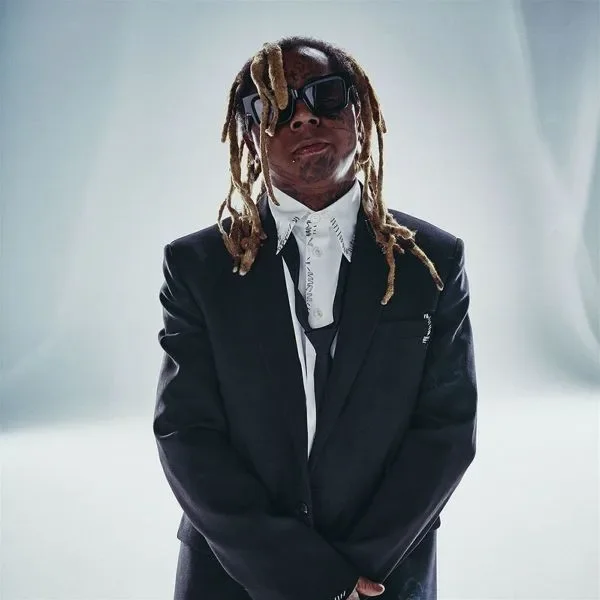
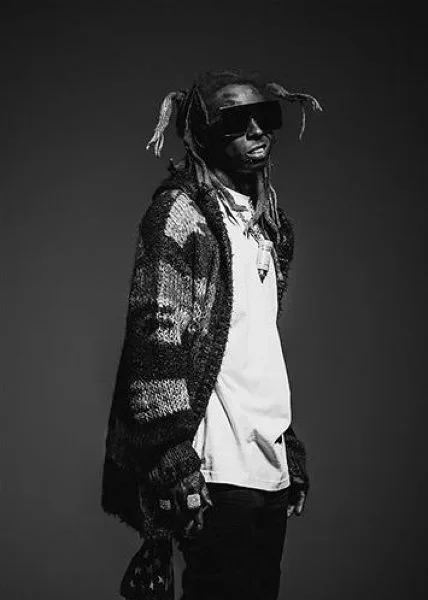
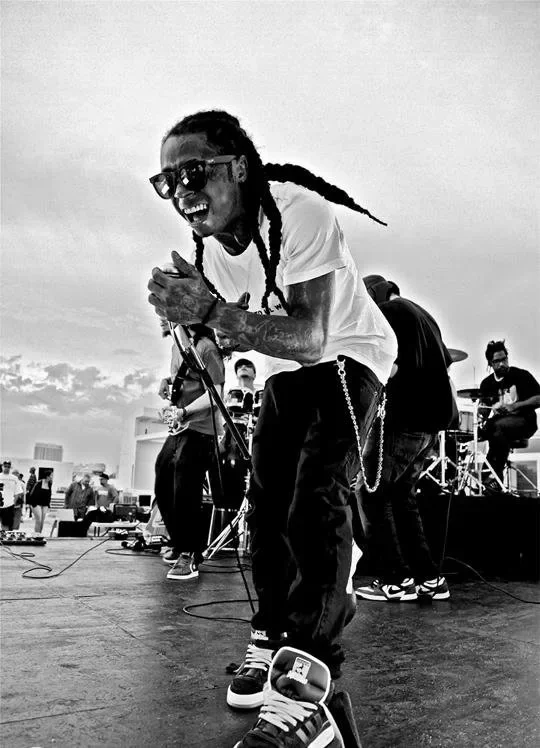
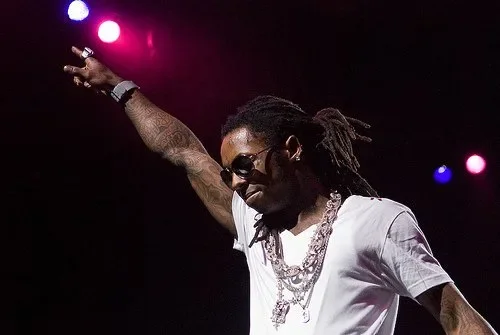
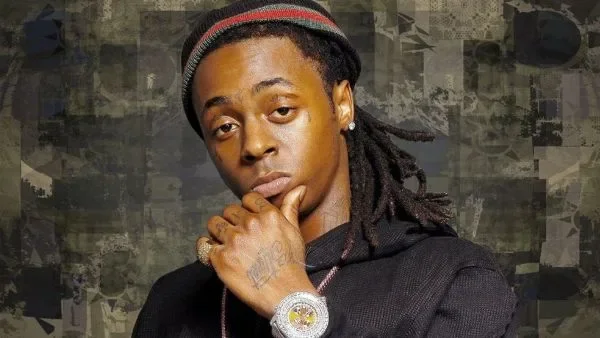
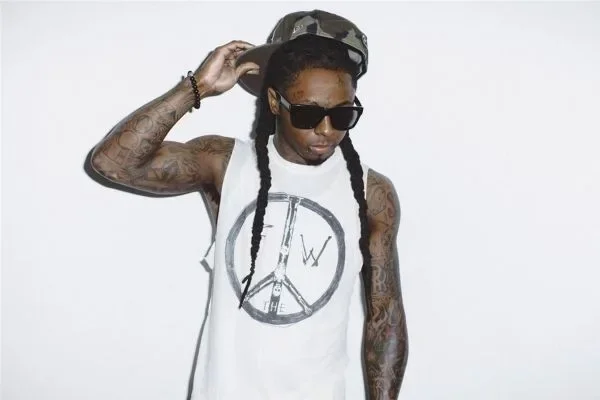
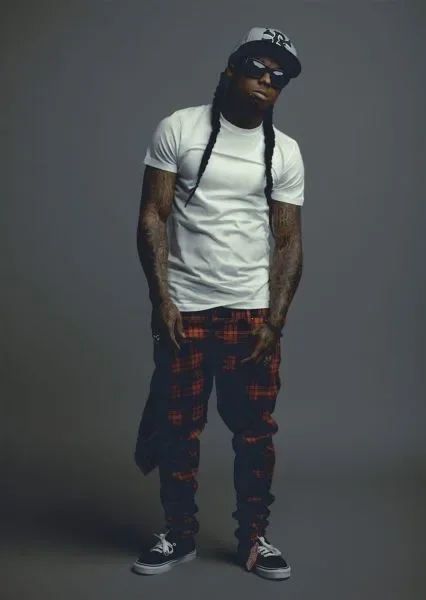
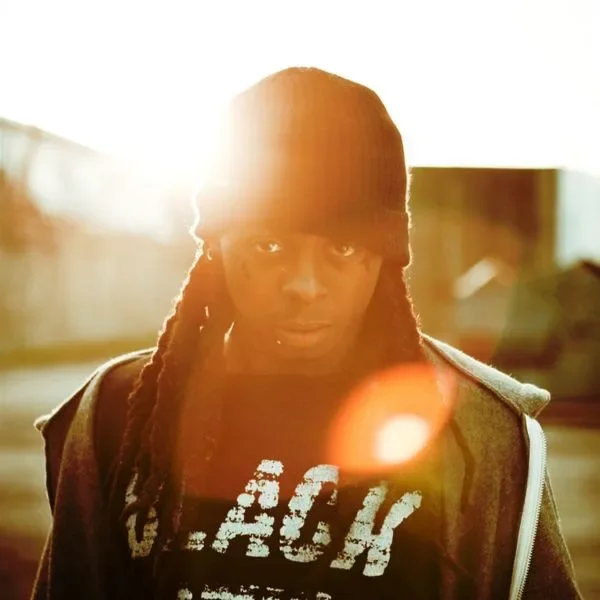
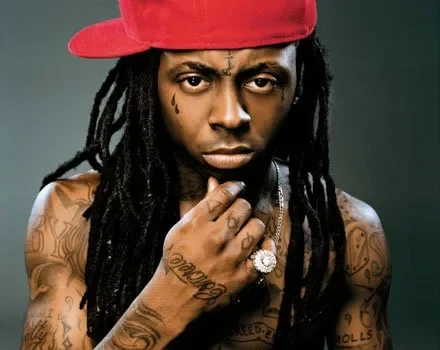
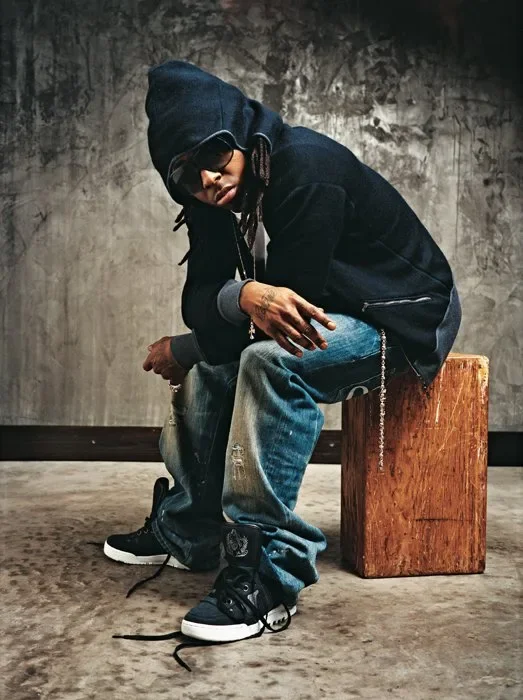
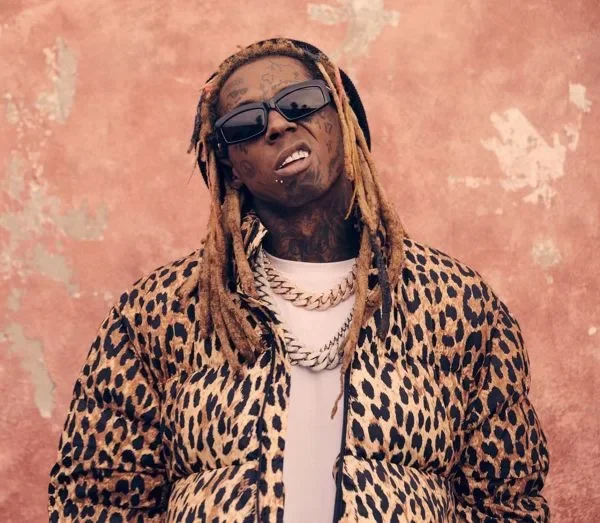
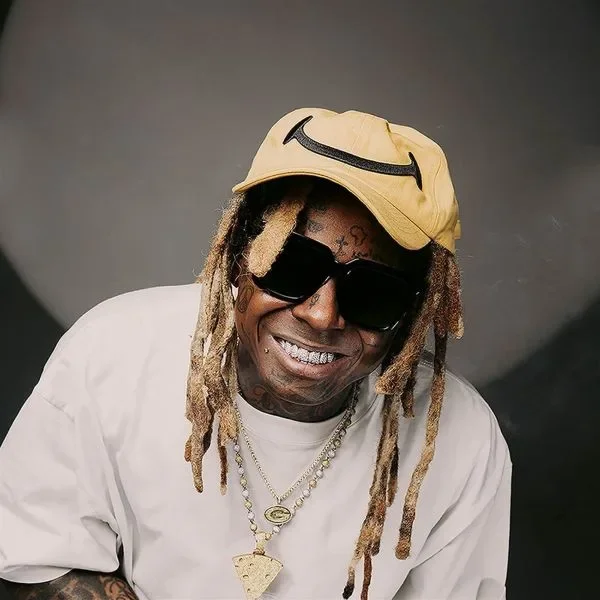
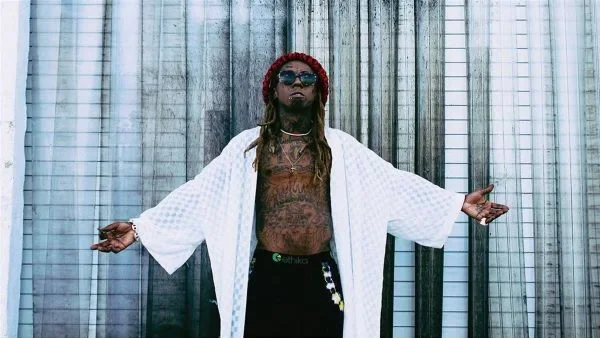
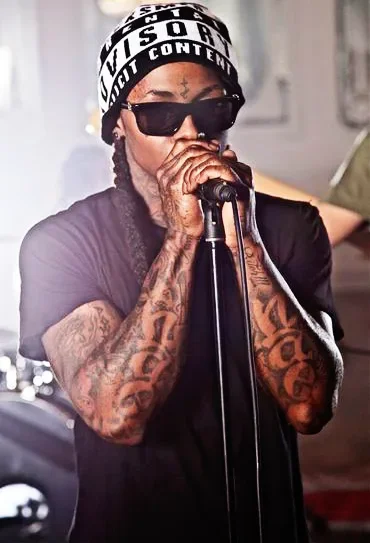
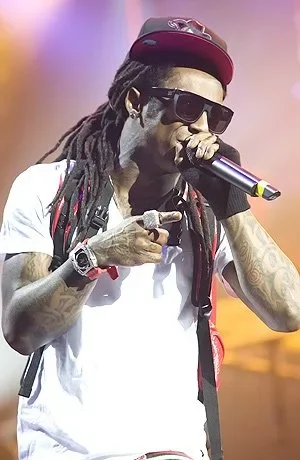
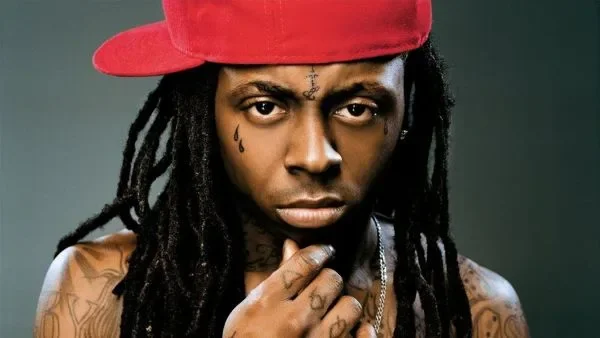
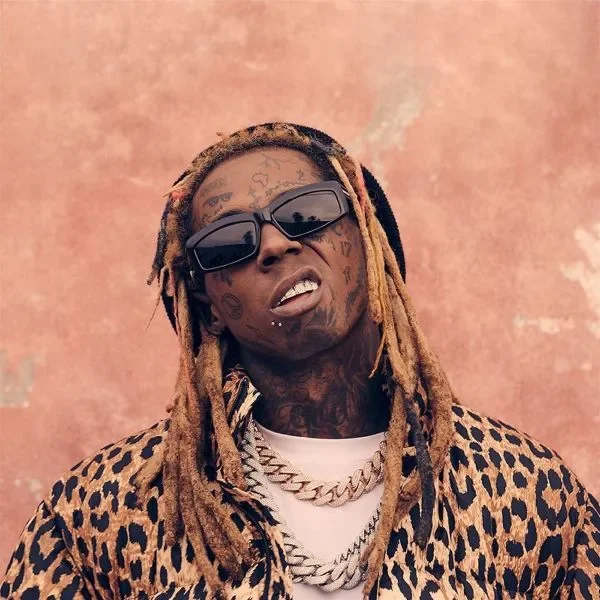
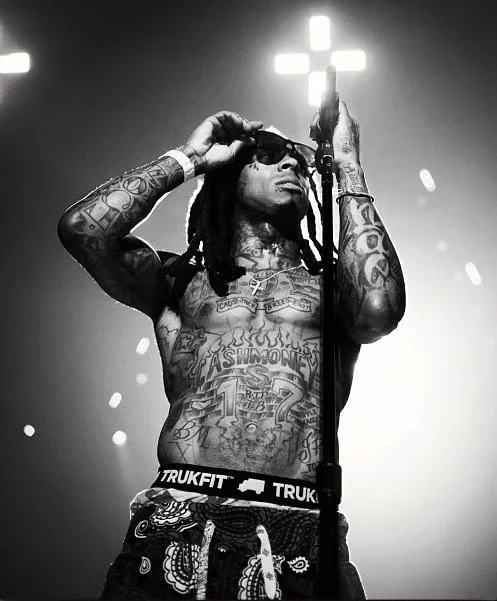
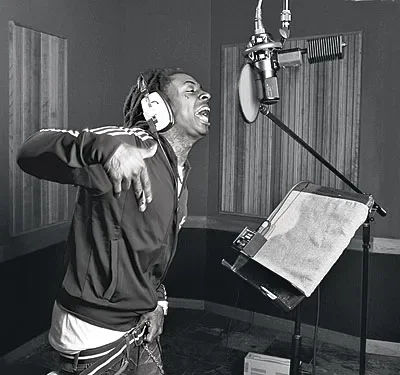
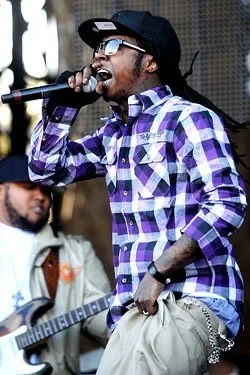
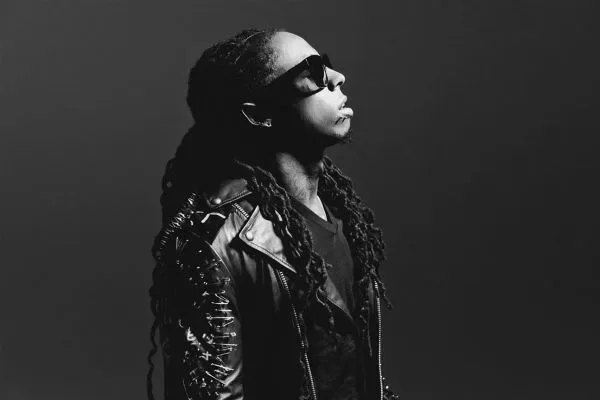
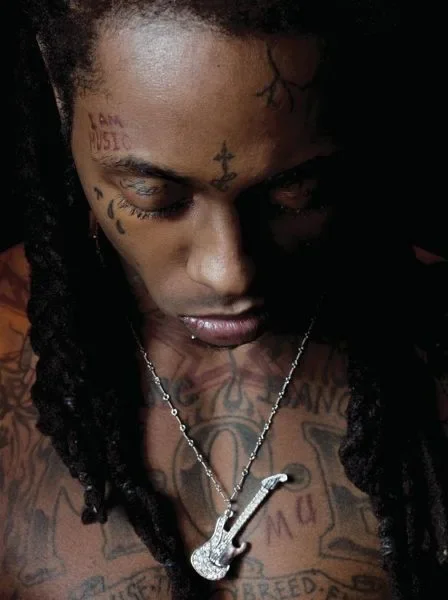
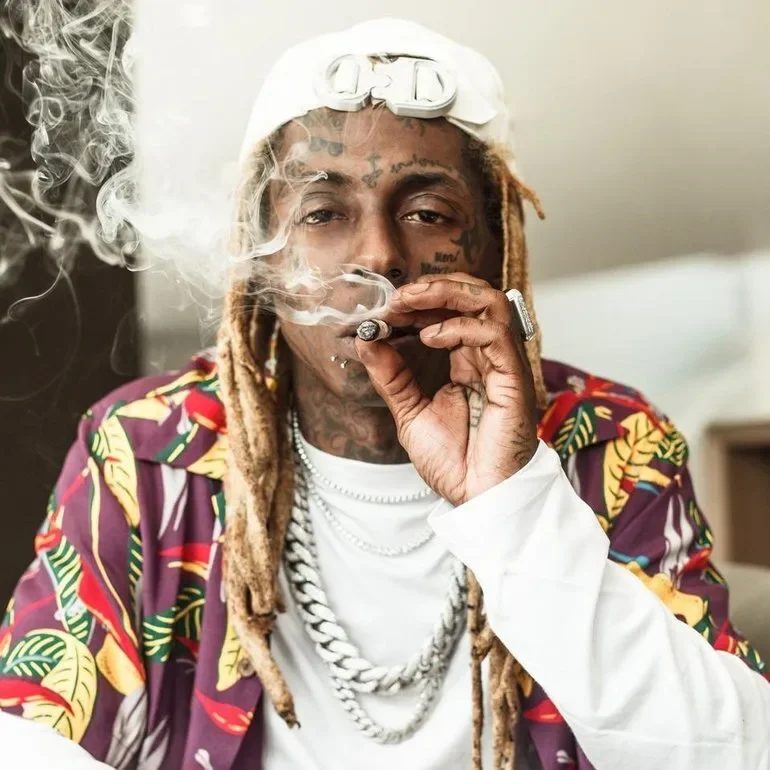
Lil Wayne is not only one of the most influential rappers of his generation; he is one of the artists who changed the way rap could exist between albums, mixtapes, the internet, verbal excess and total personality. Before streaming made overabundance feel normal, Wayne was already living in torrent mode. He recorded as if the studio were a natural extension of his breathing, released verses as if there were no possible end and turned every borrowed beat into his own territory. During a key stretch of the 2000s, it felt as if any song could become his the moment his nasal, mocking, elastic and completely unpredictable voice entered.
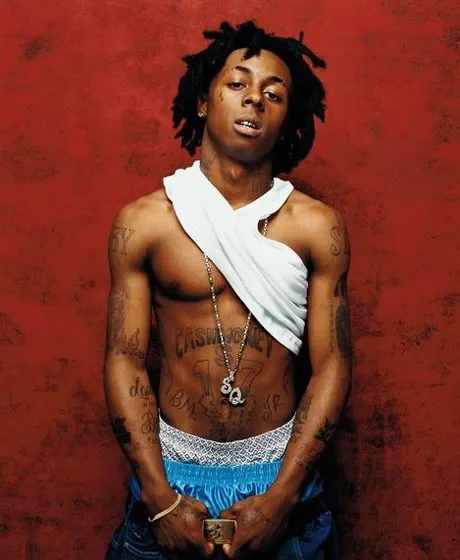
Dwayne Michael Carter Jr. was born in New Orleans, a city that gave him not only origin, but pulse, accent, street imagination and survival instinct. His entry into rap happened very young, inside the Cash Money universe, under the shadow of Birdman, Slim and a Southern scene still fighting for national industry respect. Before he became “the best rapper alive” for a generation, he was a child prodigy inside a local machine: Baby D, Hot Boys, Mannie Fresh, bounce, barrio, ambition and a form of rap that did not need permission from New York or Los Angeles.
Tha Block Is Hot introduced Lil Wayne as a solo artist while he was still a teenager. The album carried the energy of Cash Money in full expansion: Mannie Fresh beats, regional pride, street detail, shine, hunger and a surprising confidence for someone so young. Wayne was not yet the lyrical mutant who would later dominate mixtapes, but the seed was already there: the unique voice, the instinct for memorable phrases, the ability to sound small and enormous at the same time. Lights Out and 500 Degreez continued that first period, still deeply connected to the Cash Money house sound and to the need to prove he was not only the youngest member of the team.
The real turn came with the Tha Carter series. That is where Wayne began building his crown. Tha Carter refined his identity: more control, more ambition, more personality. “Go D.J.” placed him in a new state of confidence; he no longer sounded like a gifted student, but like someone ready to direct the conversation. Tha Carter II was even more important: a drier, more assured album focused on language. Wayne began rapping as if every line could be a key, a joke, a threat, an absurd image or a confession. His voice could bend, drag, laugh, bite and float inside the same verse.
But to understand his legend, one has to enter the mixtape era. Dedication, Da Drought, No Ceilings and all those projects were not secondary material; they were the laboratory where Wayne became myth. He took popular beats and treated them as if their original owners had only rented them. He did not merely make versions; he rewrote the memory of the songs. His style was free, almost athletic, full of unexpected associations, impossible metaphors, sexual humor, cartoon violence, surreal imagination and a confidence that seemed to have no limit. In that period, Lil Wayne did not need an album to dominate rap; it was enough for a new file to appear online.
Tha Carter III was the commercial coronation. “Lollipop” turned his Auto-Tuned voice into a pop phenomenon. “A Milli” was pure domination, a minimal beat and a flood of bars. “Got Money” and “Mrs. Officer” showed his ability to move between radio, club and character. That album won the Grammy for Best Rap Album and confirmed that Wayne could be, at the same time, a rap fan favorite, a pop star, a vocal oddity and an entrepreneur of his own universe. Few artists have managed that without softening their identity too much. Wayne became massive without stopping sounding strange.
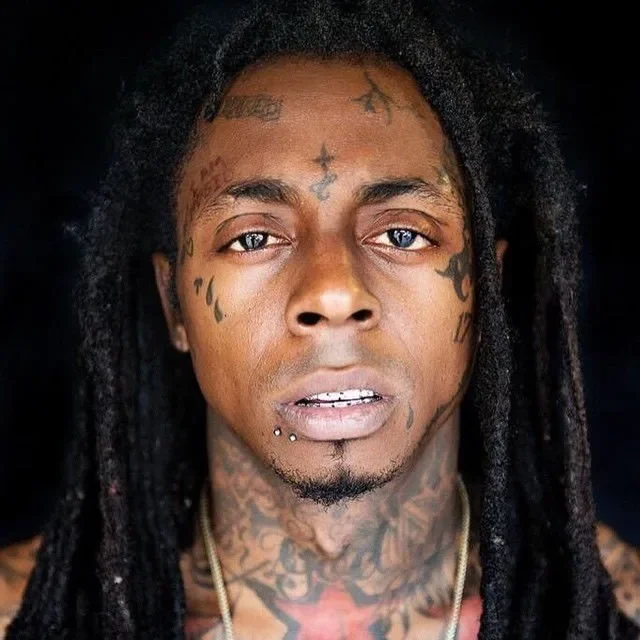
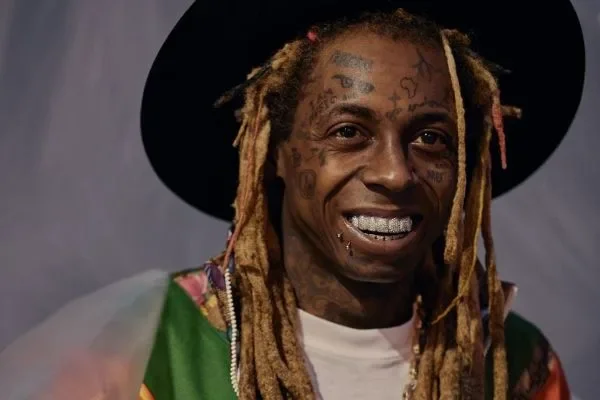
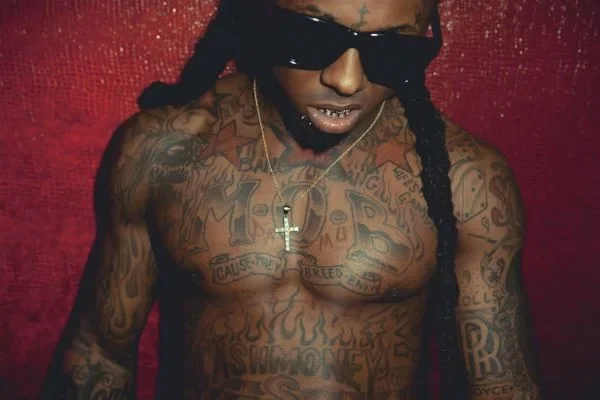
His influence also extended through Young Money. Drake and Nicki Minaj are not simply names associated with his label; they are central pieces of his historical impact. Wayne helped open the door to a new era of rap where melody, digital personality, pop, vulnerable ego and multiple character could coexist. In a sense, mainstream rap after the 2010s carries a lot of Wayne’s DNA: face tattoos, emotional Auto-Tune, fragmented flows, absurd punchlines, constant work, aesthetics of excess and a much freer relationship with song form.
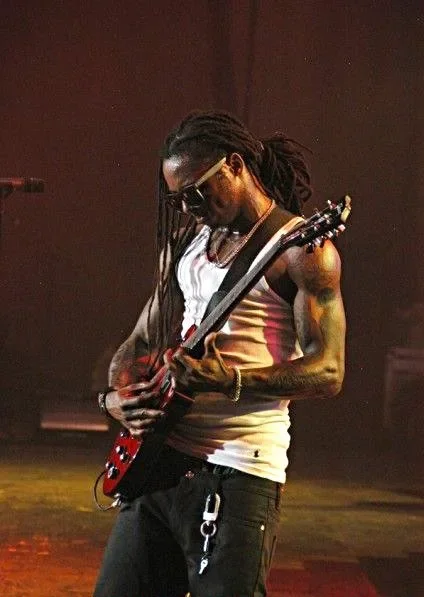
Rebirth, I Am Not a Human Being, Tha Carter IV and the years of legal battles with Cash Money revealed a more uneven career, but also one made more interesting by its tensions. Wayne tried rock, played with pop punk, threw himself into experiments that did not always work, faced personal problems, health scares, prison, contract conflicts and a complicated relationship with the industry. Still, even in his most debated periods, the spark kept appearing: a line no one else would have thought of, an absurd rhyme that somehow worked, a way of entering the beat as if he were falling sideways and still landing perfectly.
Tha Carter V carried the weight of waiting. After years of delays and conflict, it arrived as a comeback filled with emotion, memory and vindication. “Mona Lisa,” with Kendrick Lamar, recalled his storytelling ability. “Uproar” connected with classic energy. “Let It All Work Out” showed direct vulnerability around his personal history. Later, Funeral, Welcome 2 Collegrove with 2 Chainz and Tha Carter VI kept active a career that no longer needs to prove its importance, but continues to converse with its own legacy. Recent tours centered on the Carter universe confirm something obvious: his catalog has become emotional property of rap culture.
Lil Wayne matters because he changed hip-hop’s center of gravity. He elevated the mixtape into authorial territory, made verbal excess an aesthetic, normalized vocal strangeness, opened paths for new generations and proved that a rapper could be technical, absurd, pop, street, vulnerable and extraterrestrial all at once. At his best, Wayne sounds like someone who does not write lines, but spits them from a planet of his own. And that is why, even when he is not at his peak, modern rap still speaks a language he helped invent.
Main genre
RAP
Main subgenres
Like a superfan's list — except verified, with sources and links.
03–Mar 05, 2023
Inglewood, California · United States
PastWhat we managed to link to the concert archive. If a date is missing, tell us — happens to us too.
Wantagh · United States
Tickets →LIL WAYNE: 20 YEARS OF CARTER CLASSICS
Camden · United States
Tickets →LIL WAYNE: 20 YEARS OF CARTER CLASSICS
Shakopee · United States
Tickets →LIL WAYNE: 20 YEARS OF CARTER CLASSICS WITH 2 CHAINZ
University Park · United States
Tickets →Lil Wayne 20 Years of Carter Classics
Reading · United States
Tickets →LIL WAYNE: 20 YEARS OF CARTER CLASSICS WITH 2 CHAINZ
Greenville · United States
Tickets →LIL WAYNE: 20 YEARS OF CARTER CLASSICS
Nashville · United States
Tickets →LIL WAYNE: 20 YEARS OF CARTER CLASSICS
LIL WAYNE: 20 YEARS OF CARTER CLASSICS
Raleigh · United States
Tickets →LIL WAYNE: 20 YEARS OF CARTER CLASSICS
Charleston · United States
Tickets →LIL WAYNE: 20 YEARS OF CARTER CLASSICS
San Antonio · United States
Tickets →LIL WAYNE: 20 YEARS OF CARTER CLASSICS
Every concert and festival of the year, traced on the globe. Hit play and follow the route stop by stop.
Photos from the public archive.
Recent coverage linked to the artist.



Close by genre and social signal.
No related artists
When there is enough genre signal, they will appear here.