
Ranking
#43

Ranking
#43
Followers
140.6 M
Digital presence
Official profiles, streaming and discovery.
What a good fan recites by heart (or pretends to).
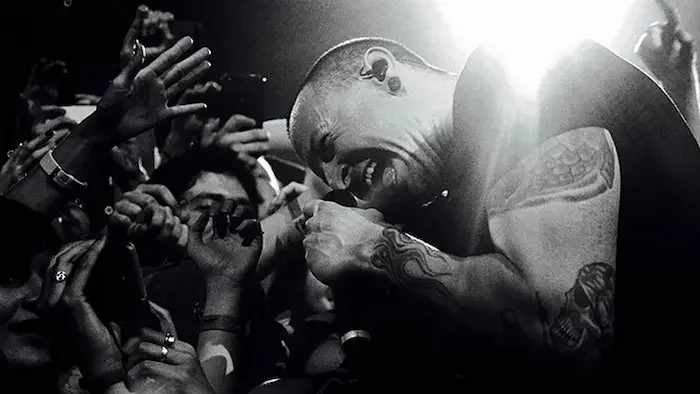
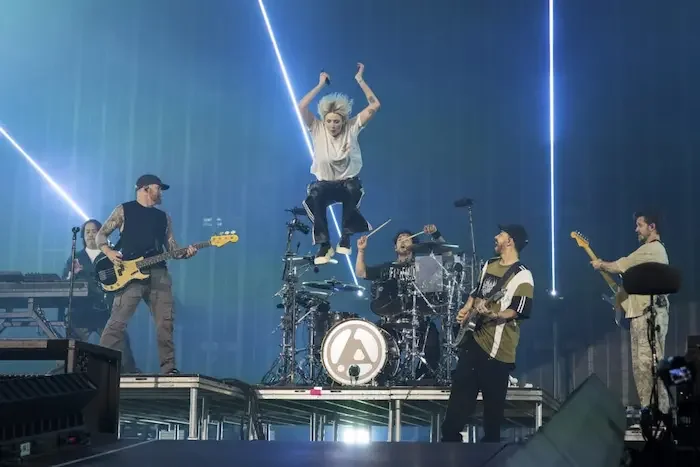
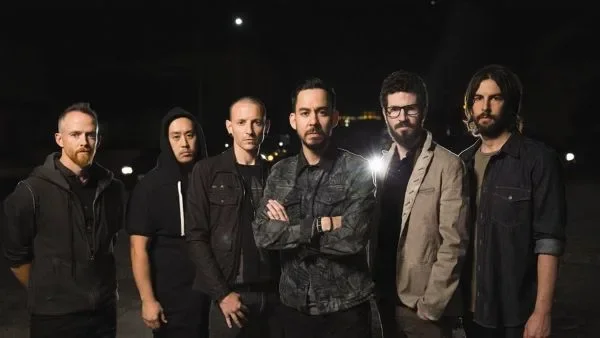
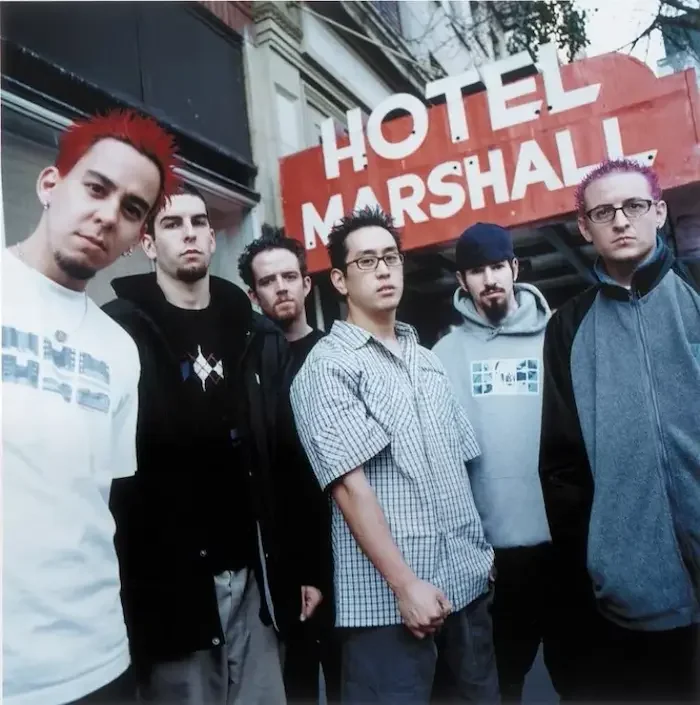
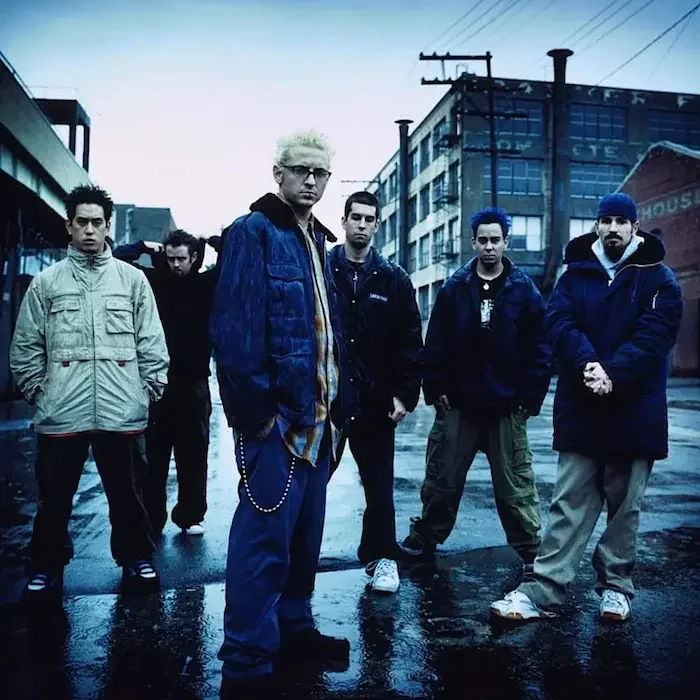
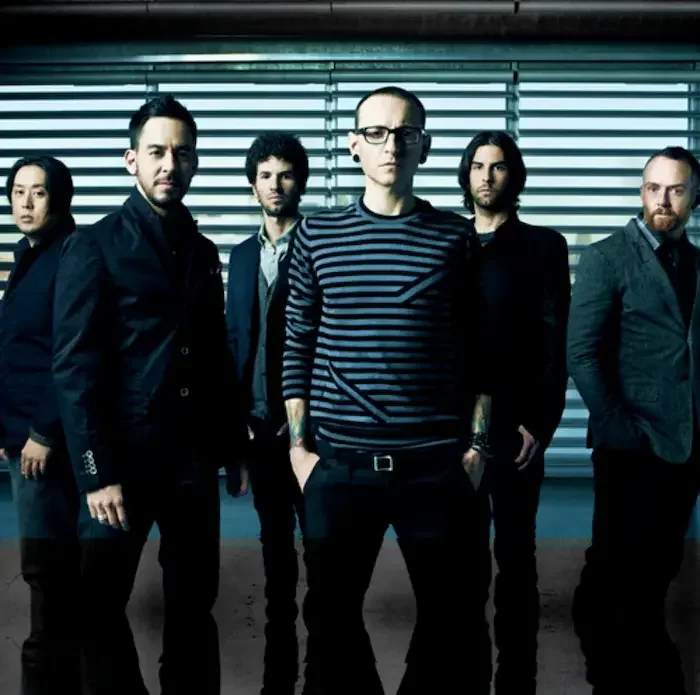
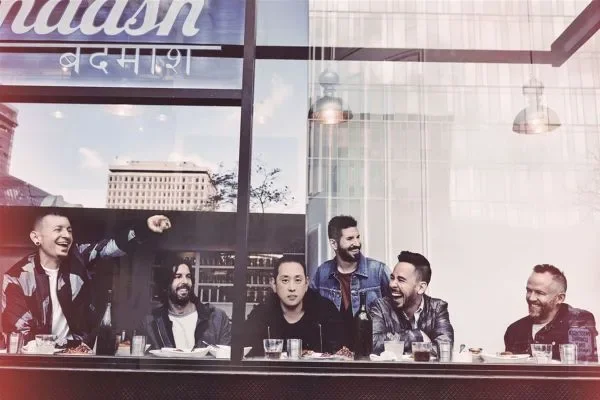
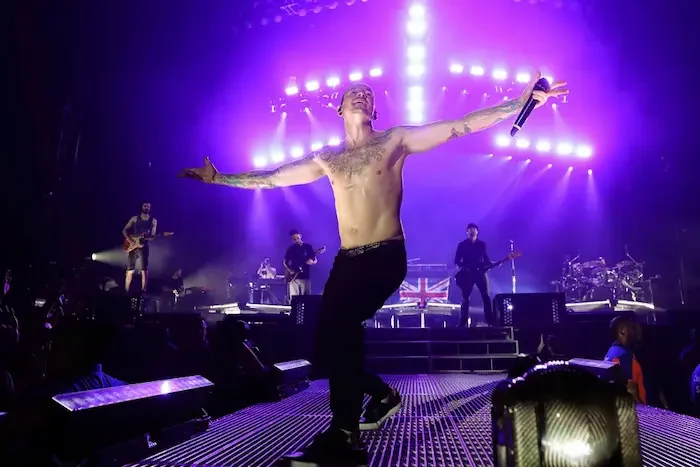
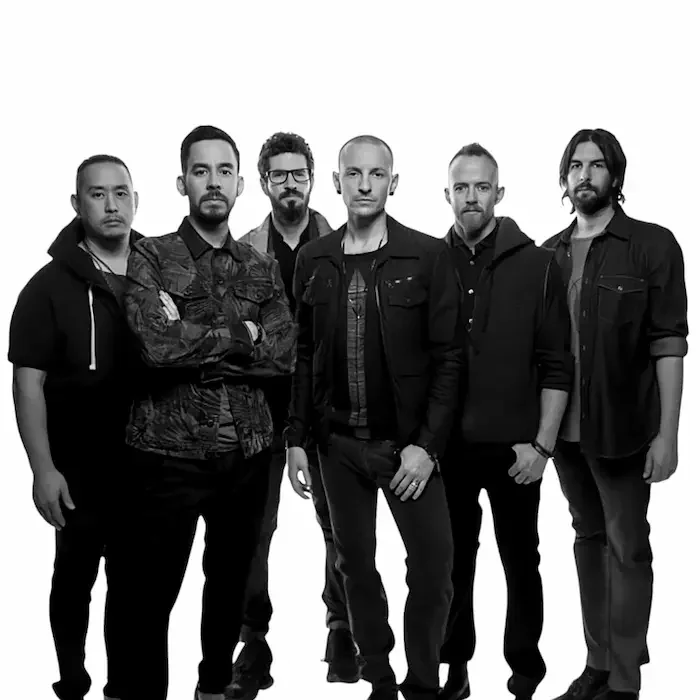
Linkin Park was not only a heavy rock band with rap, electronics and enormous choruses; it became an emotional translation for millions of young people who did not know how to say they were angry, confused, lonely or close to breaking. Their music arrived at the exact moment when a generation was growing up with slow internet, music television, video games, forums, teenage anxiety and an inner noise that did not always have words. Linkin Park gave that noise a shape. They turned it into guitars, scratches, screams, programmed beats, rapped verses and melodies that felt written from a locked room with the lights off.
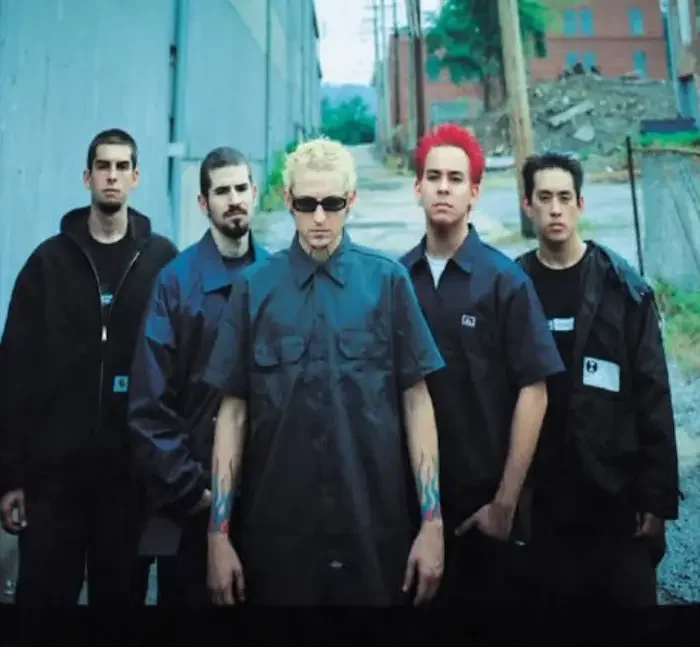
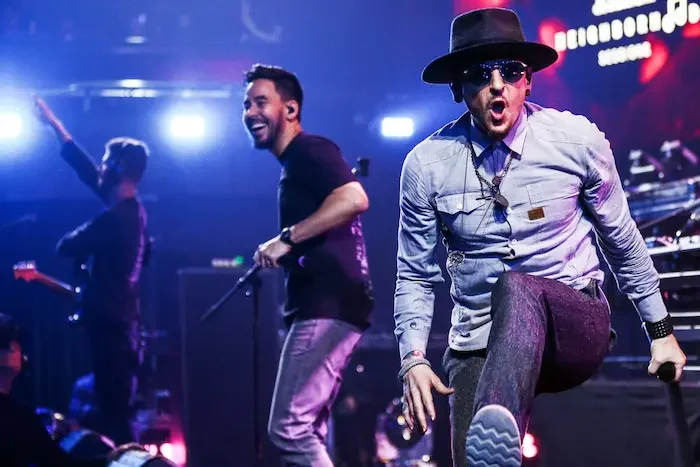
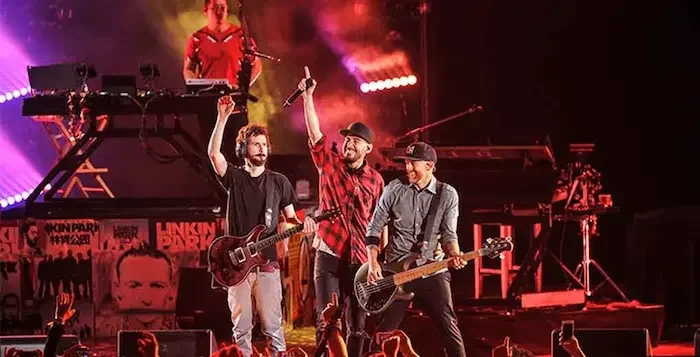
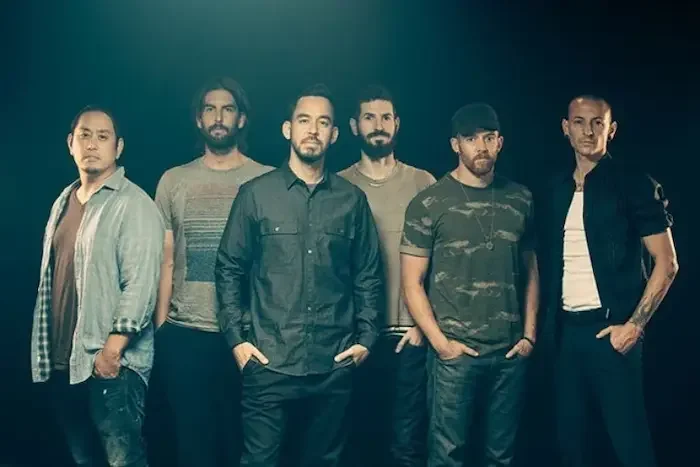
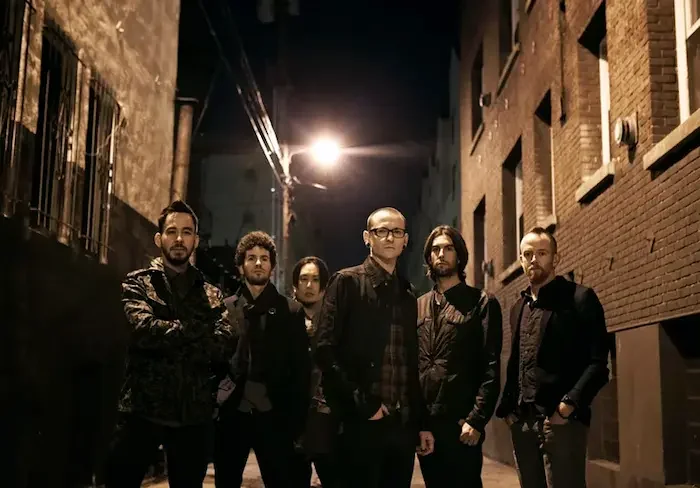
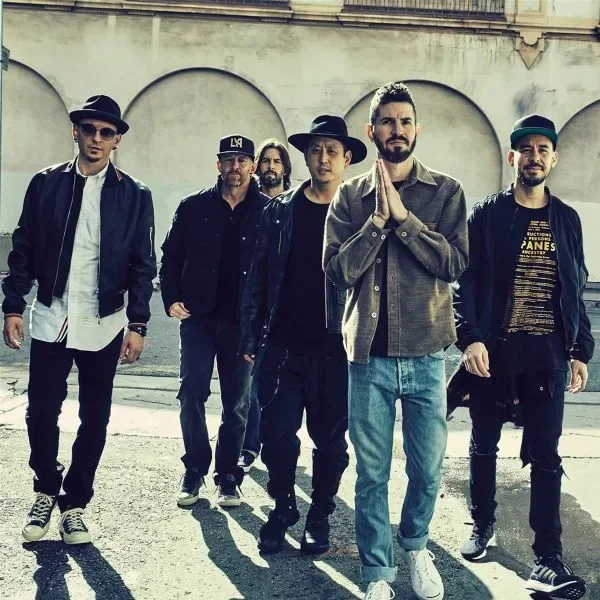
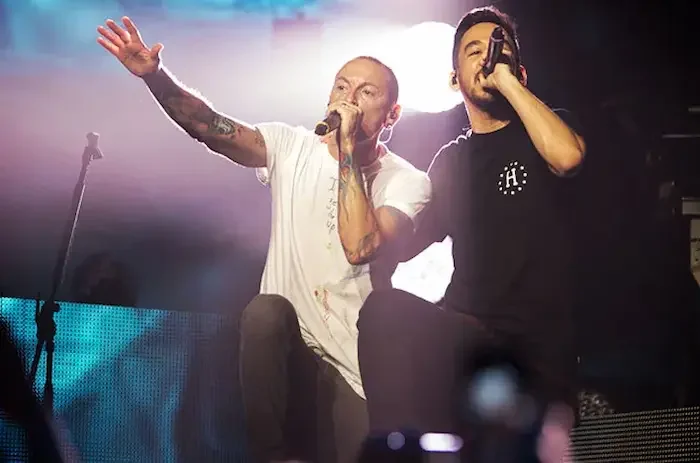
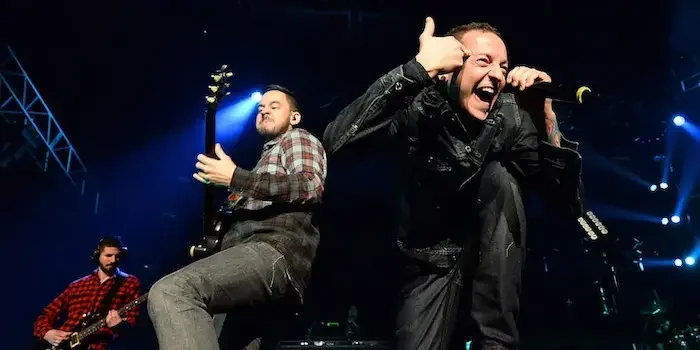
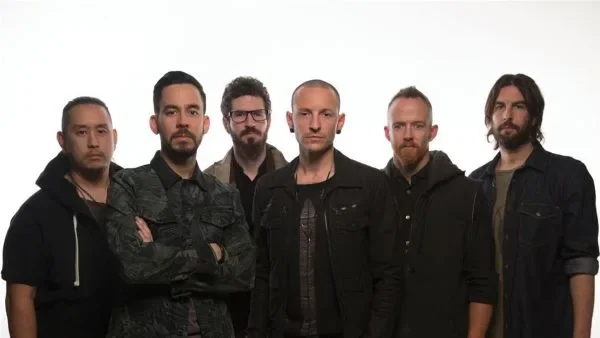
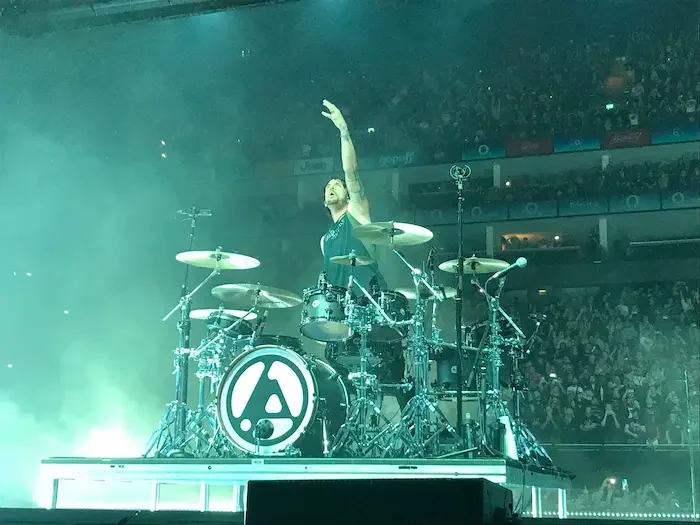
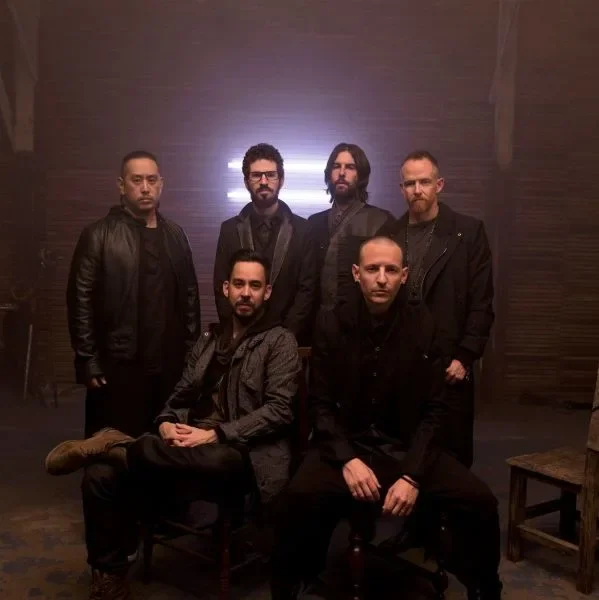
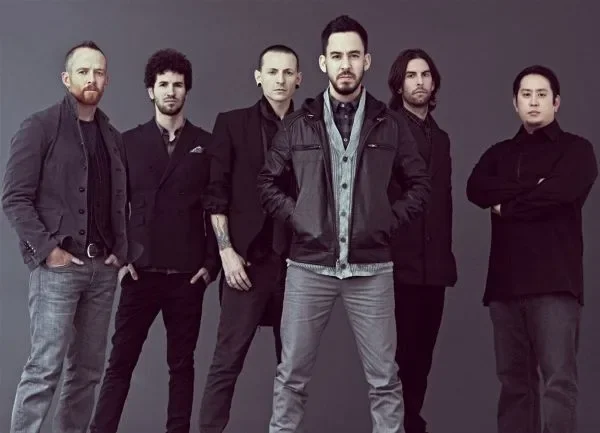
The band was born in Agoura Hills, California, through an evolution of names and searches: first Xero, then Hybrid Theory, before finally becoming Linkin Park. From the beginning, their strength was in the blend. Mike Shinoda brought rap, production, design, structure and an alternative hip-hop sensitivity. Brad Delson, Rob Bourdon, Dave “Phoenix” Farrell and Joe Hahn completed an architecture where guitars, drums, bass, samples and visual identity carried equal weight. When Chester Bennington entered the band’s story, the emotional piece clicked into place. His voice could move from fragility to explosion with an intensity that did not sound acted. It sounded lived.
Hybrid Theory was a rare debut because it seemed built to explode and, at the same time, to speak privately to each listener. “One Step Closer” carried contained rage until rupture. “Crawling” turned insecurity and internal pain into an anthem. “Papercut” opened a door into everyday paranoia. “In the End” became one of the most recognizable songs of the century because it said something simple and devastating: you can try, fight, endure, and still feel that everything collapses. That mix of frustration, melody and catharsis allowed Linkin Park to connect with audiences far beyond the nu metal circuit.
Meteora confirmed they were no accident. The album took the Hybrid Theory formula and made it sharper, more cinematic and more self-assured. “Somewhere I Belong” spoke of searching for an emotional place in the middle of disconnection. “Faint” had urgency, strings, rap and explosion. “Breaking the Habit” opened a more introspective zone, almost animated by invisible wounds. “Numb” became a banner for those who grew up feeling other people’s expectations like weight on their backs. Linkin Park had a very precise gift: turning anguish into songs that could be sung in stadiums without losing the feeling of a personal diary.
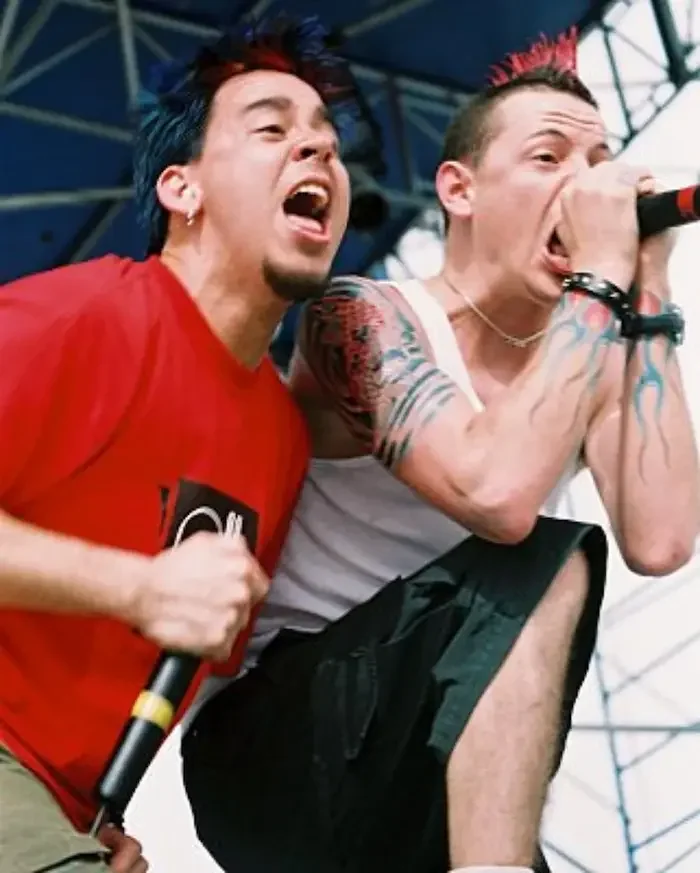
One of their great achievements was understanding that rock in the new millennium did not have to choose between guitars and technology. Joe Hahn was not a decorative DJ in the background; his textures, scratches and sound design were central to the identity. Mike Shinoda was not simply “the rapper” of the group; he functioned as narrator, producer and emotional counterweight. Chester, meanwhile, was the pressure valve. When his voice erupted, it did not feel like an ornament of intensity; it felt like the exact moment when an emotion became impossible to contain.
Collision Course, with Jay-Z, revealed another dimension of their impact. The crossover with hip-hop was not a superficial strategy; it was in their DNA. “Numb/Encore” worked because it united two worlds Linkin Park had been bringing closer from the beginning. Later, Minutes to Midnight marked an important break. “What I’ve Done” left behind part of the nu metal template and opened a more rock-oriented, political and expansive era. “Shadow of the Day” and “Leave Out All the Rest” showed a broader melodic sensitivity. “Bleed It Out” kept the shock energy, but with a different kind of maturity.
A Thousand Suns was perhaps their riskiest move. Instead of repeating the formula that had made them giants, the band built a conceptual, fragmented, electronic and dark album concerned with war, technology, humanity and destruction. Not every fan understood it at first, but over time it became one of the clearest proofs that Linkin Park did not want to live trapped inside its own nostalgia. Living Things, The Hunting Party and One More Light continued that tension between return, experiment, melody, heaviness and vulnerability. “Burn It Down,” “Castle of Glass,” “Guilty All the Same,” “Final Masquerade,” “Heavy” and “One More Light” showed a band still searching for different languages to express pain.
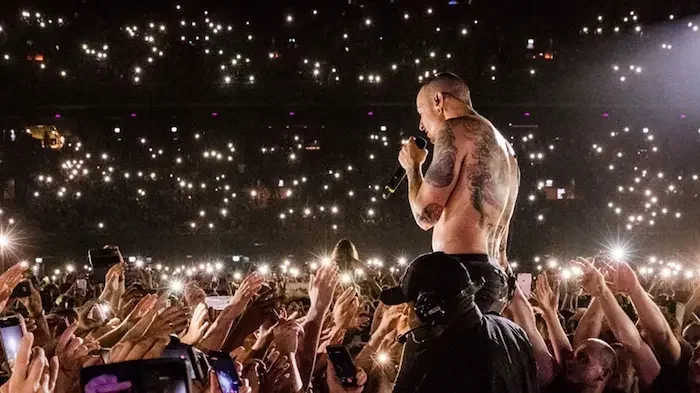
Chester Bennington’s death in 2017 changed the band’s story forever. It was not only the loss of a vocalist; it was the loss of a voice that millions had used to name their own pain. The public’s relationship with songs like “One More Light,” “Crawling” and “Leave Out All the Rest” changed. What had already been intense acquired another weight, another shadow, another form of memory. For years, Linkin Park remained suspended between grief, legacy and unanswered questions.
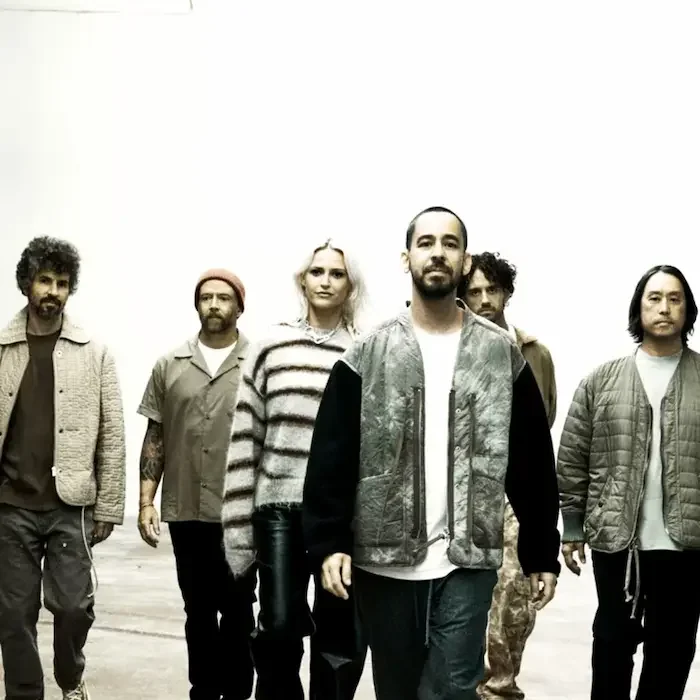
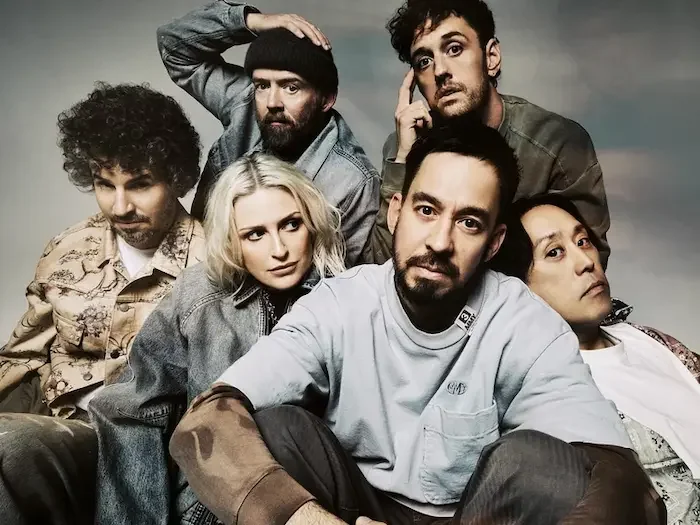
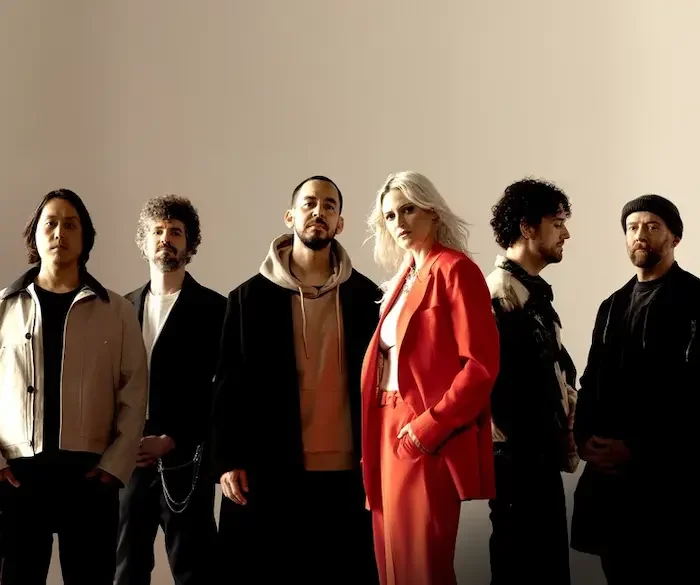
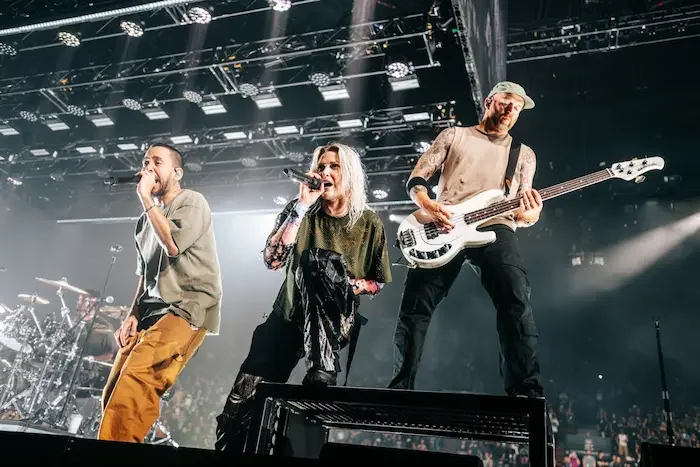
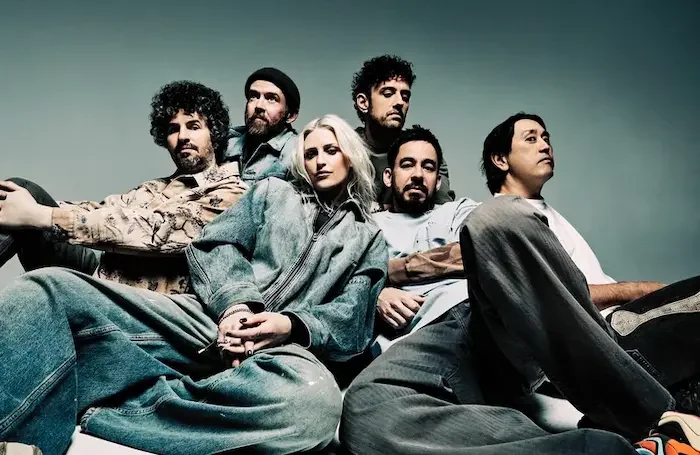
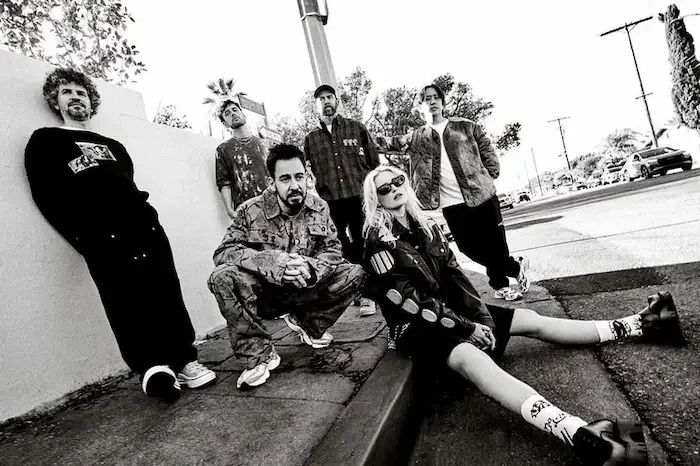
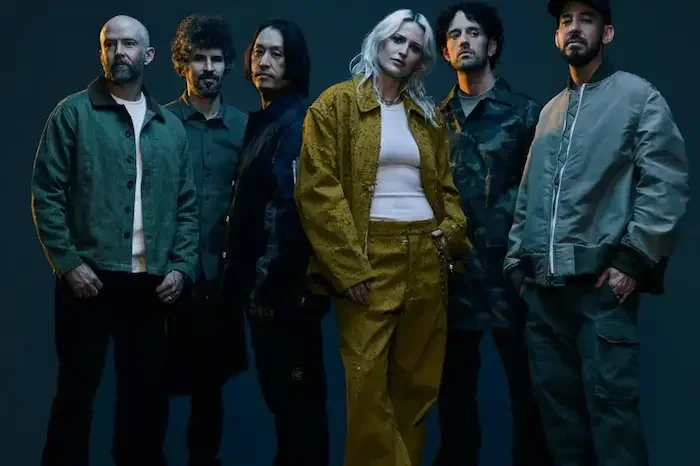
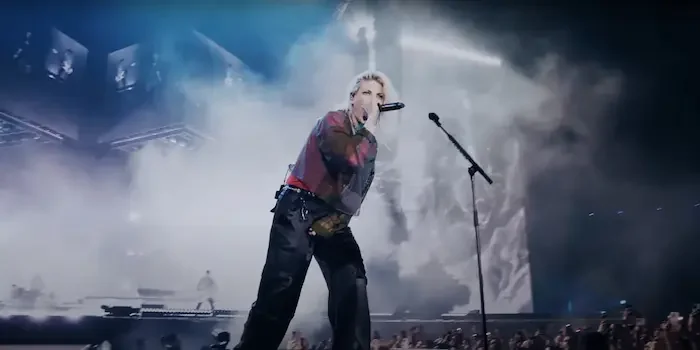
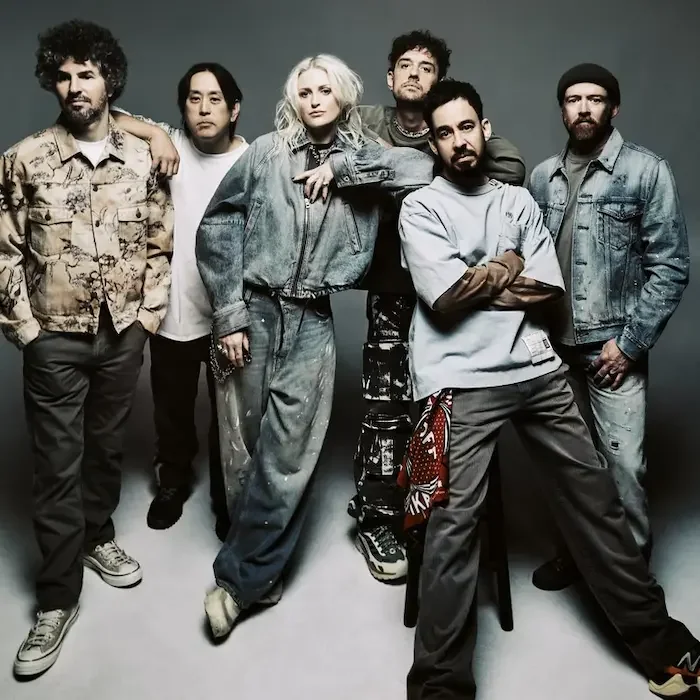
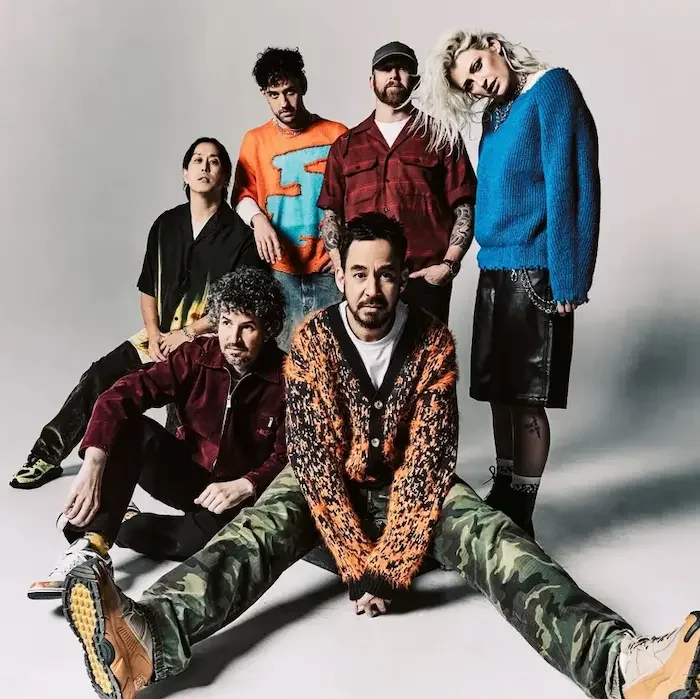
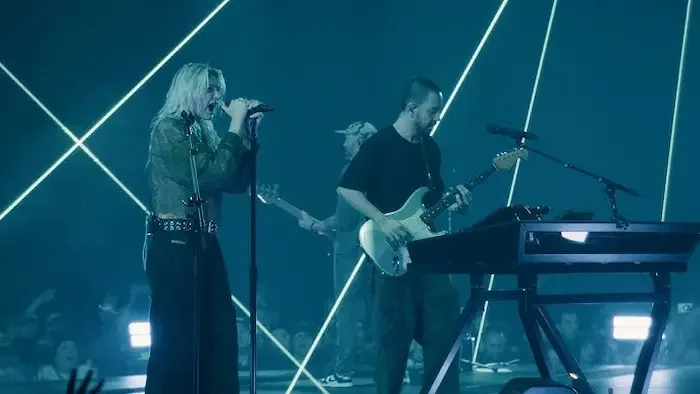
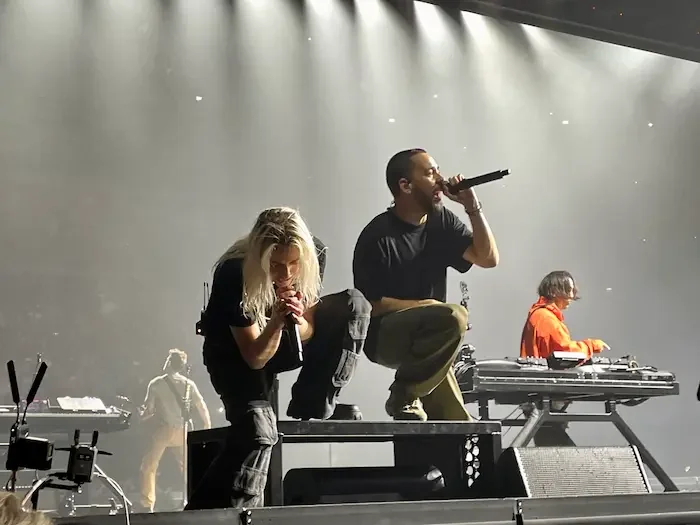
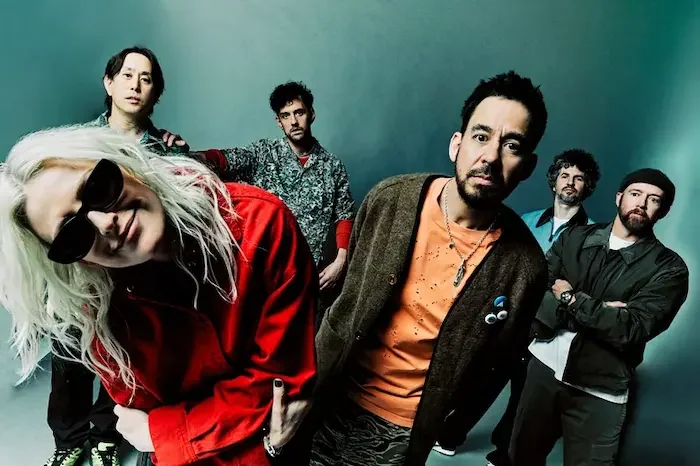
The return with From Zero opened an extremely delicate chapter. With Emily Armstrong and Colin Brittain, the band did not try to erase Chester or pretend continuity was automatic. What it did was return to the starting point: begin again knowing that nothing could be the same. “The Emptiness Machine,” “Heavy Is the Crown,” “Over Each Other” and the recent From Zero universe recover the tension between energy, melody and catharsis, but from another emotional configuration. Emily does not replace a wound; she enters into conversation with it. That difference matters when understanding the new era.
Linkin Park matters because it gave sonic shape to the furious vulnerability of a generation. Its legacy is not only in huge albums or sales numbers, but in having created a bridge between genres and emotions: rap and rock, electronics and metal, intimacy and stadium, rage and fragility. At its best, Linkin Park sounds like a door opening in the middle of the noise. And on the other side there is no perfect solution, but something just as powerful: the feeling that someone else understands exactly how it feels.
Main genre
ROCK
Main subgenres
Like a superfan's list — except verified, with sources and links.
20–Jun 28, 2026
Portugal
Past
10–Jun 14, 2026
Donington Park · United Kingdom
Past
05–Jun 07, 2026
Nürburg, Rheinland-Pfalz · Germany
PastWhat we managed to link to the concert archive. If a date is missing, tell us — happens to us too.
No linked concerts
Every concert and festival of the year, traced on the globe. Hit play and follow the route stop by stop.
Photos from the public archive.
Recent coverage linked to the artist.




Close by genre and social signal.
No related artists
When there is enough genre signal, they will appear here.