












Ranking
#85

Ranking
#85
Followers
84.3 M
Digital presence
Official profiles, streaming and discovery.
What a good fan recites by heart (or pretends to).
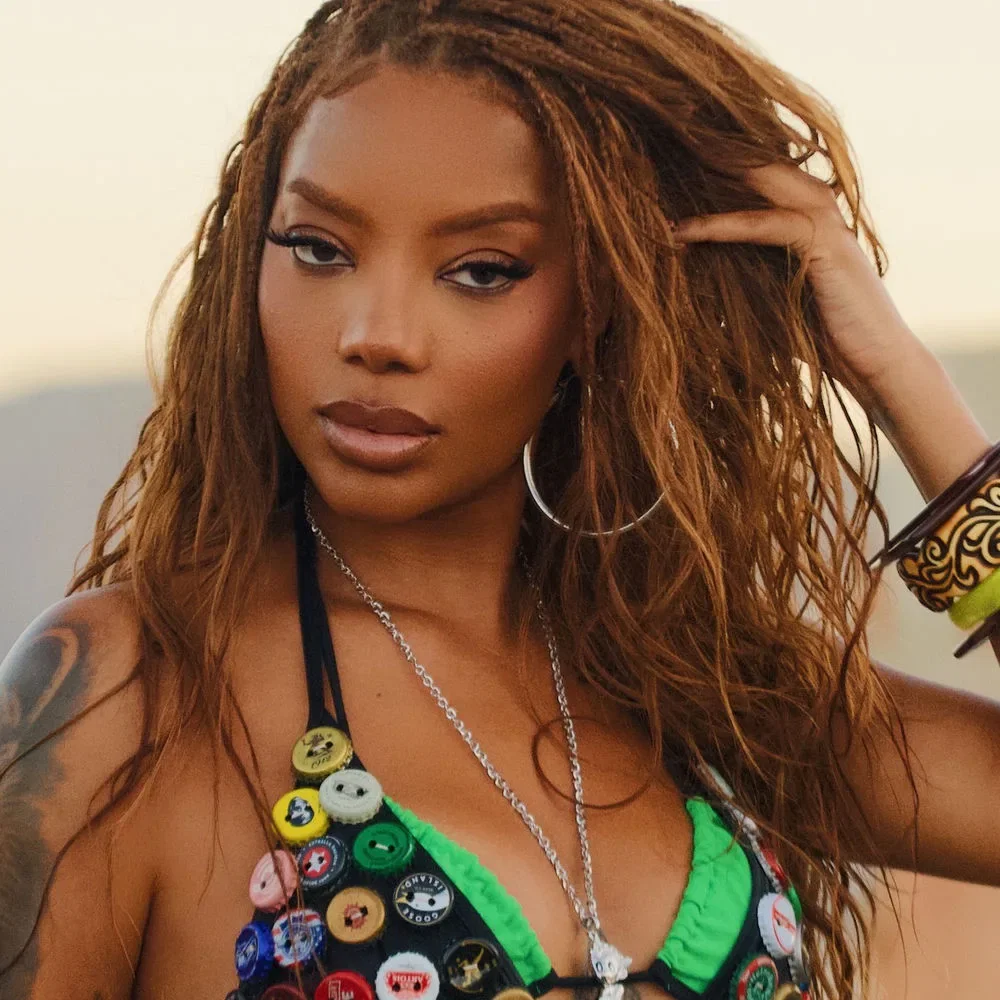
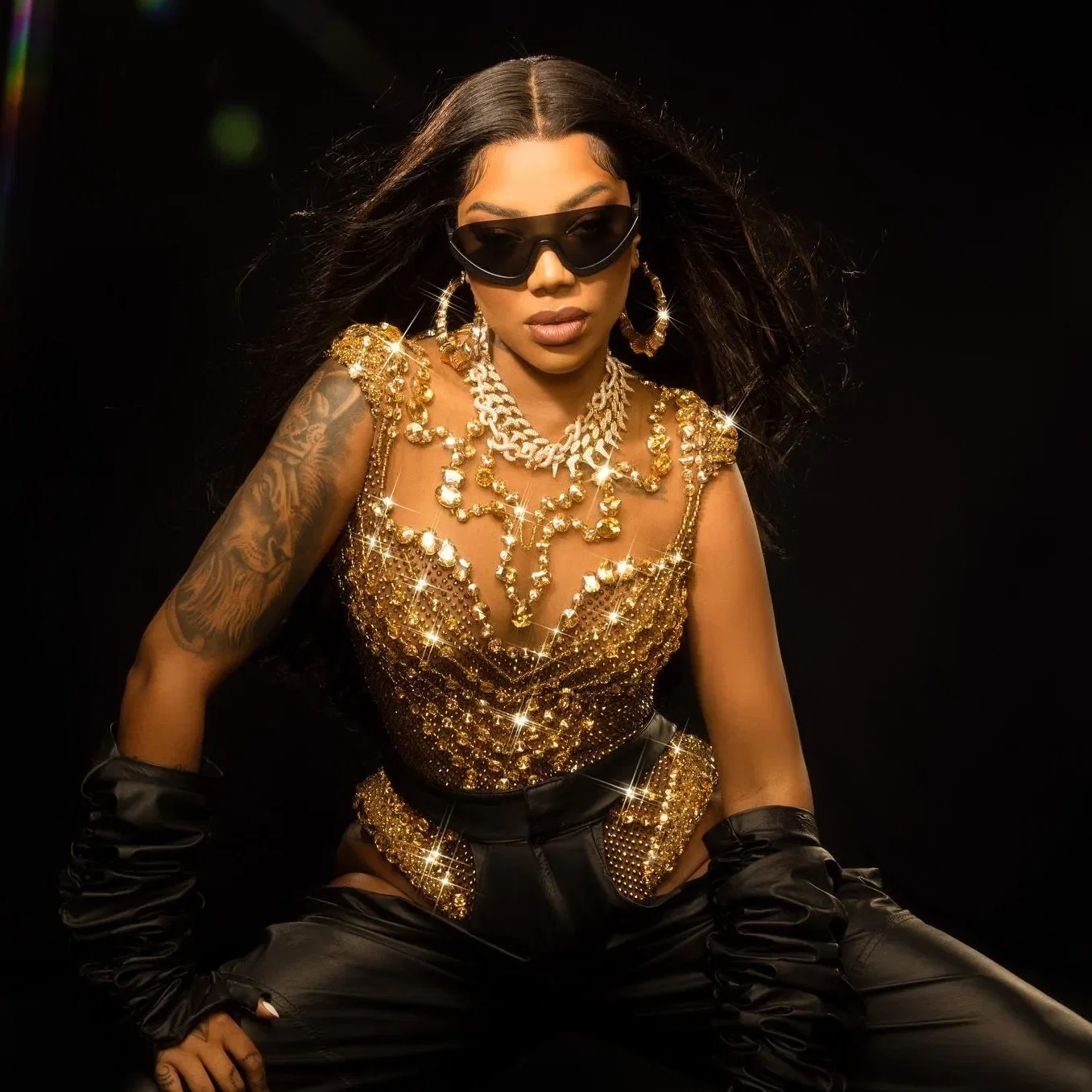
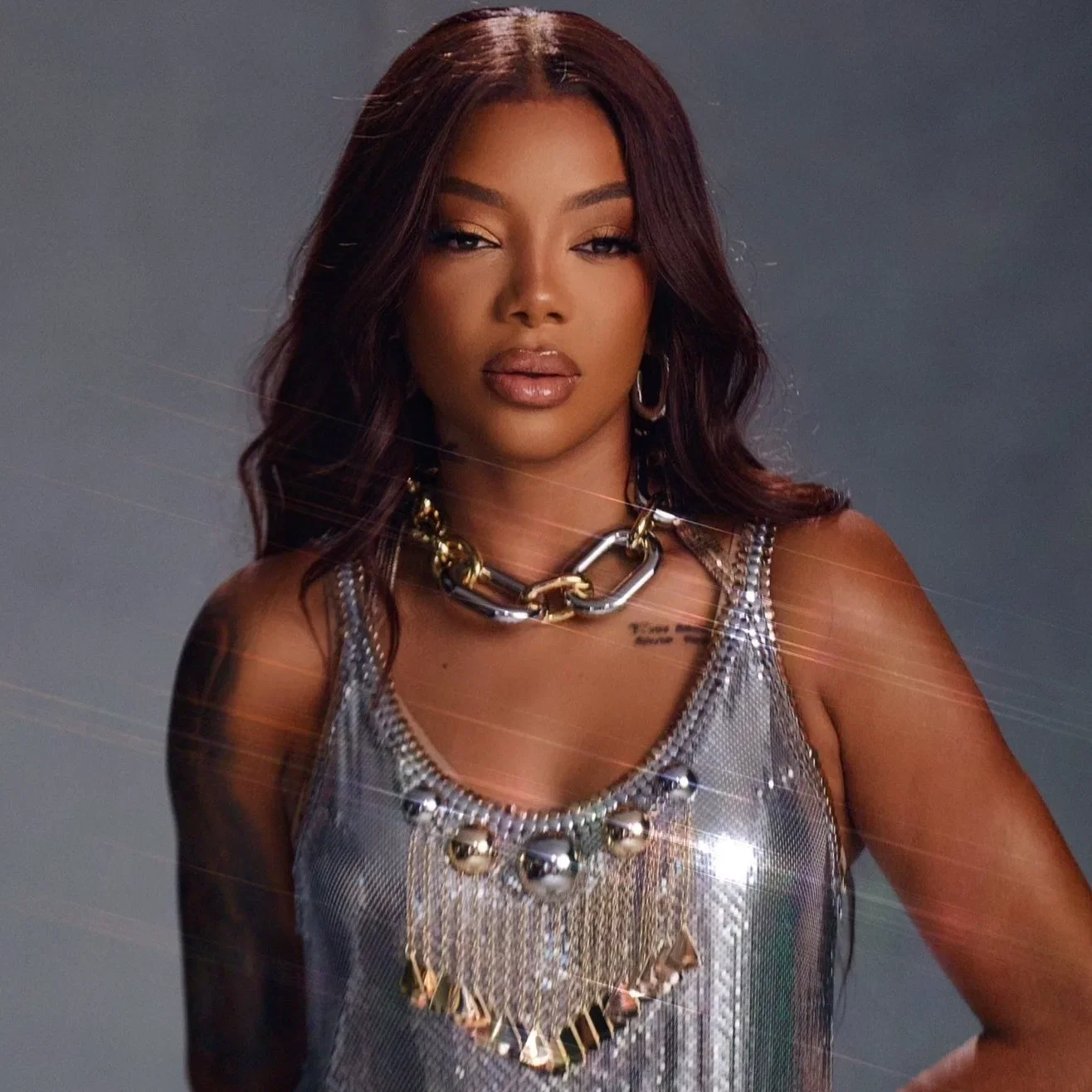
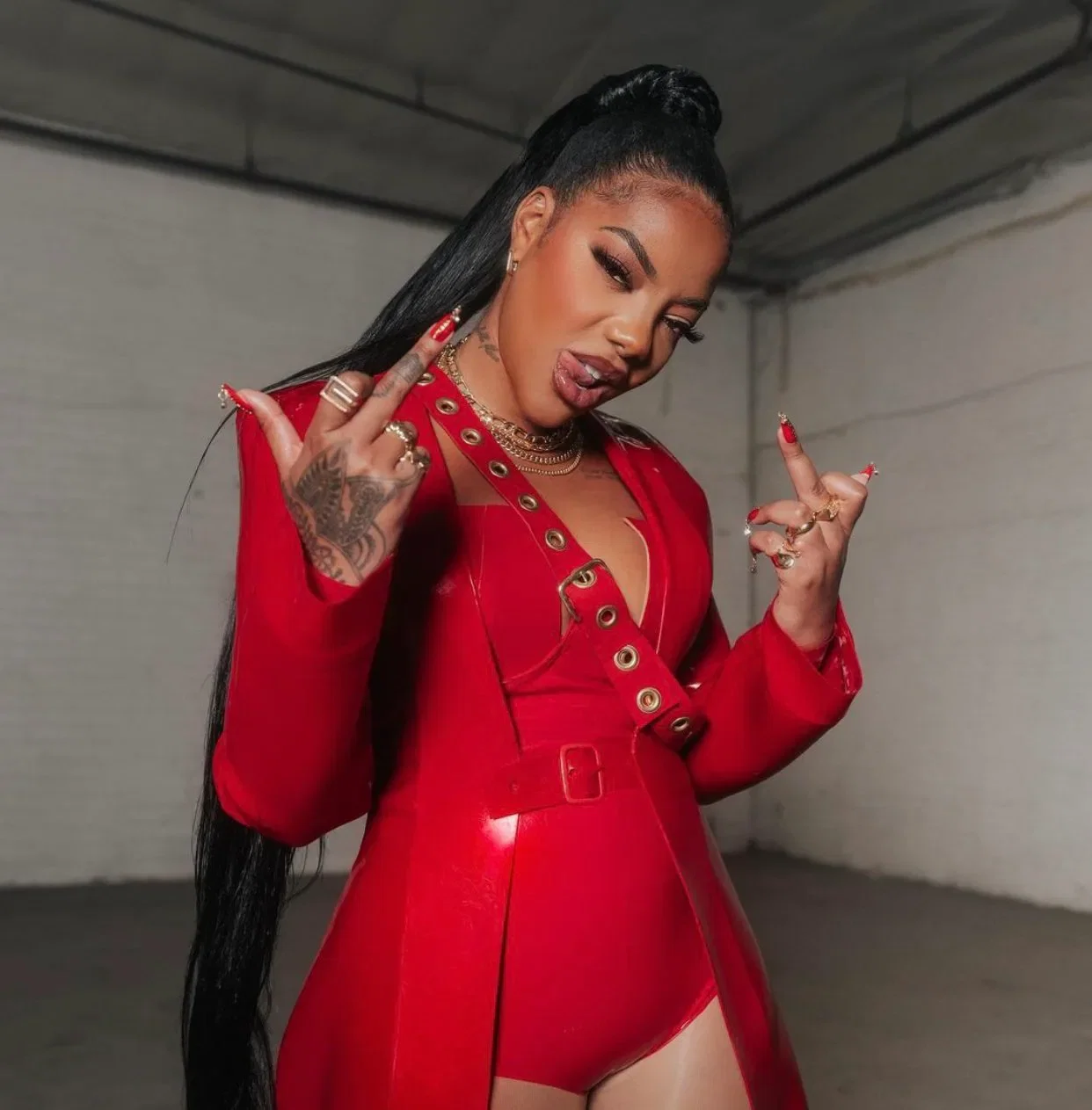
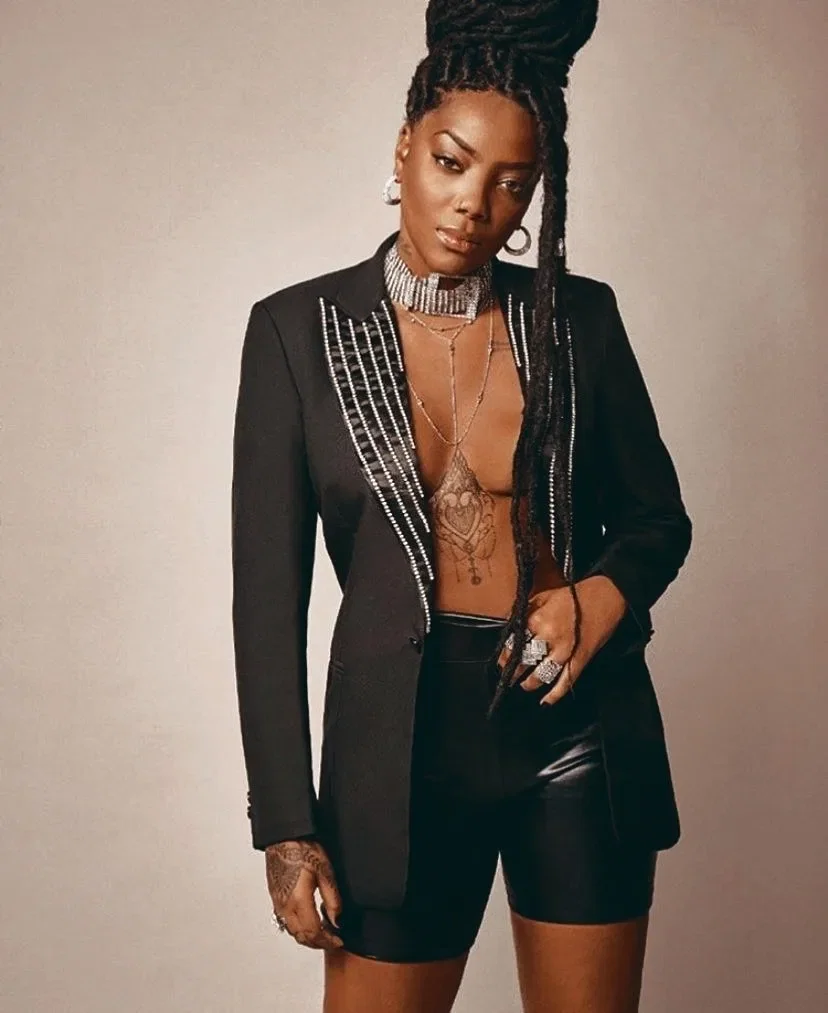
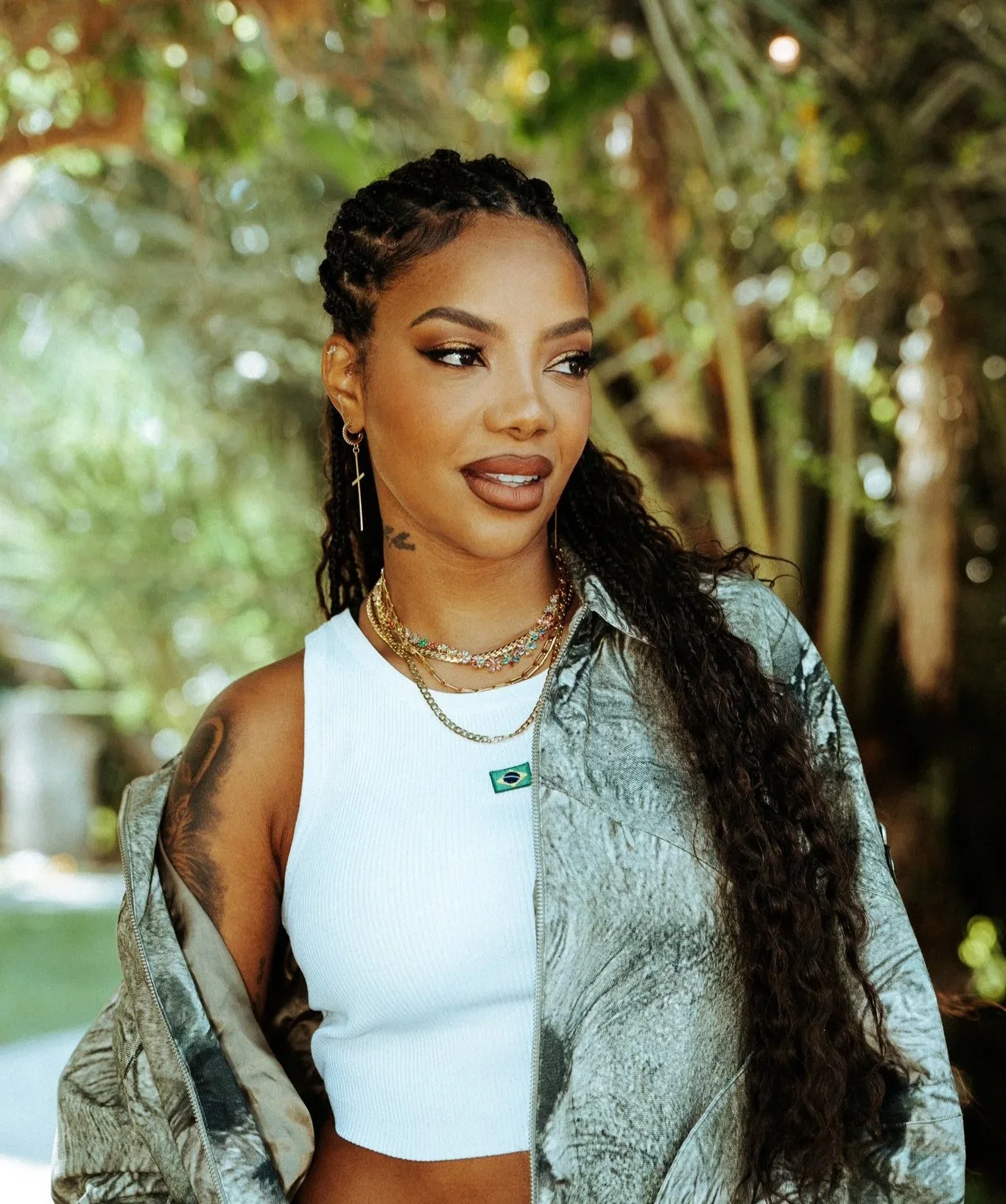
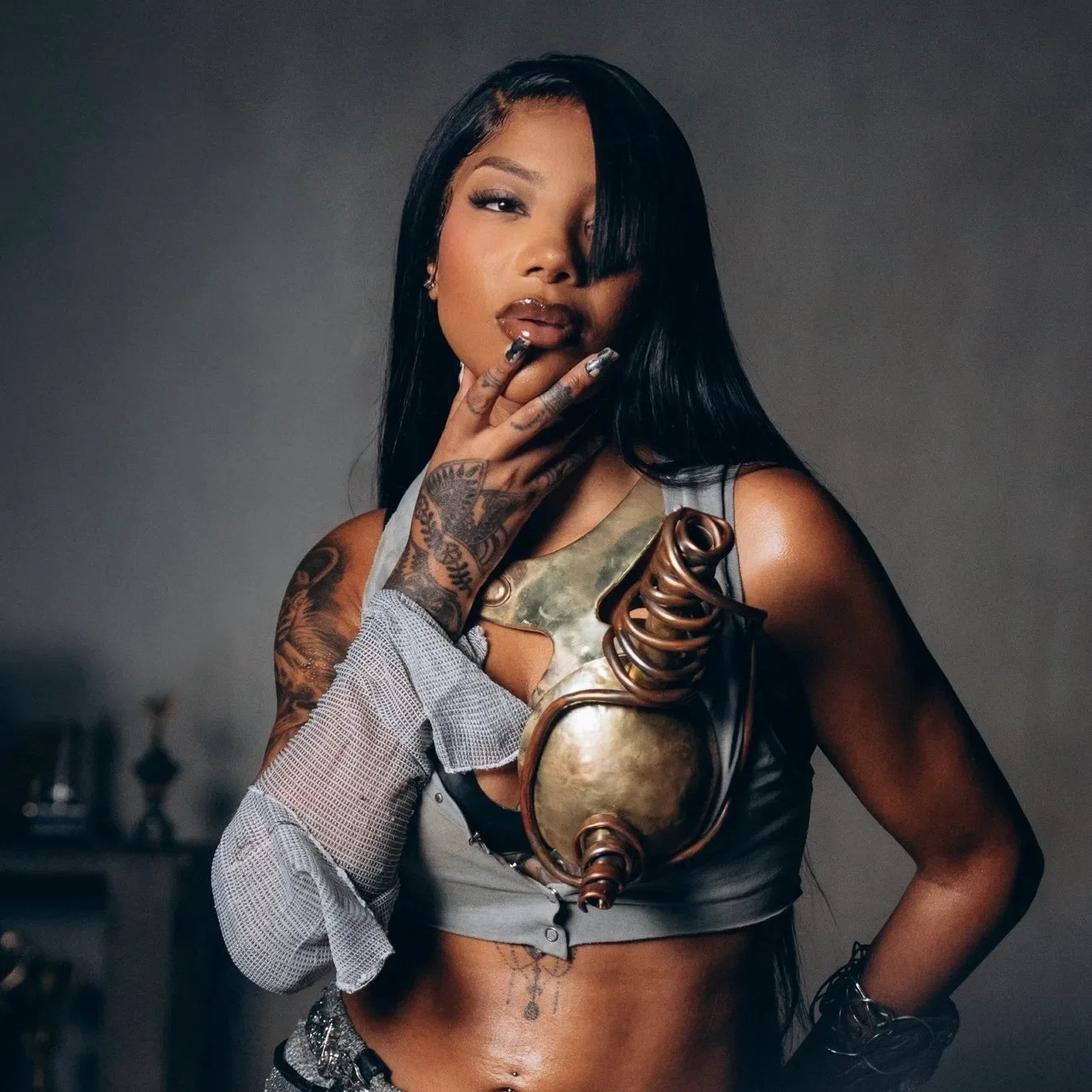
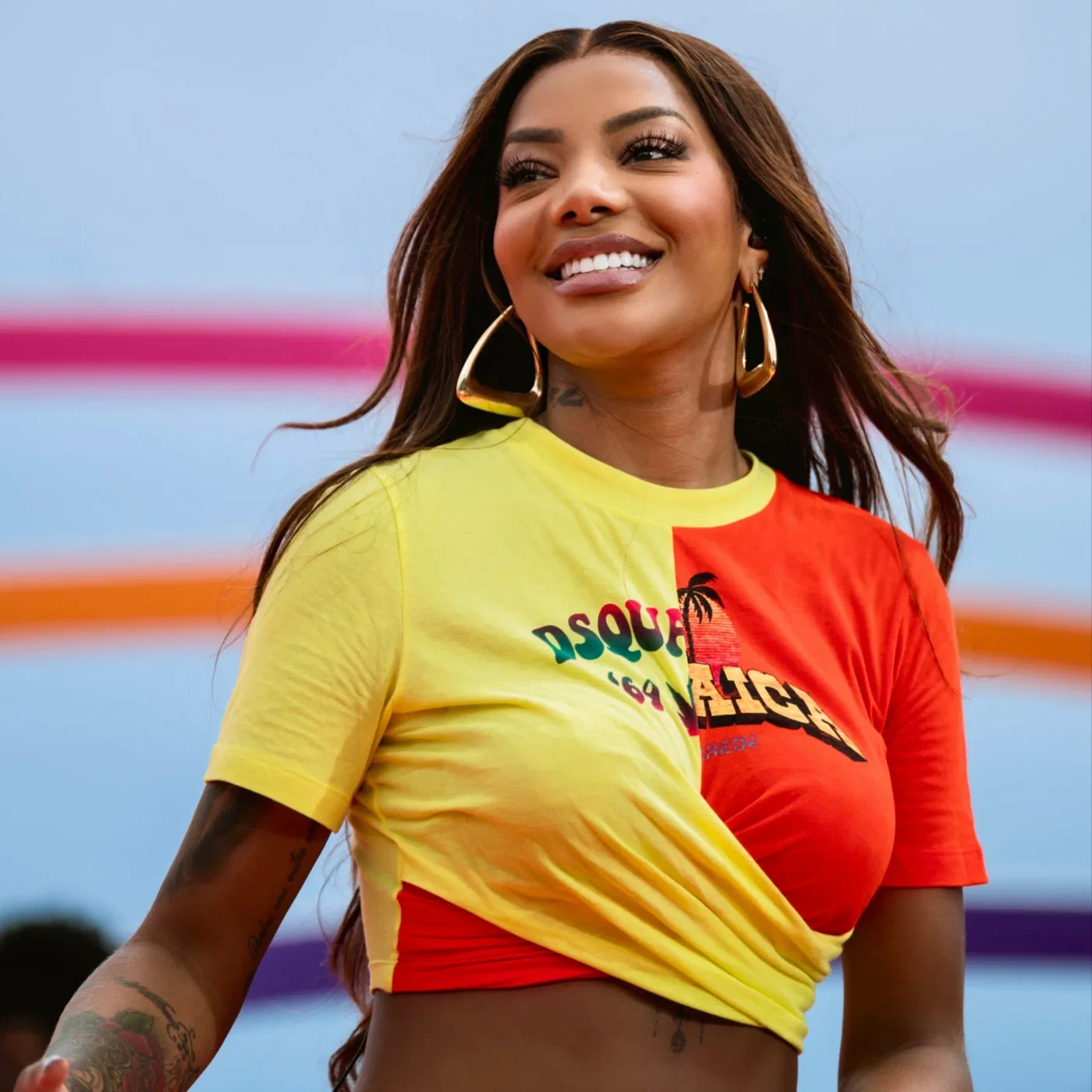
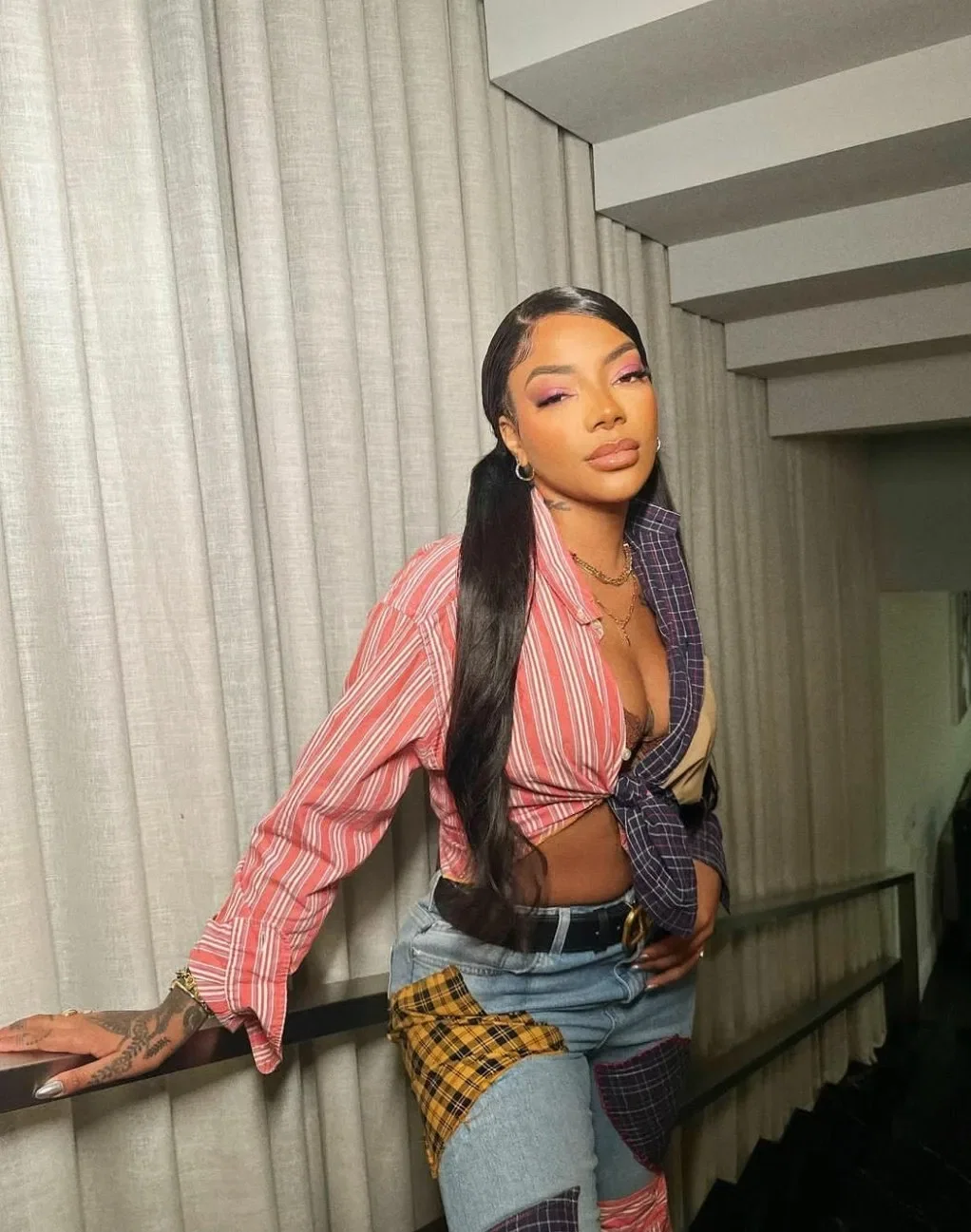
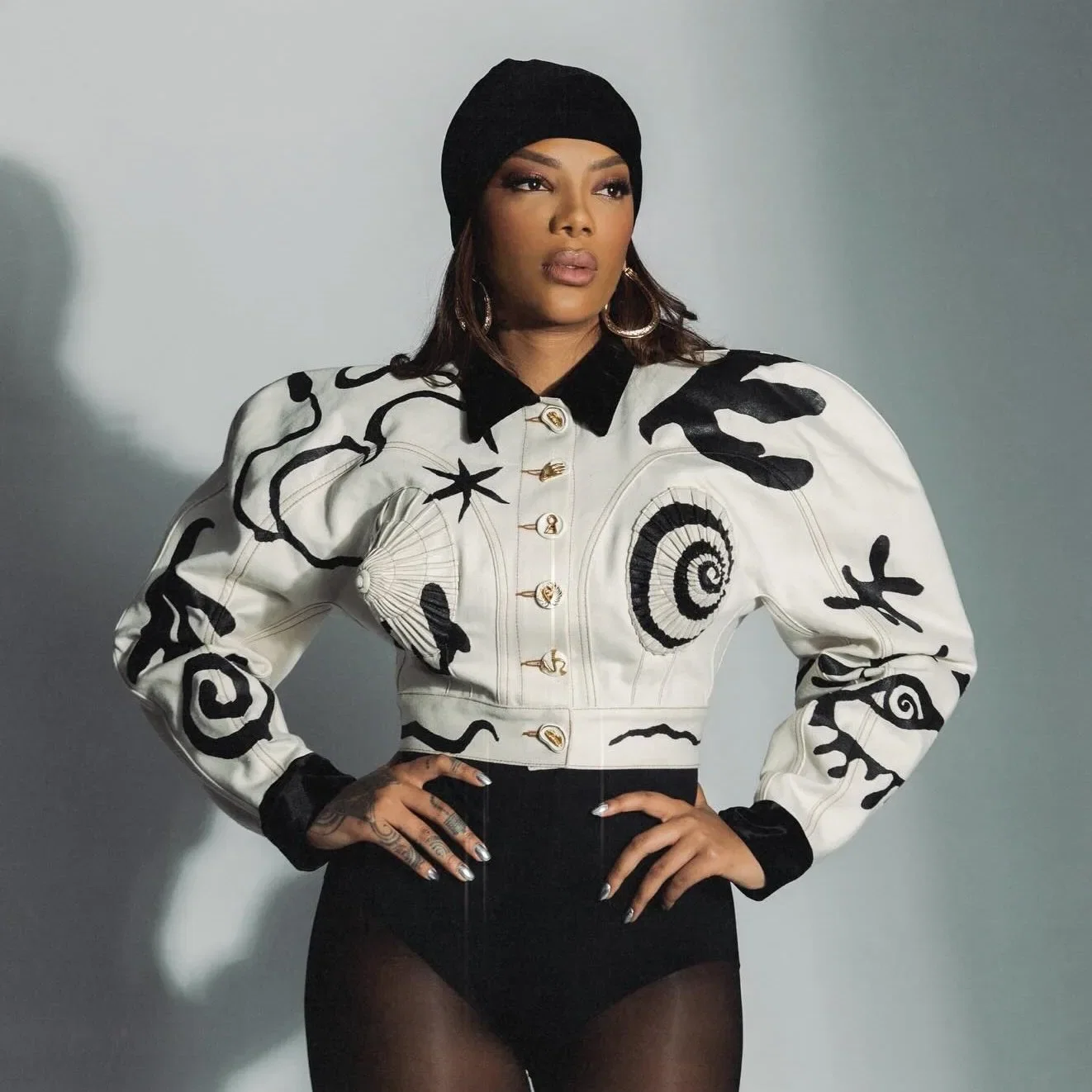
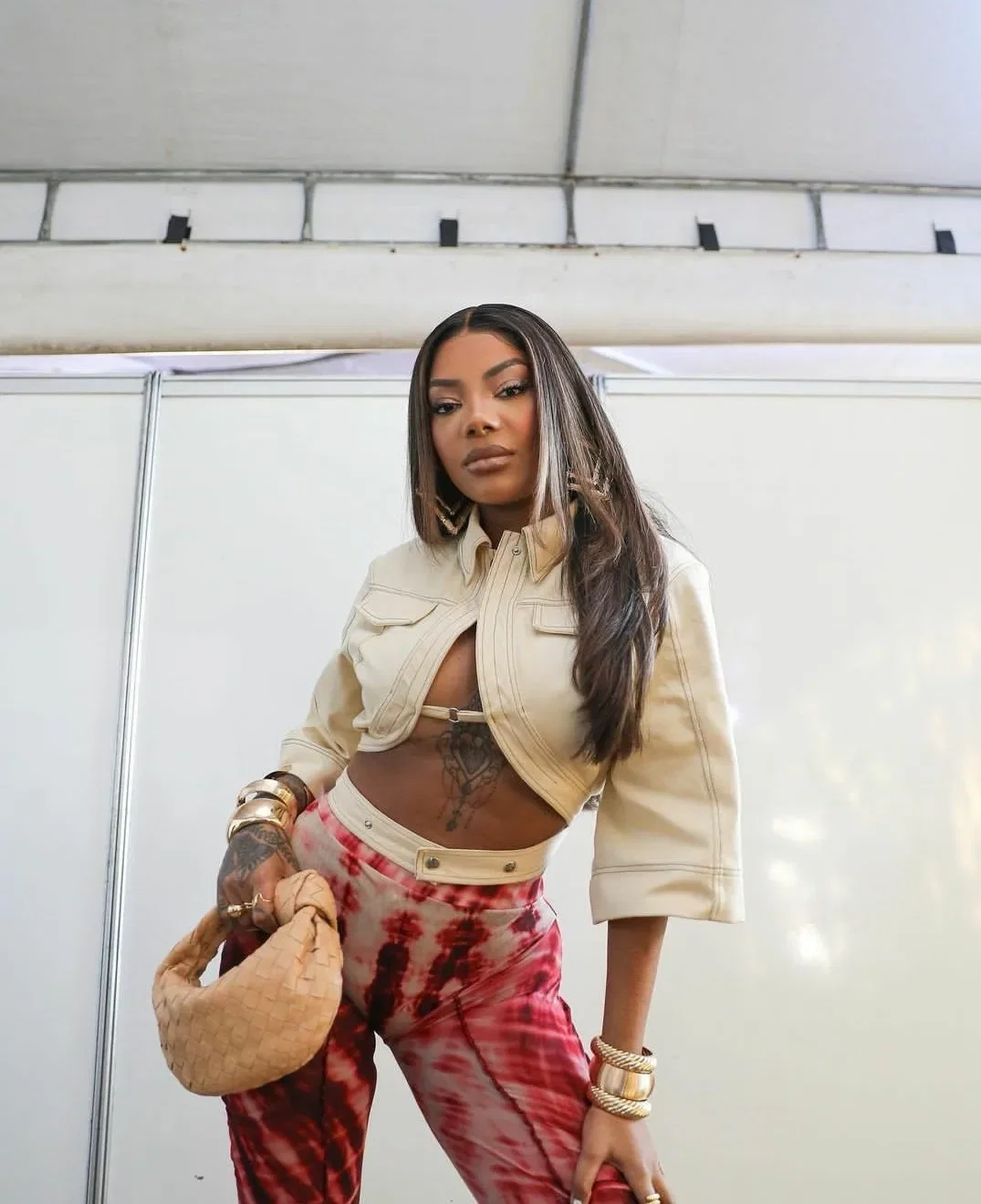
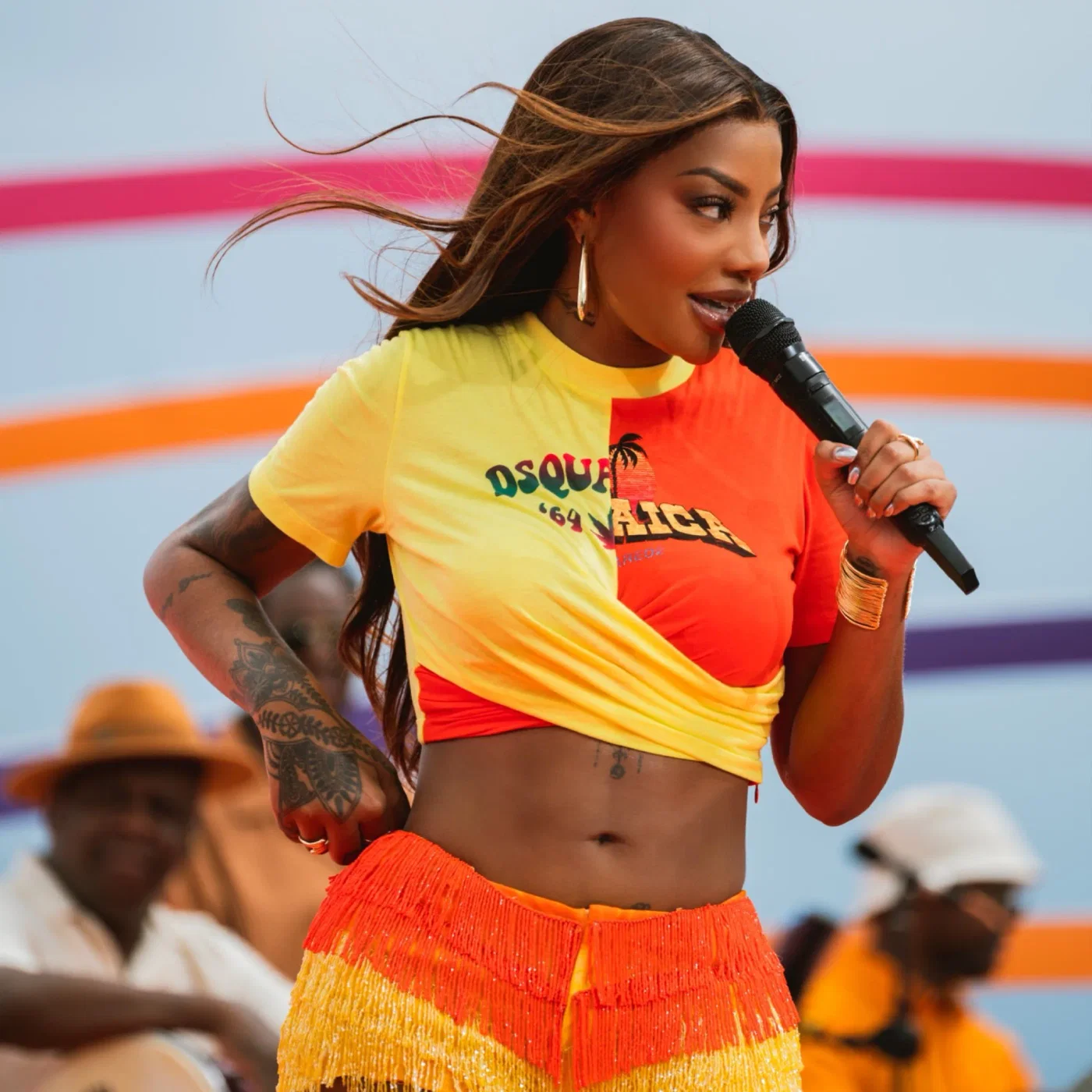
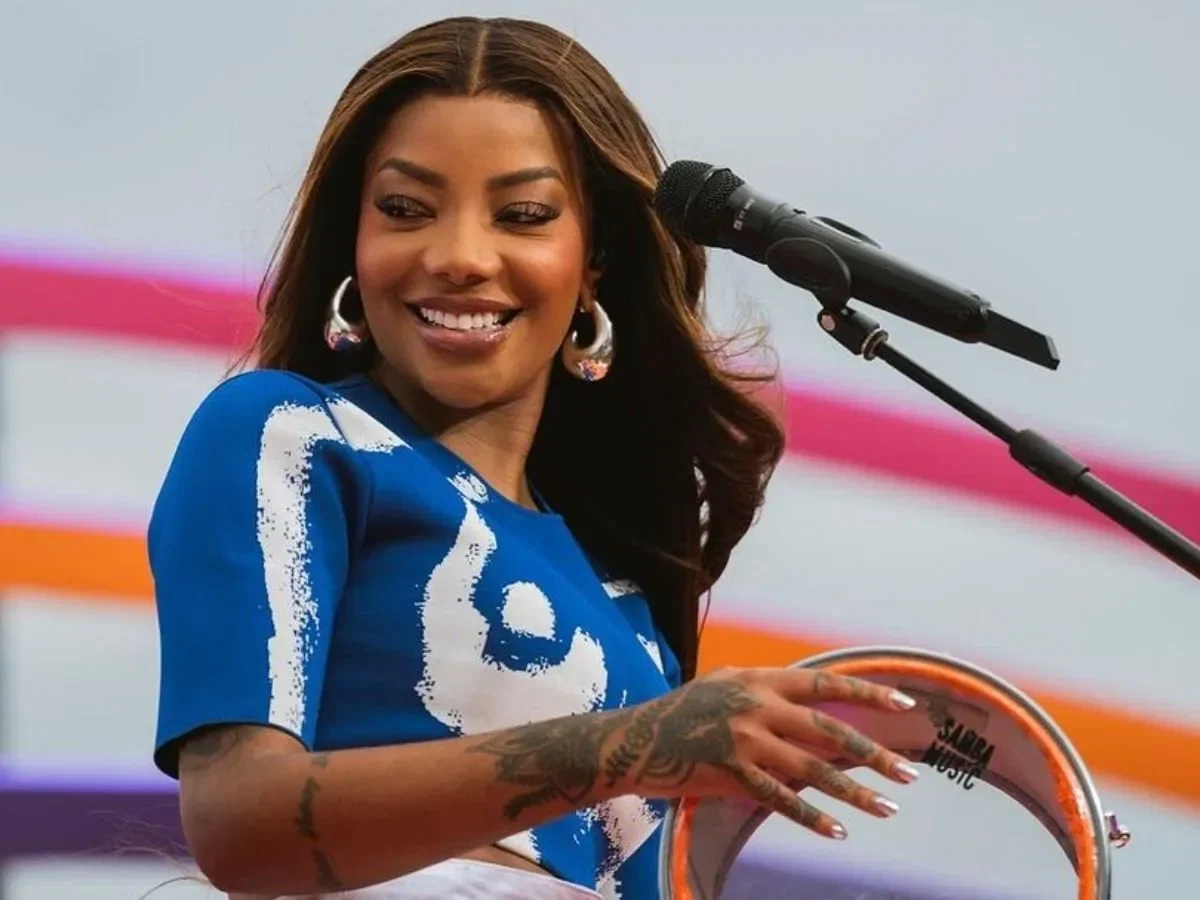
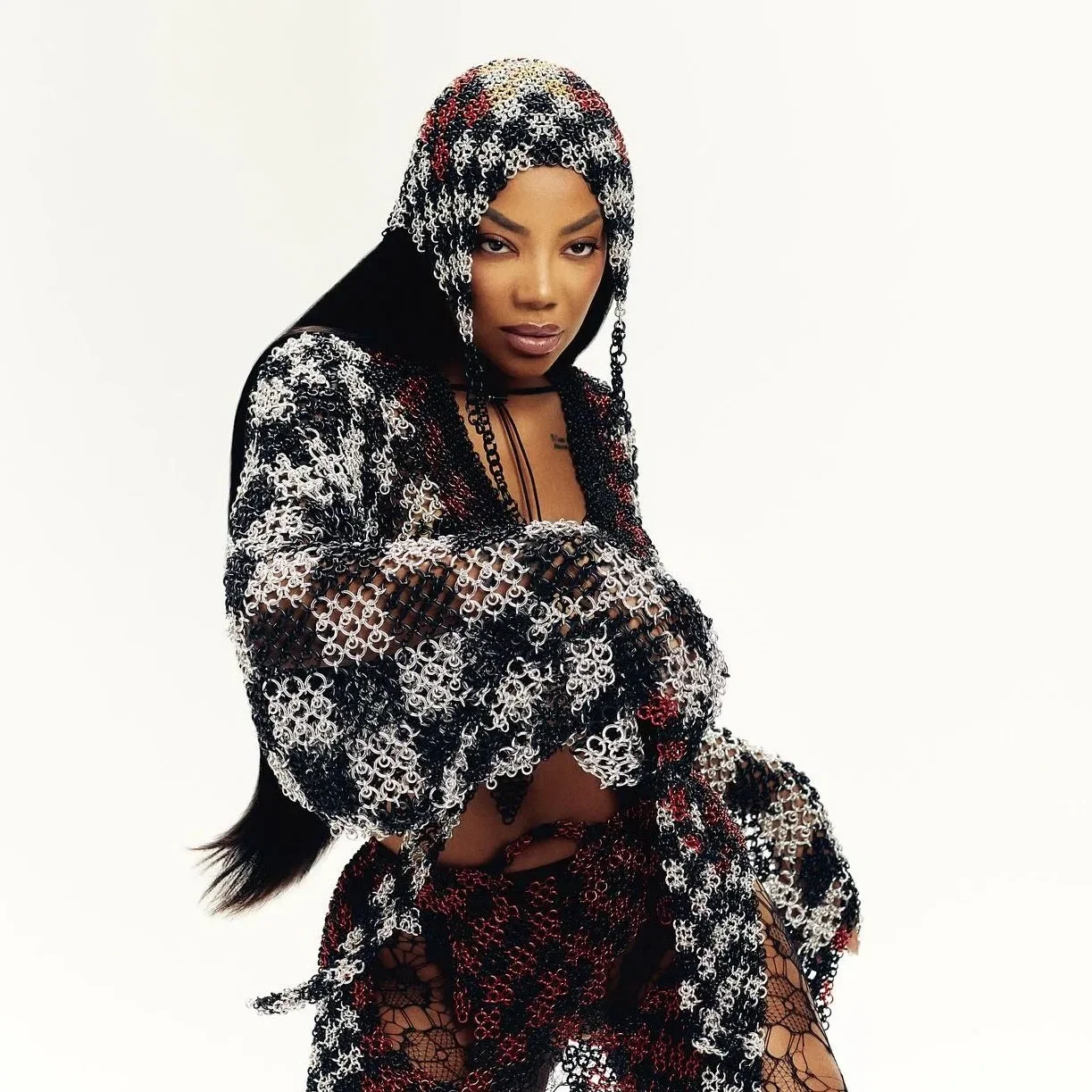
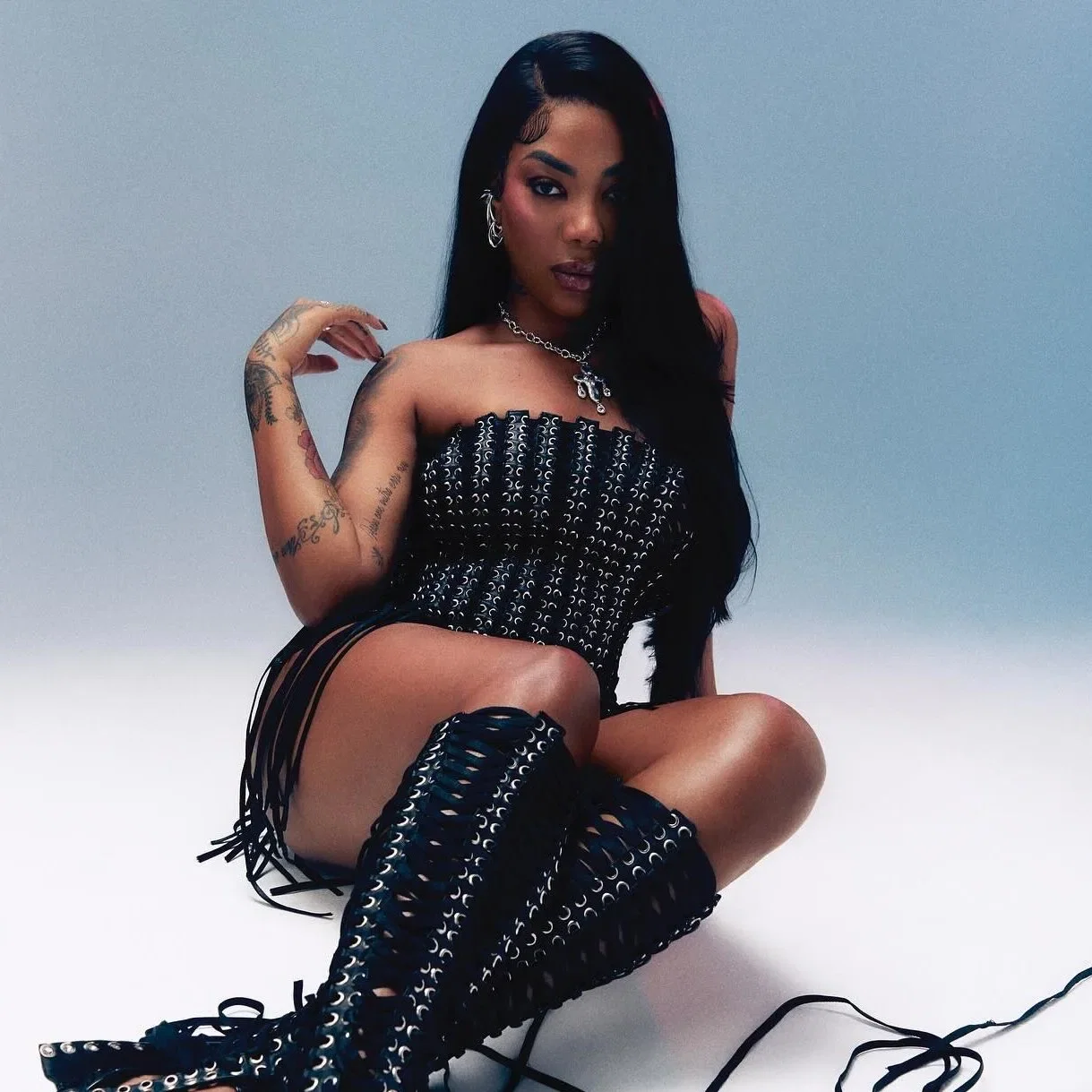
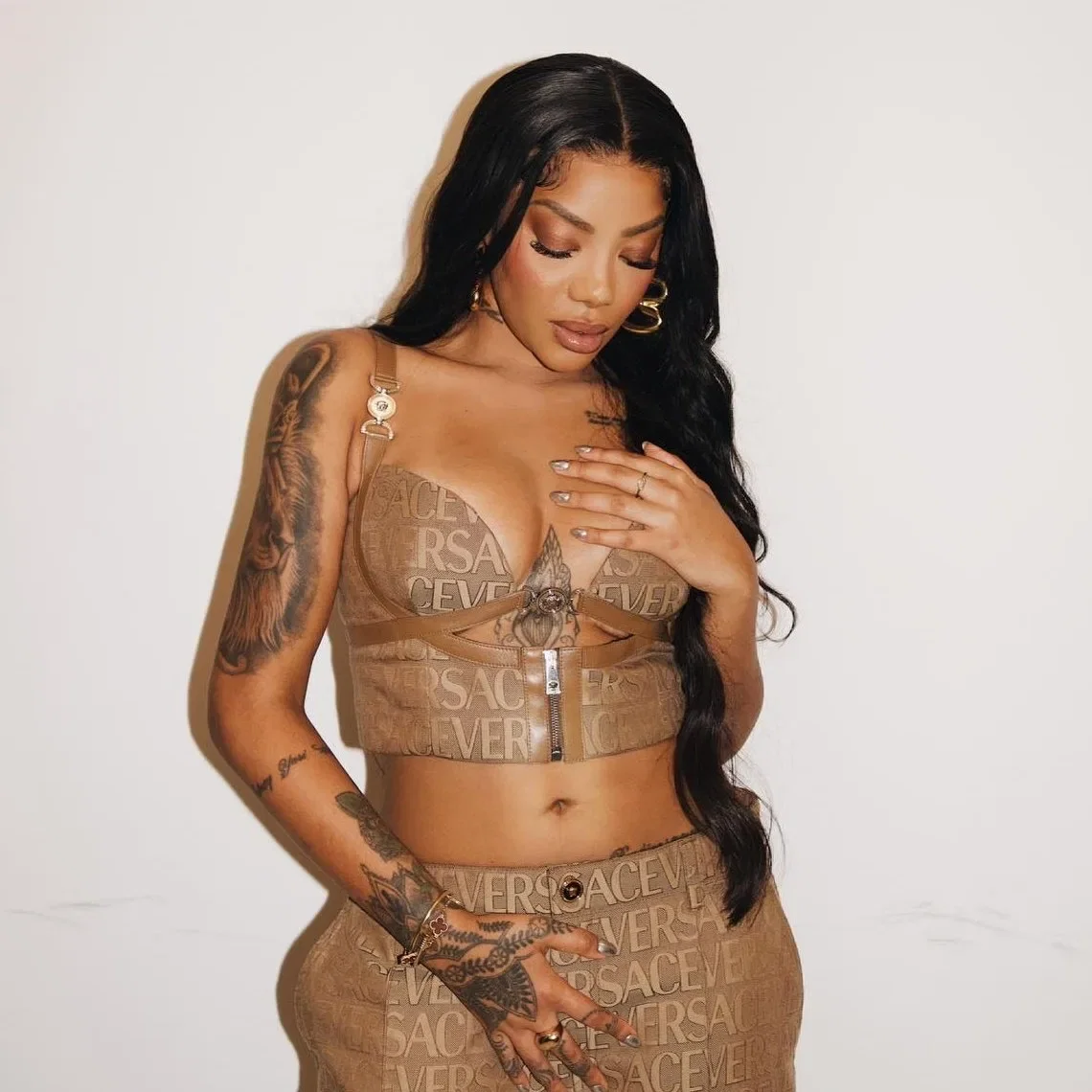
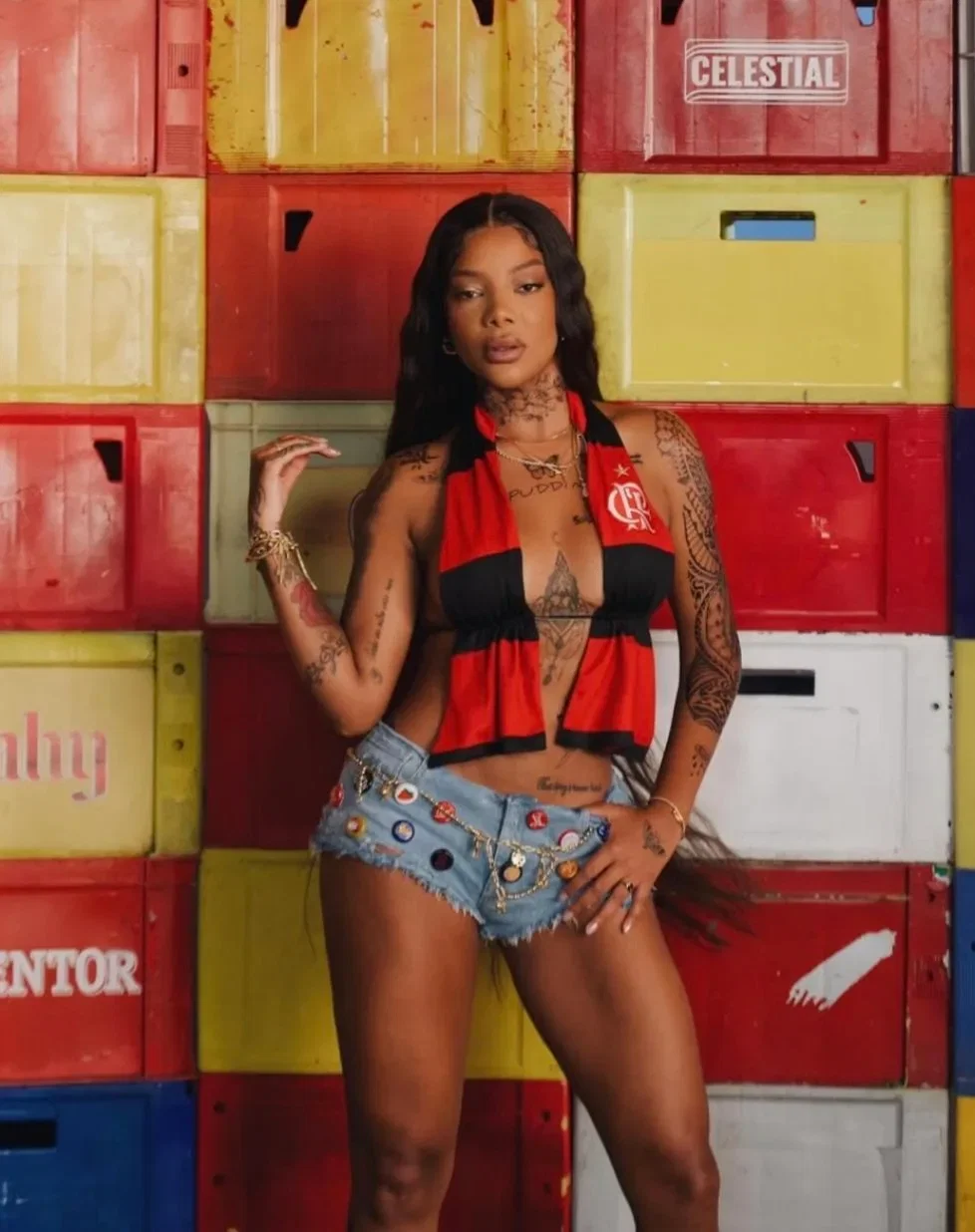
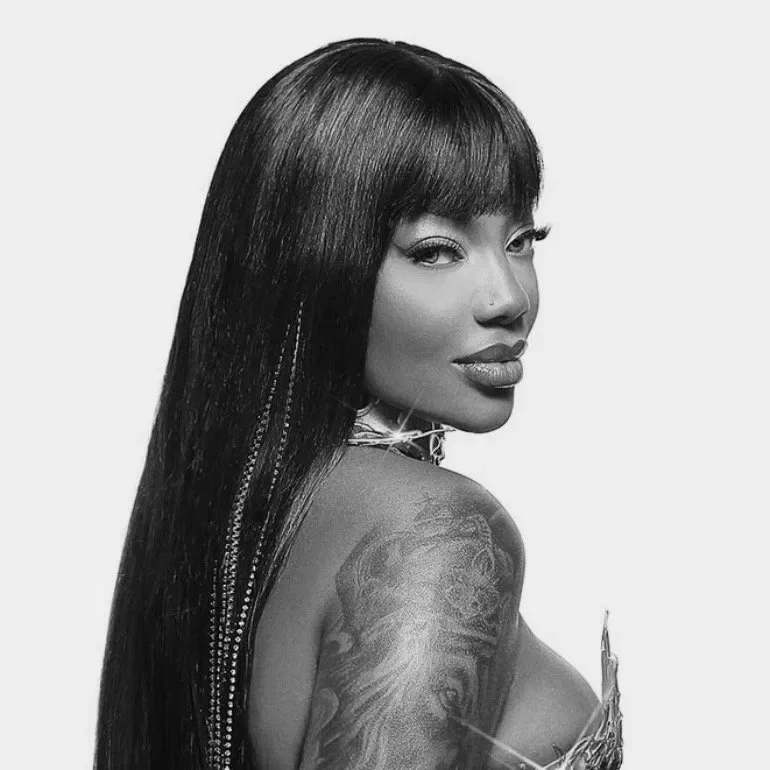
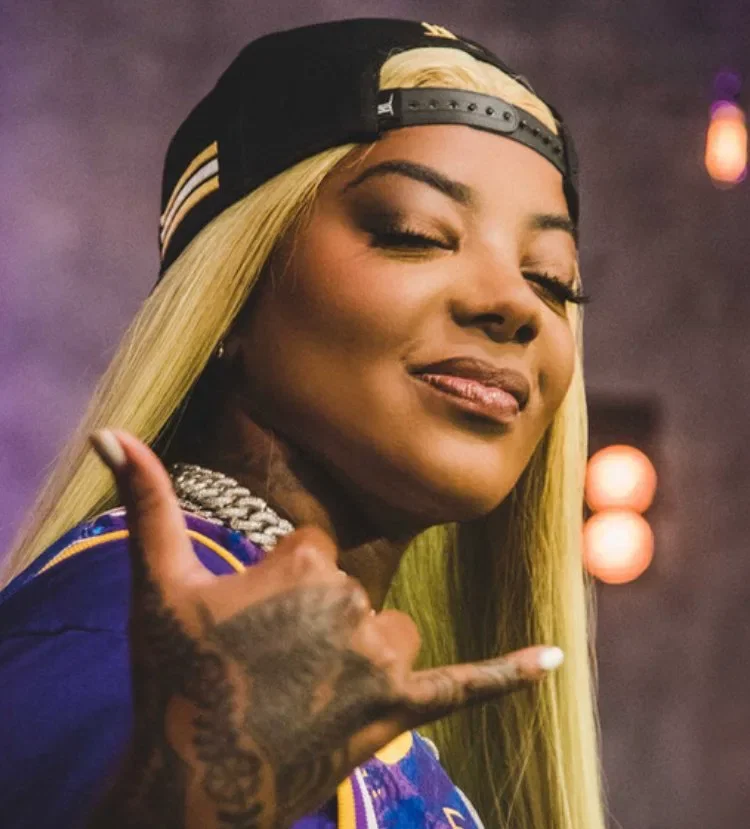
Ludmilla is one of the artists who best explains the strength, range, and ambition of contemporary Brazilian music. Her career began in funk carioca, but she never allowed herself to be trapped inside a single label. In her voice live dance energy, street attitude, pop instinct, pagode, R&B, Black pride, sensuality, humor, and a very direct way of speaking to her audience. Her story is not just a sequence of hits; it is a story of expansion, of an artist who started from a sound deeply tied to Rio de Janeiro and built a universe capable of moving through stadiums, global platforms, and different scenes without losing its roots.
Born in Rio de Janeiro and raised with a strong connection to Brazilian popular music, Ludmilla grew up close to pagode, spontaneous singing, and gatherings where music is not an accessory but a natural part of social life. That background helps explain why, even when she works with urban, pop, or electronic production, her music keeps a distinctly Brazilian physicality. Rhythm is never just support. It is the place where desire, celebration, identity, and community meet.
Her first public phase came under the name MC Beyoncé, a choice that already said a lot about her references and ambition. But the decisive point was “Fala Mal de Mim,” the song that went viral and placed her inside the funk carioca map. The track had the insolence, repetition, impact, and direct spirit that define Rio funk: music built to circulate fast, to hit the baile, to be shouted without permission, and to turn a phrase into a collective cry. From the beginning, Ludmilla understood something essential: popular music does not need to be complicated to be powerful; it needs pulse, attitude, and truth.
The shift from MC Beyoncé to Ludmilla was more than a name change. It was the beginning of a broader artistic identity. Under her own name, she started building a career that could grow beyond early virality and beyond the expected boundaries of funk. Hoje opened that new phase with songs that connected dance, radio pop, and a more polished visual language. Ludmilla did not abandon the street, but she began to show that she could carry that energy into other formats: television, large stages, pop-styled videos, and a wider conversation within the Brazilian music industry.
A Danada Sou Eu reinforced that frontal personality. The title itself works almost like a declaration: an artist who does not ask permission to take space. During that phase, Ludmilla consolidated a way of singing that mixes confidence, charisma, and mischief. She can sound defiant without losing fun, romantic without losing character, sensual without becoming decorative. Her voice has a clear presence. It does not hide behind production, but it also does not fight the beat. She rides it, pushes it, and turns it into part of her own stage body.
One key to her evolution is that Ludmilla did not settle for being only a representative of funk carioca, even though that origin remains essential. Over time, she opened space for pop, R&B, trap, pagode, and collaborations that allowed her to move through different audiences. That versatility does not feel like opportunism; it feels like the natural expansion of someone who grew up hearing and living Brazilian music from many angles. In her work, pagode does not appear as a costume or calculated nostalgia. It appears as emotional memory: backyard gatherings, roda, family, friendship, and shared singing.
The Numanice project is one of the most important chapters of her career because it revealed another kind of depth. There, Ludmilla entered pagode fully, with respect, ease, and her own personality. The idea was not simply to “try another genre,” but to create a different emotional space inside her work. Numanice carries the feel of a gathering, a long Sunday, people singing together, and songs learned through living with them. With Numanice #2, that side of her artistry received major recognition and confirmed that Ludmilla could be massive without depending only on funk or urban pop.
Her importance is also tied to representation. Ludmilla is a Black Brazilian woman occupying high-visibility spaces in an industry where that position has not always been easily granted. Her presence goes beyond music. It carries cultural, racial, and symbolic weight. In Brazil, where Black music supports so much of popular identity but does not always receive equal institutional recognition, her success matters beyond entertainment. Ludmilla represents talent, but also insistence, visibility, and the right to stand at the center.
Live, her power becomes immediately clear. Ludmilla does not work like a distant artist; her energy comes from direct connection. She can move a show toward heavy dance, sentimental pagode, or big pop without making the audience feel a rupture. Her concerts carry a blend of celebration and command: choreography, voice, attitude, massive choruses, and a very Brazilian relationship with audience participation. It is not only about watching; it is about joining the roda, singing, answering back, and becoming part of the moment.
Ludmilla’s legacy lies in turning her origin into a platform rather than a limit. From funk carioca to pagode, from viral hit to Latin Grammy, from emerging artist to central figure in Brazilian music, her trajectory shows how a career can grow without erasing the neighborhood, the dance floor, or the identity that made it possible. At her best, Ludmilla sounds like Rio speaking loudly: intense, rhythmic, sensual, proud, popular, and charged with that “cheguei” energy that does not ask permission because it knows it has already earned its place.
Main genre
LATIN
Main subgenres
Like a superfan's list — except verified, with sources and links.
03–Jul 05, 2026
Portimão, Algarve · Portugal
Past
13–Sep 22, 2024
Rio de Janeiro, Rio de Janeiro · Brazil
Past
19–Apr 21, 2024
Indio, California · United States
Past12–Apr 14, 2024
Indio, California · United States
Past
24–Mar 26, 2023
São Paulo, São Paulo · Brazil
Past02–Sep 11, 2022
Rio de Janeiro, Rio de Janeiro · Brazil
PastSep 27 – Oct 06, 2019
Rio de Janeiro, Rio de Janeiro · Brazil
PastWhat we managed to link to the concert archive. If a date is missing, tell us — happens to us too.
No linked concerts
Every concert and festival of the year, traced on the globe. Hit play and follow the route stop by stop.
Photos from the public archive.
Close by genre and social signal.
No related artists
When there is enough genre signal, they will appear here.