Ranking
#39

Ranking
#39
Followers
147.5 M
Digital presence
Official profiles, streaming and discovery.
What a good fan recites by heart (or pretends to).
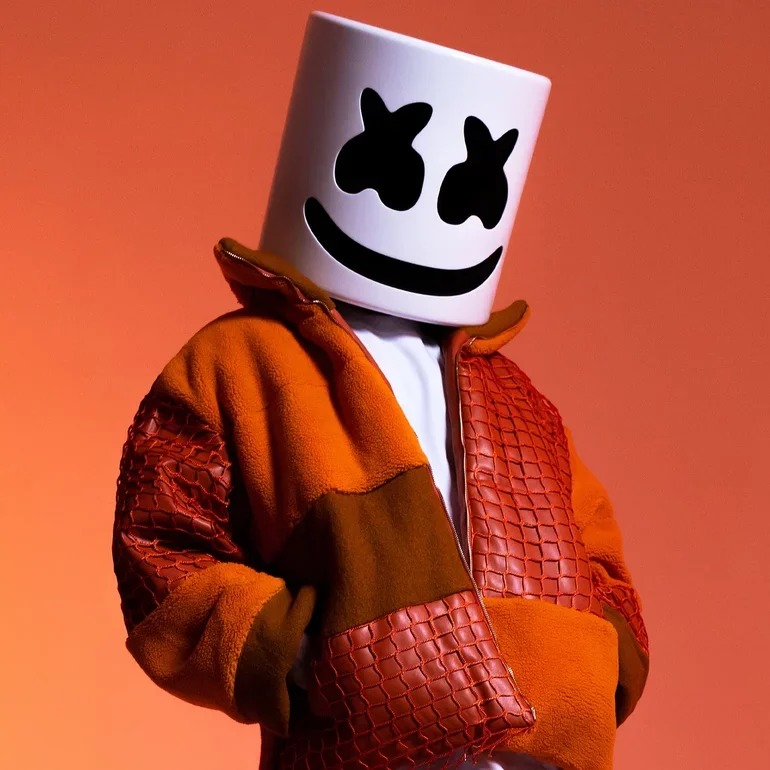
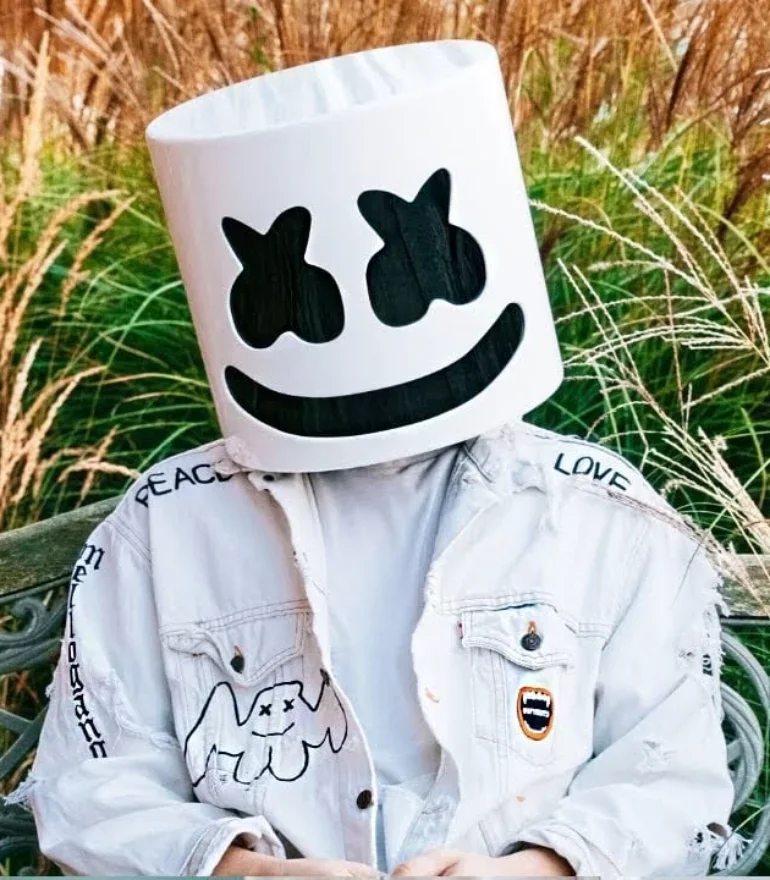
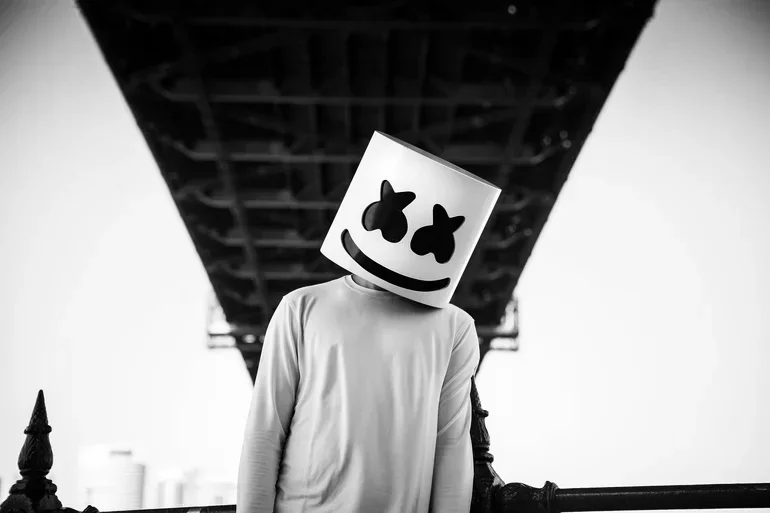
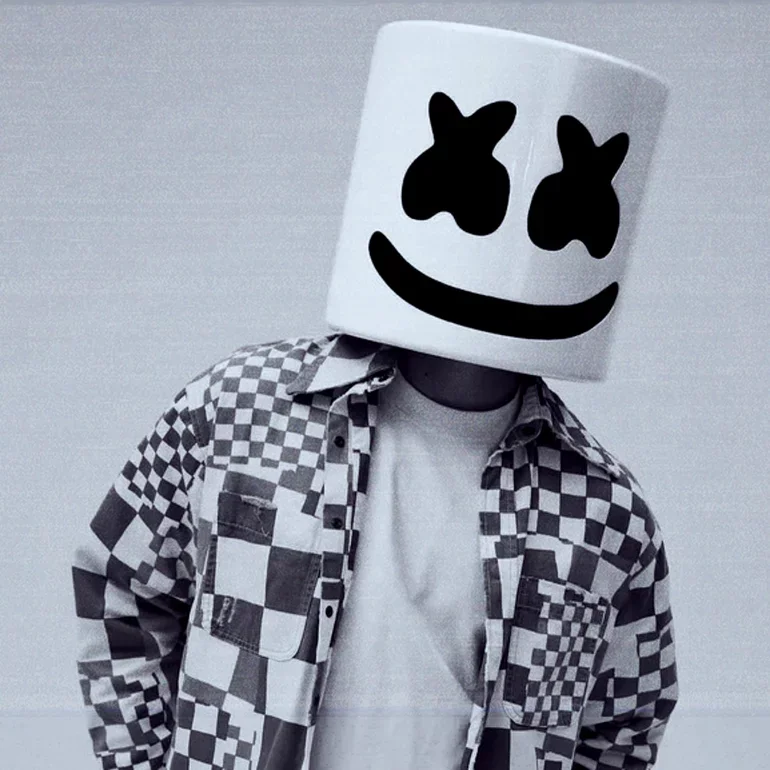
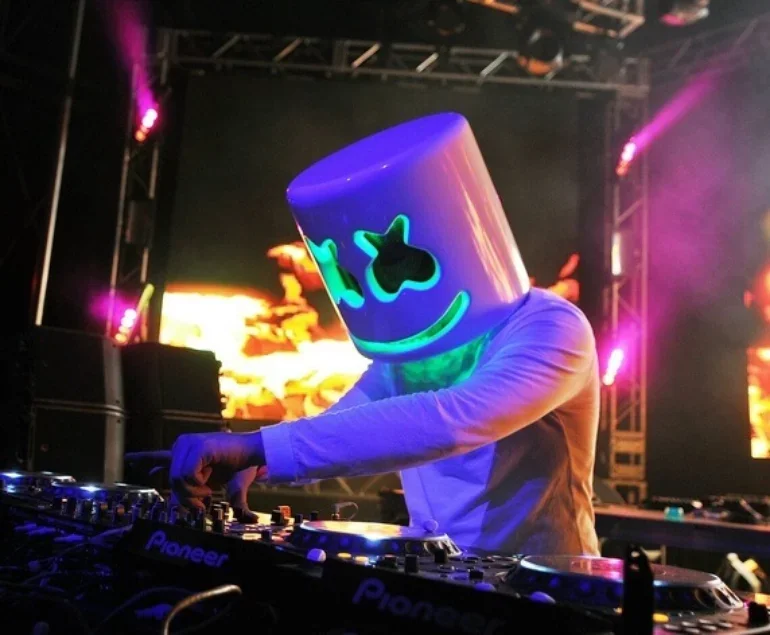
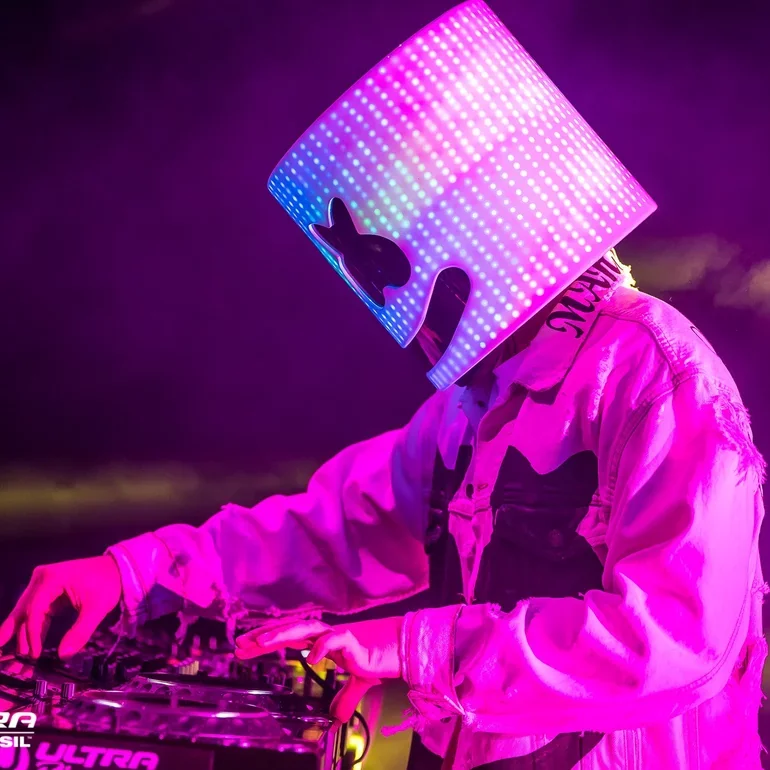
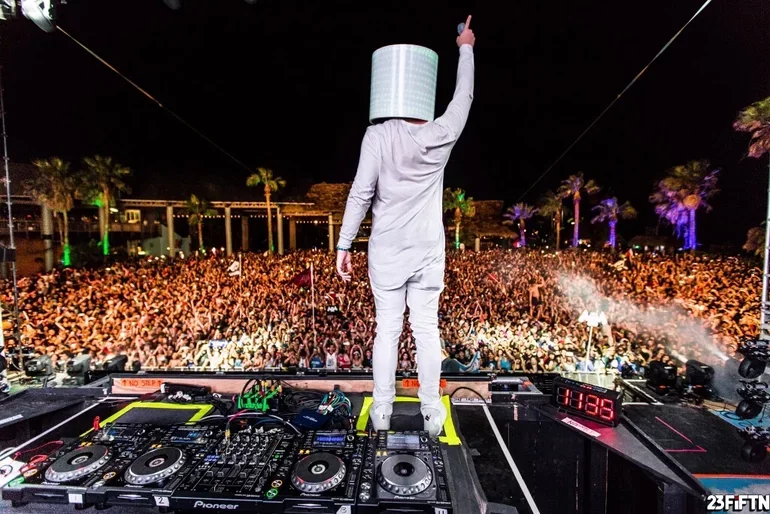
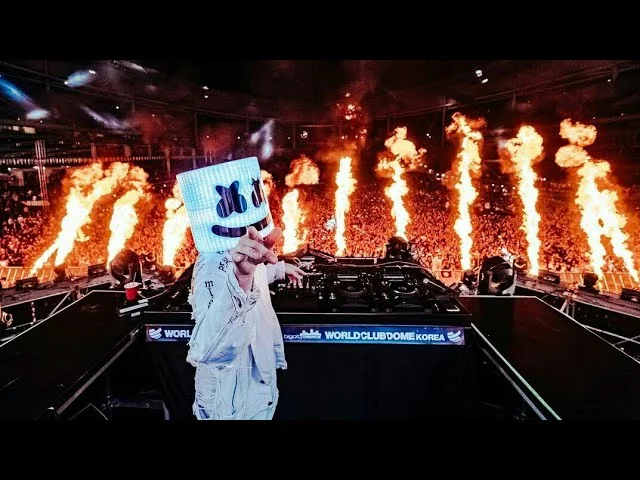
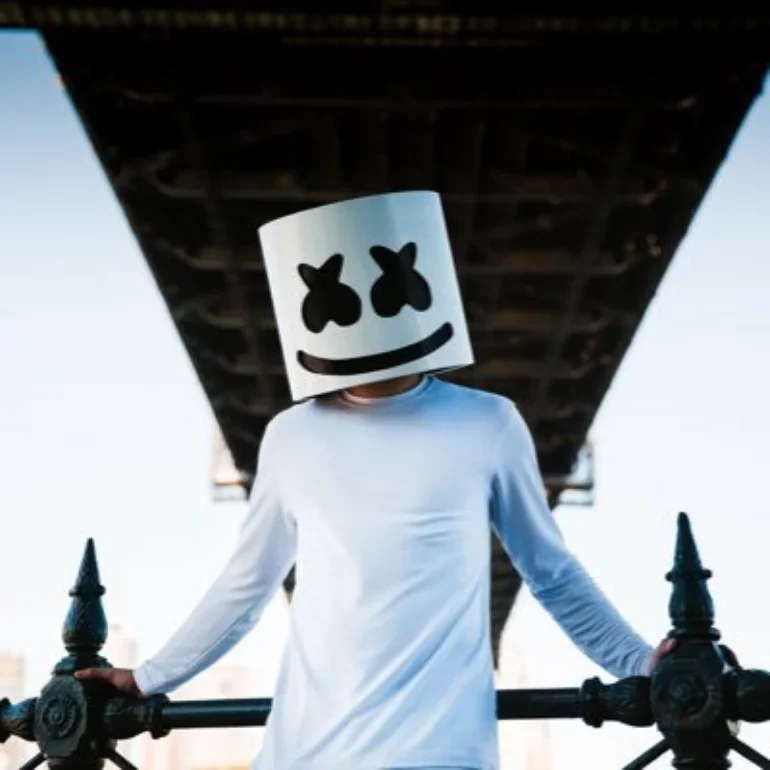
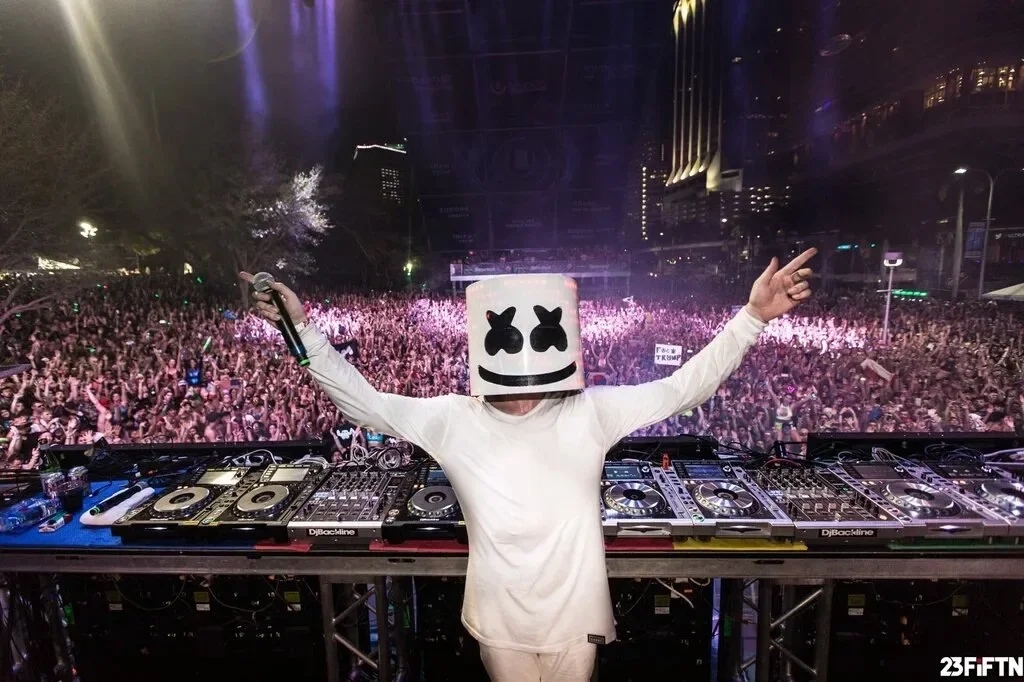
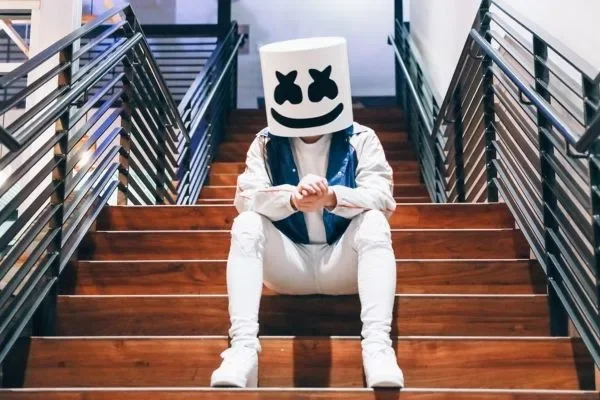
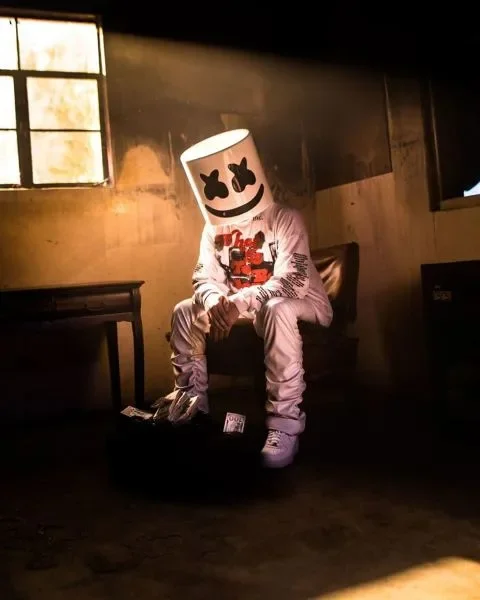
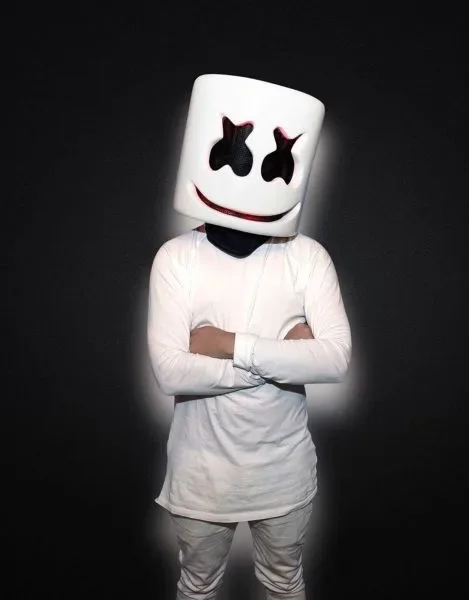
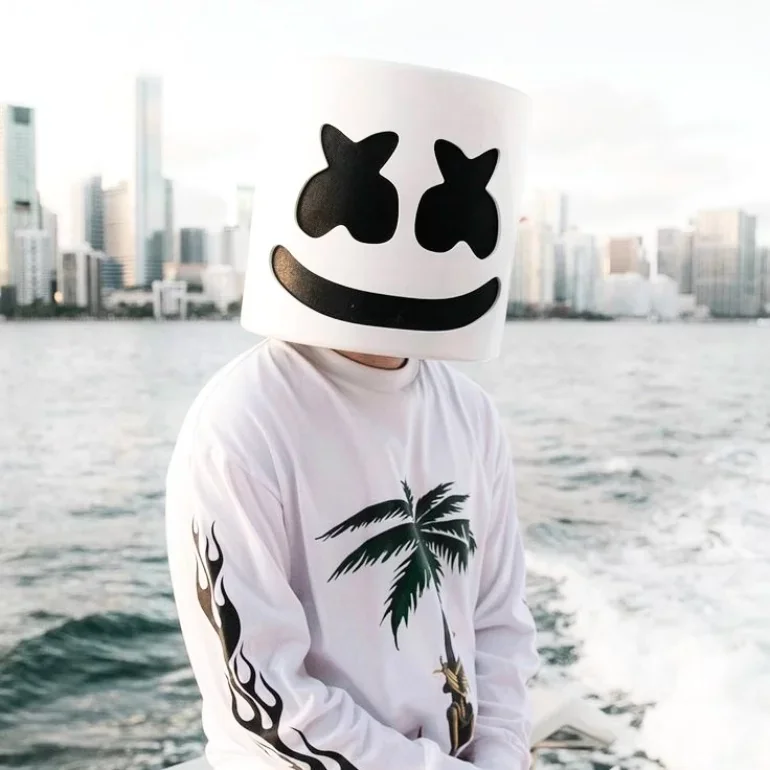
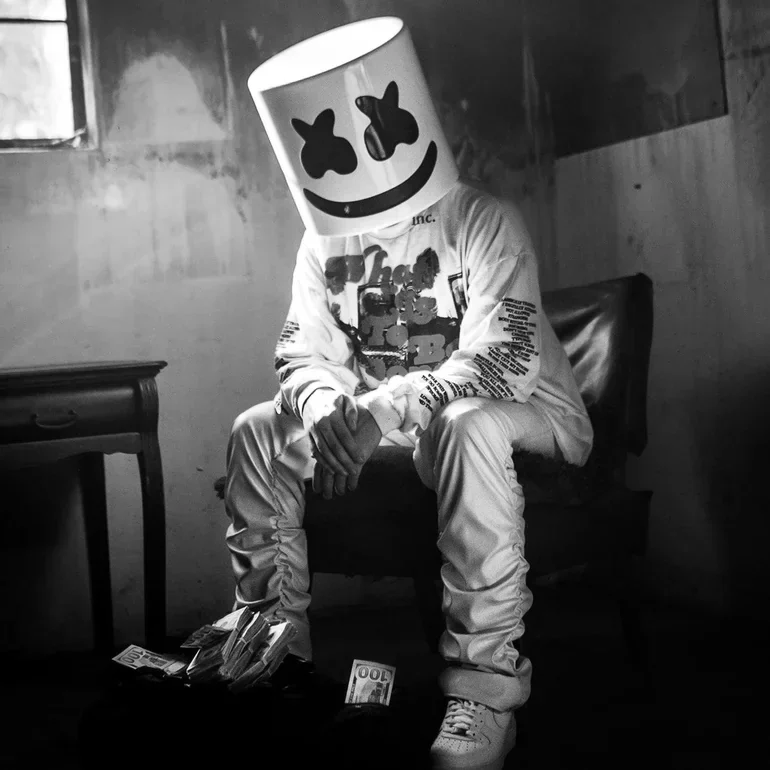
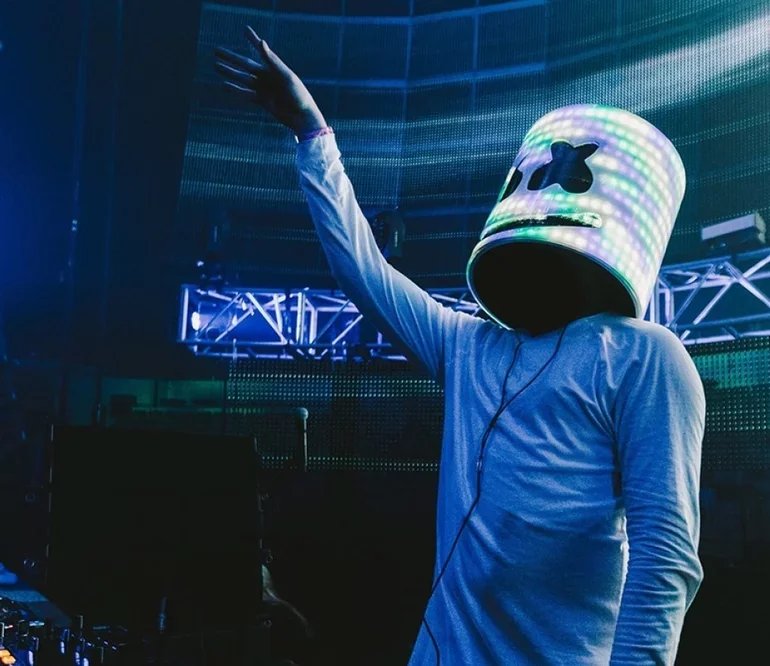
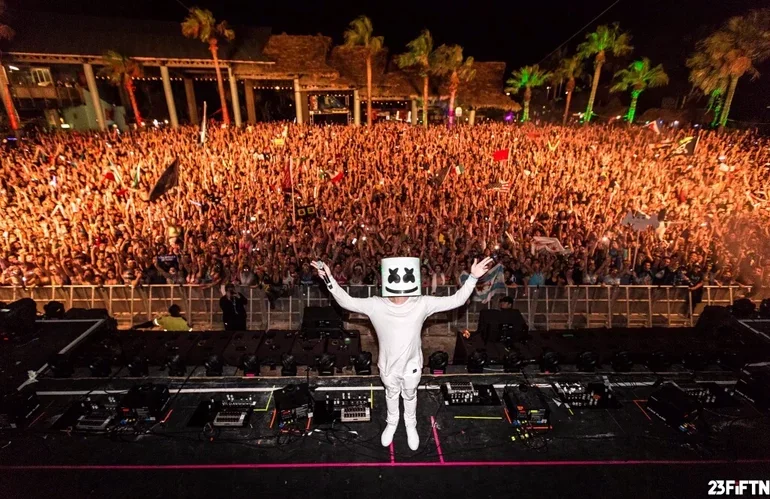
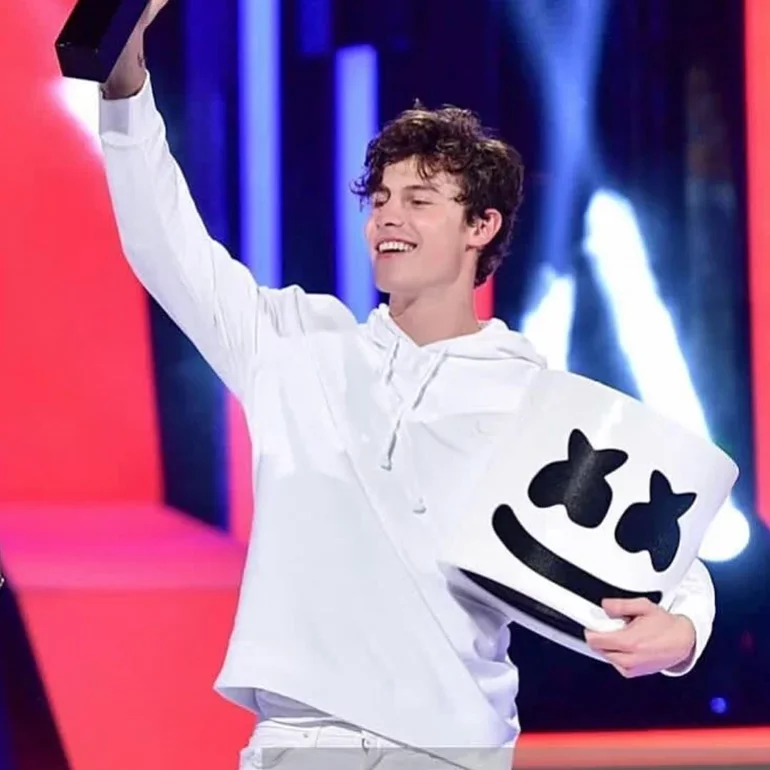
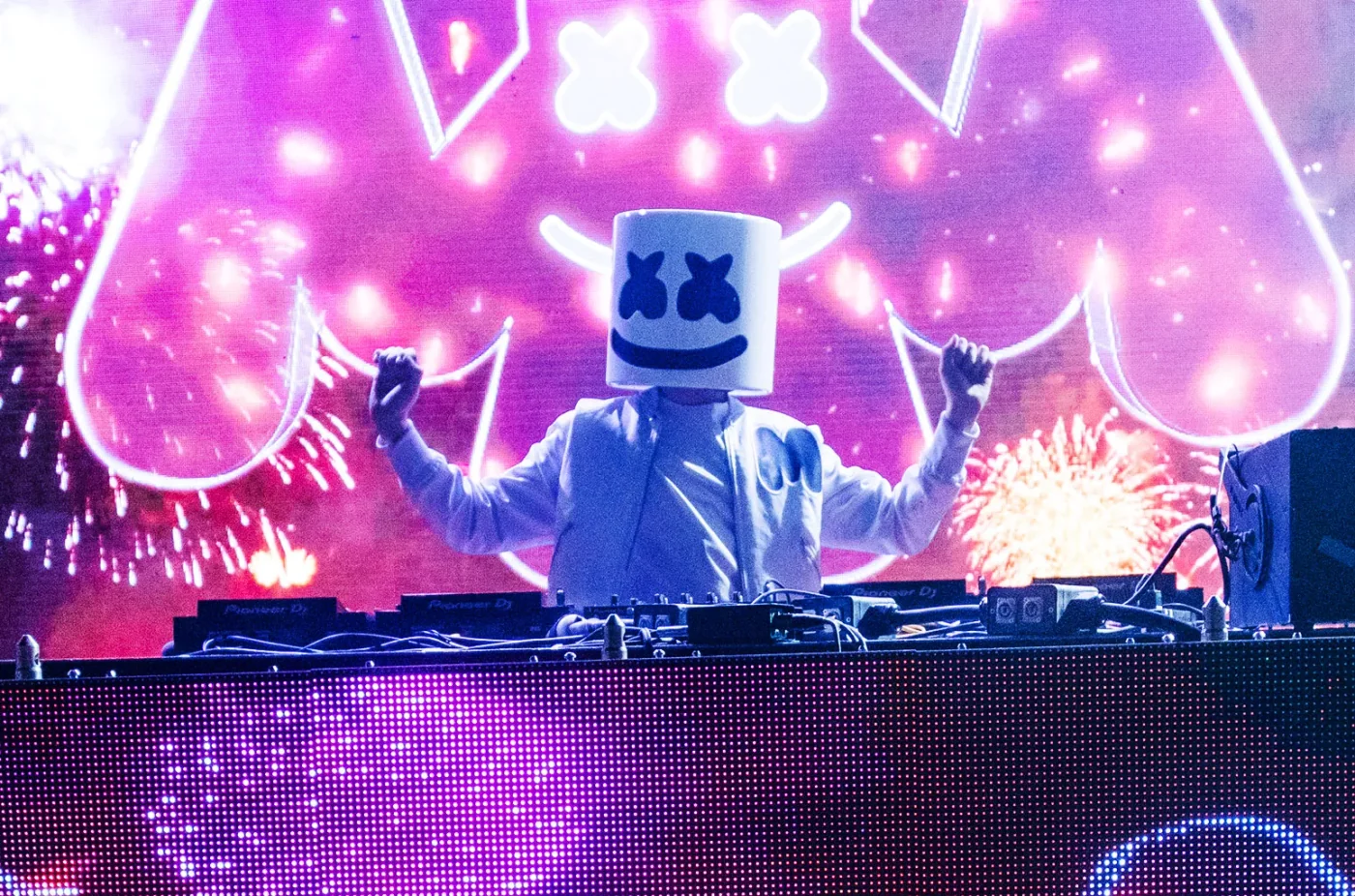
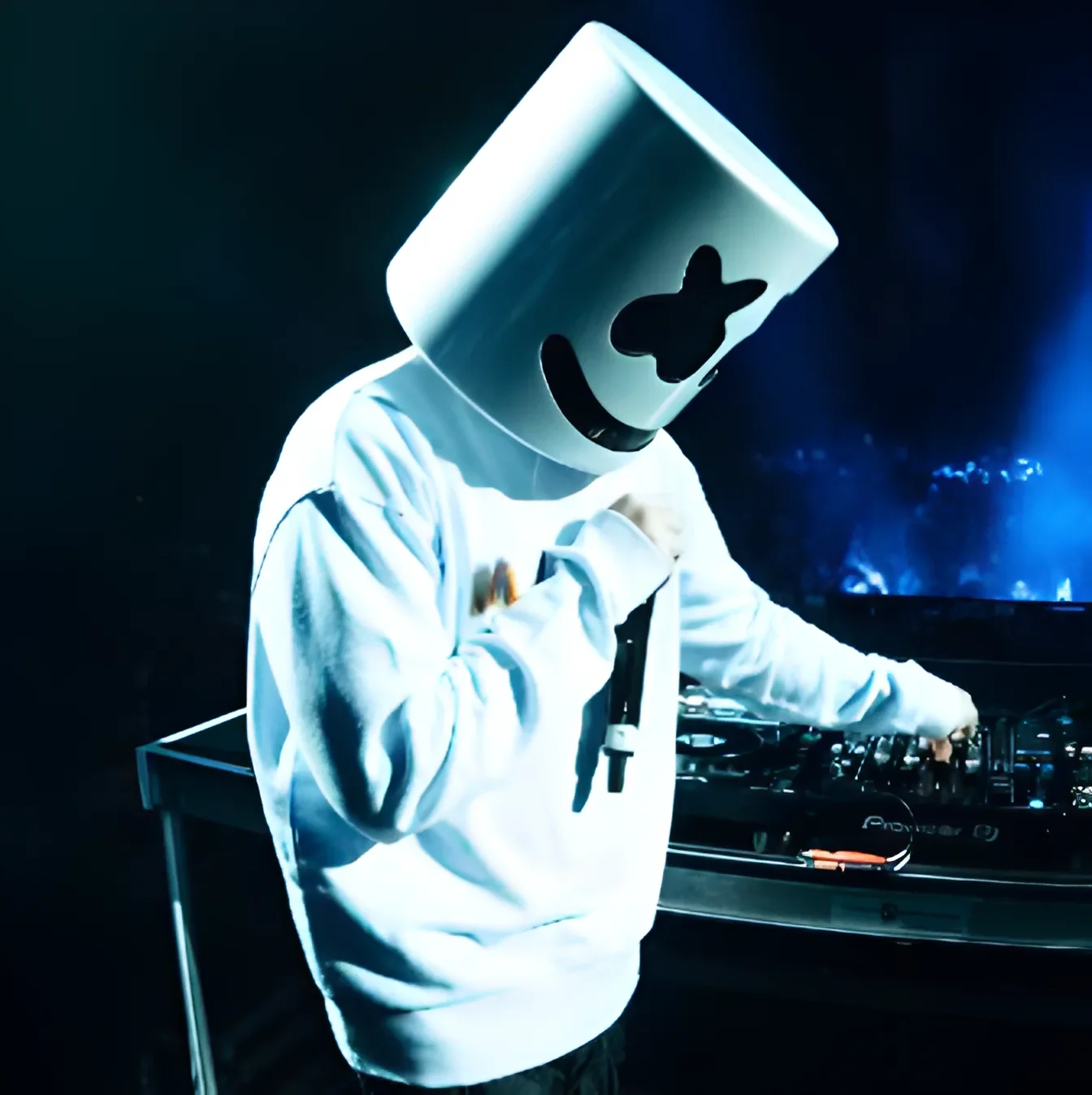
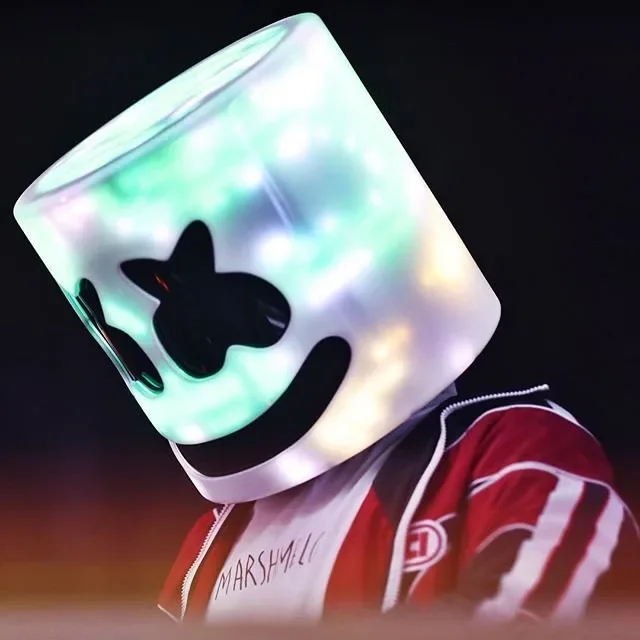
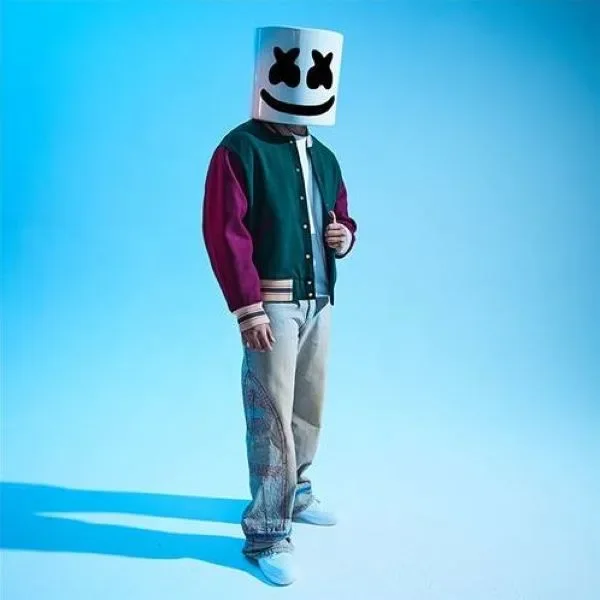
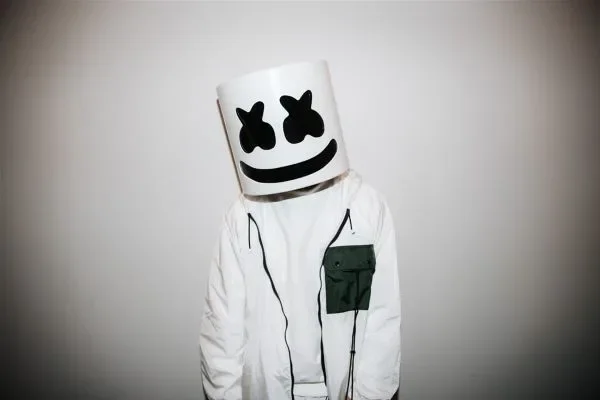
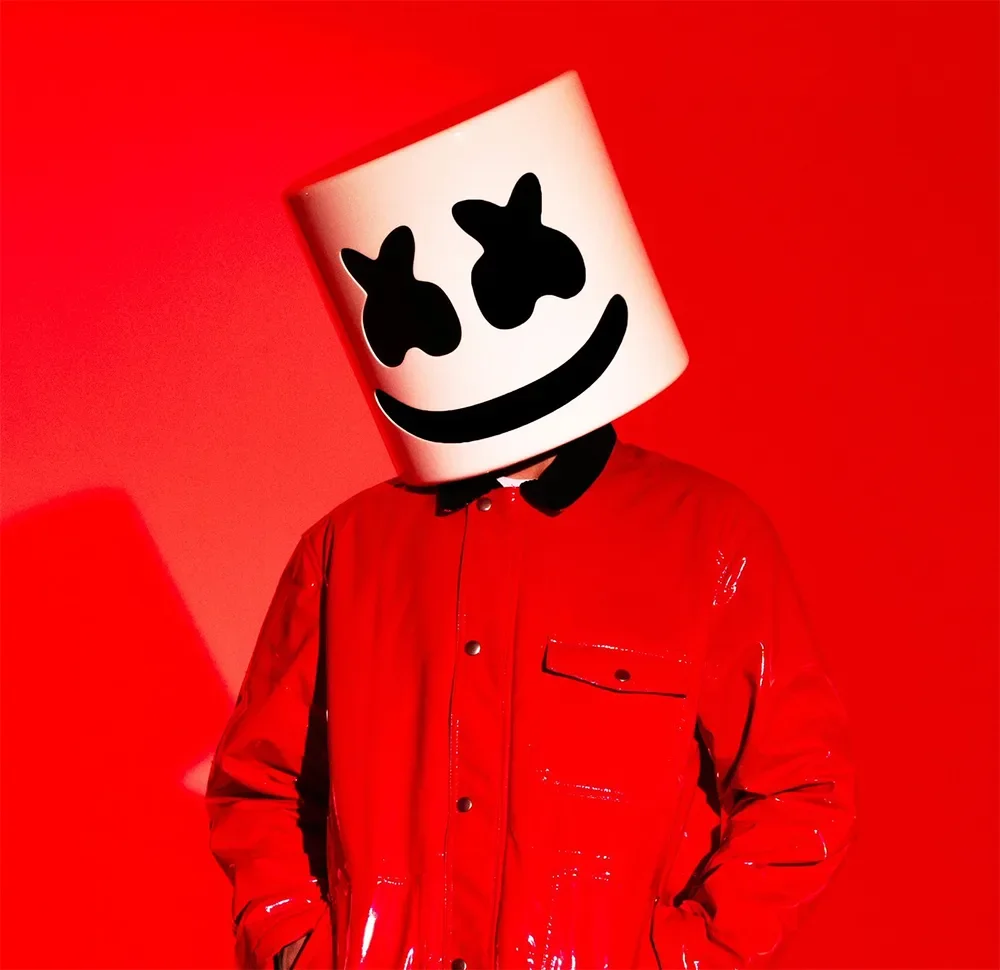
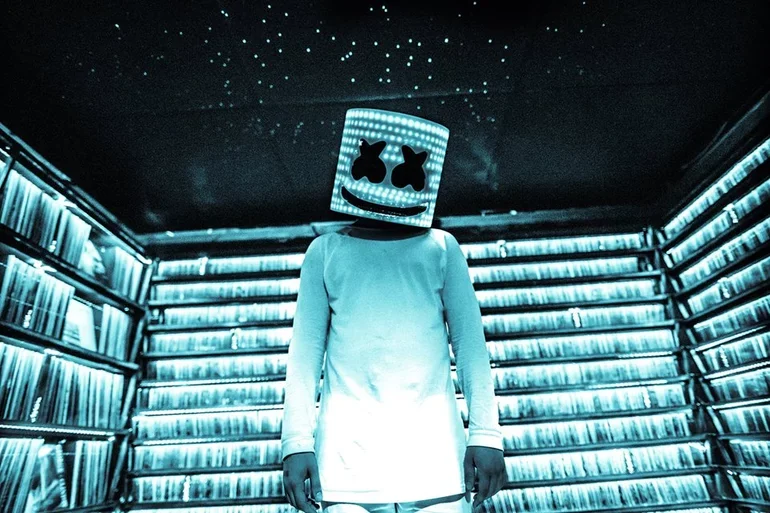
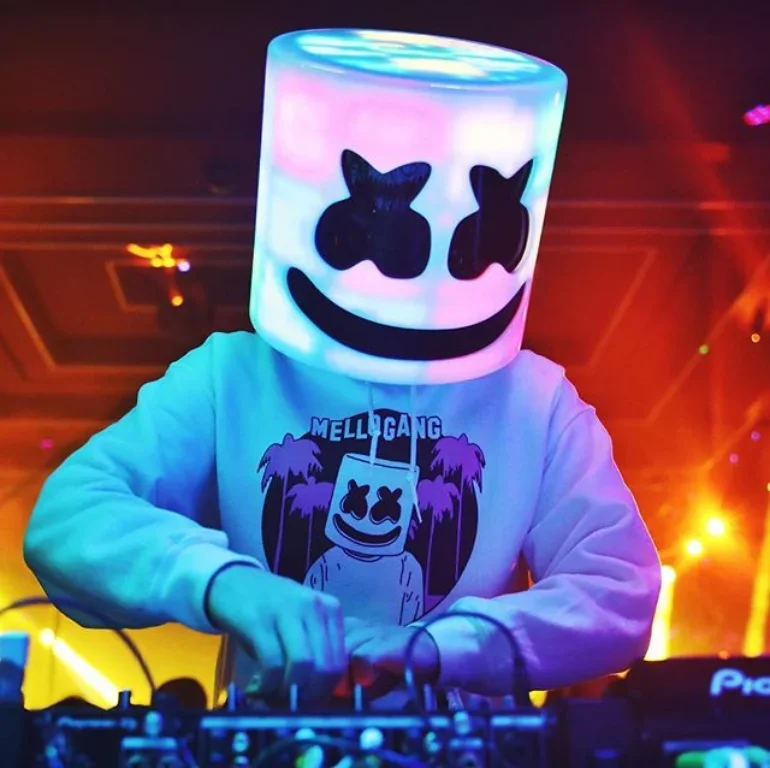
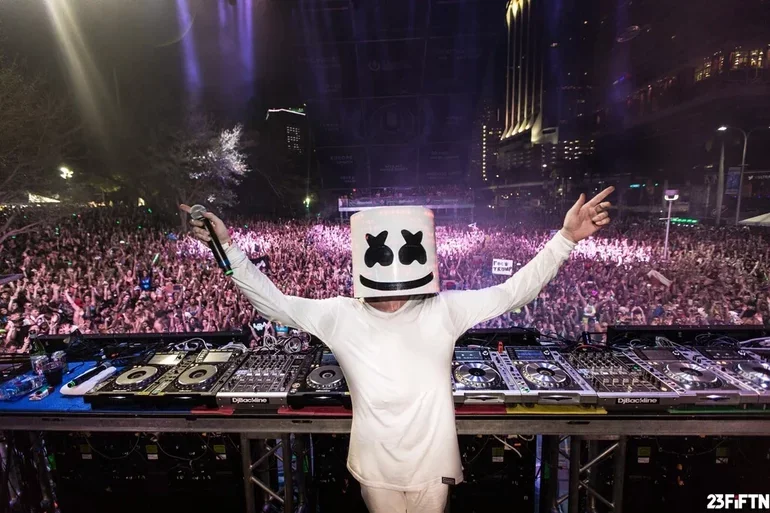
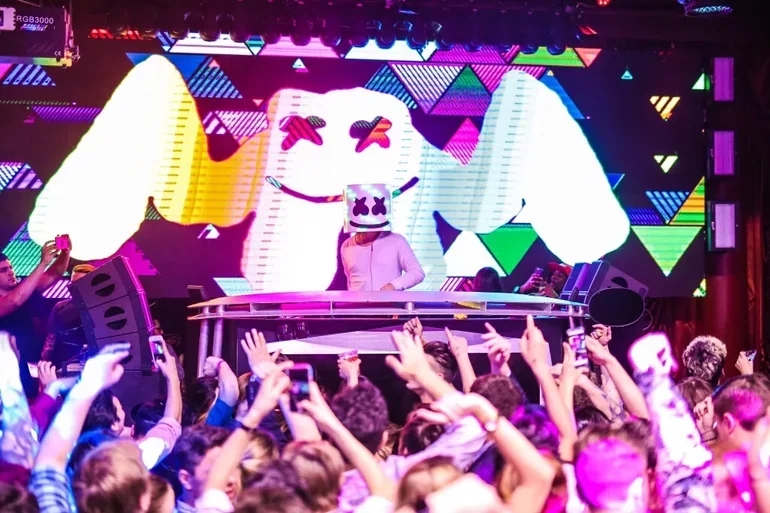
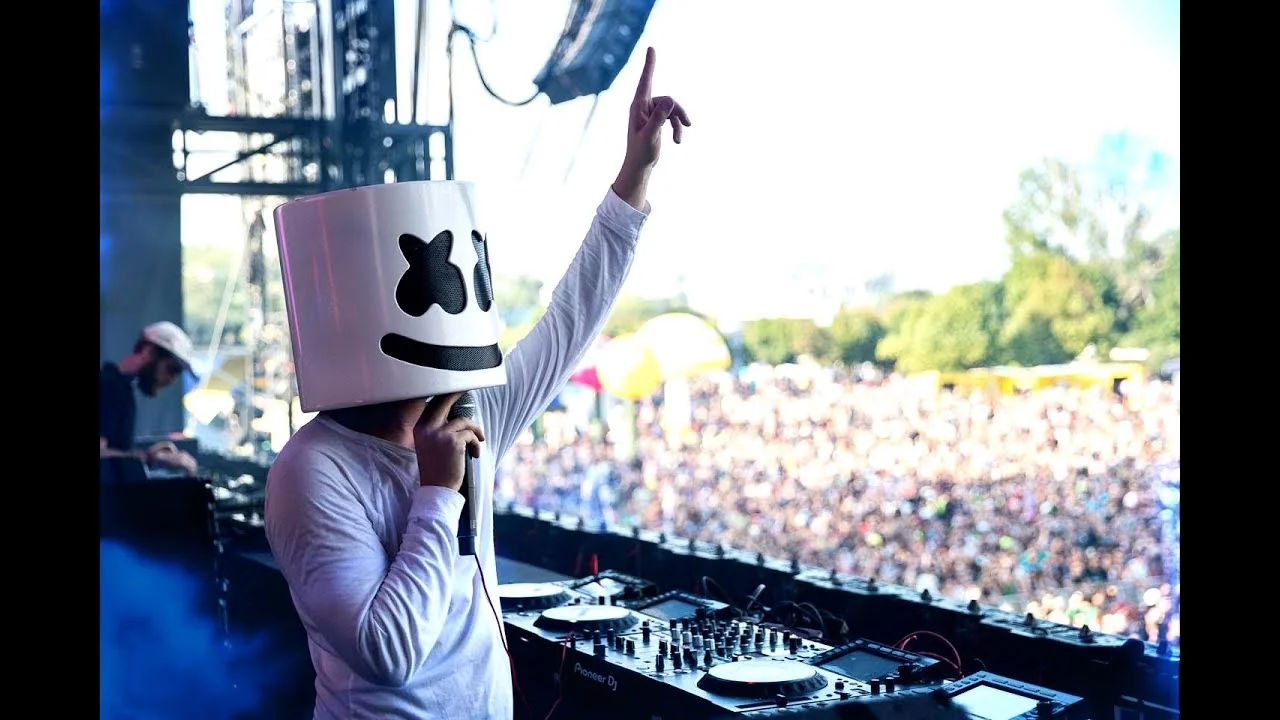
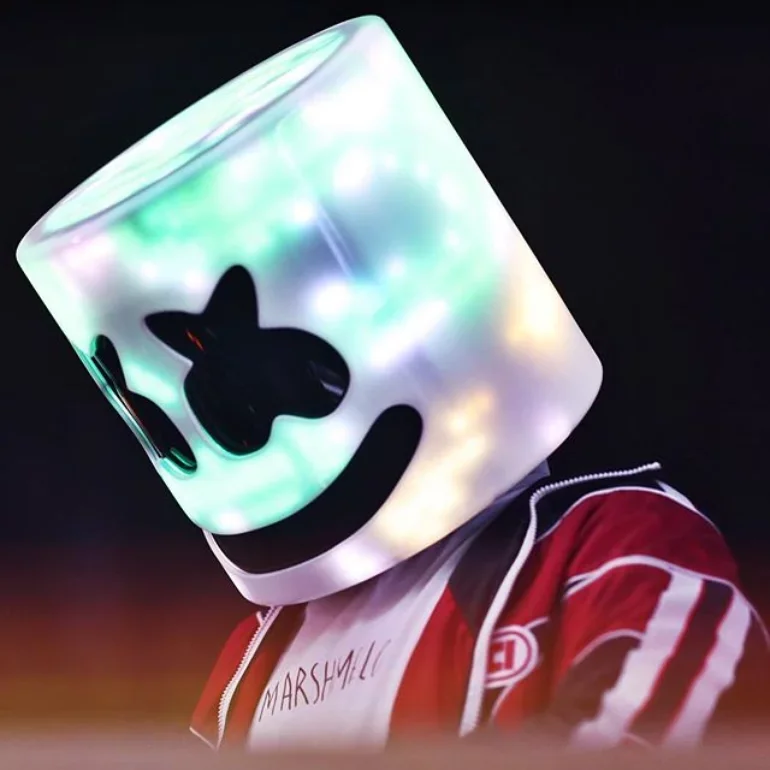
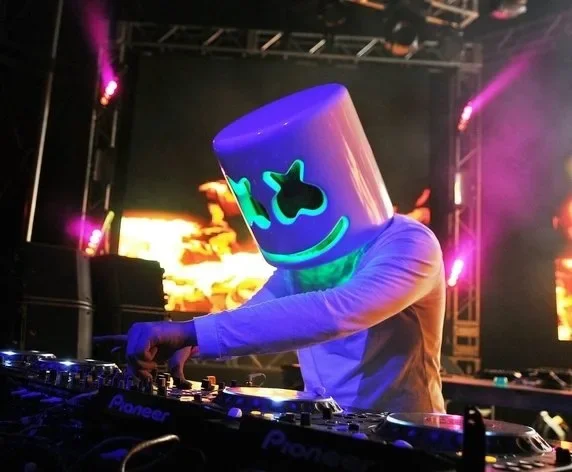
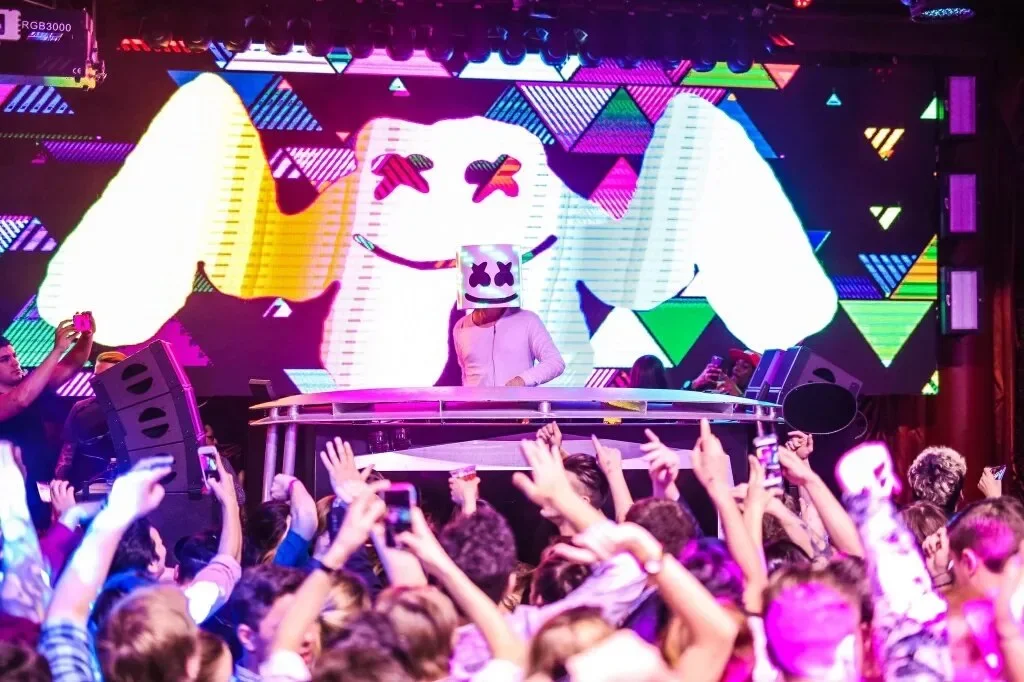
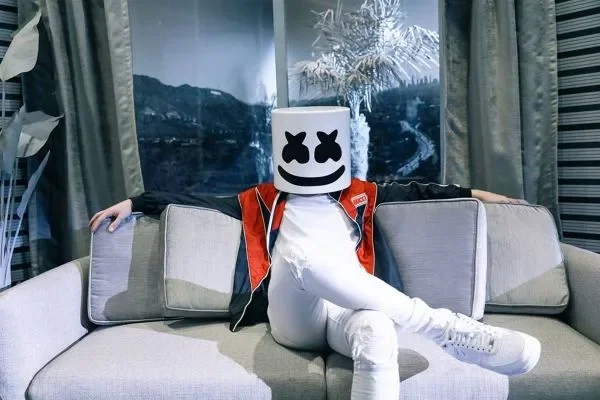
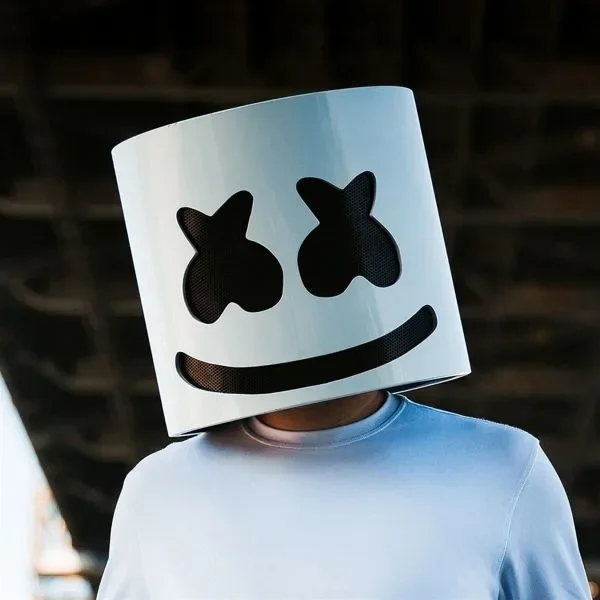
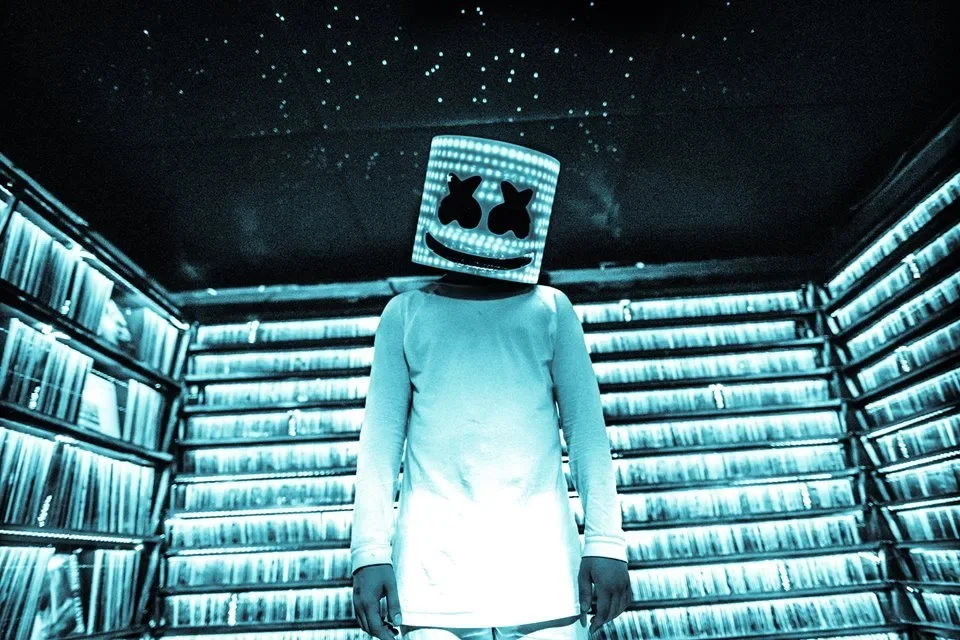
Marshmello understood something very simple and very powerful: in an era overloaded with faces, mystery can sometimes be more recognizable than a face. His white helmet, with X-shaped eyes and a cartoon smile, became one of the clearest symbols of modern electronic music. It was not aggressive, dark or intimidating; it looked friendly, childlike, almost like an avatar anyone could adopt. That was part of his intelligence: turning the DJ into a character, the character into a brand and the brand into an entrance point for audiences who may not have come from club culture, but from gaming, YouTube, pop, festivals and digital life.
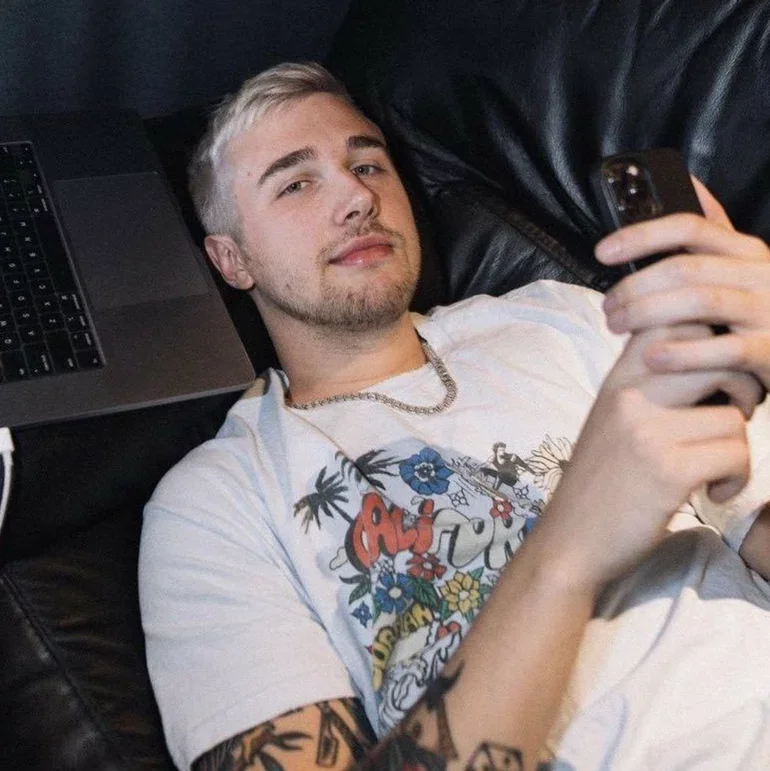
Before becoming a global name, Marshmello appeared as an anonymous presence inside the electronic scene. The identity behind the helmet was a matter of speculation for years, and although Christopher Comstock became publicly linked to the project, Marshmello never needed the face to be the center of the story. The idea was different: the music, symbol and experience mattered more than the traditional biography. In that sense, his anonymity was not only a marketing trick; it was a perfect adaptation to a generation used to avatars, skins, memes, usernames and digital characters.
His first era was marked by a sweet, bright and direct sound, closely associated with future bass and emotionally immediate electronic music. “Alone” opened the big door. It had luminous synths, an almost childlike melody, loneliness turned into energy and a drop that did not try to destroy the room, but lift it. For many young listeners, Marshmello was not an entry into underground electronic music, but into EDM as emotional shelter: music to jump to, yes, but also music that made you feel less alone.
Joytime consolidated that aesthetic. The project worked like a universe of clear colors, catchy melodies, festival energy and a visual identity that could travel easily. Marshmello did not rely on dark complexity or elitist club sophistication. His language was more immediate: simple hooks, bright drops, accessible basslines, animated videos and an idea of joy that did not need much explanation. For some purists, that could feel too commercial; for his audience, that was exactly why it worked. Marshmello made electronic music feel huggable.
The next step was crossover. “Silence,” with Khalid, proved that his sound could support an emotional pop/R&B song without losing identity. Khalid’s warm, melancholic voice found in Marshmello’s production a wide, nocturnal and youthful space. “Wolves,” with Selena Gomez, strengthened that direction: electronic pop, desire, vulnerability and a drop more elegant than explosive. “FRIENDS,” with Anne-Marie, brought humor and pop clarity into irresistible territory. Suddenly, Marshmello was no longer only an EDM producer for festivals; he was an architect of global songs.
“Happier,” with Bastille, may have been his major pop consecration. The song carried a perfect paradox: it sounded bright, almost euphoric, but spoke about letting someone go so they could be better. That mix of sadness and shine defined much of his commercial power. Marshmello knows how to produce songs that do not stay in one emotional state. They can hurt and lift hands at the same time. That ability made him an ideal collaborator for very different artists: from Halsey, Chvrches, Jonas Brothers and Demi Lovato to Juice WRLD, Kane Brown, Manuel Turizo, Farruko, Fuerza Regida and SVDDEN DEATH.
His relationship with hip-hop and alternative pop expanded his map even further. “Come & Go,” with Juice WRLD, showed a natural connection between emo rap and melodic electronic music. “Be Kind,” with Halsey, pushed his sensitivity toward softer pop. “Leave Before You Love Me,” with Jonas Brothers, reinforced his ability to produce clean, nostalgic, radio-friendly songs. Marshmello became a bridge producer: electronic enough for festivals, pop enough for radio, digital enough for the internet and flexible enough to enter scenes that did not seem obvious for a white-helmeted DJ.
He also understood the power of gaming as a musical stage earlier than many. His presence in Fortnite was not only a promotional curiosity; it marked a shift in the era. The virtual concert confirmed that artists could perform in digital worlds with the same emotional logic as at a physical festival. For Marshmello, that made total sense. His figure already worked as an avatar. Seeing him inside a video game did not feel like a forced adaptation, but like a natural extension of the project.
With Shockwave, nominated for a Grammy, Marshmello tried to show that he could move beyond the friendly formula. The album explored trap, dubstep, Jersey club, bass music, pop-punk and several corners of electronic music. Later, Sugar Papi opened a Latin route through collaborations such as “El Merengue” with Manuel Turizo, “Esta Vida” with Farruko, “Tempo” with Young Miko and “HARLEY QUINN” with Fuerza Regida. That period showed that his identity could translate into other rhythmic languages without disappearing: the helmet remained, but the beat learned new accents.
Marshmello matters because he turned electronic music into a global character. His legacy is not only in the drops or the collaborations, but in understanding how a star is built in digital culture: clear symbol, accessible music, visual worlds, gaming, networks, festivals and a simple emotional idea. At his best, Marshmello does not try to be the darkest or most technical DJ. He wants to be the one who makes a crowd smile, jump and feel that, behind the helmet, there is a song for them too.
Main genre
HOUSE
Main subgenres
Like a superfan's list — except verified, with sources and links.

06–Aug 09, 2026
Cluj · Romania
Past
Oct 31 – Nov 01, 2025
San Bernardino, California · United States
Past
28–Mar 30, 2025
Miami, Florida · United States
Past01–Sep 03, 2023
Bridgeview, Illinois · United States
Past
17–Jun 18, 2023
George, Washington · United States
Past
09–Jun 11, 2023
Frankfurt am Main, Hessen · Germany
Past
Apr 22, 2023
Lima · Peru
Past
21–Apr 22, 2023
São Paulo, São Paulo · Brazil
Past24–Mar 26, 2023
Miami, Florida · United States
Past
24–Feb 26, 2023
CDMX · Mexico
PastWhat we managed to link to the concert archive. If a date is missing, tell us — happens to us too.
Chester · United States
No saleBreakaway Philadelphia 2026
Inglewood · United States
Tickets →Greenwich · United Kingdom
No saleEvery concert and festival of the year, traced on the globe. Hit play and follow the route stop by stop.
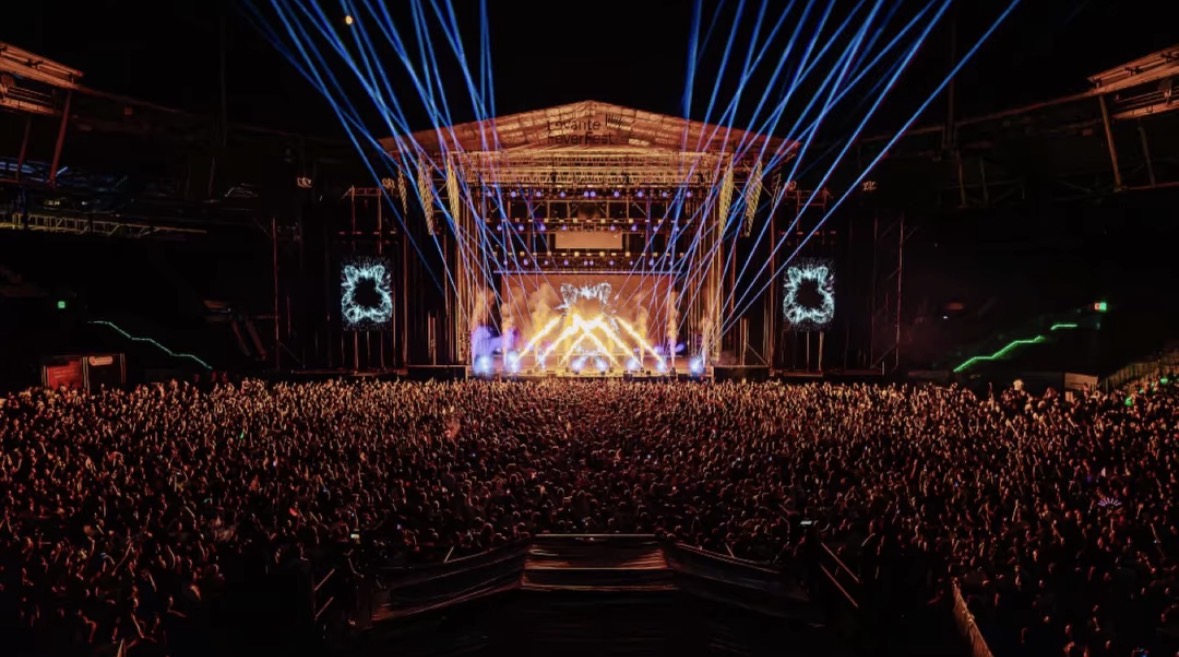
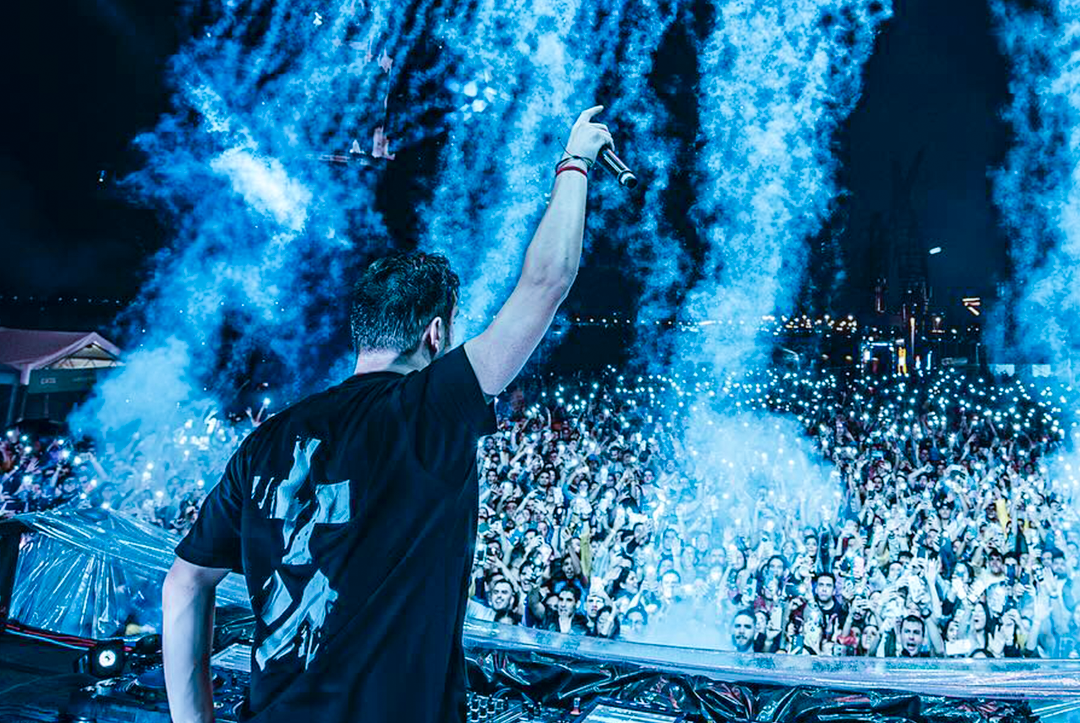
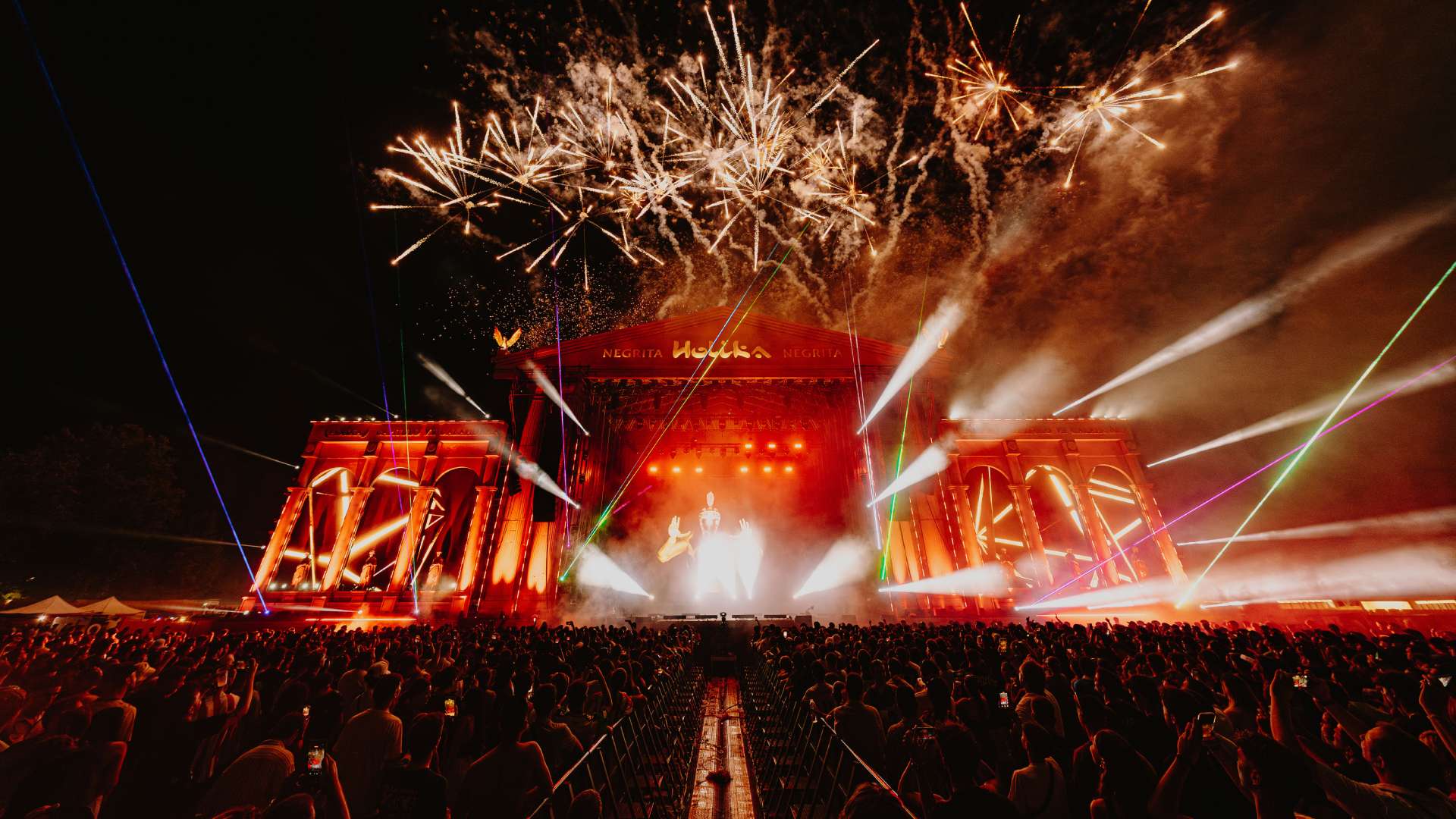
Photos from the public archive.
Recent coverage linked to the artist.


Close by genre and social signal.
No related artists
When there is enough genre signal, they will appear here.