
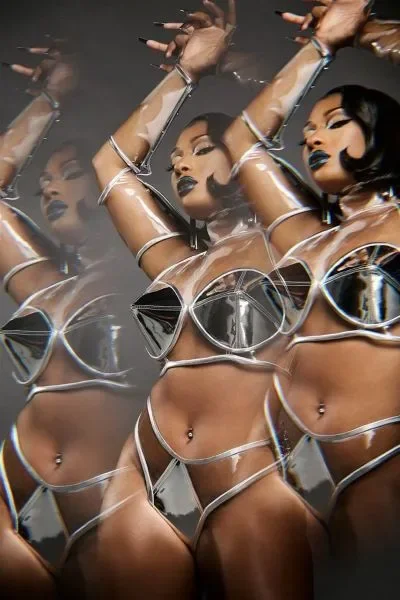
Ranking
#88

Ranking
#88
Followers
82.8 M
Digital presence
Official profiles, streaming and discovery.
What a good fan recites by heart (or pretends to).
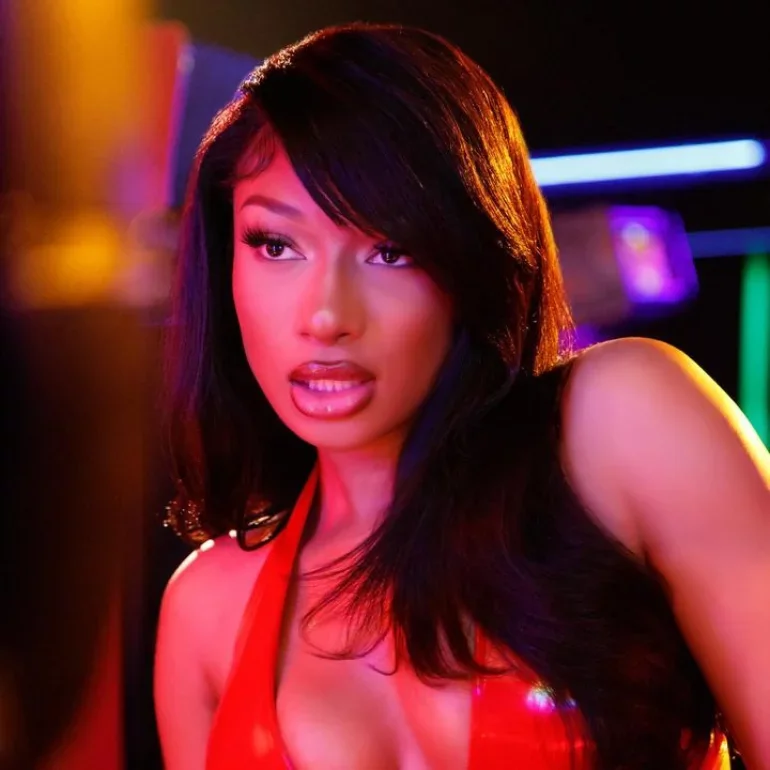
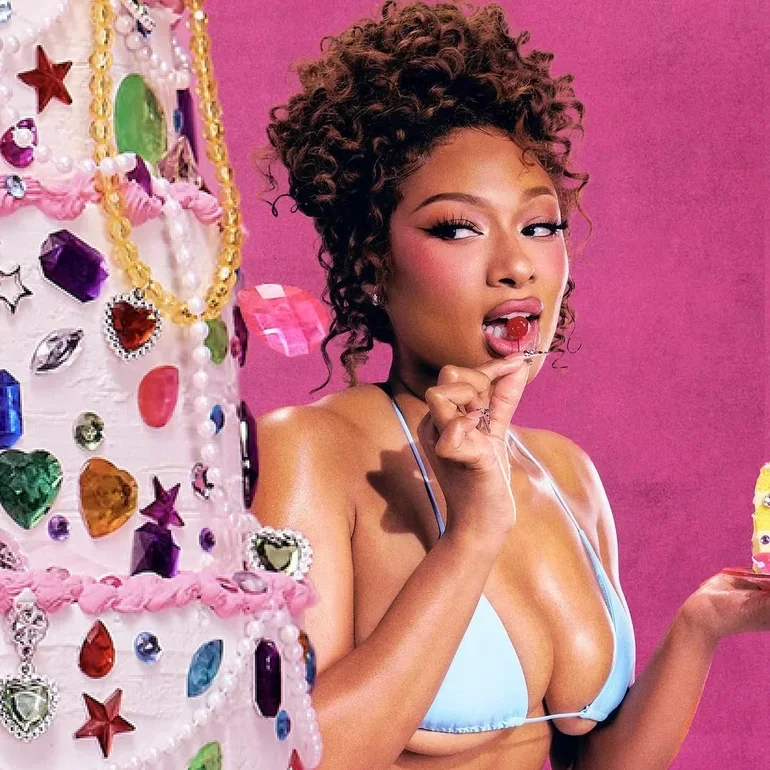
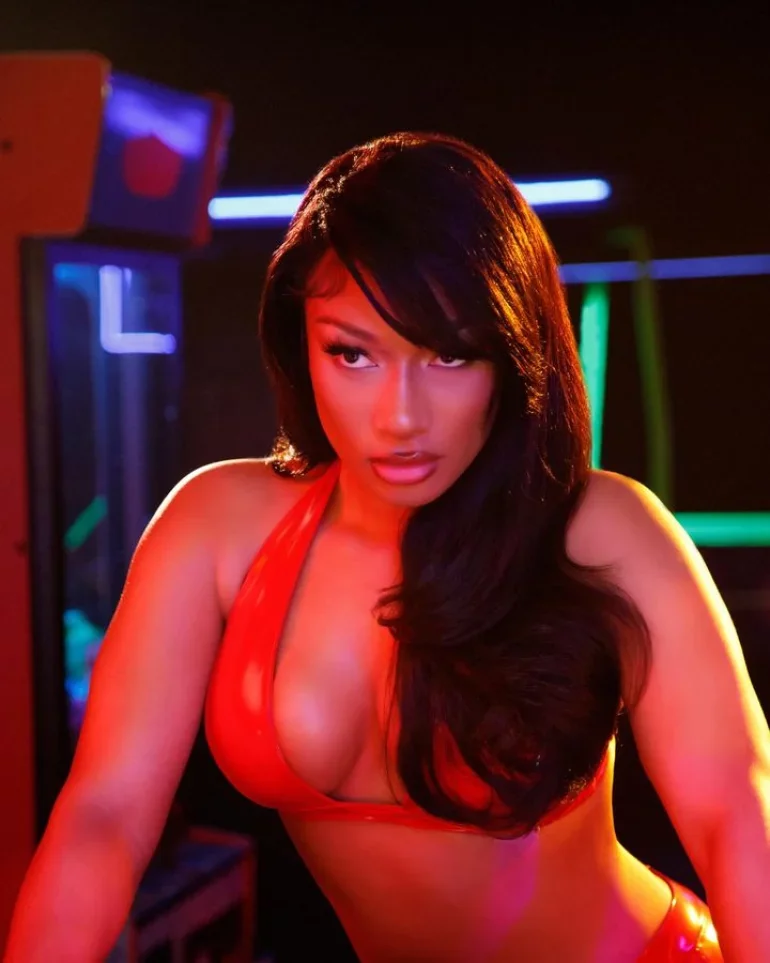
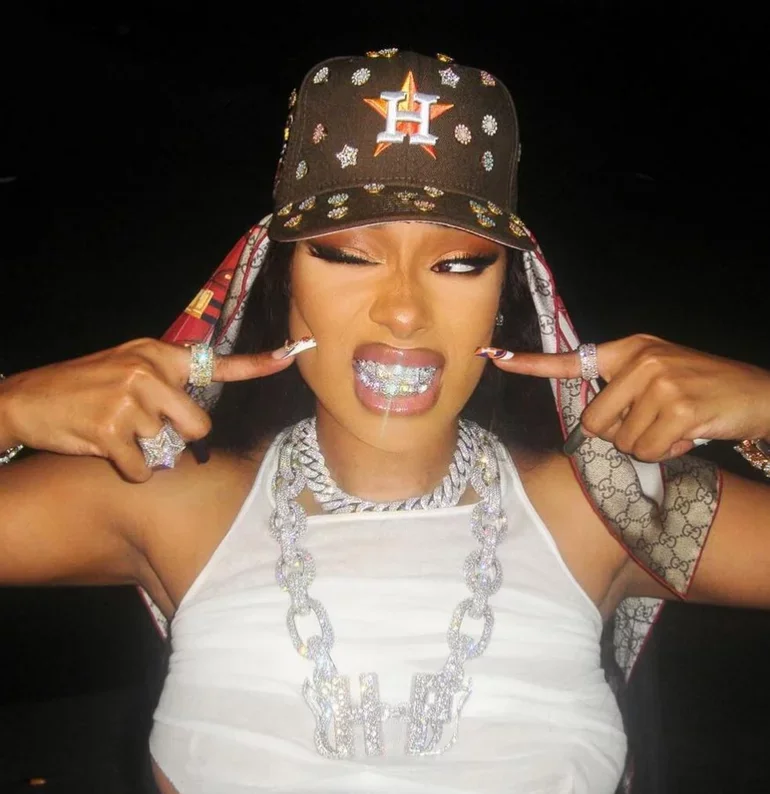
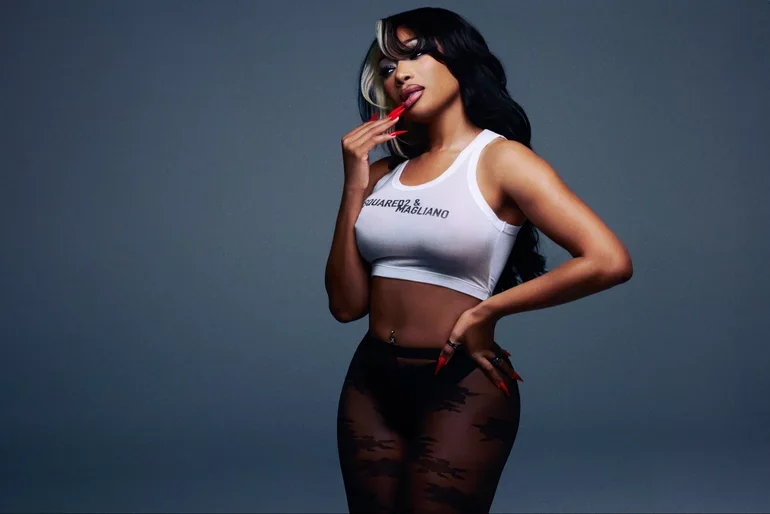
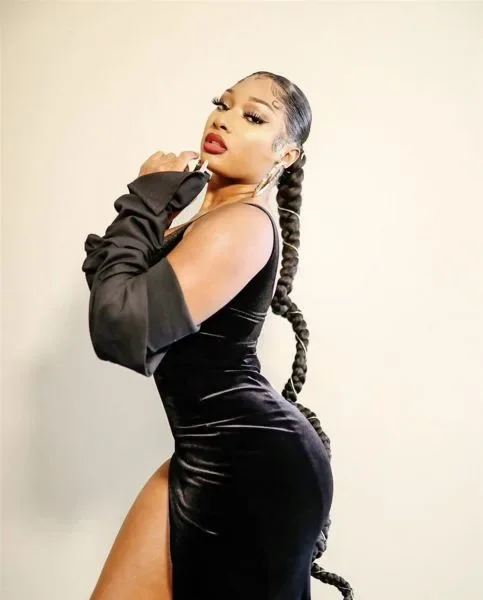
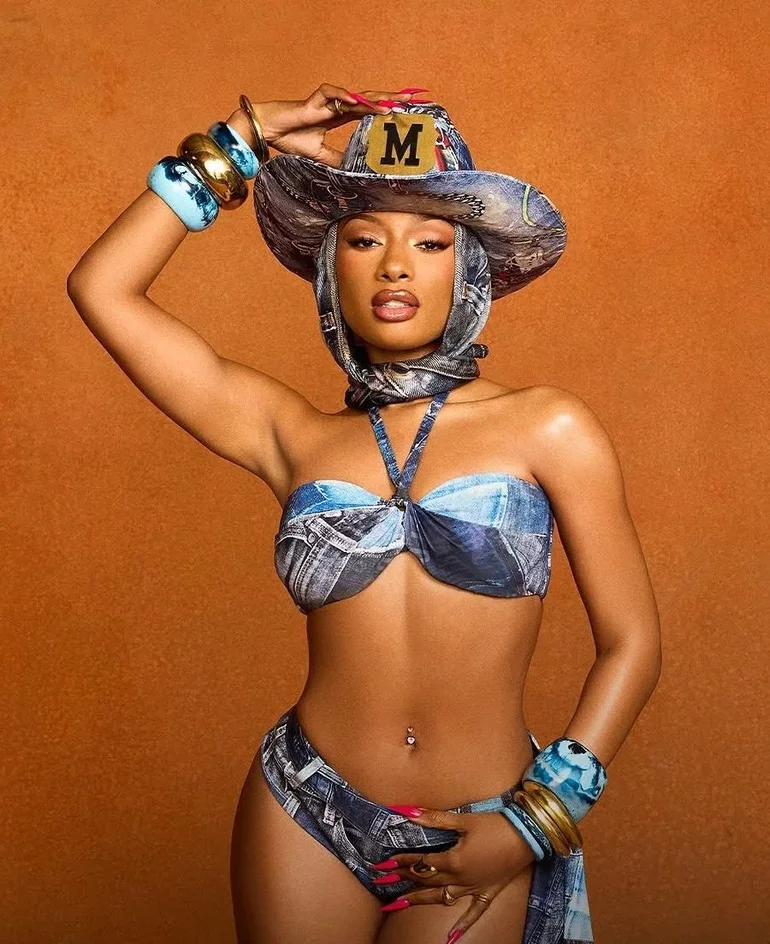
Megan Thee Stallion entered rap with a presence that was almost impossible to ignore: tall, confident, direct, technically sharp, and able to turn self-assurance into a shared language. Her music does not ask for permission to take up space; it takes it. From Houston, she built an identity that combines Southern rap tradition, unapologetic sexuality, humor, lyrical aggression, body confidence, and a very clear awareness of what it means to be a woman inside a genre historically dominated by men. At her best, Megan does not simply rap about power. She embodies it in her cadence, her posture, her breath control, and the way every bar seems to step onto the beat with heels on and eyes forward.
Born in San Antonio and artistically shaped in Houston, Megan belongs to a city with its own deep weight in hip hop. Houston is not just a biographical detail for her; it is a sonic school. There is chopped and screwed culture, heavy Southern low end, the legacy of Pimp C, Bun B, DJ Screw, UGK, and a way of rapping where attitude, swing, and confidence matter as much as rhyme. Megan took that lineage and carried it into a new generation without sounding like a nostalgic copy. Her rap has roots, but it also has digital speed, social media fluency, club aesthetics, anime references, memes, fashion, and a modern understanding of desire.
Her mother, Holly Thomas, known as Holly-Wood, was essential to her story. That connection to a mother who also rapped is not a small detail. Megan grew up near the studio, hearing instrumentals, understanding that rap could be craft rather than just fantasy. That foundation gave her something you can feel in her music: competitive hunger. Before superstardom, Megan made herself known through freestyles, cyphers, viral clips, and a capacity to rap with clarity, force, and control. Her rise was not built only on image. It came from the sense that she could step into any circle and devour the beat.
The Tina Snow alter ego was crucial in shaping her artistic personality. Rooted in rap’s long tradition of invented selves, the name allowed her to exaggerate, sharpen, and stylize one side of herself: the dominant, sexual, elegant, dangerous woman fully in control of the situation. In that era, the signatures were already visible: shifting flows, phrases built to be shouted, precise cadence, outrageous humor, and a way of talking about female pleasure without softening it to make it acceptable. Megan understood that sexuality in rap did not have to remain something narrated by others. It could become a first-person weapon.
“Big Ole Freak” opened an important door because it showed that her formula could reach a commercial audience without losing its character. Then “Hot Girl Summer” turned a phrase into a cultural movement. What makes that expression interesting is that it was more than a seasonal slogan. It became an attitude. To be a “hot girl” in Megan’s universe does not only mean looking good. It means feeling good, making your own choices, celebrating your body, enjoying life, and not letting shame set the rhythm. That idea connected widely because it mixed party energy and self-esteem in a form people could easily claim as their own.
With “Savage” and its remix with Beyoncé, Megan reached a different scale. The song already had its own power: minimal, sharp, direct, built around a sequence of adjectives that worked like an identity statement. Beyoncé’s presence added enormous symbolic weight: two women from Houston, from different generations, occupying the center of pop and rap with authority. That moment did not only bring awards and visibility. It confirmed that Megan could be part of the global conversation without reducing her language or softening her presence.
“WAP,” alongside Cardi B, reinforced another part of her impact: her role in a new wave of women in rap who refuse to hide desire, vulgarity, humor, or sexual fantasy in order to be taken seriously. The song was controversial precisely because it placed in the foreground something male rap had used for decades: excess, body, pleasure, braggadocio. Megan entered that space naturally, not as a secondary guest, but as a voice that expanded the provocation with technical precision and charisma.
Good News presented Megan as triumphant, energetic, and determined to turn the noise around her life into affirmation. Traumazine opened a more introspective zone. There, a different artist comes through: one willing to speak about anxiety, betrayal, grief, public pressure, and emotional exhaustion. That side matters because it prevents her from being reduced to a permanent party figure. Megan can be funny, explicit, and explosive, but also vulnerable, reflective, and aware of the costs of exposure. Her strength is not pretending nothing hurts. It is continuing to rap with authority even when the hurt is present.
Megan is also a cultural figure beyond music. Her college graduation, philanthropy, advocacy for Black women, conversations around mental health, fashion presence, television appearances, and broader pop-cultural footprint all form part of a public identity that goes beyond the label of rapper. But the center remains music: the flow, the voice, the control of rhythm, the ability to deliver memorable lines, and the skill to turn individual confidence into collective energy.
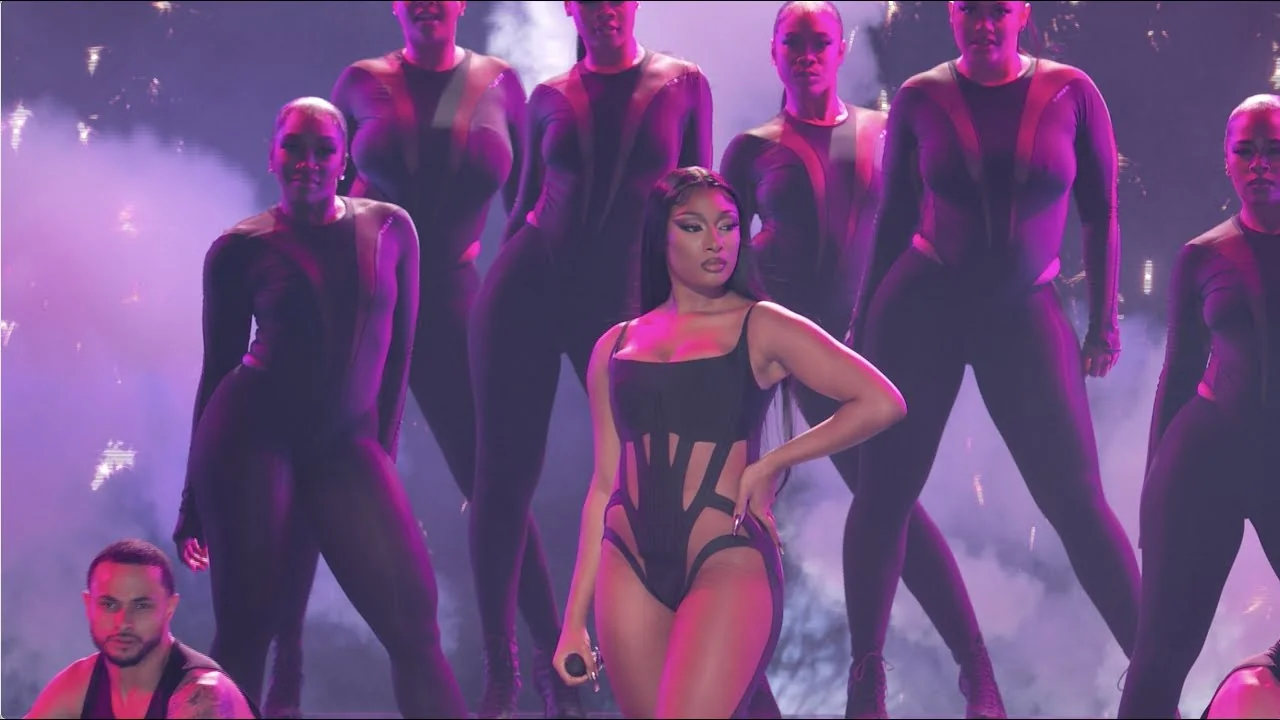
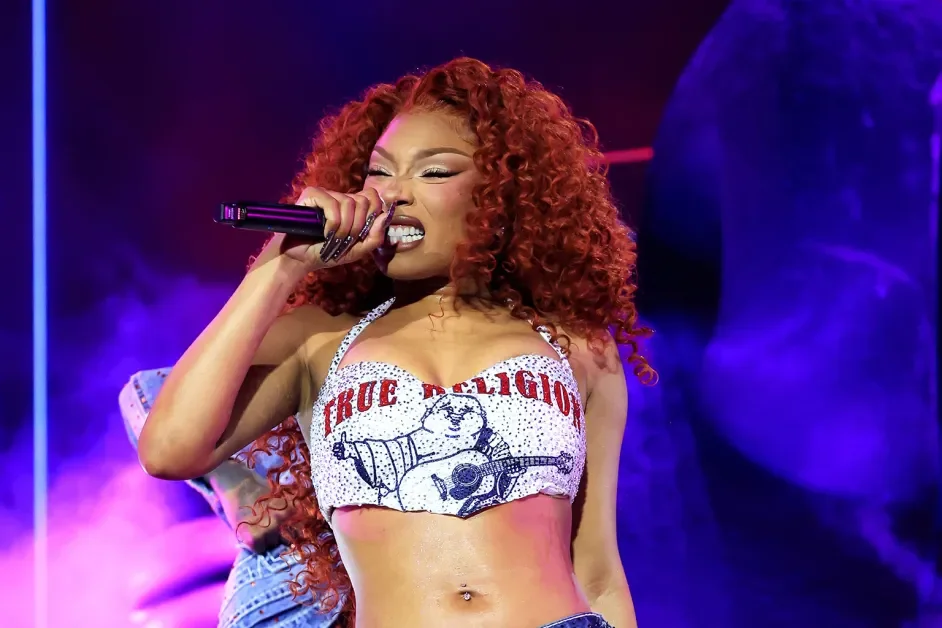
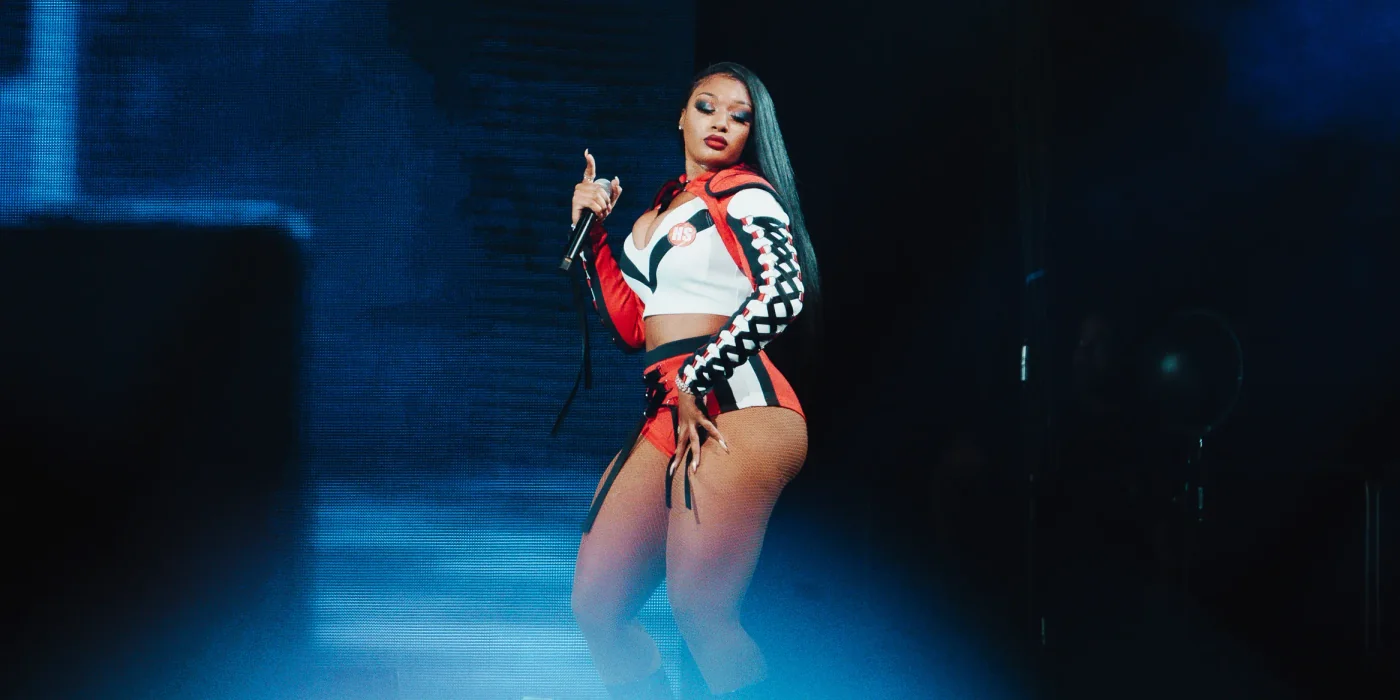
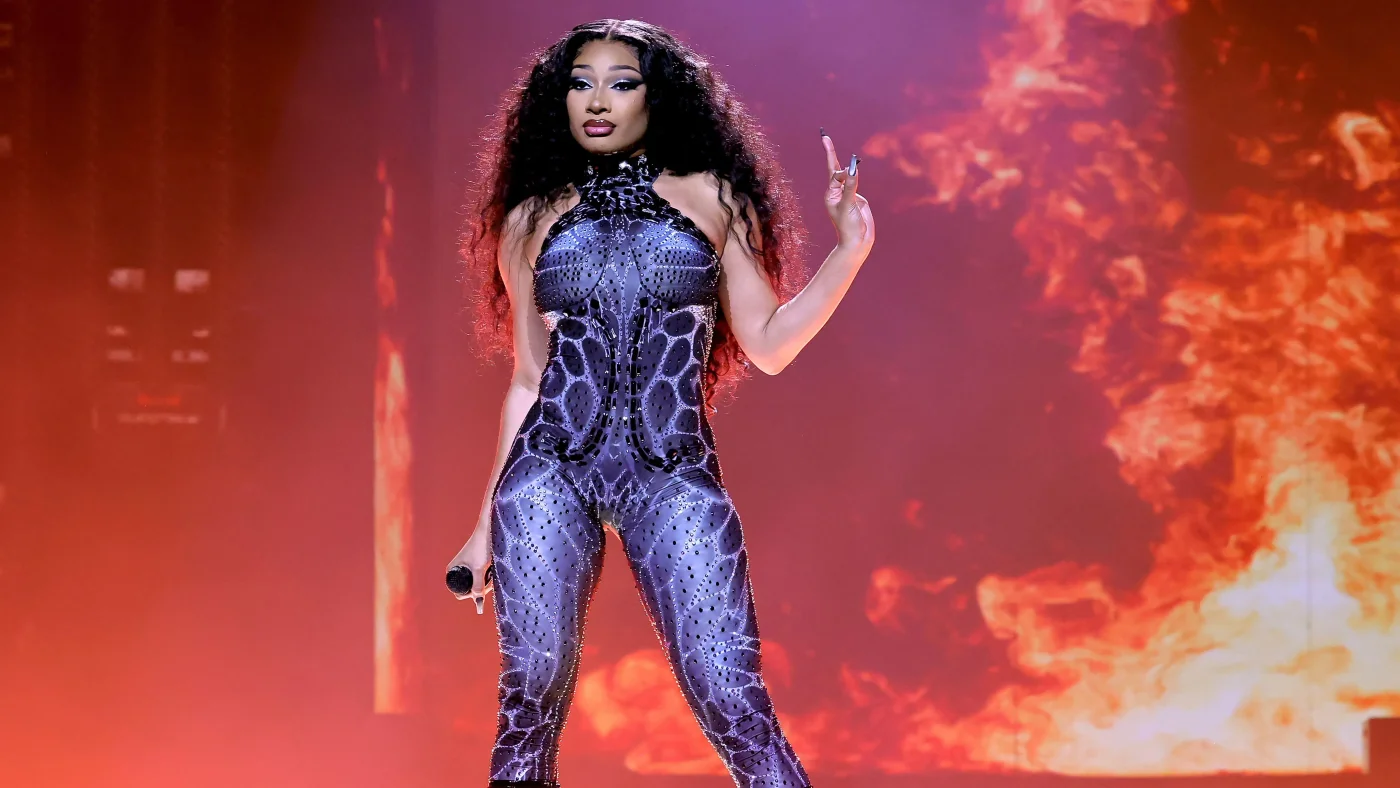
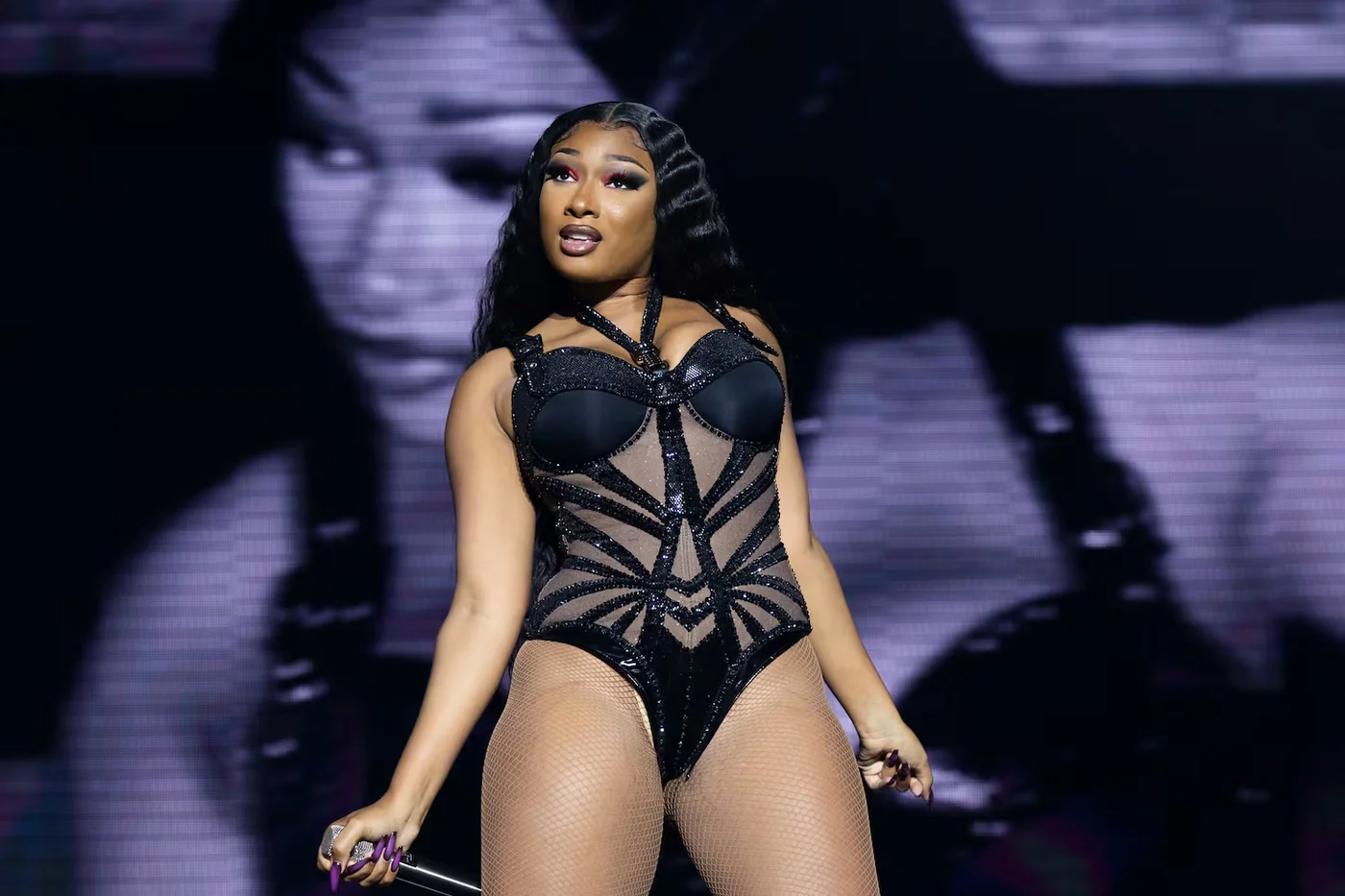
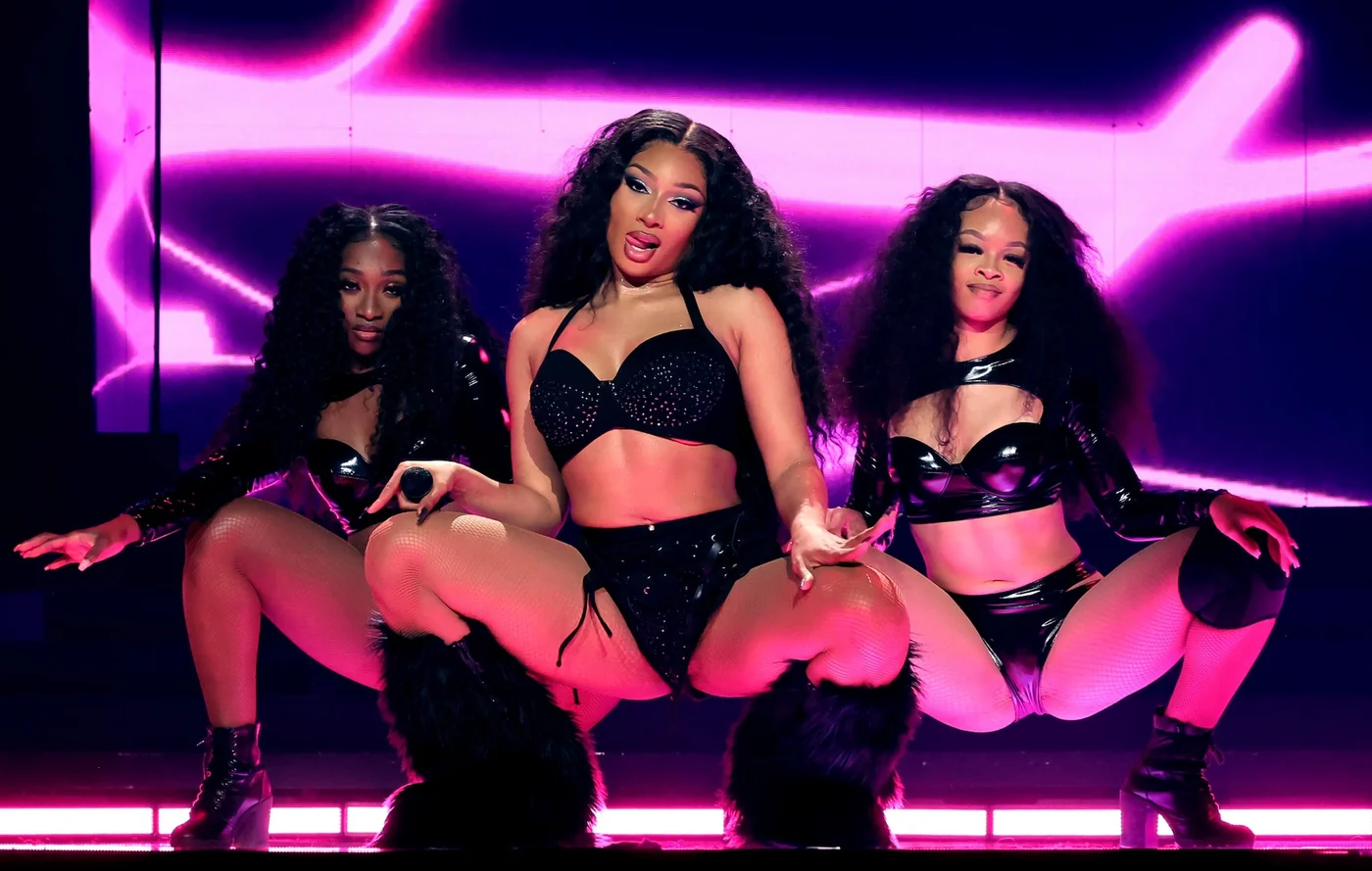
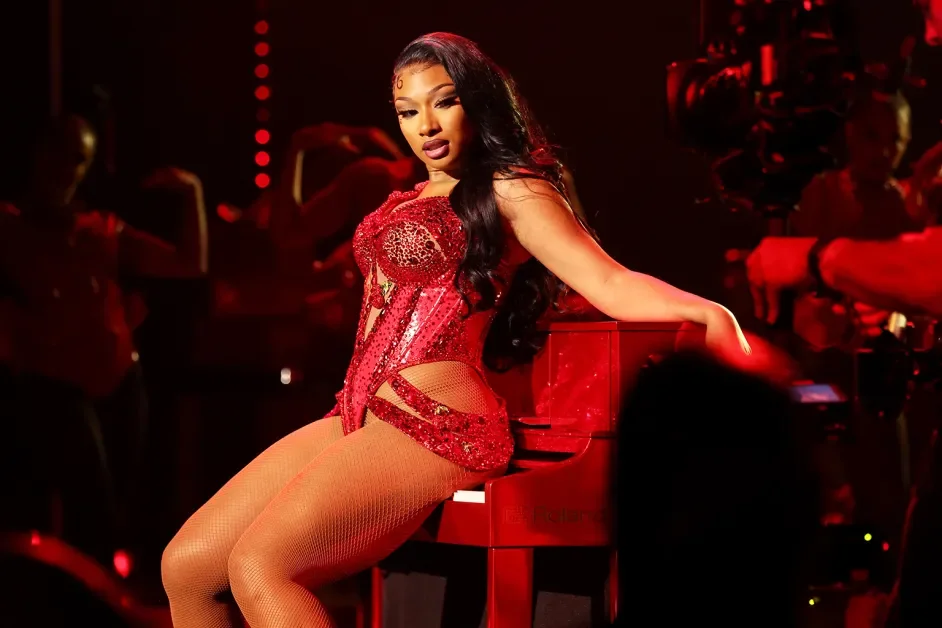
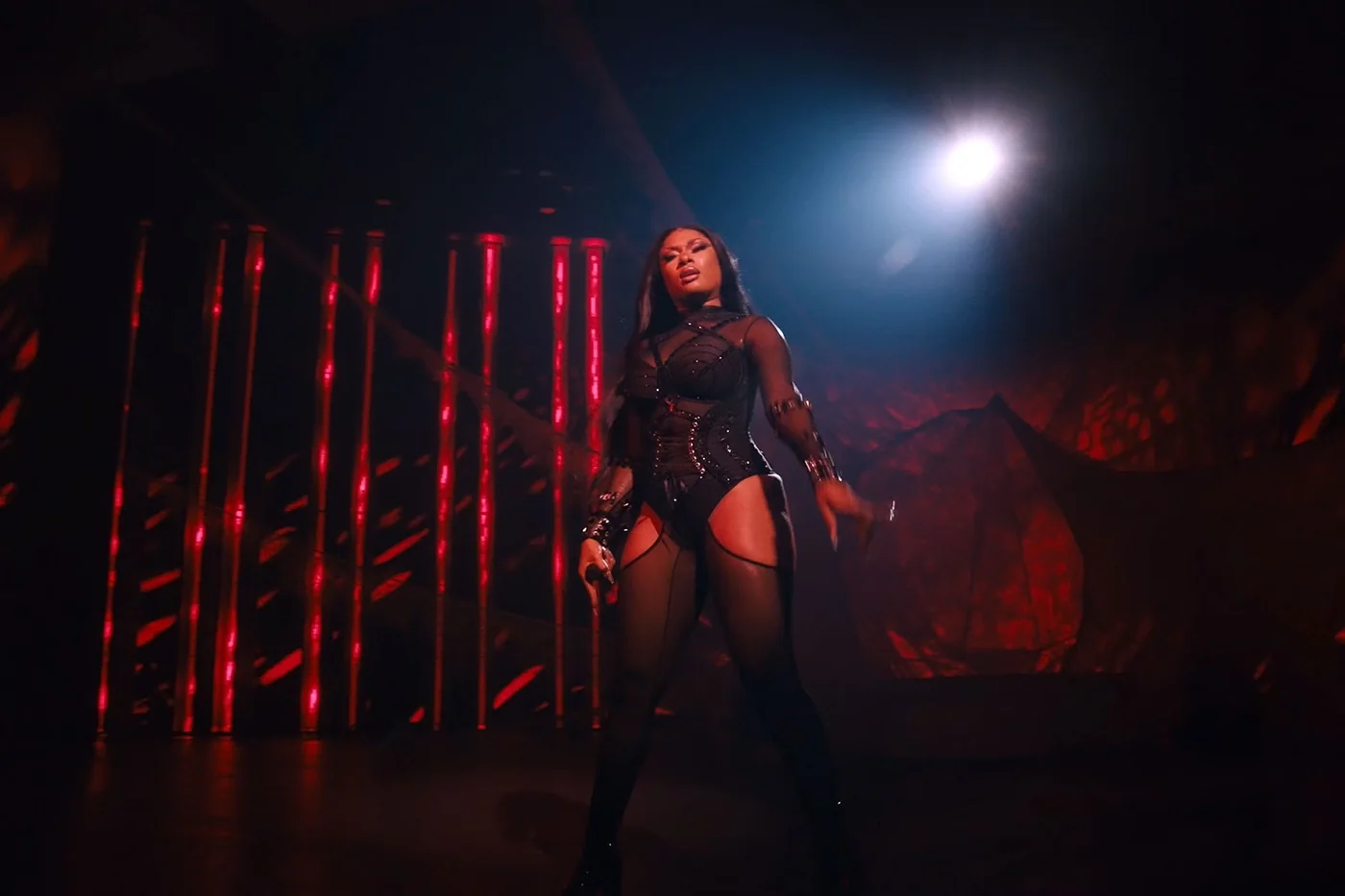
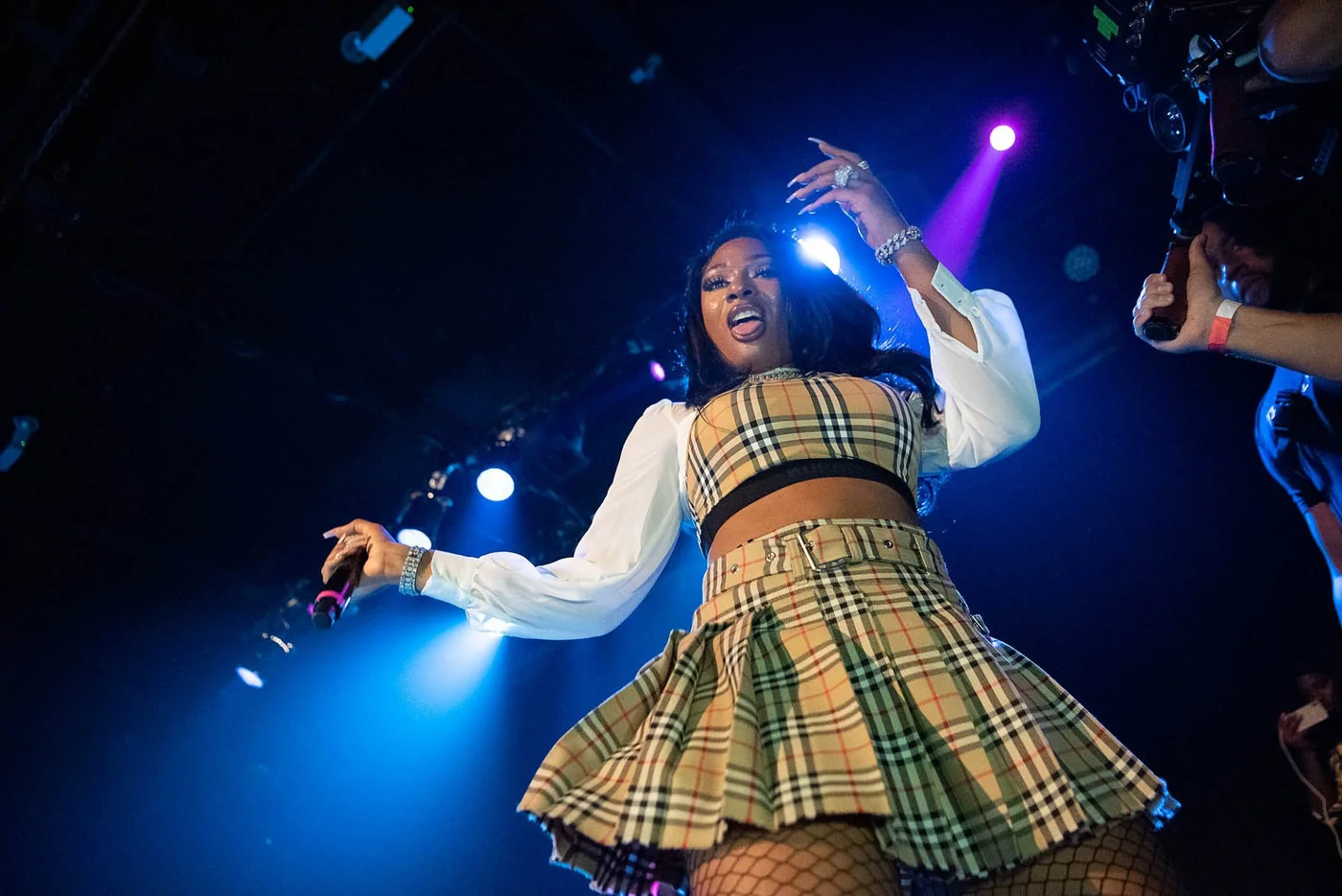
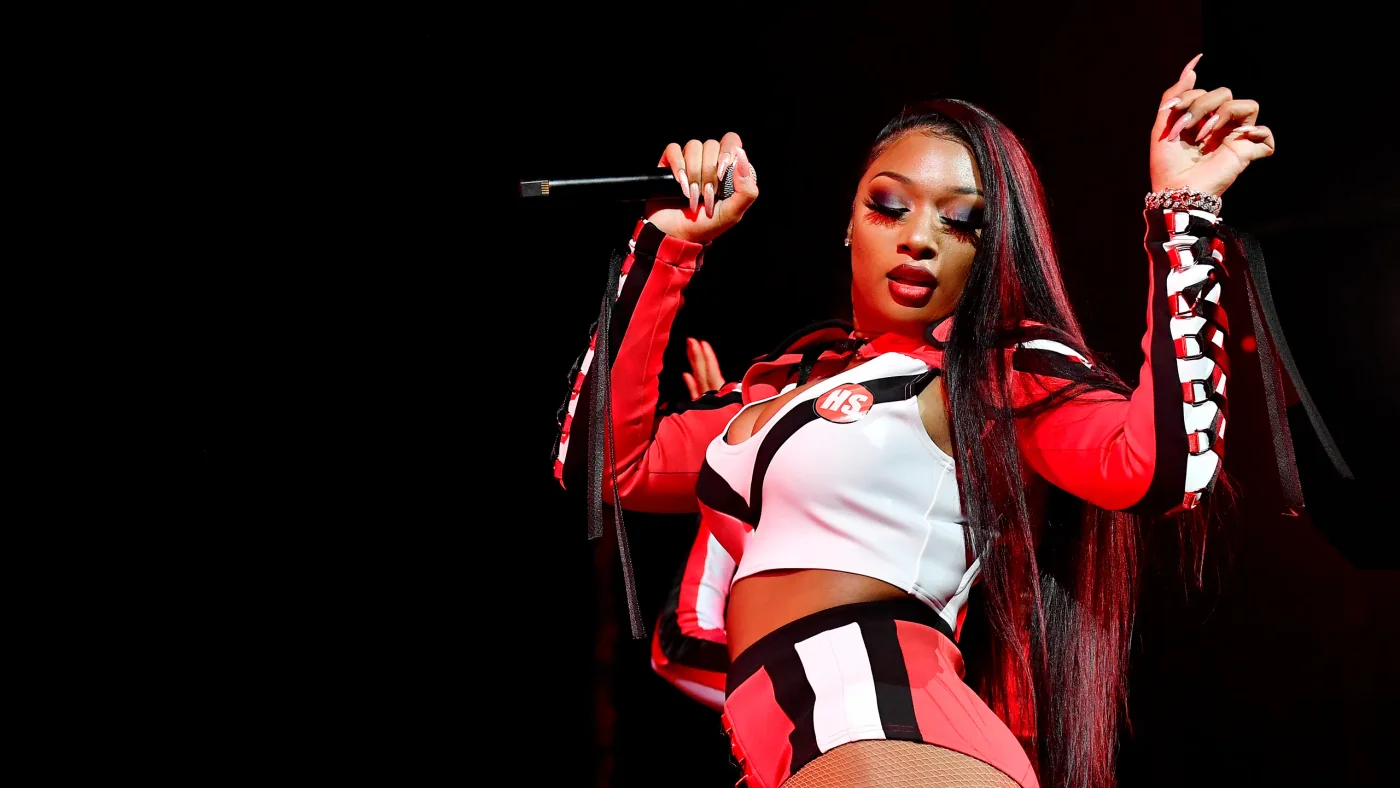
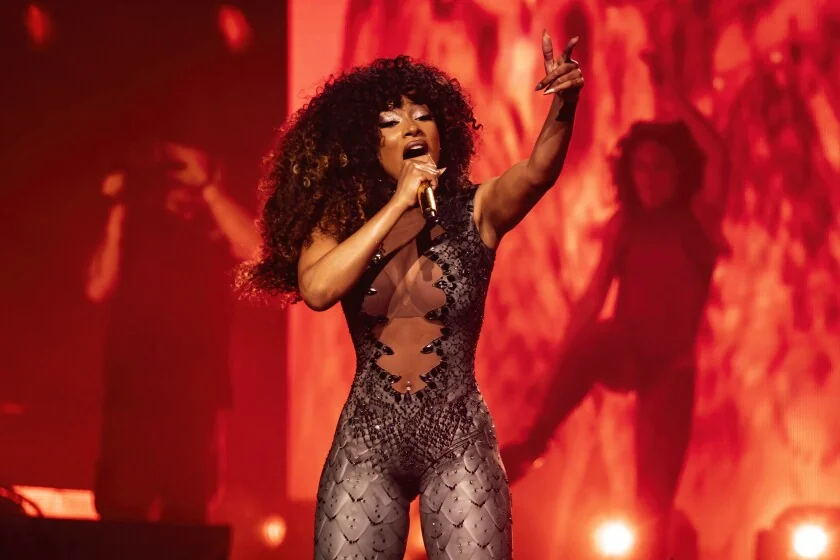
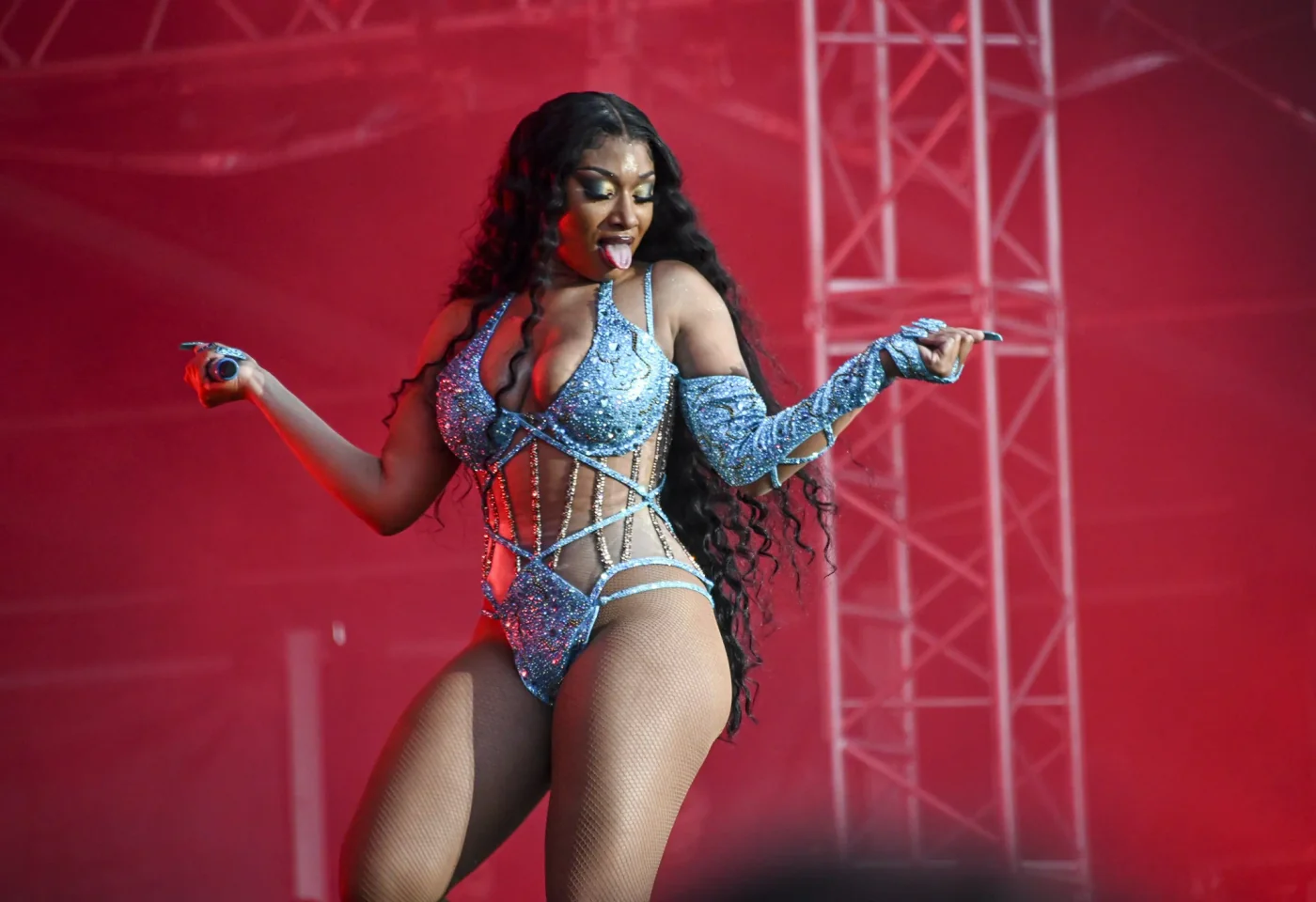
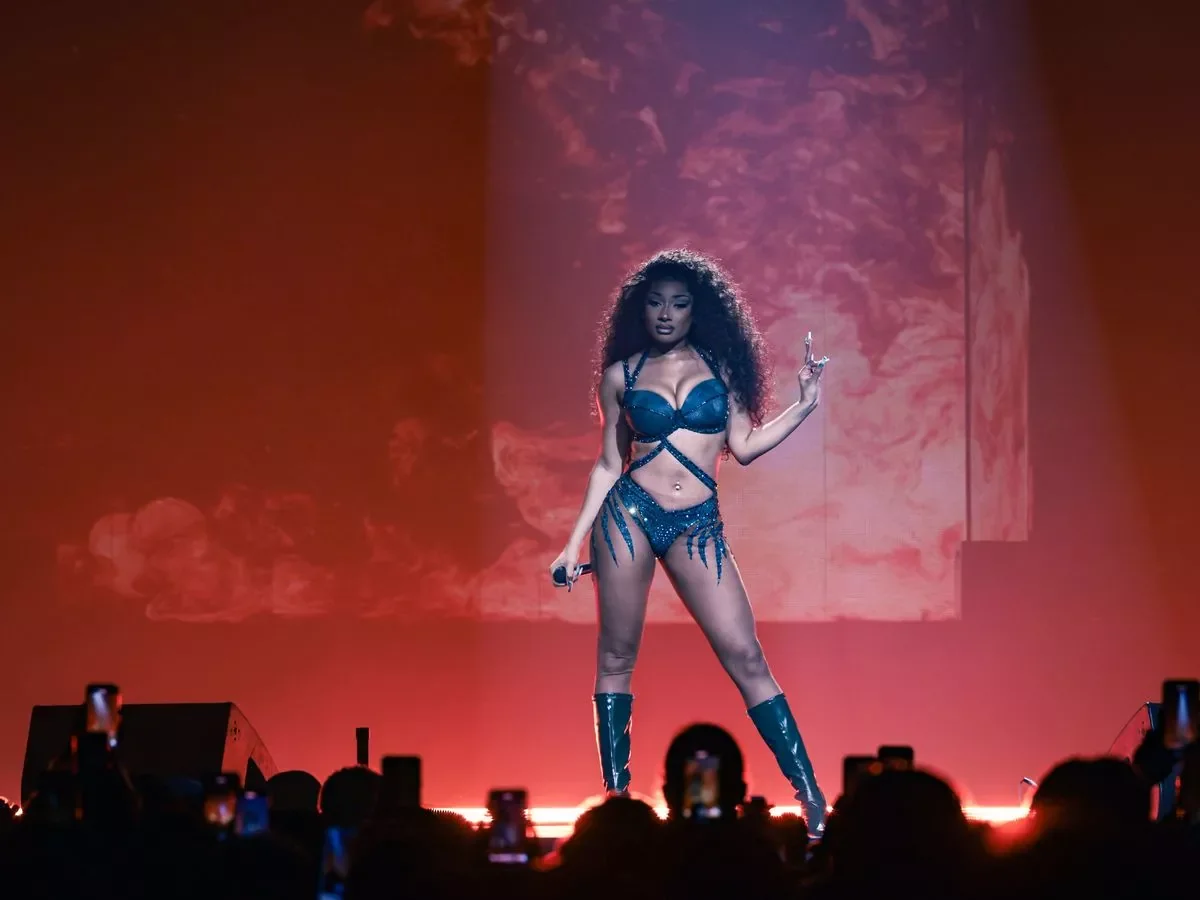
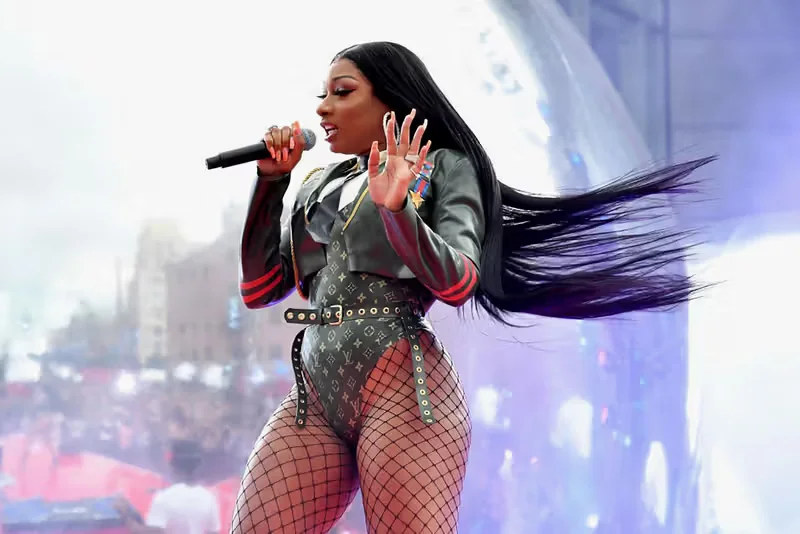
Live, Megan functions as a physical force. Her shows do not depend only on familiar tracks; they depend on presence. There is dancing, command, humor, direct interaction with the Hotties, and a feeling of athletic celebration. Her songs are built to move to, to shout along with, and to leave listeners walking a little more confidently afterward. That is one of her greatest gifts: she turns rap into a kind of emotional workout in self-belief.
Megan Thee Stallion’s legacy lies in bringing to mainstream rap an MC who can be technical, sexual, funny, hard, vulnerable, and massive at the same time. She represents a generation that understands power as performance, business, community, and survival. At her best, Megan sounds like Houston entering the future: heavy bass, clean bars, giant attitude, and a certainty that refuses to negotiate.
Main genre
RAP
Main subgenres
Like a superfan's list — except verified, with sources and links.
18–Apr 20, 2025
Indio, California · United States
Past11–Apr 13, 2025
Indio, California · United States
Past
11–Aug 13, 2023
San Francisco, California · United States
Past
Jun 29 – Jul 03, 2023
New Orleans, Louisiana · United States
Past
02–Sep 11, 2022
Rio de Janeiro, Rio de Janeiro · Brazil
Past
09–Jun 11, 2022
Barcelona, Catalunya · Spain
Past05–Jun 08, 2022
Barcelona, Catalunya · Spain
Past22–Apr 24, 2022
Indio, California · United States
Past15–Apr 17, 2022
Indio, California · United States
PastWhat we managed to link to the concert archive. If a date is missing, tell us — happens to us too.
No linked concerts
Every concert and festival of the year, traced on the globe. Hit play and follow the route stop by stop.
Photos from the public archive.
Recent coverage linked to the artist.


Close by genre and social signal.
No related artists
When there is enough genre signal, they will appear here.