Ranking
#59

Ranking
#59
Followers
111.1 M
Digital presence
Official profiles, streaming and discovery.
What a good fan recites by heart (or pretends to).
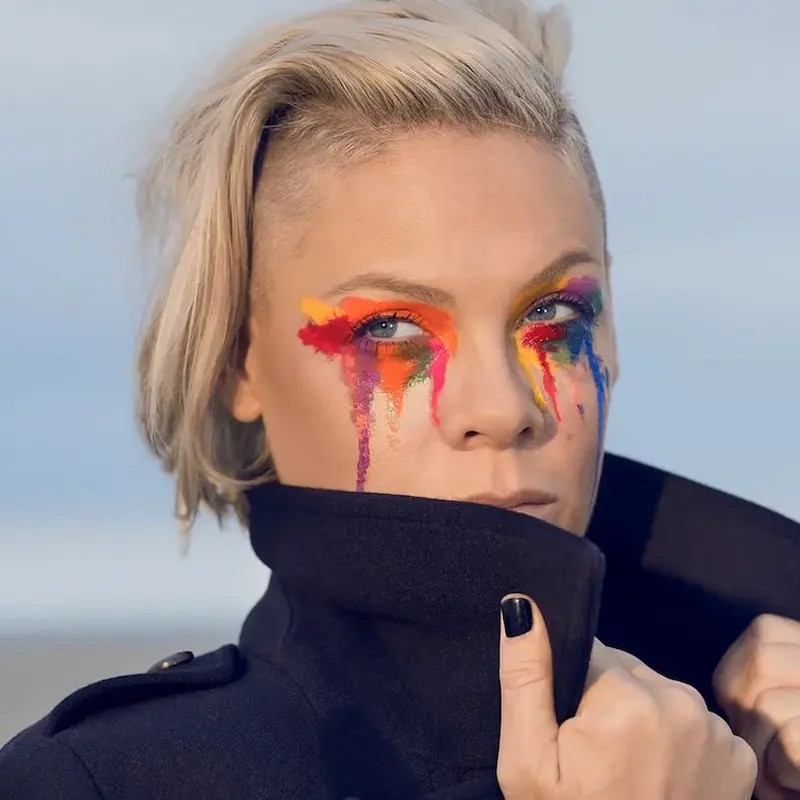
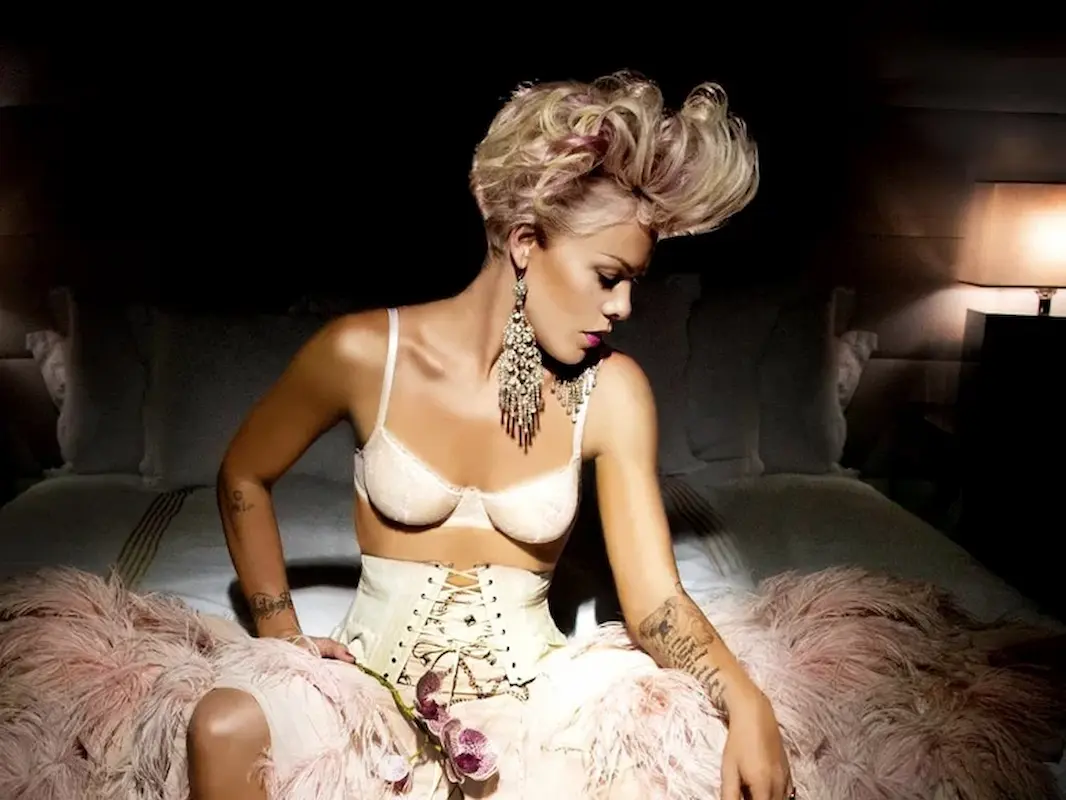
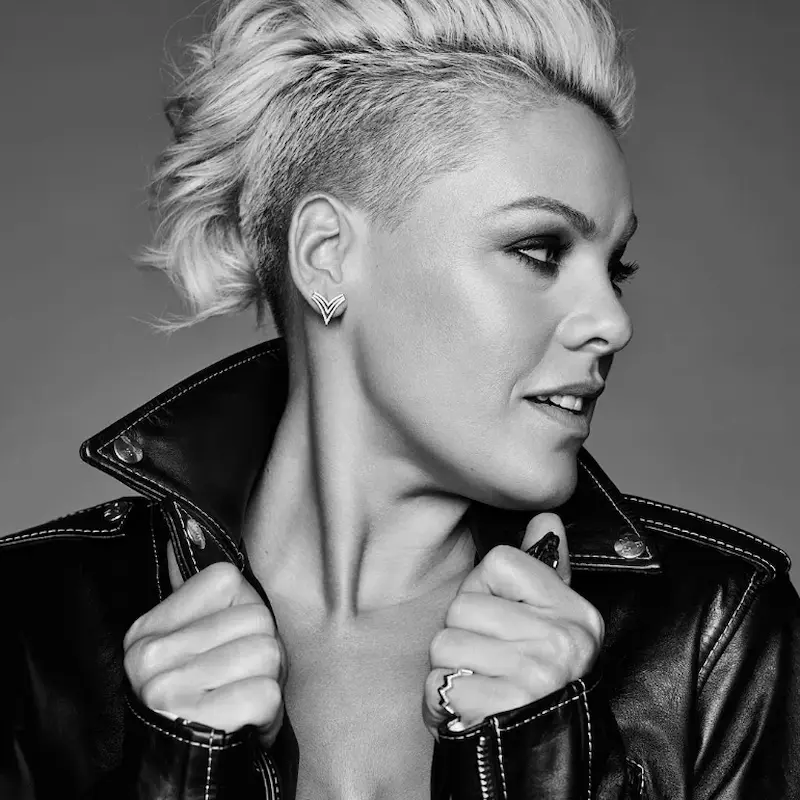
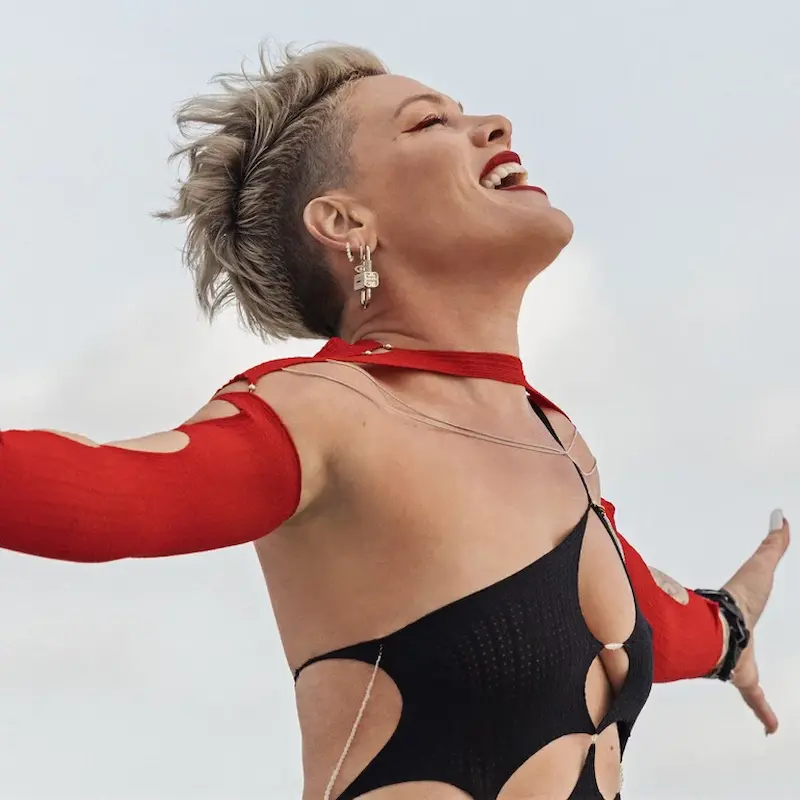
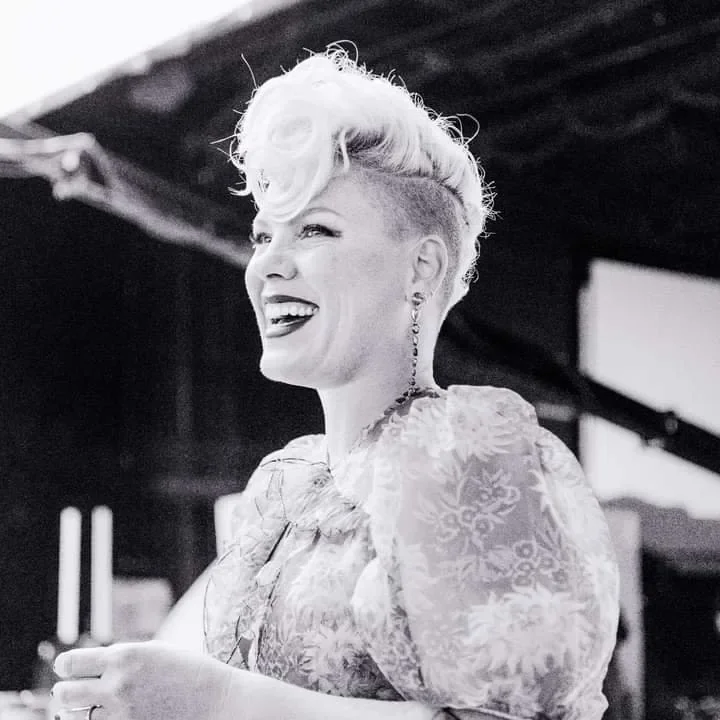
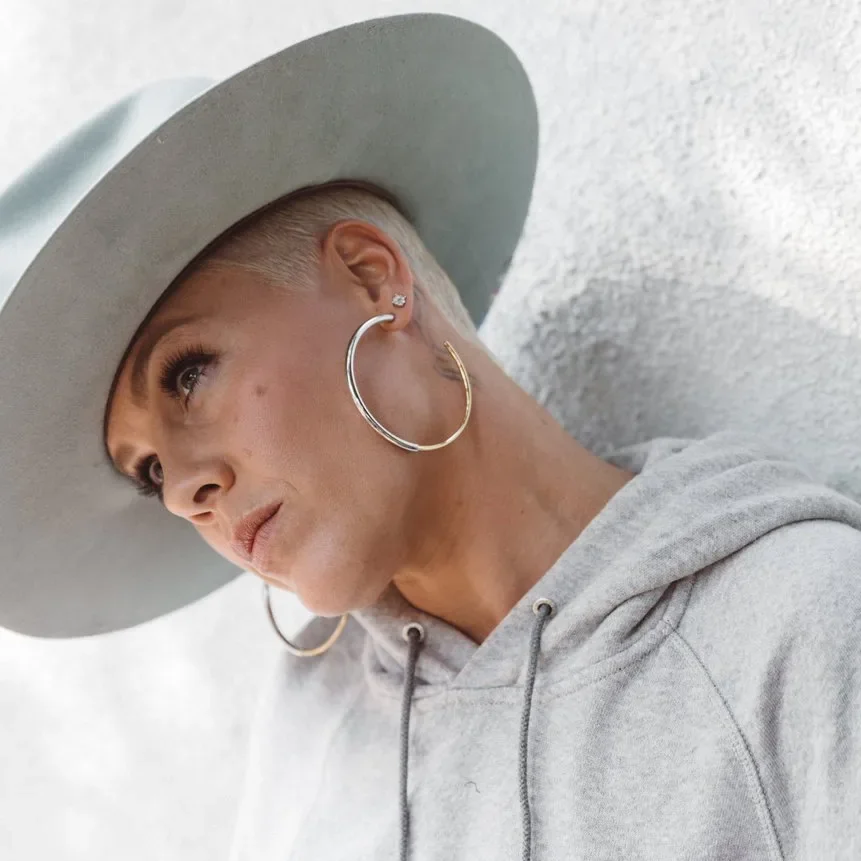
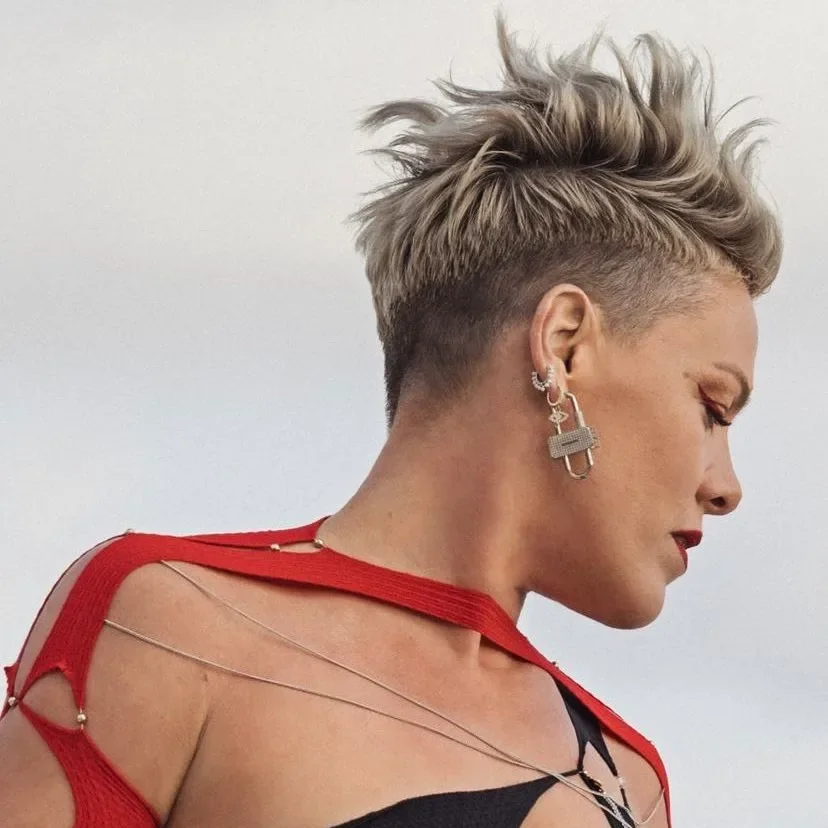
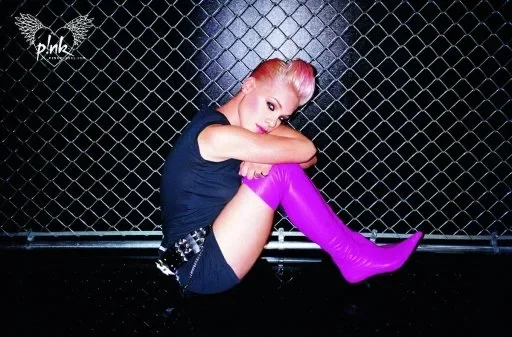
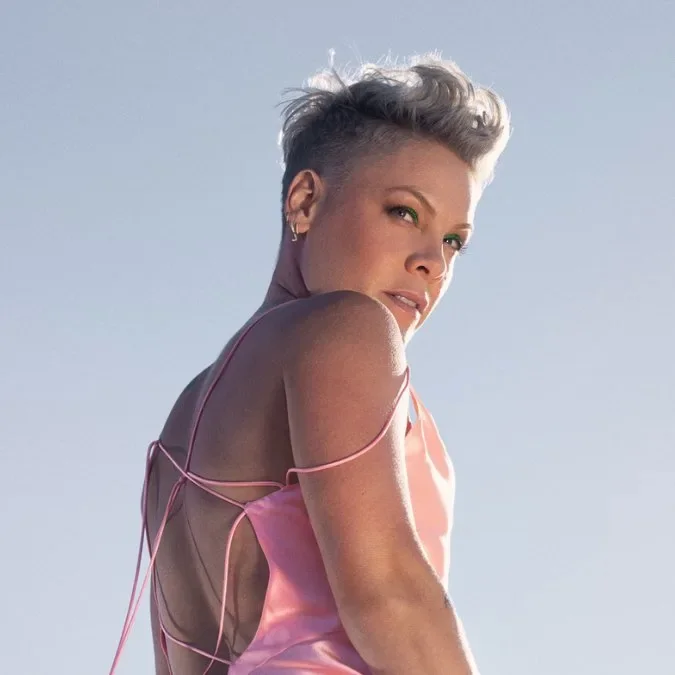
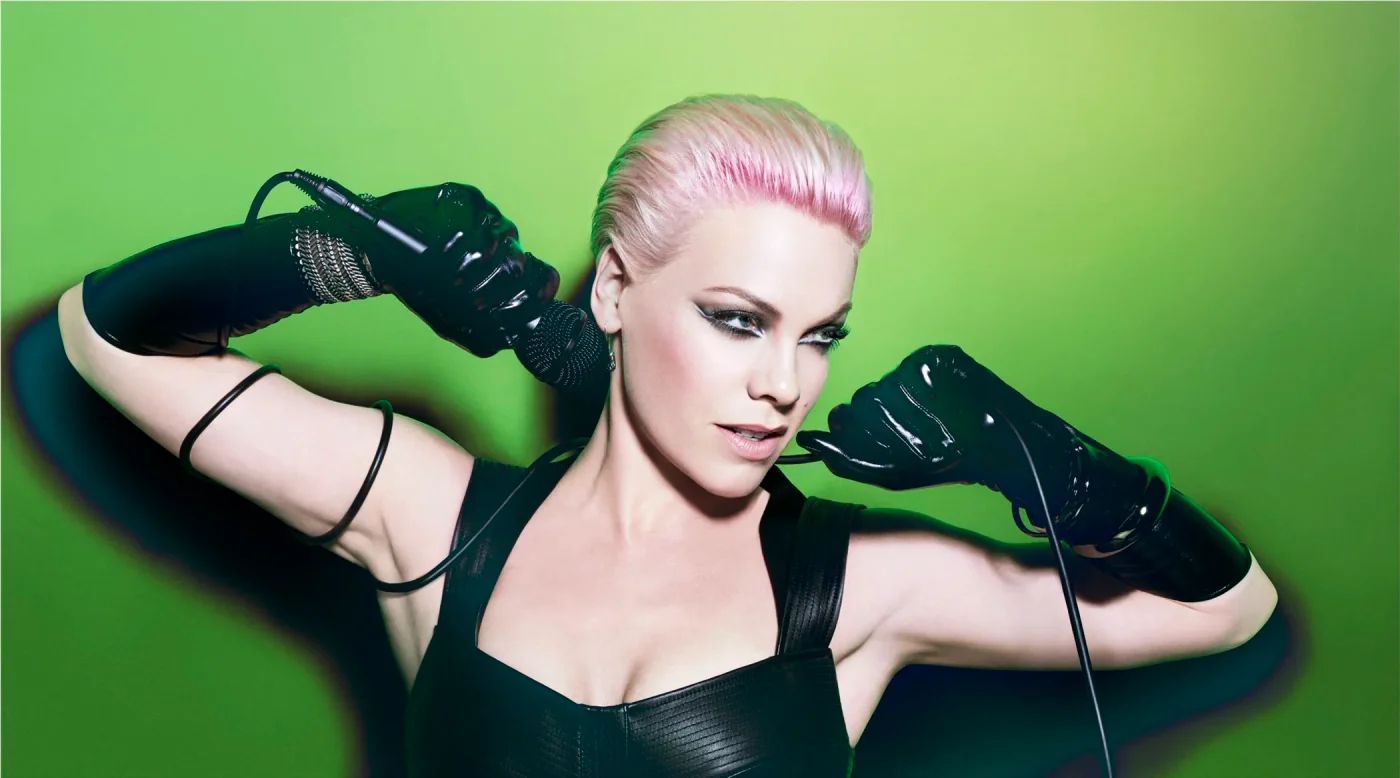
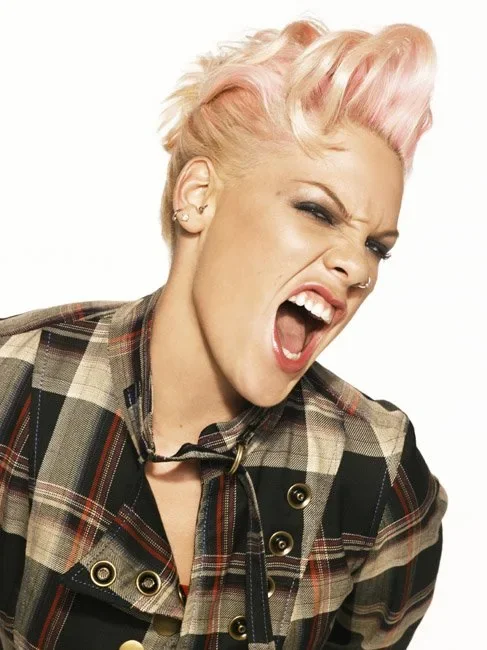
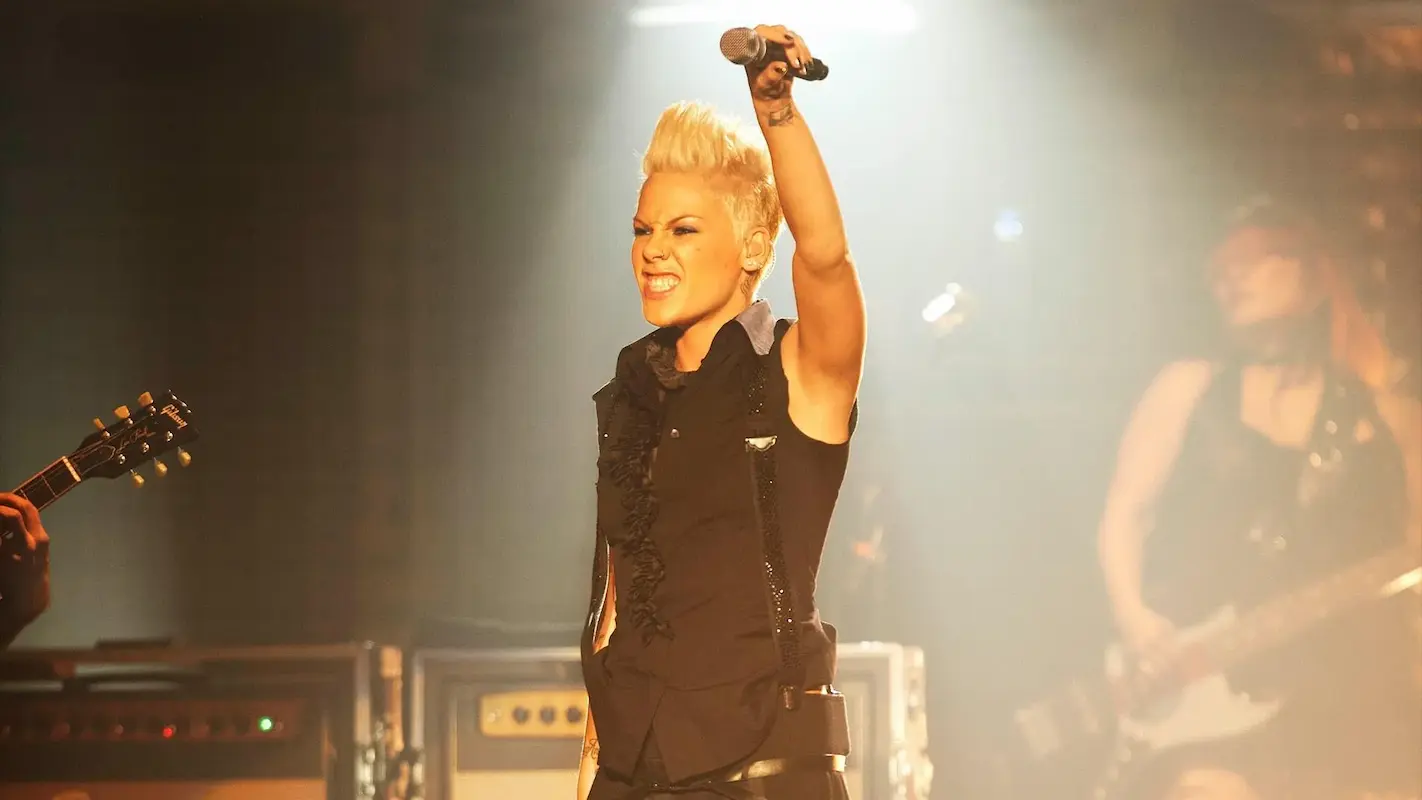
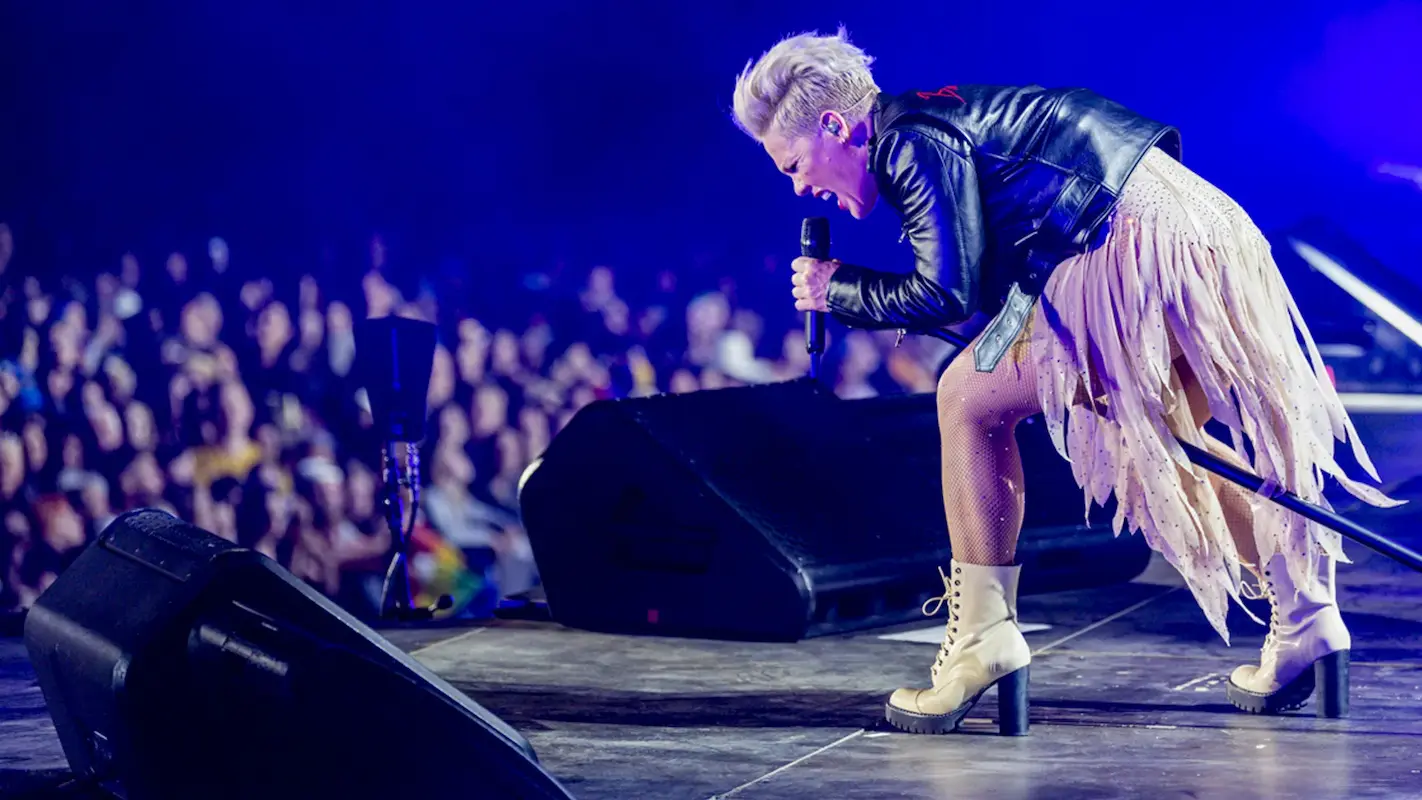
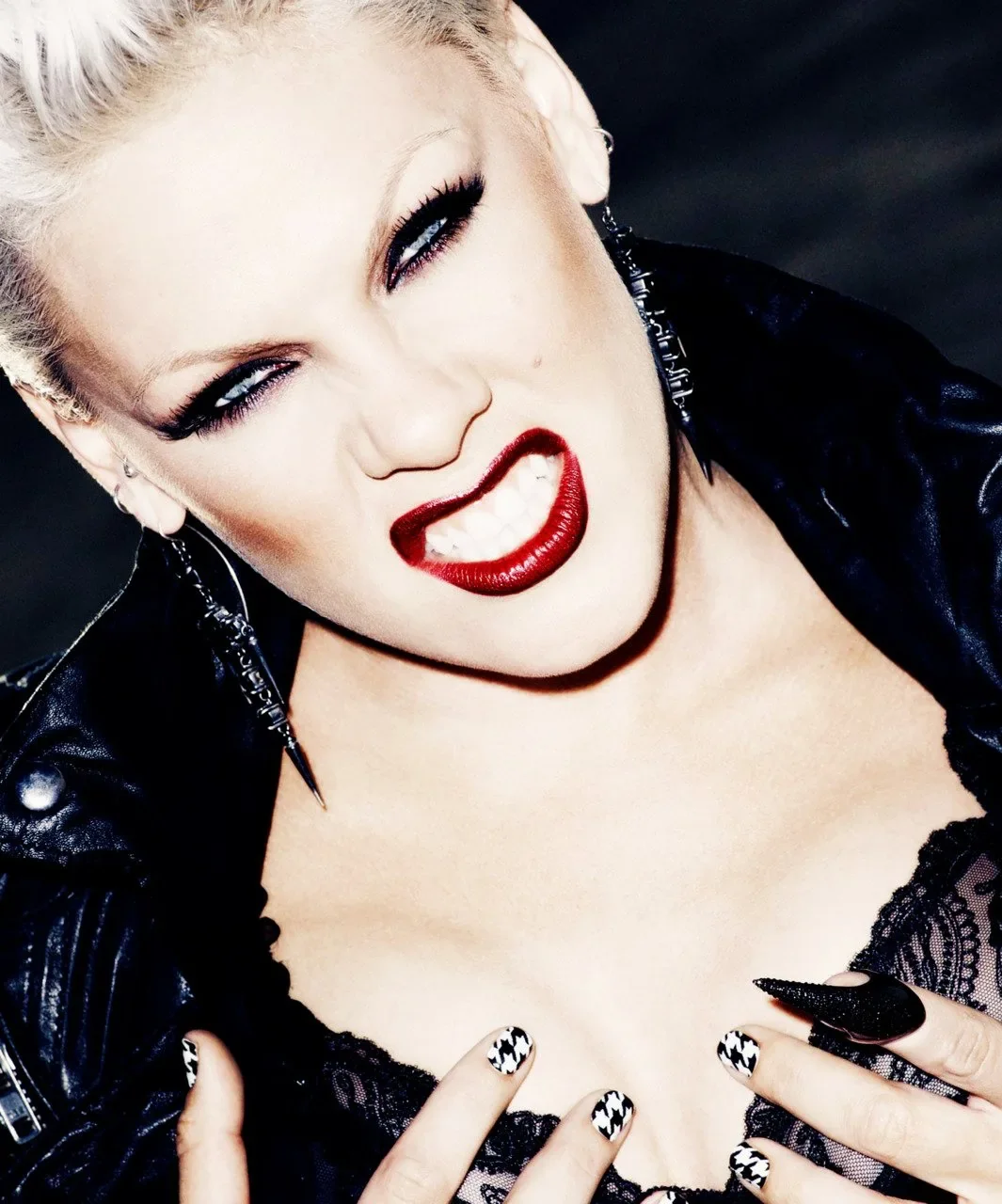
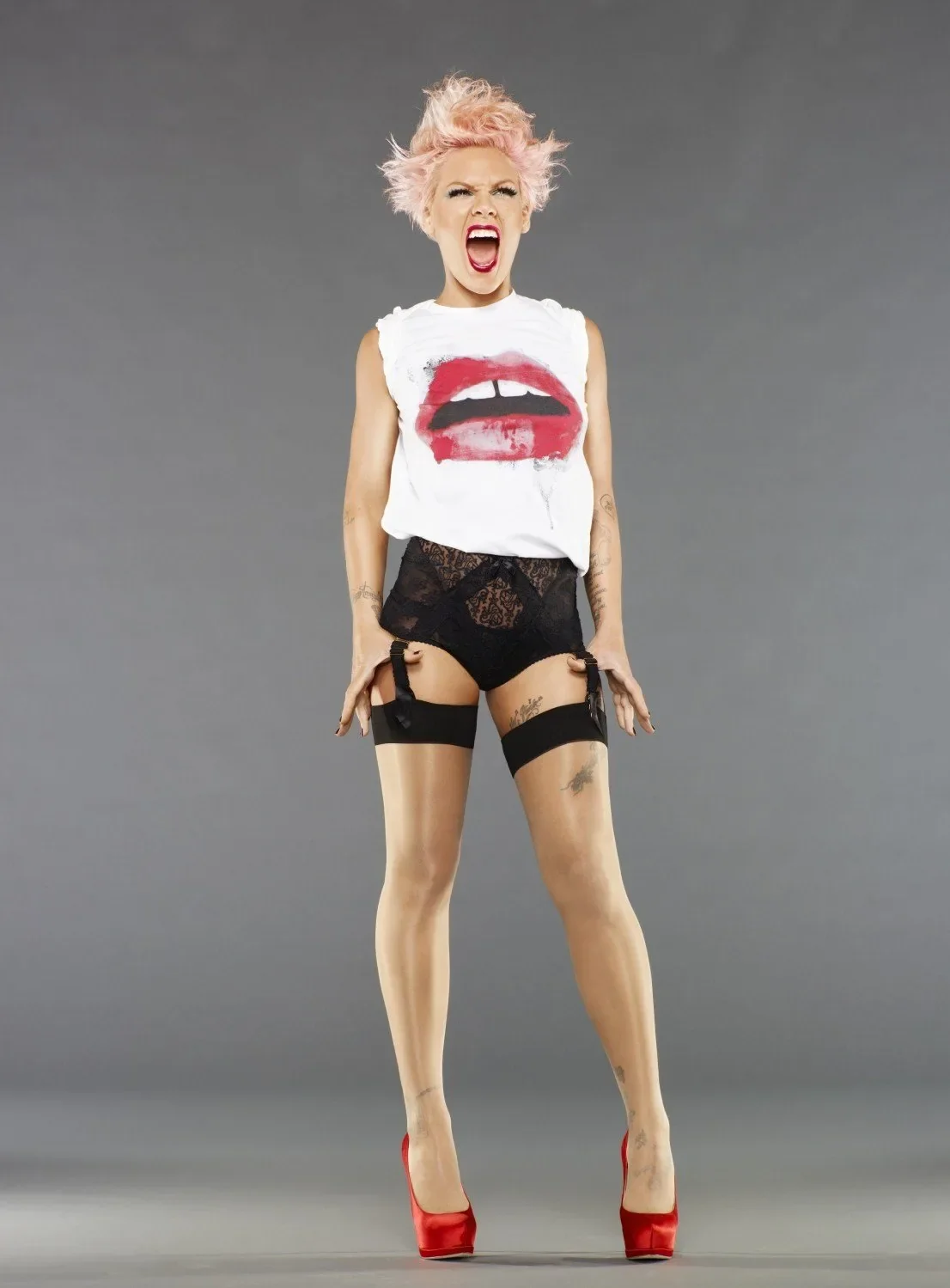
P!nk is one of the pop artists hardest to reduce to a single label, and that is exactly where much of her power lives. She entered the mainstream with an R&B voice, reinvented herself as a pop-rock star, turned teenage and adult anger into anthems, carried vulnerability into giant arenas and eventually built one of the most physical, emotional and recognizable live shows in contemporary music. Her career is not only defined by hit songs, but by an attitude: P!nk seems built to sing while falling, flying, getting bruised, standing back up and still having enough air left to say something honest.
Born in Doylestown, Pennsylvania, Alecia Beth Moore grew up far from the polished mold that dominated much of female pop in the late 1990s. Before she became P!nk, there was already a rough-edged voice, a confrontational personality and an intense relationship with music as a place of survival. Her childhood and adolescence were shaped by writing, sport, the Philadelphia club scene, R&B, hip-hop, rock, soul and a clear need to say things without too many filters. That early mixture explains why, from the beginning, P!nk did not sound like someone completely interested in pleasing people. She sounded like someone interested in making it out alive from her own emotions.
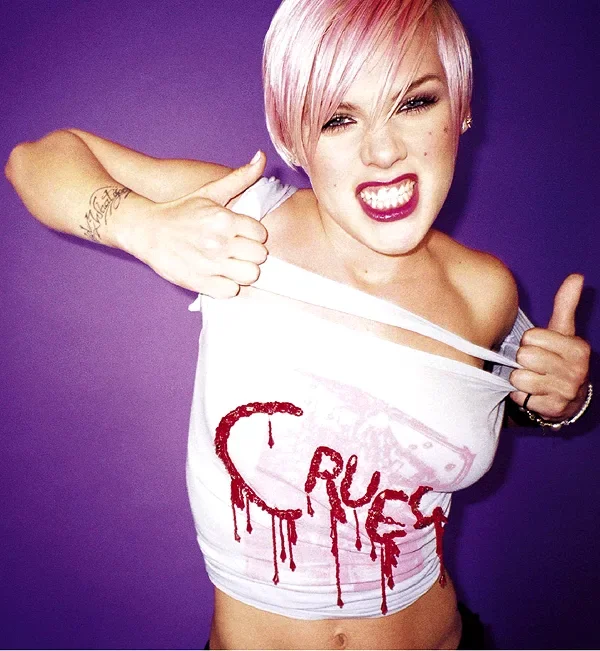
*Can’t Take Me Home* introduced her in 2000 within a sound closer to the R&B-pop of the era. “There You Go,” “Most Girls” and “You Make Me Sick” revealed a young singer with attitude, a powerful voice and a less compliant energy than many of the pop figures sharing radio space with her. But that first phase, important as it was, did not fully explain who she was. There was talent and presence, yes, but also the feeling that she was still wearing a suit not completely designed for her artistic body. P!nk could function inside that sound, but she did not seem destined to stay there.
The break came with *Missundaztood*. That album was more than a reinvention; it was a declaration of independence. Working with Linda Perry and moving toward pop rock, P!nk found a language closer to her real personality: guitars, confession, sarcasm, family wounds, insecurity, anger, the desire to escape and a voice that could sound strong without hiding the tremor. “Get the Party Started” was the fun explosion, but the heart of the record was also in “Don’t Let Me Get Me,” “Just Like a Pill” and “Family Portrait.” There, P!nk turned personal discomfort into massive pop, and she did it without smoothing the edges too much.
One of her great virtues has been speaking about pain without always turning it into solemn tragedy. P!nk can sing about self-worth, breakup, family, anger, emotional addiction, frustration or fear with a very particular mix of irony and tenderness. She does not present herself as a pure victim or a perfect heroine. She allows herself to be contradictory: strong and wounded, funny and furious, maternal and wild, romantic and skeptical. That contradiction has made many people see themselves in her. Her songs do not promise an orderly life; they promise that you can keep singing even when life is a mess.
With *Try This*, *I’m Not Dead* and *Funhouse*, P!nk consolidated her place as an artist who could make big pop without losing character. “Trouble” gave her a direct rock energy. “Stupid Girls” used acidic humor to criticize certain models of fame and femininity. “Who Knew” transformed loss into a song both bright and devastating. “U + Ur Hand” turned personal boundaries into a dance-floor anthem. “So What” made a breakup feel like a carnival of insolence. In that period it became clear that P!nk knew how to use pop as a tool of impact: catchy songs, yes, but with a protagonist who did not ask permission to be upset.
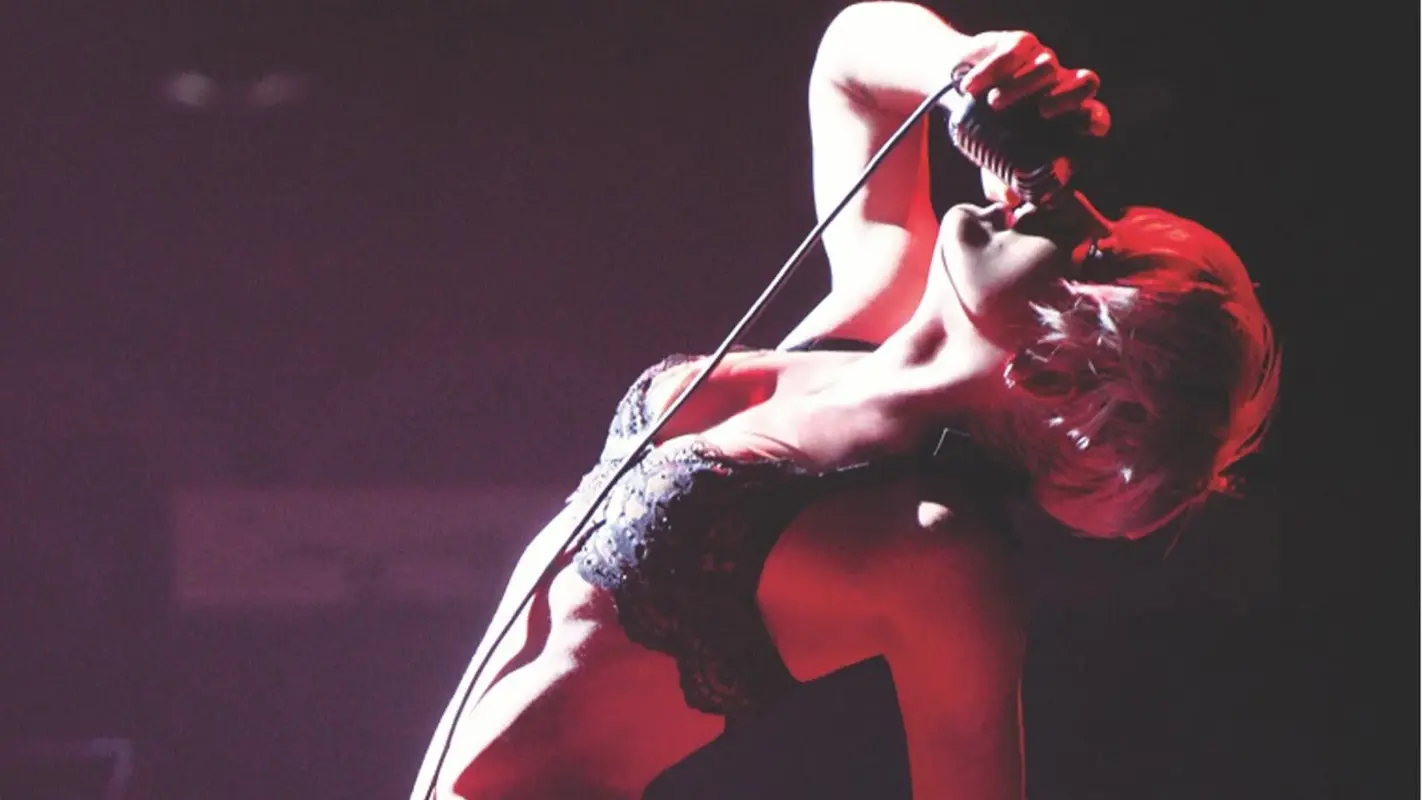
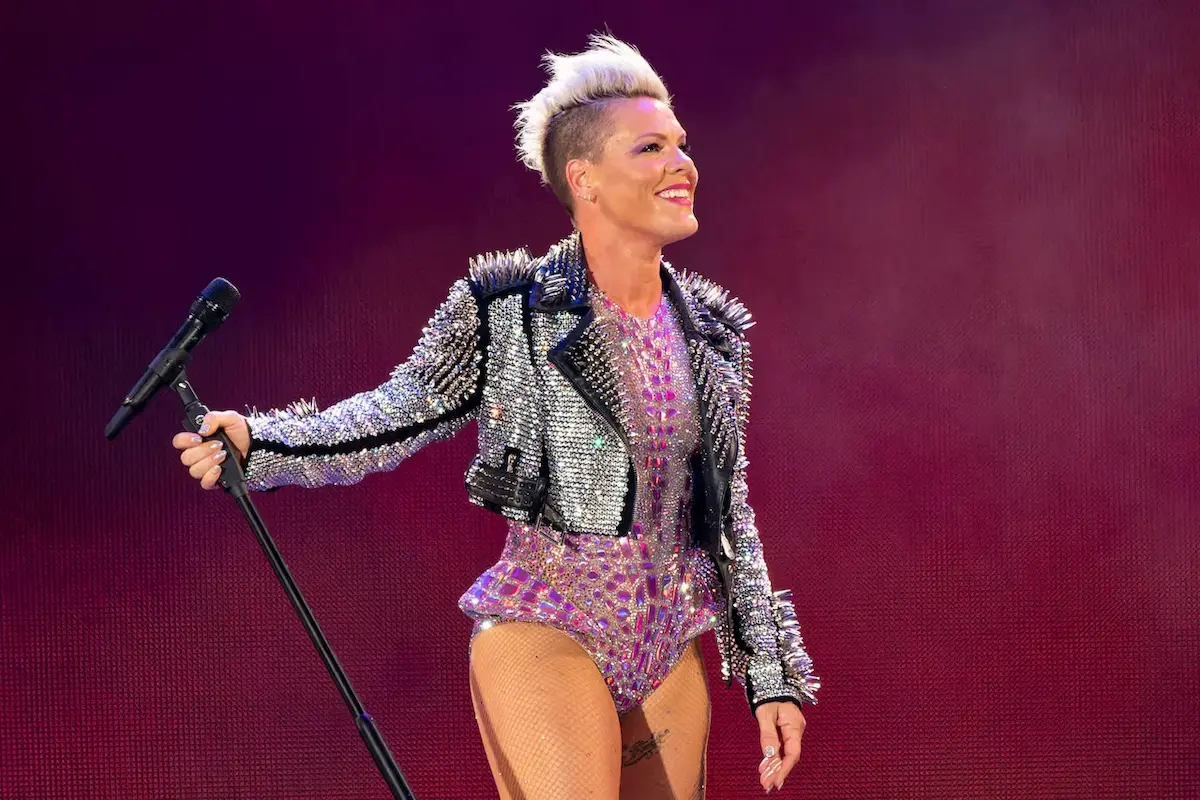
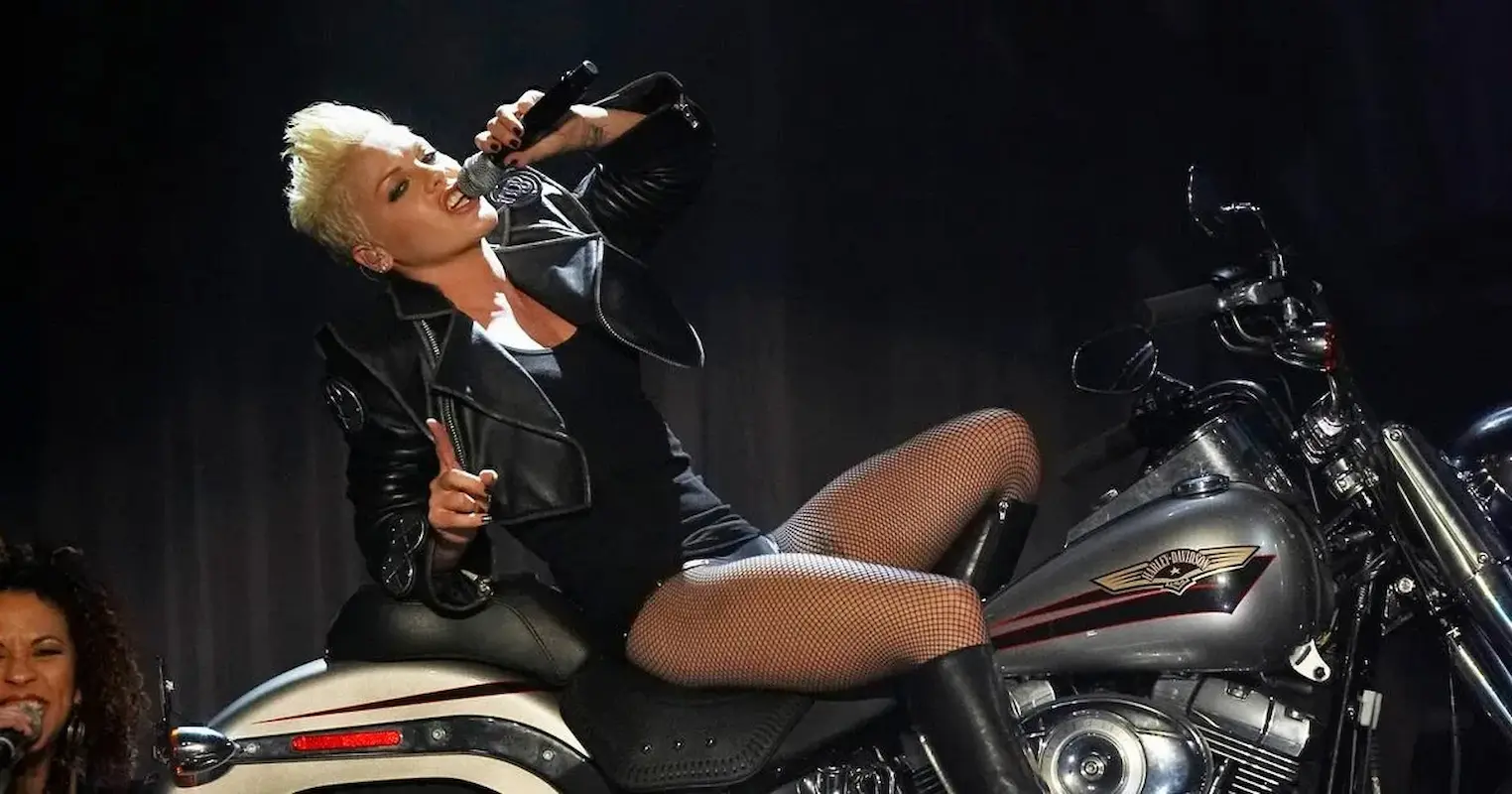
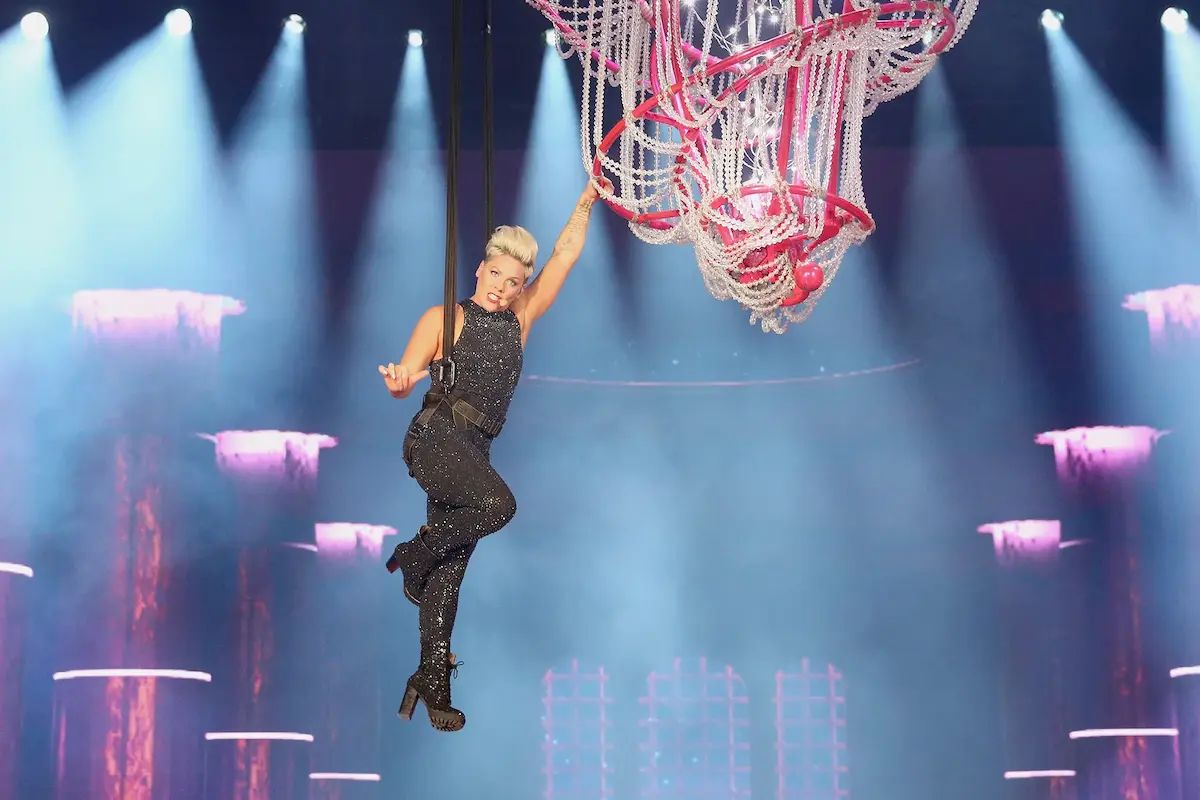
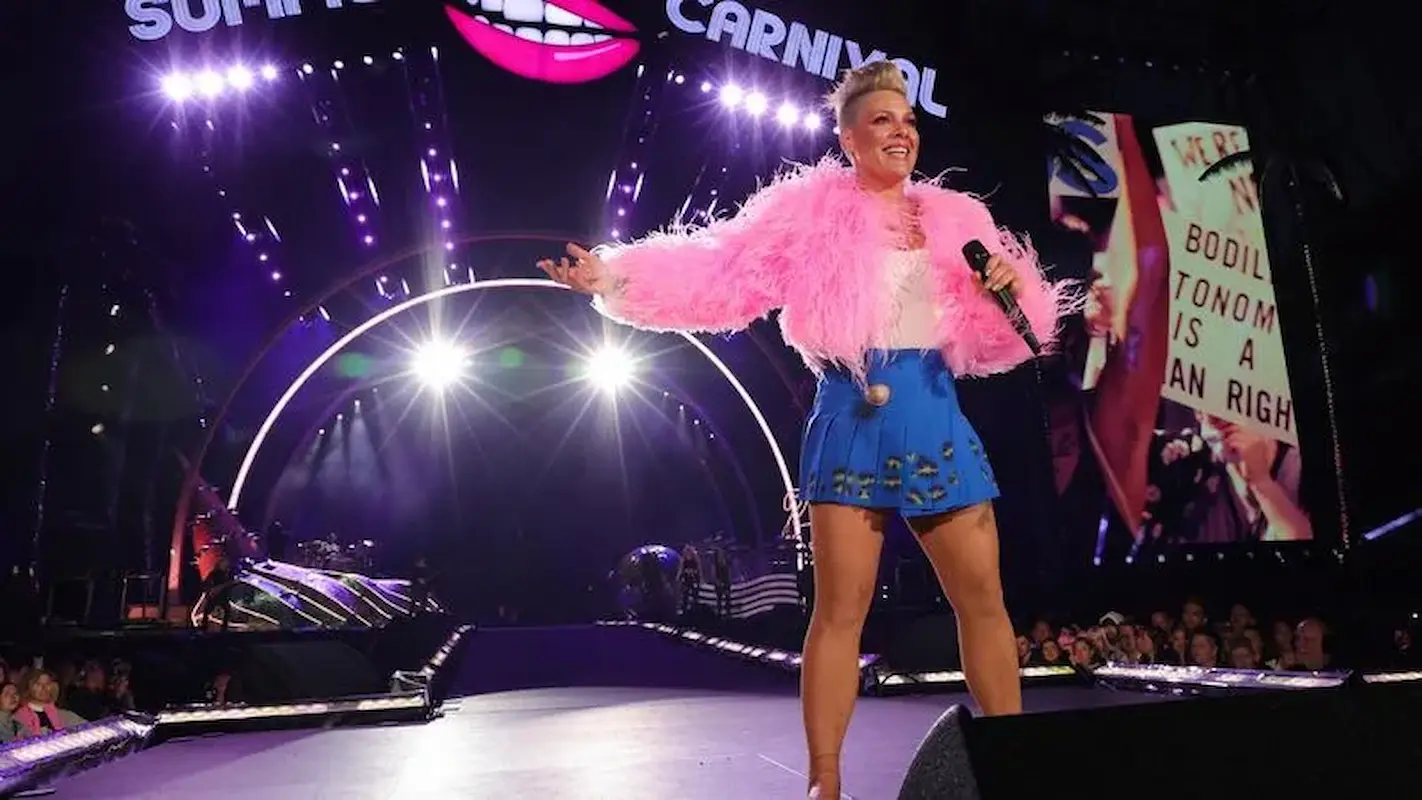
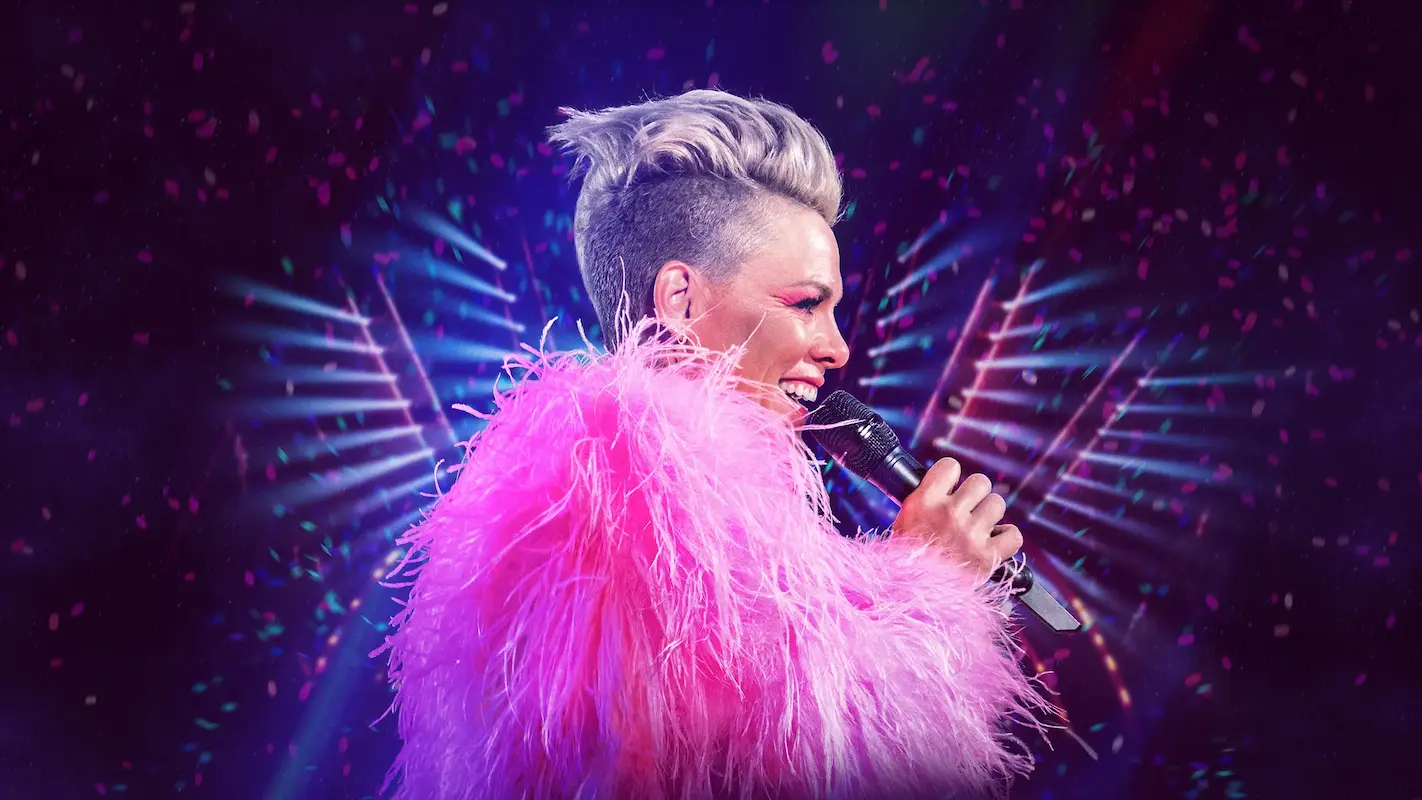
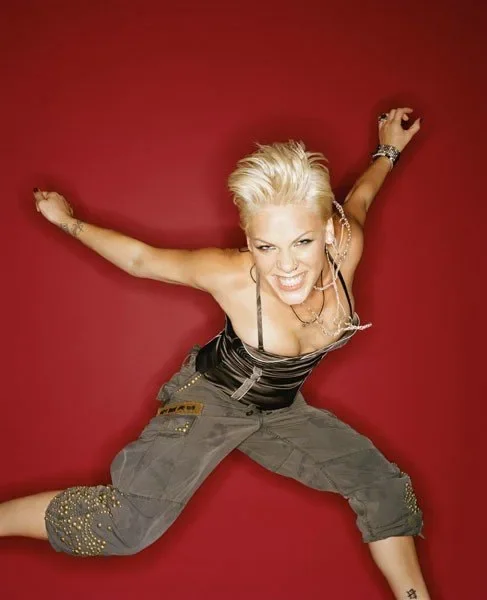
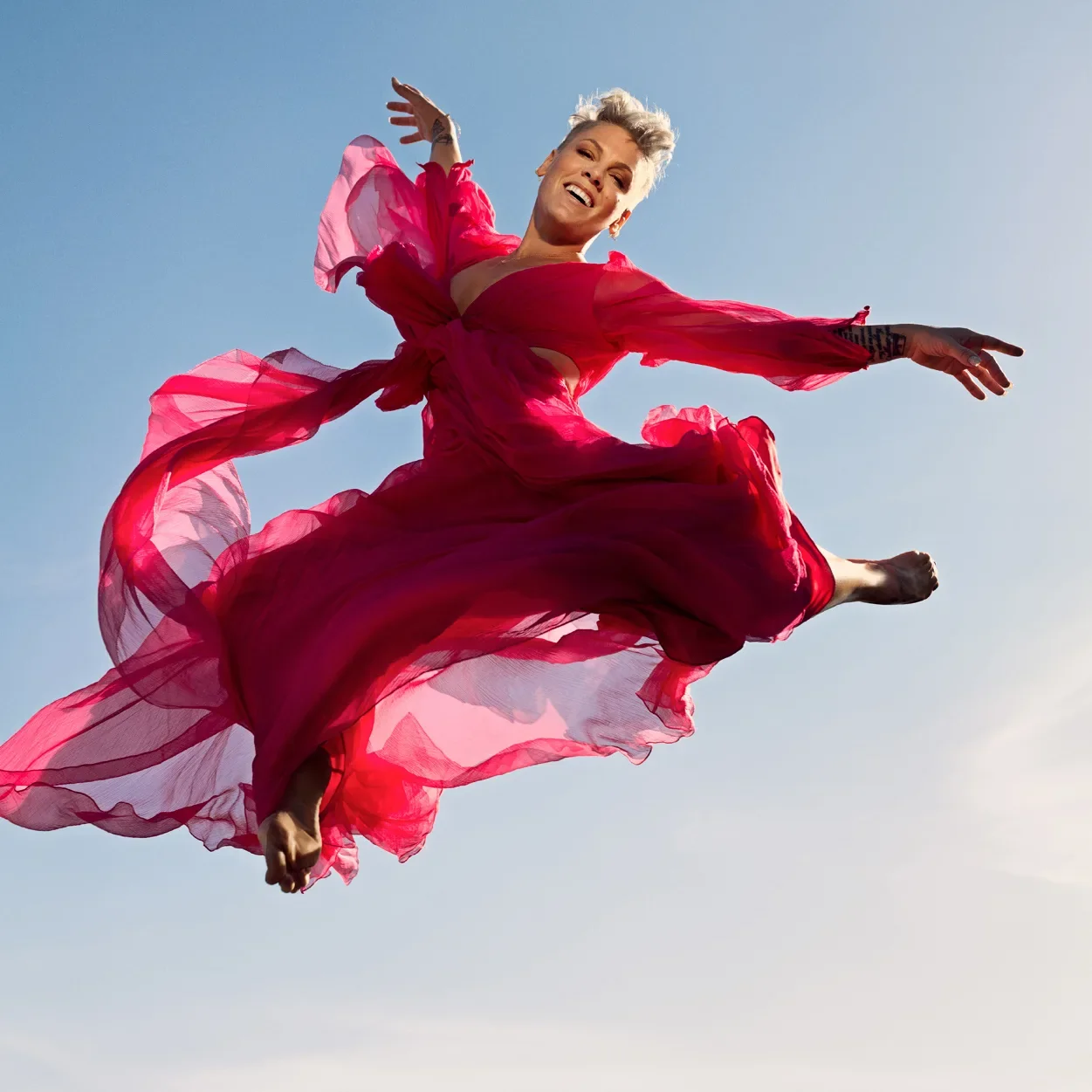
Her relationship with the stage took everything to another dimension. P!nk did not settle for singing well in front of a band; she turned her body into part of the language. The flights, acrobatics, harnesses, spins above the crowd and extreme physical stamina do not work as circus decoration, but as an extension of her narrative. For an artist who has sung so often about falling, resisting, breaking and returning, seeing her suspended in the air while singing carries huge symbolic force. Her concerts mix athleticism, theater, pop, rock, confession and community. They are not just hit shows; they are demonstrations of commitment.
*The Truth About Love* expanded her reach with a more mature P!nk who was still just as direct. “Blow Me (One Last Kiss)” kept the pop-rock edge. “Try” spoke about persisting even when love hurts. “Just Give Me a Reason,” with Nate Ruess, became one of her most universal ballads because it asks an intimate question with brutal clarity: can something be fixed before it breaks completely? That era proved that P!nk did not need to choose between stadium anthem and domestic emotion. She could sing to thousands and still sound like a difficult conversation in a kitchen.
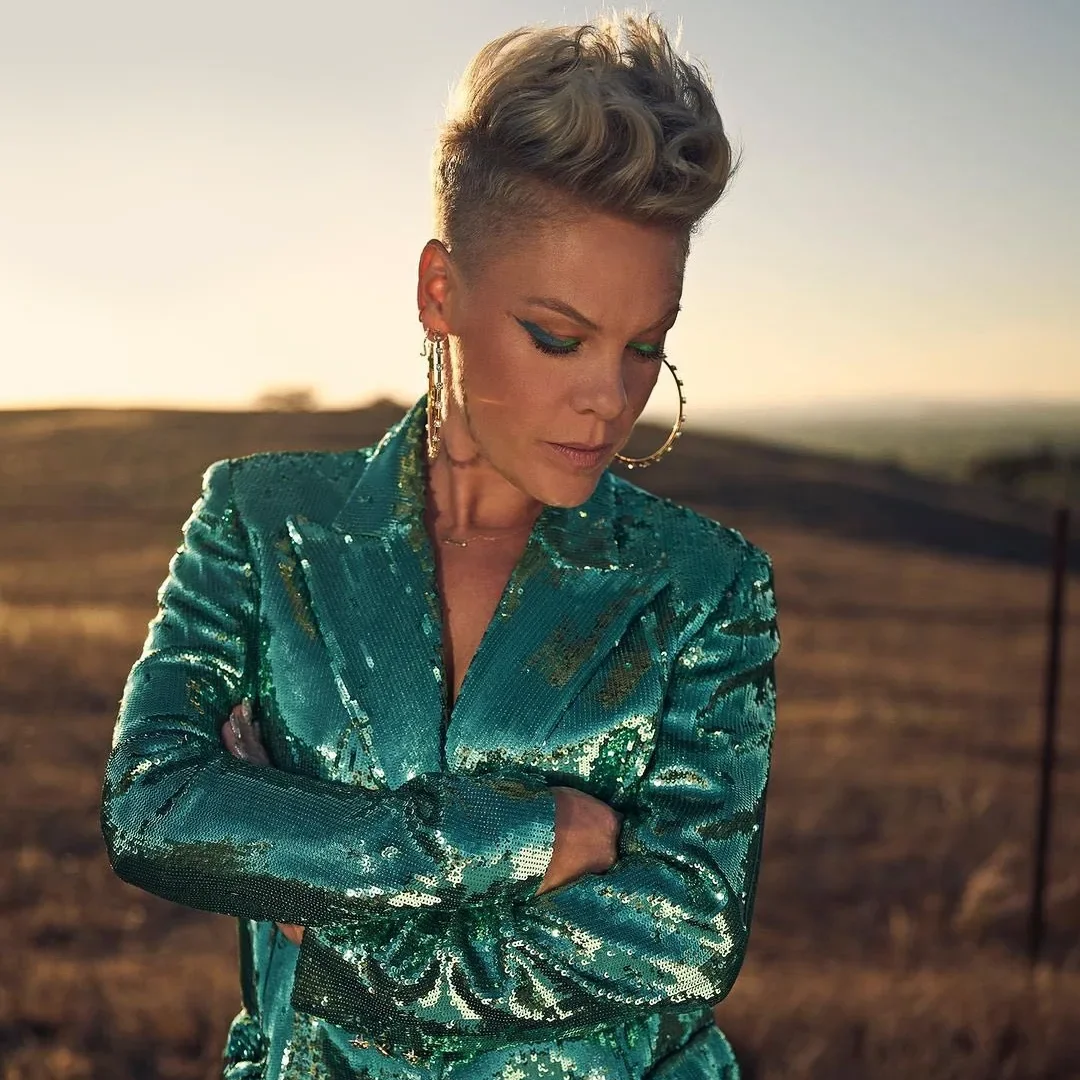
Later albums such as *Beautiful Trauma*, *Hurts 2B Human* and *TRUSTFALL* showed an adult artist processing motherhood, marriage, grief, uncertainty, emotional politics and exhaustion without losing pop momentum. “What About Us” connected her voice to a collective feeling of disappointment. “Walk Me Home” returned to the search for companionship in dark times. “Never Gonna Not Dance Again” chose joy as resistance. “TRUSTFALL” turned trust into a leap. In her best recent moments, P!nk does not try to sound eternally young. Her power lies in singing from an adulthood full of questions, still capable of dancing, crying and laughing at itself.
Her public figure matters too. P!nk has been a direct presence around self-worth, family, rights, inclusion, health, motherhood and authenticity. She does not always look for the diplomatic phrase. Often, she appears like someone who would rather be uncomfortable than false. That honesty, along with her humor and the way she speaks to audiences as if there were no wall between star and fan, has built a deeply loyal relationship with several generations. For many, P!nk is not a distant diva, but a tough older sister figure telling you to cry, scream, get back up and keep going.
P!nk matters because she opened space for a pop star who could be muscular, vulnerable, sarcastic, maternal, political, romantic, furious and acrobatic without apologizing for any of those layers. Her legacy lives in choruses sung with fists in the air, ballads that feel like confessions, shows where the body defies gravity and a very clear idea of freedom: you do not have to be perfect to be powerful. At her best, P!nk sounds like someone who has fallen many times, learned to fly with the scars still visible and still wants to invite everyone to sing from the edge.
Main genre
POP
Main subgenres
Like a superfan's list — except verified, with sources and links.
Jun 23 – Jul 09, 2023
London · United Kingdom
PastJun 17, 2023
Rotselaar, Vlaams-Brabant · Belgium
Past
Sep 27 – Oct 06, 2019
Rio de Janeiro, Rio de Janeiro · Brazil
PastWhat we managed to link to the concert archive. If a date is missing, tell us — happens to us too.
No linked concerts
Every concert and festival of the year, traced on the globe. Hit play and follow the route stop by stop.
Photos from the public archive.
Recent coverage linked to the artist.




Close by genre and social signal.
No related artists
When there is enough genre signal, they will appear here.