








Ranking
#90

Ranking
#90
Followers
82.2 M
Digital presence
Official profiles, streaming and discovery.
What a good fan recites by heart (or pretends to).
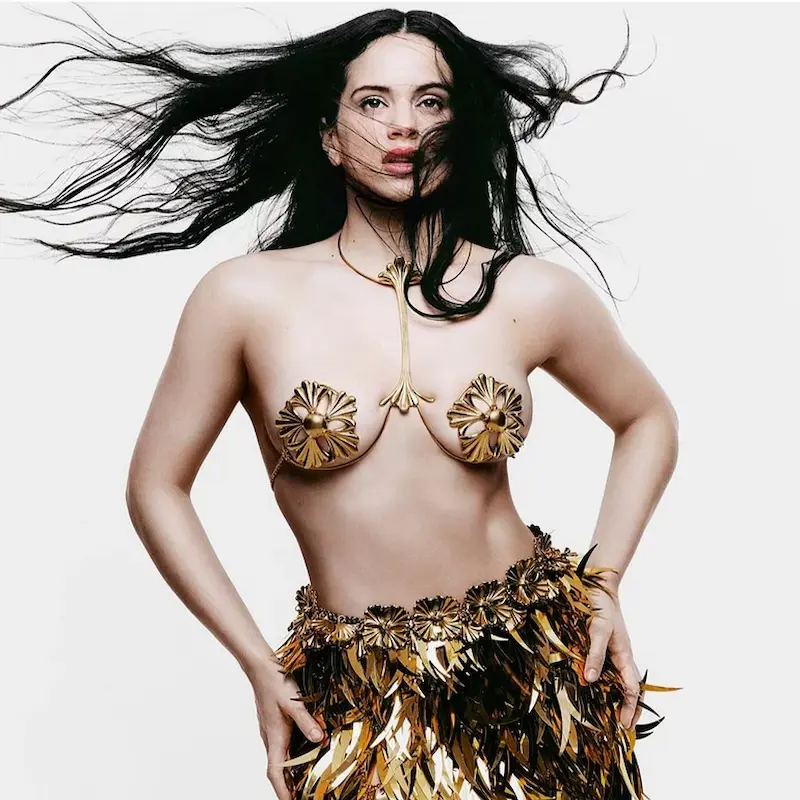
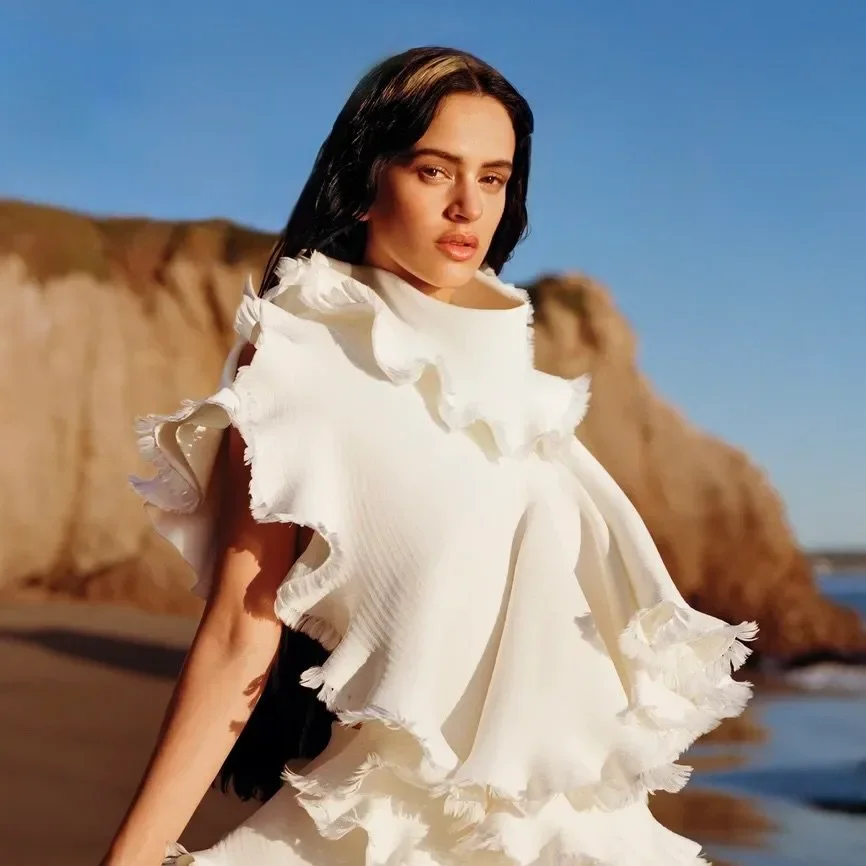
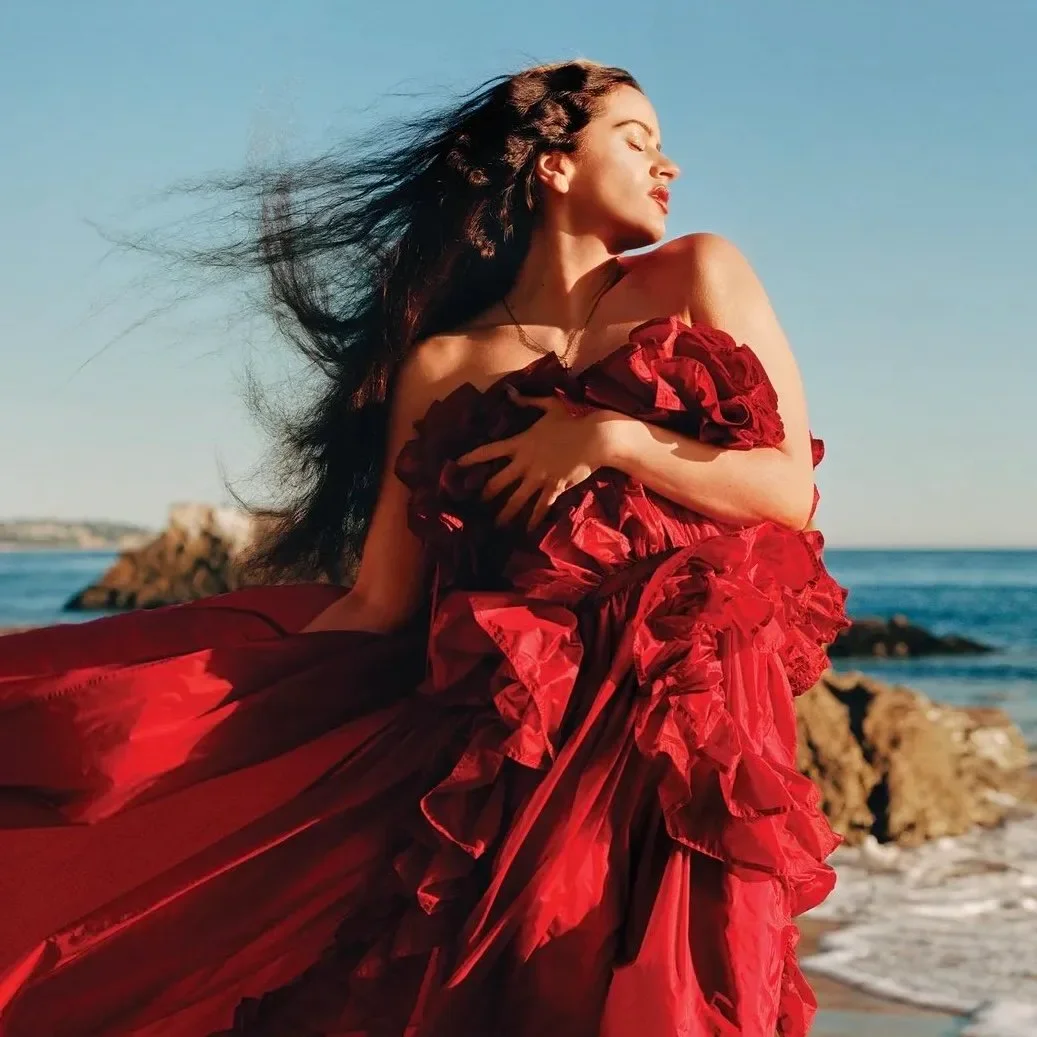
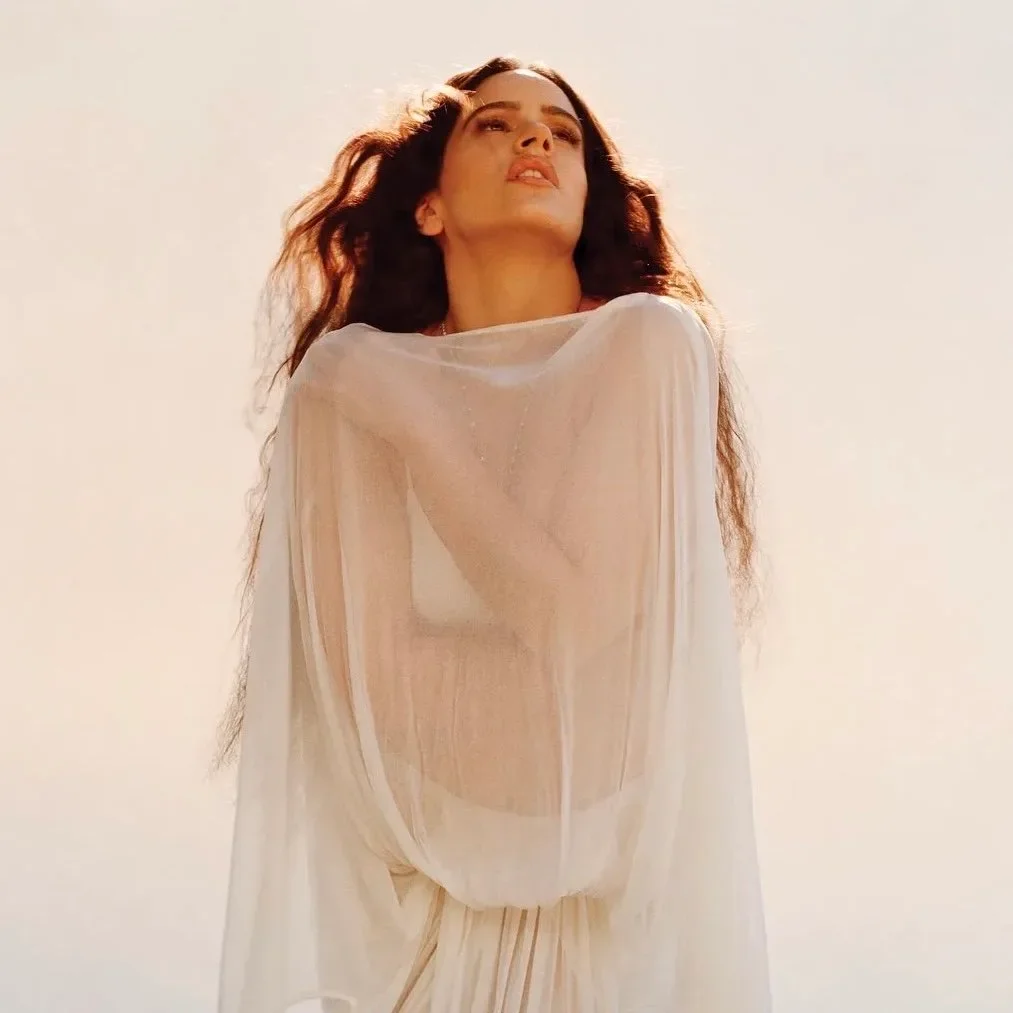
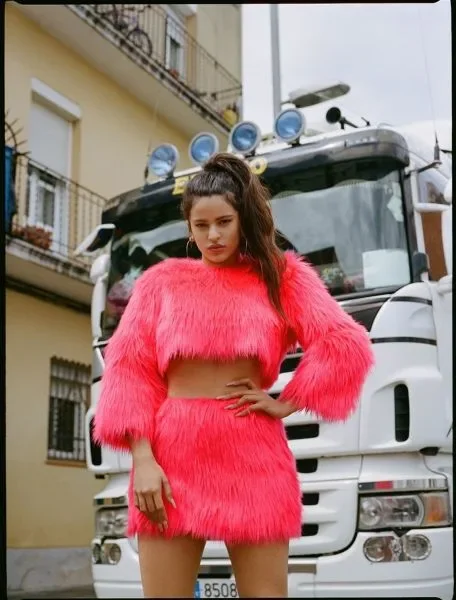
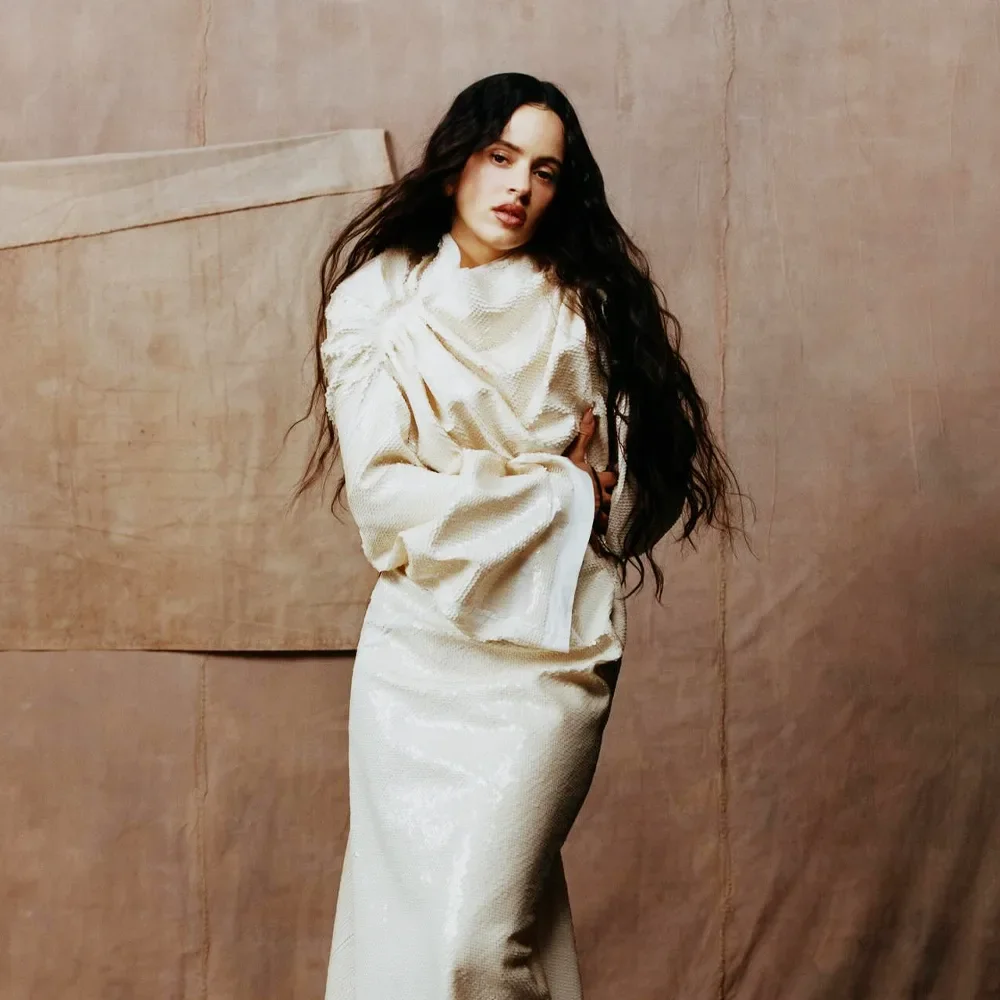
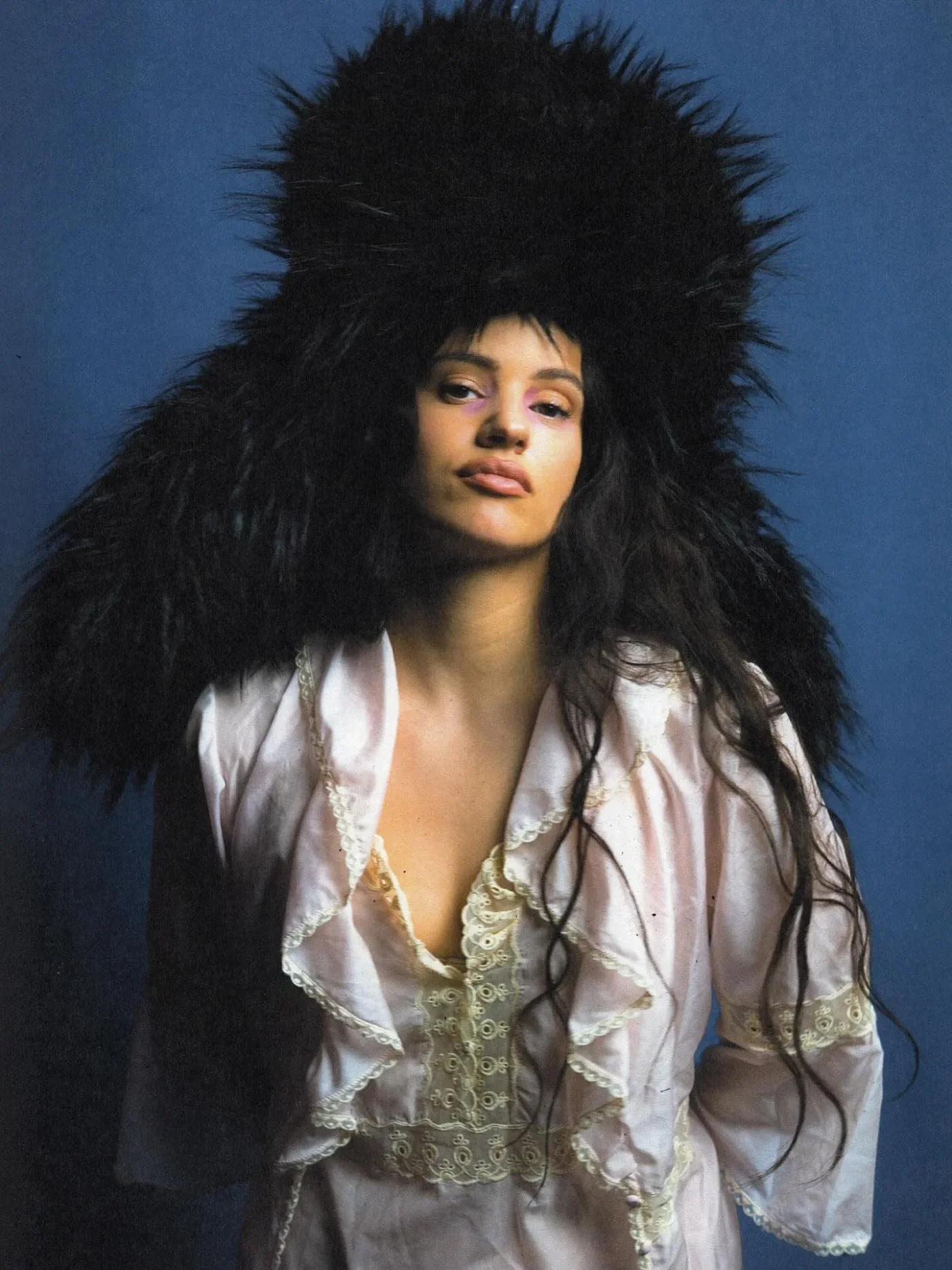
Rosalía is one of the artists who best captures what popular music can sound like when tradition, risk, and global culture stop fighting each other. Her career began with a serious relationship to flamenco, but she never treated it as a museum object. She studied it, absorbed it, stretched it, and placed it in conversation with pop, reggaeton, electronic music, R&B, art pop, digital imagery, and a very contemporary understanding of body, voice, and desire. In her work, the old does not appear as folkloric decoration. It appears as a living root, capable of colliding with new sounds without losing dignity.
Born in Catalunya and shaped by schools, tablaos, musical research, and unusual curiosity, Rosalía entered pop with a different kind of preparation from many stars of her generation. Before the global phenomenon, there were years of study, singing, listening, and discipline. That background matters because it explains why her music can feel intuitive and radical at the same time. Behind a catchy song or a striking modern aesthetic choice, there is often knowledge of compás, phrasing, vocal tension, oral tradition, and dramatic construction. Rosalía does not use flamenco as surface texture. She understands it as an emotional language.
Her first major artistic statement was Los Ángeles, a stark, dark, highly concentrated album made with Raül Refree. Almost everything there is reduced to voice, guitar, silence, and an intense relationship with death, lament, and traditional song. The album was not trying to be pop in a conventional sense, but it already revealed a presence that was hard to ignore: a sharp, expressive voice that could sound fragile and fierce in the same phrase. Los Ángeles introduced Rosalía as an artist capable of looking backward without becoming conservative.
El Mal Querer was the leap that changed the scale. Built around a narrative of love, possession, violence, and liberation, the album turned flamenco research into a pop work with international reach. “Malamente,” “Pienso en Tu Mirá,” “Di Mi Nombre,” and other songs showed that Rosalía could transform palmas, quejíos, choirs, silences, and classical references into immediately striking songs. The project had visual identity, concept, rhythm, drama, and such a defined aesthetic that it became impossible to separate it from its moment. It was not only an album. It was a world.
A central part of her power lies in the voice. Rosalía sings with technique, but never coldly. She uses the voice as physical material: cutting it, bending it, breaking it, whispering it, launching it, letting it breathe. She can sound almost liturgical, streetwise, wounded, playful, or defiant. That plasticity allows her to move between a flamenco melody, an urban hook, a minimalist ballad, or an industrial production without disappearing inside the style. Her voice does not only interpret. It designs the emotional space of the song.
With songs like “Con Altura,” Rosalía revealed another side: the artist able to enter the global club without asking permission or apologizing for pleasure. Reggaeton, dembow, dance-floor shine, and video culture appear in her work not simply as commercial strategy, but as part of a broader conversation about Spanish-language pop. Rosalía understands that contemporary music lives in crossings: between Barcelona, Puerto Rico, the Dominican Republic, Los Angeles, TikTok, fashion, art, and the street. Her achievement is crossing those territories without sounding passive. She usually seems to be directing the collision.
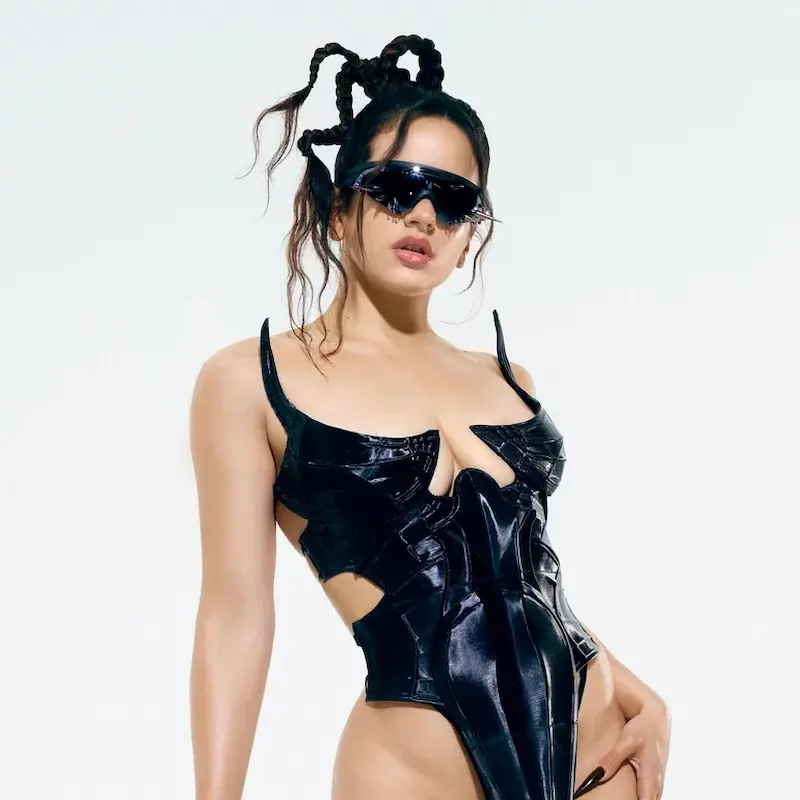
MOTOMAMI may be her freest statement. Fragmented, minimal, sensual, noisy, tender, absurd, vulnerable, and aggressive, the album broke any comfortable expectation after El Mal Querer. Instead of repeating the formula that had established her, Rosalía chose risk. “Saoko,” “Candy,” “Hentai,” “Bizcochito,” “La Fama,” and “Despechá” seem to come from different worlds, but they share the same attitude: refusing the idea that an artist must be coherent in only one way. MOTOMAMI works as a self-portrait in motion, full of contradictions, humor, desire, speed, and moments of emotional nakedness.
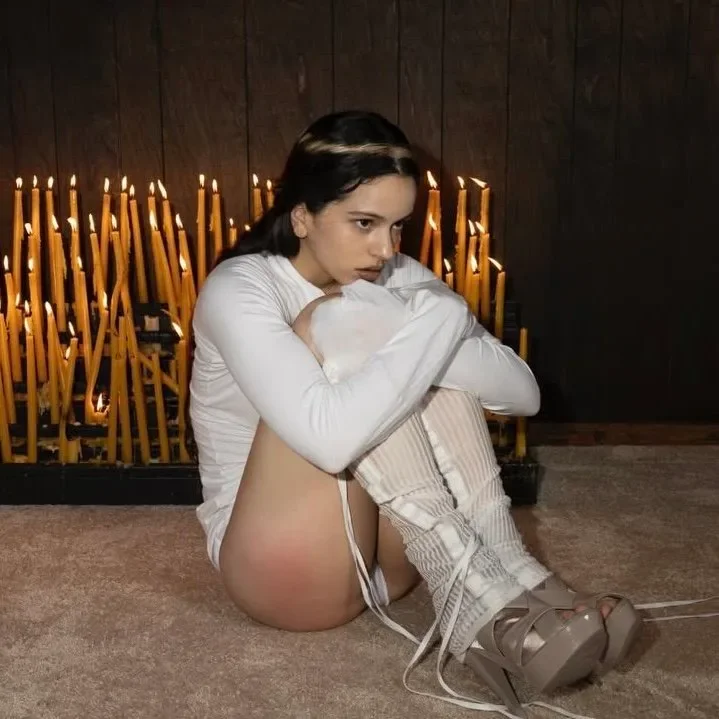
LUX expanded her ambition toward a more spiritual, orchestral, and multilingual territory. There, Rosalía appears interested in transcendence, femininity, transformation, and the almost operatic scale of sound. That move confirms something already suggested from the beginning: her career does not move in straight lines, but through mutations. Each project seems to ask what a song can become if its frame changes: a prayer, a dance, a wound, an image, a ceremony, a joke, a confession, or an explosion of strange beauty.
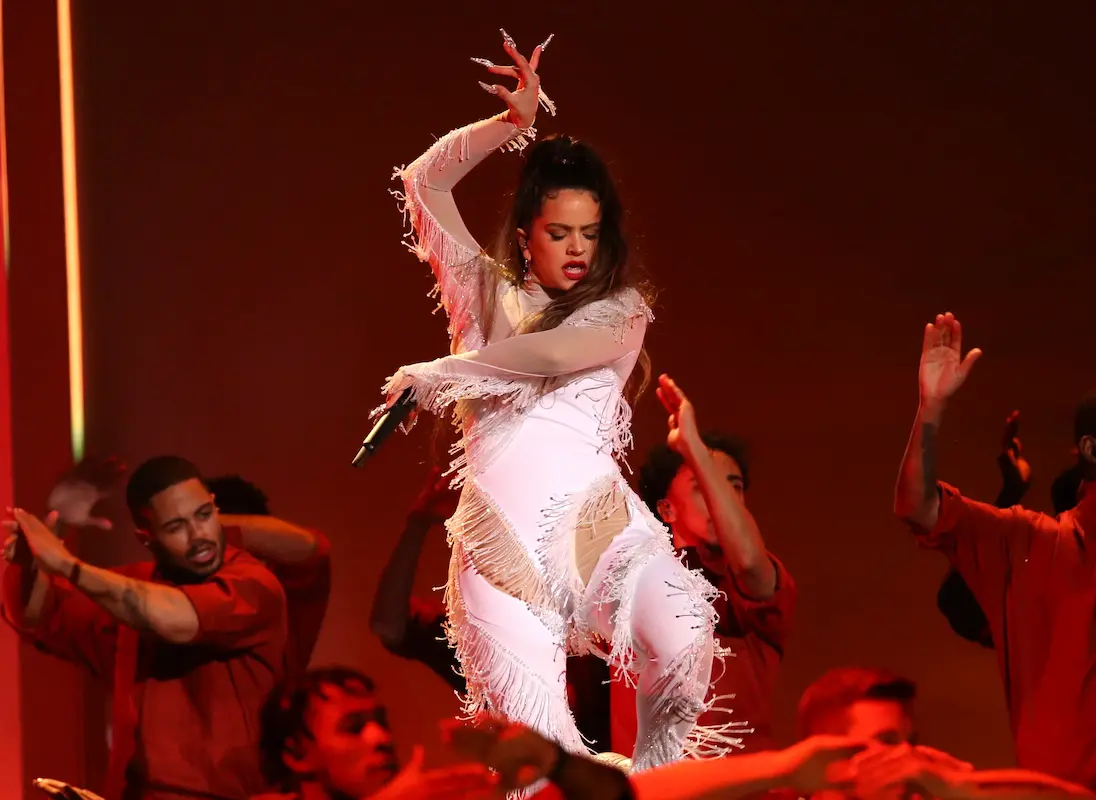
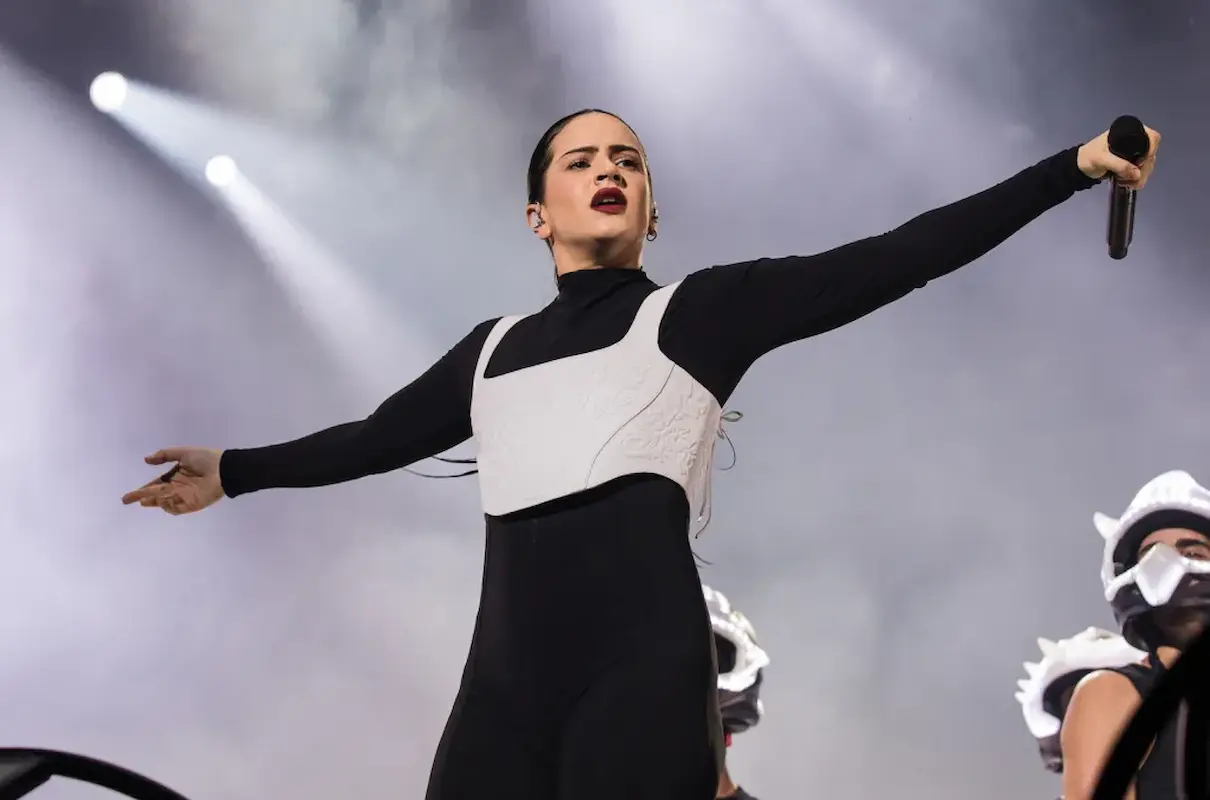
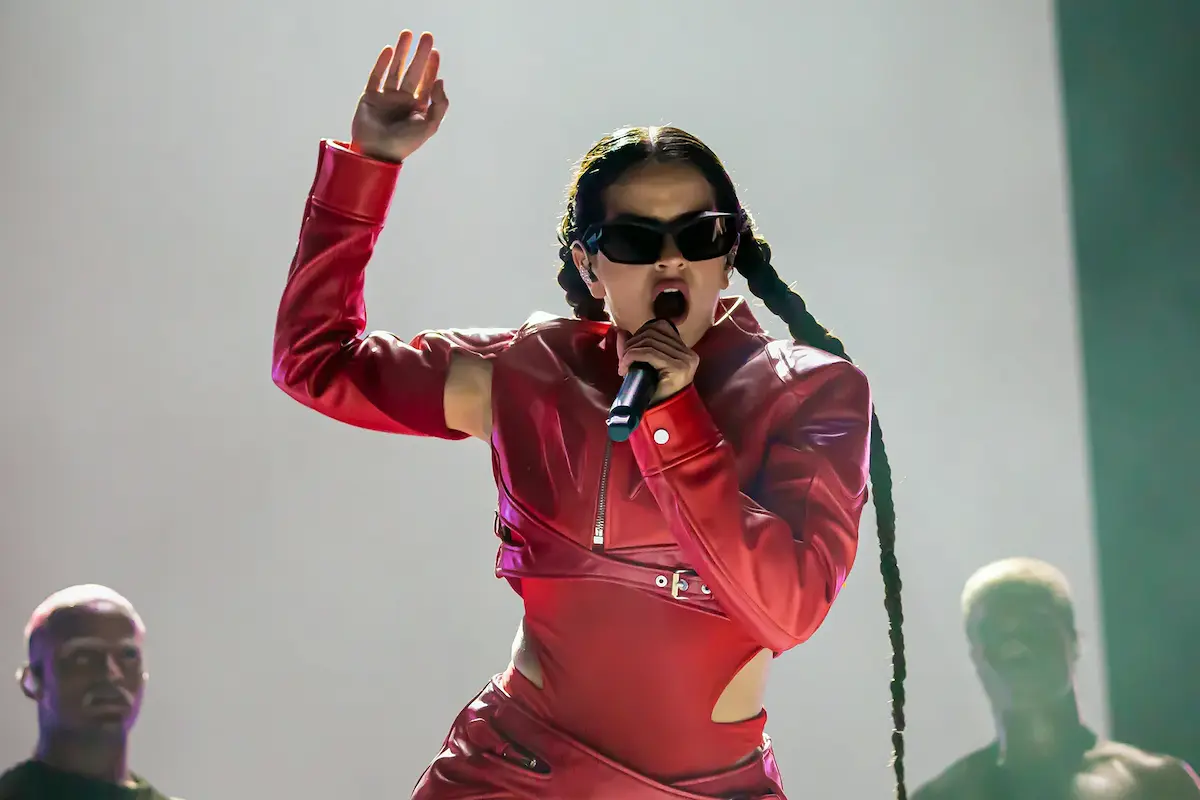
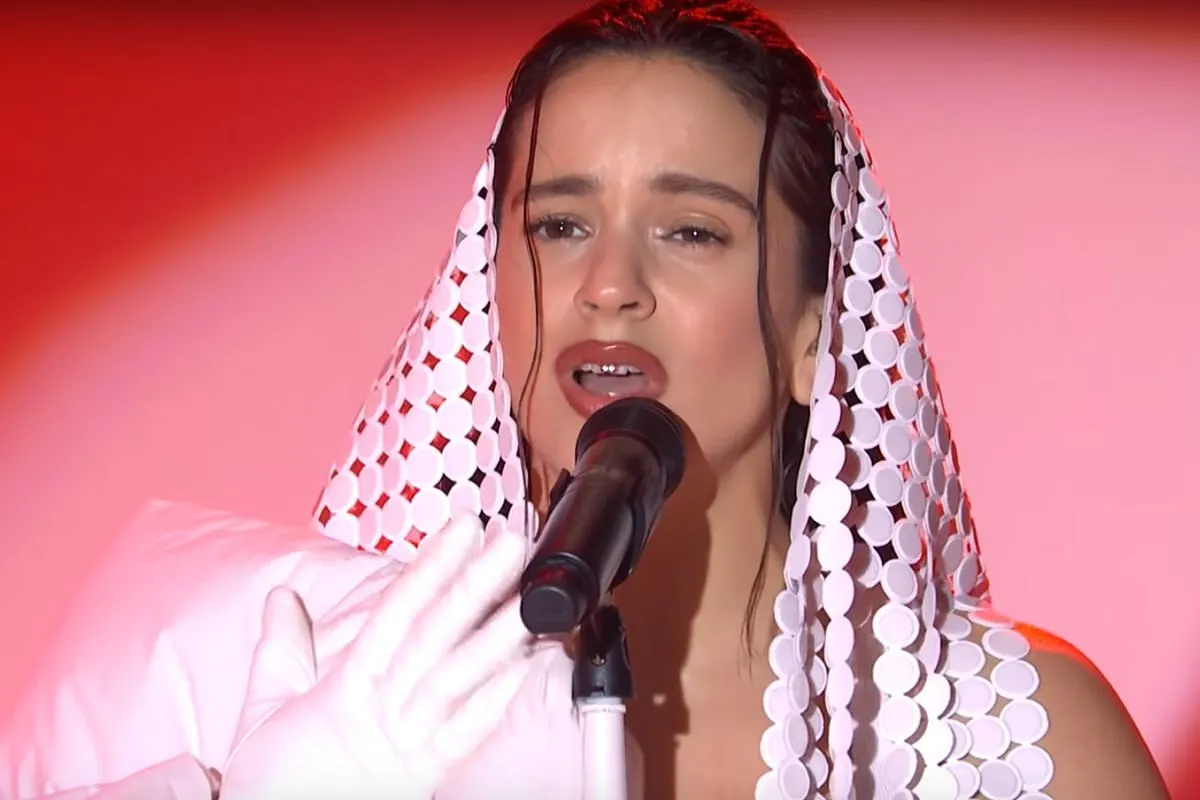
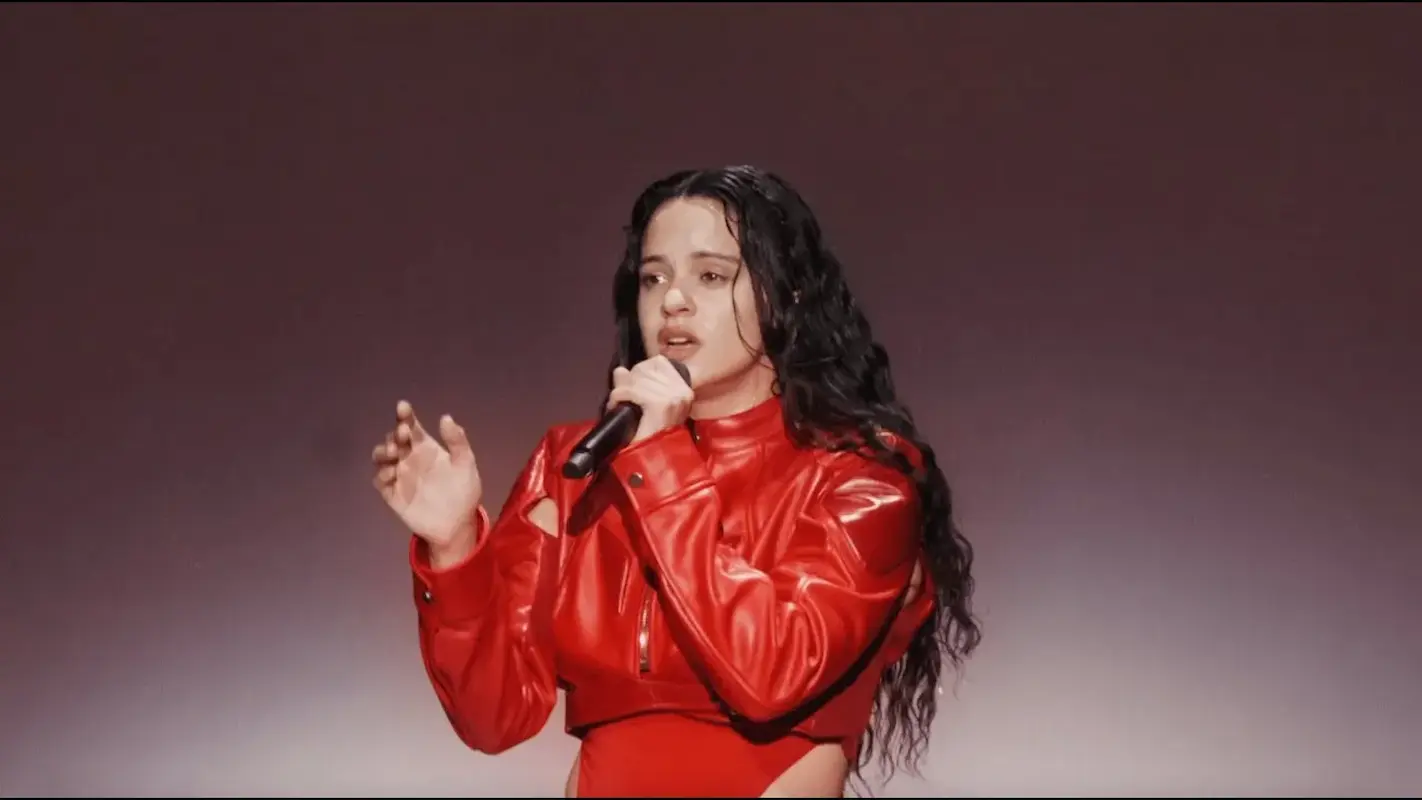
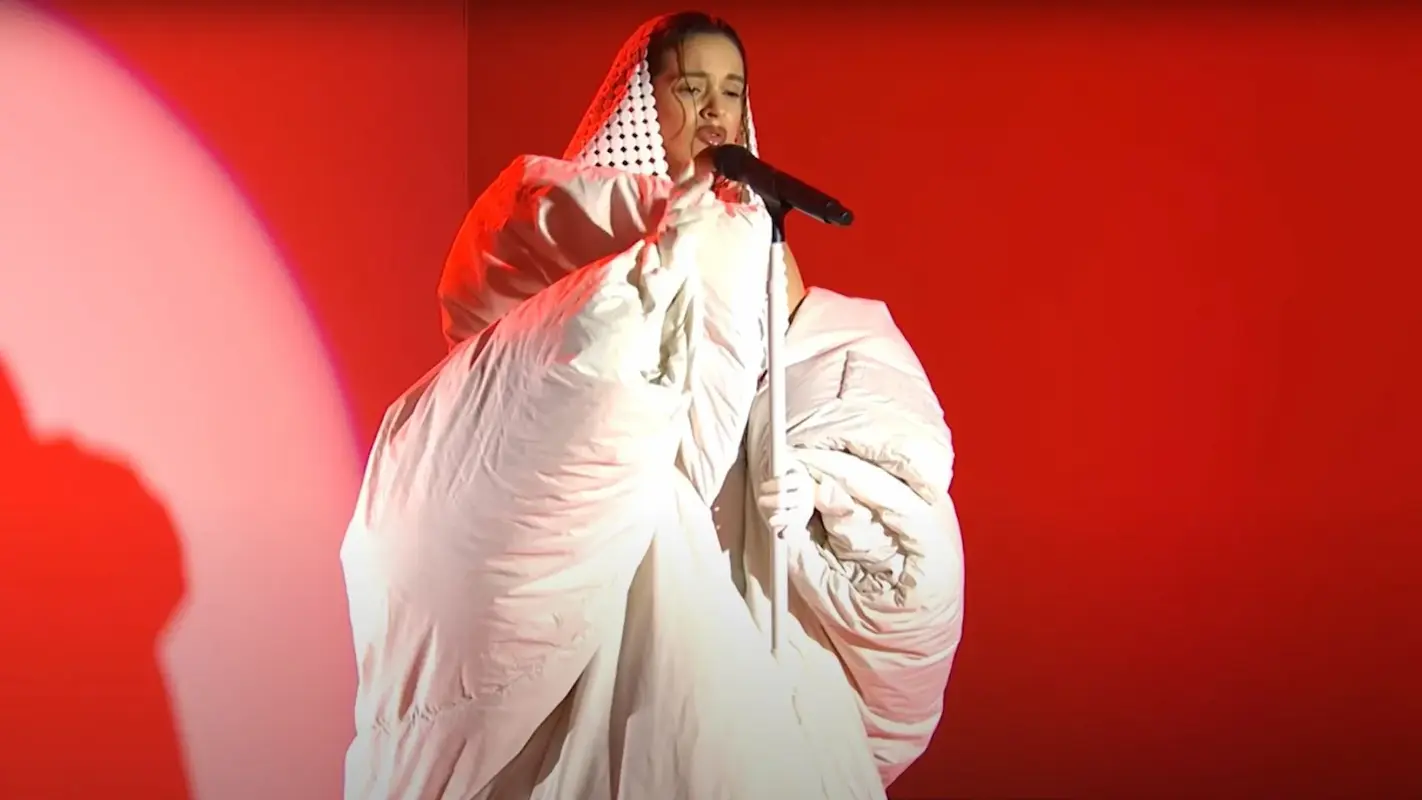
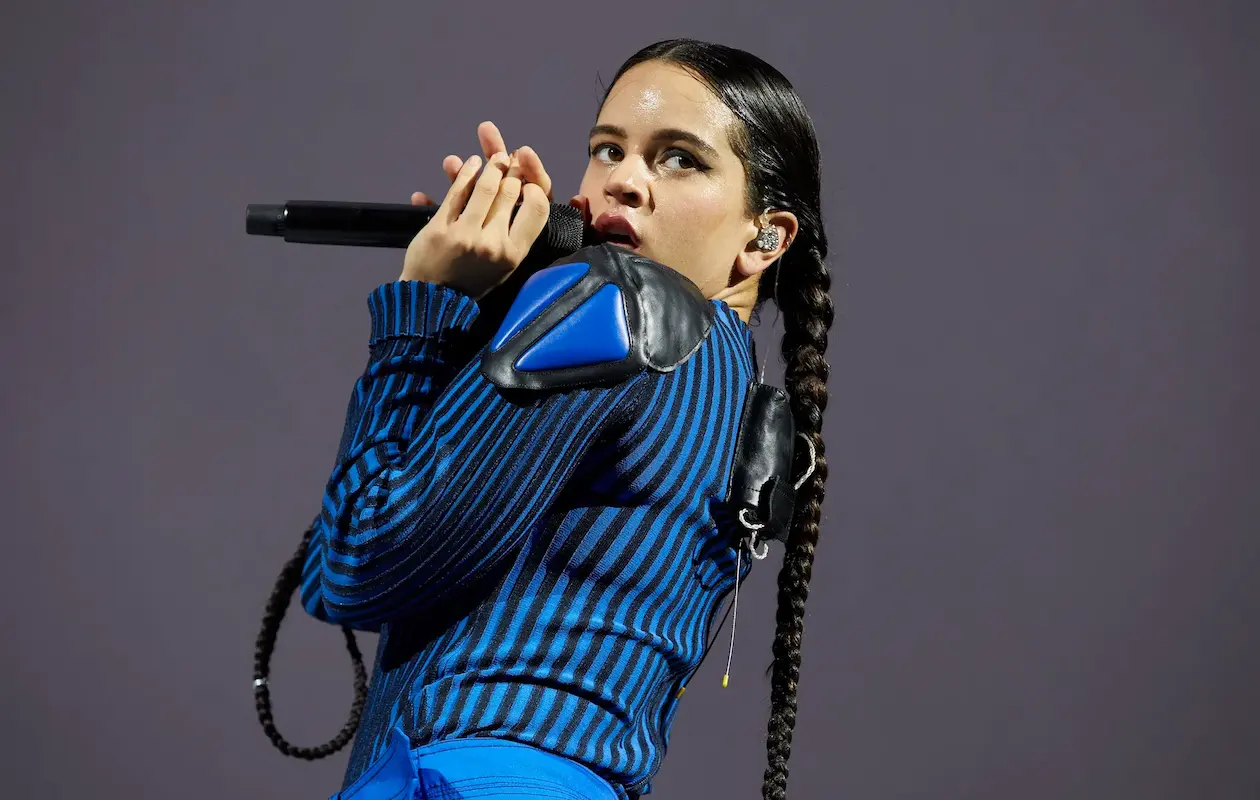
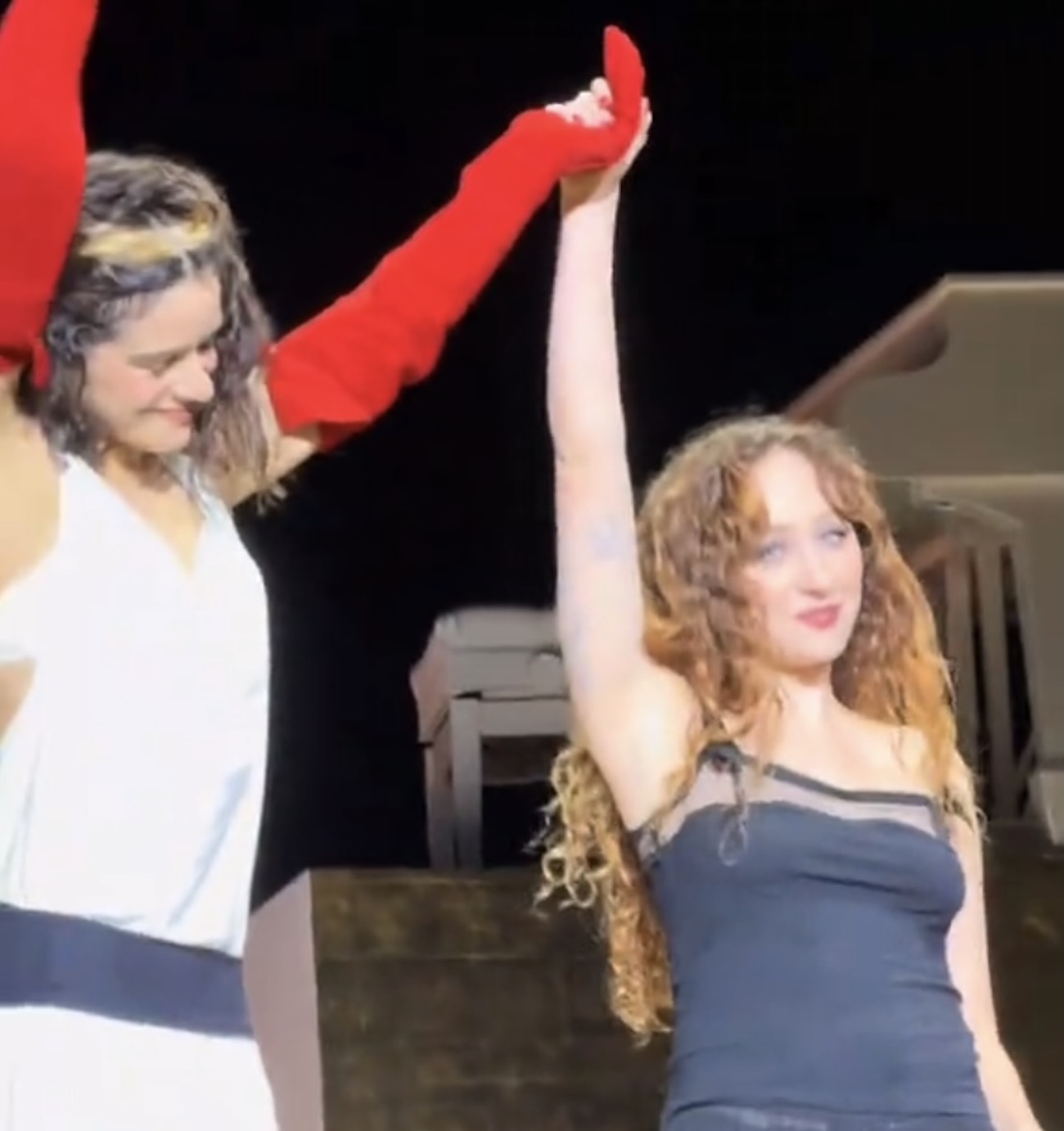
Live, Rosalía carries a presence that combines precision and danger. Her concerts can be choreographic, theatrical, minimalist, or massive, but they almost always hold an energy of complete control. She understands the stage as an extension of the concept: body, camera, light, silence, gesture, and voice belong to the same grammar. It is not only about singing well. It is about building a visual and sonic language in real time.
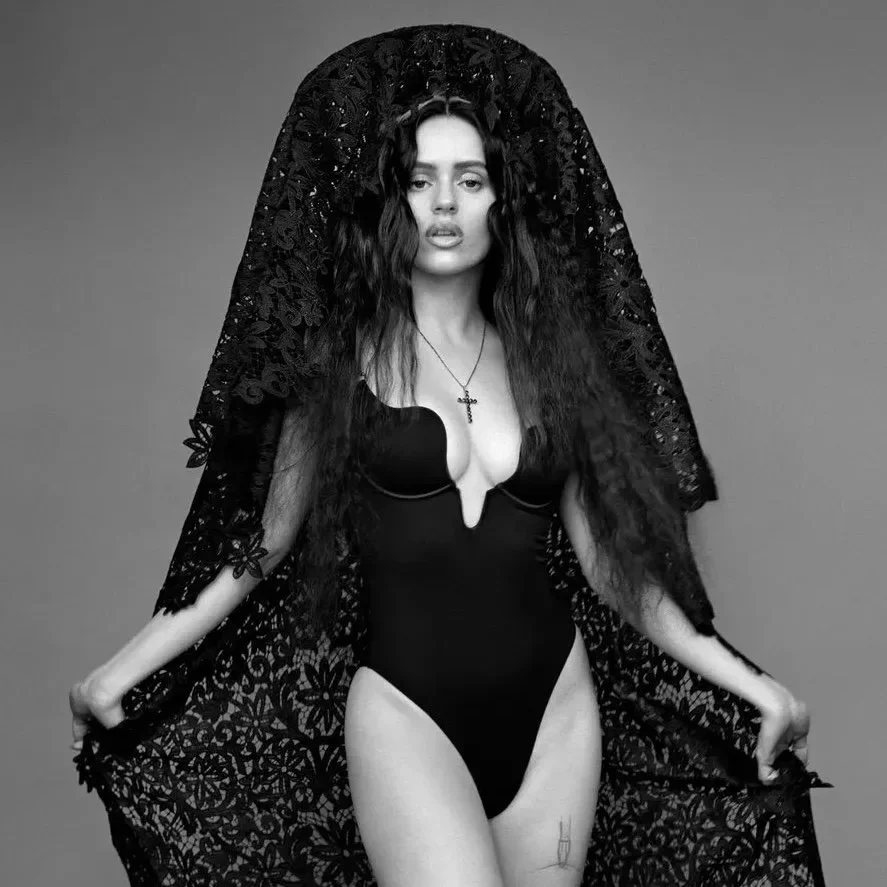
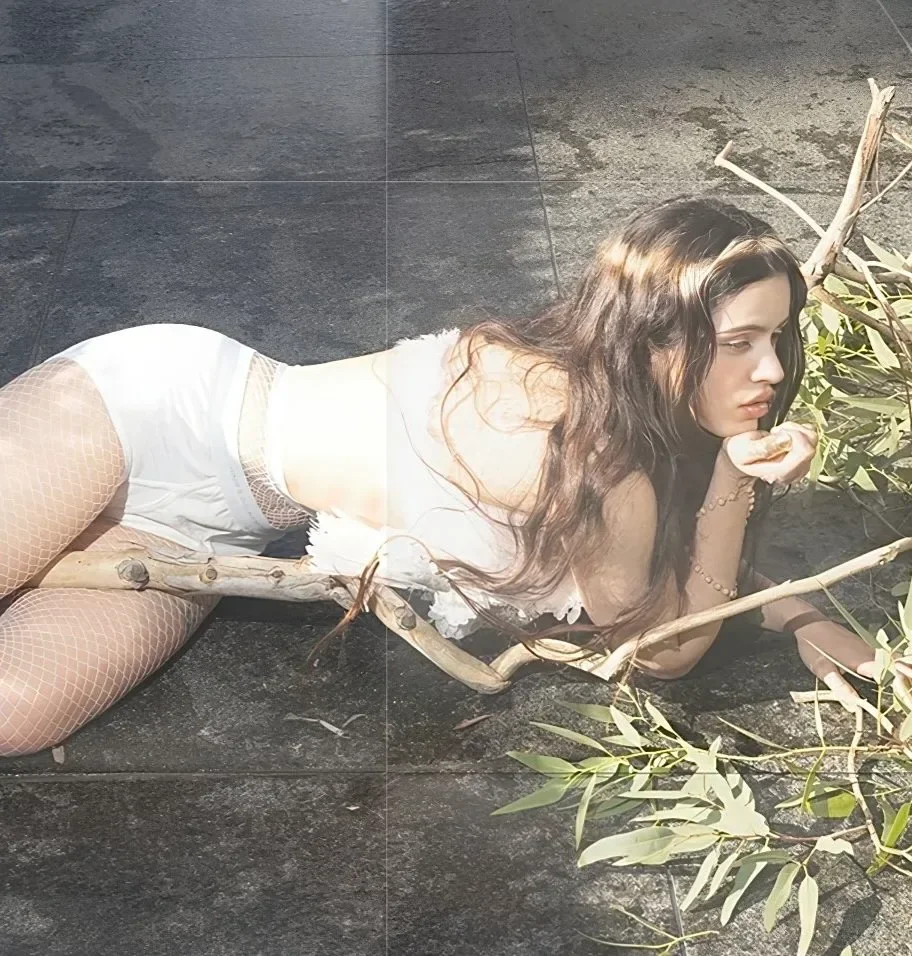
Rosalía’s legacy lies in expanding what a Spanish-language artist can be inside global pop. She does not represent untouched tradition or modernity without memory. She represents the fertile collision between both. At her best, Rosalía sounds like a saeta passing through a digital screen: ancient and futuristic, popular and experimental, vulnerable and fierce, deeply local and radically global.
Main genre
LATIN
Main subgenres
Like a superfan's list — except verified, with sources and links.
21–Jul 23, 2023
Paris, Île-de-France · France
Past
18–Jul 23, 2023
Nyon · Switzerland
Past
13–Jul 17, 2023
Carhaix-Plouguer, Finistère · France
Past12–Jul 16, 2023
Bern · Switzerland
Past06–Jul 09, 2023
Le Barcarès, Pyrénées-Orientales · France
Past
Jun 29 – Jul 02, 2023
Rotselaar, Vlaams-Brabant · Belgium
PastJun 22 – Jul 15, 2023
Milano · Italy
Past
07–Jun 10, 2023
Porto, Porto · Portugal
Past
05–Jun 11, 2023
Arganda del Rey, Comunidad de Madrid · Spain
Past
May 29 – Jun 04, 2023
Barcelona, Catalunya · Spain
PastWhat we managed to link to the concert archive. If a date is missing, tell us — happens to us too.
No linked concerts
Every concert and festival of the year, traced on the globe. Hit play and follow the route stop by stop.
Photos from the public archive.
Recent coverage linked to the artist.


Close by genre and social signal.
No related artists
When there is enough genre signal, they will appear here.