
Ranking
#49

Ranking
#49
Followers
127.8 M
Digital presence
Official profiles, streaming and discovery.
What a good fan recites by heart (or pretends to).
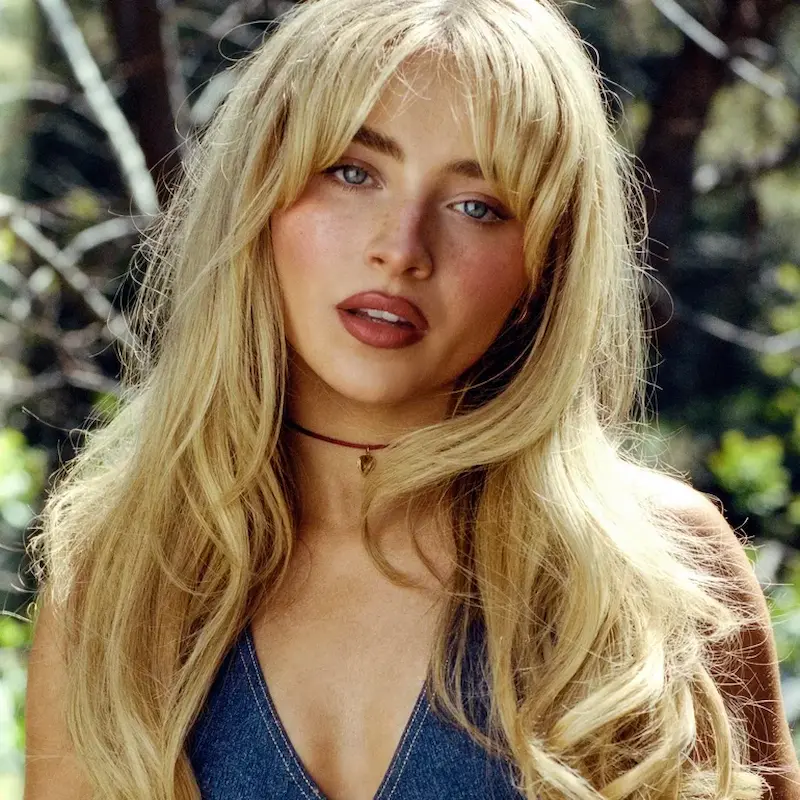
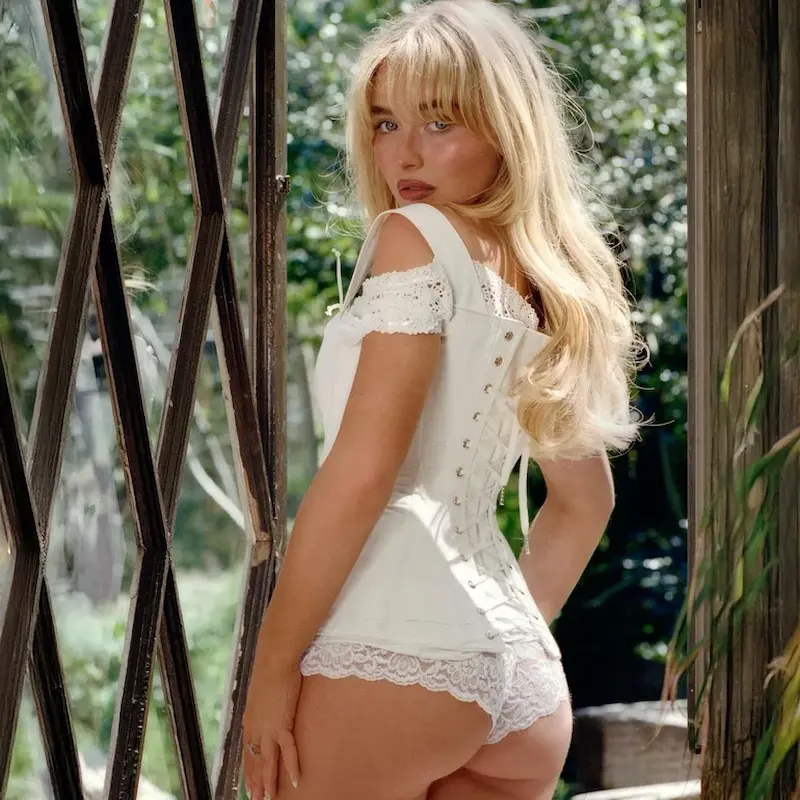
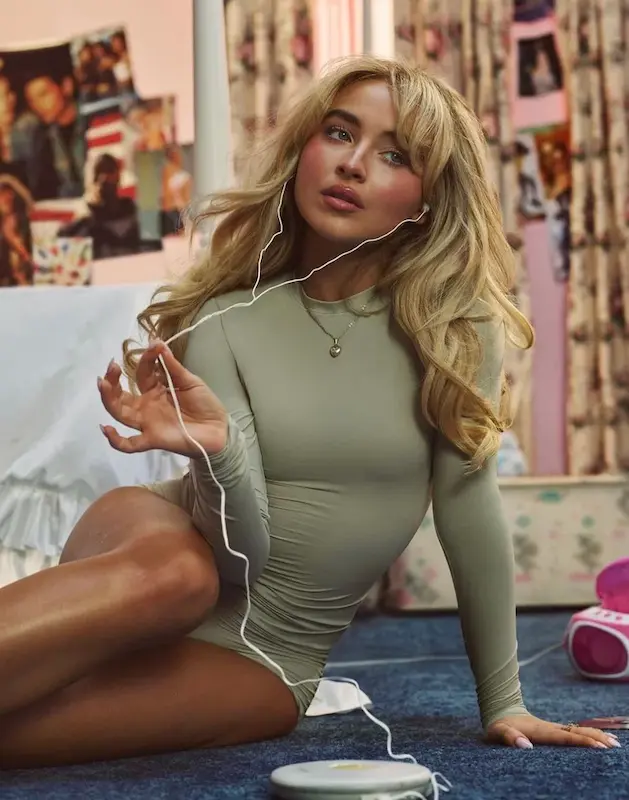
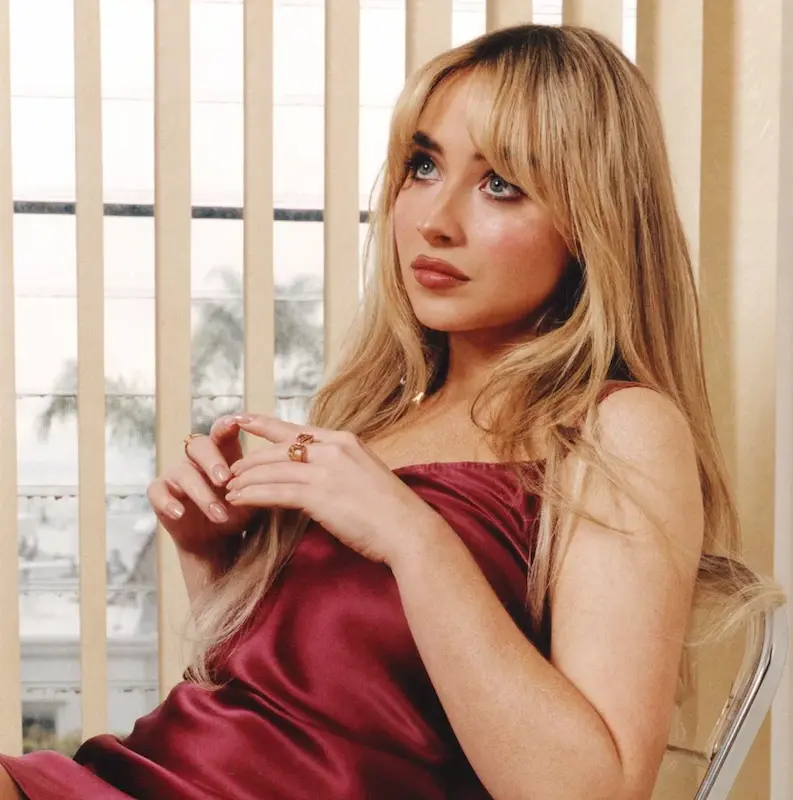
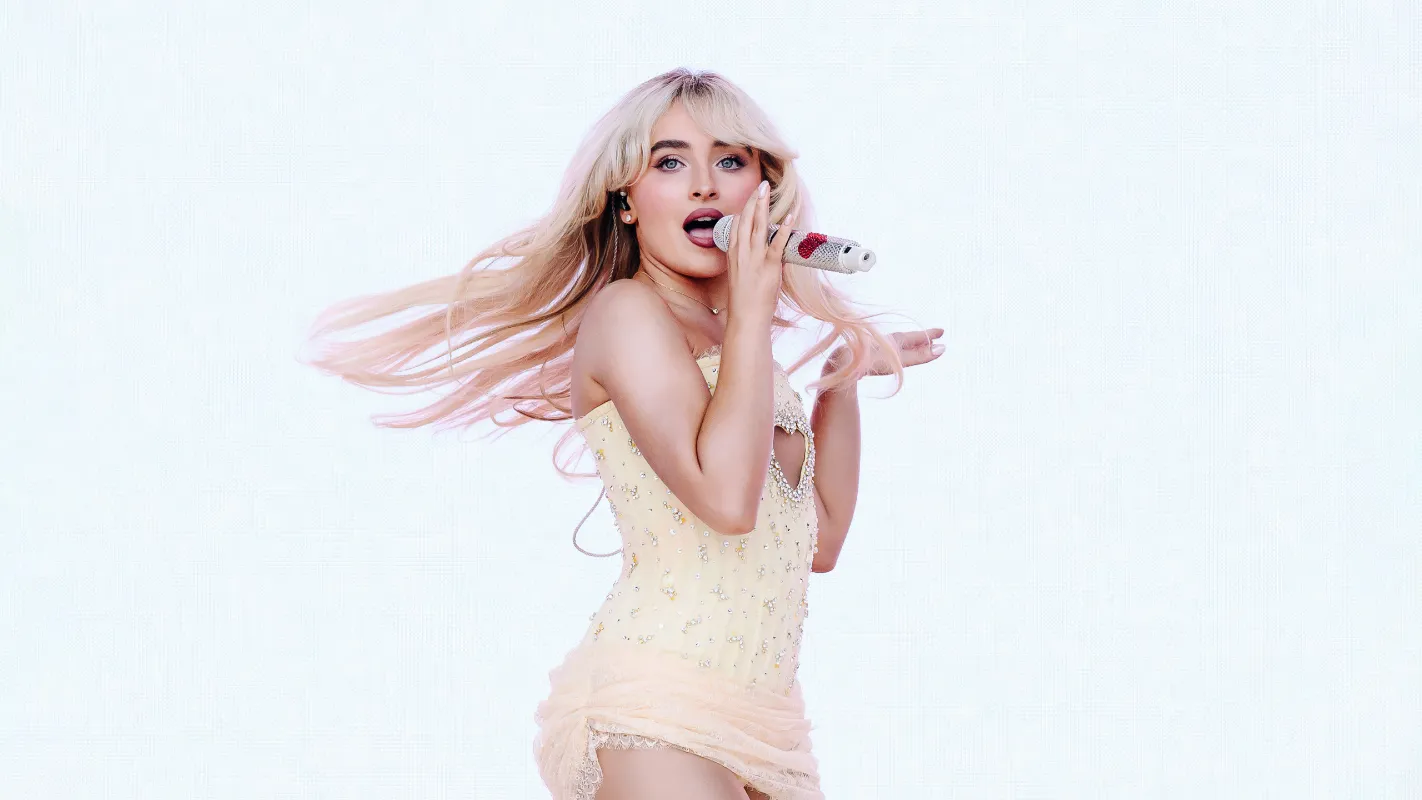
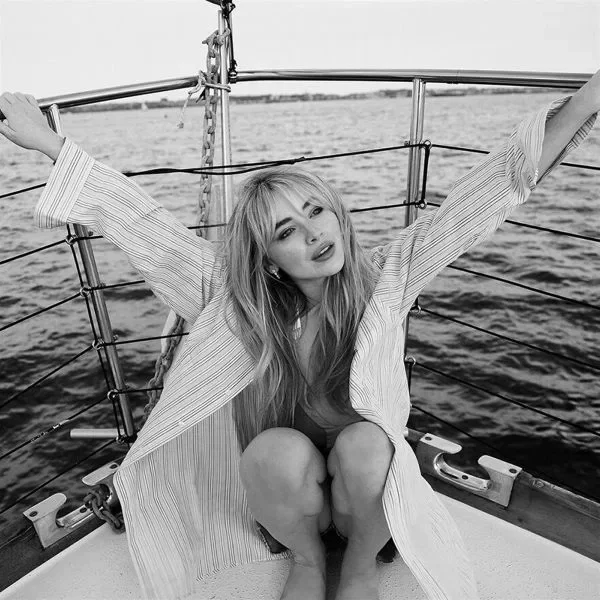
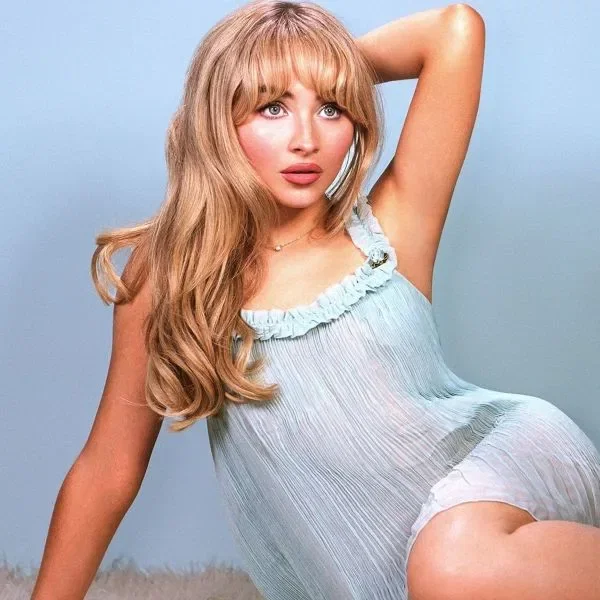
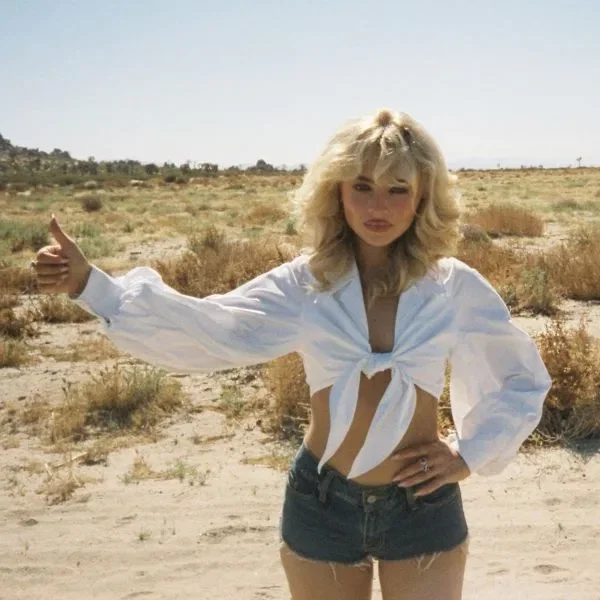
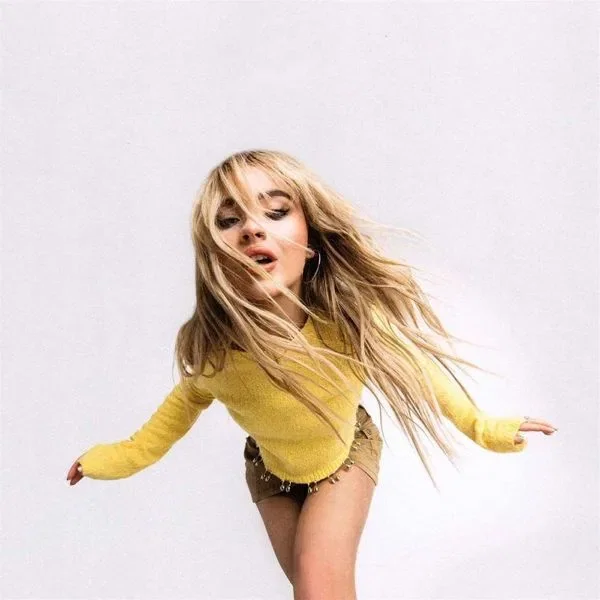
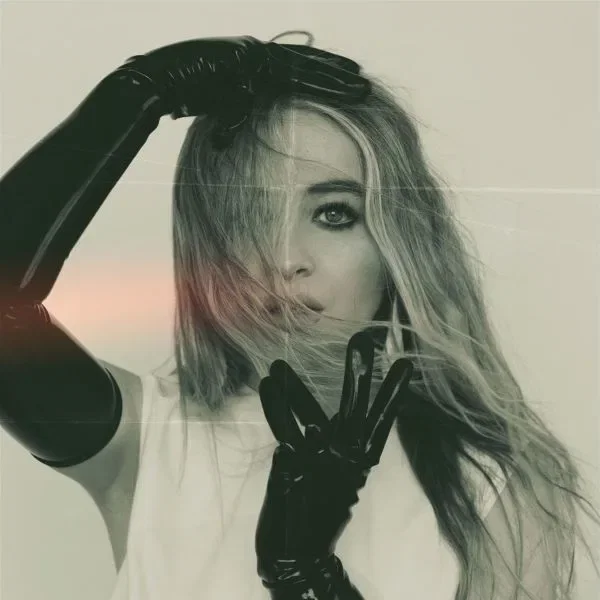
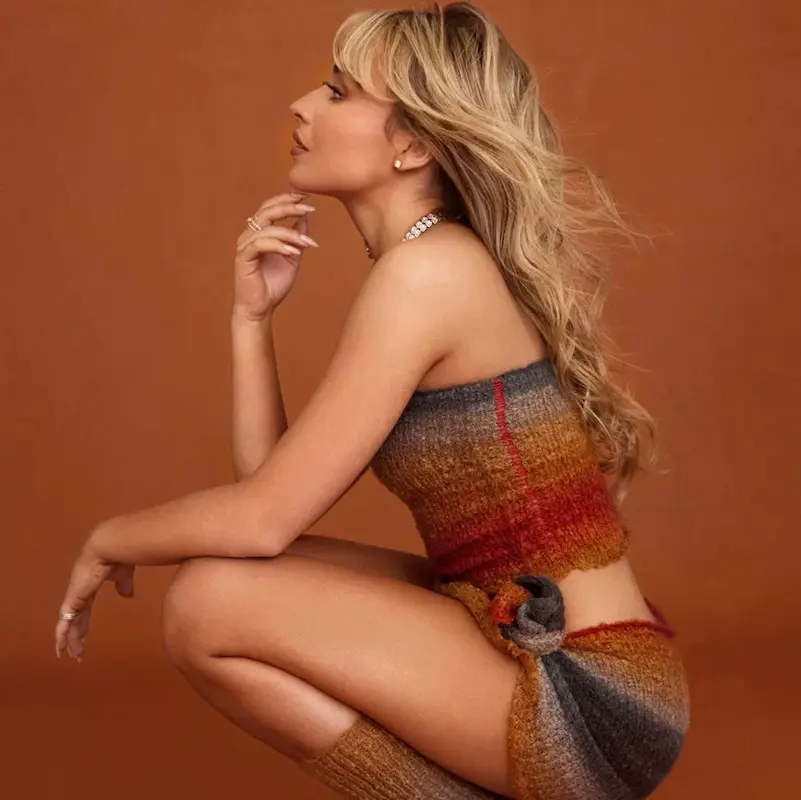
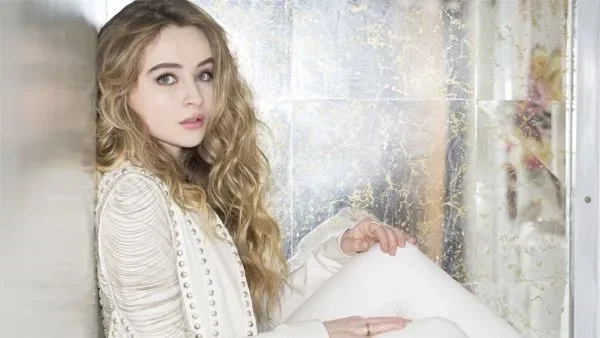
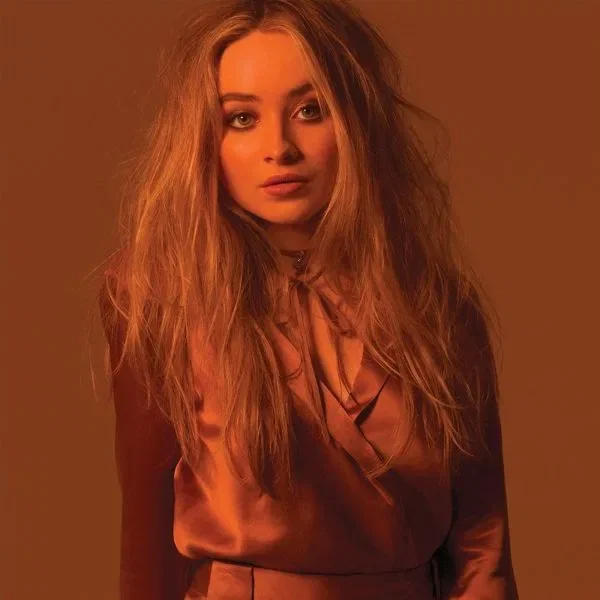
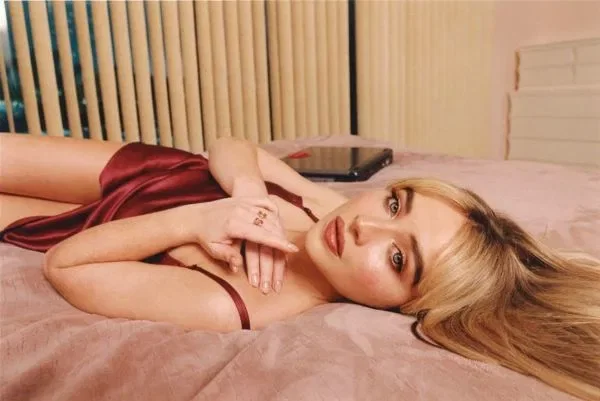
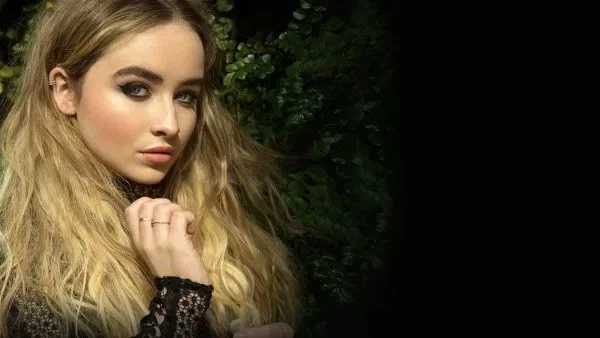
Sabrina Carpenter is one of the most interesting pop stories of recent years because her massive breakthrough did not come out of nowhere, even if it seemed sudden to many. Before “Espresso,” before the mini dresses, blonde bangs, arena stages and perfectly timed jokes between songs, there was already an artist who had been working for more than a decade: child actor, Disney voice, developing songwriter, singer across several musical phases and a performer who gradually learned how to turn charm, humor, desire and vulnerability into a language of her own.
Born in Quakertown, Pennsylvania, Sabrina grew up far from the classic fantasy of the instant pop star. Her story has a lot of family discipline, auditions, lessons, videos, theater, television and patience. She began like many figures of her generation: with a camera nearby, a young voice, clear ambition and an industry that could open doors but also create boxes. Her time on Disney Channel, especially with *Girl Meets World*, gave her international exposure and an early fan base, but it also placed her inside a complicated label. For many, being a “Disney girl” seemed both a useful introduction and a cage: it gave you a name, but then forced you to prove there was an adult artist behind it.
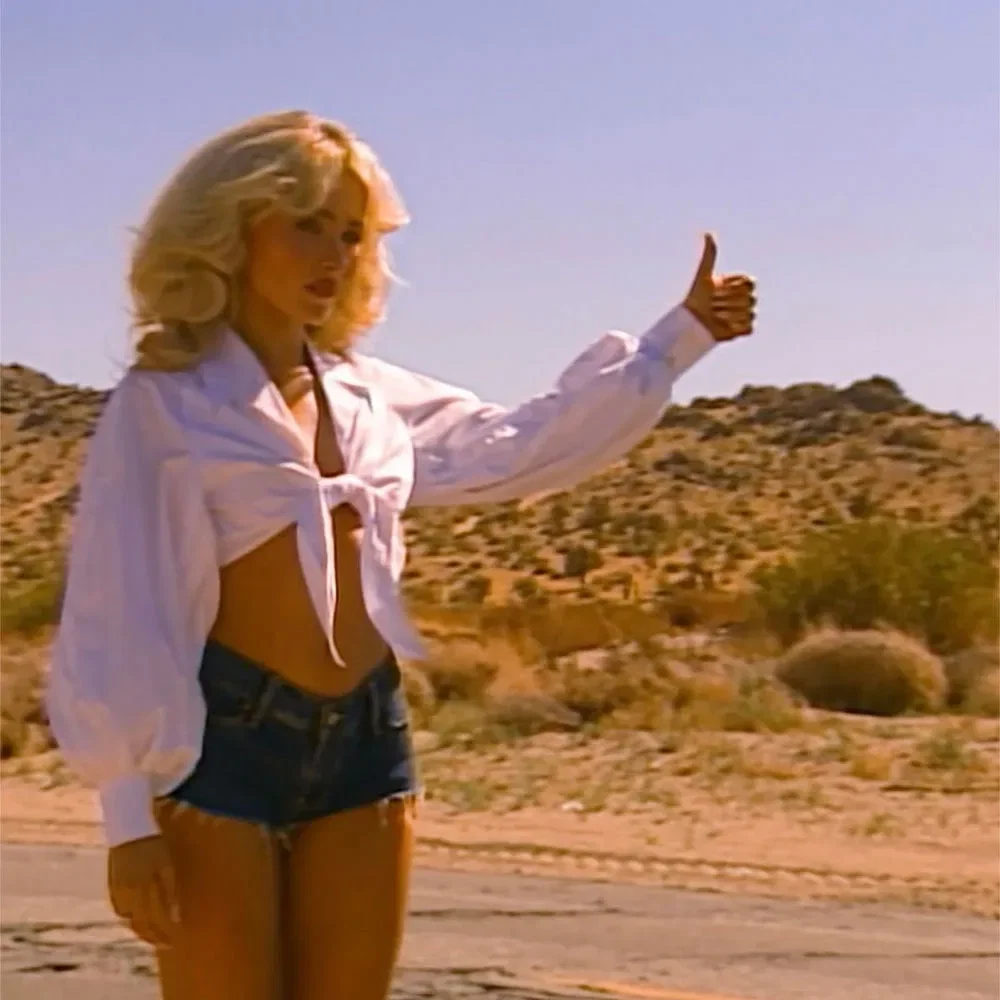
Her early albums —*Eyes Wide Open*, *Evolution*, *Singular: Act I* and *Singular: Act II*— show a Sabrina still under construction. There was youthful pop, light R&B, dance pop, coming-of-age ballads, songs of self-belief and a clear search for identity. “Can’t Blame a Girl for Trying” had innocence and craft. “Thumbs” showed a sharper, more critical playfulness. “Why” and “Almost Love” pushed her sound toward a sleeker pop direction. She was not yet the star who would dominate the global summer, but the signs were there: a flexible voice, a very natural sense of timing and the ability to sound sweet without becoming flat.
The real turn began with *emails i can’t send*. That album mattered because it gave Sabrina a more adult, ironic and confessional narrative voice. She no longer sounded like she was testing other people’s styles; she was writing from a recognizable perspective: the girl who can be wounded and still land a punchline, who speaks about desire without solemnity, who turns romantic chaos into a memorable phrase. “Because I Liked a Boy” faced public exposure with vulnerability and contained anger. “Nonsense” showed her talent for absurd flirting, sexual humor and stage improvisation. “Feather” gave her a light, elegant sound of breakup turned into liberation.
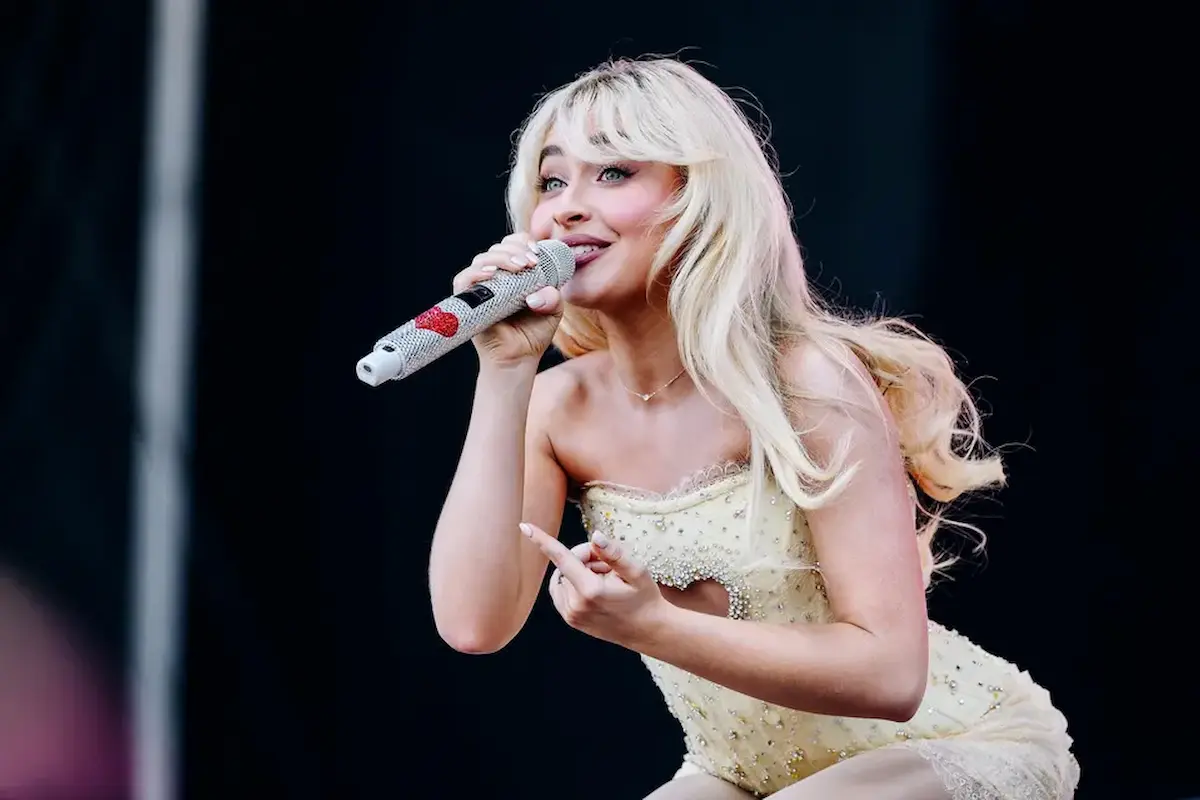
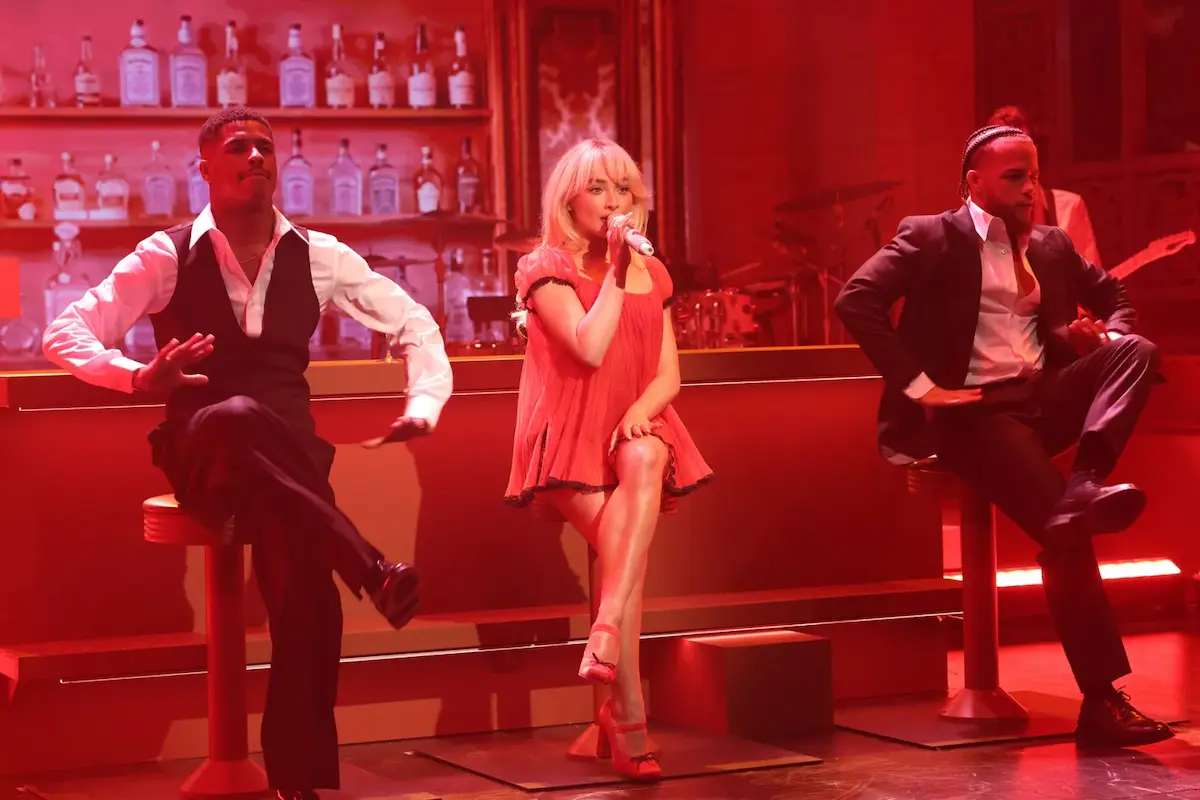
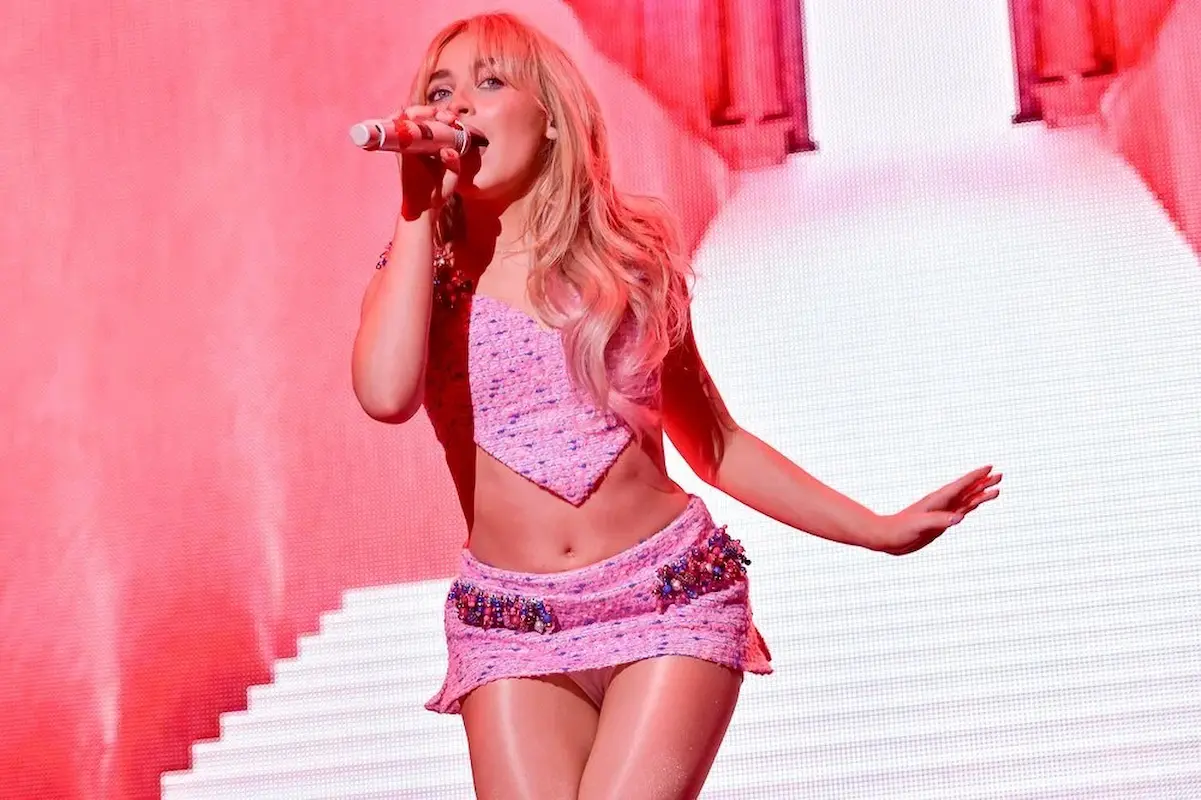
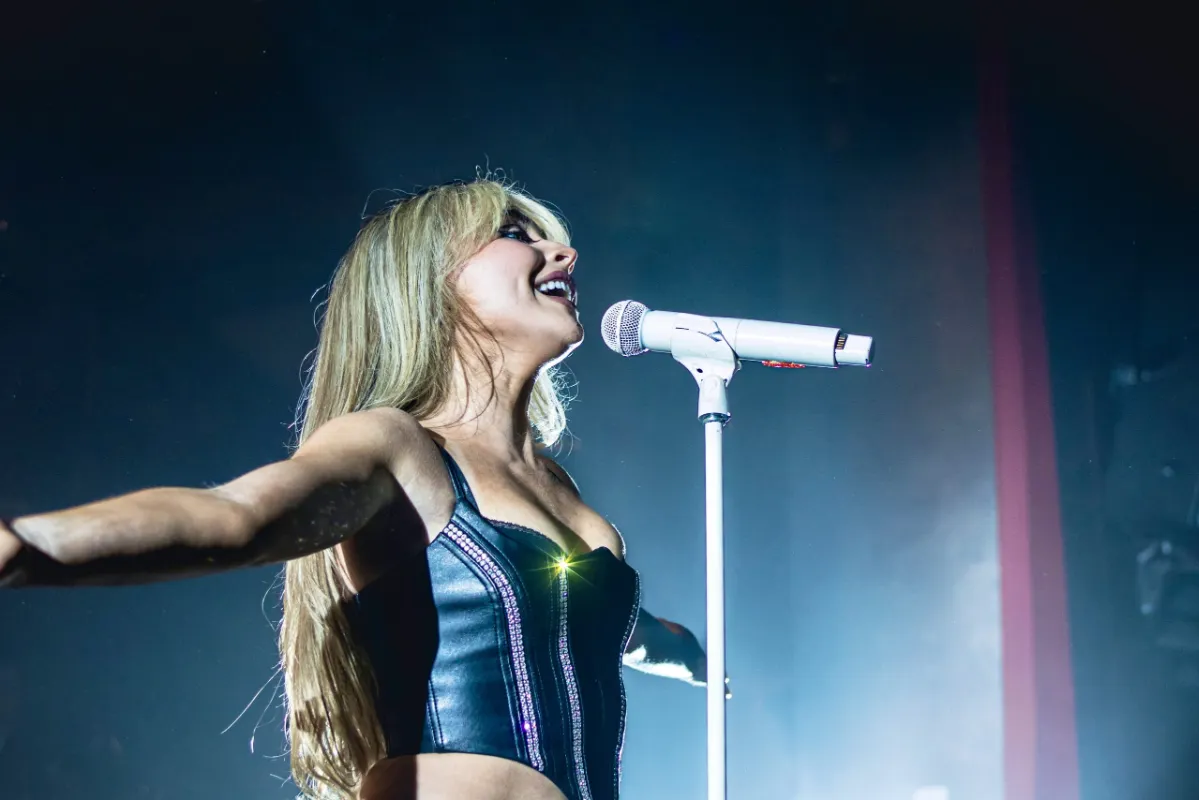
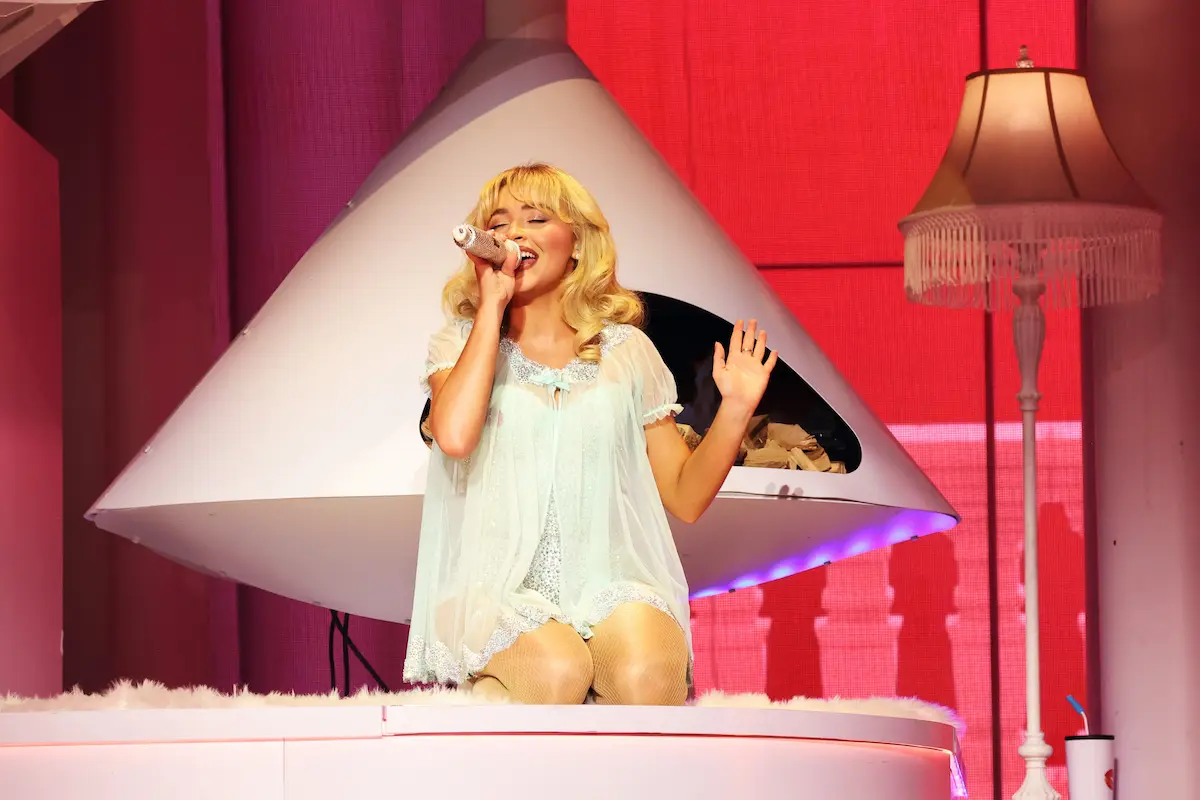
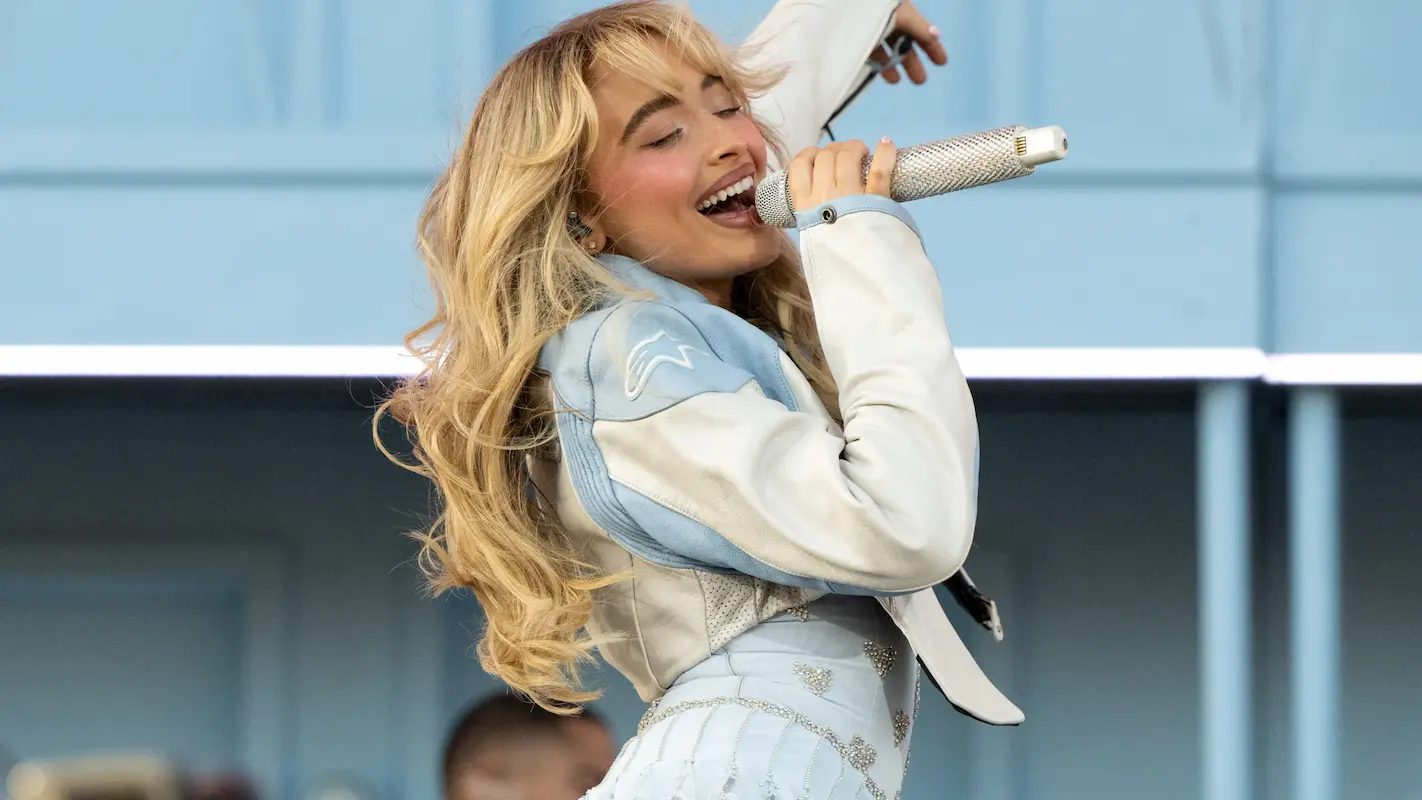
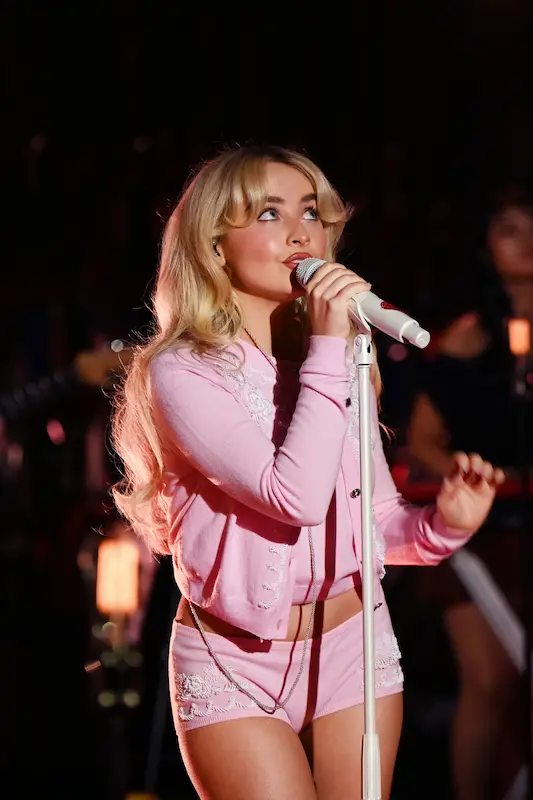
The Sabrina of that period understood something essential: pop is not only sung, it is performed. Her concerts began turning into small theaters of personality. The changing outros of “Nonsense” worked like a perfect laboratory: each city received its own joke, wink and inside moment. That turned a song into a fandom ritual. Sabrina was not only promoting music; she was creating scenes that could be clipped, shared, quoted and remembered. In an era where pop lives as much onstage as on TikTok, that instinct became decisive.
Then “Espresso” arrived, and everything reorganized itself. The song sounds light, but its efficiency is surgical: sunny groove, clean production, playful phrasing, sophisticated cartoon sensuality and a chorus that sticks without asking permission. “That’s that me espresso” works because it does not try to sound deeply serious; it works because it understands the pleasure of a ridiculous phrase delivered with absolute confidence. Sabrina turned romantic exhaustion, flirtatious ego and the image of the unforgettable girl into a three-minute pop fantasy. It was the kind of song people do not just hear; they adopt it as an attitude.
“Please Please Please” confirmed that it was not accidental. With its country-pop touch, elegant pleading humor and retro shine, the song showed a more precise Sabrina as a character: someone capable of asking a man not to embarrass her in public and turning that anxiety into a seductive anthem. The key was tone. Sabrina did not sound desperate, but theatrical; she was not asking from weakness, but from a mix of embarrassment, desire, control and comedy. That combination became central to her language: sentimental, yes, but always with one eyebrow raised.
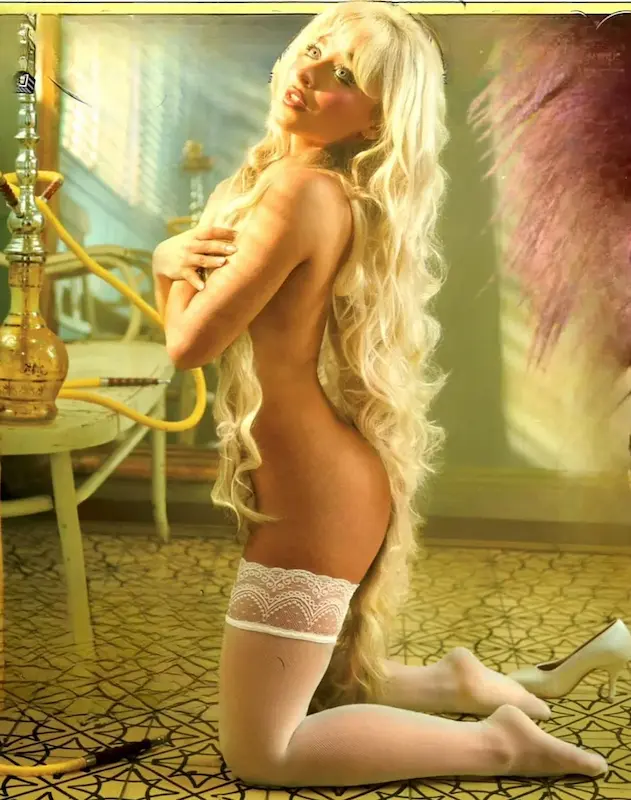
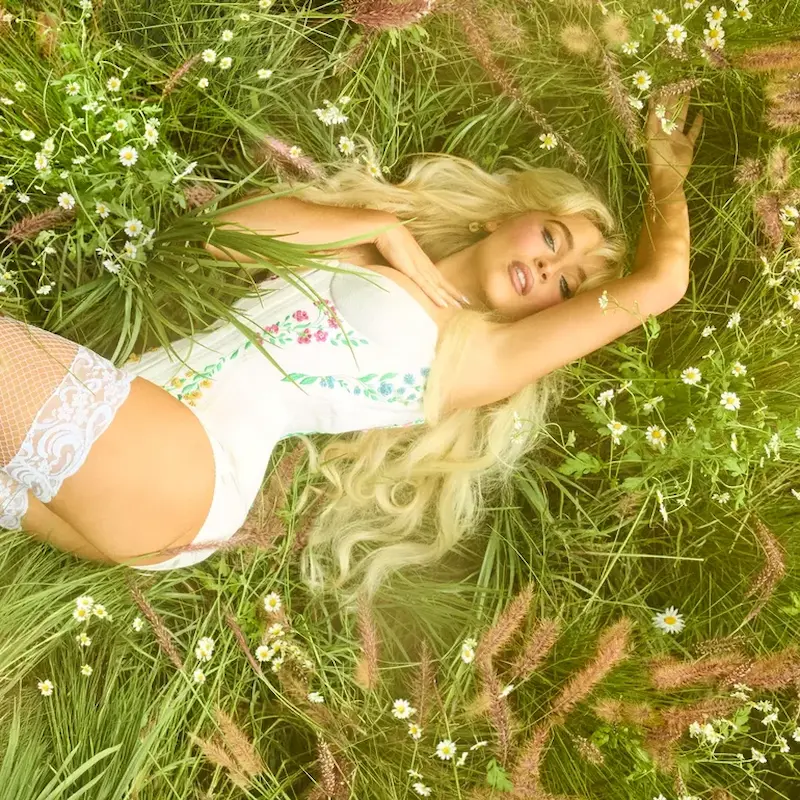
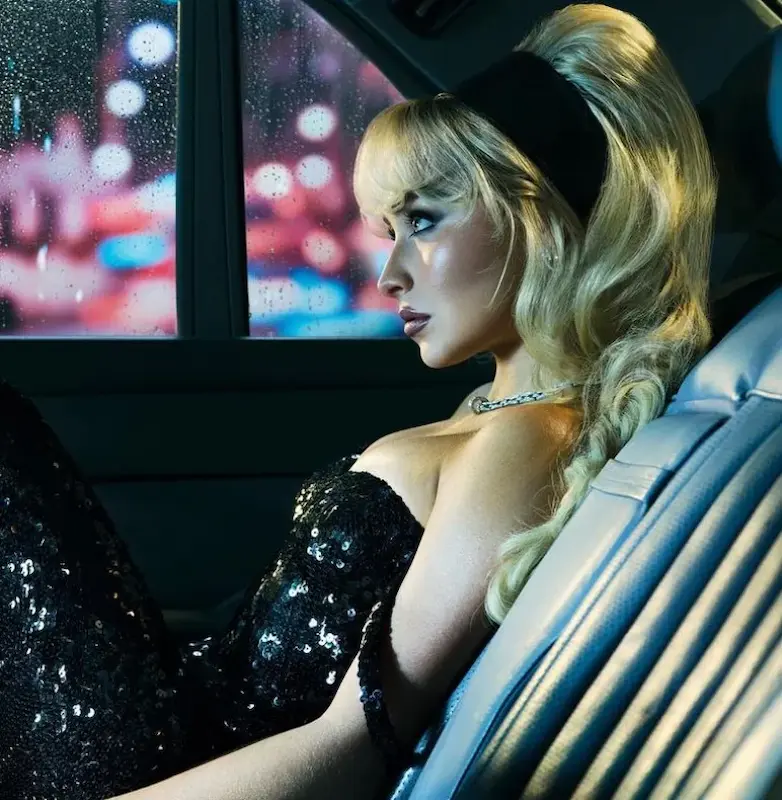
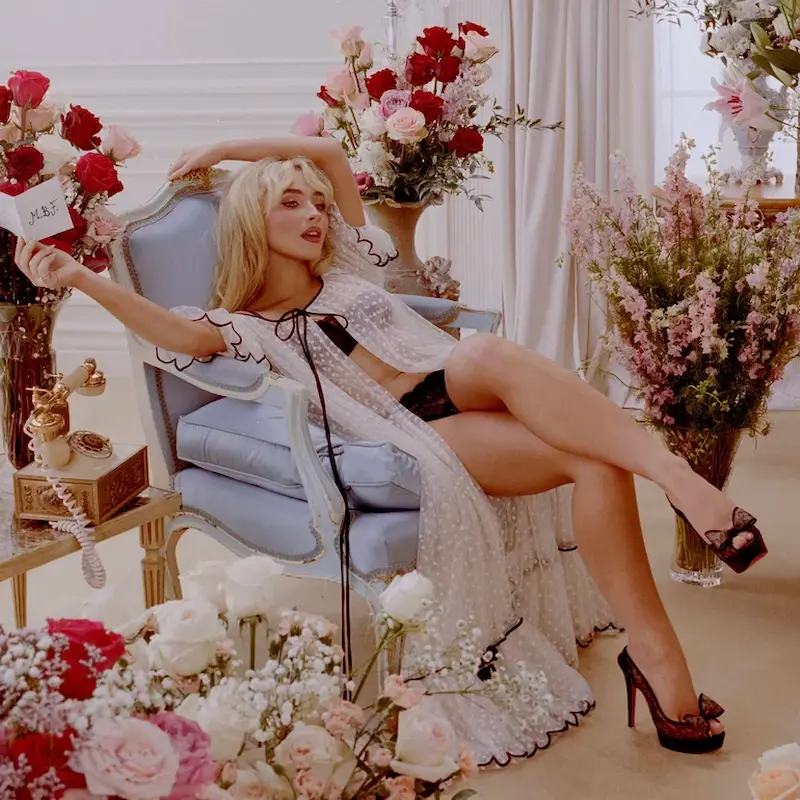
*Short n’ Sweet* was her consecration because it organized everything she had been building: humor, desire, vulnerability, retro pop, soft R&B, country-pop, modern pin-up aesthetics, theatricality and lines designed to survive outside the song. “Taste” strengthened her gift for turning jealousy and romantic triangles into glossy pop. “Bed Chem” brought sexual chemistry into a funny space. “Juno” played with adult fantasies without losing lightness. “Dumb & Poetic” showed she could also cut calmly. The album did not pretend to reinvent pop from zero. Its charm was somewhere else: making it sound smart, flirtatious, compact and unmistakably hers.
Her rise also changed the way the public read her past. Suddenly, the years of previous work stopped looking like minor prelude and began to look like training. Sabrina did not become a star simply because a song went viral; she became a star because, when the right song arrived, she already had enough craft to sustain it. She could sing live, act for the camera, use humor, build a recognizable look and play with audience expectation. That preparation made her explosion feel fresh without being improvised.
*Man’s Best Friend* expanded that period with a Sabrina more conscious of her pop power: sharper, more mature in the control of her character, more secure moving between sensuality, comedy, heartbreak and spectacle. What is interesting is that her figure does not depend only on a pretty voice or nostalgic styling; it depends on a very clear performative intelligence. Sabrina knows when to exaggerate, when to whisper, when to make fun of herself, when to seem unreachable and when to show hurt. That elasticity separates her from many pop stars designed to sound flawless but not memorable.
Sabrina Carpenter matters because she represents a new version of the classic pop star: disciplined, visual, funny, sensual, theatrical and skilled enough to turn a meme into a song and a song into a career. Her legacy is still being built, but her moment has already left a mark: she brought back the pleasure of compact, flirtatious, personality-filled pop in an era saturated with solemn confessions. At her best, Sabrina sounds like someone who arrives late to a party, knows perfectly well that everyone is looking at her and decides to turn that gaze into music.
Main genre
POP
Main subgenres
Like a superfan's list — except verified, with sources and links.

17–Apr 19, 2026
Indio, California · United States
Past10–Apr 12, 2026
Indio, California · United States
Past
20–Mar 22, 2026
São Paulo, São Paulo · Brazil
Past
13–Mar 15, 2026
Buenos Aires, Ciudad Autónoma de Buenos Aires · Argentina
Past13–Mar 15, 2026
13–Mar 15, 2026
Santiago, Región Metropolitana de Santiago · Chile
Past
04–Jun 08, 2025
Barcelona, Catalunya · Spain
Past19–Apr 21, 2024
Indio, California · United States
Past12–Apr 14, 2024
Indio, California · United States
Past
03–Aug 06, 2023
Chicago, Illinois · United States
Past21–Jul 23, 2023
Selangor · Malaysia
PastWhat we managed to link to the concert archive. If a date is missing, tell us — happens to us too.
No linked concerts
Every concert and festival of the year, traced on the globe. Hit play and follow the route stop by stop.
Photos from the public archive.
Recent coverage linked to the artist.



Close by genre and social signal.
No related artists
When there is enough genre signal, they will appear here.