




























Ranking
#96

Ranking
#96
Followers
76.3 M
Digital presence
Official profiles, streaming and discovery.
What a good fan recites by heart (or pretends to).
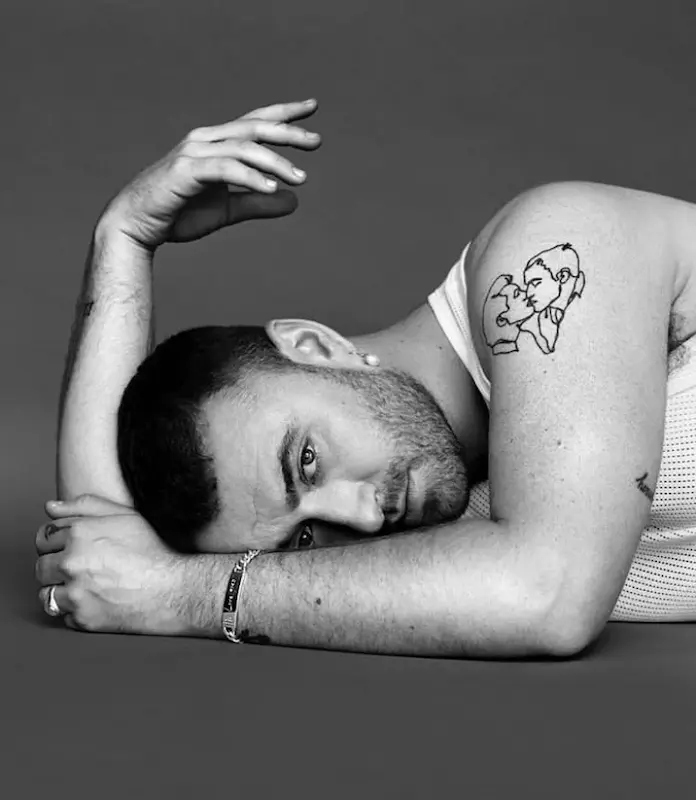
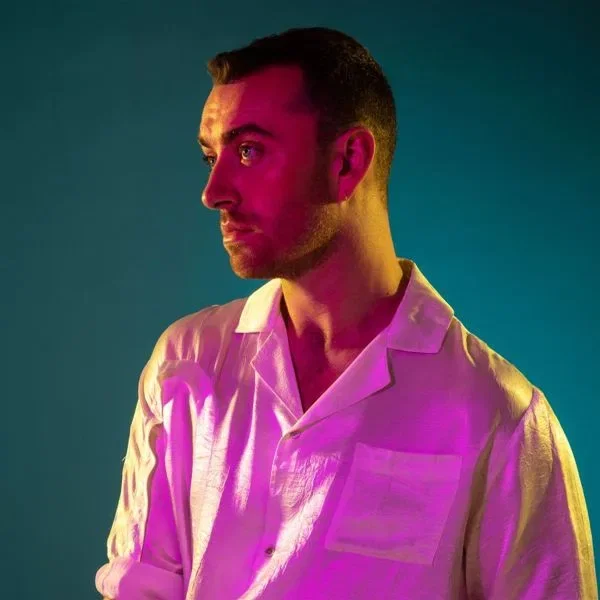
Sam Smith is one of the most recognizable voices in contemporary pop because their career began from an emotion that felt immediate: vulnerability, vocal elegance, romantic sadness, and the need to be heard without disguise. Before becoming a global figure, their music already carried something very difficult to manufacture: the feeling of a confession sung with impeccable technique, but without losing fragility. In Sam Smith’s work, the ballad does not appear as an old formula. It becomes a place of exposure, mourning, beauty, and personal search.
Born in London, England, Sam Smith grew musically through choirs, theater, vocal training, and a sensibility shaped by soul, gospel, and British pop traditions of great interpreters. That foundation can be heard in the singing: long notes, breath control, a high tenor tone, melodic clarity, and a special ability to make a simple phrase feel emotionally enormous. Their voice has an almost liturgical quality, as if many songs were built around an intimate plea, but it also carries the precision needed to move through radio pop, electronic production, and dance music without losing identity.
The first major public breakthrough came with “Latch,” the Disclosure collaboration that placed Smith’s voice inside a sophisticated electronic context. What made that song interesting was that Sam did not sound like just another featured vocalist. Their performance turned the beat into drama. Inside a garage and dance-pop production, there was a warm, human, expansive voice capable of giving emotional weight to a track built for movement. That contrast became one of the keys to their career: Sam Smith can enter a club song and still make emotion the center.
In the Lonely Hour turned that promise into a global phenomenon. The album worked because it spoke about unrequited love with almost brutal clarity, wrapped in elegant arrangements and accessible melodies. “Stay with Me” became the heart of the project: a minimal song built like a pop prayer, where the desire for company becomes universal. “I’m Not the Only One,” “Lay Me Down,” and “Like I Can” expanded that emotional space, showing different versions of loss, hope, jealousy, and need. Smith did not sound like a distant star, but like someone singing from the center of a wound that had not closed.
One of their greatest strengths is the union of technique and vulnerability. Many technically brilliant voices can impress without necessarily touching deeply; Sam often does the opposite. They use vocal control to sound more exposed, not less. Vibrato, breath, silences, and falsetto lifts work as dramatic tools, but never as empty display. In their best songs, technique is hidden inside feeling, as if singing well were simply the most honest way to say something difficult.
The Thrill of It All deepened that identity through a more spiritual and gospel-rooted space. There, Sam Smith did not only continue singing about heartbreak and desire; they expanded the frame toward guilt, faith, self-worth, family distance, queer love, and the difficulty of finding a place of one’s own. “Too Good at Goodbyes” showed a more mature version of heartbreak: less innocent, more defensive, aware of its scars. The album reinforced Smith as an artist able to carry the tradition of the great soul ballad into a contemporary pop sensibility.
“Writing’s on the Wall” added another dimension to their career: the grand cinematic theme. By recording a James Bond song, Sam entered a tradition where singers must combine drama, luxury, danger, and vulnerability in a few minutes. The song underlined their natural affinity with orchestral scale and emotional theater, proving that their voice could inhabit grand formats without losing intimacy. Even at cinematic scale, Sam Smith still sounded like someone confessing something personal.
With Love Goes and the following era, their music began to open more clearly toward electronic pop, dance, and lighter rhythmic collaborations. Songs such as “Promises” with Calvin Harris and “Dancing with a Stranger” with Normani revealed a more nocturnal, sophisticated, and physical side. In that space, Sam Smith found a way to take melancholy to the dance floor. It was not about abandoning sadness, but moving it: turning it into groove, desire, club elegance, and a way of surviving emotionally while still dancing.
Gloria marked a more explicit phase of affirmation, sonically and visually. With “Unholy,” alongside Kim Petras, Sam Smith broke the expectation that they were only a voice for sad ballads and entered a more theatrical, provocative, sexual, and dark territory. The song mattered not only because of its success, but because of what it represented: a queer, non-binary pop figure occupying the center of the mainstream with a song built around desire, excess, and performance. That moment expanded Smith’s public image and showed that vulnerability could also become stage power.
Sam Smith’s identity inside pop is strongly tied to personal transformation. Their career has moved from the elegant sadness of the early records toward a more open exploration of body, gender, pleasure, image, and freedom. That evolution has not always been comfortable for every audience, and that is precisely part of why it matters. Smith has turned part of their work into a visible process of no longer hiding, of moving from wound toward affirmation, and of claiming space in an industry that often prefers easier, more digestible versions of difference.
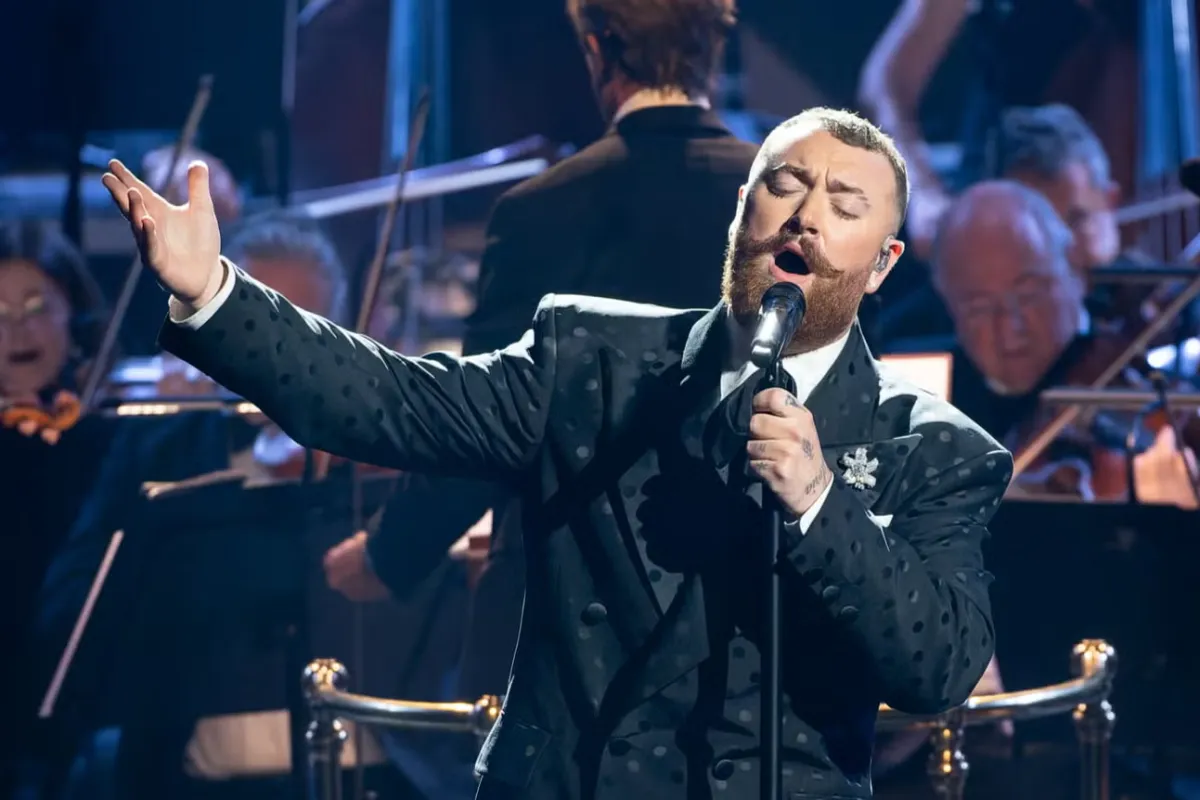
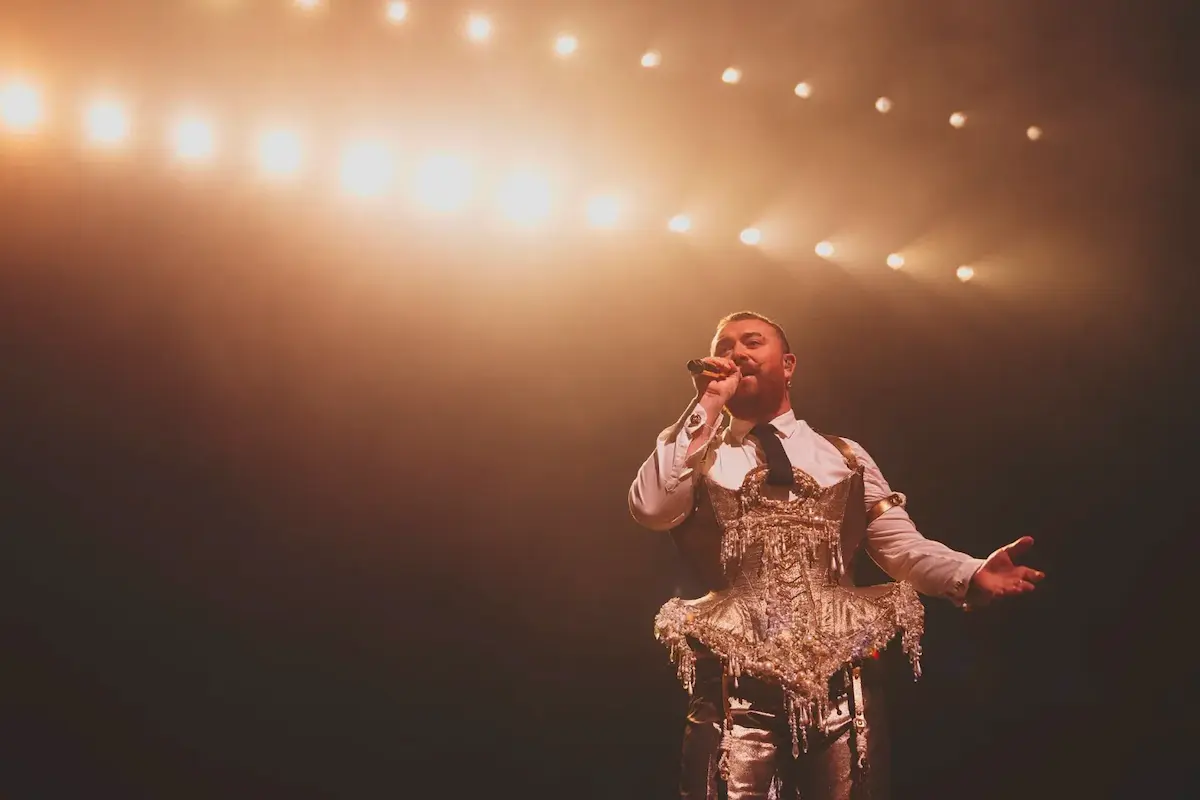
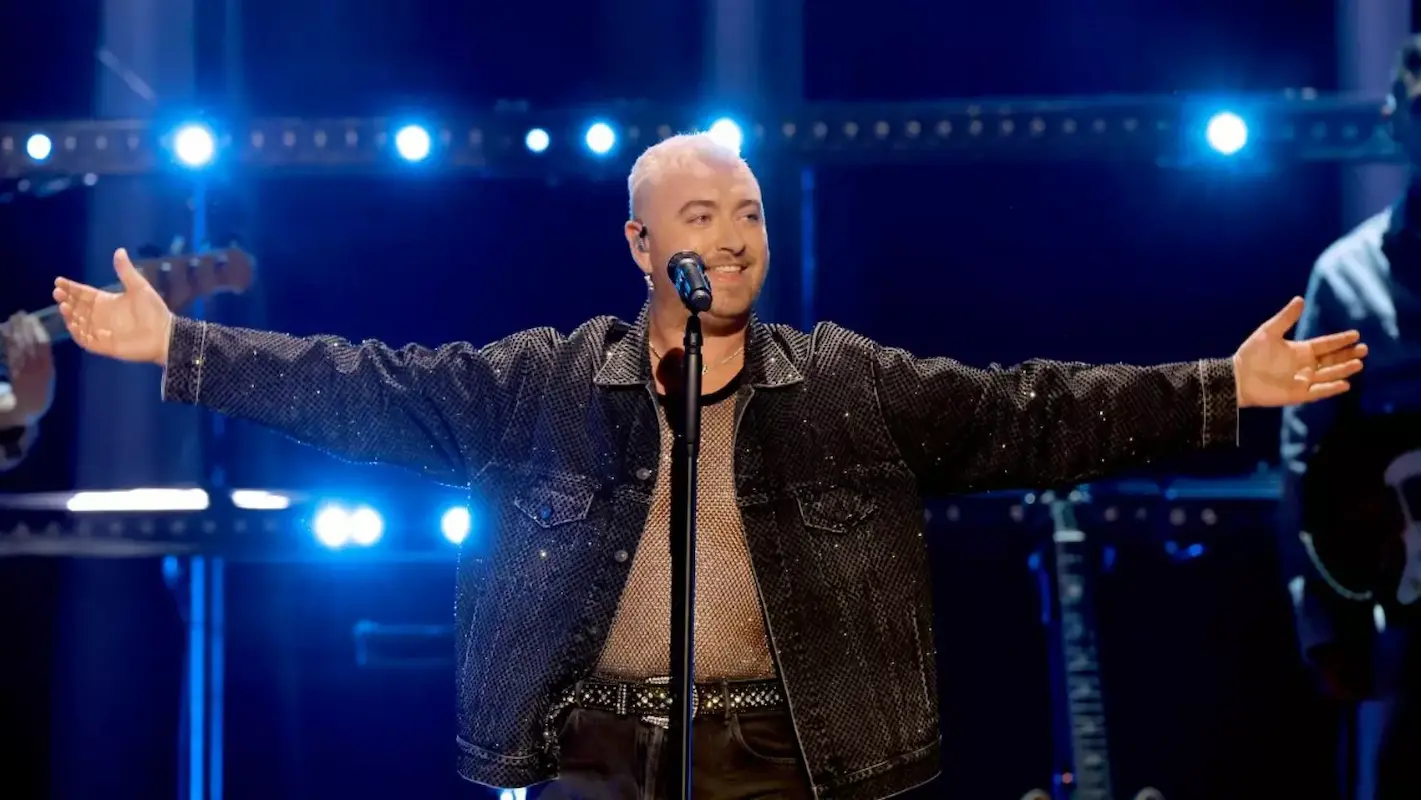
Live, their power lies in emotional connection. A Sam Smith concert can feel like a pop ceremony: ballads sung by thousands of people, choral arrangements, moments of theater, dance tracks, and a voice holding everything together. The repertoire can move from intimate silence to euphoria, from pain to shine, from confession to spectacle. That ability to travel between fragility and grandeur is central to their appeal.
Sam Smith’s legacy lies in carrying the tradition of the great soul-pop voice into a contemporary, queer, emotionally open, global space. Their music shows that vulnerability can become massive when it is sung with truth, and that a voice can become a refuge for those who have loved, lost, desired, or searched for a more honest way to name themselves. At their best, Sam Smith sounds like a light left on in a dark room: elegant, wounded, warm, and able to turn a private confession into a universal chorus.
Main genre
POP
Main subgenres
Like a superfan's list — except verified, with sources and links.
14–Jul 15, 2023
Riga · Latvia
Past
06–Jul 08, 2023
Algés · Portugal
Past
06–Jul 08, 2023
Madrid, Madrid · Spain
Past
Jun 30 – Jul 15, 2023
Montreux · Switzerland
Past02–Jun 03, 2023
Warszawa · Poland
Past
18–Sep 27, 2015
Rio de Janeiro, Rio de Janeiro · Brazil
PastWhat we managed to link to the concert archive. If a date is missing, tell us — happens to us too.
Manchester · United Kingdom
Tickets →Manchester · United Kingdom
Tickets →London · United Kingdom
Tickets →London · United Kingdom
Tickets →London · United Kingdom
Tickets →London · United Kingdom
Tickets →London · United Kingdom
Tickets →London · United Kingdom
Tickets →London · United Kingdom
Tickets →London · United Kingdom
Tickets →Every concert and festival of the year, traced on the globe. Hit play and follow the route stop by stop.
Photos from the public archive.
Recent coverage linked to the artist.




Close by genre and social signal.
No related artists
When there is enough genre signal, they will appear here.