






Ranking
#101

Ranking
#101
Followers
75.3 M
Digital presence
Official profiles, streaming and discovery.
What a good fan recites by heart (or pretends to).
Sia is one of the most singular artists in modern pop because her career did not follow the usual path of a star determined to be seen at all costs. Her story is marked by a very specific tension: an enormous, emotional, instantly recognizable voice paired with an uneasy relationship with fame, public exposure, and the traditional spectacle of celebrity. In an industry obsessed with faces, image, and constant visibility, Sia built an identity where the song, the voice, and the concept could stand above the visible person.
Born in Adelaide, South Australia, Sia began in a world very different from the global pop she would later dominate. Her early steps were tied to acid jazz, soul, trip hop, and a more alternative musical environment, where interpretation did not depend on big commercial gestures. That foundation matters because it explains part of her artistic personality: even when her songs became massive, they kept an emotional strangeness, a pull toward twisted melodies, dramatic phrases, and arrangements that do not always follow the most obvious pop route.
Her time with Crisp and her later move to London placed her in contact with a more downtempo, sophisticated, nocturnal sensibility. As a vocalist associated with Zero 7, Sia found a space where her voice could float between soft electronics, warm atmospheres, and elegant melancholy. Songs such as “Destiny” and her work in that universe helped introduce her as a different kind of performer: not a traditional pop diva, but a voice with texture, vulnerability, and a luminous sadness that could fill a song without overacting.
“Breathe Me” was one of the moments that changed her relationship with listeners. The song has an almost transparent fragility: piano, fractured voice, a feeling of falling, and an honesty that feels physical. Its impact did not come from an explosive hook, but from the way it captured the need for help, closeness, and emotional rescue. For many people, “Breathe Me” became the doorway into a more intimate Sia, a songwriter able to make vulnerability sound enormous without turning it into cheap spectacle.
For years, Sia was a cult figure, respected for her voice and writing but not necessarily placed at the center of mainstream pop. That period is essential to understanding her later maturity. Before “Chandelier,” there was already an artist with albums, tours, collaborations, experimentation, and a voice deeply shaped by pain, humor, and independence. Her career did not begin when the world looked at her; the world took time to catch up. That difference gave her an unusual perspective on the industry.
Her work as a songwriter for other artists expanded her influence even further. Sia understood pop as emotional architecture: direct phrases, melodies that rise like a wave, choruses built to break something inside the listener, and a rare ability to write songs that seem simple until someone tries to sing them. “Diamonds,” performed by Rihanna, is one of the clearest examples of that skill: a song with clean structure, powerful imagery, and an expansive melody. Sia became an invisible author of other people’s emotions before placing herself back at the center of her own story.
“Chandelier” was the major rupture point. The song worked because it brought together melodrama, pop, addiction, excess, and desperation in a nearly acrobatic vocal performance. It was not only a song about partying; it was a song about the cost of pretending everything is fine while something is collapsing inside. Sia’s voice rises, cracks, explodes, and holds itself together again as if walking a tightrope. That tension turned “Chandelier” into an anthem, but also into a confession.
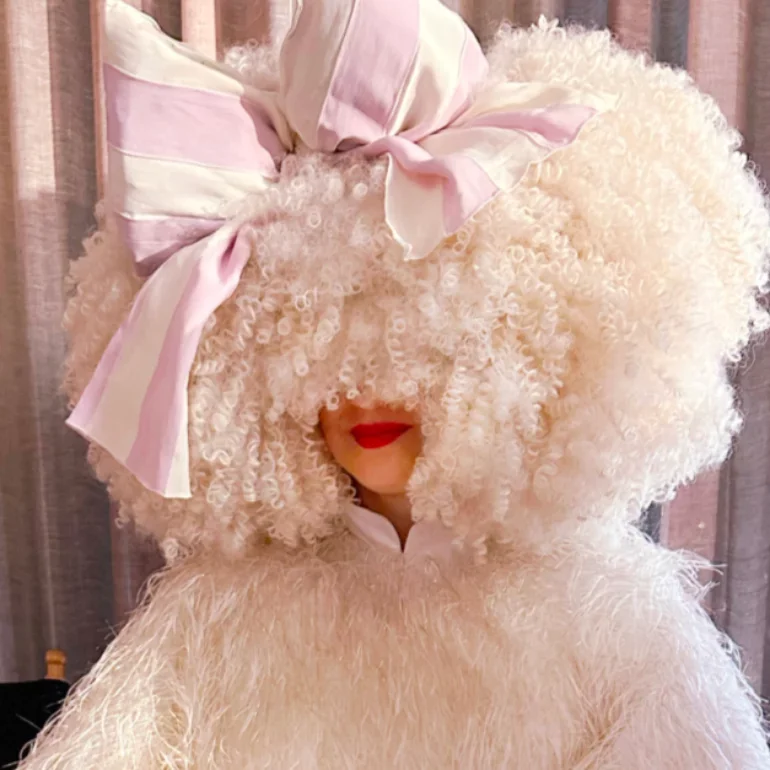
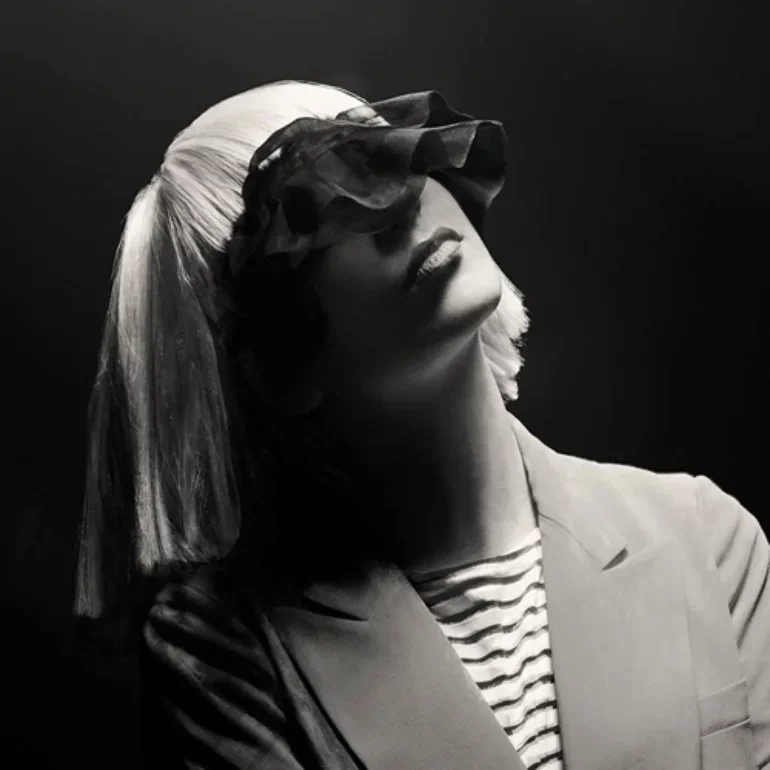
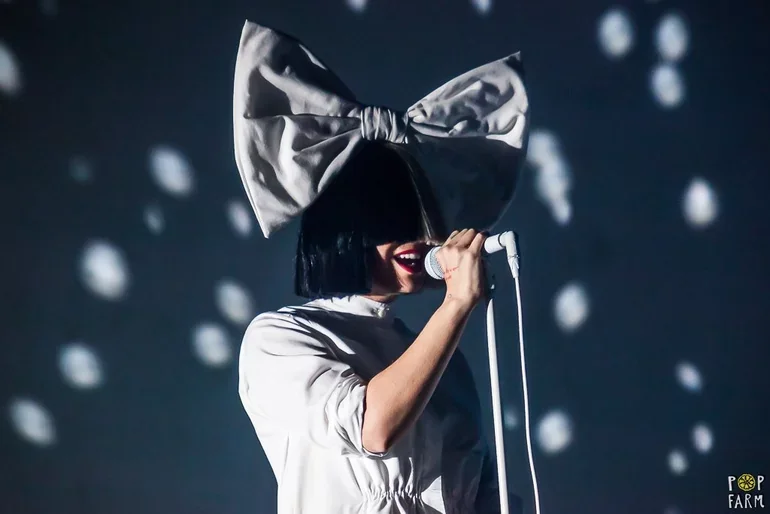
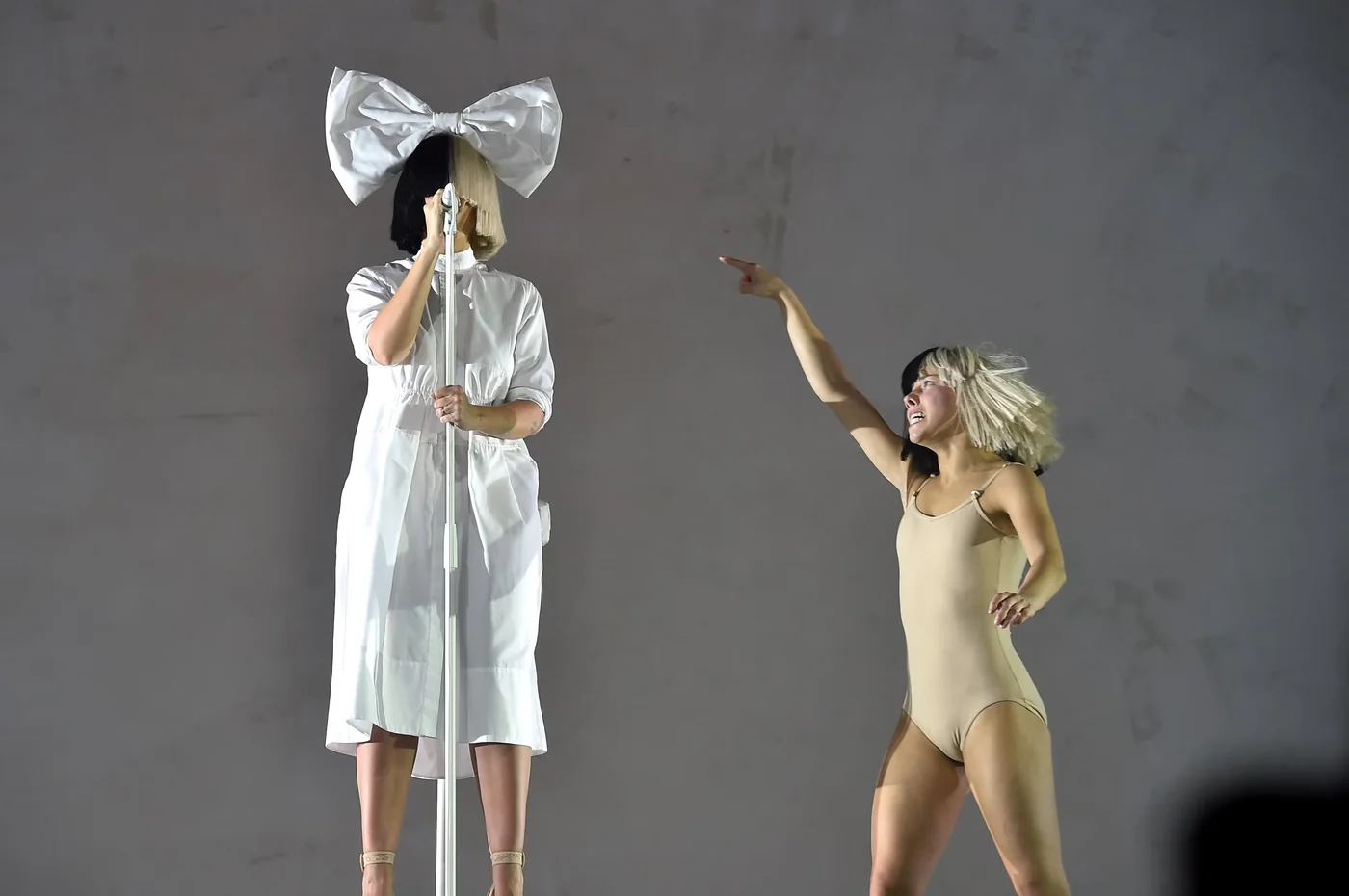
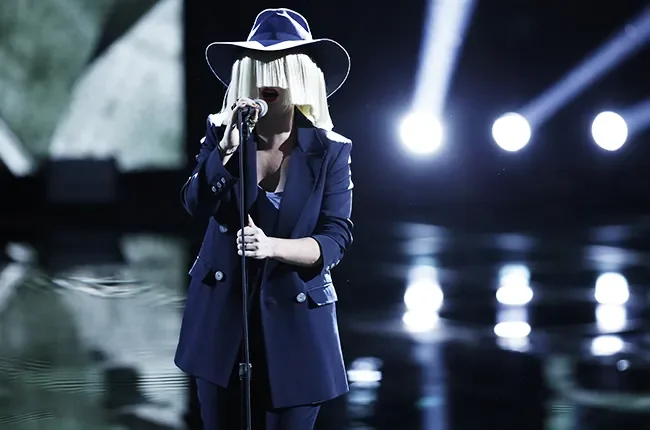
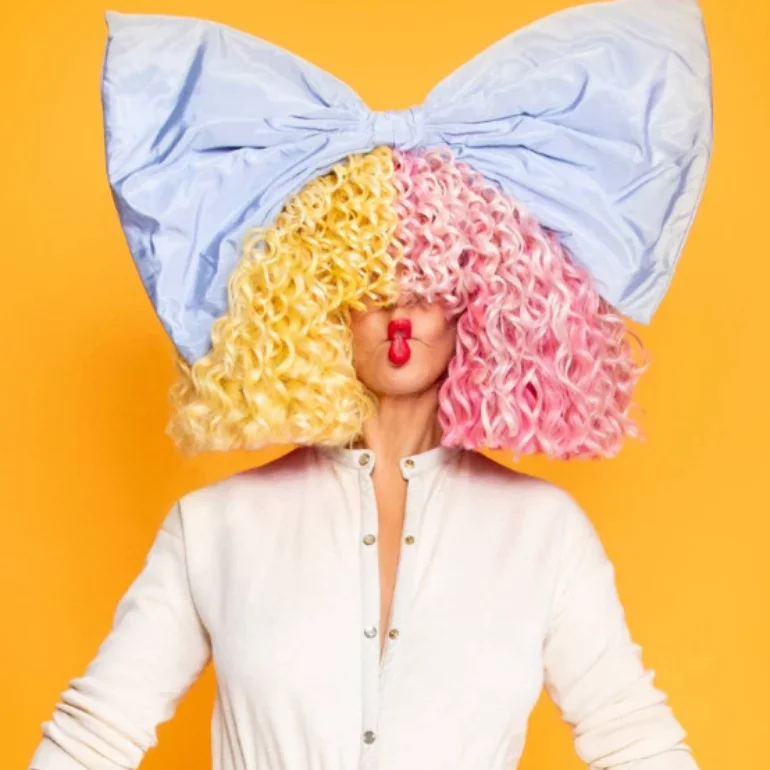
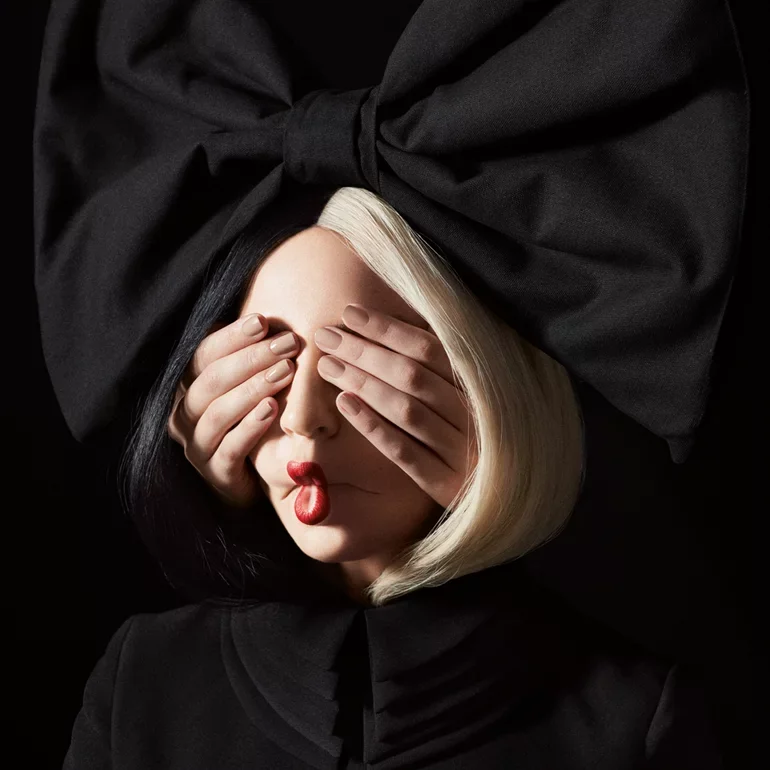
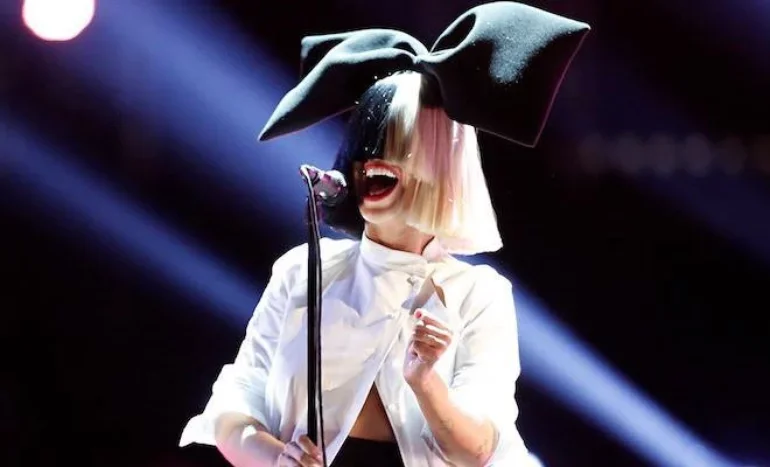
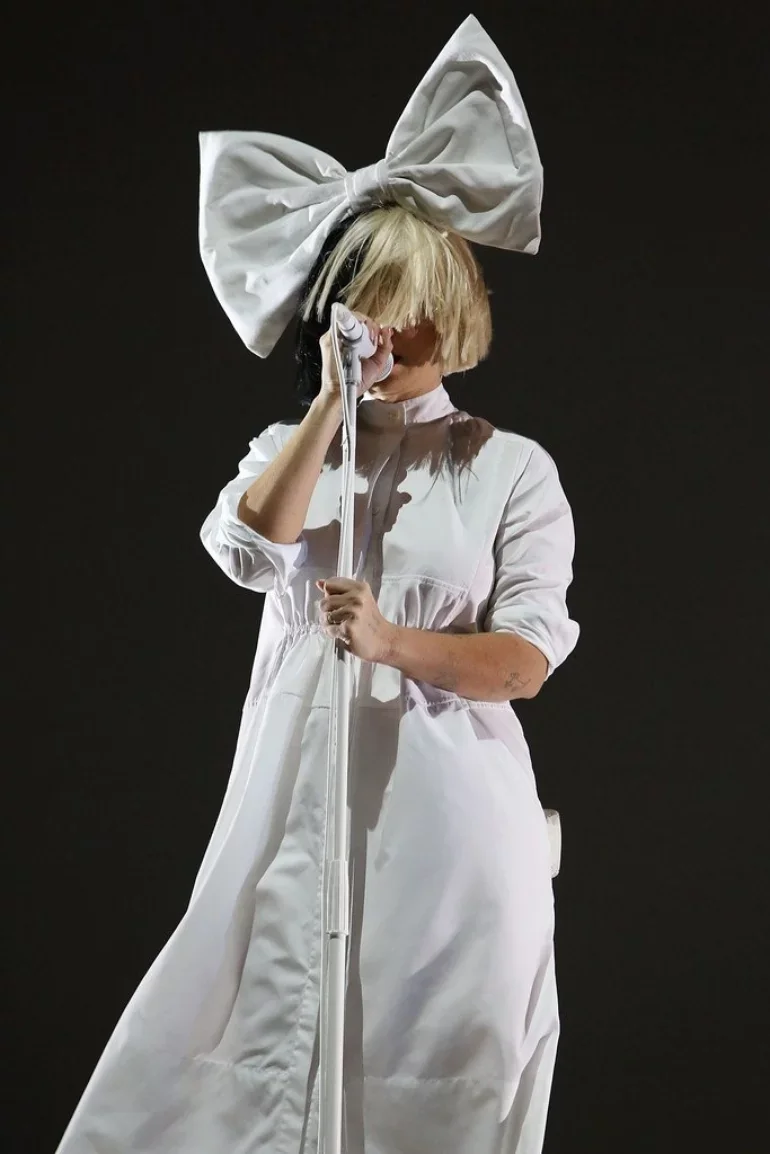
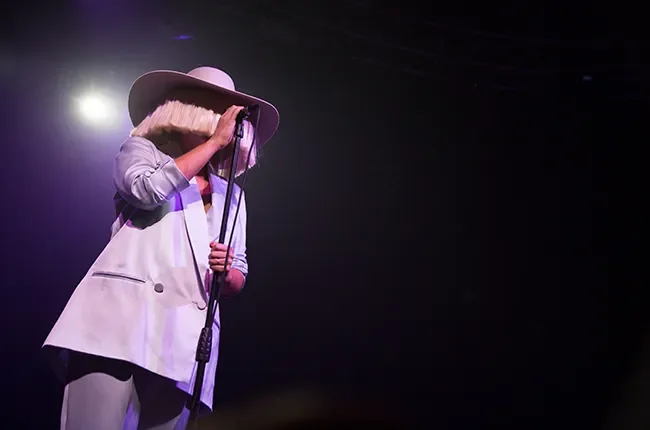
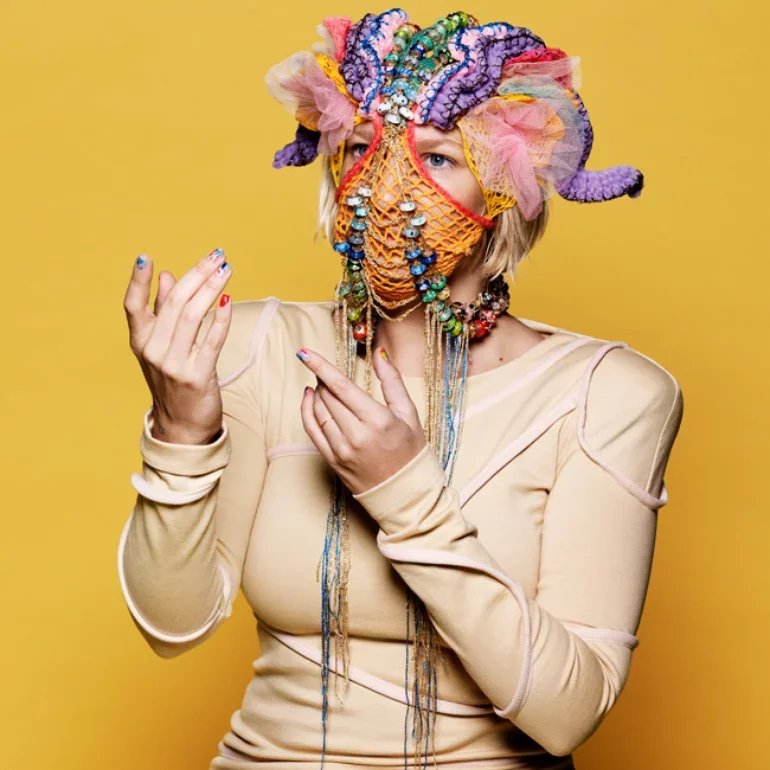
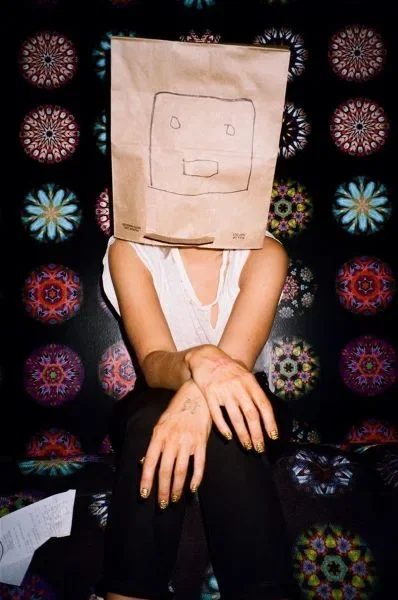
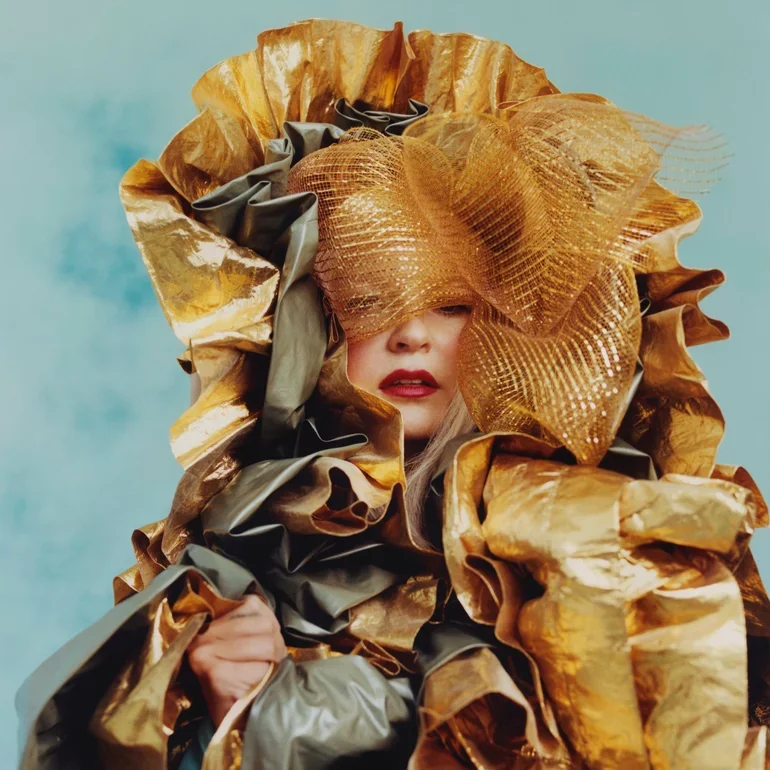
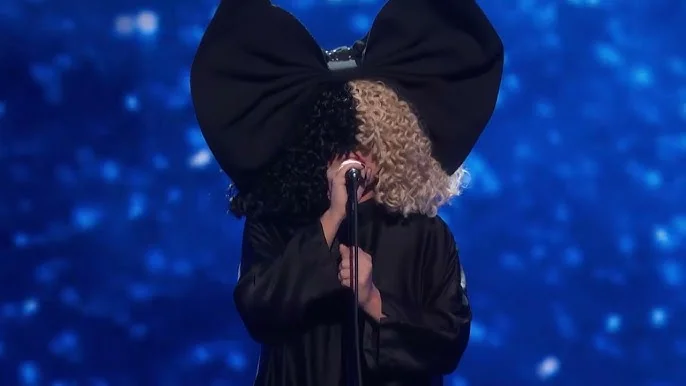
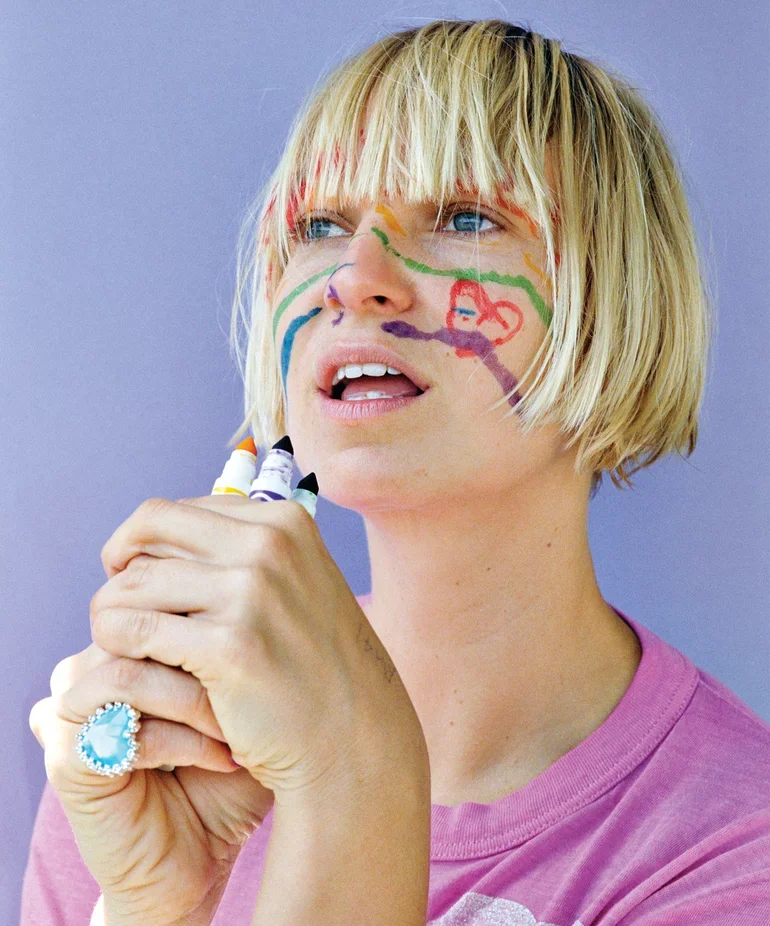
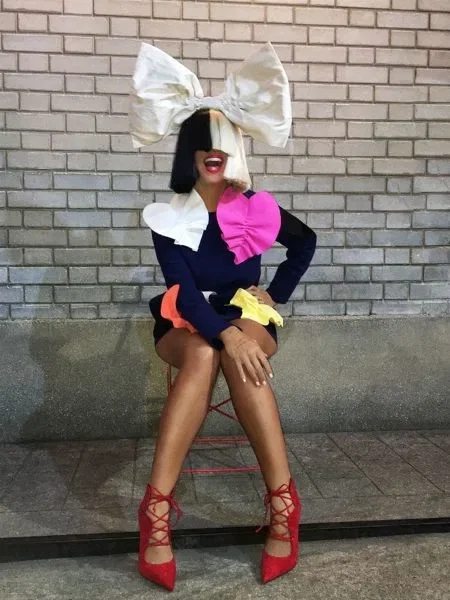
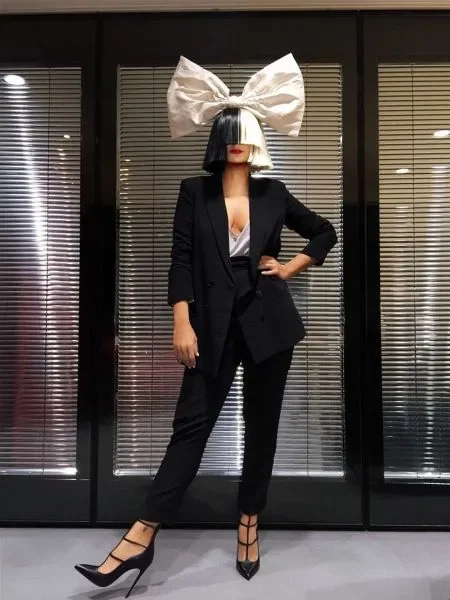
The visual language of that era was just as important. Through wigs, covered faces, and the recurring presence of dancers such as Maddie Ziegler, Sia built a form of pop where the performing body could be displaced. The artist did not exactly disappear; she multiplied into symbols. Partial anonymity was not absence, but commentary: on fame, control, projection, and the possibility of creating a powerful image without handing an entire face over to the media machine. That gesture made her recognizable precisely because she was hiding.
1000 Forms of Fear and This Is Acting consolidated her place as one of the great architects of emotional pop in the 2010s. “Elastic Heart,” “Big Girls Cry,” “Alive,” “Cheap Thrills,” and “The Greatest” show different sides of her writing: survival, party, pain, resistance, body, and self-worth. Sia has a special ability to turn self-affirmation phrases into giant melodies, although those songs often keep a shadow underneath the shine. Her pop often celebrates while the scar is still visible.
She is also an artist marked by contradictions. She has been celebrated for her vocal and songwriting talent, but also debated because of some public decisions and audiovisual projects. That complexity is part of her place in pop culture: Sia is not a flat or completely comfortable figure. Her work moves between protection and exposure, generosity and control, anthem and wound. Even when she writes universal songs, there is almost always a difficult emotion, a crack, a sign that joy and pain can live inside the same chorus.
Her voice remains the center of everything. It is rough and powerful, with a very particular way of opening vowels, pushing notes, and turning imperfection into signature. Sia does not sing like someone trying to sound overly polished. She sings like someone who needs to release an emotion before it becomes unbearable. That urgency is what allows her songs to work both on a dance floor and in a moment of solitude.
Sia’s legacy lies in proving that pop can be massive without being transparent, vulnerable without being small, and anonymous without ceasing to be iconic. Her career brings together acid jazz, trip hop, alternative pop, industrial-scale hit songwriting, conceptual performance, and a voice that seems to break in order to rise again. At her best, Sia sounds like a lamp left on in a dark room: intense, strange, fragile, theatrical, and able to turn a private wound into a chorus millions can sing.
Main genre
POP
Main subgenres
Like a superfan's list — except verified, with sources and links.

22–Apr 24, 2016
Indio, California · United States
Past15–Apr 17, 2016
Indio, California · United States
Past16–Apr 18, 2010
Indio, California · United States
Past25–Apr 27, 2008
Indio, California · United States
PastWhat we managed to link to the concert archive. If a date is missing, tell us — happens to us too.
No linked concerts
Every concert and festival of the year, traced on the globe. Hit play and follow the route stop by stop.
Photos from the public archive.
Recent coverage linked to the artist.


Close by genre and social signal.
No related artists
When there is enough genre signal, they will appear here.