










Ranking
#100

Ranking
#100
Followers
75.5 M
Digital presence
Official profiles, streaming and discovery.
What a good fan recites by heart (or pretends to).
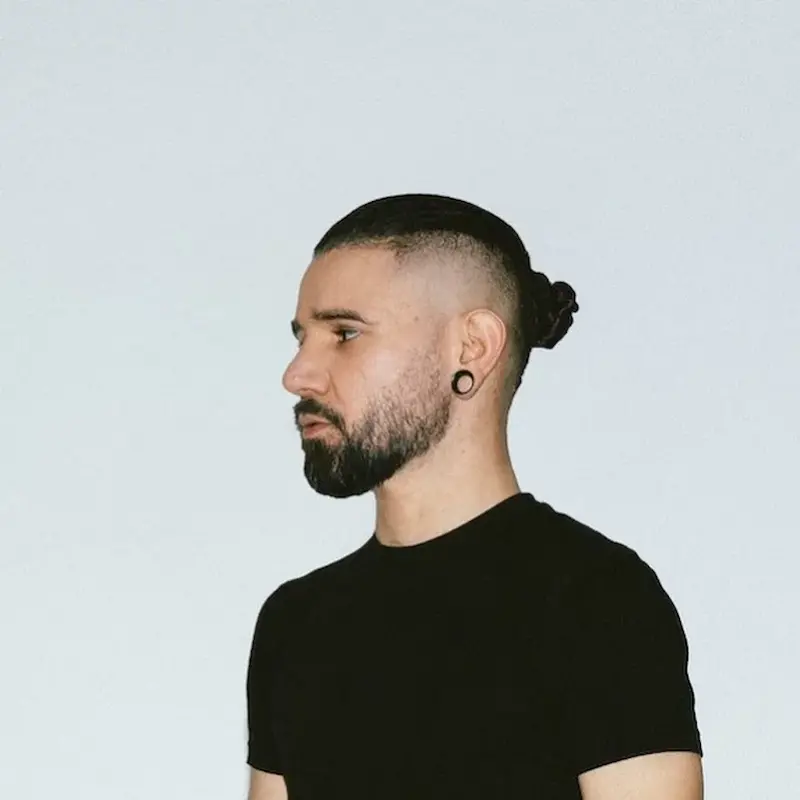
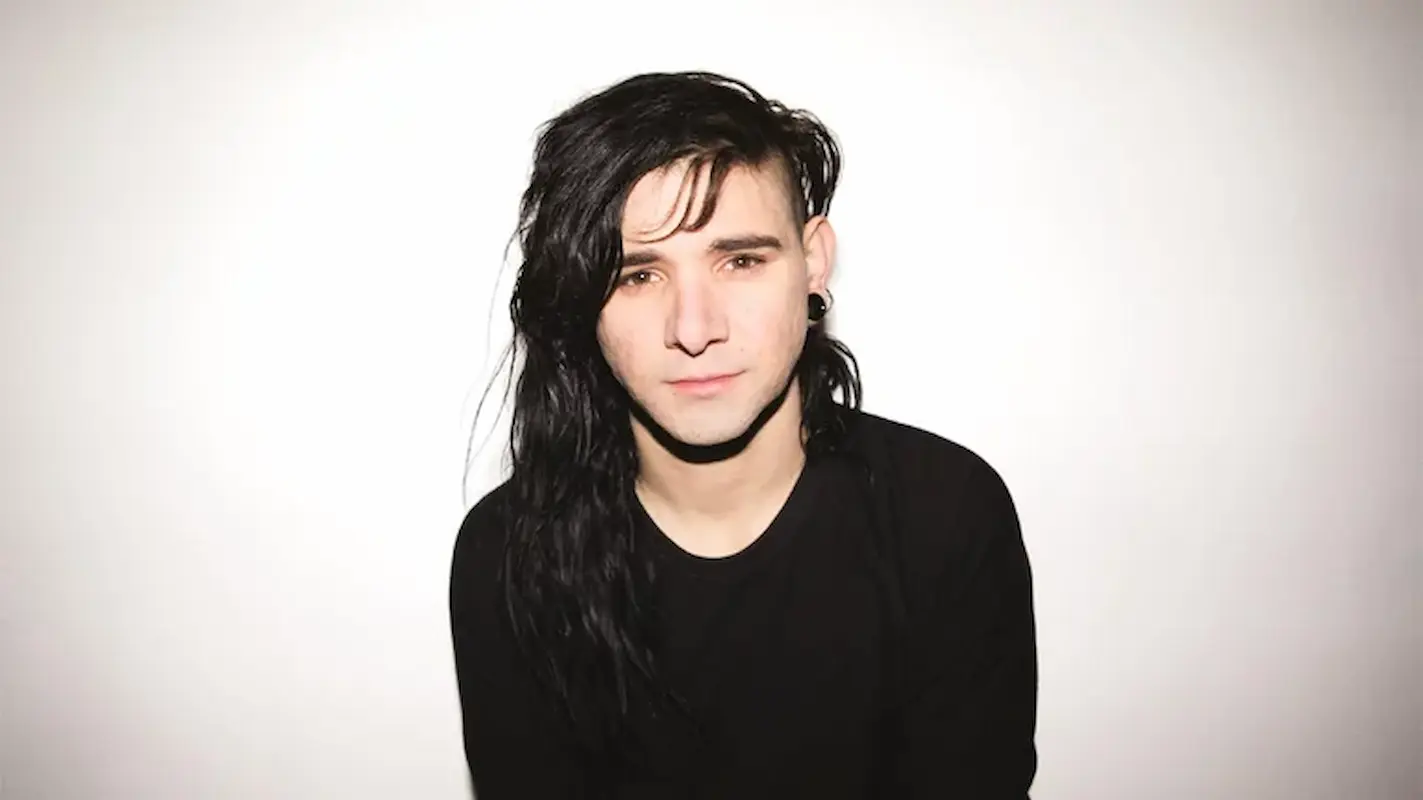
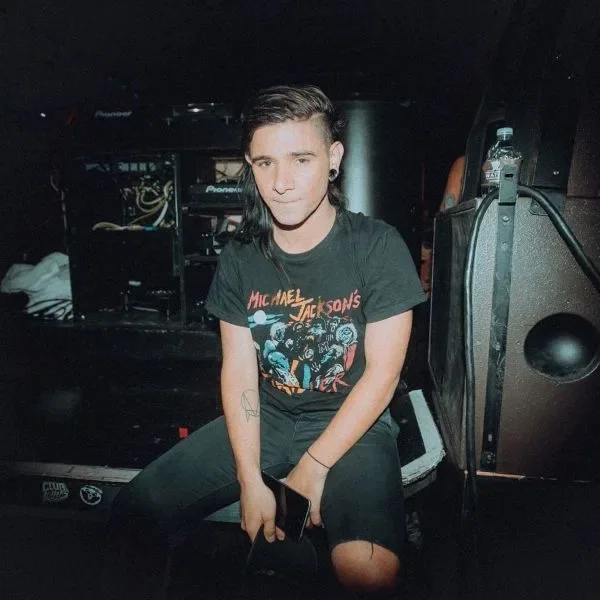
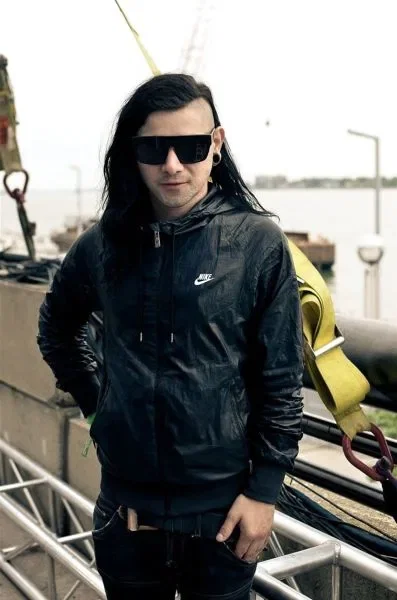
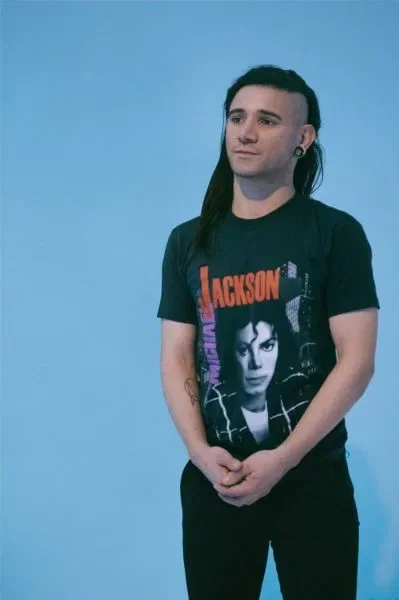
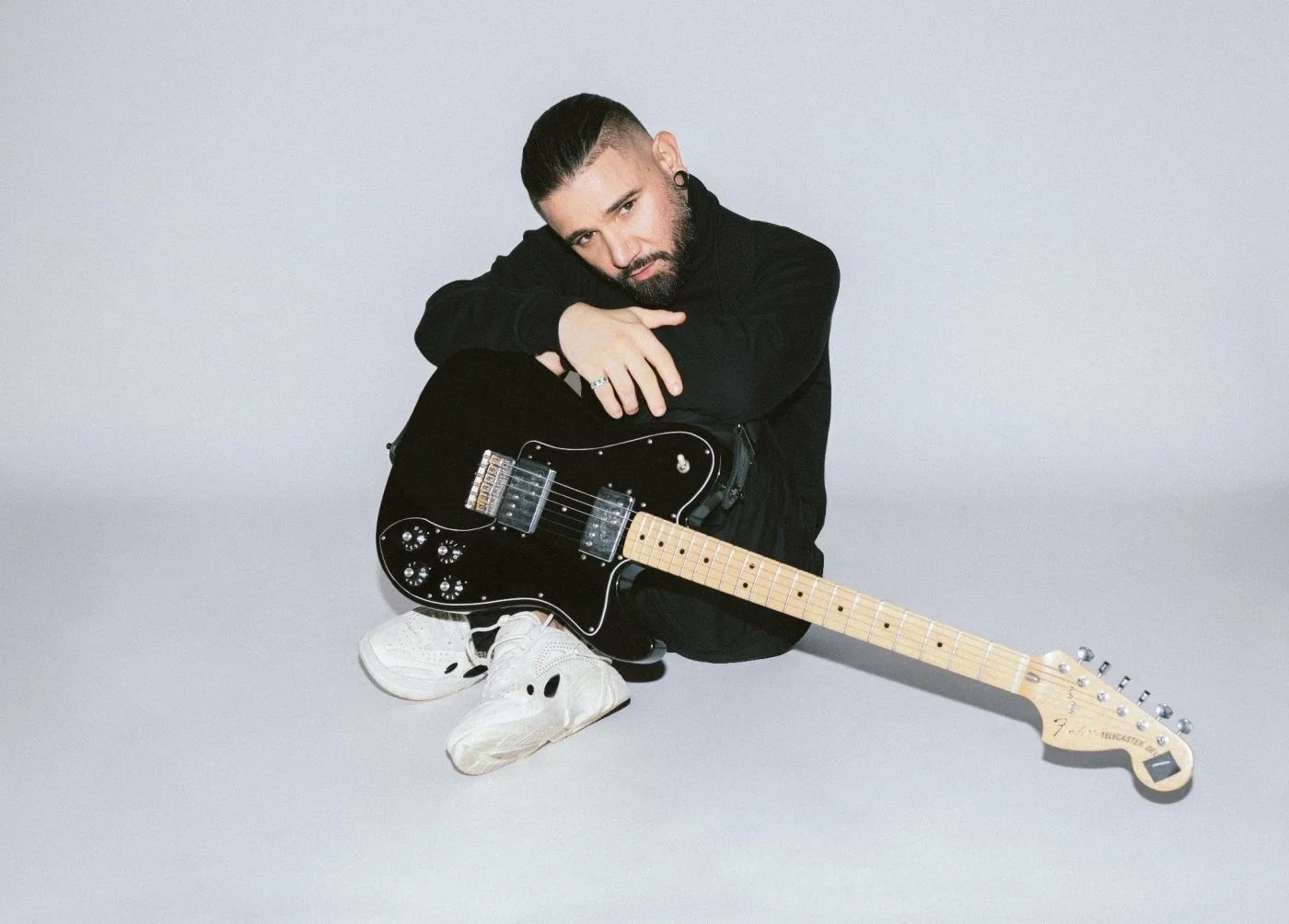
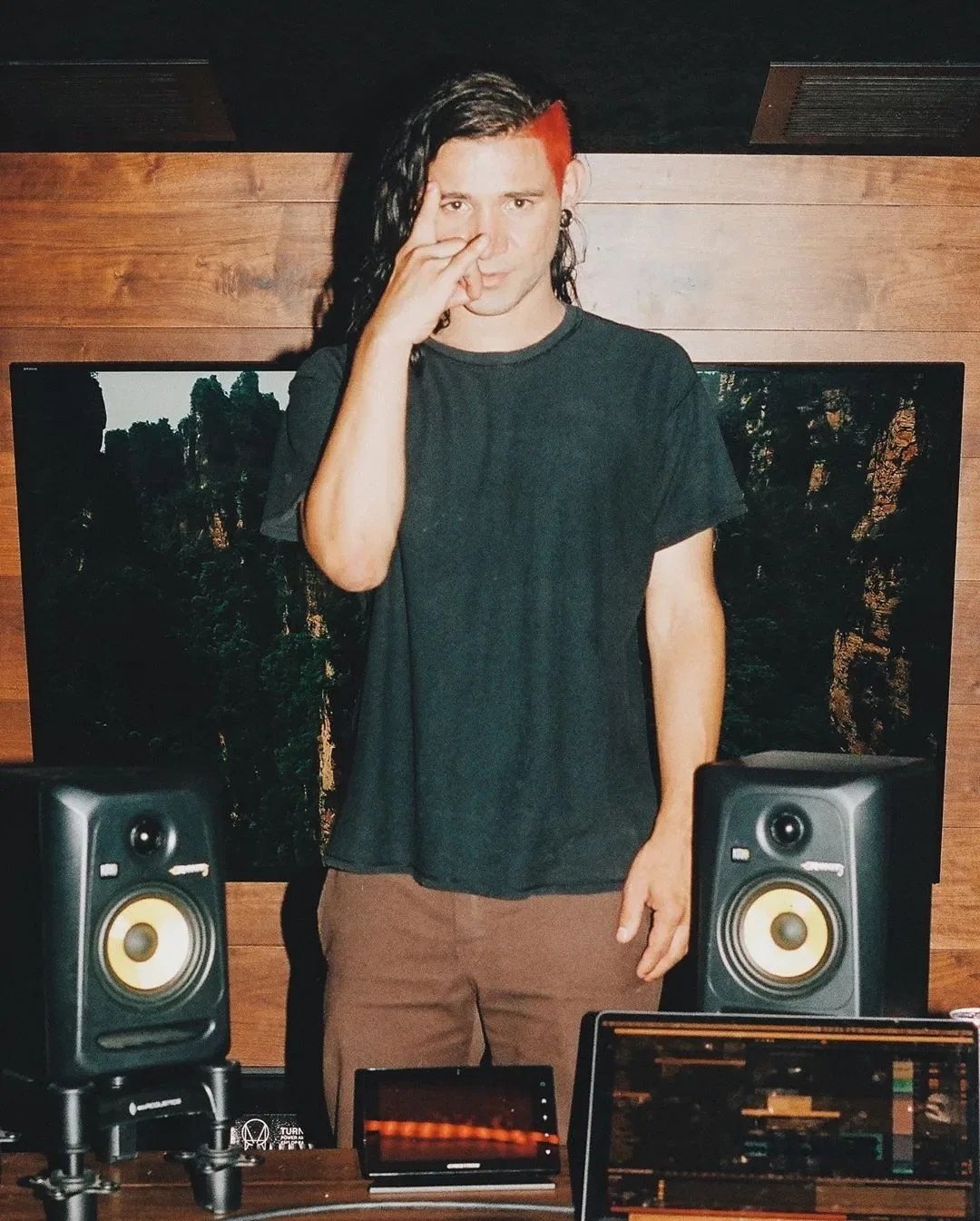
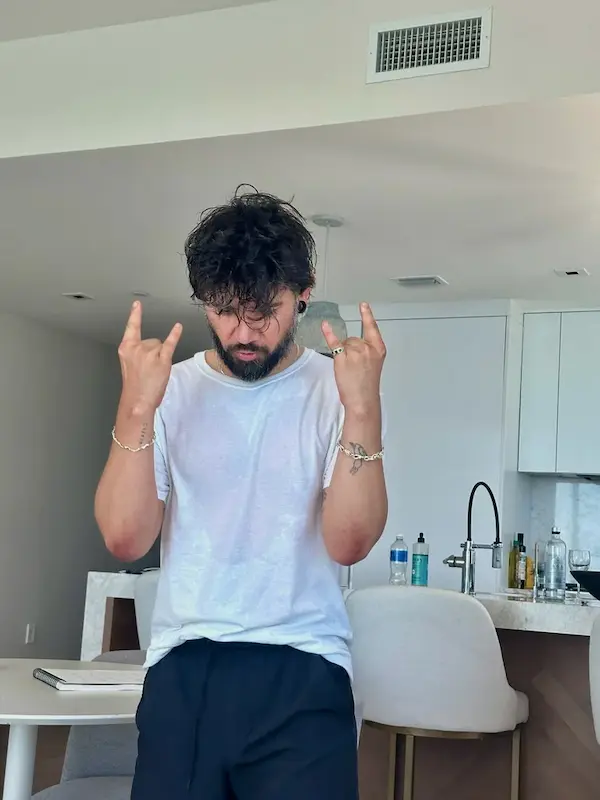
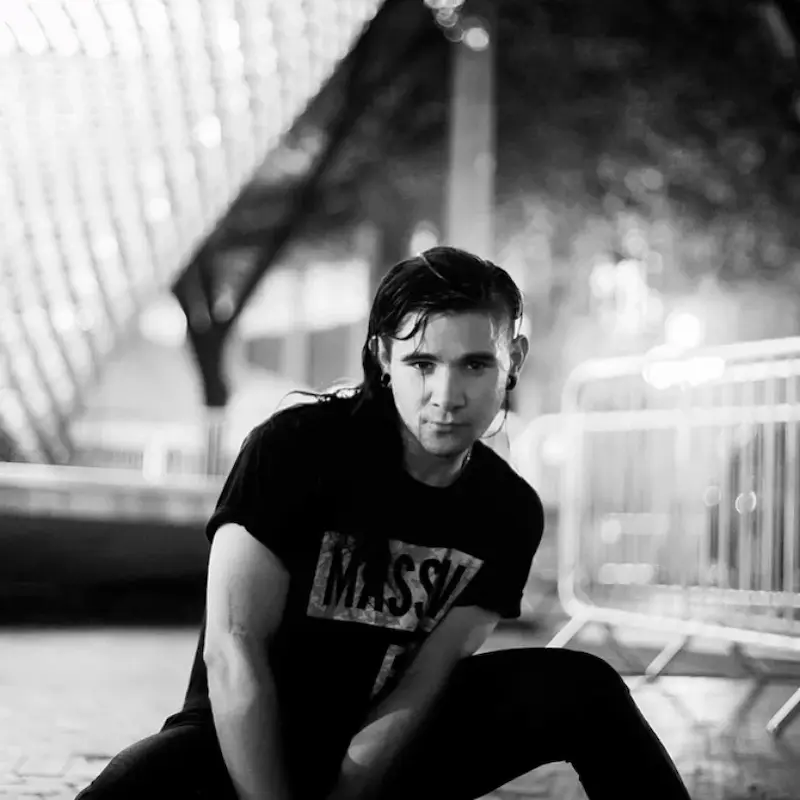
Skrillex is one of the figures who most dramatically changed how electronic music was perceived in the twenty-first century. His impact is not limited to popularizing an aggressive sound filled with distorted bass, violent edits, and explosive drops. His importance lies in turning a shock-based aesthetic into a pop language. Dubstep already had its own history before him, especially through the United Kingdom and soundsystem culture. But Skrillex took a louder, more maximalist, more physical branch of that world, mixed it with rock energy, digital precision, gaming culture, hip hop, pop, and emo sensitivity, and pushed it to a global scale.
Born Sonny John Moore in Los Angeles, Skrillex did not arrive at electronic music as an isolated studio producer. His first public life was as the vocalist of From First to Last, a post-hardcore band where the stage, the scream, physical intensity, and connection with young audiences were already part of his formation. That period matters. Even after he replaced guitars with synthesizers and processed voices, his productions kept much of that root: tension, catharsis, melodrama, volume, acceleration, and an almost bodily need to break the surface.
When he began producing as Skrillex, his sound seemed designed to divide opinion. For some, it was a fresh explosion that made electronic music feel dangerous, youthful, and huge. For others, it was an overly noisy deformation of original dubstep. That controversy became part of his force. Skrillex did not enter the scene gently. He arrived like a short circuit. “Scary Monsters and Nice Sprites” captured that arrival through bright melody, almost childish tension, chopped vocals, and a bass drop that became emblematic of an era. Few songs have defined so clearly the sound of a generation of festivals, internet videos, and mass electronic culture.
His early aesthetic had something cartoonishly extreme about it, but also a great deal of precision. Behind the chaos was design. The drops were not only noise; they were edited with microscopic attention, full of silences, attacks, digital breaths, changes in texture, and a theatricality close to film editing. Skrillex understood that electronic production could work as a narrative of impact: build anticipation, cut the air, release energy, and lift the tension again. That approach influenced EDM, pop, trap, video games, trailers, advertising, and a huge number of producers who learned to think of sound as a physical strike.
Bangarang consolidated him as the emblem of a more aggressive, colorful, explosive electronic language. The EP worked like a style manifesto: speed, humor, distortion, collaborations, vocal fragments, and an energy built for an audience used to jumping between genres, screens, and stimuli. The word “bangarang” almost became a description of his universe: chaotic, youthful, hyperactive, loud, and celebratory. Skrillex turned digital confusion into a party and excess into identity.
But reducing him only to “the drop” is incomplete. One of the reasons Skrillex remained relevant is his ability to collaborate and adapt without losing his signature. With Jack Ü, alongside Diplo, he found a more global and pop-facing route, especially through “Where Are Ü Now” with Justin Bieber. That song mattered because it showed another side of his production: less focused on crushing the listener and more interested in space, texture, vocal emotion, and detail. The song’s processed motif works almost like a ghost voice, proving that Skrillex could be experimental inside massive pop.
He has also been a bridge producer. His name appears near worlds that do not always coexist naturally: festival EDM, mainstream pop, hip hop, dancehall, trap, Latin music, rock, alternative R&B, and underground scenes. That mobility separates him from many producers tied to one specific trend. Skrillex can sound brutal, playful, minimal, emotional, dark, or bright, but he usually keeps a very particular relationship with texture. His sounds seem to have edges, teeth, metal, rubber, light, electricity. He does not only produce songs; he sculpts sonic materials.
Recess showed his ambition as an album artist at a moment when his figure was already a festival symbol. Later, Quest for Fire and Don’t Get Too Close expanded his range even further. The first connected with a more mature, rhythmic, dense, fluid club energy, approaching traditions such as garage, bass music, juke, and different dance-floor languages. The second explored a more melancholic, pop, emo-rap, collaborative space. That double release made clear that Skrillex was not interested in living trapped inside the nostalgia of his own monsters. He wanted to reopen the map.
His relationship with the underground and the mainstream is one of the most interesting tensions in his career. Skrillex can fill massive stages, win awards, produce for global stars, and still work with artists from more specific, noisy, or experimental scenes. That duality is not easy to sustain. In his case, it works because the curiosity feels genuine. He does not simply import sounds to decorate a formula; he often enters the internal mechanics of a scene, learns its patterns, distorts them, and returns them in a broader form.
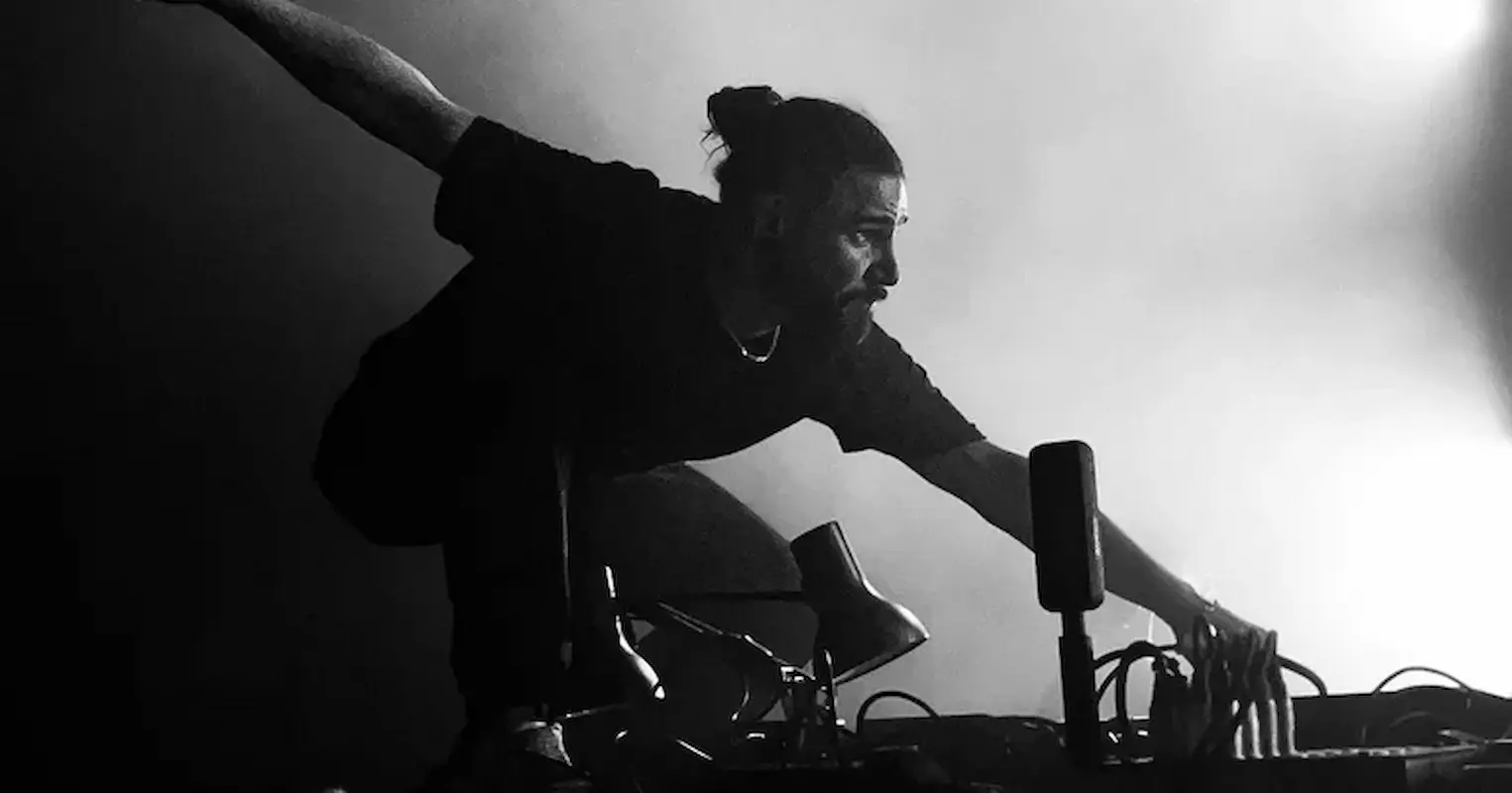
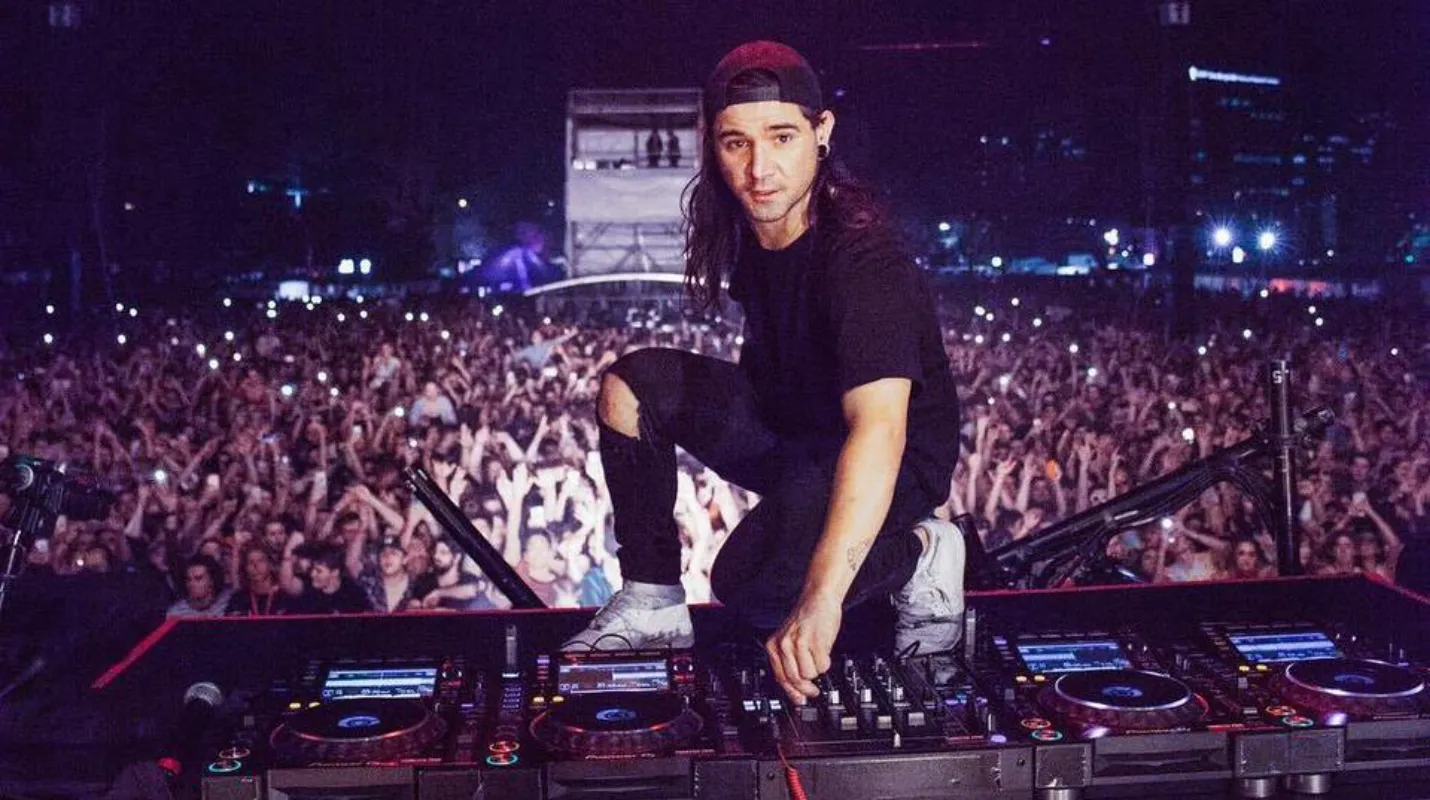
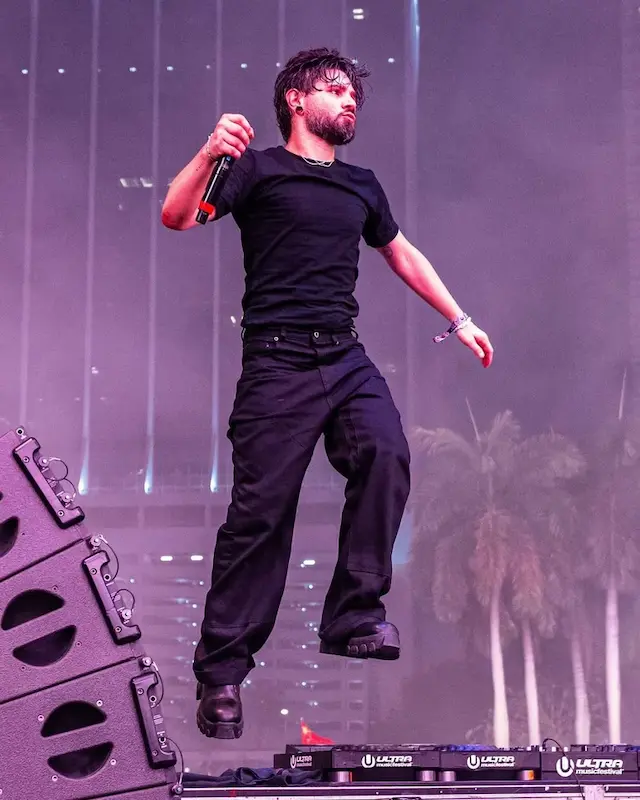
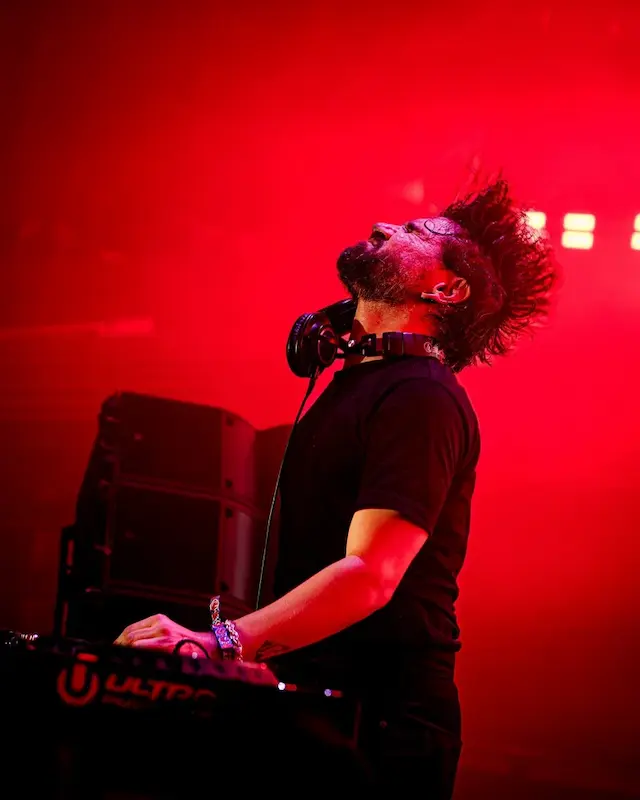
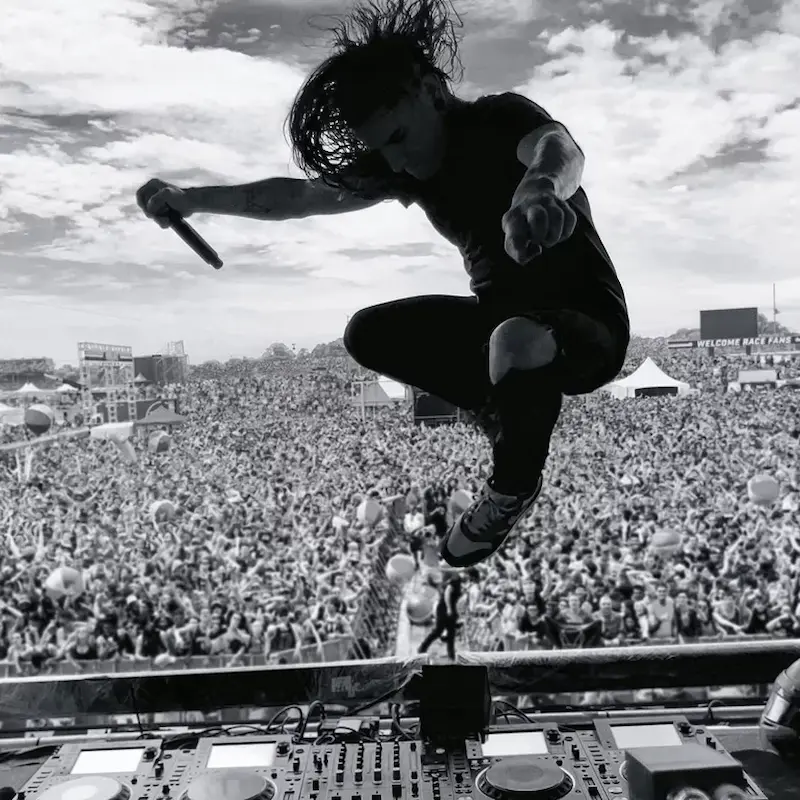
Live, Skrillex is an artist of immediate energy. His sets can work as physical release, but also as a mixing laboratory. There are sudden cuts, rhythm shifts, collective eruptions, and a DJ sensitivity that understands the body of the crowd. Although his myth was born from devastating drops, his best version behind the decks does not depend only on hitting harder. It depends on knowing when to open space, when to tighten, when to surprise, and when to let a melody breathe before the bass falls again.
Skrillex’s legacy lies in proving that electronic music could be radically digital, aggressive, emotional, and pop at the same time. He changed the sound of festivals, influenced the production of global stars, and turned sonic editing into a form of spectacle. At his best, Skrillex sounds like a machine learning how to feel: noisy, precise, mutant, intense, and able to turn chaos into an architecture of euphoria.
Main genre
DUBSTEP
Main subgenres
Like a superfan's list — except verified, with sources and links.

02–Oct 04, 2026
Austin, Texas · United States
In 31 days
11–Aug 15, 2026
Budapest · Hungary
Past
Jul 29 – Aug 02, 2026
Amsterdam · Netherlands
Past
11–Jun 14, 2026
Manchester, Tennessee · United States
Past
03–Jun 07, 2026
Barcelona, Catalunya · Spain
Past
20–Mar 22, 2026
São Paulo, São Paulo · Brazil
Past
13–Mar 15, 2026
Santiago, Región Metropolitana de Santiago · Chile
Past
13–Mar 15, 2026
Buenos Aires, Ciudad Autónoma de Buenos Aires · Argentina
Past13–Mar 15, 2026

28–Mar 30, 2025
Miami, Florida · United States
Past11–Aug 14, 2023
Long Pond, Pennsylvania · United States
PastWhat we managed to link to the concert archive. If a date is missing, tell us — happens to us too.
Austin · United States
No saleAustin City Limits Music Festival - Weekend One
Every concert and festival of the year, traced on the globe. Hit play and follow the route stop by stop.
Photos from the public archive.
Recent coverage linked to the artist.





Close by genre and social signal.
No related artists
When there is enough genre signal, they will appear here.