Ranking
#3

Ranking
#3
Followers
592 M
Digital presence
Official profiles, streaming and discovery.
What a good fan recites by heart (or pretends to).
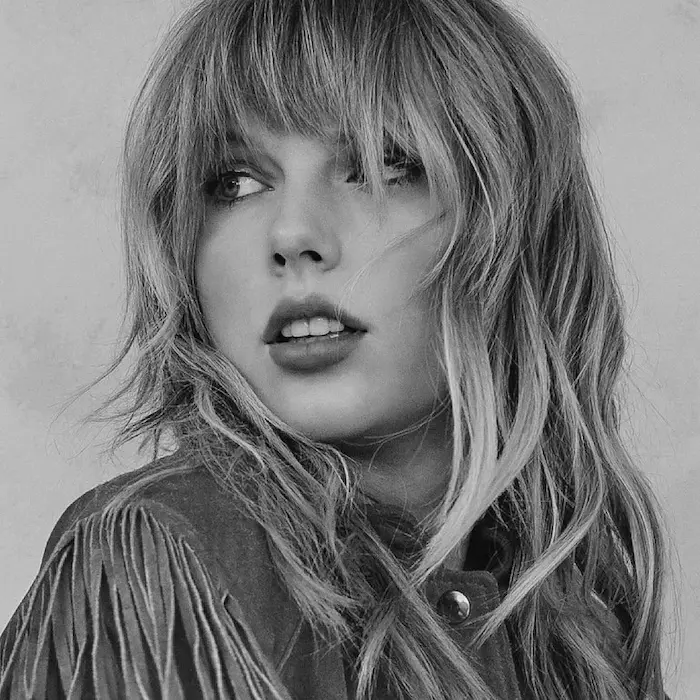
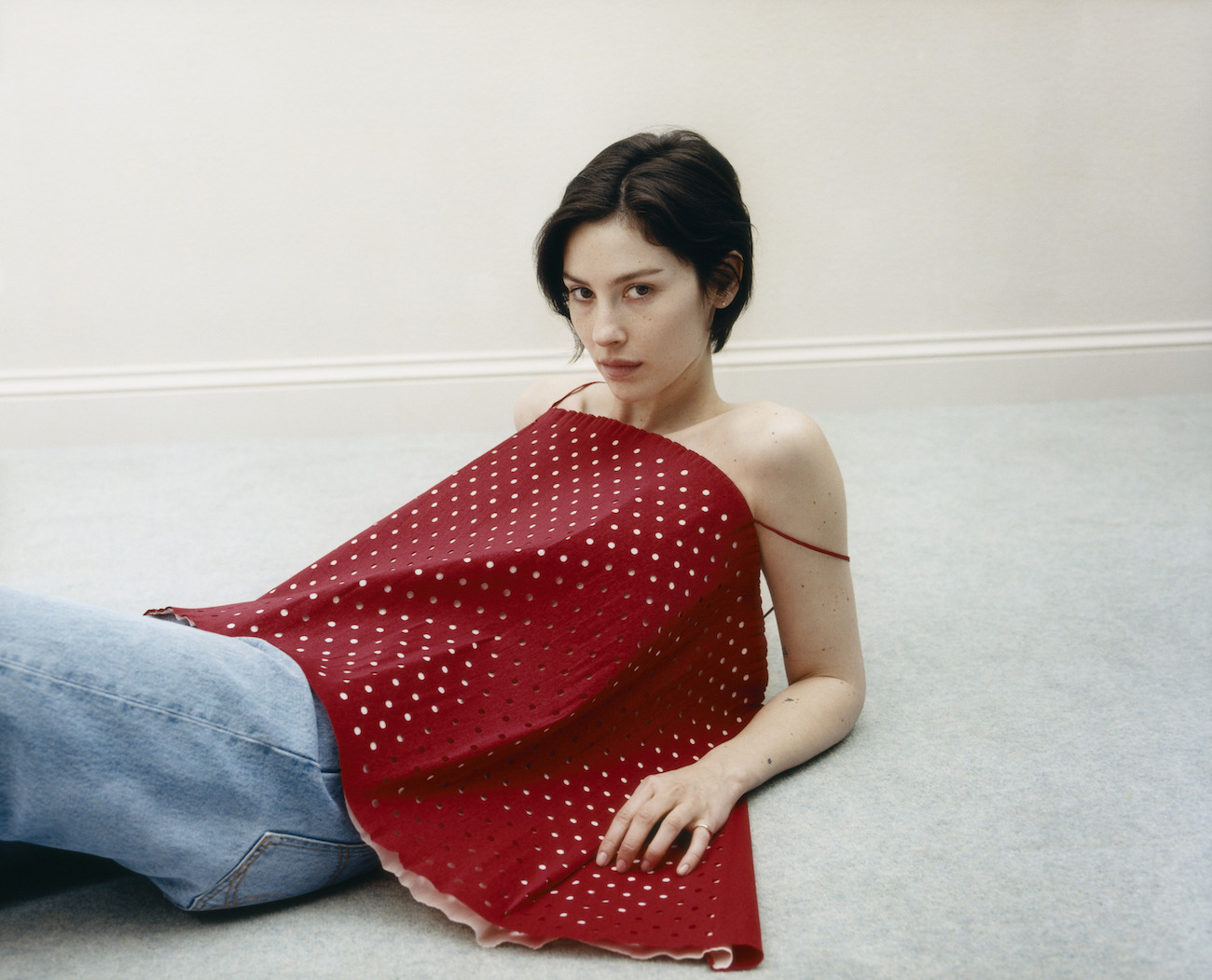
Taylor Swift is not best understood simply as a singer with an unusual number of hits. She is better understood as an artist who turned her creative life into a map: every album a room, every tour an emotional city, every sonic shift a way of moving her audience from one stage of life to another without leaving them behind. Some careers move by genre. Swift’s moves by eras. And with her, that word has become more than branding. It is how people listen to her: teenage country, confessional pop, glossy synth-pop, dark public-image theater, pandemic folk, midnight self-examination, stadium-scale memory, and now the exhausted sparkle of the showgirl looking at the machinery from inside it.
Taylor Alison Swift was born in West Reading, Pennsylvania, but her musical story truly begins when her family moved to Tennessee so she could be closer to Nashville. That matters because she did not first arrive as a pop star engineered for world domination. She began as a teenager trying to write songs in a city where songwriting was treated almost like a craft religion. Before the records, the stadiums, the clues, the mythology and the global machine, there was a young writer trying to make a song say what ordinary conversation could not. “Tim McGraw,” her first single, already contained one of the keys to her entire career: the use of specific names, places, objects and memories to turn private feeling into shared language.
Her self-titled debut and Fearless made her a distinctive presence inside 2000s country: a teenage girl writing to other teenage girls without asking anyone to treat their feelings as small. “Love Story” and “You Belong with Me” worked like high-school fairy tales, but underneath their accessibility was a sharp sense of emotional architecture. Swift understood early that a concrete detail could hit harder than a grand abstract statement. A window, a T-shirt, a phone call, a glance across a room: these became the building blocks of her world.
Speak Now strengthened the idea of Swift as a writer in control of her own mythology. Red was the first major rupture. Country began opening into pop, rock, electronic touches and a more emotionally chaotic palette. “All Too Well” became one of her defining songs because it does not merely describe heartbreak; it reconstructs it through scenes. A scarf, a kitchen, a car ride, an age gap, a broken promise. With Red, Swift made it clear that growing up did not mean abandoning the narrative intensity that had made her different.
Then came 1989, and the transformation became complete. Taylor Swift turned into a global pop star with almost surgical clarity. “Shake It Off,” “Blank Space,” “Style” and “Wildest Dreams” were not only hits; they proved she could switch genres without losing her authorial center. 1989 had shine, synths, city lights, humor, glamour and a sophisticated understanding of how the media had manufactured versions of her. “Blank Space” was especially clever because it took the public caricature of Swift — intense, calculating, romantically dangerous — and turned it into a character she wrote herself.
reputation pushed that fight with public image into darker, more industrial, more theatrical territory. Lover tried to open windows after the emotional bunker. But the most surprising turn came with folklore and evermore, two albums born in the stillness of the pandemic that changed the scale of her writing. Without the usual stadium-pop noise, Swift moved toward indie folk, chamber pop and fictional characters who somehow still sounded intimate. “cardigan,” “exile,” “august,” “the last great american dynasty” and “champagne problems” showed that her narrative power did not depend only on direct confession. She could invent characters and still feel more personal than ever.
Midnights brought the pop pulse back through a more adult lens: insomnia, memory, shame, desire, self-sabotage, self-awareness. “Anti-Hero” mattered because it did something Swift has always done well: turn a specific insecurity into a line millions could sing as if it were their own. The Tortured Poets Department, denser and more sprawling, leaned into accumulation: long lyrics, emotional overstatement, literary poses, the song as diary entry, case file and theater scene at once.
At the same time, the Taylor’s Version re-recordings changed the public conversation around artistic ownership. What could have remained an industry dispute became a cultural event: fans revisiting albums, younger listeners discovering older songs, vault tracks reopening the past, extended versions altering the emotional weight of familiar work. When Swift regained control of her masters, the story closed a circle that was symbolic as much as commercial. She did not merely sell nostalgia; she reshaped the relationship between memory, catalog and power.
The Eras Tour took all of that to a scale that almost feels impossible to describe without sounding exaggerated. For more than three hours a night, each concert worked like a living museum of her own work: friendship bracelets, coded outfits, collective screaming, surprise songs, different generations singing lyrics that had meant different things at different ages. For some, it was a pop spectacle. For others, it was a ceremony of emotional memory.
The Life of a Showgirl finds Swift looking at performance from inside the glitter: the discipline, the exhaustion, the theatricality, the brightness and the cost of being watched. Taylor Swift matters because she has achieved something rare: she is massive without making the work feel entirely mass-produced. Her music lives in stadiums, charts and records, but also in bedrooms, journals, group chats, breakups, friendships, road trips and private memories. That is her central power: making a gigantic machine still feel like a song written alone.
Main genre
POP
Main subgenres
Like a superfan's list — except verified, with sources and links.
No linked festivals
No festival appearances documented yet.
What we managed to link to the concert archive. If a date is missing, tell us — happens to us too.
No linked concerts
Every concert and festival of the year, traced on the globe. Hit play and follow the route stop by stop.
 AMANominatedAMANominatedAMANominatedAMANominatedAMANominatedAMANominatedAMANominatedAMANominatedAMANominatedAMANominatedAMANominatedAMANominatedAMANominatedAMANominatedAMANominatedAMANominated
Photos from the public archive.
Recent coverage linked to the artist.



Close by genre and social signal.
No related artists
When there is enough genre signal, they will appear here.