
Ranking
#28

Ranking
#28
Followers
178.7 M
Digital presence
Official profiles, streaming and discovery.
What a good fan recites by heart (or pretends to).
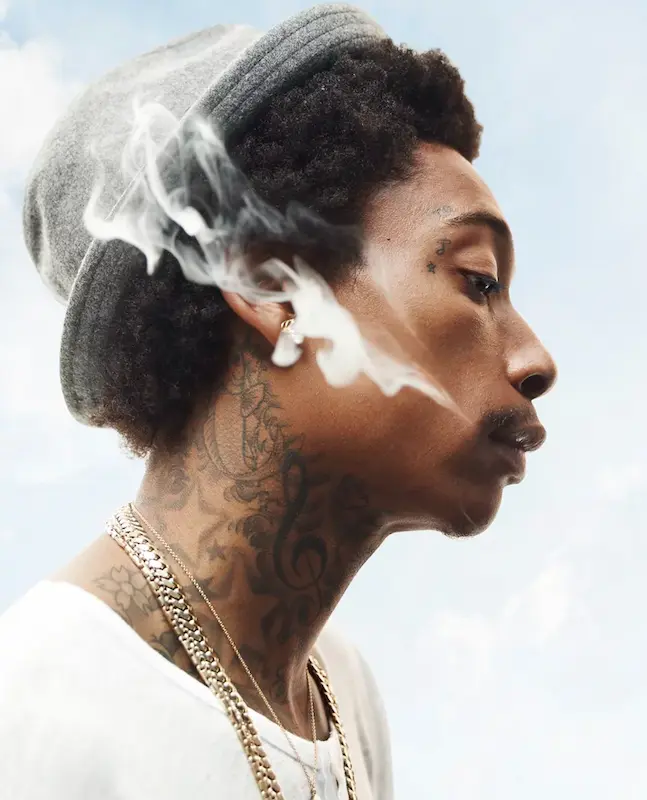
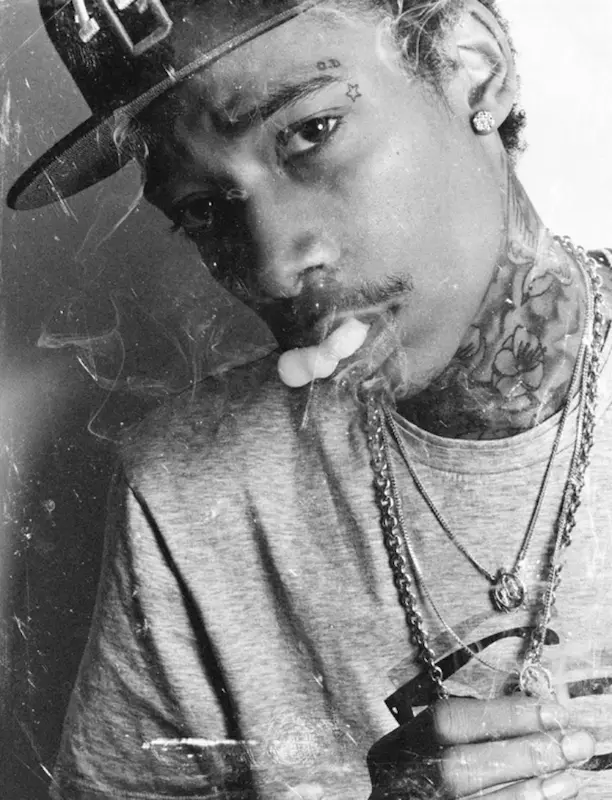
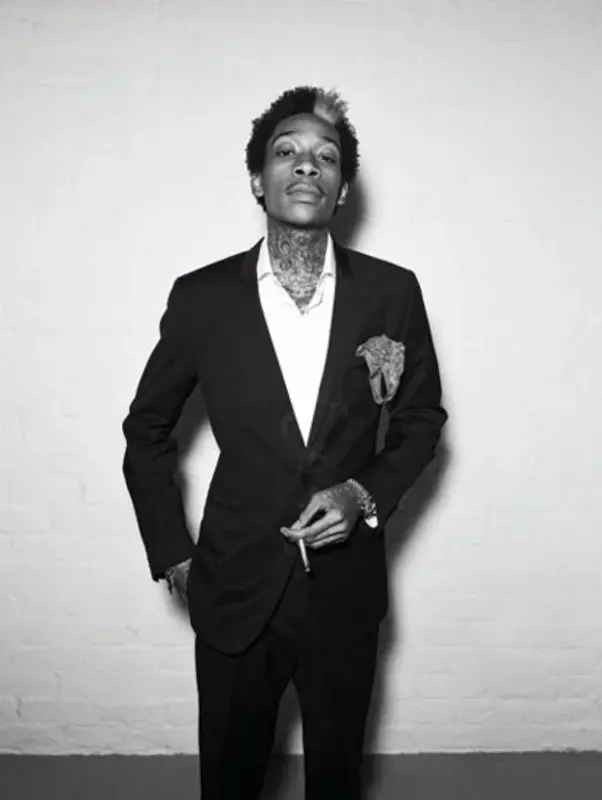
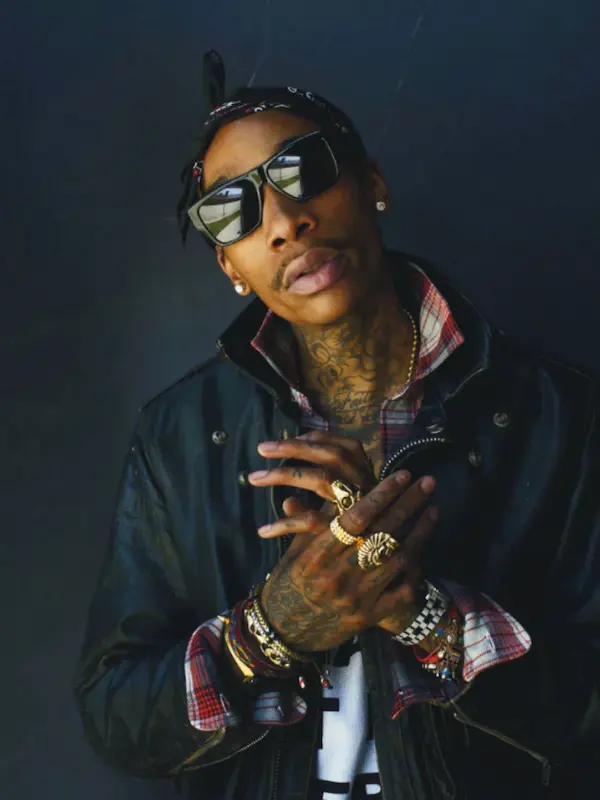
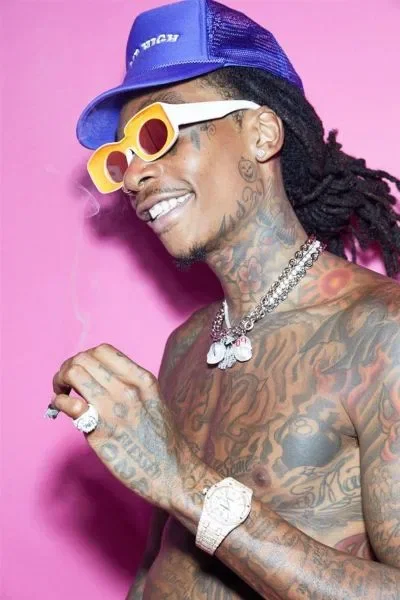
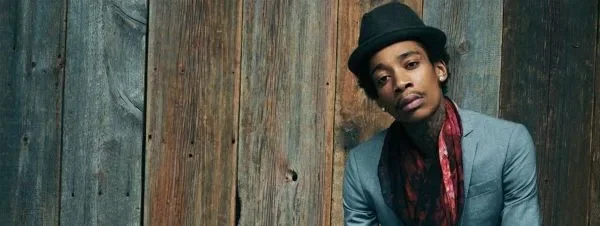
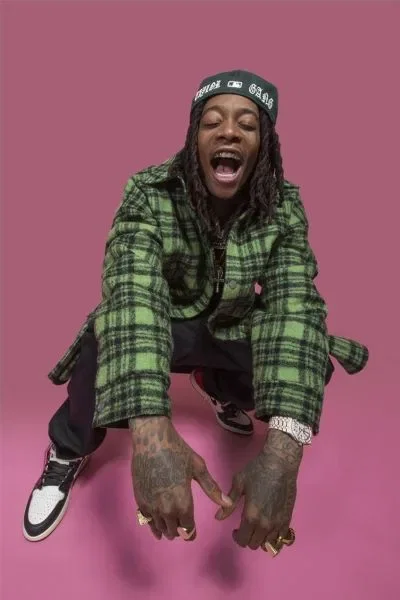
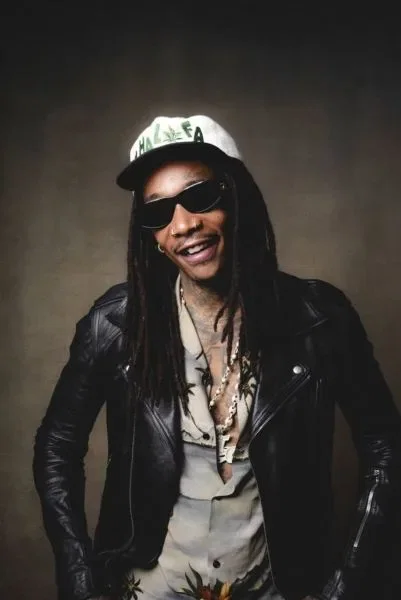
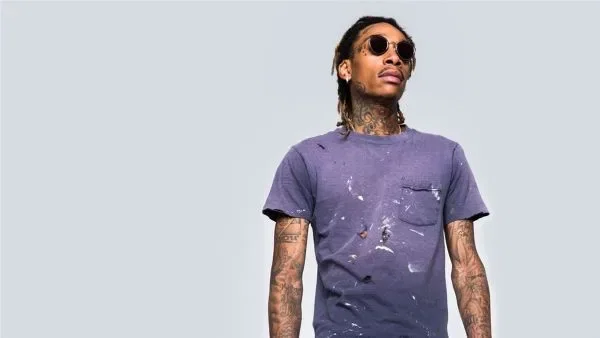
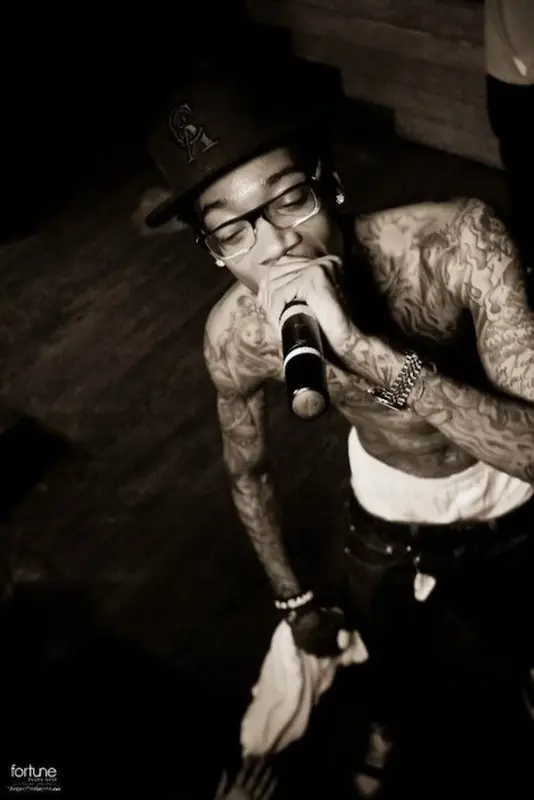
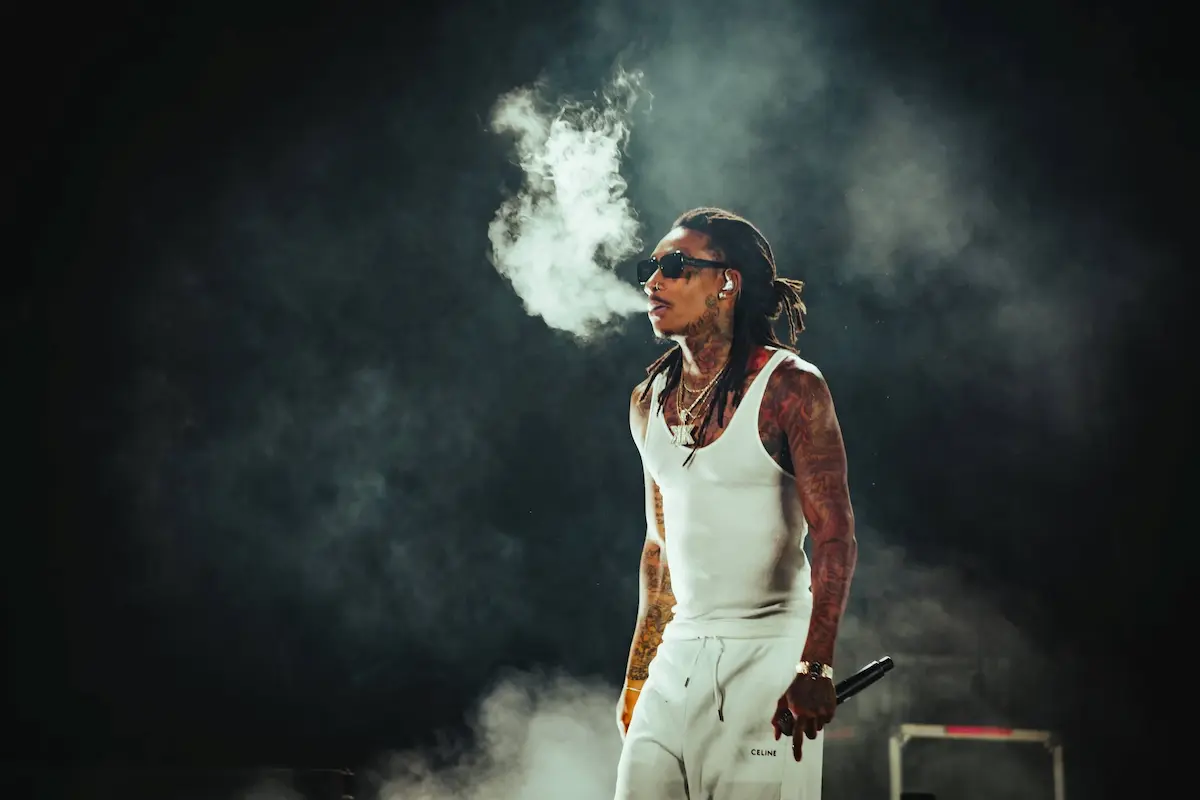
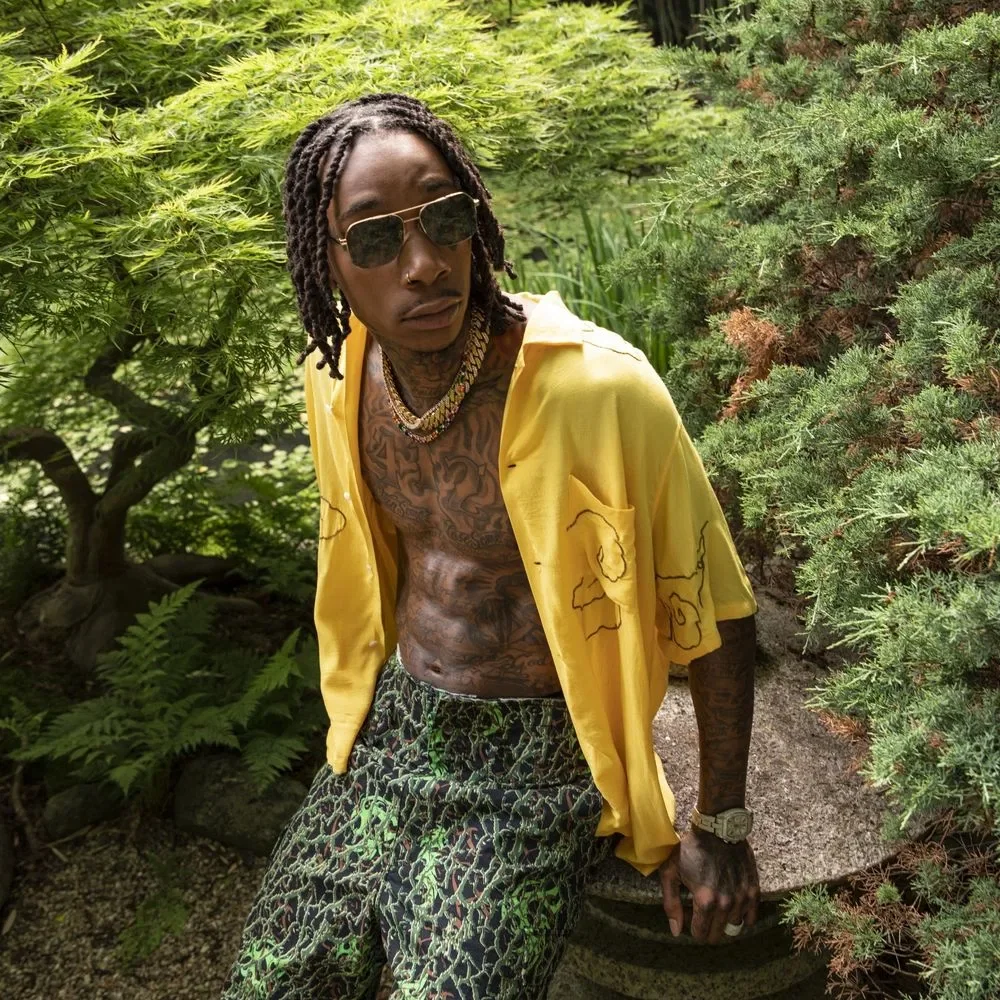
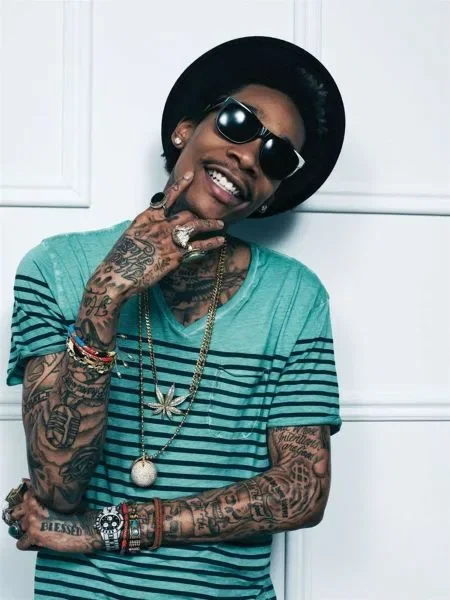
Wiz Khalifa turned relaxation into a form of ambition. That is the key to his figure: he does not seem to push songs, he does not enter as if he needs to compete with a clenched jaw, and he rarely sounds desperate to prove he is the most technical rapper in the room. His power sits somewhere else: in the light flow, the easy-to-remember hooks, the laugh, the smoke cloud, the clothes, the smile, the feeling that everything can become a car ride with friends if the beat lands at the right moment. In a hip-hop culture often obsessed with hardness, conflict and hierarchy, Wiz carved out his own space: rap for floating, driving, smoking, celebrating and refusing to overcomplicate life.
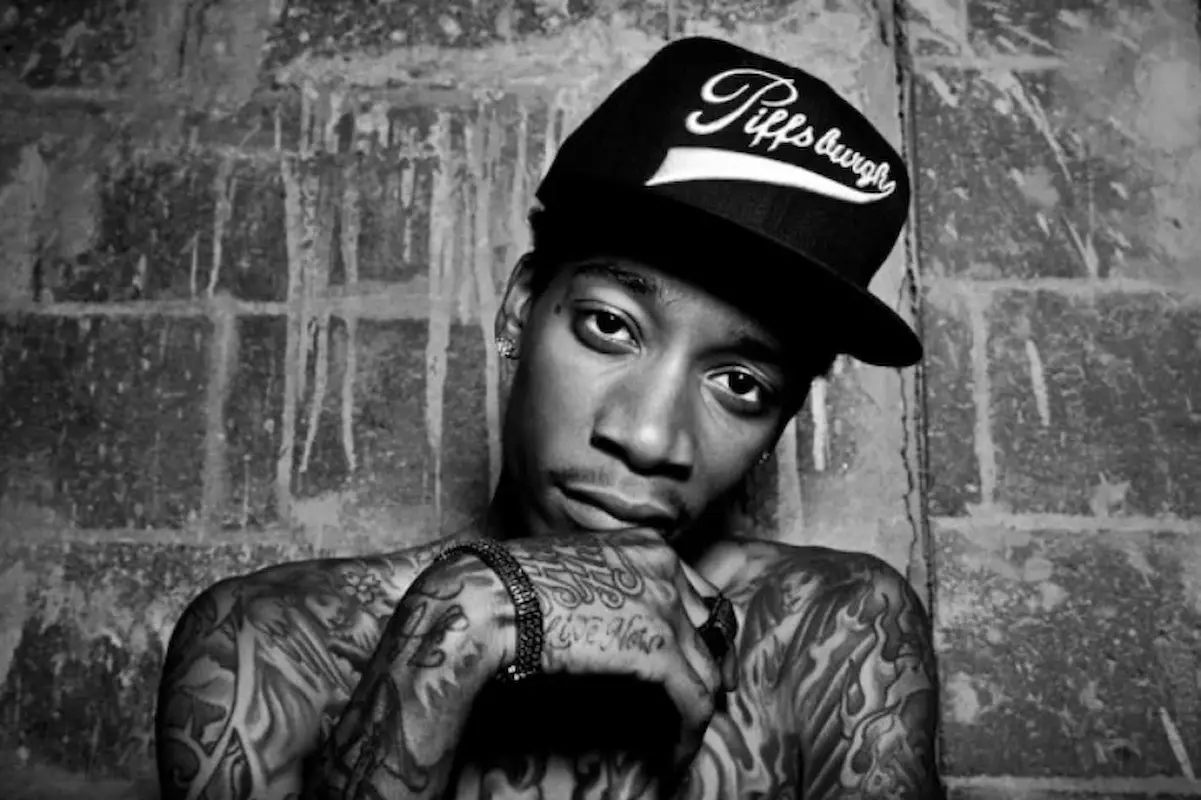
Cameron Jibril Thomaz was born in Minot, North Dakota, but his artistic identity became inseparable from Pittsburgh. That journey matters. As the child of a military family, he lived in different places before finding a city that became his flag, emotional accent and brand. Pittsburgh was not the obvious center of American rap like New York, Los Angeles, Atlanta or Houston, which made his rise feel like a peripheral conquest. Wiz did not arrive representing an obvious hip-hop capital; he arrived carrying a working-class sports city proud of its black and yellow colors. When he later turned those colors into a global anthem, he did not only make a catchy song. He placed Pittsburgh inside the pop map in a way the city still recognizes.
His early story was built through local studios, mixtapes and a strong independent ethic. At I.D. Labs he found a place to record, experiment, fail, improve and shape the blend of soft charisma, melody and direct phrasing that would become his signature. Prince of the City and Show and Prove were introduction points: the global star was not there yet, but the young rapper already understood how to turn personality into sound. Deal or No Deal strengthened that search period, with a growing fan base and an aesthetic already connected to college life, skating, comfortable clothes, house parties and atmosphere-driven rap.
Kush & Orange Juice changed the scale. More than a mixtape, it became a generational vibe. Its cover, title, samples, sunny beats and references to smoking, driving, flirting and living with less anxiety made it the soundtrack of a very specific era: blogs, downloads, free mixtapes, Tumblr, laptops, headphones, cars, dorm rooms and shared playlists before streaming took over everything. “Mezmorized,” “The Kid Frankie,” “Never Been” and “The Statement” did not try to sound like radio explosions. They built an environment. There, Wiz perfected something difficult: making music feel simple without sounding accidental.
“Black and Yellow” was the inevitable leap. The song had an almost elemental formula: colors, city, team, local pride and a hook impossible to remove from your head. But its strength was not only repetition. It was the way it turned regional identity into universal celebration. Suddenly, Pittsburgh had an anthem that could live in stadiums, parties, cars and sports broadcasts. Rolling Papers capitalized on that moment and introduced the wide-reach version of Wiz: “Roll Up,” “On My Level,” “No Sleep” and “The Race” showed a more polished and commercial artist, but still tied to the relaxed attitude that had made him grow.
His relationship with Snoop Dogg on Mac & Devin Go to High School felt natural because they share a similar intelligence: both understand that persona can be as important as technique. “Young, Wild & Free,” with Bruno Mars, became one of those youth anthems with very little guilt attached: live, laugh, make mistakes, ask no permission. O.N.I.F.C. and Blacc Hollywood expanded the formula with “Work Hard, Play Hard,” “Remember You,” “We Dem Boyz” and “Promises.” Not every album received the same critical enthusiasm, but Wiz kept something many artists lose: an instantly recognizable identity.
“See You Again” opened another dimension. Few would have imagined that the rapper of Kush & Orange Juice would become tied to one of the biggest farewell ballads of the decade. Alongside Charlie Puth, Wiz helped build a song that worked as a tribute to Paul Walker, an emotional closing point for Furious 7 and a global anthem of grief. His contribution mattered because he did not try to compete with the melody. He left space, narrated from friendship and turned his relaxed voice into a vehicle for nostalgia. That track pulled him beyond the world of stoner rap and placed him in a much wider territory: songs that millions associate with loss, memory and goodbye.
After that, Wiz chose a career less obsessed with chasing another peak of the same size. He kept releasing projects, collaborations, mixtapes, albums and music for his loyal base. At times, that made him less central in the mainstream conversation, but it also allowed him to preserve freedom. Taylor Gang, his connections with Curren$y, Juicy J, Ty Dolla $ign, Chevy Woods and other collaborators strengthened the idea of community. Wiz did not need to reinvent himself every season; he could calmly inhabit his own lane.
The recent period, with Kush + Orange Juice 2, Khaotic and Girls Love Horses, works as both homecoming and format update. It does not try to erase the Wiz of 2010. It looks back at him, celebrates him and adapts him to a period in which music consumption has completely changed. His strengths remain the same: spacious beats, light phrasing, humor, charisma, lifestyle references and the constant ability to sound as if he is not forcing anything.
Wiz Khalifa matters because he turned a vibe into a career. He is not the most complex rapper or the most aggressive, but he is one of the most effective at creating atmosphere. His legacy lives in Pittsburgh, blog rap, pop-reaching stoner rap, hooks that sound simple until everyone is singing them, and the rare ability to seem relaxed even while building an empire. At his best, Wiz does not run after the moment. He rolls the window down, turns the volume up and lets the moment arrive on its own.
Main genre
RAP
Main subgenres
Like a superfan's list — except verified, with sources and links.
Jun 30 – Jul 01, 2023
Bonn, Nordrhein-Westfalen · Germany
PastJun 30 – Jul 01, 2023
Costa de Caparica · Portugal
Past14–Apr 16, 2023
Fort Lauderdale, Florida · United States
Past
19–Apr 21, 2019
Indio, California · United States
Past12–Apr 14, 2019
Indio, California · United States
Past15–Apr 17, 2011
Indio, California · United States
PastWhat we managed to link to the concert archive. If a date is missing, tell us — happens to us too.
Pittsburgh · United States
Tickets →Every concert and festival of the year, traced on the globe. Hit play and follow the route stop by stop.
Photos from the public archive.
Recent coverage linked to the artist.



Close by genre and social signal.
No related artists
When there is enough genre signal, they will appear here.