Ranking
#701

Ranking
#701
Followers
70.4 K
When
09–JUL 11, 2027
Featured artists
Lineup coming — we'll publish it as soon as it's confirmed.
Time left
7 editions to explore · future, live and past
Numbers, home base and house quirks
A farm wagon that would not fit through a school gate is an unlikely opening image for a festival that would eventually host Neil Young, Iron Maiden, Sting, Santana and Lenny Kravitz. Yet it belongs to Bospop's earliest history. At the first Groot Popfestival in Hushoven in 1981, the makeshift stage caused such a practical problem that doors had to come off their hinges. The name Bospop appeared on the poster the following year, and what followed was not a clean rise from local event to international festival but a long sequence of moves, improvised solutions and recalibrations across Weert. More than four decades later, that history still explains its most useful contradiction: the names onstage can be enormous, while the atmosphere has never fully abandoned the scale of something built by people who know one another.
The idea itself had formed in 1980 inside the local KWJ clubroom, where Peter Verkennis and Henk Haex began working on a festival for regional musicians. The early editions were genuinely local rather than strategically branded as such: friends from Hushoven and Boshoven organised the event, amateur bands supplied much of the music, and growth happened because enough people wanted to do it again. By 1984 Bospop had already expanded to two days, but noise and the limitations of the schoolyard made the first move unavoidable. That pattern would recur throughout its life. Whenever the festival's physical environment became too restrictive, Bospop tended to change the environment rather than surrender the manageable, community-shaped character that had formed around it.
Open-air theatre De Lichtenberg became the next chapter. The site was so overgrown when Bospop arrived that volunteers spent weeks preparing it, but the move created room for substantially larger ambitions. Dutch names such as De Dijk, Herman Brood and Golden Earring entered the story, followed by international artists including Nils Lofgren, Ten Years After and Fish. The operation was still rough around the edges — there was a period when stage construction itself involved a fair amount of improvisation — yet the musical horizon was widening rapidly. By the early 1990s, inadequate access, toilets, backstage facilities and capacity made another change inevitable. Collaboration with MOJO helped support the jump to Sportpark Boshoven in 1994.
That sport complex was where Bospop learned how to accommodate international touring culture without completely reshaping its personality around it. Camping and parking could grow, production became more professional, and the bill increasingly welcomed artists such as The Black Crowes, Deep Purple, Iron Maiden, Alice Cooper, Toto, Sting, John Fogerty, Santana and Neil Young. Crucially, Bospop never restricted itself to a narrow classic-rock definition. Blues, soul, pop, progressive rock, metal and singer-songwriter traditions have repeatedly entered the programme. That looseness allowed the festival to age alongside part of its audience without turning into a museum of familiar songs. Heritage artists could remain central while younger or stylistically different acts kept appearing beside them.
The eventual move to Weert-Noord was less straightforward than today's settled site suggests. By 2010, Sportpark Boshoven had become increasingly boxed in by residential development, parking had tightened and access points were struggling with larger crowds. Weert-Noord offered more space and better potential, but the first version came with high production costs and awkward separation between festival and other facilities. Bospop even returned to Sportpark for one final edition in 2013 before settling back into a better-developed Weert-Noord site from 2014 onward. Hardened ground, fixed electricity, water and sewage, proximity to the A2 and a campsite next to the festival area finally gave the event something it had spent decades searching for: room to operate without turning every movement into a logistical expedition.
That relative ease shapes the audience experience now. You arrive at a three-day festival large enough to book dozens of acts, yet the grounds remain understandable without treating the timetable like a military exercise. Long-time visitors share the site with people drawn by newer generations of rock, pop and metal. Mainstage sets can be followed by tent performances without sacrificing half an hour to walking, and since 2025 Nocturna has added a third musical environment plus DJ afterparties that continue until 3 a.m. Camping remains part of the culture, but the current arrangement places it much closer to the event itself than some earlier configurations did. The result is not luxury so much as friction removed: fewer practical obstacles between waking up, seeing music and extending the night.
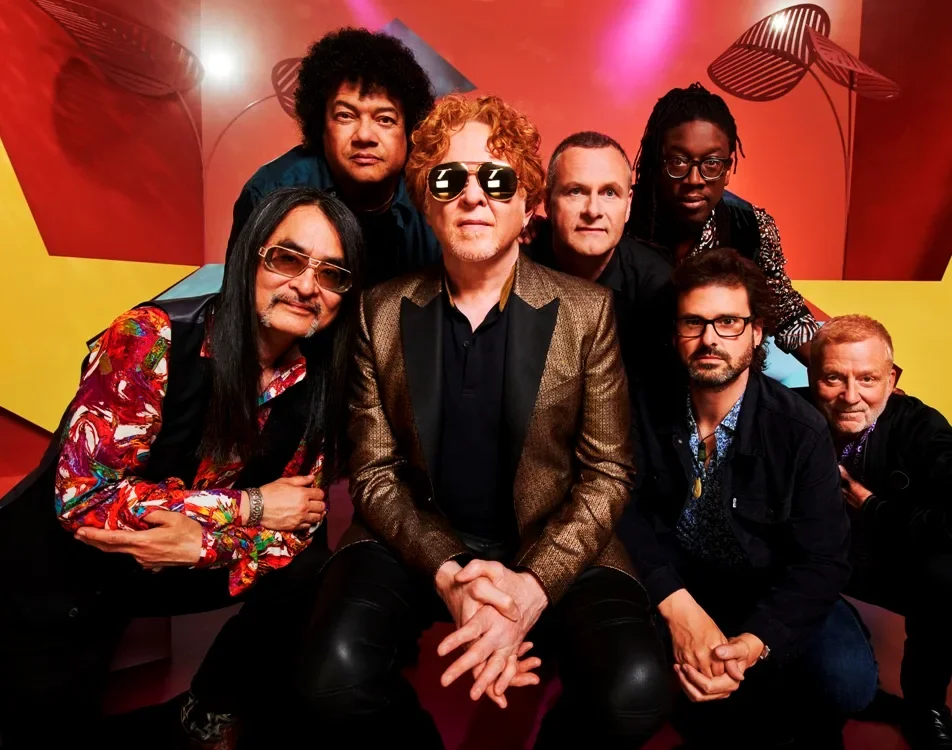
Dutch weather and recent history have provided reminders that longevity does not equal control. The pandemic erased the live editions of 2020 and 2021, while dangerous weather forecasts forced the cancellation of the Sunday programme in 2023. Bospop returned without using either interruption as an excuse for a dramatic identity overhaul. John Fogerty, Alice Cooper, Zucchero and Toto helped carry 2024; Snow Patrol, Simple Minds and The Black Keys followed in 2025. In 2026, Lenny Kravitz, Volbeat and Moby led a bill that also moved through ZZ Top, Anouk, Counting Crows, Within Temptation, Kaiser Chiefs, OMD, Chris Isaak, Floor Jansen, Triggerfinger and Biohazard. The organisation described it as the best-attended Bospop yet.
What makes that achievement interesting is not simply survival since the early 1980s. Each home left something behind in the current festival. Hushoven contributed the community instinct; De Lichtenberg taught volunteers how to stretch limited resources; Sportpark Boshoven made major international touring possible; Weert-Noord finally aligned scale with practical infrastructure. When Bospop returns from July 9 to 11, 2027, the lineup will change again, as it always has. The more durable story is still closer to that oversized wagon at the school gate: a festival repeatedly discovering that it has outgrown the space available, then finding a way to make room without allowing size itself to become the reason for being there.
Timeline
One artist per year — highest ranked in our archive
Those who appear most across this franchise's editions.
 #1
#1United Kingdom
1 editions · 2023
 #2
#2United Kingdom
1 editions · 2023
 #3
#3United States
1 editions · 2023