Ranking
#1,255

Ranking
#1,255
1 editions to explore · future, live and past
Numbers, home base and house quirks
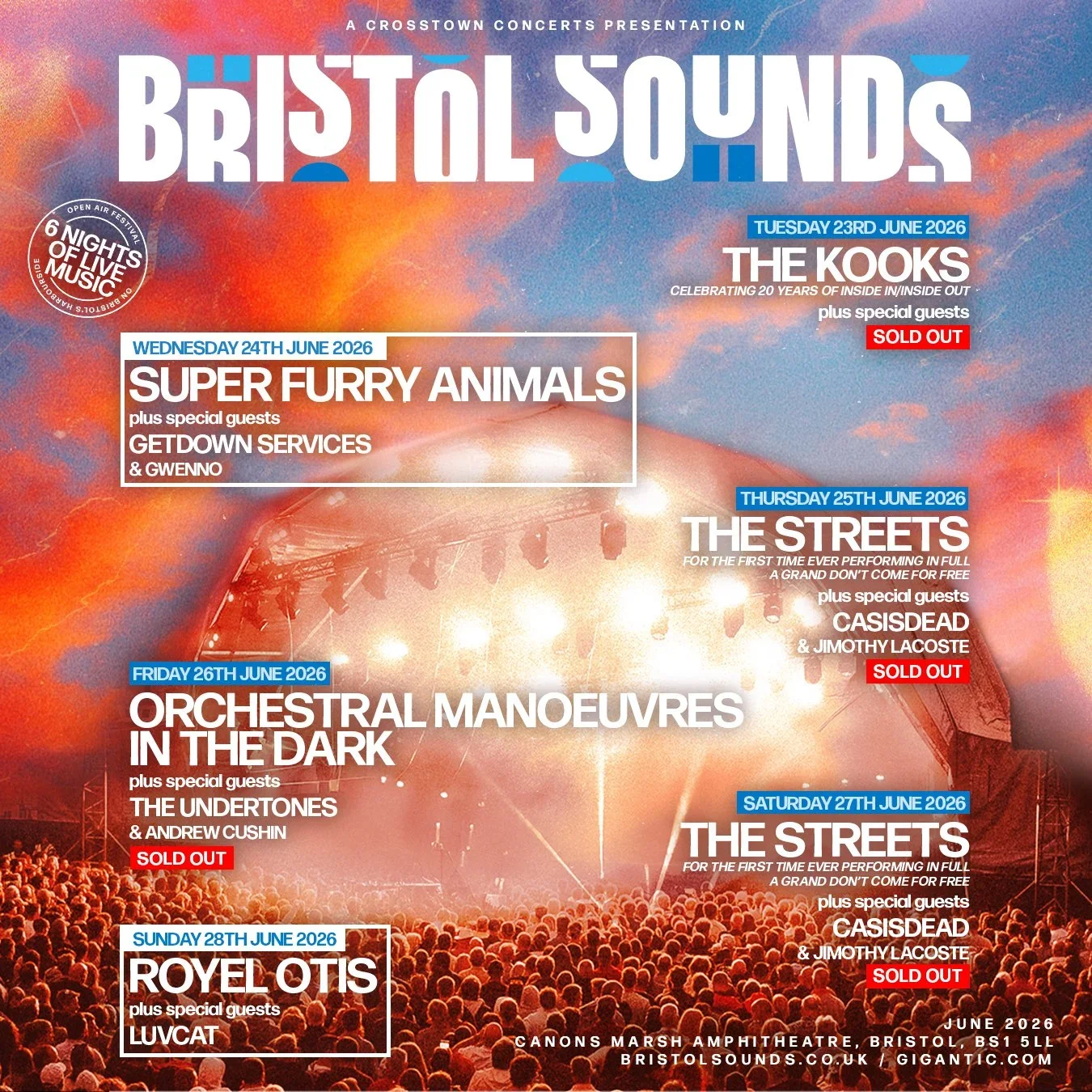
As evening settles over Bristol Sounds, the stage has something most festival sites cannot manufacture: a working city harbour remains around it. The audience is inside a controlled concert space, yet beyond the crowd are water, boats, harbourside buildings and the open geometry of Canons Marsh Amphitheatre. There are no six-stage clashes to negotiate and no campsite waiting at the end of the night. Each date is essentially built around one headliner, and twenty-four hours later the site can reopen for an audience with entirely different musical loyalties. That apparent simplicity is the key to Bristol Sounds. It behaves less like a conventional weekend festival than a sequence of major outdoor gigs sharing one unusually recognisable piece of the city.
Its story began before the current name existed. Conal Dodds launched Bristol Summer Series at the Harbourside in 2014, establishing the basic model that Bristol Sounds still uses: consecutive summer evenings, one outdoor amphitheatre and major artists whose styles do not necessarily resemble one another. By 2015 George Ezra, Kaiser Chiefs and Seasick Steve were passing through the series; in 2016 the bill stretched from James Bay to Sigur Rós, The Last Shadow Puppets and Catfish and the Bottlemen. The programming did not need a single genre to hold it together because the continuity came from somewhere else. Audiences changed each night, but the view, the stage and the ritual of arriving at Bristol’s waterfront remained the same.
The rebrand to Bristol Sounds in 2017 made that approach especially clear. Manic Street Preachers, Craig David, Bonobo and Hacienda Classical headlined consecutive nights, creating a programme that moved from Welsh alternative rock to R&B and UK garage, sophisticated electronic music and orchestral reworkings of rave culture. Very few conventional festivals would use those four names to describe one coherent musical identity. Bristol Sounds did not need to. Its proposition was that different strands of popular music could take turns inhabiting the same place. One evening might carry the familiarity of a guitar-band singalong; the next could be driven by electronics or nostalgia for club music. The Harbourside, rather than any particular genre, became the element that joined the nights together.
Canons Marsh Amphitheatre is unusually well suited to that structure. Known for years as Lloyds Amphitheatre, it sits in a useful middle ground between a normal concert venue and a huge festival field. It can accommodate a substantial outdoor audience without losing the sense that everyone is facing the same performance. With only one principal stage there is no timetable warfare: once you have entered through Waterfront Square, the evening has a clear centre of gravity. The harbour remains part of the visual surroundings and ordinary Bristol begins immediately outside the gates. When the encore finishes, people disperse towards hotels, bars, buses, trains and the rest of the city rather than trudging back to tents. Urban convenience is not a side benefit here; it is part of the format.
That single-stage model gives each date permission to feel like a separate event. Tom Misch could turn the amphitheatre towards jazz-inflected soul and relaxed grooves in 2019 while Elbow or Bloc Party created entirely different evenings around the same concrete terraces. The interruption caused by the pandemic therefore removed more than a couple of concerts. The planned 2020 programme disappeared, 2021 was lost as well, and the familiar late-June rhythm only returned in 2022. Since then, the series has again allowed different generations to occupy the waterfront in succession. James, Levellers, Jacob Collier, Self Esteem, Skindred, The Breeders, Annie Mac, Supergrass and Texas make little sense as a genre-defined festival line-up, but complete sense within Bristol Sounds.
Its position in late June also places it in an interesting relationship with Glastonbury. Artists and audiences are moving through Britain’s summer circuit at exactly the moment tens of thousands of people are heading towards fields in Somerset, yet Bristol Sounds offers almost the opposite proposition. There is no requirement to leave the city or commit to several days. Someone can work, travel into central Bristol, spend an evening at a large open-air performance and sleep in a normal bed afterwards. That difference helps explain why the event can support such distinct audiences on consecutive nights. Buying a ticket to one show does not imply joining a permanent festival community for the week. The site resets every day, allowing another crowd to take possession of it.
The 2026 edition stretched this idea across six shows. The Kooks opened the run with the familiar indie language of the mid-2000s. Super Furry Animals followed with a long-awaited return, while The Streets generated enough demand to occupy two separate nights, bringing Mike Skinner’s distinctly British storytelling back to the waterfront. Orchestral Manoeuvres In The Dark represented a much earlier electronic-pop generation, and Australian duo Royel Otis closed the series from the perspective of contemporary guitar pop. The contrasts were not disguised or smoothed into a curatorial theme. Each date came with its own sense of nostalgia, discovery and audience behaviour, while the amphitheatre remained the fixed point around which the music changed.
More than a decade after the first Bristol Summer Series, that permanence is what gives Bristol Sounds a history rather than merely a collection of bookings. The name changed, 2018 became a fallow year, the pandemic removed two editions and the number of nights has expanded and contracted, yet the essential picture has barely altered: one stage beside the water, a summer evening and a different crowd arriving tomorrow. Bristol Sounds does not attempt to build a temporary city or overwhelm visitors with choice. Its rhythm comes from repetition. The audience empties into Bristol after each show, the site becomes quiet, and then another musical community occupies the same harbour the next day. The scenery stays fixed while the soundtrack changes, which is precisely why the series has developed an identity larger than any single headliner.
Timeline
One artist per year — highest ranked in our archive
Those who appear most across this franchise's editions.
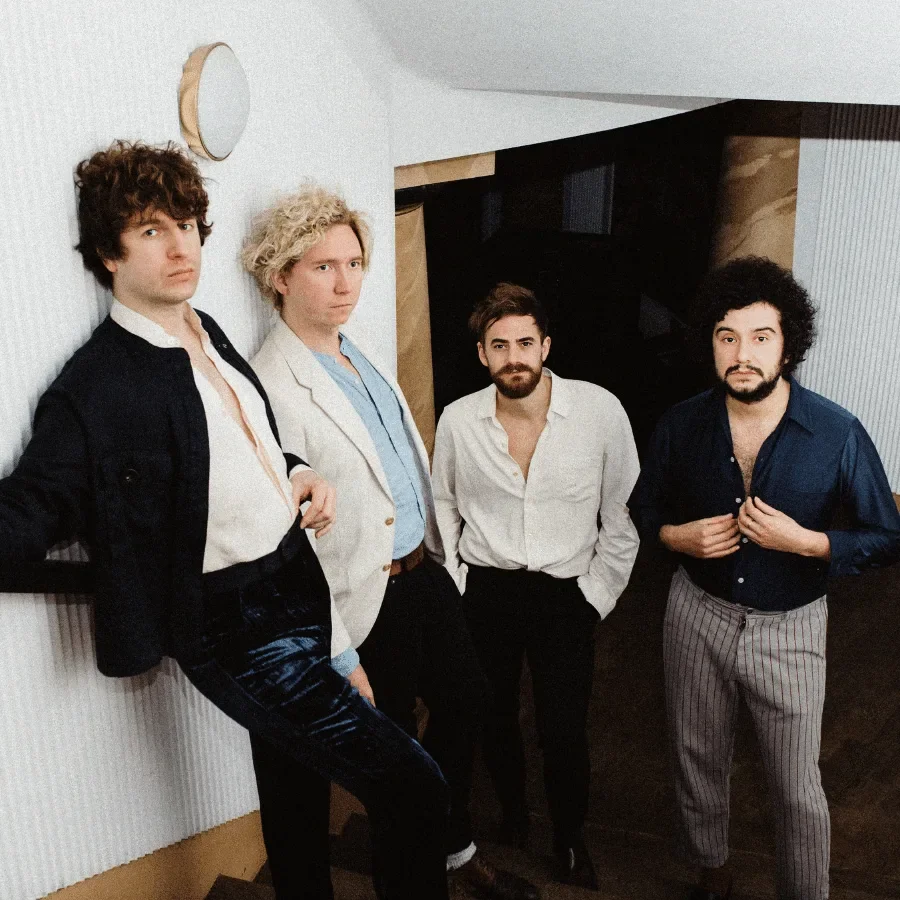 #1
#1United Kingdom
1 editions · 2026
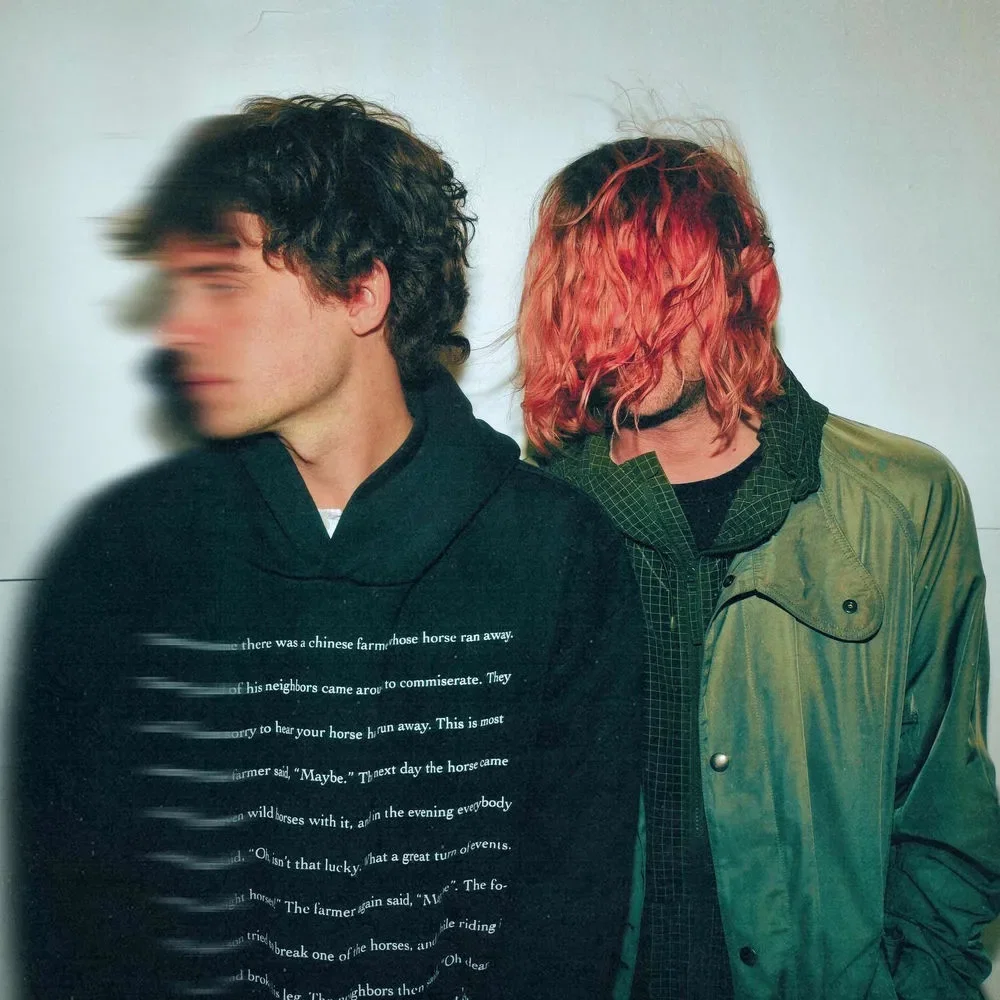 #2
#21 editions · 2026
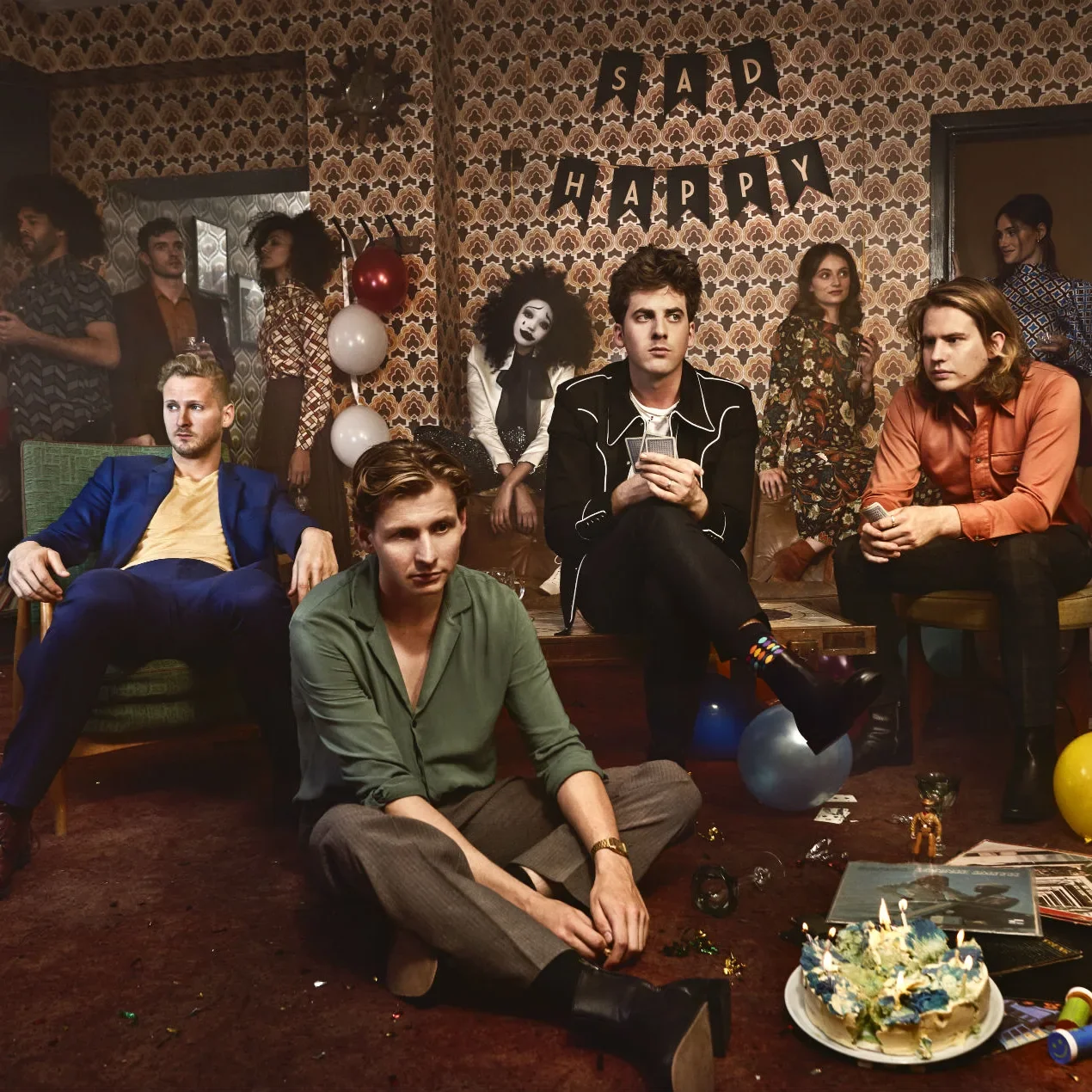 #3
#3United Kingdom
1 editions · 2026