Ranking
#921

Ranking
#921
Followers
31.4 K
When
05–SEP 06, 2026
Where
Seattle, Washington
Country
United States
Featured artists
Lineup coming — we'll publish it as soon as it's confirmed.
Time left
17 editions to explore · future, live and past
 2026
2026BumberShoot 2026
2025BumberShoot 2025
Numbers, home base and house quirks
You can arrive for a band and end up watching dance, wrestling, an installation, a short film or some piece of performance art that was nowhere on your schedule. That capacity for distraction is probably the most accurate way to understand Bumbershoot. Over Labor Day weekend, Seattle Center is not simply converted into land for music stages; the entire campus becomes an umbrella for concerts, visual art, performance, film, comedy, fashion, food and ideas that resist easy categorisation. There is no campsite and no need to leave Seattle behind. The Space Needle remains overhead, the city continues immediately outside the gates, and audiences move through plazas, theatres and outdoor spaces constructing versions of the weekend that can look completely different from one another.
That breadth comes directly from the beginning. Festival ’71 was created when Seattle was struggling through a severe economic downturn associated with Boeing’s collapse in employment, and the city wanted a large public arts celebration that could put Seattle Center back to civic use after the 1962 World's Fair. Music was only one component. Dance, theatre, children’s attractions, craft, visual spectacle and various eccentric entertainments were all part of a largely local, free event. The name Bumbershoot arrived in 1973, adopting an old word for umbrella that became an unexpectedly precise description of what the festival was becoming. Rather than choosing one artistic discipline and expanding outward, it created a cover beneath which disciplines that normally maintained separate audiences could exist side by side.
As the event matured, it faced a problem that would repeatedly define its history: how to remain a civic arts gathering while paying for nationally significant entertainment. One Reel became producer in 1980 and helped build the version of Bumbershoot that generations of Seattle residents came to know. Admission was introduced, major touring artists became increasingly important and the operation grew more professional, but the multidisciplinary structure remained. Music might drive the largest crowds, yet literature, experimental theatre, contemporary dance, comedy, independent film and visual art continued to occupy genuine programming space. The interesting part was not that every visitor loved everything. It was that someone attending for a major act could cross Seattle Center and encounter an art form they would never have bought a separate ticket to see.
The city’s own cultural transformation often passed through those stages. Soundgarden appeared at Bumbershoot in 1990 just as Seattle’s independent music scene was moving towards intense international attention. Later decades absorbed hip-hop, electronic music, indie rock and pop while local artists continued to share the programme with touring names. The sheer range of the 2006 edition offers a useful snapshot: Kanye West, Feist, Spoon and an early Macklemore existed in the same weekend as Alison Bechdel, Chuck Palahniuk, Zach Galifianakis, Pacific Northwest Ballet and roller derby. Written as a conventional line-up, it looks almost absurdly broad. Experienced across a civic campus, it made more sense. Bumbershoot worked by giving audiences multiple doors into culture rather than insisting on one coherent genre identity.
Scale eventually created its own pressures. Production costs climbed, ticket prices rose and One Reel’s financial difficulties led AEG Presents to take the lead production role in 2015. The partnership stabilised a festival that had been in serious danger and produced large contemporary music bills: Macklemore & Ryan Lewis, Death Cab for Cutie, Tame Impala, Halsey, Run the Jewels and Anderson .Paak could all appear within the same edition. Yet it also sharpened a long-running argument about Bumbershoot’s purpose. For some Seattle artists and longtime attendees, the fear was that the festival would become a conventional big-ticket music event in which the arts programme survived mostly around the edges. When AEG chose not to renew after 2019, financial uncertainty and questions of identity arrived at exactly the same moment.
The pandemic turned that crossroads into a three-year absence. Bumbershoot did not happen in 2020 or 2021, while 2022 became a year for rebuilding rather than staging a full festival. Its 2023 return under New Rising Sun, Third Stone and Seattle Center was therefore framed as a reset rather than a simple reopening. The new model deliberately looked backwards to the festival’s original civic mission: more emphasis on Pacific Northwest creators, multidisciplinary programming and accessible pricing, while retaining enough nationally recognised music to make Labor Day weekend feel consequential. Arts districts, fashion, visual work, film and unusual live practices again became central to the physical journey through Seattle Center. The festival was asking audiences to wander, not merely to move efficiently from one headline stage to the next.
By 2025, that relaunch had begun to feel established. Weezer, Janelle Monáe, AURORA, Car Seat Headrest, Bright Eyes, Sylvan Esso, The Linda Lindas, Saba and Digable Planets created a music programme spanning generations, while Seattle-linked returns from Pretty Girls Make Graves and The Murder City Devils gave parts of the weekend a distinctly local memory. Around them sat visual art, performance, film, fashion and culinary programming. Seattle Center again functioned as more than a parcel of land rented for the weekend. Its theatres, plazas and cultural buildings allow the experience to contract and expand repeatedly: a huge outdoor crowd can give way to something intimate or strange, then spill back into another public square. That rhythm is difficult to reproduce on an empty field.
The next edition, scheduled for September 5 and 6, 2026, pushes that openness further. Turnstile and Death Cab for Cutie sit at the top of a programme that also includes Blood Orange, Orville Peck, Lucy Dacus, Chase & Status, Bikini Kill, De La Soul, Molchat Doma, Yves Tumor, ATARASHII GAKKO!, Peaches, Noname and Silvana Estrada. Hardcore, indie rock, hip-hop, drum & bass, post-punk and experimental pop will coexist with the festival’s wider arts programme, including forms of performance that would rarely appear on a standard music-festival poster. More than five decades after Festival ’71, Bumbershoot’s strongest tradition is still its refusal to settle into one comfortable definition. Seattle Center becomes the common ground, and the festival works when everyone beneath the umbrella is allowed to arrive for a different reason.
Timeline
One artist per year — highest ranked in our archive
Those who appear most across this franchise's editions.
 #1
#1Eswatini
1 editions · 2023
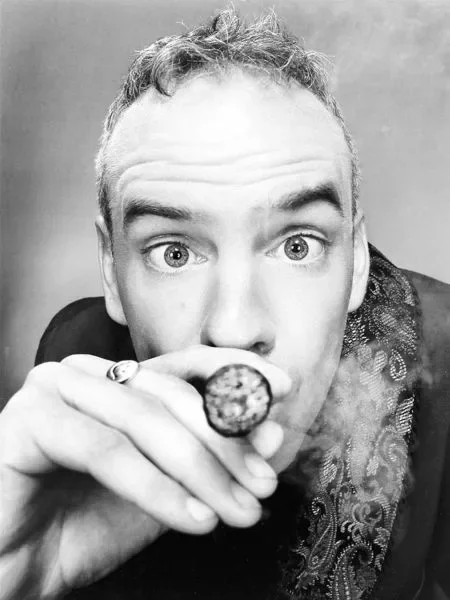 #2
#2United Kingdom
1 editions · 2023
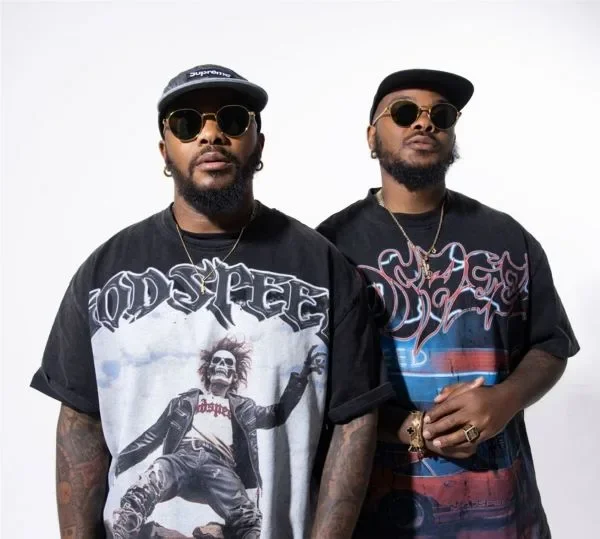 #3
#3South Africa
1 editions · 2023