Ranking
#690

Ranking
#690
Followers
72.8 K
When
21–JUL 24, 2027
Featured artists
Lineup coming — we'll publish it as soon as it's confirmed.
Time left
13 editions to explore · future, live and past
 2027
2027Colours of Ostrava 2027
Numbers, home base and house quirks
For much of the twentieth century, Ostrava was defined by coal, steel, mines and an industrial landscape that hardly resembled the conventional image of a European festival city. Colours of Ostrava eventually learned to use that history rather than hide it. Today the audience enters Dolní Vítkovice and finds stages surrounded by blast furnaces, pipelines, gas holders and massive steel structures that once belonged to one of the region’s great industrial complexes. At night, the machinery is illuminated while tens of thousands of people move between concerts, theatre and conversations. Few major festivals have such an immediate physical relationship with the economic history of the city around them.
That identity did not exist fully formed in 2002. Founder Zlata Holušová built the first Colours around Stodolní Street and the Černá louka exhibition grounds in central Ostrava. Czech groups such as Monkey Business, Kryštof, Buty and Tata Bojs appeared alongside musicians from neighbouring Central European countries and farther abroad. From the beginning, the purpose was larger than assembling local bands for a summer weekend. Holušová wanted Ostrava to hear artists who rarely reached the region and to connect Czech audiences with scenes they might otherwise know only remotely. “Colours” was therefore an unusually accurate name: stylistic diversity was the concept rather than a side effect.
The international reach expanded quickly. Goran Bregović arrived in 2003; Natacha Atlas, Rachid Taha and Bob Geldof followed in 2004. By 2005, George Clinton and Parliament/Funkadelic could share a weekend with Asian Dub Foundation and musicians rooted in traditions from several continents. Robert Plant, Salif Keita, Gogol Bordello and The Frames appeared in 2006, the year the event first expanded to four days. That period established a programming language that still survives. British rock, American funk, African music, Balkan brass, electronic experiments and Czech performers did not need to be made stylistically consistent. The festival’s identity came precisely from allowing them to remain different.
As attendance increased, Černá louka and Silesian Ostrava Castle became too small for the event Colours was becoming. Around 25,000 people attended in 2010, and similar numbers returned in 2011. The 2012 move to Dolní Vítkovice therefore solved a practical problem while unexpectedly redefining the brand. The new site offered much greater capacity and allowed major stages to occupy one large area, but the real transformation was visual. Alanis Morissette, Bobby McFerrin, The Flaming Lips, ZAZ, Janelle Monáe and Rufus Wainwright performed against structures built for iron and coal rather than entertainment. The former industrial plant became inseparable from the music.
Larger international bookings followed naturally. Sigur Rós, The xx, The Knife and Bonobo appeared in 2013; Björk, Kasabian, St. Vincent and Rudimental came in 2015. Imagine Dragons, Jamiroquai, Justice and Norah Jones led a sold-out 2017; N.E.R.D., Grace Jones, Kygo, The Cure, Florence + The Machine and Rosalía belonged to later editions. Yet the biggest names tell only part of the story. Smaller stages continue to present musicians from Africa, Asia, the Balkans, Scandinavia, Latin America and experimental European scenes. World music, contemporary jazz and unusual electronic projects remain part of the curatorial DNA. The headliners bring scale, while discovery prevents the festival from becoming interchangeable with other European summer giants.
Another transformation arrived in 2016 with the creation of Meltingpot. The multidisciplinary forum brought scientists, doctors, writers, journalists, thinkers, artists and public figures into the festival grounds, making daytime programming as intellectually busy as the evenings are musical. A visitor can listen to a discussion about technology, health, politics or culture and then walk directly into a Korean performance, African ensemble or European alternative band. Theatre, workshops, family spaces and artistic installations add still more layers. In some years, Colours has offered more than four hundred separate programme items. Dolní Vítkovice temporarily operates less like a concert site than a dense cultural district.
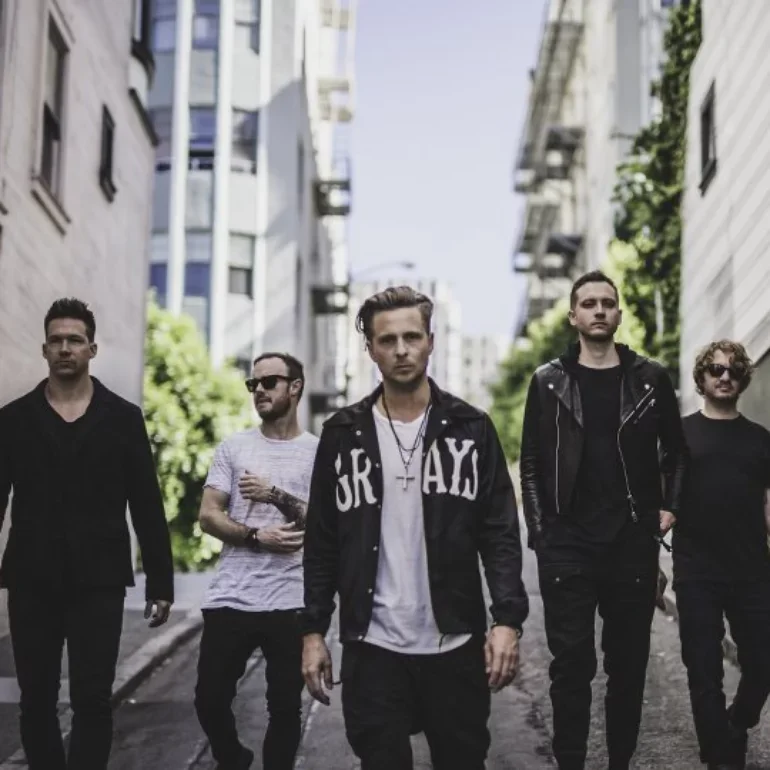
Covid produced the only prolonged interruption. The normal festival could not happen in 2020. A much smaller alternative called NeFestival was attempted, but new public-health restrictions forced it to stop after two days. Colours itself was postponed again in 2021 and finally returned at full scale in 2022. The Killers, Twenty One Pilots, Martin Garrix, LP, Franz Ferdinand and Phoebe Bridgers helped turn that edition into a visible reopening of the site. The momentum continued: OneRepublic and Macklemore appeared in 2023; Lenny Kravitz and Sam Smith in 2024; Sting, Iggy Pop, Justice and The Chainsmokers in 2025, when Asian programming also became increasingly prominent.
The 2026 edition demonstrated another enduring characteristic of the festival: industrial architecture may look permanent, but an outdoor event remains vulnerable to weather. Twenty One Pilots, Teddy Swims, Lorde, Moby and LP topped a programme that also featured Skunk Anansie, The Libertines, Atarashii Gakko!, Audrey Nuna, Peaches and Ibrahim Maalouf. A strong Friday storm forced organisers to pause outdoor programming and move visitors into safe buildings and structures. Some sets were rescheduled, Malkit Singh’s performance was cancelled, and other artists started later, yet the festival resumed and completed its four days. Rain, illuminated furnaces and live music became part of the same shifting landscape.
Colours of Ostrava will return to Dolní Vítkovice from July 21 to 24, 2027 for its 24th edition. More than two decades after the first weekend around Stodolní Street, its importance cannot be measured only through headliners or attendance. Colours helped change how Ostrava could use the physical evidence of its industrial past. Rather than covering the steel city with decorative festival fantasy, it turned blast furnaces and mining infrastructure into a cultural stage and invited the rest of the world inside. The result is unusually honest: the old Ostrava never disappears. It remains visible everywhere, but every July it is temporarily filled with sounds and ideas that its industrial builders could scarcely have imagined.
Timeline
One artist per year — highest ranked in our archive
Those who appear most across this franchise's editions.
 #1
#1Ireland
1 editions · 2023
 #2
#2United Kingdom
1 editions · 2023
 #3
#3United States
1 editions · 2023