Ranking
#742

HOUSE - TECHNO - TRANCE
Ranking
#742
Followers
60.1 K
1 editions to explore · future, live and past
Numbers, home base and house quirks
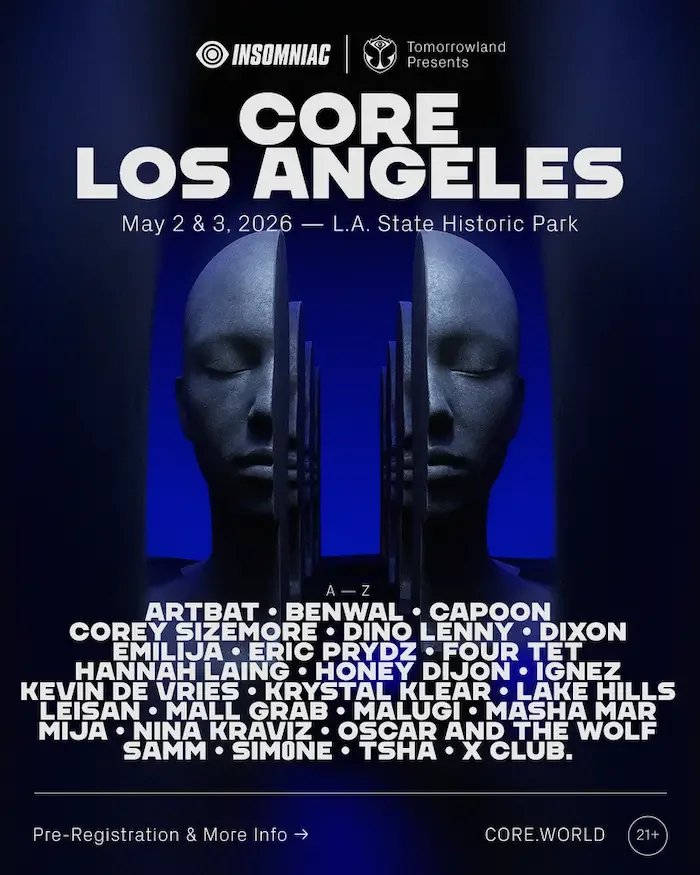
Los Angeles State Historic Park never fully decides whether it belongs to nature or the city. Broad lawns and trees spread across the site, yet Downtown Los Angeles rises behind them, joined by railway lines, bridges and the industrial textures of a metropolis that never disappears entirely from view. CORE Los Angeles used that tension to remarkable effect when it made its American debut in May 2026. Rather than trying to conceal the city behind festival scenery, it allowed the skyline to become part of an experience built around house, techno, stage design and movement. Across two afternoons that gradually slipped into night, the park became a Californian interpretation of a concept developed inside the Tomorrowland universe: less interested in the oversized theatricality of a conventional EDM mainstage and more focused on creating an environment where electronic music, architecture and the dancefloor seemed to move together.
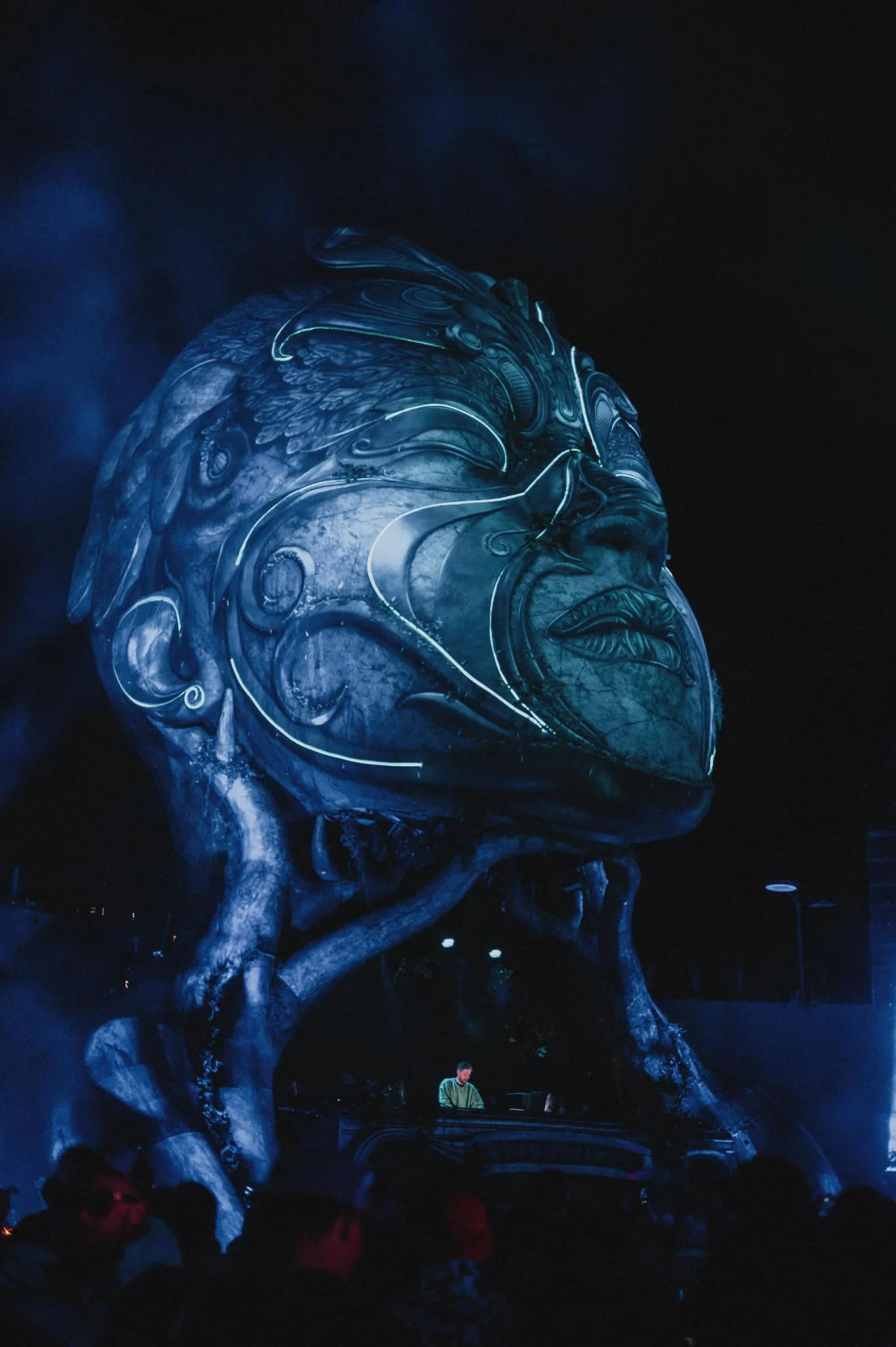
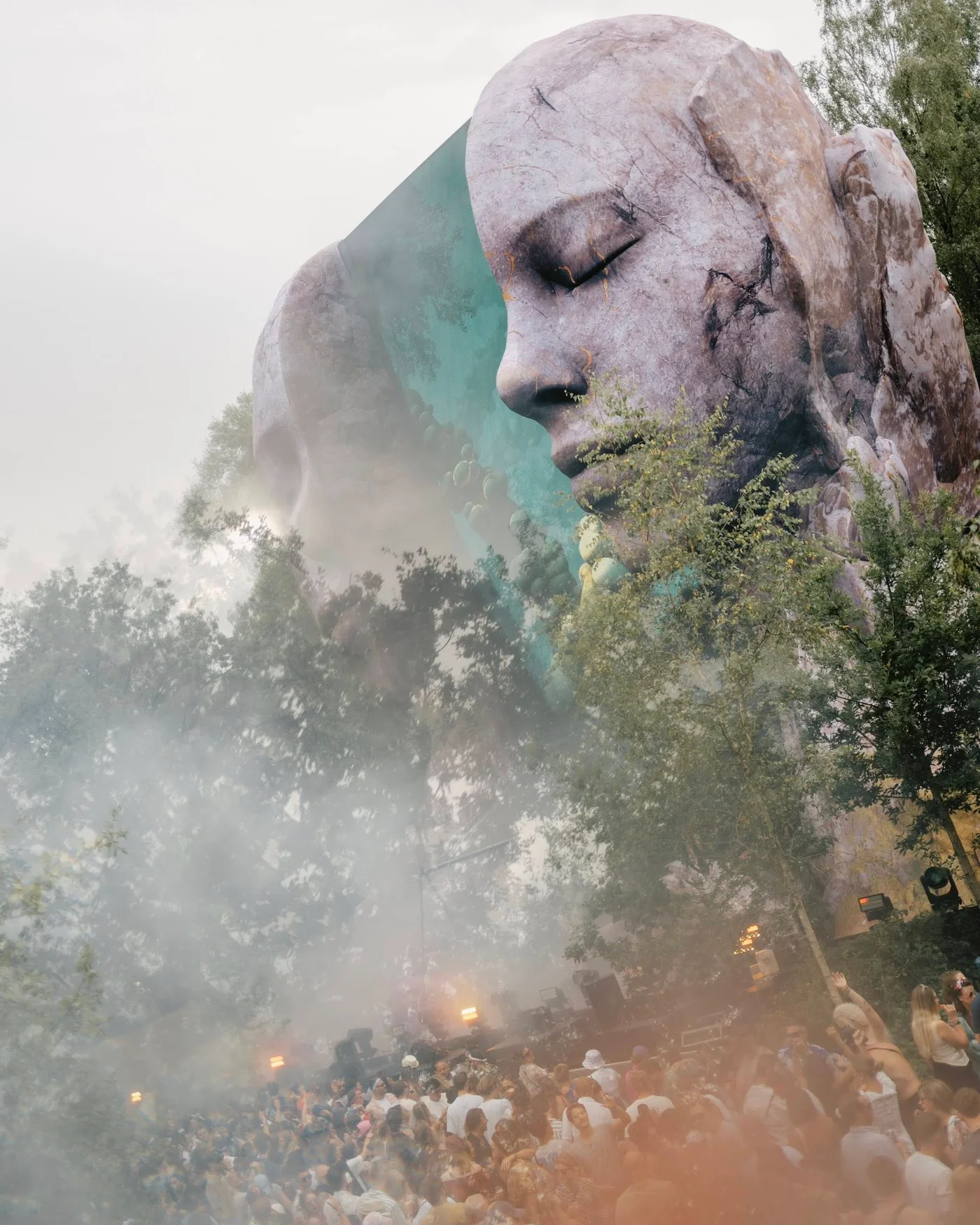
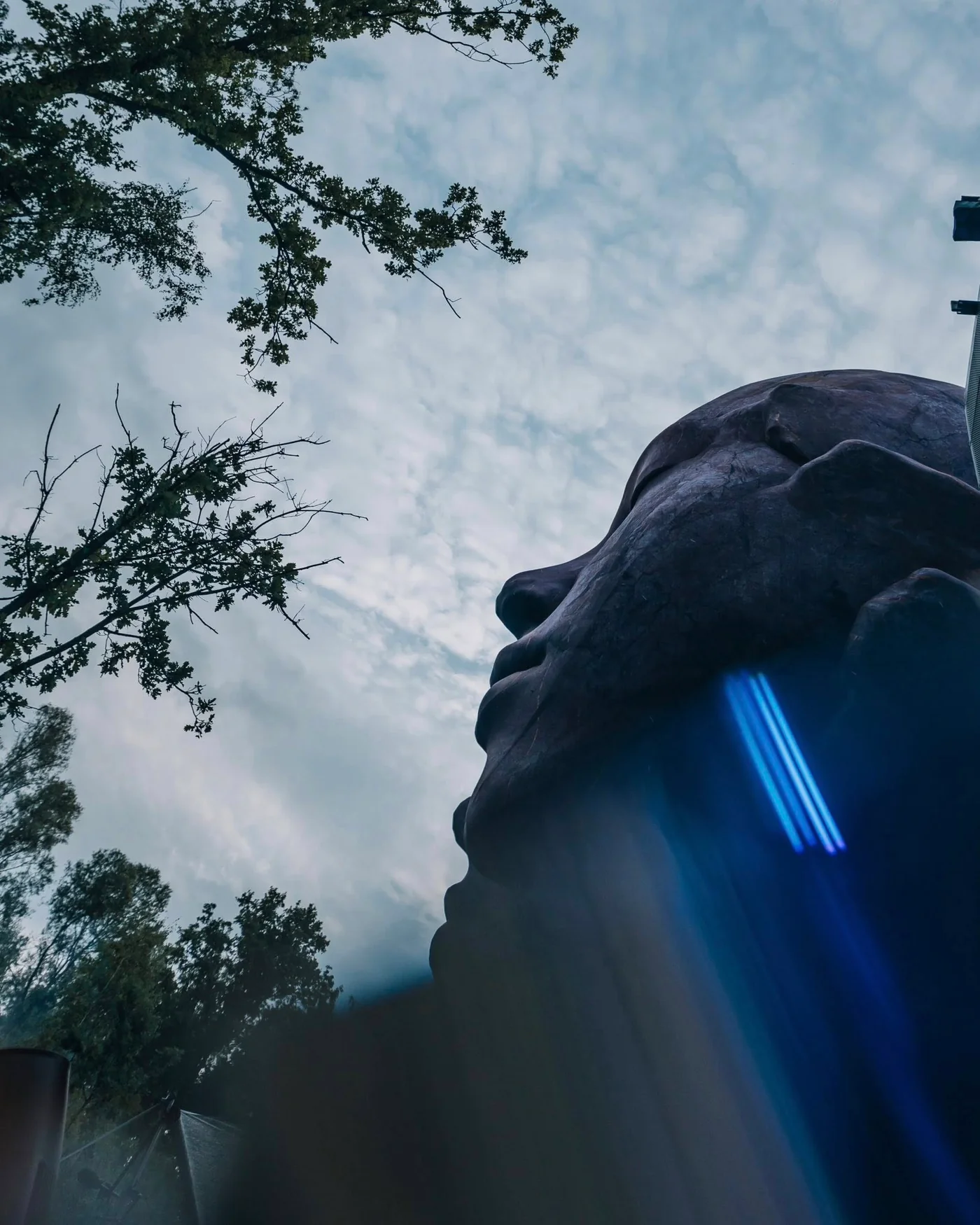
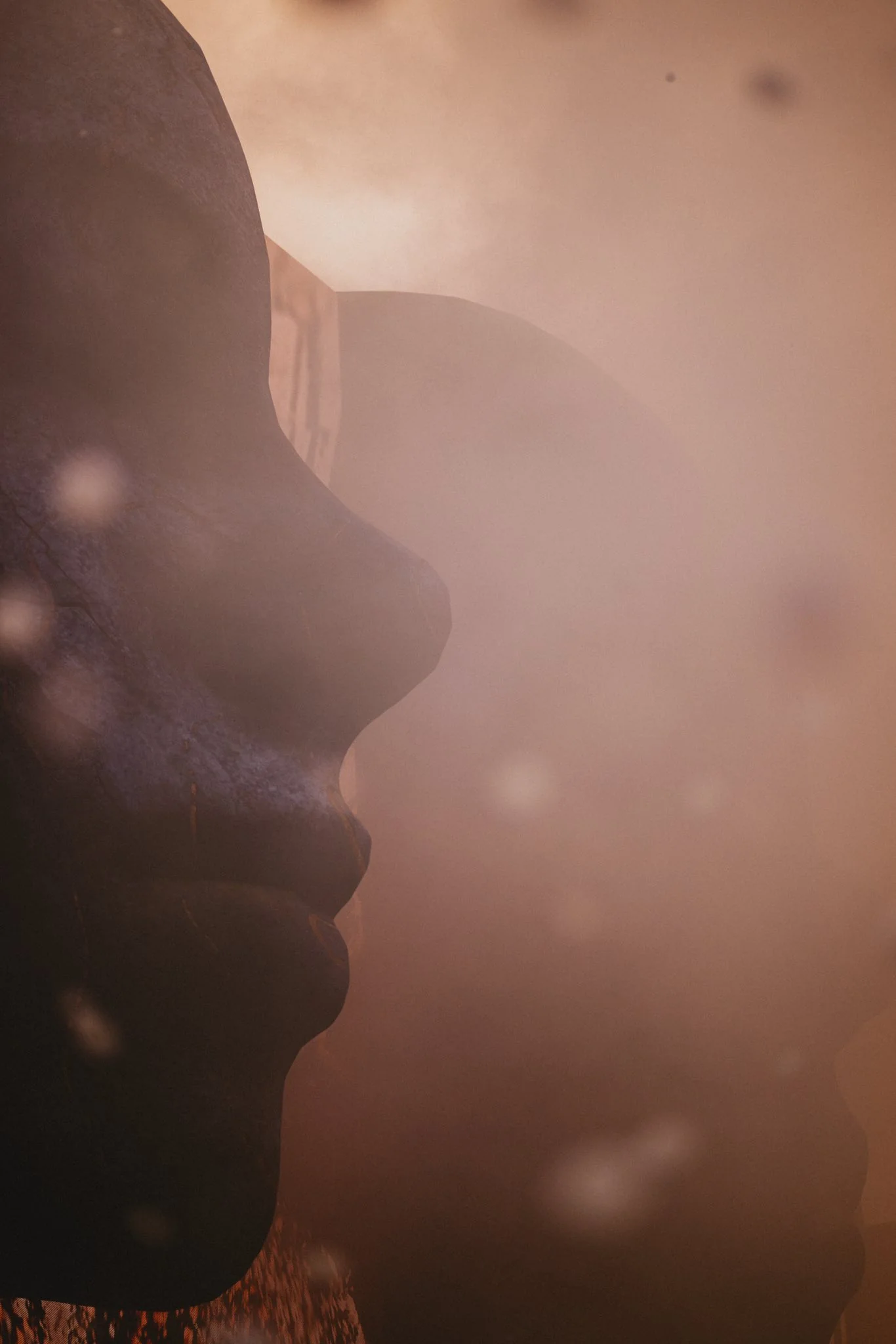
CORE had already developed a recognisable identity before reaching California. Its monumental face-shaped stage, originally associated with the forests of Tomorrowland, became the symbol of a deeper and more alternative musical lane within that world: house, melodic techno, hypnotic electronics and selectors capable of building atmosphere over extended sets rather than relying exclusively on giant drops. The concept eventually moved beyond Belgium into standalone experiences in destinations including Tulum, Medellín and Brussels. Los Angeles represented another significant step: the first official CORE festival in the United States and a collaboration between Tomorrowland and Insomniac, two major electronic-event organisations shaped by different histories. Instead of beginning with an enormous multi-day camping event, they chose a relatively concentrated 21+ open-air format built around two daytime-to-night sessions.
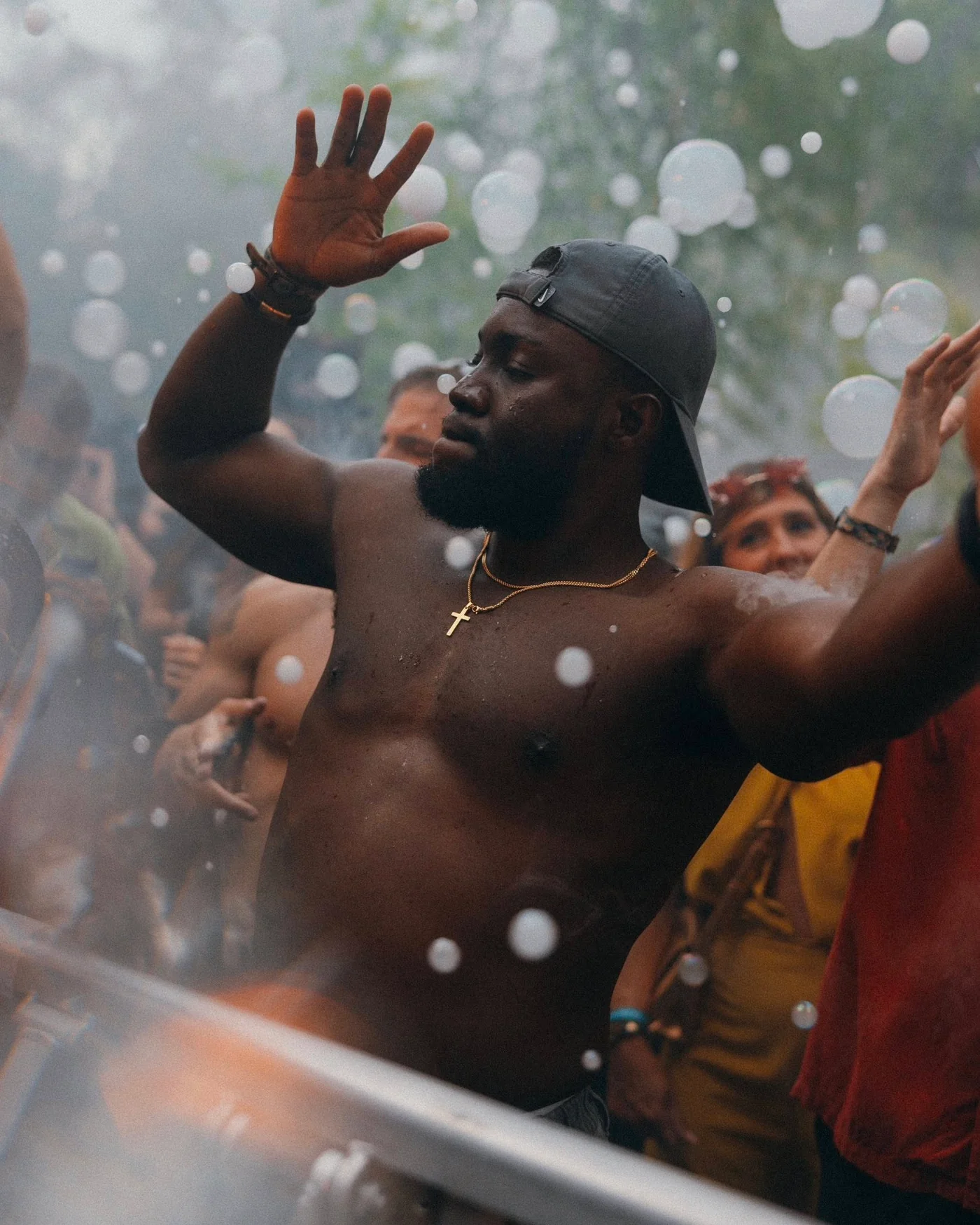
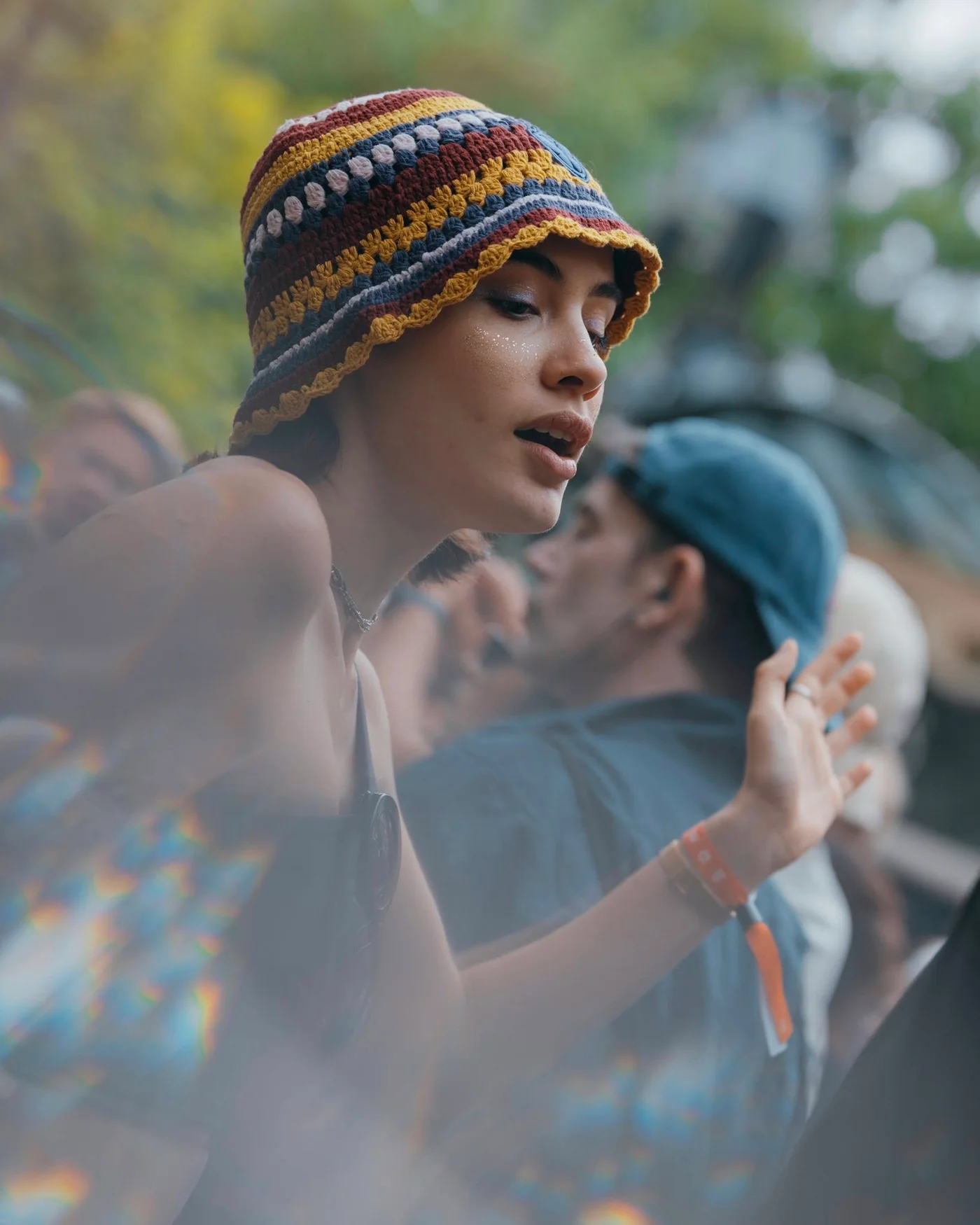
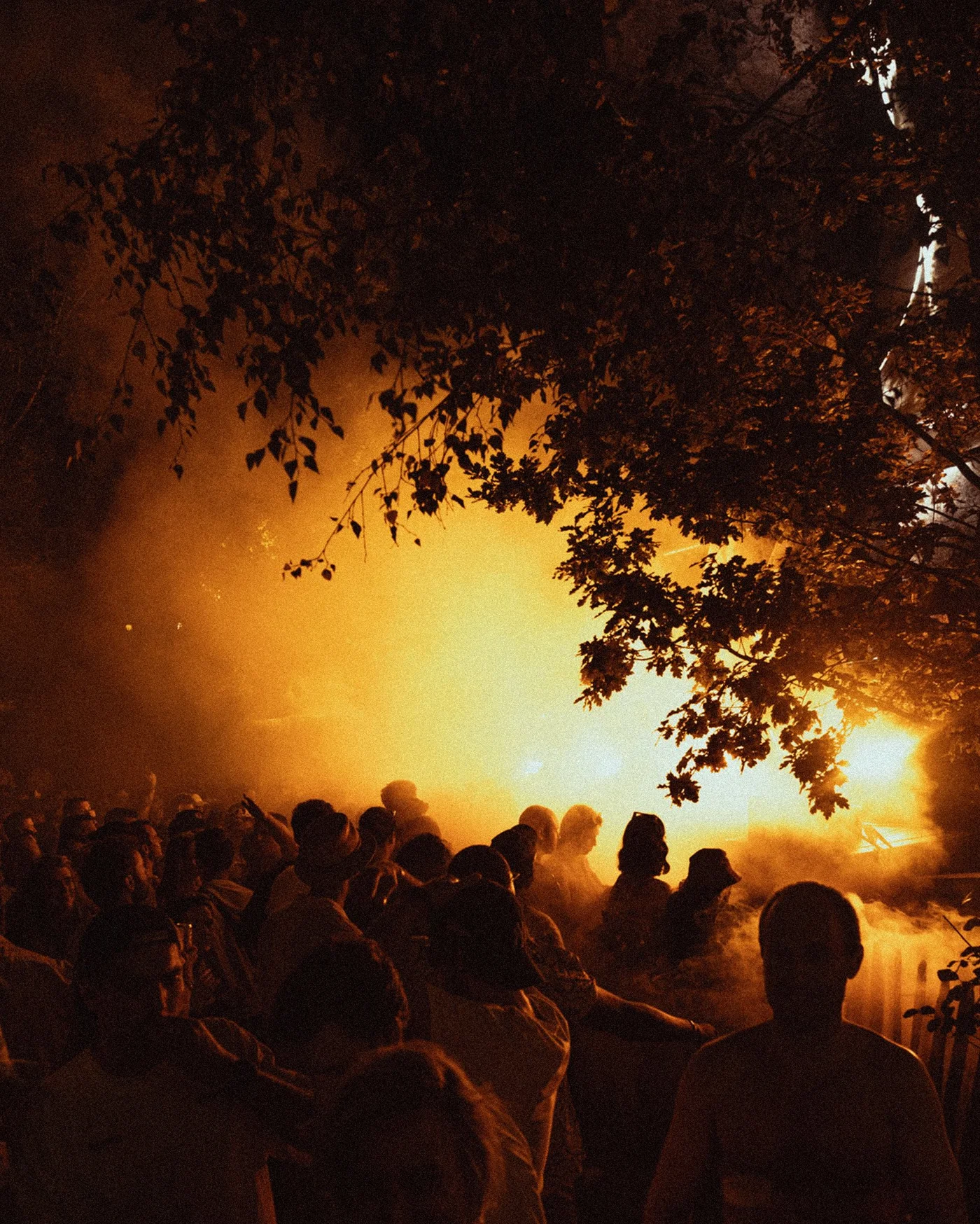
Around thirty thousand people attended Los Angeles State Historic Park across May 2 and 3, 2026. Three stages gave the programme distinct levels of intensity. CORE was the visual and musical centrepiece, dominated by its sculptural face and a production system involving water, fog, fire, lasers and lighting that became progressively more dramatic as daylight disappeared. MANO leaned towards a more direct, energetic club atmosphere, while ORIGO operated on a smaller scale and created room for emerging performers and less familiar names. That structure prevented the weekend from becoming entirely dependent on one monumental mainstage. Crowds inevitably grew largest around CORE, but walking across the park could change the musical temperature quickly, moving from melodic and progressive material into faster grooves, contemporary trance, techno or house delivered with a much tighter relationship between DJ and dancefloor.
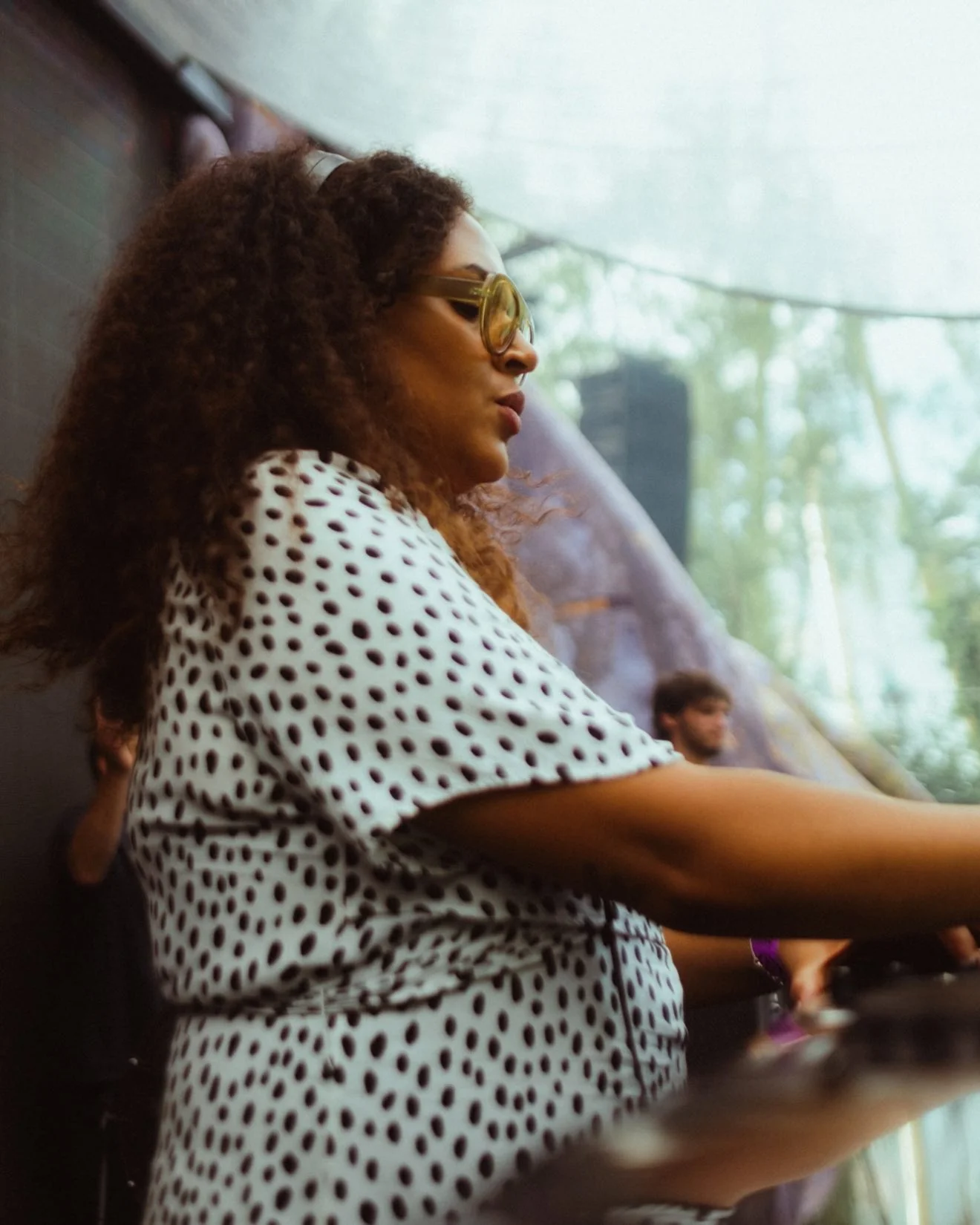
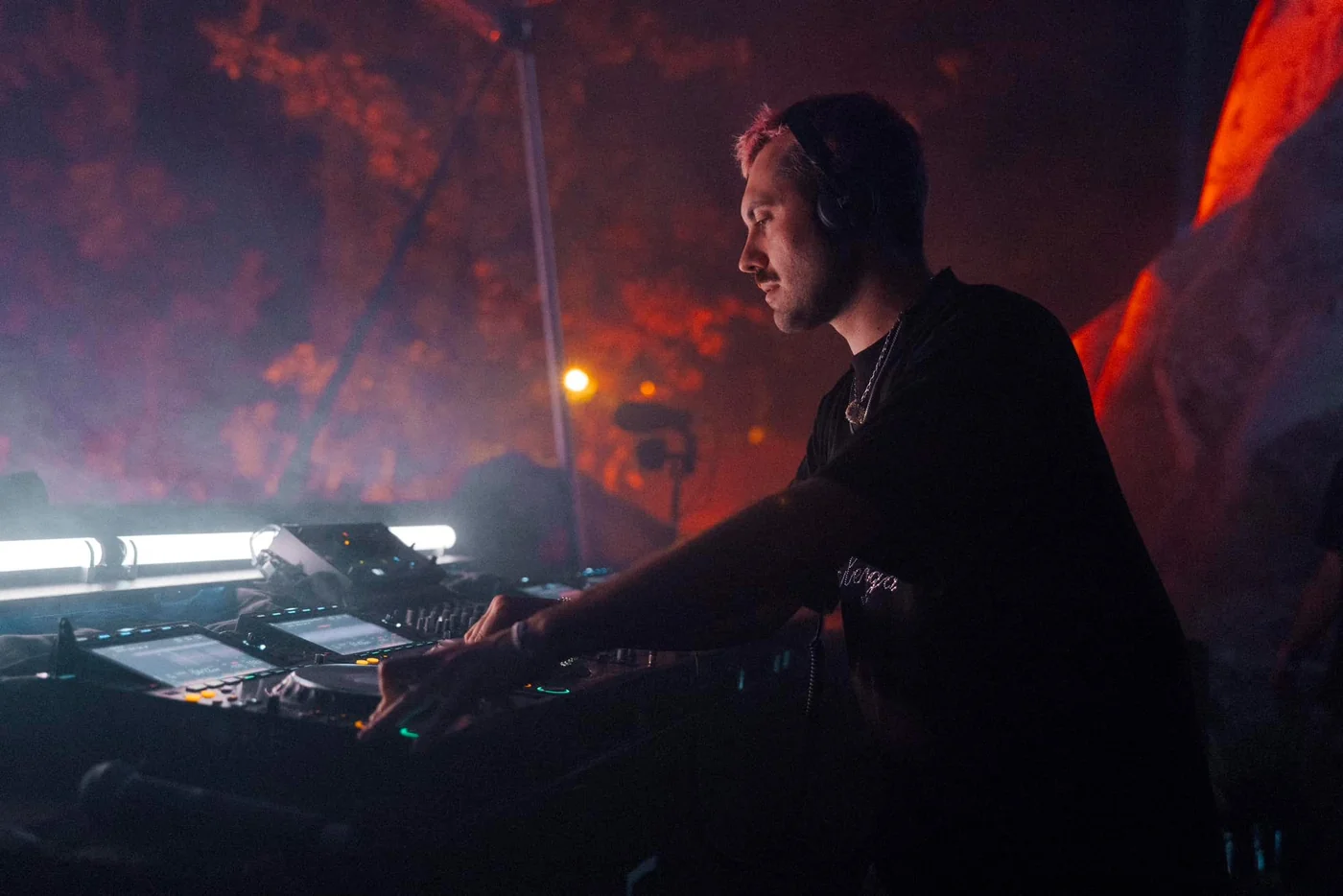
Four Tet closed the first evening after a day shaped by Honey Dijon, Dixon, Mall Grab, TSHA, Malugi, Emilija, X CLUB. and others representing several generations of club culture. Eric Prydz took the principal closing slot on Sunday after a programme involving ARTBAT, Kevin de Vries, Nina Kraviz, Hannah Laing and artists moving between melodic house, progressive sounds, techno and faster contemporary dance music. Oscar and the Wolf added a live vocal dimension to a weekend otherwise dominated by DJs, demonstrating that the CORE identity does not have to be limited to decks and electronic selectors. Much of the programming also deliberately avoided the aggressively maximalist EDM associated with some American mega-festivals. The emphasis was on flow, patient development and sets capable of holding a dancefloor through gradual changes rather than simply racing from one peak moment to another.
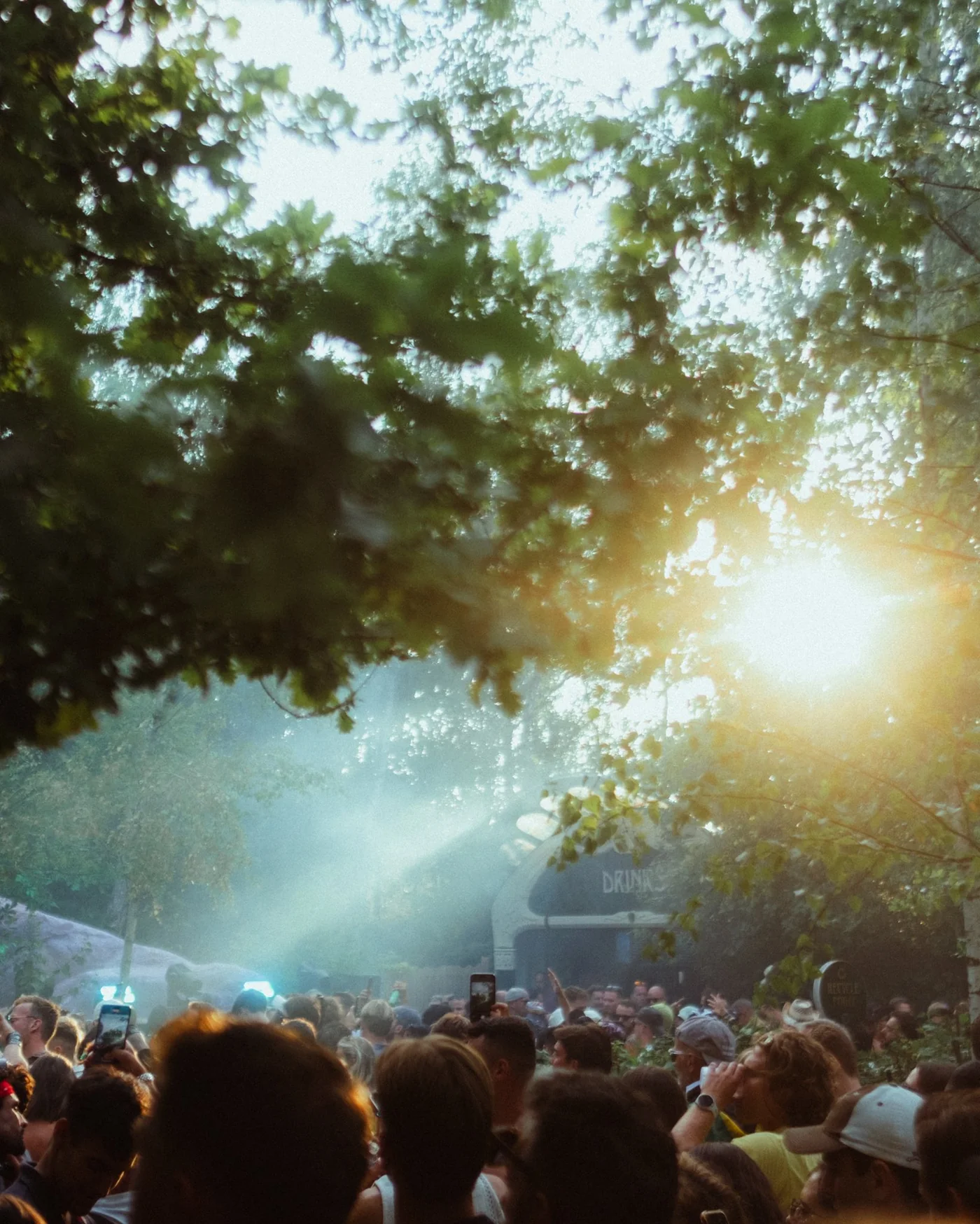
Production gave the American debut a visual identity strong enough to compete within Southern California's crowded electronic calendar. The CORE structure stood nearly fifty-six feet high and around one hundred feet wide, using fountains, water geysers, fog and smoke systems, lasers and pyrotechnic elements around the enormous central face. Yet part of its appeal depended on experiencing it before darkness. In the afternoon it could be read almost as a giant sculpture sitting in an urban park with the Los Angeles skyline behind it; as evening arrived, the same face dissolved and re-emerged through water, shadow and light. That transformation suited the daytime format particularly well. The generous footprint of the park also gave the event room to breathe, and despite the overall attendance, parts of the weekend retained an unusually spacious and relaxed quality for a large dance festival in the region.
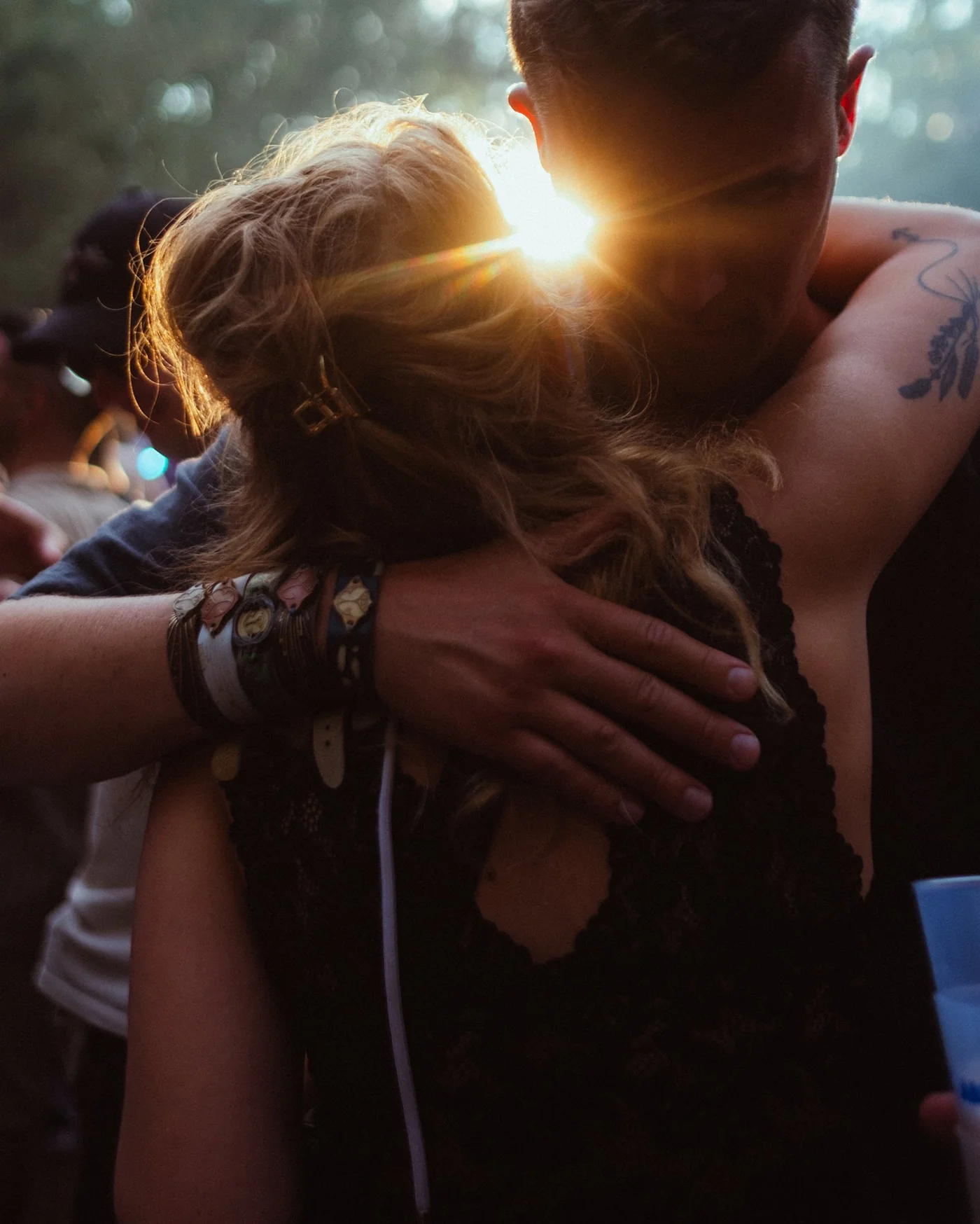
The debut was successful enough for CORE to confirm that Los Angeles will return in 2027, although dates and lineup have not yet been announced. CORE Los Angeles can therefore be understood as its own regional edition within the growing international CORE network, creatively related to Medellín, Tulum, Melbourne, Brussels and Tomorrowland itself while maintaining a distinct California identity and programme. Its first year demonstrated that the concept did not need to become an American version of Tomorrowland to make an impact. The defining image was simpler: the CORE face looking across the park, Downtown rising behind it, late-afternoon sunlight falling over thousands of dancers and a house or techno set slowly gathering momentum until artificial light replaced the sky. In one of the world's most saturated electronic-music cities, CORE found space by refusing to feel exactly like everything already there.
Genres
HOUSE
TECHNO
TRANCE
Timeline
One artist per year — highest ranked in our archive
Those who appear most across this franchise's editions.
 #1
#1Sweden
1 editions · 2026
 #2
#2Russia
1 editions · 2026
 #3
#3United Kingdom
1 editions · 2026
Documented photos from the franchise.