Ranking
#3

HIP HOP - INDIE - POP
Ranking
#3
Followers
20.2 M
When
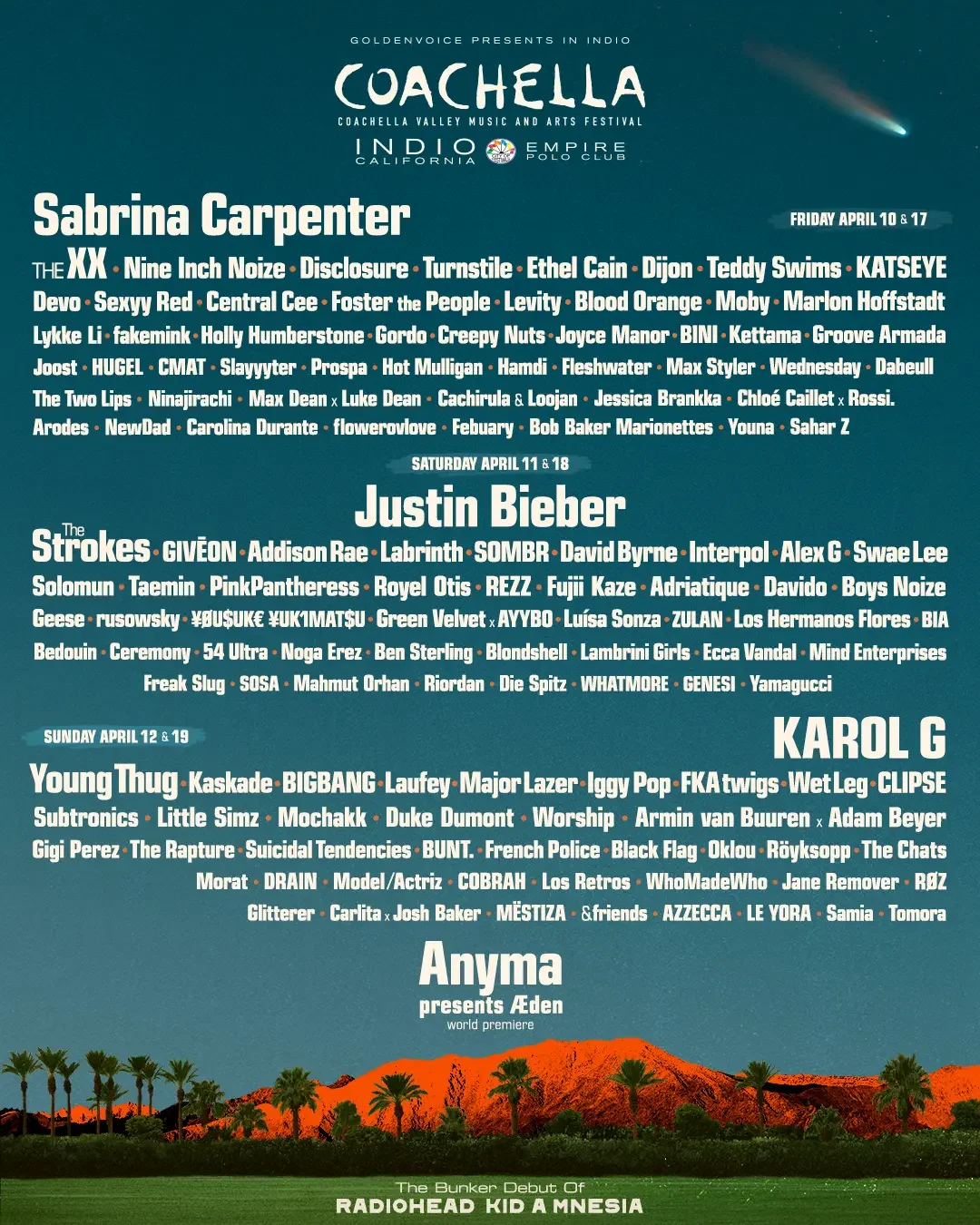
09–APR 18, 2027
Where
Indio, California
Country
United States
Featured artists
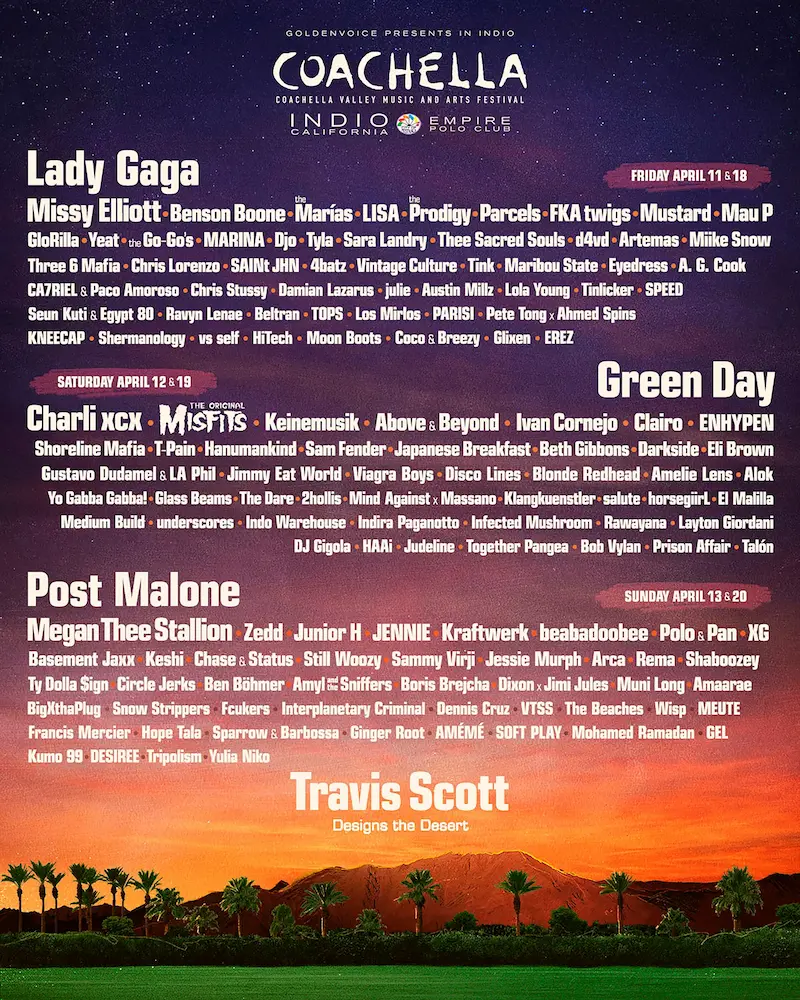
Lineup coming — we'll publish it as soon as it's confirmed.
Time left
41 editions to explore · future, live and past
Numbers, home base and house quirks
As the late afternoon sun dips behind the San Jacinto Mountains and the green lawns of the Empire Polo Club take on a golden hue, the California desert undergoes a swift shift in temperature and mood. What begins as a sun-scorched expanse swept by dry winds turns into a neon-lit landscape framed by massive stage structures and towering art installations by nightfall. Nothing in the agricultural origins of Indio suggested that a polo venue would become the central meeting point of North American live music. That transformation began in November 1993 when Pearl Jam, boycotting Ticketmaster-controlled venues, staged a massive concert on these remote desert grounds. The event proved logistically viable, leading independent promoter Goldenvoice to realize that the isolated site possessed the scale required for a major multi-day gathering.
The official launch took place in October 1999, just months after the turbulent events of Woodstock 99. Featuring a lineup led by Beck, Tool, and Rage Against the Machine, the debut won immediate critical acclaim for its thoughtful curation, but resulted in a severe financial blow, leaving organizers with losses close to one million dollars. Goldenvoice paused the event in 2000 to restructure its finances and returned in April 2001. Moving the dates to spring proved to be a decisive turning point: it avoided the blistering summer heat of Southern California and established the event as the opening landmark of the North American festival calendar. The introduction of on-site camping in 2003 and a corporate partnership with AEG helped stabilize operations and foster a dedicated weekend community.
Throughout the 2000s, the gathering cemented its reputation as the premier launchpad for alternative rock and electronic music. In 2004, a rare reunion by The Pixies alongside a headlining set by Radiohead led to the first full sellout in the event's history, proving that independent music could draw fifty thousand attendees per day. Two years later, in 2006, Daft Punk’s performance inside a giant LED pyramid set new benchmarks for electronic live production worldwide. Rising demand prompted organizers to expand the format to three days in 2007 and, by 2012, to introduce a two-weekend model featuring identical lineups on consecutive weekends, doubling total capacity without overwhelming the physical grounds in a single weekend.
Over the years, the musical programming shifted from a focus on British rock and American indie to embrace global pop, hip-hop, and international sounds. Landmark moments—such as Beyoncé’s 2018 performance backed by a university marching band, Bad Bunny becoming the first Spanish-language headliner, and prominent billing for K-pop and African artists—marked a clear departure from purely Western rock traditions. Today's bill balances mainstream superstars who craft custom stage productions with cult band reunions and emerging artists using the platform for international exposure.
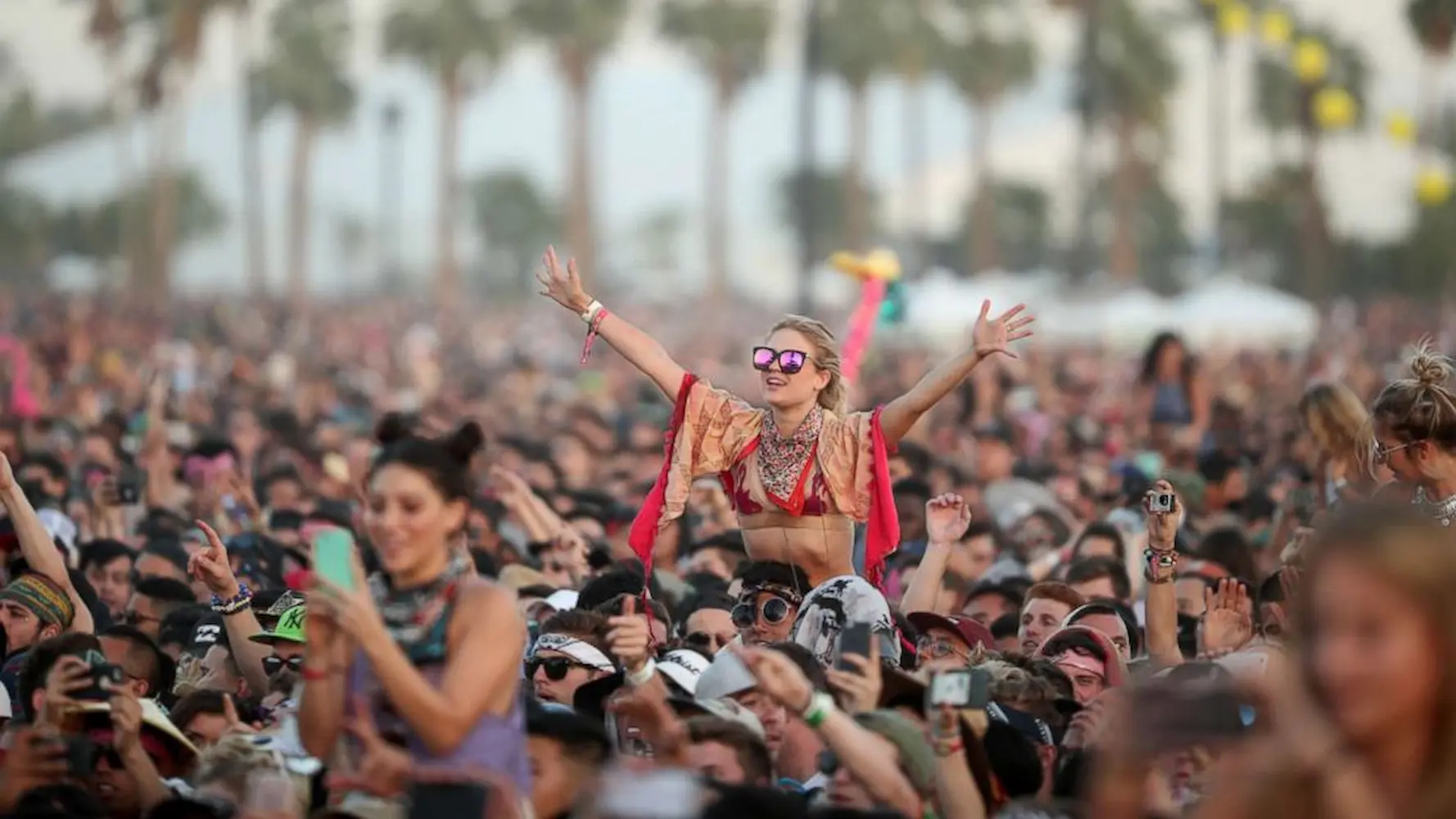
Navigating the expansive grounds demands physical stamina and careful schedule management. Festivalgoers cover miles each day walking between the Main Stage, the bass-heavy environment of the Sahara Tent, the club atmosphere of the Yuma pavilion, and the fluid architectural structure of the Do LaB. Day heat gives way to cool desert breezes after dark, forcing attendees to prepare for drastic temperature shifts. Between sets, large-scale interactive art sculptures serve both as visual landmarks and resting points across the illuminated grounds.
The festival experience is split between two distinct lifestyles: campers staying in the sprawling tent city adjacent to the grounds and those arriving daily via shuttles from Palm Springs and surrounding towns. In the campgrounds, temporary shaded hubs host communal meals and late-night gatherings that run until dawn. For off-site attendees, the daily shuttle rides through the desert offer a brief respite before passing through security gates into the dust and music.
Recent editions, including the spring 2026 gathering and preparations for the 2027 season, highlight the event's role as a primary driver of music culture and live digital broadcasting. Millions of viewers tune into official livestreams globally while thousands on site witness unannounced guest appearances and exclusive collaborations. The contrast between high-budget pop spectacles and underground dance tents remains central to its operational identity.
The evolution of a secluded desert polo field into an influential cultural platform reflects how live music experiences have adapted to changing global audiences. Beyond the media coverage and fashion trends, the Empire Polo Club remains a place where artists present their most ambitious concepts to an audience prepared for the physical demands of the desert. When the final sets end and the shuttle buses head back onto the interstate, the Indio fields return to quiet desert solitude until the following spring.
Genres
HIP HOP
INDIE
POP
Timeline
One artist per year — highest ranked in our archive
1999
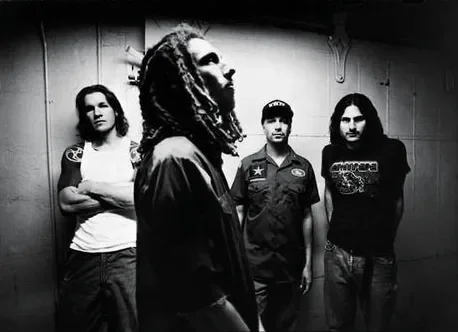
Rage Against the Machine
2001
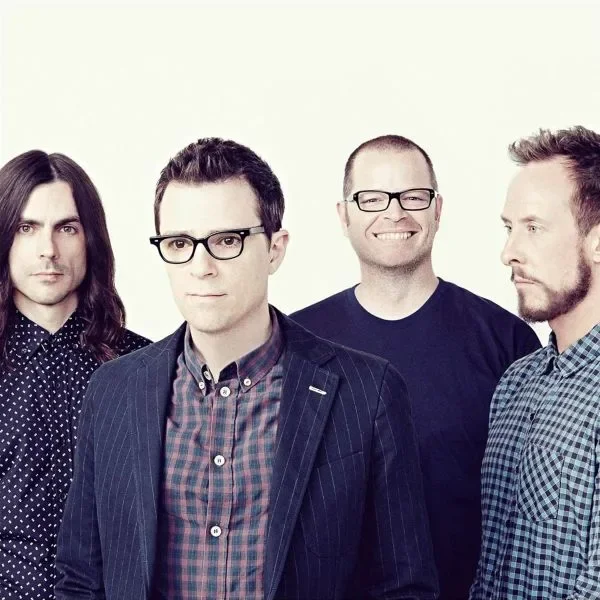
Weezer
2002
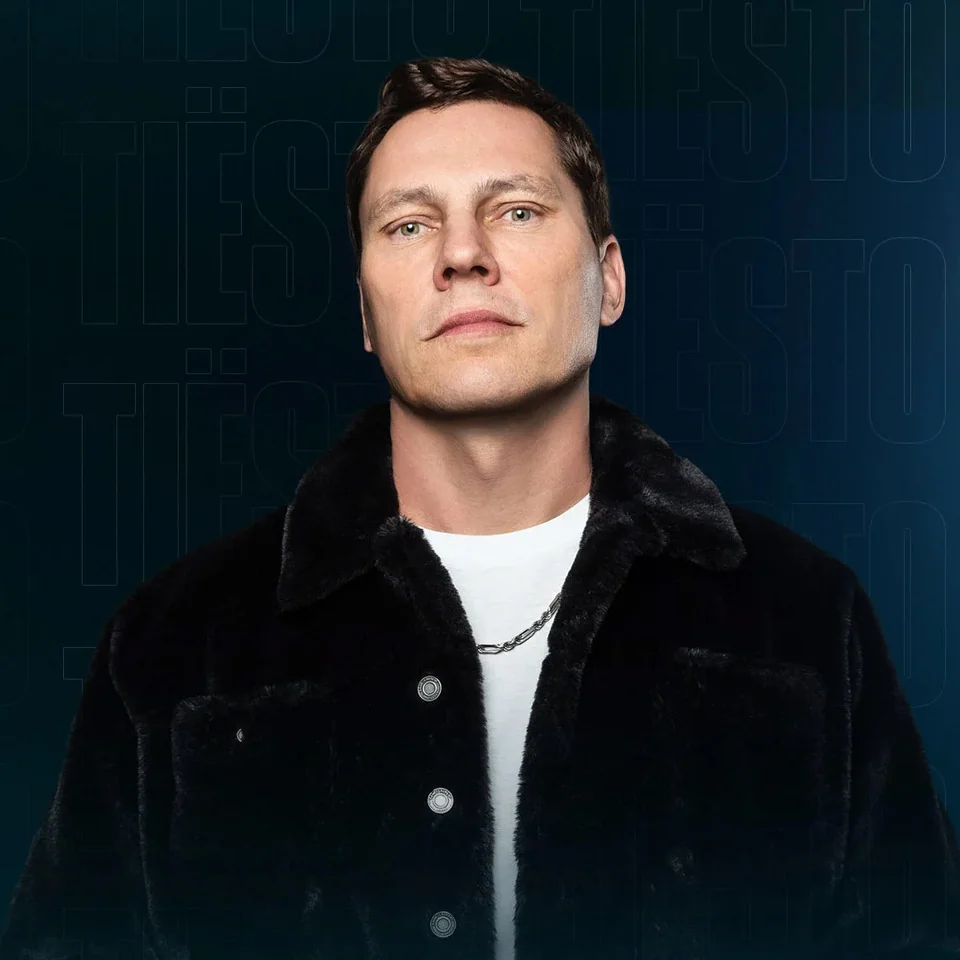
Tiësto
2003

Black Eyed Peas
2004
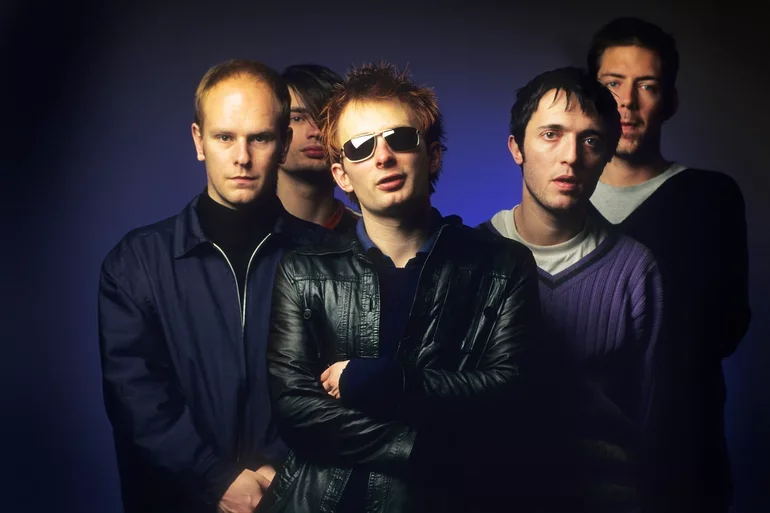
Radiohead
2005
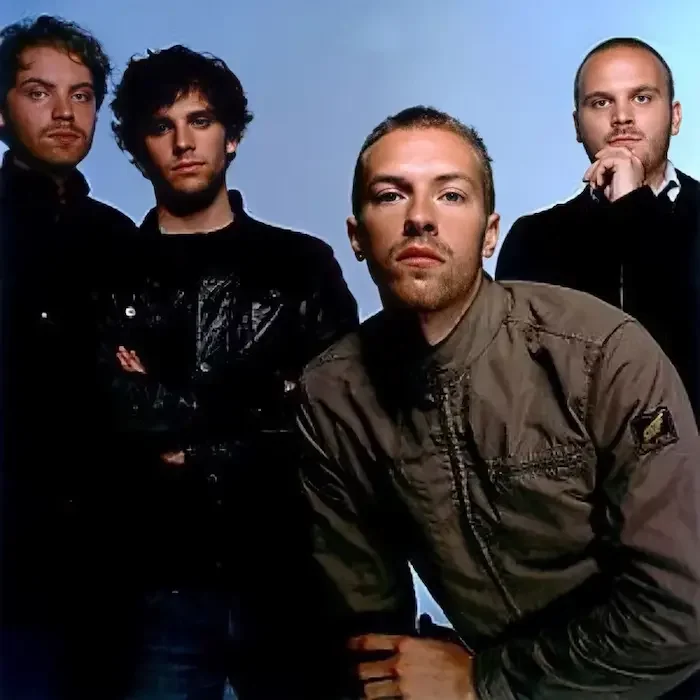
Coldplay
2006
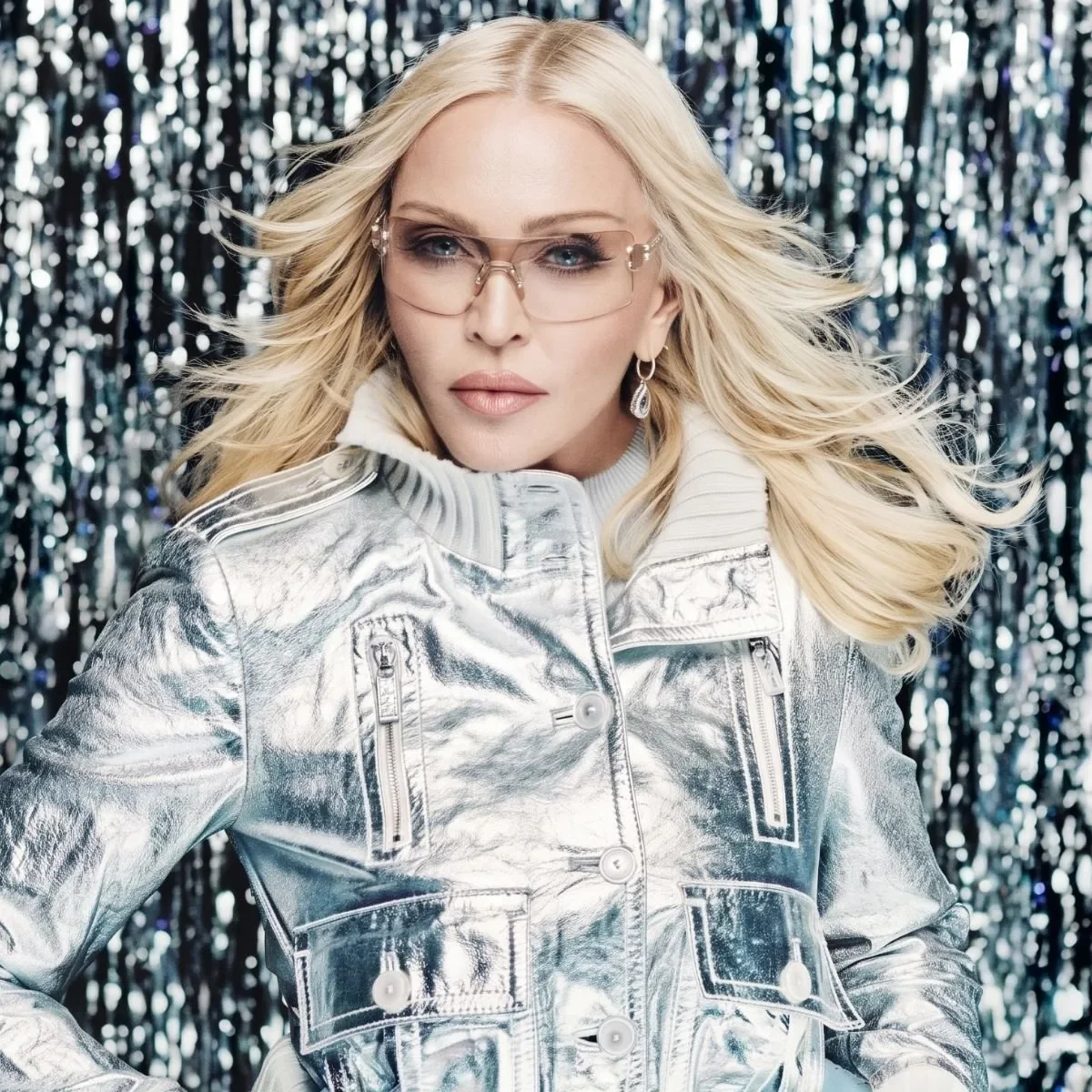
Madonna
2007
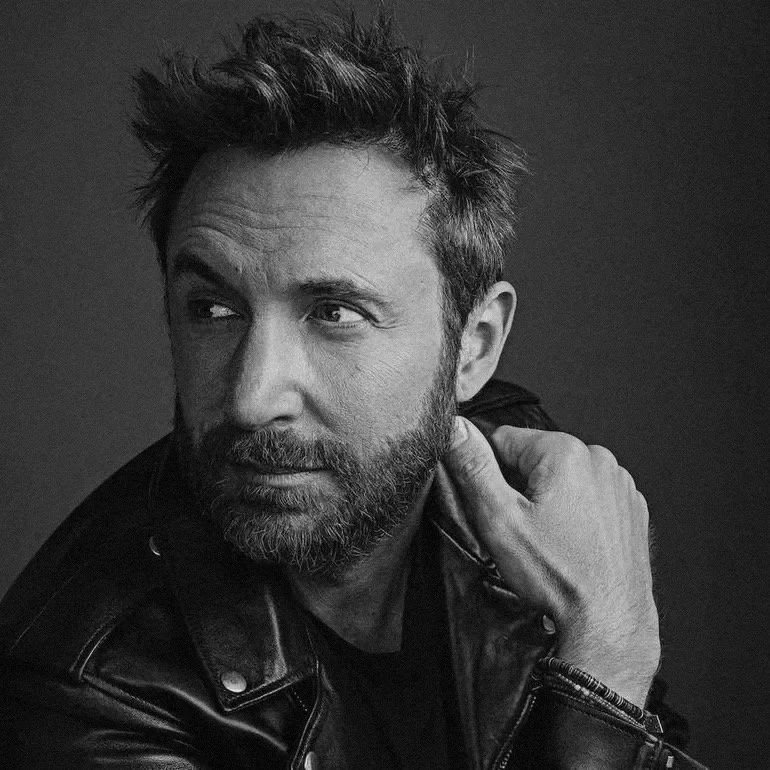
David Guetta
2008
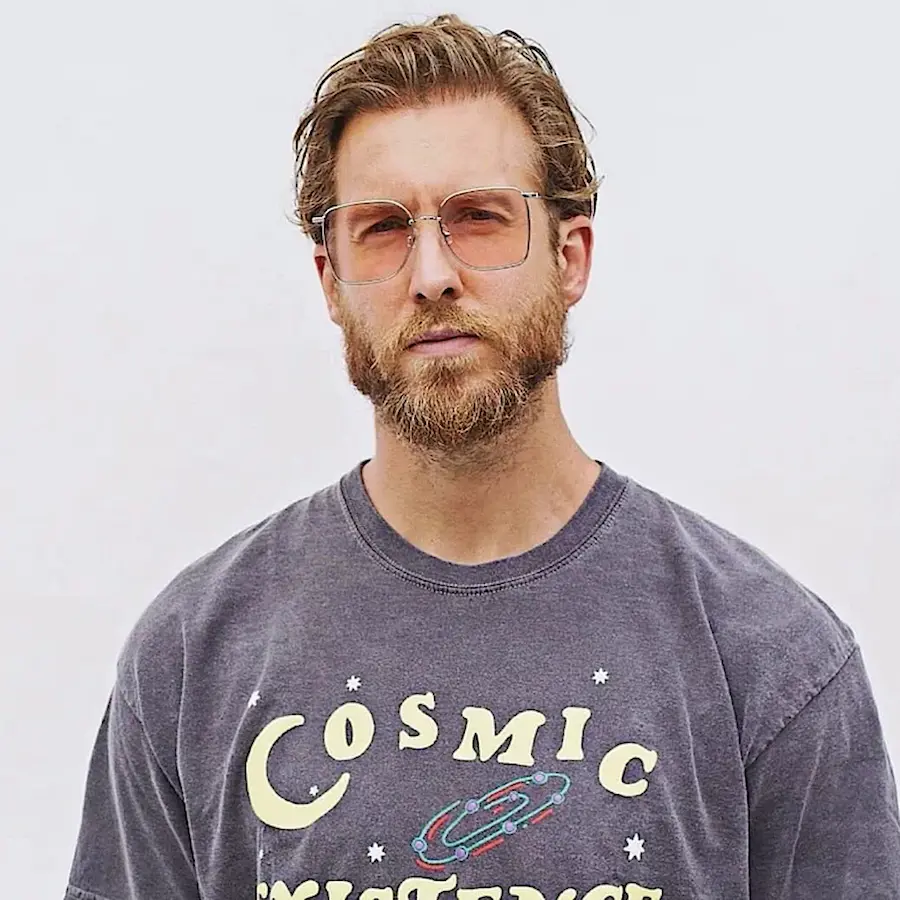
Calvin Harris
2009
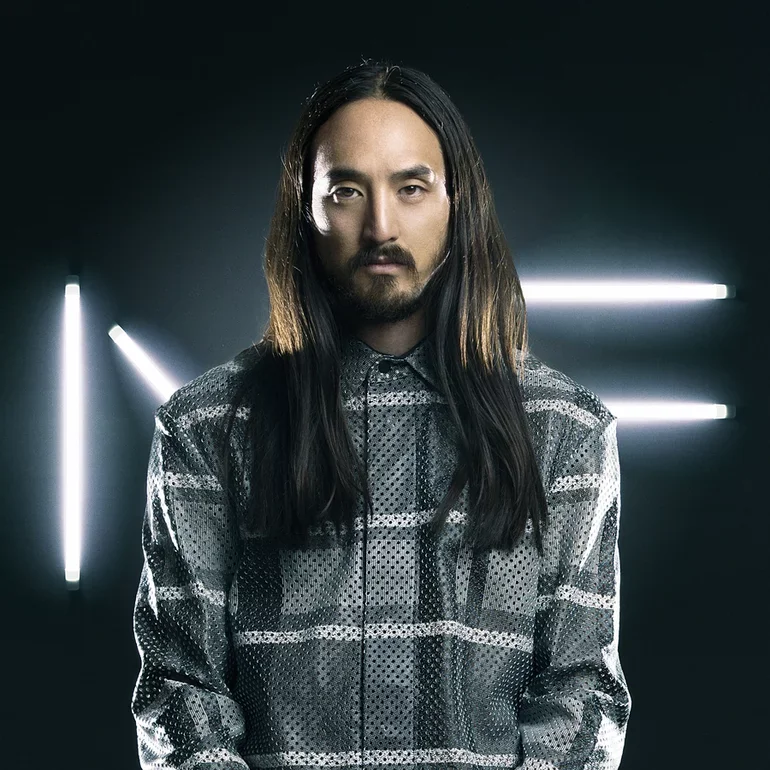
Steve Aoki
2010
David Guetta
2011
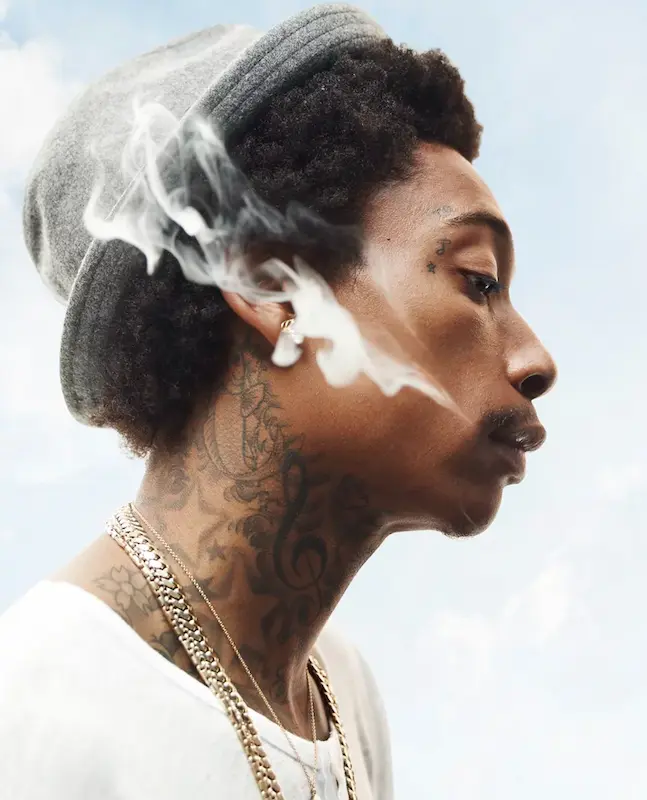
Wiz Khalifa
2012
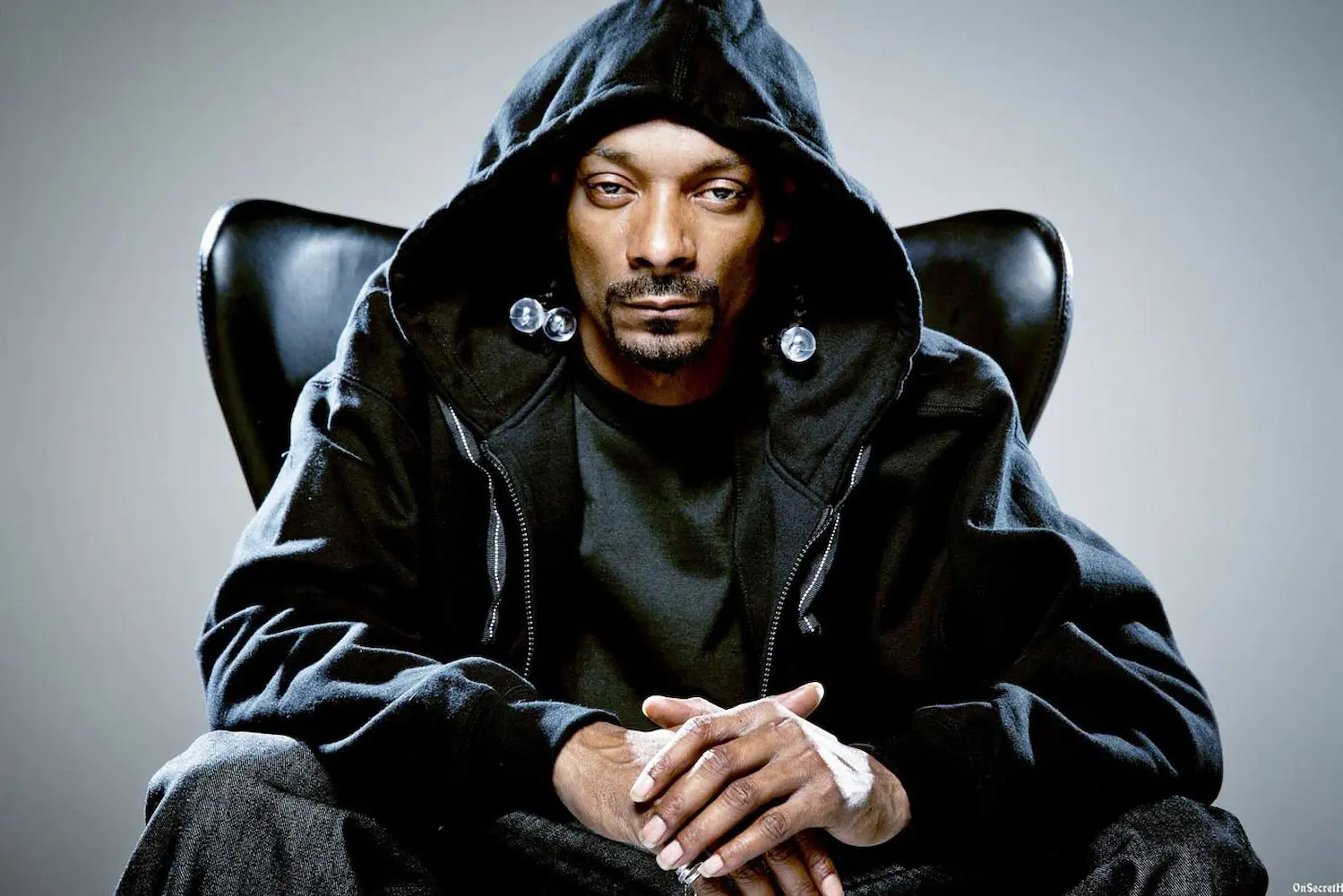
Snoop Dogg
2013
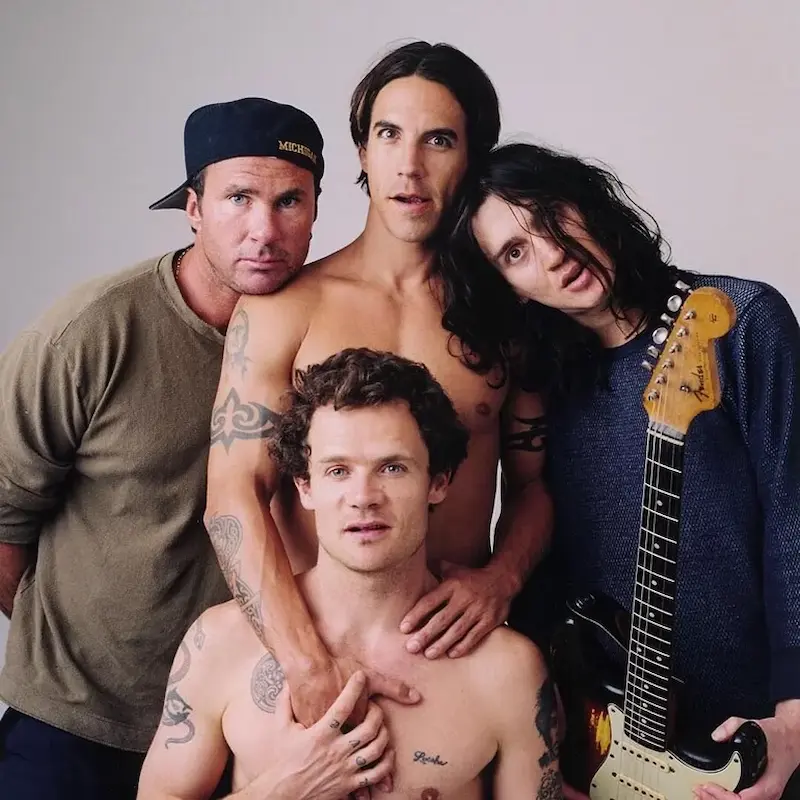
Red Hot Chili Peppers
2014
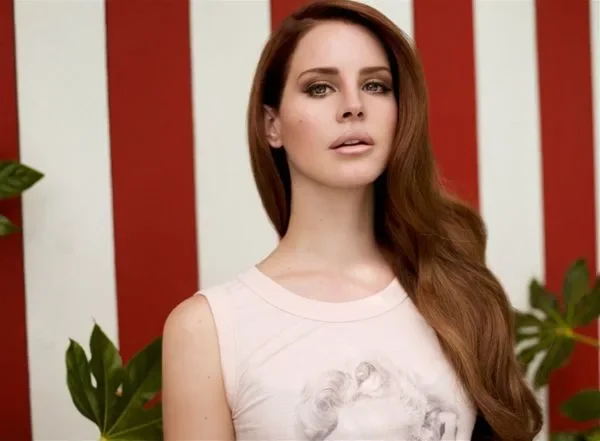
Lana del Rey
2015
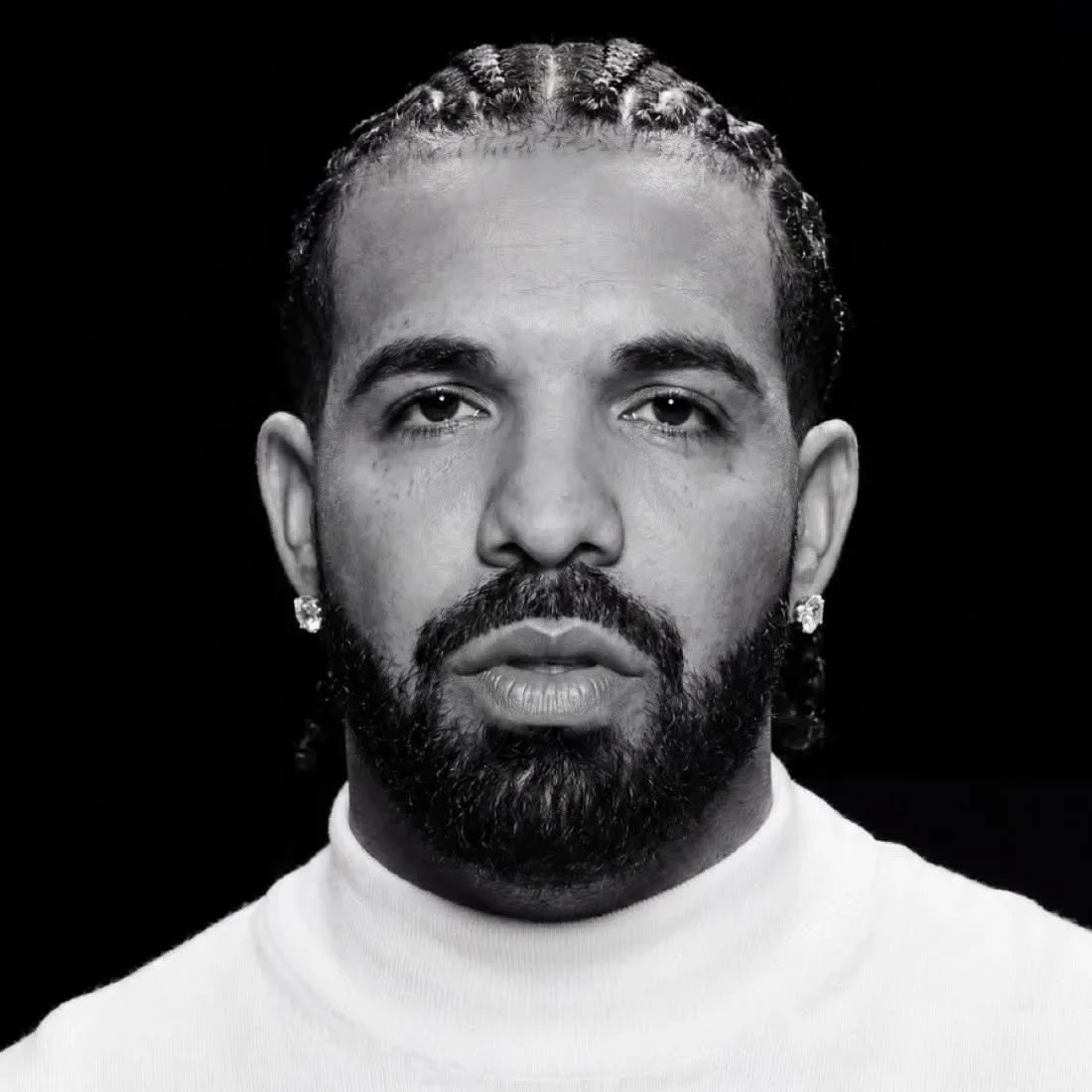
Drake
2016
Calvin Harris
2017
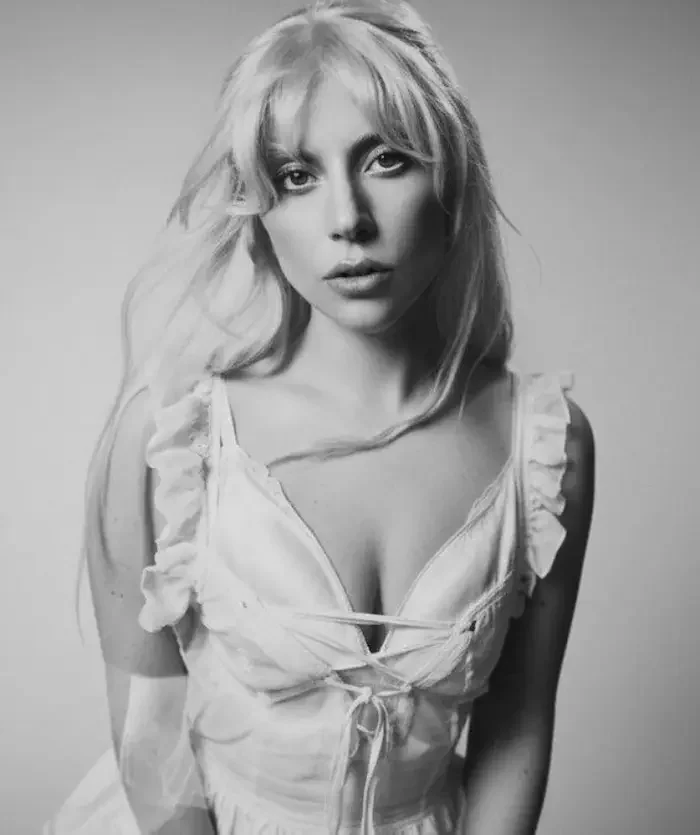
Lady Gaga
2018
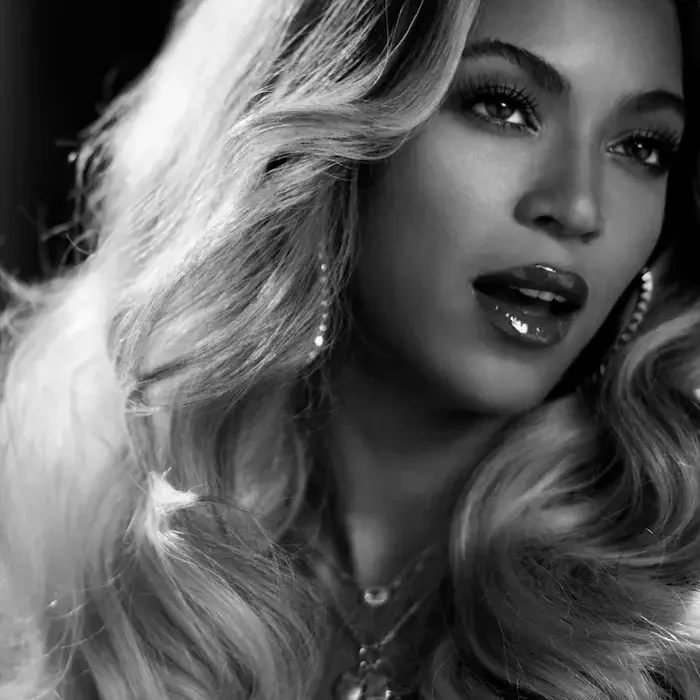
Beyoncé
2019
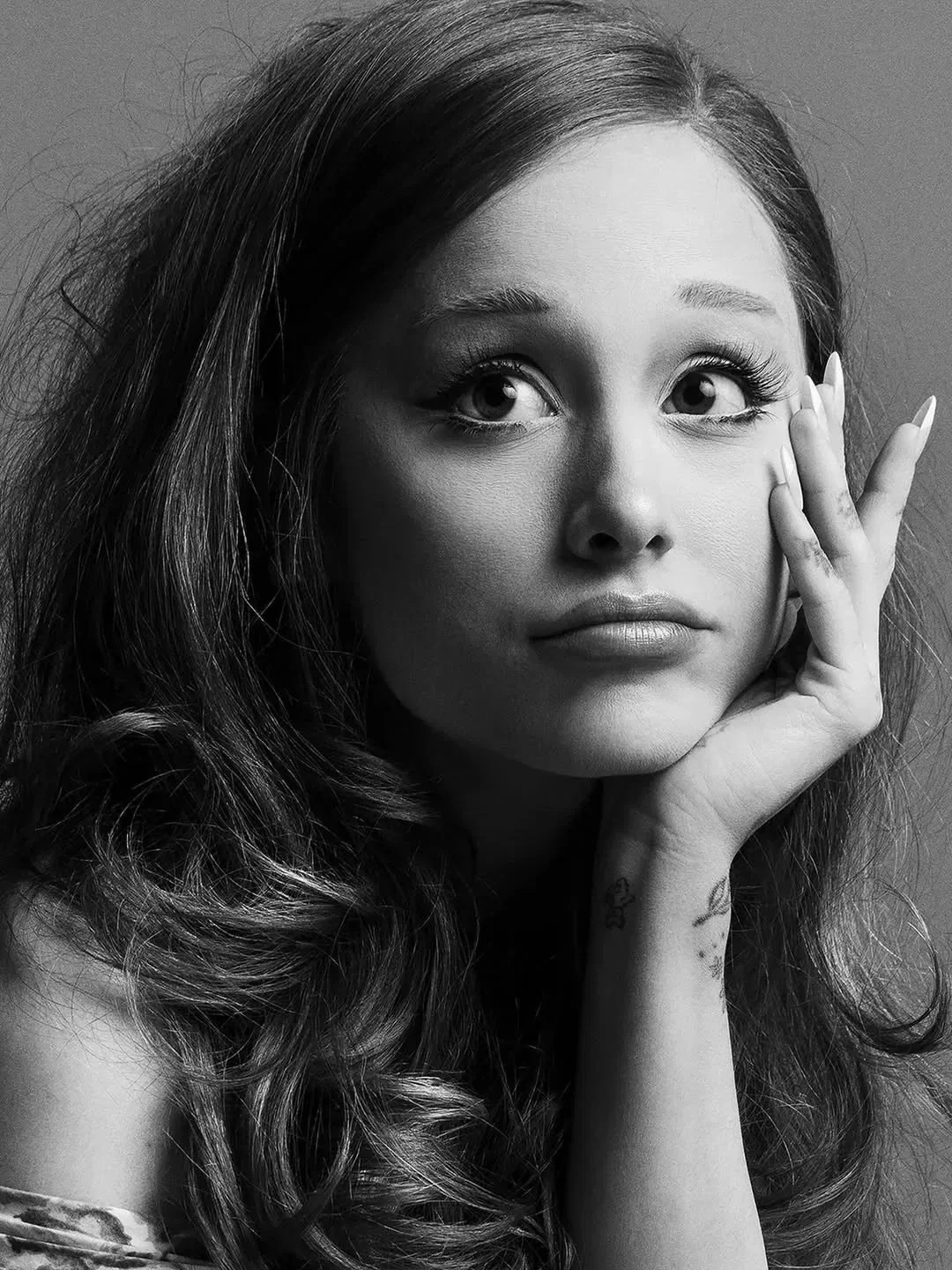
Ariana Grande
2022
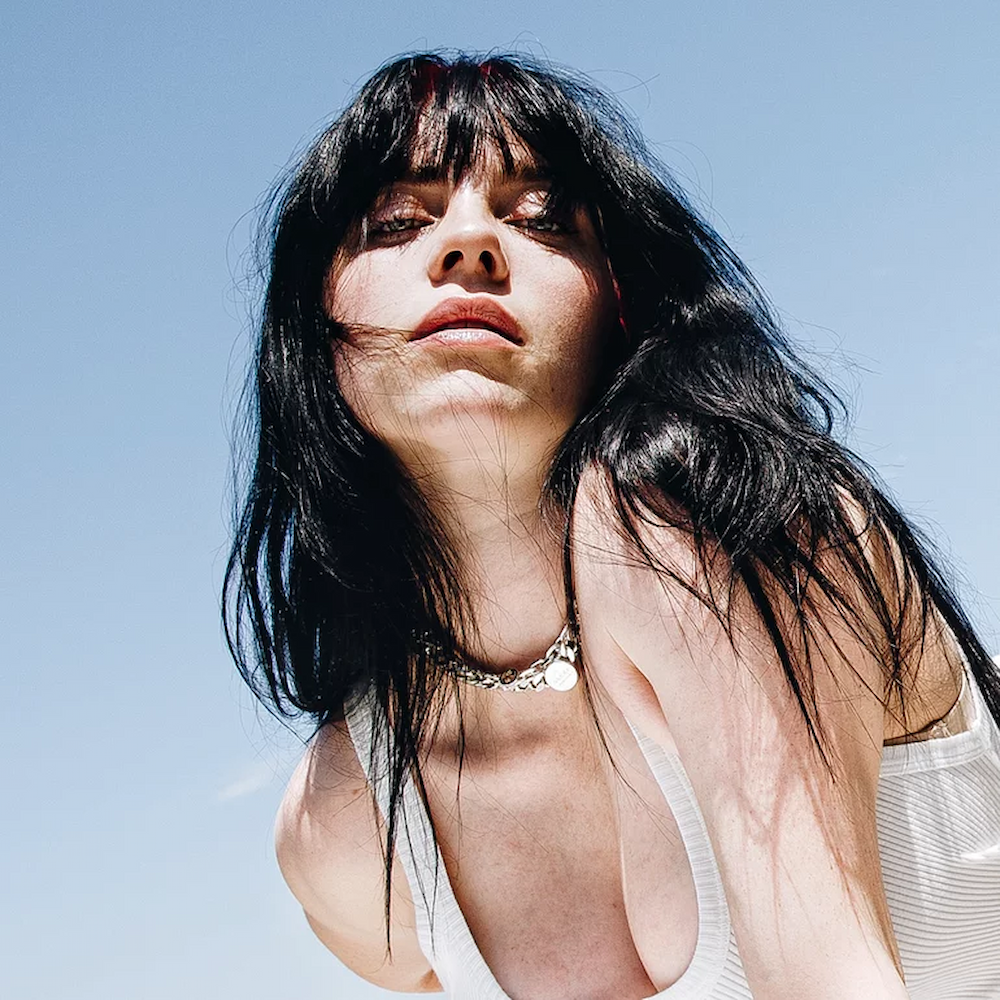
Billie Eilish
2023
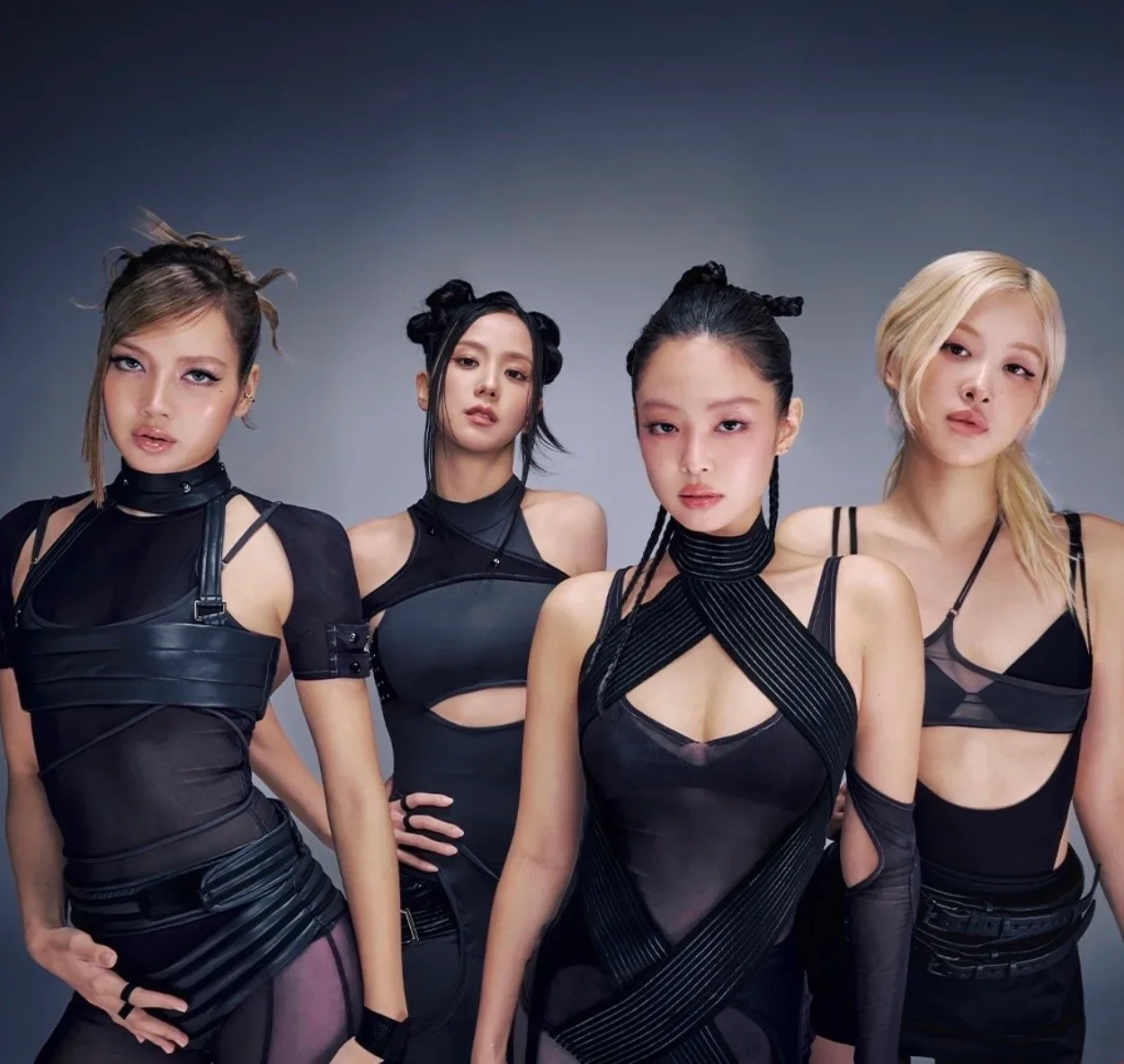
BLACKPINK
2024
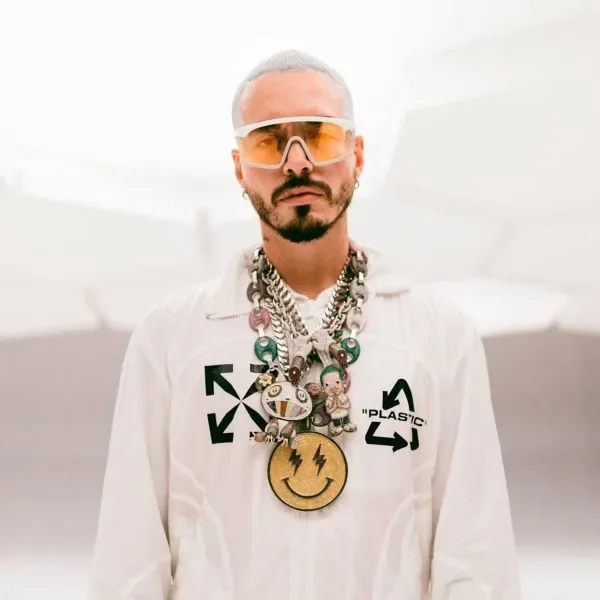
J Balvin
2025
Lady Gaga
2026
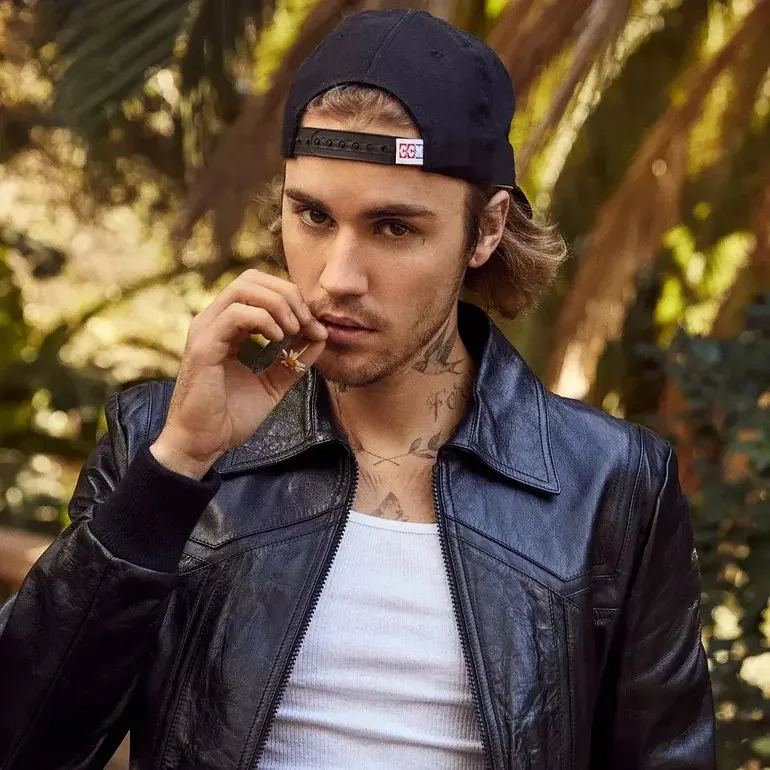
Justin Bieber
Those who appear most across this franchise's editions.
 #1
#1United States
19 editions · 2011–2025
#2Chile
15 editions · 2008–2025
#3United States
14 editions · 2008–2016
Documented photos from the franchise.
Editorial coverage linked by archive relation.